





Beijing’s chronicle is a grand epic, beginning with the traces of Peking Man (Homo erectus pekinensis) approximately 770,000 years ago at Zhoukoudian, testifying to human presence since primordial times. The first official historical records of a city here emerged in the first millennium BCE, when it was known as Ji, the capital of the State of Yan during the Warring States period. Through thousands of years of dynastic changes and ups and downs, Ji witnessed the fall of the Zhou dynasty, the rise of the Qin and Han, and the subsequent division into smaller kingdoms. By the Tang dynasty (618–907), the city—then called Youzhou—had evolved into an important military and commercial hub on the northern frontier. The true historical turning point arrived in the 10th century when the Khitans established the Liao dynasty (916–1125), turning the location into Nanjing, one of their secondary capitals. Afterward, the Jurchens established the Jin dynasty (1115–1234) and renamed it Zhongdu, elevating it to the status of an official capital. However, it was not until the Yuan dynasty (1271–1368) under Kublai Khan, bearing the name Dadu (Khanbaliq in Mongolian), that Beijing truly became an imperial metropolis and the center of a vast empire stretching across Eurasia. Marco Polo, the legendary explorer, lavished endless praise on the splendor of Dadu in his famous “Travels.”>
The 15th century witnessed the birth of a magnificent Beijing under the Ming dynasty (1368–1644). Yongle Emperor Zhu Di, after deposing his nephew to ascend the throne, decided to relocate the capital from Nanjing to Beijing in 1420, officially naming it Beijing (meaning “Northern Capital”). He initiated the reconstruction of the entire city upon the foundation of the former Dadu, which included building the Forbidden City, an architectural masterpiece of palace architecture known to us today. This construction represents the ultimate expression of traditional Chinese feng shui principles, featuring a perfectly symmetrical central axis, buildings facing south to welcome vital energy (sheng qi) while warding off cold winds from the north. Under the Ming and subsequently the Qing dynasty (1644–1912), Beijing grew into the world’s largest metropolis, serving as the center of power, culture, and artistic excellence for an empire spanning over 500 years. Even after the fall of the feudal regime, Beijing maintained its pivotal position, witnessing the birth of the Republic, the turbulence of war, and ultimately its reestablishment as the heart of modern China. From the narrow ‘hutong’ alleys still breathing the mist of a millennium to soaring modern skyscrapers, Beijing stands as a living testament to the uninterrupted continuation of history—a geographical and cultural book unfolding before those who seek to understand the origins and future of a great nation.
Stepping into Beijing is stepping into an ingeniously preserved and restored ancient urban space, where UNESCO World Heritage sites stand tall, recounting stories of thousands of years. Unlike many other Asian metropolises, this city still retains an iconic urban layout, featuring straight main arteries and perfectly symmetrical structures that reflect the cosmology of ancient Chinese philosophy. The ‘hutong’—ancient alleyways enclosed by ‘siheyuan’ (traditional courtyard houses)—remain the soul of old Beijing. Although many hutongs have given way to urban development, districts like Nanluoguxiang and Shichahai still retain their nostalgic beauty, where visitors can stroll, absorb the slow-paced life, savor tea in traditional teahouses, or simply watch locals play chess and chat under the shade of ancient trees. This is a space where the past and present intersect, where local customs are respectfully preserved—from raising singing crickets and fighting crickets to the arts of calligraphy, paper-cutting, and folk performance arts like Beijing opera and magic.
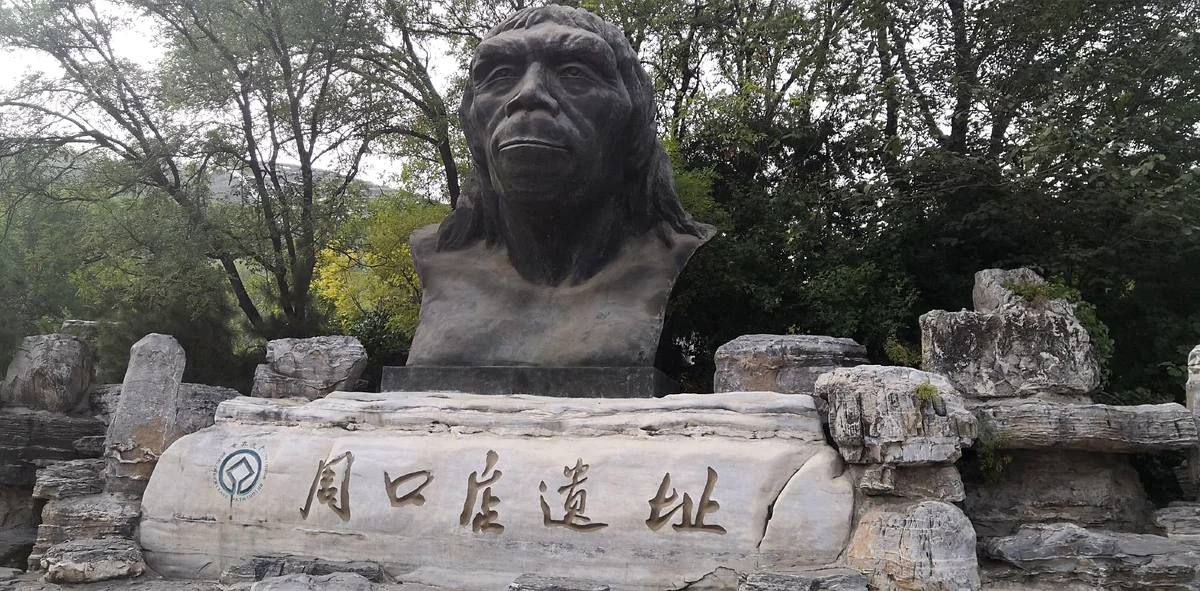
Beijing proudly boasts 7 UNESCO World Heritage Sites, including the Forbidden City, the Great Wall, the Summer Palace, the Temple of Heaven, the Ming Tombs, the Ming Xiaoling Mausoleum, and the Grand Canal, along with the Peking Man Site at Zhoukoudian. Each of these heritages is not merely an architectural structure but a historical treasury and a cultural symbol. Beijing’s local customs and traditions are also extremely rich and diverse, reflecting the depth of Chinese civilization. From traditional festivals like the Lunar New Year, Qingming Festival, Dragon Boat Festival, and Mid-Autumn Festival, to daily activities such as morning Tai Chi in the parks, afternoon tea, or Peking Opera performances in ancient theaters. The people of Beijing are renowned for their hospitality, warmth, and strong sense of loyalty. Here, you will have the opportunity to immerse yourself in the lives of local residents, learn about cultural values passed down through generations, and witness the harmonious blend of tradition and modernity in every corner of the city. This unique intersection creates Beijing’s irresistible appeal—a destination not only for sightseeing but also for experiencing and contemplating.
Now, let us journey together through Beijing’s premier scenic spots, where every single brick and tile holds a grand story of the Chinese empire.
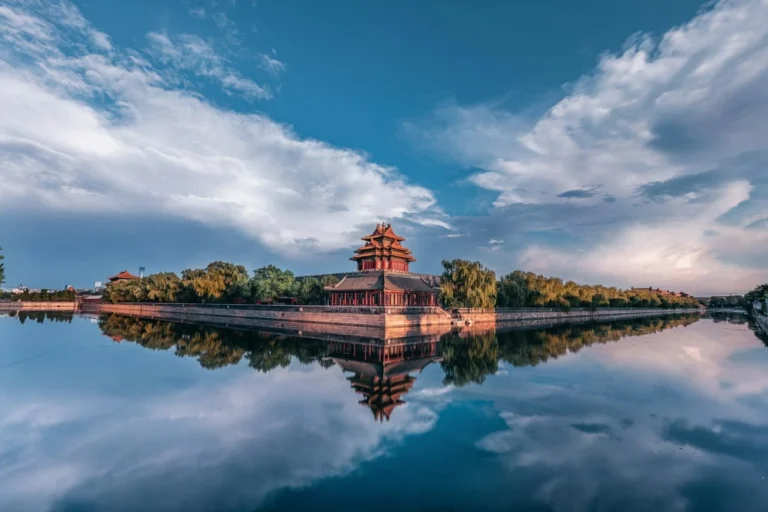
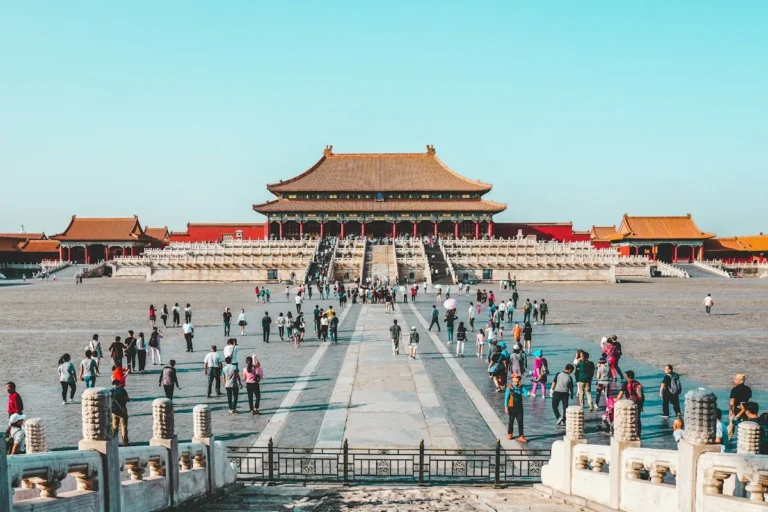
First and foremost, it is impossible not to mention the Forbidden City, a UNESCO World Heritage Site. Located right in the heart of Beijing, it is the world’s largest imperial palace complex, having served as the home and workplace of 24 Emperors from the Ming and Qing dynasties for nearly 500 years (from 1420 to 1912). Spanning a colossal area of over 72 hectares with nearly 1,000 buildings and an estimated 9,999 rooms (the 10,000th was said to be reserved for the Jade Emperor in heaven), the Forbidden City is a masterpiece of traditional Chinese timber architecture. The entire complex is built along a strict symmetrical central axis, extending from the Tiananmen Gate in the south to the Shenwu Gate (Gate of Divine Prowess) in the north. The grand halls in the Outer Court, such as the Hall of Supreme Harmony, the Hall of Central Harmony, and the Hall of Preserved Harmony, were venues for grand ceremonies and state affairs, demonstrating the supreme authority of the Son of Heaven. The Inner Court, comprising the Palace of Heavenly Purity, the Palace of Earthly Tranquility, the Hall of Mental Cultivation, and the Six Eastern and Western Palaces, served as the living quarters for the Emperor, Empress, and imperial concubines. Every angle and decorative detail—from golden dragons and stone lions to intricate carvings—carries profound symbolic meanings of power, prosperity, and eternal happiness. Visiting the Forbidden City, you will not only admire the magnificent architecture but also feel the breath of history, imagining the golden dynasties, court intrigues, and fateful tragedies that unfolded here. The Palace Museum within houses millions of precious artifacts, from porcelain, jade, and paintings to imperial garments, serving as a vivid testament to China’s brilliant civilization.
Leaving behind the splendor of the capital, we head north to the Great Wall, one of the New Seven Wonders of the World and a UNESCO World Heritage Site. This is not merely a military defense structure but a symbol of the great will and strength of the Chinese nation. The section of the Great Wall around Beijing is one of the best-preserved and most beautiful parts, with its two most famous destinations being Badaling and Mutianyu.
Badaling, located about 80 km northwest of central Beijing, is the earliest restored and most visited section of the Wall. It features cable cars, sliding slopes, and well-developed tourism services, making it very convenient for all types of travelers. From here, the Wall winds like a giant dragon across rolling mountain ranges, offering a panoramic and majestic view. The history of Badaling is closely tied to the Ming Dynasty, when it played a vital role in protecting the capital from invasions by northern tribes. Upon visiting Badaling, travelers can easily access and admire the grandeur of this structure.
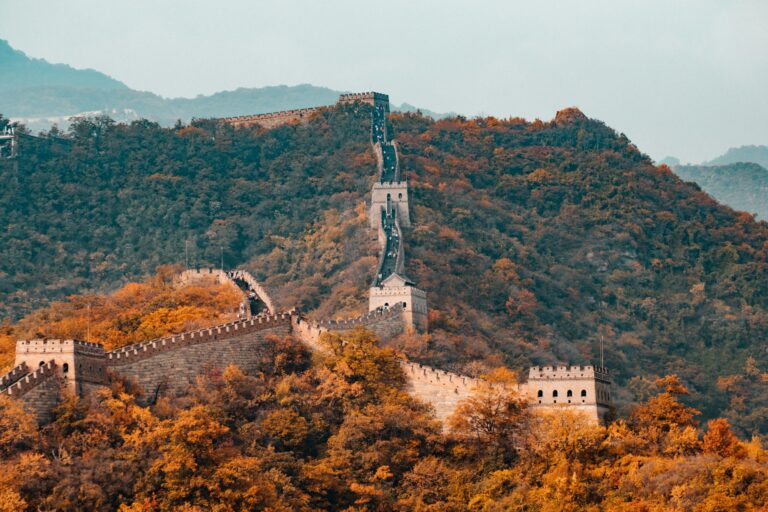
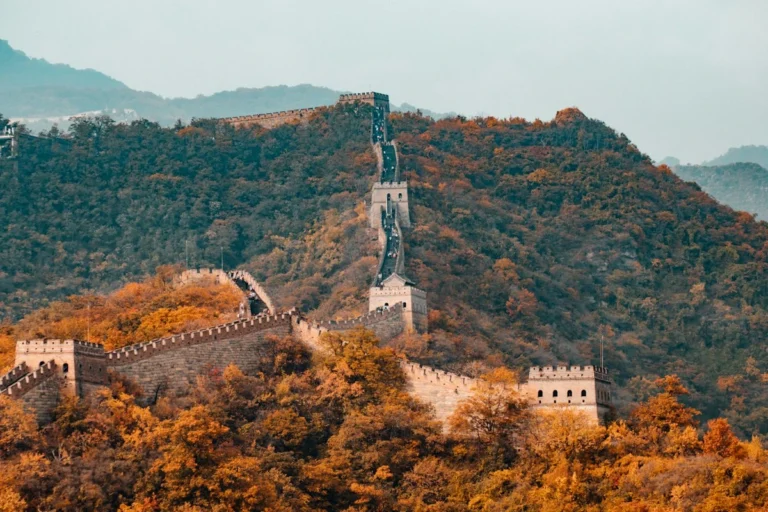
Meanwhile, Mutianyu, located about 90 km northeast of Beijing, offers a more pristine and romantic beauty. With a moderate slope, Mutianyu is less crowded than Badaling, making it ideal for those seeking peace and scenic natural views. This section is famous for its densely arranged and unique watchtowers, along with lush green trees that stretch out, turning brilliantly vibrant in autumn with yellow and red leaves. Mutianyu also features modern cable car and chairlift systems, along with an exciting toboggan ride down the mountain. The history of Mutianyu also dates back to the Ming Dynasty, rebuilt and reinforced under the Yongle and Jiajing emperors. Both Badaling and Mutianyu are fantastic places to experience the awe-inspiring nature of the Great Wall, the only man-made structure visible from space.
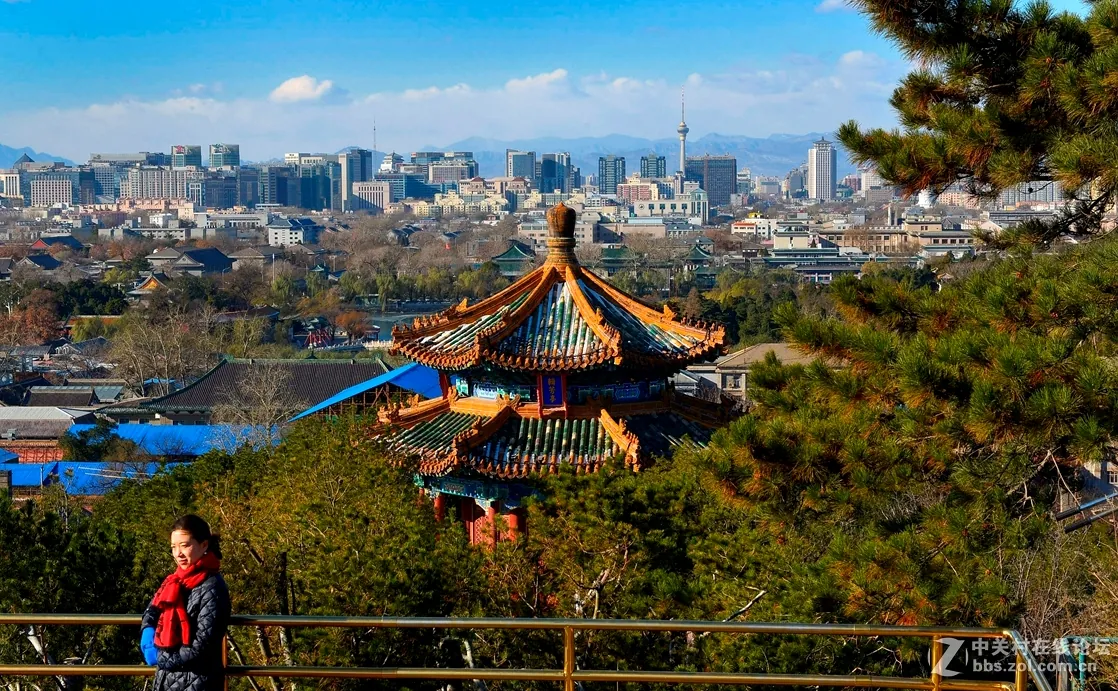
Next, let our souls wander into the Summer Palace (Di Hòa Viên), a breathtaking UNESCO-listed imperial garden where the Qing dynasty royalty sought tranquility and escape from the summer heat. Located about 15km northwest of the city center, the Summer Palace is a masterpiece of Chinese landscaping art, harmoniously combining natural hills, vast lakes, and numerous elaborate palaces, temples, bridges, and corridors. The sprawling Kunming Lake takes up the majority of the area, with South Lake Island and the Seventeen-Arch Bridge as its poetic highlights. Along the shore, the Long Corridor features thousands of exquisite murals recounting fairy tales and legends. Longevity Hill stands tall with the Tower of Buddhist Incense and the Sea of Wisdom Temple at its summit, offering breathtaking panoramic views. The Summer Palace is deeply intertwined with Empress Dowager Cixi, who used a portion of the naval budget to renovate and expand the garden in the late 19th century, turning it into her primary residence in her final years. Every bridge, temple, and stone wall holds a story of power, love, and the extravagance of the feudal court. The Summer Palace is not merely an architectural structure but a living, magnificent natural landscape that changes with every season, offering eternal beauty and rare serenity.
Another sacred destination that cannot be missed is the Temple of Heaven (Thiên Đàn), also a UNESCO World Heritage Site. Located in the southeast of the city center, the Temple of Heaven is a vast Taoist temple complex where the Emperors of the Ming and Qing dynasties performed sacrificial rituals to Heaven to pray for favorable weather, bountiful harvests, and peace and prosperity for the nation. Built in 1420 during the reign of the Yongle Emperor, the architecture of the Temple of Heaven is extraordinarily unique, reflecting the cosmology and profound feng shui philosophy of ancient China. The main structures include the Hall of Prayer for Good Harvests with its three stacked circular roofs symbolizing Heaven, Earth, and Humanity; the Imperial Vault of Heaven, which houses the spirit tablets of Heaven and ancestors; and the Circular Mound Altar, a three-tiered marble terrace where the Emperor performed the ritual sacrifices to Heaven. The flawless symmetry, vibrant colors (blue tiles symbolizing the sky), and layout of buildings in circles and squares all carry profound philosophical meaning. Upon visiting the Temple of Heaven, you will not only admire the exquisite architecture but also feel the solemn, sacred atmosphere, as if stepping into an ancient spiritual world where the Emperor, as the Son of Heaven, harmonized with Heaven and Earth. It is also a sprawling park where locals frequently gather to exercise, fan dance, and play chess, creating a vibrant snapshot of everyday cultural life.
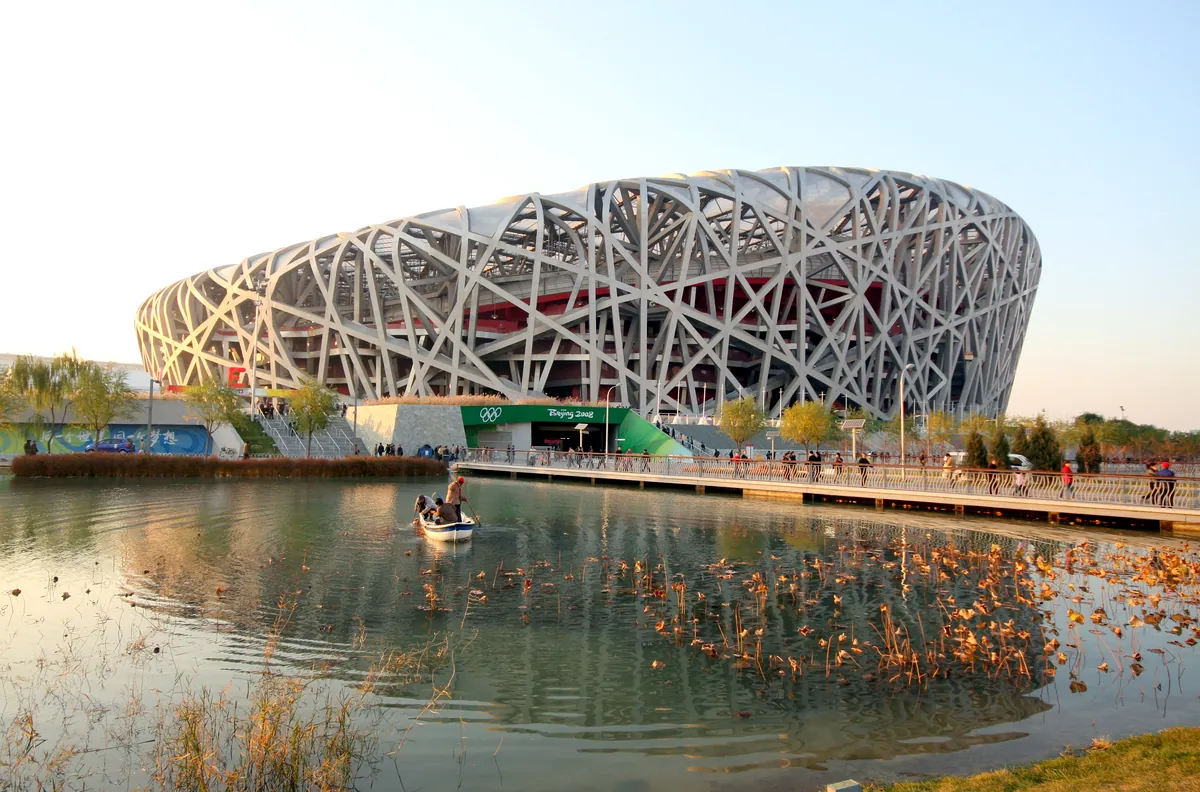
From the imprints of a thousand years of history, we transition to an icon of modern Beijing: the Beijing National Stadium, also known as the Bird’s Nest Stadium. Located in the Olympic Park, this stadium is an architectural masterpiece designed by Swiss architects Herzog & de Meuron and Chinese artist Ai Weiwei for the 2008 Summer Olympics. With its unique shape mimicking a giant bird’s nest, the structure is not merely a symbol of creativity and innovation, but also a testament to China’s rising global stature. With a seating capacity of over 80,000, the Bird’s Nest hosted the impressive opening and closing ceremonies of the 2008 Olympics, alongside top-tier track and field and football events. After the Olympics, it became a multi-functional venue hosting sporting events, concerts, and artistic performances. Although lacking the historical depth of the Forbidden City or the Summer Palace, the Bird’s Nest represents a dynamic, modern China that is ready to integrate and assert its position on the international stage. Here, visitors can tour the unique architecture, take commemorative photos, and soak in the atmosphere of one of the planet’s grandest sporting events.
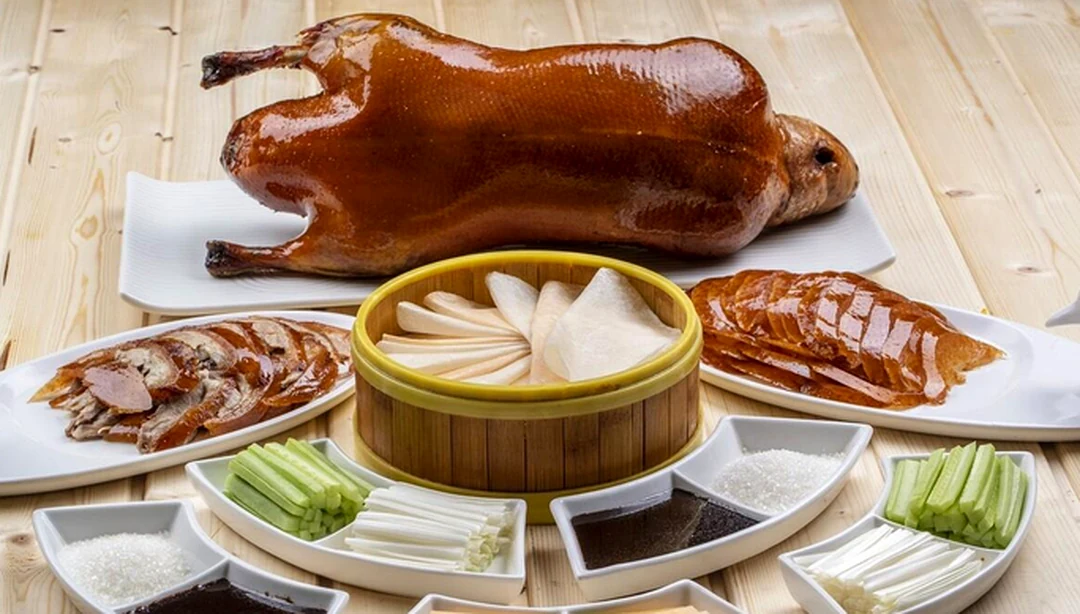
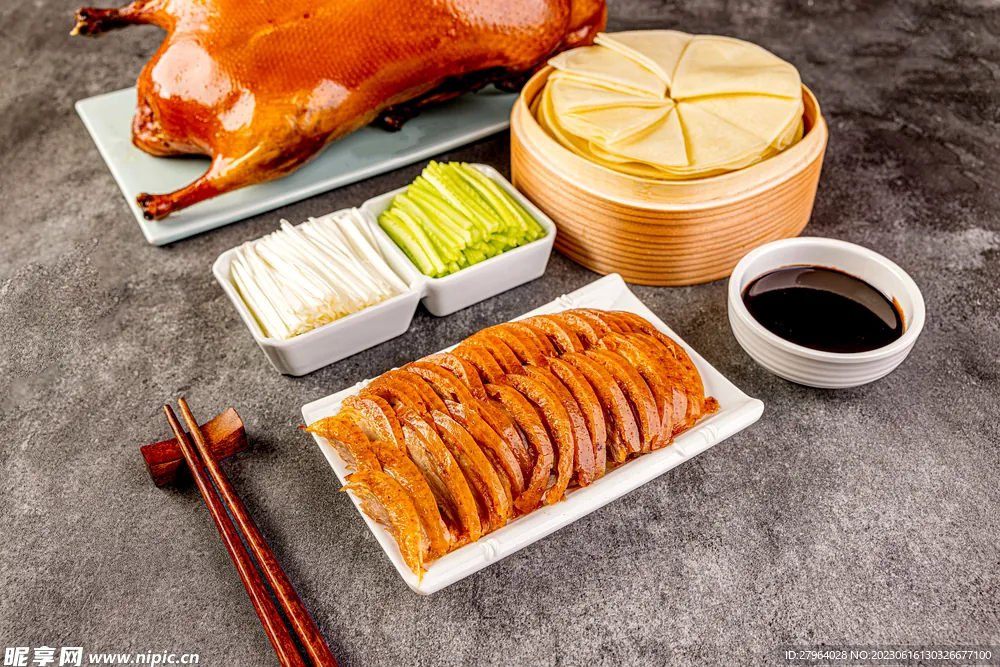
A heritage discovery journey would not be complete without tasting the local cuisine. Beijing’s culinary culture is a delicate blend of flavor and history, reflecting both the richness of imperial dining and the rustic charm of the streets. The most iconic dish is none other than Peking Roast Duck. This roast duck is not simply a meal, but an art form—from selecting the duck, marinating, and roasting in the oven to slicing it thinly and enjoying it with thin pancakes, cucumbers, scallions, and a special dark sweet bean sauce. The duck skin is crispy and amber-gold, while the meat is tender, sweet, and infused with rich flavors that captivate anyone who tries it. There are two main schools of roasting duck in Beijing: Bianyifang with its closed oven and Quanjude with its hanging oven, each offering its own distinct flavor, yet both enchanting diners. Peking Roast Duck is not just food; it is a cultural experience, typically enjoyed at formal banquets to demonstrate hospitality and high status.
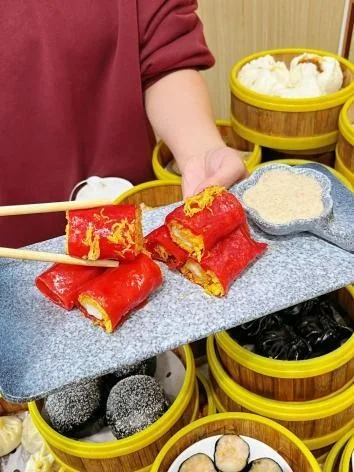
Alongside roast duck, Beijing treats visitors to countless other enticing dishes. Zha Jiang Mian (炸酱面), or noodles with soybean paste, is a rustic yet deeply flavorful dish featuring chewy noodles, minced pork stir-fried with a sweet-and-salty soybean paste, and julienned fresh vegetables. It is the “national dish” of Beijingers—simple yet full of nutrition and flavor. Mongolian Mutton Hot Pot (涮羊肉 – Shuàn Yángròu), especially the traditional charcoal hot pot, is also an unmissable culinary experience, particularly during the cold winter months. Thinly sliced mutton is quickly dipped into a boiling hot pot of broth, then dipped in a special sauce made of sesame oil, fermented bean curd, garlic, chives, and various spices. The robust flavor of the mutton blends with the warm, rich sauce to create an unforgettable experience. Additionally, there are street snacks such as candied hawthorn skewers (糖葫芦 – tánghúlu), steamed stuffed buns (包子 – bāozi), steamed buns (馒头 – mántou), and a myriad of delicate dim sum.
The tea ceremony culture is also an inseparable part of Beijing’s lifestyle. Visiting traditional teahouses in ancient hutongs, guests will experience the elaborate tea-making art, savoring the delicate flavors of Longjing, Tieguanyin, or Pu’er tea in a quiet and peaceful ambiance. Banquets in Beijing, especially those in royal style, are not merely dining experiences but artistic performances, featuring intricately prepared, exquisitely garnished dishes served according to traditional rituals. This is an opportunity for travelers to gain a deeper understanding of the intersection between gastronomy and culture, flavor and history in every single dish.
To ensure your trip to Beijing goes as smoothly and conveniently as possible, understanding the transportation infrastructure and the golden time to explore is extremely important. Beijing boasts one of the most modern and well-developed public transportation systems in the world. Beijing Capital International Airport (PEK) and Beijing Daxing International Airport (PKX) are the two main aviation gateways, welcoming millions of passengers each year. From Vietnam, you can easily fly directly to Beijing from Hanoi or Ho Chi Minh City with numerous reputable airlines. The newer and more modern Daxing International Airport (PKX) frequently handles flights connecting to major domestic and international cities, while Capital Airport (PEK) remains the primary hub, particularly for flights to and from Vietnam.
Within the city, Beijing’s subway network is one of the largest in the world, covering every corner and connecting major tourist attractions quickly and efficiently. Traveling by subway is not only convenient but also helps you avoid traffic jams. Additionally, the bus system is well-developed, although it might be slightly complicated for first-time visitors. Taxis and ride-hailing apps like Didi Chuxing (similar to Grab/Uber) are readily available and popular. For traveling between China’s major cities, the CRH (China Railway High-speed) network is the optimal choice. Beijing West Railway Station is one of the largest stations, connecting with other cities such as Shanghai, Xi’an, and Guangzhou via ultra-fast high-speed trains, offering a comfortable and time-saving travel experience.
The golden time to visit Beijing depends on your preferences and purpose, as the city displays distinct charms across all four seasons.
Spring (March – May): This is one of the most wonderful seasons to visit Beijing. The weather is mild and pleasant, the air is fresh, trees sprout new buds, and peach, cherry, and magnolia blossoms bloom brilliantly in parks and royal gardens. This is an ideal time to tour the Great Wall, the Summer Palace, and other outdoor scenic spots. However, you should prepare for a few days of mild sandstorms in early spring.
Summer (June – August): Summer in Beijing is quite hot and humid, occasionally with heavy downpours. Nevertheless, it is the peak travel season for domestic tourists. If you choose to travel in summer, pack lightweight clothing, sunscreen, and stay hydrated. Evenings are usually cooler, perfect for strolling the streets and exploring night markets. The Summer Palace is a fantastic choice during this season to enjoy the cool breeze from Kunming Lake.
Autumn (September – November): This is considered the absolute best time to visit Beijing. The weather is dry and cool, with clear blue skies and gentle golden sunlight. In particular, the autumn foliage transforms into vibrant shades of gold and red at Fragrant Hills, the Great Wall, and the Summer Palace, creating breathtaking scenery. Traditional festivals also frequently take place during this season.
Winter (December – February of the following year): Winter in Beijing is very cold, with snowfall and temperatures that can drop below 0°C. However, this is an opportunity to witness an ancient, serene Beijing blanketed in white snow, exuding a magical and romantic charm. Activities like ice skating and visiting the Ice and Snow Festival are also very popular. Indoor destinations such as the Forbidden City and the National Museum always welcome visitors. If you wish to experience a different, uncrowded Beijing, winter is an exciting choice, though you must prepare warm clothing thoroughly.
To make the trip to Beijing for our travelers from Vietnam as convenient and memorable as possible, VDS Travel offers these pocket-sized field guides along with a commitment to dedicated companionship.
First and foremost is regarding visa procedures and travel passes. Vietnamese citizens require a visa to enter China. The visa application process may require documents such as a passport valid for at least 6 months, ID photos, an invitation letter (if applicable), flight and hotel booking confirmations, and a detailed itinerary. You should prepare your documents fully and submit them to the Chinese Embassy or Consulate in Vietnam well in advance of your departure date. VDS Travel can provide consultation and detailed guidance on these procedures, ensuring you have all the necessary paperwork for a smooth entry.
Regarding currency and payments, China has become a cashless society, with mobile payment applications such as Alipay and WeChat Pay being absolutely dominant. Most shops, restaurants, public transportation, and even traditional markets accept payments through these two apps. Carrying cash is still accepted in some places, but it is not common and can be inconvenient. To use Alipay or WeChat Pay, Vietnamese travelers need to link the app with an international bank card (Visa/Mastercard) or top up their e-wallet via conversion services. VDS Travel recommends installing and setting up these apps before your trip for the most convenient shopping and spending experience. Exchange rates may fluctuate, so it is advisable to update the information before exchanging money or making payments.
Internet connectivity is an essential need. Using an eSIM roaming is the optimal choice for Vietnamese travelers. Instead of buying a physical SIM or renting a Wi-Fi pocket device, eSIM allows you to maintain high-speed internet connectivity, make calls, and use mapping and translation apps seamlessly right upon landing. You can easily purchase and activate an eSIM before your trip through international service providers or contact VDS Travel for advice on the most suitable eSIM package, ensuring you stay connected with family and friends at all times.
Finally, there is clothing suitable for the terrain and weather. Beijing has distinct differences between seasons. In spring and autumn, layered clothing is a smart choice to easily adjust to the temperature. In summer, prioritize cool, sweat-absorbent clothing. In winter, you need to prepare thick warm coats, woolen hats, scarves, gloves, and non-slip boots in case of snow. When visiting historical and spiritual sites such as the Forbidden City, the Temple of Heaven, or temples and pagodas, you should choose polite, modest attire to show respect. Comfortable, soft footwear is extremely important because you will have to walk a lot, especially when exploring the vast Forbidden City, the rugged Great Wall, or the expansive Summer Palace. Preparing a small backpack to carry water, snacks, sunscreen, and a small umbrella will also be very useful.
VDS Travel is not simply a travel agency, but a trusted companion on every step of your exploration. We understand that each trip is a personal experience, and therefore, VDS Travel’s team of experts is always ready to provide dedicated support, from planning detailed itineraries, booking tickets and accommodations, assisting with visa procedures, to advising on local culture and resolving any issues arising throughout the journey. With deep understanding of China’s heritage, culture, and geography, we are committed to bringing you a Beijing tour that is not just a vacation, but a journey of self-discovery, broadening your horizons, and leaving unforgettable memories. Let VDS Travel help you turn your dream of exploring Beijing – the thousand-year-old capital – into reality.
