


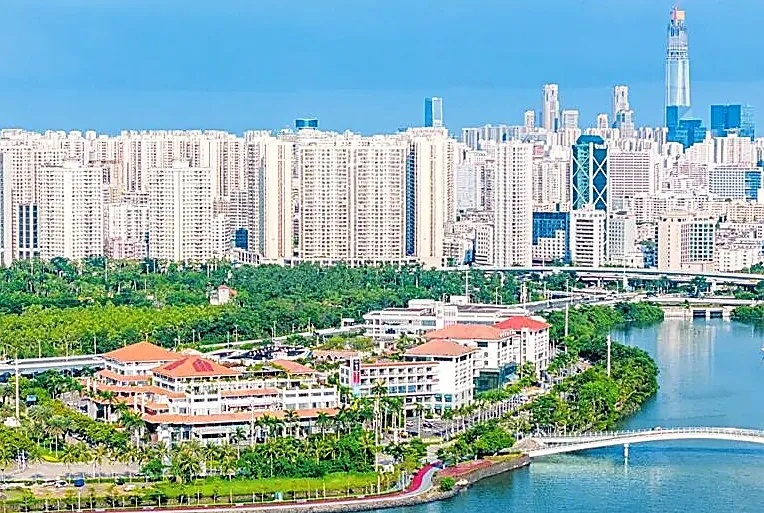
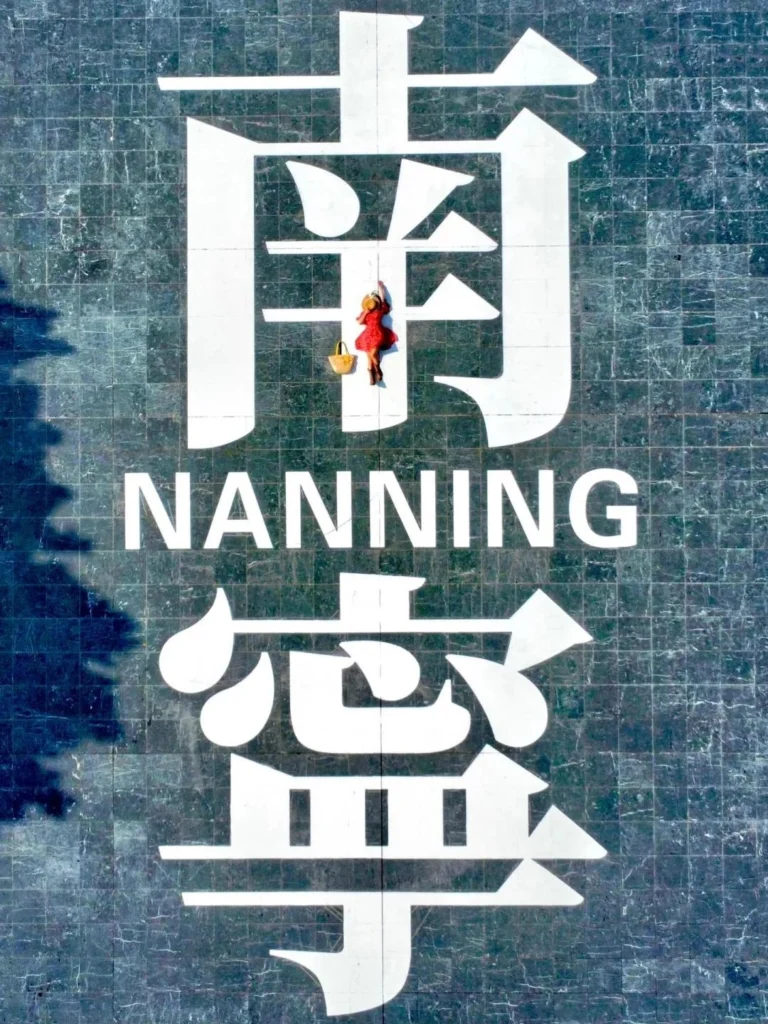
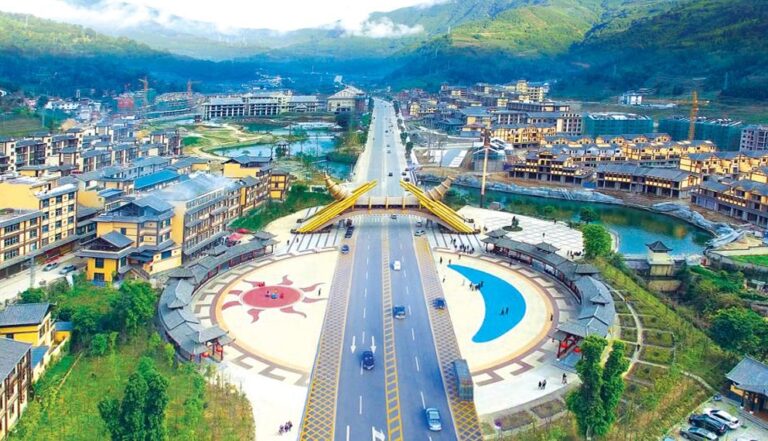
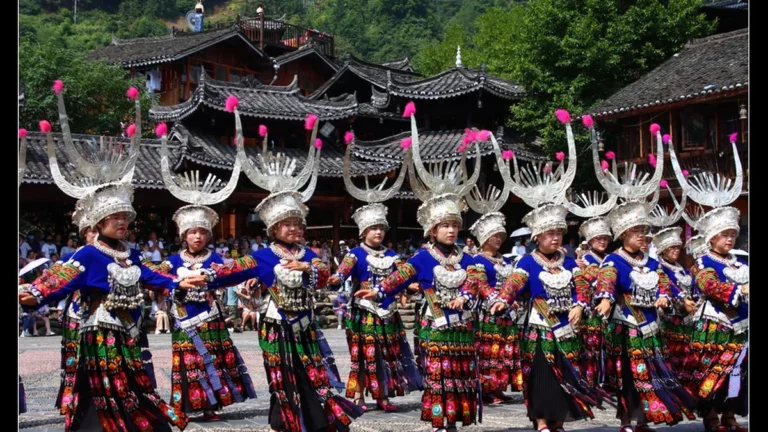
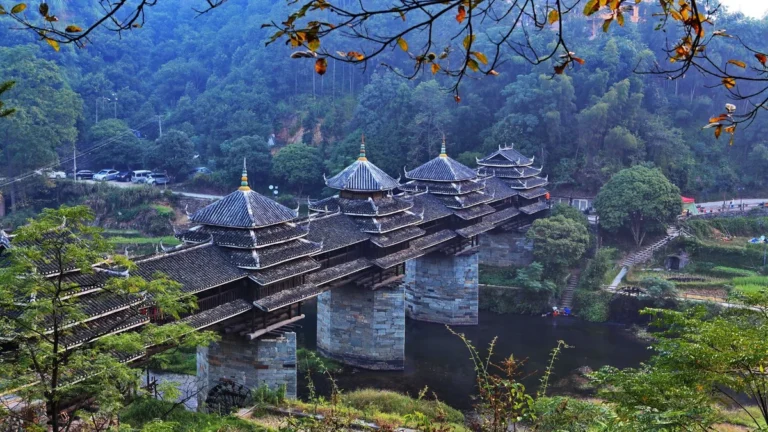


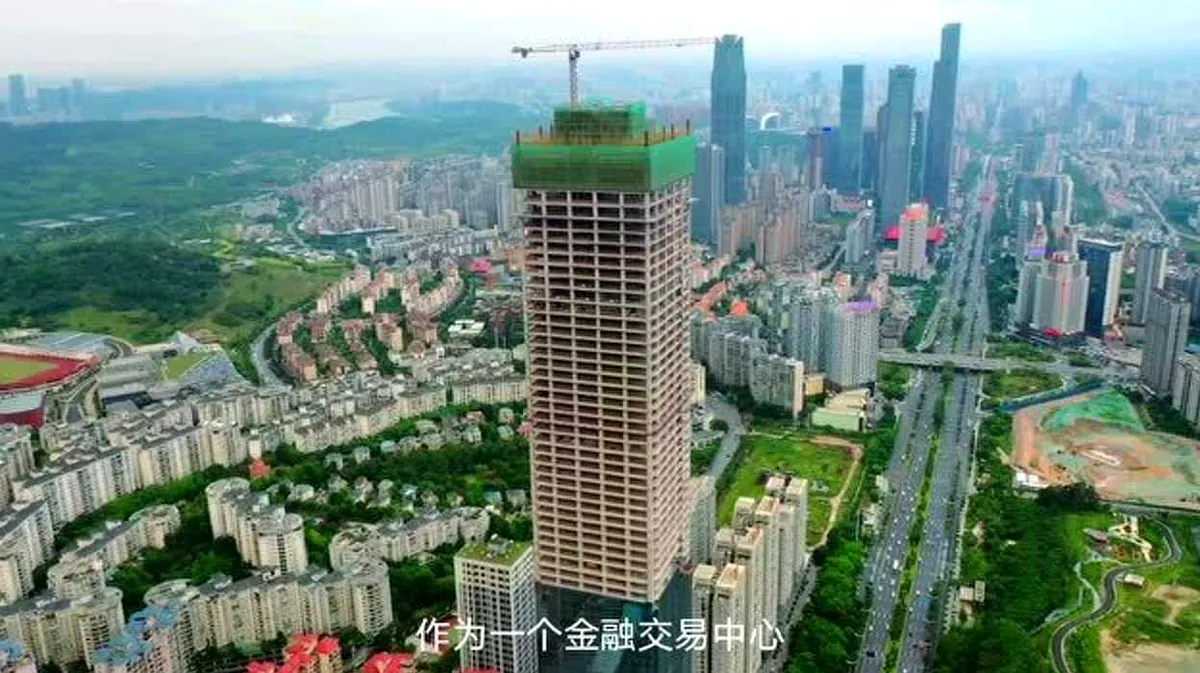
Nanning’s architectural landscape, while distinct from intact ancient towns such as Fenghuang Ancient Town or Lijiang, radiates a compelling character of transformation—reflecting rapid urban growth balanced by deep respect for regional traditions. Soaring glass-and-steel skyscrapers symbolizing modern ambition stand alongside classic Lingnan architectural touches preserved in historic temples and older neighborhood lanes. Although no UNESCO World Heritage site sits directly within the downtown core, Nanning serves as the primary gateway to Guangxi’s treasured natural and cultural landmarks, including the nearby Zuojiang Huashan Rock Art Cultural Landscape of the Zhuang people—an extraordinary testament to ancient regional civilization. Within the city itself, local traditions of the Zhuang—China’s largest ethnic minority—remain vividly alive. Traditional celebrations such as the Sanyuesan Song Festival on the third day of the third lunar month fill the city with antiphonal folk singing, dancing, traditional attire, and lively folk games. Everyday life in Nanning weaves ancestral veneration, Buddhist and Taoist devotion, and bustling neighborhood markets together with warm hospitality. Tea culture, though less formal than in Jiangnan, remains woven into daily routines as a medium for friendship and quiet reflection. Ancient sanctuaries such as Guangtai Temple and Bore Temple endure as peaceful spiritual anchors amid urban bustle—defining a Nanning that embraces the future without forgetting its past.
Nanning’s array of scenic attractions spans vast green sanctuaries to dazzling night promenades, each contributing to the city’s irresistible appeal. Foremost among them is Qingxiu Mountain Scenic Area, celebrated as “Nanning’s No. 1 Green Lung.” Far more than a lush natural retreat, this scenic peak is a centuries-old cultural and spiritual center. Located in the southeastern part of the city, Qingxiu Mountain nurtures a rich ecosystem of thousands of plant and flower species, offering rare tranquility right within urban limits. From its summit ridges, visitors take in sweeping panoramas of modern Nanning and the ribbon-like curve of the Yong River below. Serenity here is deepened by timeless sacred architecture: Guanyin Temple, a classic Chinese Buddhist sanctuary tucked beneath ancient trees, invites quiet contemplation amid intricate carvings and dignified Buddhist statues. Nearby, Longxiang Pagoda rises gracefully into the blue sky—both a striking scenic focal point and an auspicious geomantic landmark offering breathtaking views across Qingxiu Mountain and Nanning, especially at sunrise and sunset when golden light bathes the horizon.
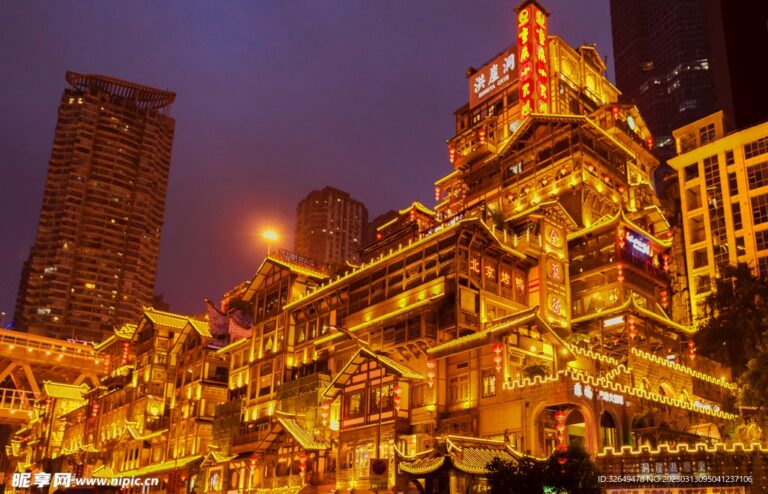
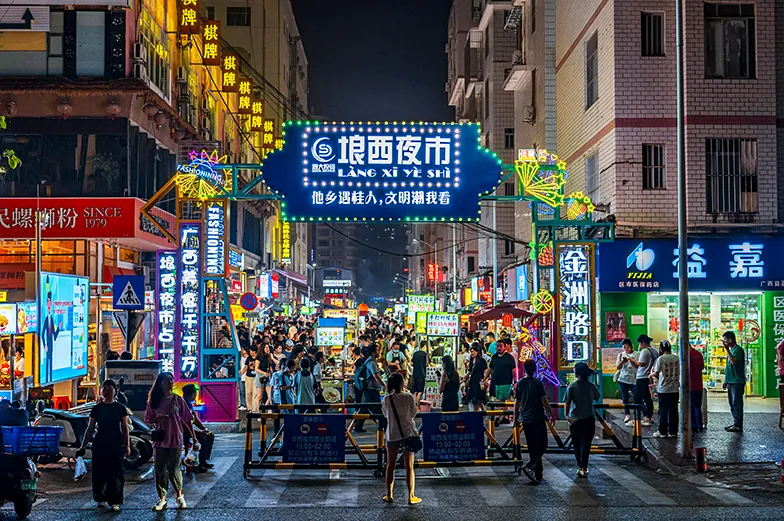
As night falls, Nanning takes on a vibrant nocturnal persona, led by Zhongshan Road Night Market. Far more than an ordinary street market, it stands as a culinary institution uniting local Guangxi specialties with regional favorites for travelers and locals alike. Every lane brims with tantalizing aromas—sizzling grilled skewers, spicy snail noodles, fresh seafood, traditional pastries, and refreshing herbal drinks—set to the lively calls of vendors and glowing street lights. In contrast to the casual, bustling energy of the night market, Nanning Everbright City (Nanning Zhiye Pedestrian Street) offers a luminous, romantic promenade styled after classical Chinese architecture. Sweeping tiled eaves, rows of crimson lanterns, and ornate facades house modern boutiques, trendy cafes, and lively weekend street performances—making it an unmissable evening entertainment hub.
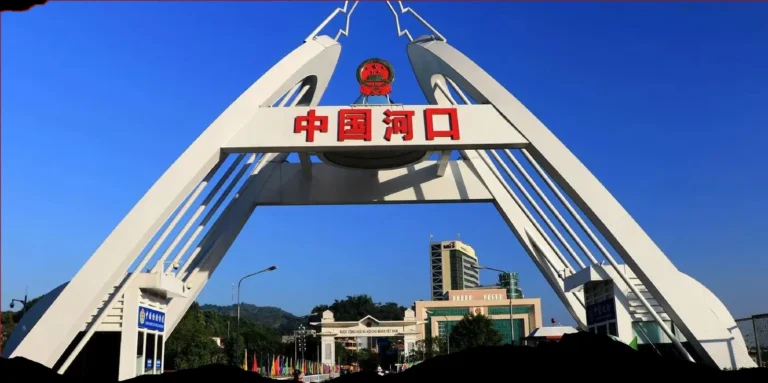
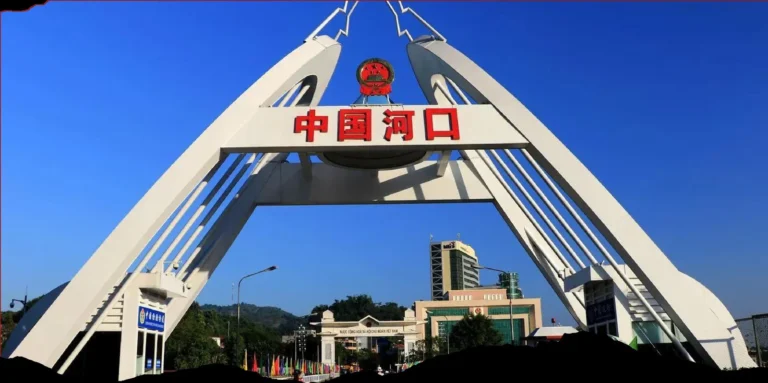
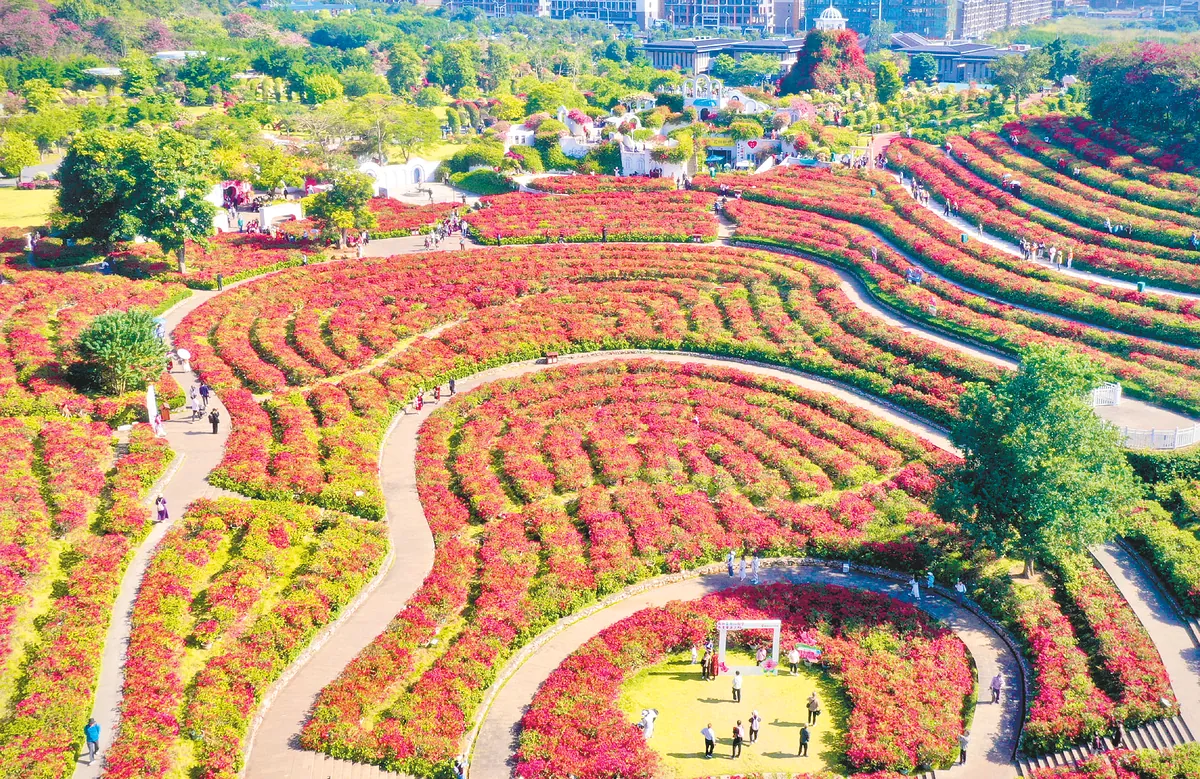
At the heart of downtown Nanning, Nanhu Park (South Lake Park) unfolds as an expansive green oasis offering calm and recreation. Transformed from an historic reservoir into a multi-functional urban park, Nanhu features a clear blue lake, graceful arched bridges, manicured botanical gardens, and winding lakeside footpaths—ideal for morning exercise, leisurely strolls, boating, or reading beneath old shade trees, alongside children’s play areas and seasonal flower displays. Another landmark rich in historical and geopolitical significance is Friendship Pass (Youyiguan), historically known as Ai Nam Quan or Zhennanguan. Situated along the Vietnam–China border not far from Nanning, this storied fortress gate is both a busy international land port and an enduring monument to centuries of cross-border history. Its imposing stone archway, sturdy ramparts, and watchtowers form the primary overland gateway linking Hanoi and Nanning—connecting commerce, tourism, and cultural exchange between the two nations. From the emerald peaks of Qingxiu Mountain and bustling night food streets to romantic Nanning Everbright City, tranquil Nanhu Park, and historic Friendship Pass, every stop reveals a distinct facet of Nanning’s multifaceted character.
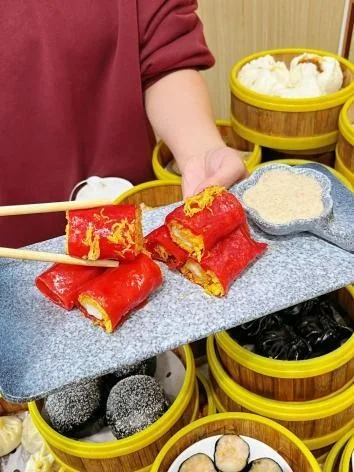
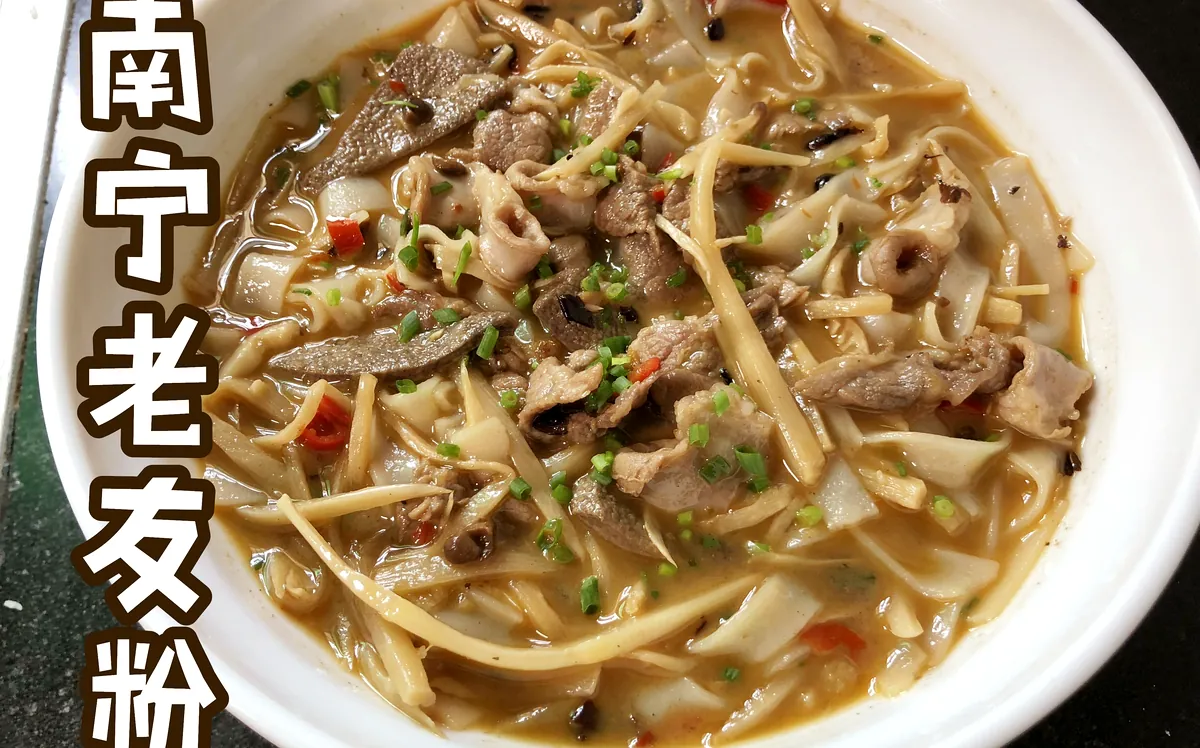
Nanning’s culinary culture is a vibrant reflection of Guangxi’s diverse heritage, boasting signature flavors found nowhere else. Leading the city’s gastronomic identity is Laoyoufen (“Old Friend Noodles”), celebrated as Nanning’s quintessential comfort dish. Distinguished by its bold, tangy-spicy broth simmered with pickled bamboo shoots, fermented black beans, fragrant fried garlic, and minced pork, Laoyoufen awakens every sense—especially on cool days or whenever you need an energizing pick-me-up. Legend traces its name to a noodle shop owner who cooked a warming, restorative bowl for an ailing friend, turning “Old Friend Noodles” into a beloved symbol of warmth and camaraderie. Beyond Laoyoufen, street stalls tempt passersby with Tangyuan glutinous rice balls, chewy Matigao water-chestnut cakes, sizzling skewers, stinky tofu, and slow-braised Lingnan specialties layered with fresh herbs, chilies, garlic, and mountain bamboo shoots. While Luosifen river-snail noodles hail originally from Liuzhou, Nanning also offers tailored local variations balancing spicy, savory depth to suit regional palates. Tea culture likewise plays a central role in daily life, with locals favoring green, floral, and Pu’er teas at neighborhood teahouses—and gathering with family and friends on weekends for morning “yum cha” dim sum.
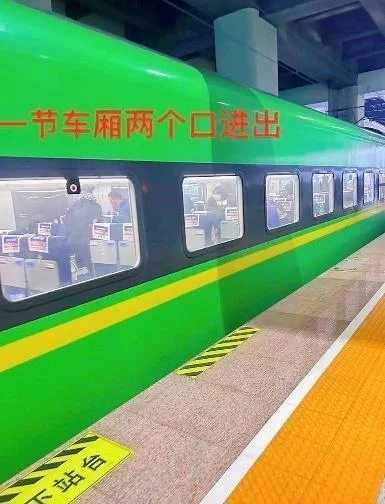
In terms of transport infrastructure, Nanning has rapidly solidified its role as Southwest China’s premier transit hub and gateway to ASEAN. Nanning Wuxu International Airport (NNG) serves as a major regional aviation hub offering frequent domestic flights across China alongside direct international routes to Southeast Asian neighbors including Vietnam, Thailand, Singapore, Malaysia, and the Philippines. Meanwhile, the rapid expansion of the CRH (China Railway High-speed) network makes overland rail travel remarkably fast and comfortable—connecting Nanning with Guangzhou, Guilin, and even Kunming in just a few hours while passing scenic Guangxi karst countryside. Expressways and national highways also link Nanning directly to Vietnam via Friendship Pass, while inside the city, an expanding Metro system, extensive public buses, and convenient ride-hailing apps like Didi make exploring attractions effortless.
When choosing the ideal time to visit Nanning, each season brings distinct appeal within its mild humid subtropical monsoon climate. Spring (March to May) ranks among the loveliest times to visit, bringing mild temperatures, fresh air, and vibrant blossoms—especially cherry blossoms and tropical blooms across Qingxiu Mountain and Nanhu Park. Summer (June to August) is warm and humid, rewarding travelers with abundant tropical fruits such as lychee, longan, and mango alongside lively evening outdoor festivals. Autumn (September to November) is widely considered the finest season overall, offering crisp, pleasant weather, clear blue skies, lower rainfall, and festive Mid-Autumn celebrations. Winter (December to February) remains mild, rarely dipping below 0°C and free of snow—an inviting season for travelers seeking quieter landmarks and peaceful city strolls.
To ensure a smooth and memorable trip to Nanning for Vietnamese travelers, preparing a few practical essentials ahead of departure makes all the difference. First and foremost is your visa: Vietnamese citizens entering China generally require a valid visa, except under specific transit or accredited border-group permit arrangements, so confirm the appropriate visa type well before departure. For currency and payments, the Renminbi (RMB or CNY) is the official currency, though China operates largely cashless—mobile apps like Alipay and WeChat Pay handle virtually everything from department stores to street food stalls, and can be linked directly to international credit cards, alongside carrying a small reserve of RMB cash. Staying connected is easiest with a travel eSIM, providing instant mobile data without swapping physical SIM cards for maps, translation, and ride-hailing. For clothing, pack breathable, lightweight outfits for summer and a light jacket or warm layers for winter, paired with comfortable walking shoes for park trails and pedestrian boulevards, plus modest attire when visiting temples. Learning a few basic Mandarin phrases such as “Nǐ hǎo” (Hello), “Xièxie” (Thank you), and “Duōshǎo qián?” (How much?) also goes a long way. Above all, for a deeply enriching and seamless journey through Nanning, VDS Travel is always ready to accompany you—crafting thoughtfully curated heritage itineraries with end-to-end support covering visas, flights, accommodations, and knowledgeable local guides so you can experience the timeless charm of southern China’s Green City to the fullest.
