






Turning the pages of millennia-old chronicles, Zhejiang emerges as a cradle of human civilization where traces of the Hemudu Culture from 7,000 years ago still echo, attesting to the early development of paddy rice agriculture and silk weaving. By the Spring and Autumn and Warring States periods, this land served as the capital of the State of Yue, a powerful nation that once challenged the State of Wu to the north. The historical event of King Goujian of Yue tasting gall and lying on brushwood to ultimately restore his state became a poignant historical anecdote deeply rooted in the Chinese psyche. Across the Qin and Han dynasties, Zhejiang was gradually incorporated into the Chinese empire, witnessing major migration waves from north to south that brought knowledge, techniques, and culture to enrich local identity. During the Southern Song Dynasty (1127–1279), when the imperial court relocated its capital to Lin’an (present-day Hangzhou) due to Jurchen invasions, Zhejiang became the political, economic, and cultural center of all China. Hangzhou rose to become one of the world’s most prosperous metropolises, described by Marco Polo as “the finest and most noble city in the world,” where wealth and artistic quintessence reached their peak. From then on, Zhejiang maintained its status as a premier economic and cultural hub, renowned especially for silk, tea, and ceramics. Through all historical vicissitudes—from peasant uprisings and wars to the founding of the People’s Republic of China—Zhejiang has steadfastly preserved its distinct identity, becoming a symbol of resilience and the quintessence of Jiangnan culture.
From those profound historical currents, Zhejiang has crystallized a unique ancient town architectural space and a renowned UNESCO World Heritage site, standing as a pride not only for China but for all humanity. Most prominent is Hangzhou West Lake, inscribed as a UNESCO World Heritage site in 2011 not only for its breathtaking natural beauty but for the cultural landscape values created and preserved by humanity for over a millennium. West Lake stands as a living testament to the harmony between nature and traditional Chinese gardening art, where every bridge, pavilion, and tree carries a story and a verse. Alongside it, the Grand Canal—the world’s longest artificial waterway connecting Beijing to Hangzhou—serves as another vital UNESCO heritage component, contributing immensely to Zhejiang’s economic development and cultural exchange throughout history.
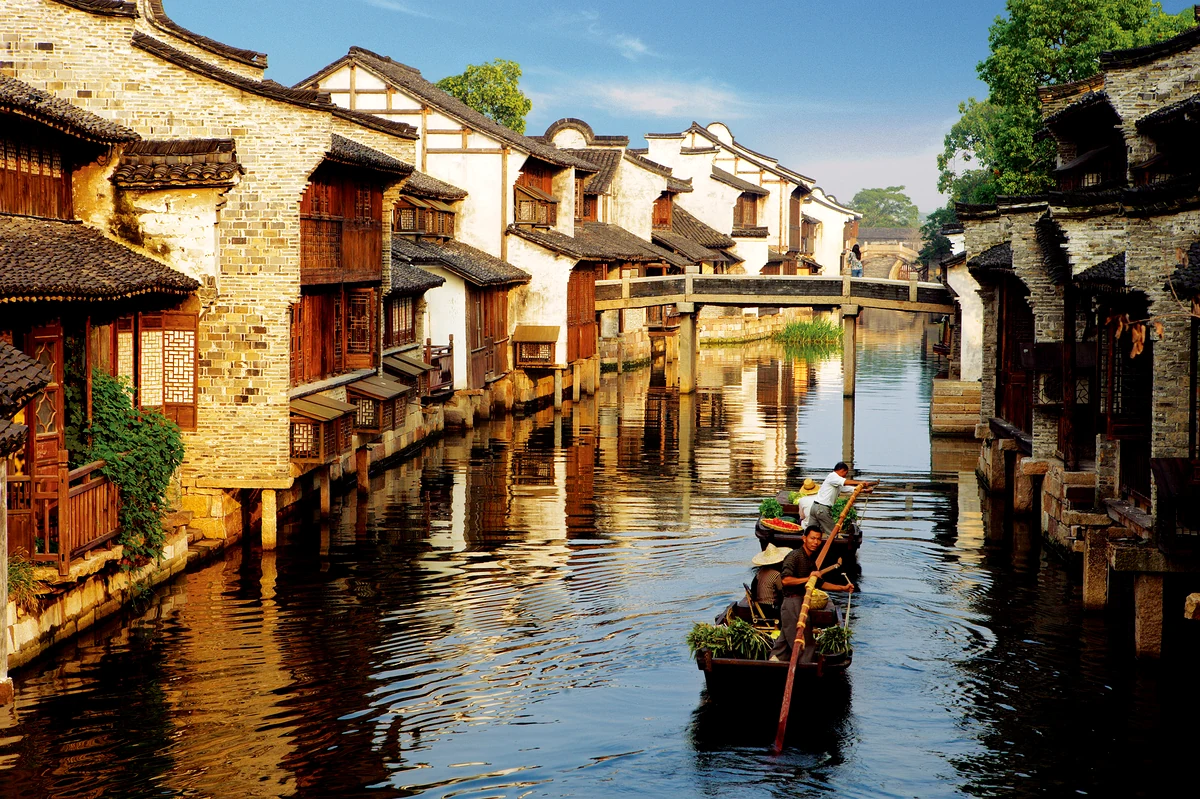
The Jiangnan ancient towns, such as Xitai Wuzhen, represent other quintessential heritages where time seems suspended over mossy tile roofs, white lime walls, and ancient stone bridges reflecting upon canals. Architecture in these ancient towns typically follows geomantic principles, featuring wooden stilted houses built close to riverbanks, winding bluestone-paved alleys, and tranquil interior courtyards. The “white walls and black tiles” (baiqiang heiwawa) style not only creates an ethereal, transcendent beauty but reflects the locals’ philosophy of living in harmony with nature. Every house and bridge is an artwork recounting stories of the simple yet poetic life of a bygone era.
Zhejiang’s indigenous customs are similarly rich and unique. Locals preserve numerous traditional festivals, such as the Lantern Festival with brilliant lanterns, the Dragon Boat Festival featuring dragon boat races and zongzi dumplings, and Mid-Autumn Festival with romantic moon-viewing nights. Traditional handicrafts continue to thrive, from exquisite Hangzhou silk weaving, elegant Longquan celadon, meticulous Dongyang wood carving, to the enchanting Jiangnan Yue opera. Ancestral worship, wedding, and funeral customs are deeply imbued with local culture, reflecting respect for tradition and tight community bonds. The local dialect, Wu Chinese, with its characteristic intonations, forms an important part of Zhejiang’s cultural identity, adding to China’s linguistic diversity.
VDS Travel’s journey of discovery in Zhejiang will lead you to a system of peerless scenic wonders, where every step is contemplation of beauty and a whisper with history. Hangzhou, Zhejiang’s quintessential heritage, has long been praised as a “surpassing scenic wonder” not only for poetic scenery but for deep royal historical and cultural depth. Formerly the capital of the Southern Song Dynasty, modern Hangzhou preserves silent antique elegance interwoven with the dynamism of a modern metropolis where past and present blend subtly.
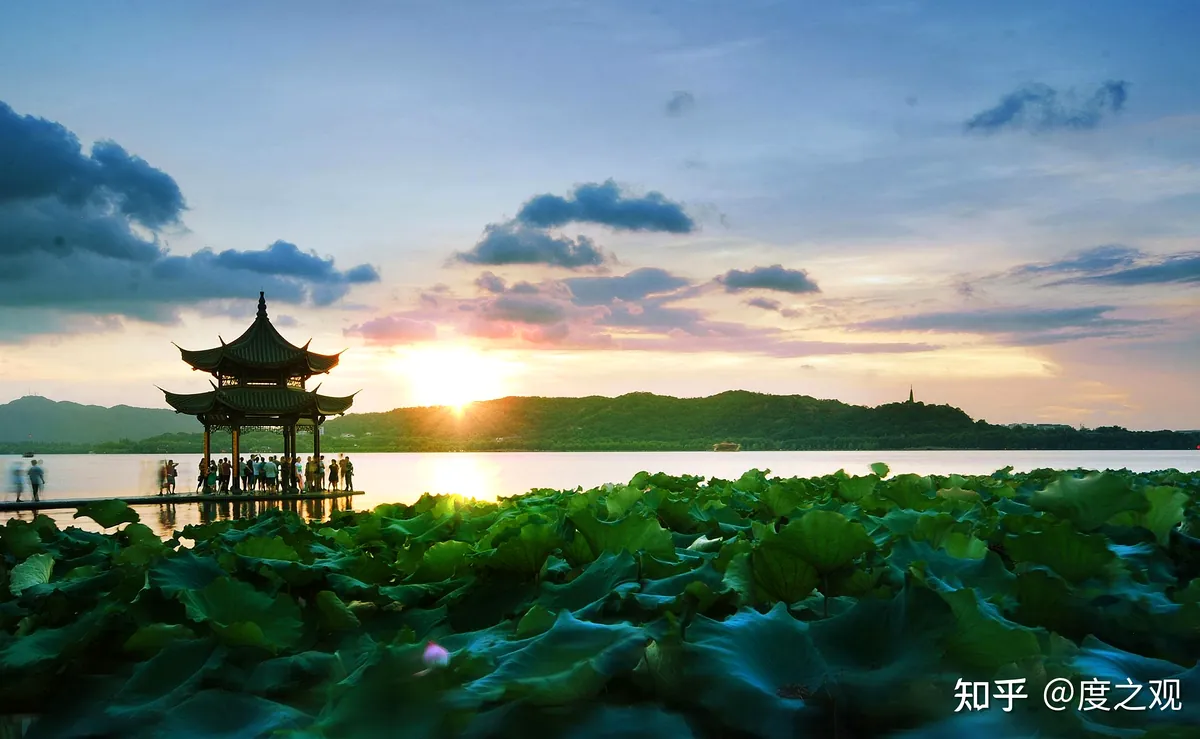
The heart of Hangzhou is West Lake (西湖), a unique natural and human-crafted masterpiece immortalized in countless poems, melodies, and paintings. West Lake is as beautiful as an ink-wash painting year-round, with each season wearing distinct shades that captivate visitors. To fully experience West Lake’s beauty, people frequently mention the “Ten Scenes of West Lake” (西湖十景)—ten renowned vistas that have captivated generations of poets and scholars. They are “Sudi Chunxiao” (苏堤春晓) – Dawn on Su Causeway in Spring, when thin mists drape the lake, young green willows sway in the breeze, and the rising sun paints the space pink, creating an ethereal scenery like a dream. “Quyuan Fenghe” (曲院风荷) – Lotus in the Breeze at Crooked Courtyard, where in summer brilliant lotus blossoms bloom across the lake, releasing gentle fragrances to weave a mesmerizing living picture. “Pinghu Qiuyue” (平湖秋月) – Autumn Moon over the Calm Lake, where on Mid-Autumn full-moon nights, the bright moon reflects upon tranquil waters, forging a magical, shimmering tableau that melts the heart. “Duanqiao Canxue” (断桥残雪) – Lingering Snow on Broken Bridge, where winter snow blankets the ancient bridge to create a pristine, transcendent beauty akin to a natural masterpiece in stark black and white. “Santan Yingyue” (三潭印月) – Three Pools Mirroring the Moon, featuring three small stone pagodas in the lake where candles lit inside on full-moon nights cast light onto the water, creating the illusion of countless sparkling moons. “Huagang Guanju” (花港观鱼) – Viewing Fish at Flower Pond, an imperial garden featuring golden carp where visitors relax watching swimming fish. “Liangfeng Chayun” (两峰插云) – Two Peaks Piercing the Clouds, featuring South and North peaks soaring into blue skies year-round shrouded in mist, exuding majestic yet mysterious beauty. “Wushan Tianfeng” (吴山天风) – Heavenly Winds on Wushan Mountain, where visitors overlook panoramic West Lake views and feel cool breezes blowing from the peak. “Leifeng Xizhao” (雷峰夕照) – Sunset Glow over Leifeng Pagoda, when the setting sun casts final rays upon the antique pagoda to create a romantic, nostalgic scenery. Finally, “Nanping Wanzhong” (南屏晚钟) – Evening Bell Ringing at Nanping Hill, with temple bell tolls echoing from Nanping Mountain every dusk to bring mental calm and peace. Each landscape links to historical stories, romantic legends, and immortal poetic works by great poets like Su Donghu and Bai Juyi, making West Lake not merely a scenic spot but a living museum of Chinese culture.
Leaving West Lake’s romance behind, we wander into the antique ambiance of Xitai Wuzhen (西乌镇 – Wuzhen), among Jiangnan’s most beautiful water towns. Wuzhen resembles an emerald silk ribbon stretching across water, featuring winding canals, centuries-old stone bridges connecting both banks, and ancient houses with unique architecture whose curved black-tiled roofs reflect in crystal waters. Travelers leisurely boat down small canals, admiring locals’ simple lives, or wander bluestone-paved alleys to discover handicraft shops, silk-weaving workshops, and riverside teahouses. Wuzhen divides into two main areas: Dongzha (East Gate) and Xizha (West Gate). Dongzha preserves more pristine, traditional charm with antique houses and authentic local life, whereas Xizha is more thoroughly planned and conserved with modern hotels, restaurants, and tourism services while retaining antique character. Whichever area you visit, Wuzhen delivers an enchanting travel experience, returning travelers to the peaceful beauty of Jiangnan’s waterways.
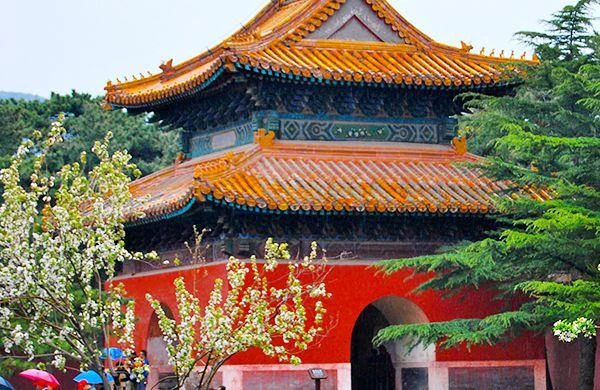
An unmissable destination on the spiritual journey in Zhejiang is Lingyin Temple (灵隐寺 – Lingyin Temple), among China’s most ancient and sacred temples, boasting a history exceeding 1,700 years. Nestled in the lush green valley of Feilai Peak, Lingyin Temple carries a beauty that is both majestic and serene, isolated entirely from outside worldly noise. Feilai Peak features bizarrely shaped limestone boulders alongside hundreds of Buddha statues carved directly into cliff faces since the 10th century, creating a unique, magical landscape. Entering the temple grounds, visitors experience quiet solemnity featuring majestic main halls, antique Buddha statues, and bell tolls echoing through the green shade of ancient trees. Lingyin Temple serves not only as a vital Buddhist center but as an architectural masterpiece preserving Buddhist sculpture and painting art.
The journey remains incomplete without tasting the refined flavor of renowned Longjing Tea (龙井茶). Longjing tea plantations slope gently across emerald hills surrounding West Lake, producing China’s most famous green tea, ranked among the “Top Ten Famous Teas.” Arriving here in spring, visitors witness farmers meticulously picking tender green tea buds, feeling the subtle tea fragrance in clean air. Discovering traditional tea production processes—from harvesting and pan-firing to brewing—and savoring a cup of premium Longjing tea right at the plantation lets you experience a tea culture preserved across millennia. Each sip of tea is not merely a gustatory experience but a communion with the spirit of Zhejiang’s earth and sky.
Zhejiang’s heritage exploration journey becomes complete when we immerse in its unique culinary world, where regional flavor quintessence filtered across hundreds of years shapes a distinct and enchanting culinary identity. Zhejiang cuisine, known as Zhe Cai (浙菜), is among China’s eight major culinary traditions, renowned for lightness, freshness, gentle sweetness, and delicate aroma, focusing on highlighting ingredients’ natural flavors. Dishes are prepared elaborately yet without excessive complexity, emphasizing knife-work techniques alongside color and flavor balance.
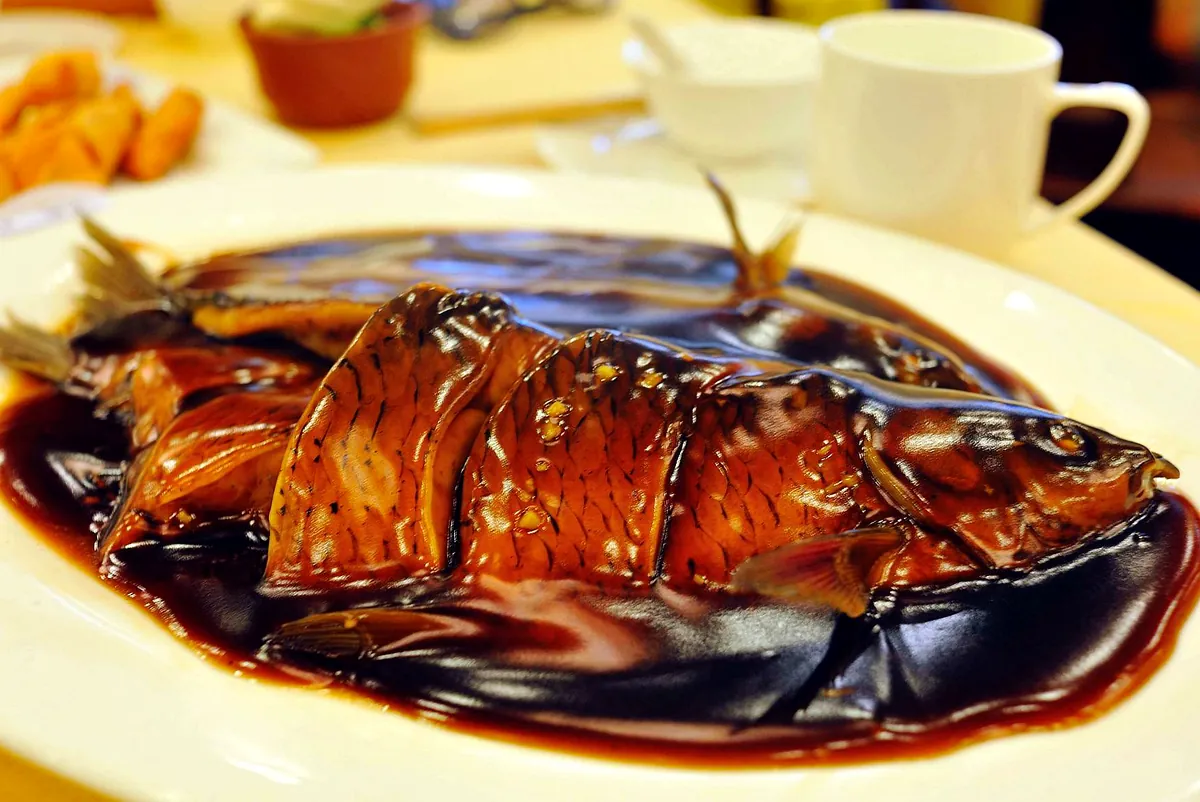
Among Hangzhou’s iconic dishes is “Xihu Cuyu” (西湖醋鱼) – West Lake Vinegar Fish. Prepared from fresh fish caught in West Lake, it is steamed and then drizzled with a characteristic vinegar sauce to create a harmonious sweet-and-sour flavor with tender, sweet fish meat. The anecdote linked to this dish enhances its appeal. “Dongpo Rou” (东坡肉) – Dongpo Pork, is another unmissable dish named after the poet Su Donghu. Square pork belly chunks are braised with Shaoxing wine, soy sauce, and rock sugar until tender, gleaming brown-red, rich yet not greasy, melting in the mouth as a peak culinary experience. “Longjing Xiaren” (龙井虾仁) – Stir-Fried Shrimp with Longjing Tea, is a delicate fusion of fresh shrimp and premium Longjing tea leaves, creating a brightly colored dish where shrimp sweetness blends with subtle tea aroma for an elegant flavor. “Xiaohua Ji” (叫花鸡) – Beggar’s Chicken, a unique dish featuring chicken wrapped in clay and baked over charcoal, yielding melt-in-the-mouth meat fragrant with herbs, exemplifies local culinary innovation.
Beyond main dishes, Zhejiang offers countless appealing snacks and street foods, from fragrant meat-filled steamed buns and sweet rice dumplings to steaming noodles and porridges. Zhejiang’s culinary culture is equally bound to tea appreciation customs. Longjing Tea is not merely a beverage but a culture, an important social ritual. Tea-discussion sessions at antique teahouses along West Lake or in quiet gardens serve as spaces where people connect, share, and seek mental peace. Banquets in Zhejiang represent memorable experiences featuring elaborately presented dishes demonstrating local residents’ hospitality.
To make your exploration of Zhejiang as convenient and comfortable as possible, VDS Travel places special emphasis on providing information regarding modern transport infrastructure and golden travel timing. Zhejiang features among China’s premier transport systems, with an extensive high-speed rail (CRH) network covering major cities swiftly and efficiently. Hangzhou East Railway Station is among Asia’s largest and most modern rail hubs, connecting to Shanghai, Nanjing, Beijing, and numerous other metropolises. From Shanghai, high-speed rail to Hangzhou takes roughly 1 hour, making Zhejiang an ideal destination for combined tours.
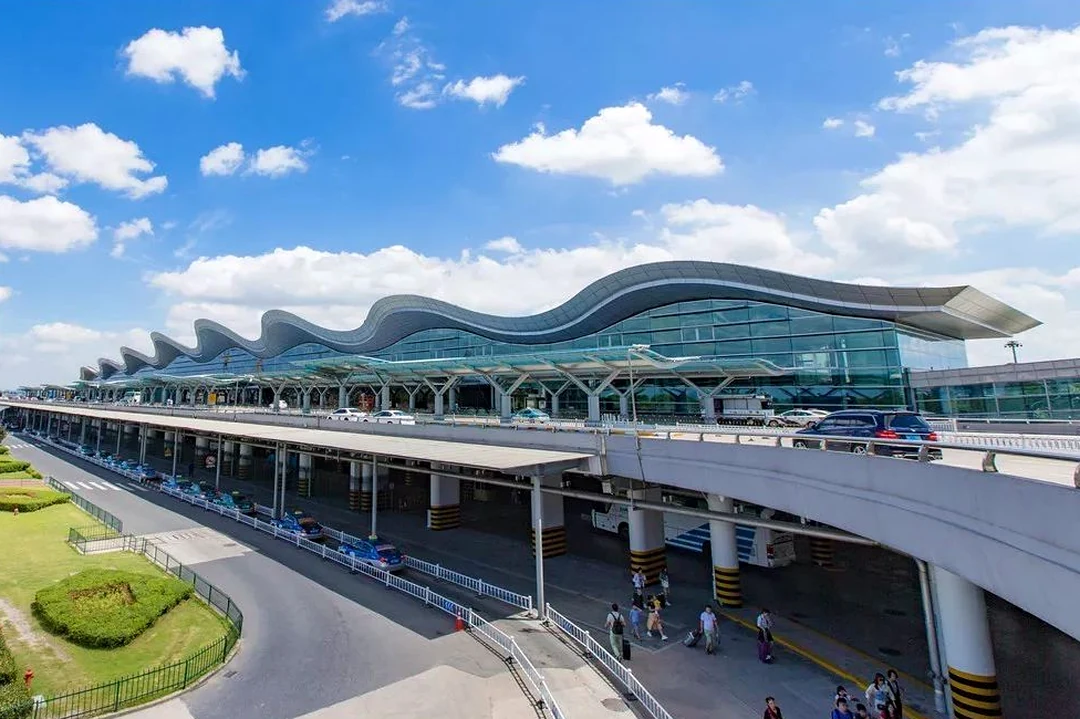
Regarding air travel, Hangzhou Xiaoshan International Airport (HGH) is Zhejiang’s largest airport and among China’s busiest. Currently, direct flights from Vietnam to Hangzhou are unavailable; however, travelers easily fly into major Chinese cities like Shanghai, Guangzhou, or Hong Kong, then connect via domestic flight or high-speed rail to Hangzhou. Major Vietnamese and Chinese airlines operate frequent routes, offering diverse options for travelers.
Selecting suitable travel timing lets you fully enjoy Zhejiang’s beauty across four seasons. Each season clothes Zhejiang in new attire, delivering distinct experiences:
- Spring (March – May): Regarded as golden timing for Zhejiang travel. Mild climate, blooming flowers—especially cherry blossoms and peach blossoms across West Lake—create romantic scenery. This is also Longjing tea harvest season, allowing travelers to experience tea-picking, tea-tasting, and savoring the freshest tea flavors. Spring is ideal for touring West Lake, ancient towns, and temples.
- Spring/Summer (June – August): Summer in Zhejiang is quite hot and humid, yet features lotus blossoms blooming across West Lake, creating vibrant vitality. Travelers enjoy lake leisure activities or head to mountainous waterfall regions to escape heat. Indoor activities, museum visits, and culinary appreciation are excellent choices.
- Autumn (September – November): Autumn is among the finest seasons to explore Zhejiang. Cool, pleasant weather and clear blue skies provide ideal conditions for walking, cycling around West Lake, hiking, and viewing changing autumn foliage. Autumn scenery at antique temples and tea plantations carries indescribable nostalgic, romantic beauty.
- Winter (December – February): Winter in Zhejiang is quite cold with occasional snowfall, creating pristine, magical beauty—notably “Lingering Snow on Broken Bridge” at West Lake. This is the least crowded season, offering quiet, peaceful ambiance. Travelers enjoy year-end festival atmosphere, hot dishes, or hot spring experiences.
VDS Travel provides detailed advice on the timing best matching each traveler’s preferences and desired experiences, ensuring a flawless trip.
To prepare for a truly smooth and memorable trip to Zhejiang (China), VDS Travel offers a pocket field guide dedicated to Vietnamese travelers alongside our dedicated accompaniment commitment. First and foremost are visa/border permit procedures. Vietnamese citizens require tourist visas to enter China. Visa applications typically require passports valid for at least 6 months, visa application forms, ID photos, invitation letters (if any), travel itineraries, and financial proof. VDS Travel will assist you in preparing documentation, advising suitable visa types, and guiding application submission at the Chinese Embassy or Consulates in Vietnam to ensure the smoothest, fastest procedures.
Regarding currency, China has essentially become a cashless society. Electronic payment methods like Alipay and WeChat Pay are the two most popular and essential apps. Using cash or international credit cards at numerous small shops and restaurants can prove difficult. Therefore, VDS Travel recommends installing and activating Alipay or WeChat Pay before your trip. You can link international credit/debit cards (Visa, Mastercard) to these apps for easy payment. Alternatively, change a small amount of cash (Yuan) in Vietnam or at Chinese banks/airports in China for emergencies or places rejecting electronic payment.
Stable internet connectivity is vital for using map, translation, and communication apps. You can purchase roaming eSIMs right in Vietnam or local SIM cards at Chinese airports. VDS Travel will guide you on suitable data packages and activation methods. Note that several Western apps and services (like Google, Facebook, Instagram) are blocked in China; therefore, if you need them, prepare a VPN (Virtual Private Network) before departure.
Attire matching terrain and weather is an important factor for a comfortable trip. As mentioned, Zhejiang has four distinct seasons. In spring and autumn, pack light jackets and thin sweaters to stay warm. Summer requires airy, sweat-absorbent clothing. Winter needs thick coats, scarves, woolen hats, and gloves. Particularly because exploring ancient towns, temples, and tea plantations involves considerable walking, comfortable, anti-slip athletic shoes or flats are ideal choices. When visiting temples, dress politely and modestly to show respect.
Additionally, some brief notes on local culture: Chinese people are extremely hospitable yet unaccustomed to receiving tips. Learning a few basic Mandarin communication phrases like “Ni hao” (hello), “Xie Xie” (thank you), “Duoshao qian?” (how much?) aids communication immensely and builds goodwill. Maintaining politeness and respecting local culture ensures memorable experiences.
With VDS Travel, we provide not merely a trip, but a heritage journey crafted specifically for you. Our dedicated accompaniment begins with visa counseling, detailed itinerary design, flight and hotel bookings, up to providing local guides deeply knowledgeable in culture, history, and geography. We remain ready 24/7 to resolve arising issues—from ordering food and shopping to emergency situations—ensuring you a safe, comfortable, and thoroughly meaningful trip. Let VDS Travel be your reliable companion, guiding you to Zhejiang’s cultural quintessence and endless beauty, exploring stories carved by time, and creating unforgettable memories in your heart.
