



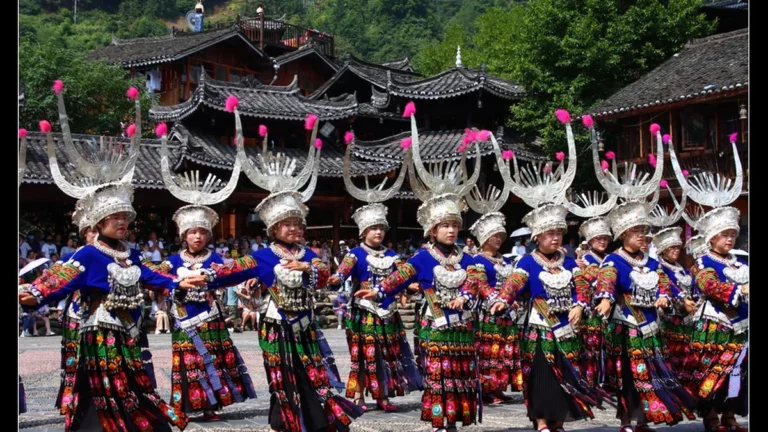


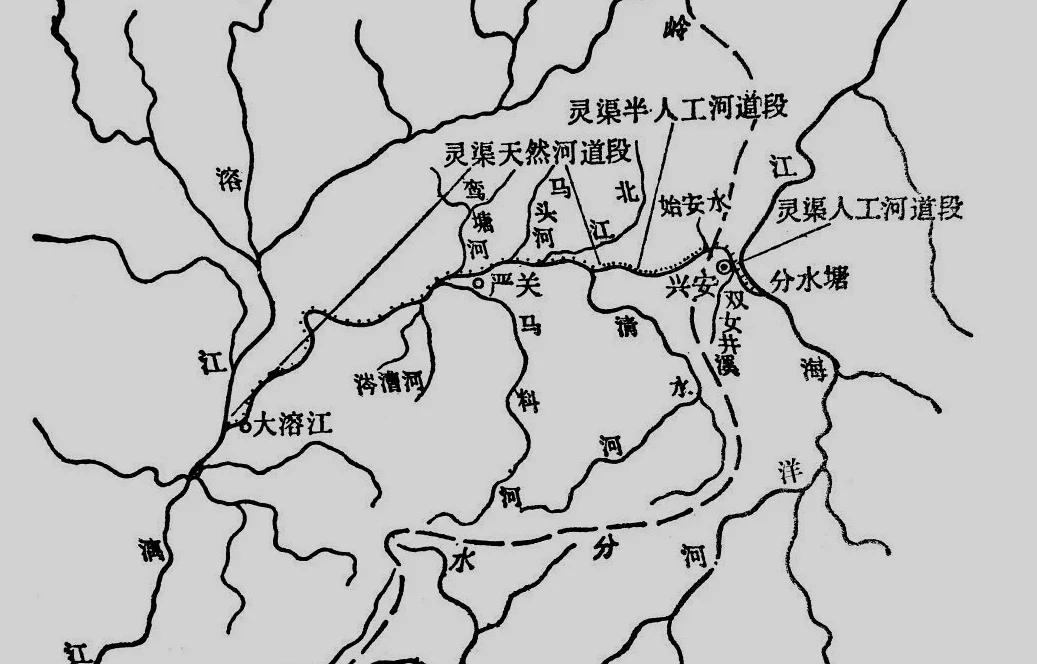
Turning back the pages of history, Guangxi has witnessed sweeping historical tides. Archaeological sites such as Jiujinshan Cave trace human presence back to prehistoric times. Under Emperor Qin Shi Huang in the third century BC, the region was first incorporated into unified China, ushering in enduring Han cultural exchange. Built during the Qin Dynasty, the Lingqu Canal (灵渠)—an ancient hydraulic engineering marvel linking the Xiang River and the Li River—created a strategic water highway connecting central and southern China and spurring regional commerce. During the Han Dynasty, the territory was organized into Guilin and Cangwu commanderies, and throughout the Tang, Song, Yuan, Ming, and Qing dynasties, Guangxi remained a dynamic frontier crossroads. It also played pivotal roles in modern history, from the nineteenth-century Taiping Rebellion to twentieth-century revolutionary movements. Centuries of migration, interaction, and coexistence shaped today’s multi-ethnic Guangxi, where Zhuang, Yao, Miao, Dong, and Han communities each preserve distinct traditions that give the region its magnetic charm.
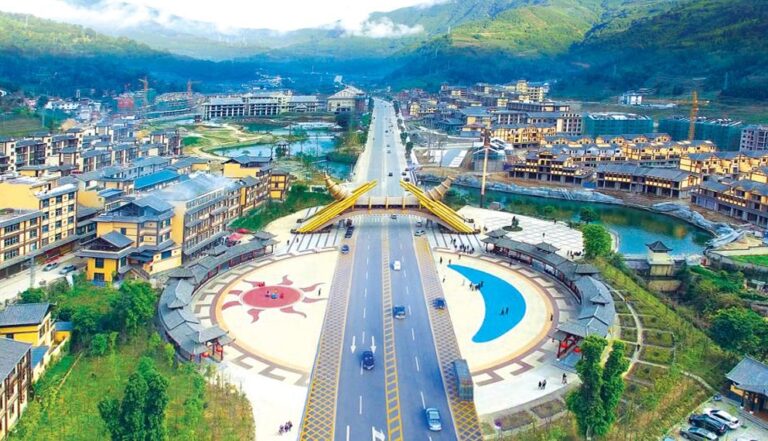
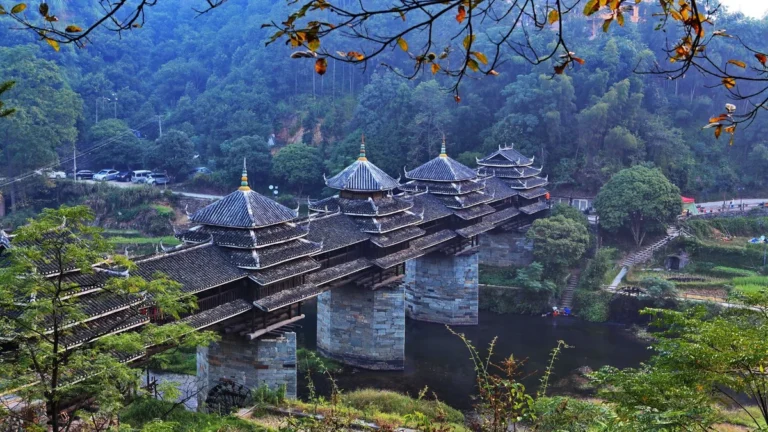
Beyond dramatic scenery and storied chronicles, Guangxi safeguards a wealth of vernacular architecture, world-renowned landscapes, and living folk customs inviting deep cultural discovery. Home to more than twelve ethnic minorities—led by the Zhuang people, celebrated for wet-rice farming traditions and echoing antiphonal mountain folk songs (*Shange*)—the region showcases remarkable indigenous craftsmanship. Historic villages feature wooden stilt houses (*diaojiaolou*) with traditional clay-tiled roofs nestling gracefully along hillsides and riverbanks. Among the Dong people, Wind-and-Rain Bridges (*Fengyuqiao*) stand as architectural triumphs crafted entirely from timber without a single iron nail—serving simultaneously as river crossings, rain shelters, and community gathering halls—while towering Drum Towers (*Gulou*) rise at village centers as the spiritual and civic heart of communal life.
While Guilin’s extraordinary karst scenery holds UNESCO World Natural Heritage status, Guangxi’s living intangible heritage—from antiphonal singing and intricate brocade weaving to seasonal harvest and rain-praying festivals—is equally treasured and preserved. Local customs reflect a warm synthesis of Han heritage and ethnic minority traditions rooted in reverence for nature and community solidarity. Historic settlements such as Dazhai Village amidst the sweeping Longji Rice Terraces and ancient Xingping Town along the Li River preserve unhurried rhythms and timeless architecture that transport travelers back through the centuries.
Guangxi’s iconic landmarks have established the region as one of Asia’s premier travel destinations, inviting exploration from the lush regional capital of Nanning to the ethereal karst peaks of Guilin and down to vibrant border towns and coastal beaches.
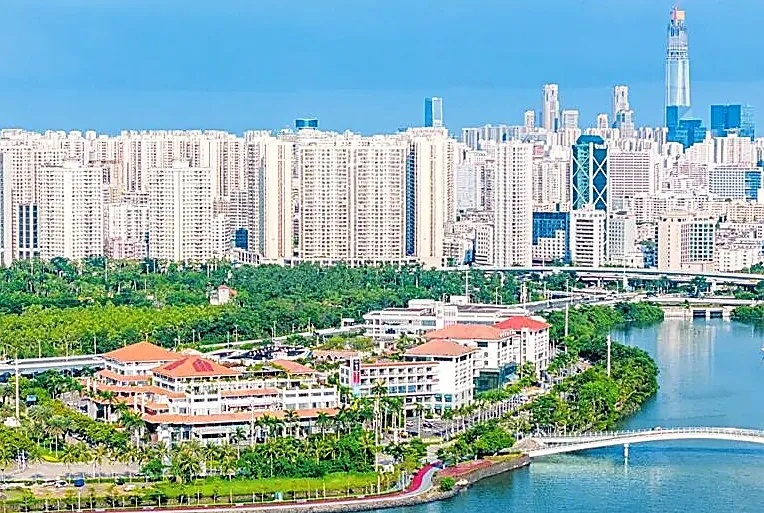
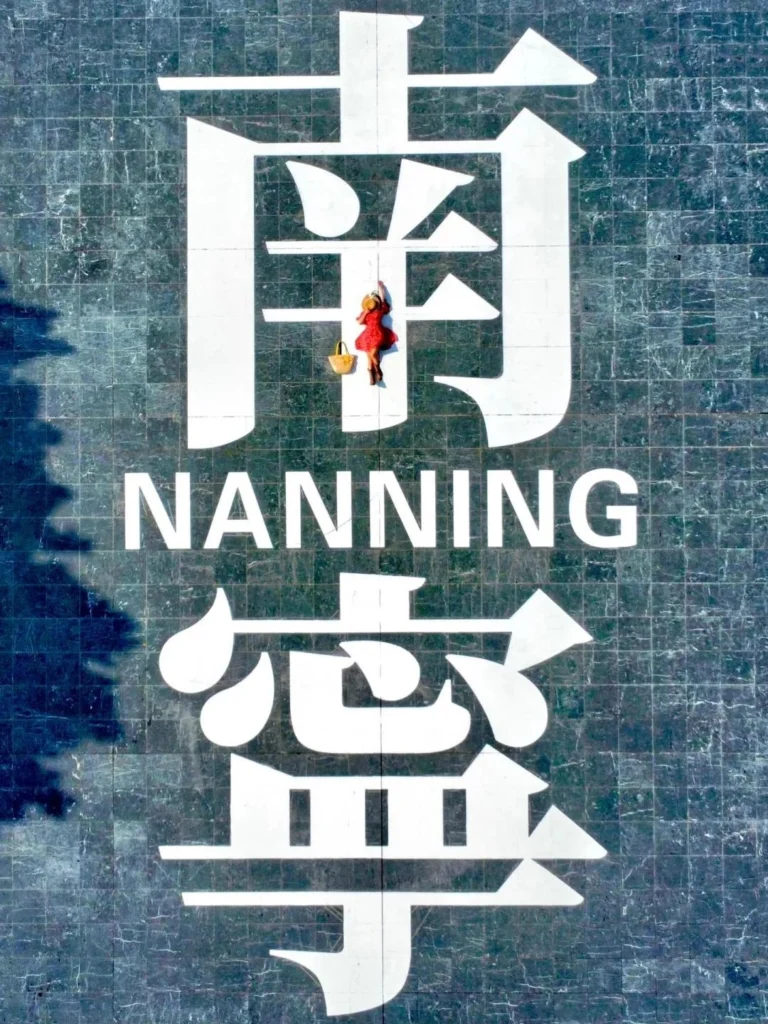
In Nanning (南宁), acclaimed as China’s “Green City,” contemporary urban design blends effortlessly with historic heritage. Qingxiu Mountain (青秀山), the city’s verdant ecological lung and spiritual landmark, encompasses rolling wooded hills, botanical gardens, ancient temples, and the soaring Longxiang Pagoda. Visitors breathe crisp mountain air while exploring tranquil sanctuaries such as Guanyin Temple, the Thai-style pavilion, and the Jade Buddha Hall—an oasis of calm ideal for scenic walks and panoramic city views.
Meanwhile, Yongzhou Ancient City (邕州古城), the historical heart of Nanning, revives the city’s storied past through stone-paved lanes, upturned tiled eaves, and stately ramparts ideal for sampling street food and experiencing unhurried local life. After dark, Nanning dazzles at “Nanning Nightscape” (*Nanning Zhi Ye* — 南宁之夜), a lively cultural and entertainment district where night markets, pedestrian promenades, traditional and contemporary street performances, and endless local delicacies bring tradition and modernity together in brilliant light.
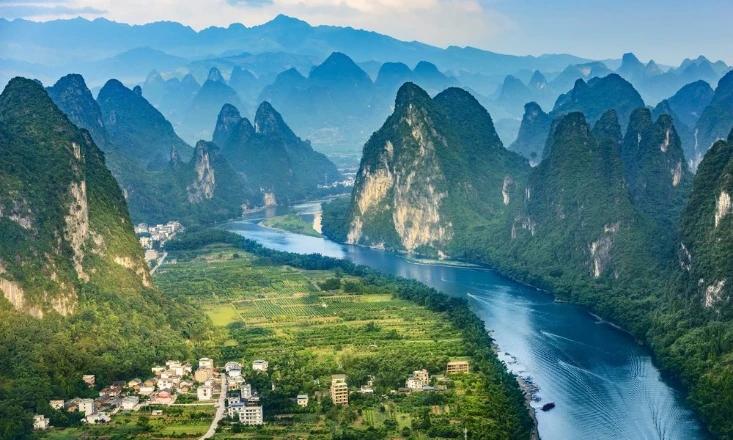
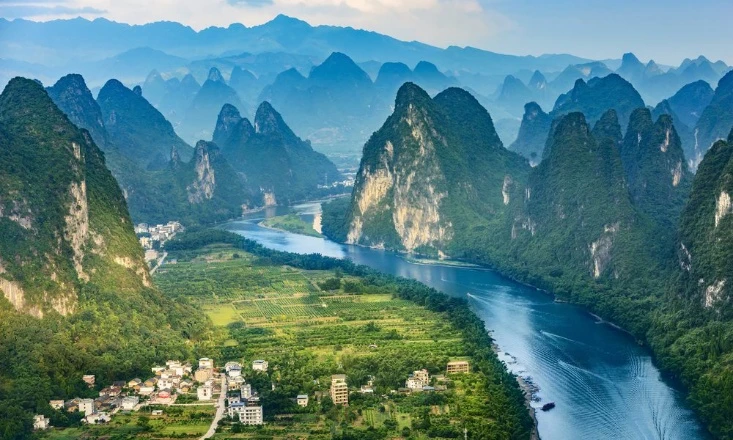
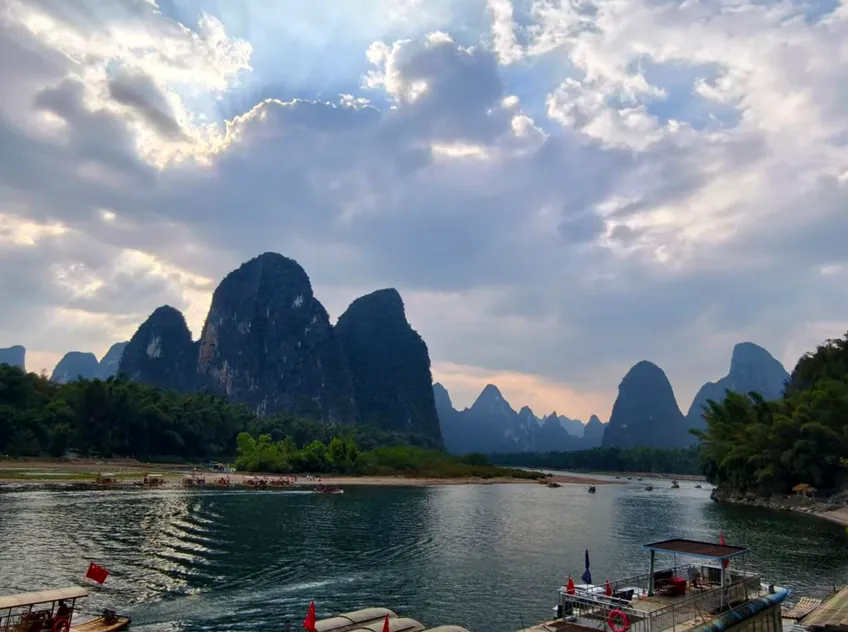
Leaving Nanning’s urban energy behind leads to Guilin (桂林), celebrated across centuries as possessing “the finest mountains and waters under heaven.” The emerald Li River (漓江) winds gracefully through towering limestone karst peaks shaped like elephants, tortoises, and celestial palms. Cruising the Li River is an unforgettable highlight, immersing travelers in misty mountain legends and revealing the exact riverside vista immortalized on China’s 20-RMB banknote—where emerald rice paddies, historic fishing hamlets with bamboo rafts, and gliding white egrets compose a living ink painting at every bend.
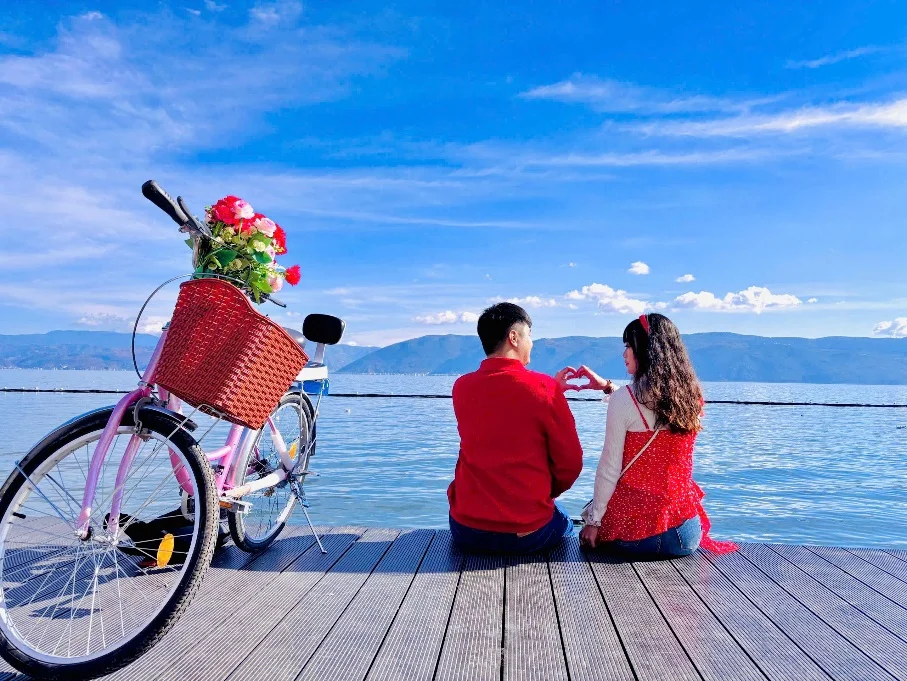
Continuing downstream brings you to Yangshuo (阳朔), a picturesque county renowned for its Ten-Mile Gallery (*Shili Hualang* — 十里画廊), a scenic ten-kilometer riverside route flanked by dramatic karst formations, lush fields, and charming villages best explored by leisurely bicycle ride. Back in Guilin, Elephant Trunk Hill (象鼻山)—resembling a giant elephant drinking from the Li River—stands as the city’s iconic emblem, while after nightfall the Sun and Moon Twin Pagodas (日月双塔) cast shimmering golden and silver reflections across Shan Lake (杉湖), linked beneath the water by a glass tunnel symbolizing yin-yang harmony.
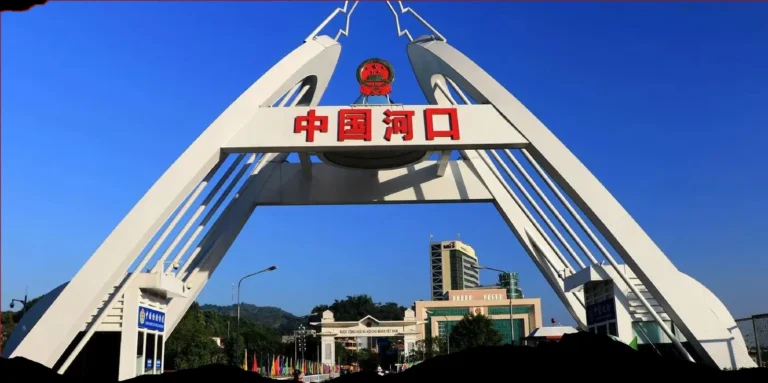
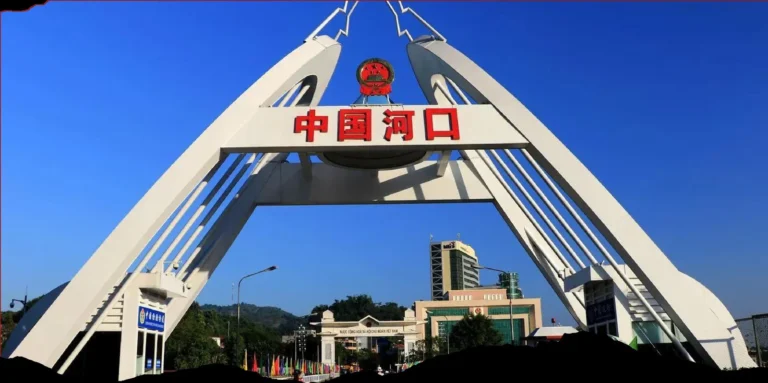
Further toward the coast and frontier lies Dongxing (东兴), a bustling border city serving as a vital bridge between China and Vietnam. Alive with cross-border commerce and cultural exchange, Dongxing invites visitors to explore Vietnamese Street with familiar flavors and goods while experiencing the dynamic rhythm of a historic border gateway.
Finally, Beihai (北海), a coastal jewel along the Gulf of Tonkin, enchants visitors with famous Silver Beach—stretching more than 24 kilometers with powdery white quartz sand and clear turquoise waters. Once an important departure port along the ancient Maritime Silk Road, Beihai preserves its seafaring heritage along Beihai Old Street, lined with nineteenth- and early-twentieth-century arcaded shophouses blending Chinese and European motifs. Just offshore, Weizhou Island—China’s youngest volcanic island—offers unspoiled beaches, vibrant coral reefs, and a historic Gothic-style coral-stone church ideal for peaceful island exploration.
Guangxi’s culinary landscape is equally captivating, reflecting its subtropical climate and multi-ethnic heritage through bright, tangy, spicy, and fresh flavors.
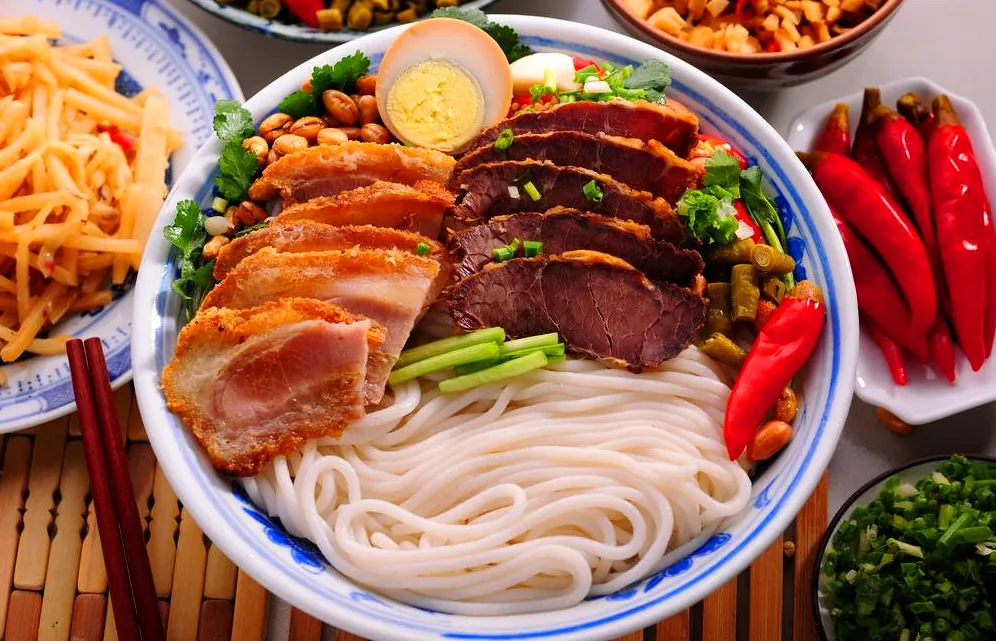
Foremost among regional icons is Guilin Rice Noodles (桂林米粉)—springy white rice noodles tossed in savory bone-simmered gravy and topped with roasted pork, crispy peanuts, pickled bamboo shoots, fresh herbs, and fiery chili oil. Equally famous is Liuzhou River Snail Rice Noodles (柳州螺蛳粉), prized by adventurous food lovers for its bold, aromatic broth simmered with river snails, pork bones, sour bamboo shoots, wood-ear mushrooms, and fried tofu skin. In Nanning, classic “Old Friend” Noodles (老友粉) warm mornings with fresh rice noodles stir-fried with minced pork, pickled bamboo shoots, garlic, fermented black beans, and tangy-spicy broth. Along the coast in Beihai, fresh seafood—steamed prawns, ginger-scallion crab, and whole steamed fish—celebrates pure ocean sweetness, while Zhuang, Yao, Miao, and Dong kitchens showcase charcoal-grilled mountain meats, five-colored sticky rice, and zesty sour soups.

Alongside street food, traditional tea customs and communal banquets hold special meaning across Guangxi. The Dong people prepare distinctive Oil Tea (*Youcha* — 油茶), roasting and pounding tea leaves before boiling them into a savory broth served over puffed rice, roasted peanuts, scallions, ginger, and smoked meat—warming the body while symbolizing heartfelt hospitality. Festive village banquets bring guests together over heirloom dishes, homemade sweet rice wine, antiphonal songs, and traditional dances that immerse visitors in Guangxi’s warm communal spirit.
Thanks to major infrastructure investments, reaching Guangxi from Vietnam and international hubs is faster and easier than ever.
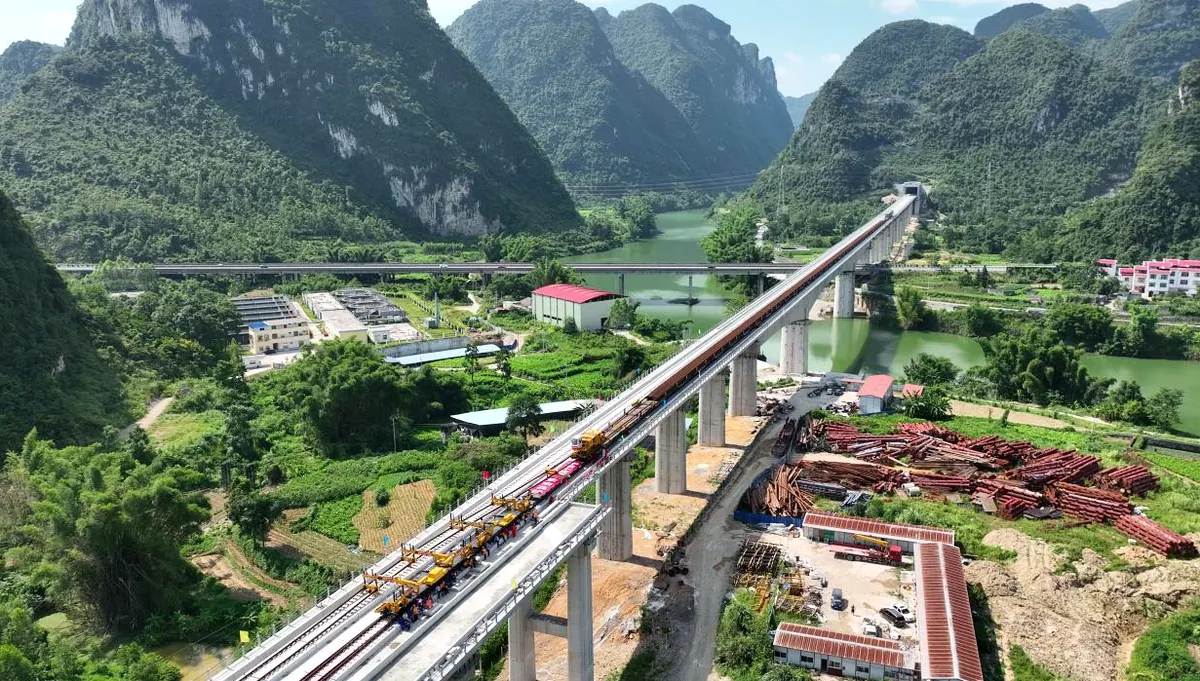
China’s CRH high-speed rail network connects Nanning, Guilin, and Liuzhou effortlessly with major cities nationwide, complemented by international rail links running from Dong Dang (Lang Son) to Nanning. Modern high-speed hubs such as Nanning East and Guilin West stations streamline regional transfers, while Nanning Wuxu International Airport and Guilin Liangjiang International Airport welcome millions of passengers annually—including direct flights between Vietnam and Nanning. Overland travelers also benefit from major international border crossings at Dongxing (opposite Mong Cai, Quang Ninh) and Friendship Pass (*Youyiguan*, opposite Huu Nghi, Lang Son).
The best time to visit Guangxi depends on your preferred scenery and activities:
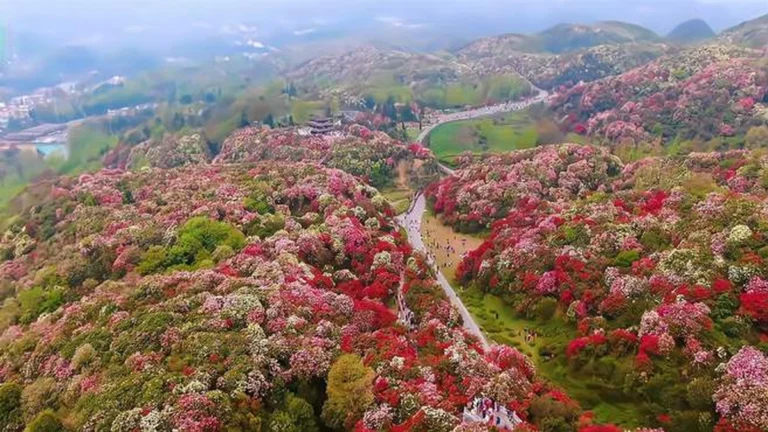
- Spring (March–May): Mild, pleasant weather with light rainfall and blooming blossoms—ideal for admiring misty mornings along the Li River and vibrant flower fields in Yangshuo.
- Summer (June–August): Warm temperatures and lush emerald hills perfect for Li River cruises, bamboo rafting, limestone caverns, and colorful ethnic minority festivals.
- Autumn (September–November): Widely regarded as the premier season, featuring crisp dry air, sunny blue skies, golden rice terraces at Longji, and colorful autumn foliage in Guilin.
- Winter (December–February): Cool, quiet, and peaceful with fewer crowds and occasional light snow dusting high mountain peaks.
Overall, spring and autumn offer the most comfortable weather for exploring all of Guangxi’s highlights.
To ensure a smooth, memorable journey, VDS Travel shares essential practical field tips for Vietnamese travelers.
First, prepare your entry documents early: Vietnamese citizens require a valid Chinese visa (applied for with a passport valid for at least six months, application form, photo, itinerary, and flight/hotel bookings), while residents registered in border provinces such as Lang Son, Quang Ninh, or Cao Bang may qualify for a Border Pass for designated border zones like Dongxing, Pingxiang, or Nanning. VDS Travel provides thorough guidance to ensure all paperwork is accurate and stress-free.
Second, prepare for China’s largely cashless economy: mobile apps Alipay (支付宝) and WeChat Pay (微信支付) are used almost everywhere from department stores to taxis and street markets. Install and link your international bank card prior to departure, while carrying a modest reserve of Chinese Yuan (CNY) cash for backup. Activating a roaming data plan or international China travel eSIM before flying ensures uninterrupted access to maps, translation tools, and messaging.
Pack versatile attire suited to Guangxi’s humid subtropical monsoon climate: breathable layers plus a light jacket or sweater for spring and autumn mornings and evenings; cool, moisture-wicking fabrics, sunscreen, sunglasses, and a sun hat in summer; and a warm coat, scarf, and gloves in winter. Supportive, high-traction sneakers are essential for hiking Longji’s terraces or cycling around Yangshuo, and modest clothing is required when visiting temples.
Above all, traveling with VDS Travel elevates your trip into an effortless, enriching cultural discovery. Backed by years of expertise in heritage itineraries, our dedicated team handles visas, logistics, comfortable transfers, and knowledgeable bilingual guides so you can immerse yourself fully in Guangxi’s living traditions and breathtaking scenery.
Let VDS Travel guide you into Guangxi—a land of timeless legends, extraordinary karst scenery, and warm hospitality, where every step reveals a fresh wonder and every view becomes a cherished memory.
