


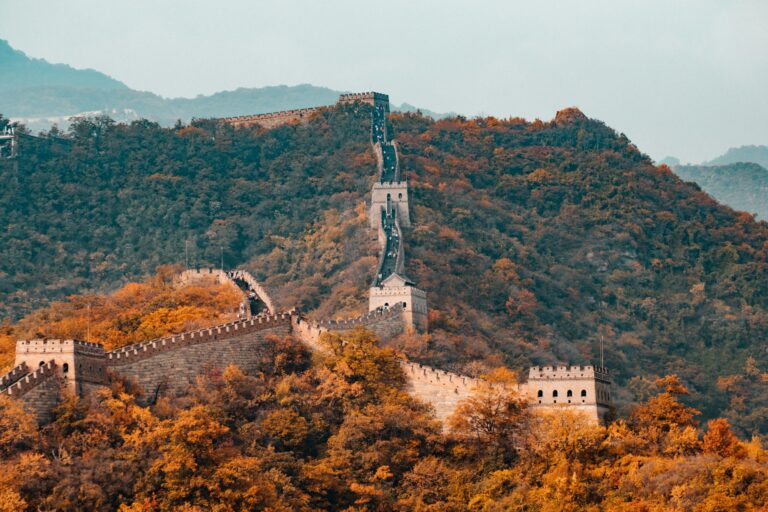

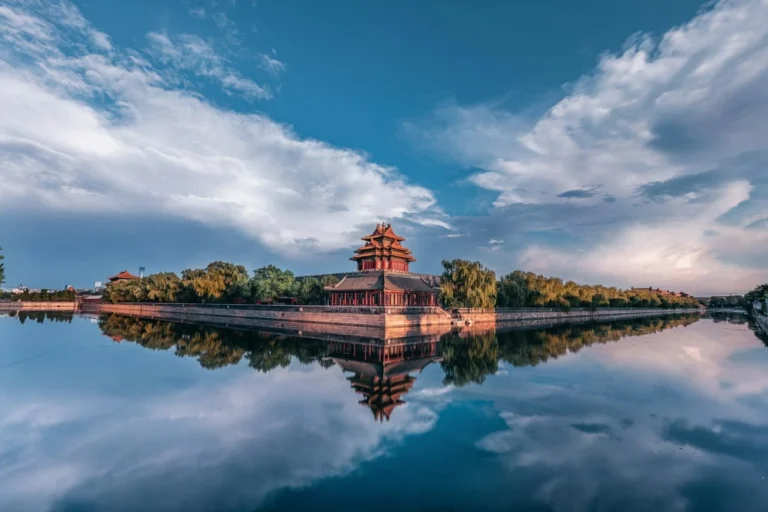




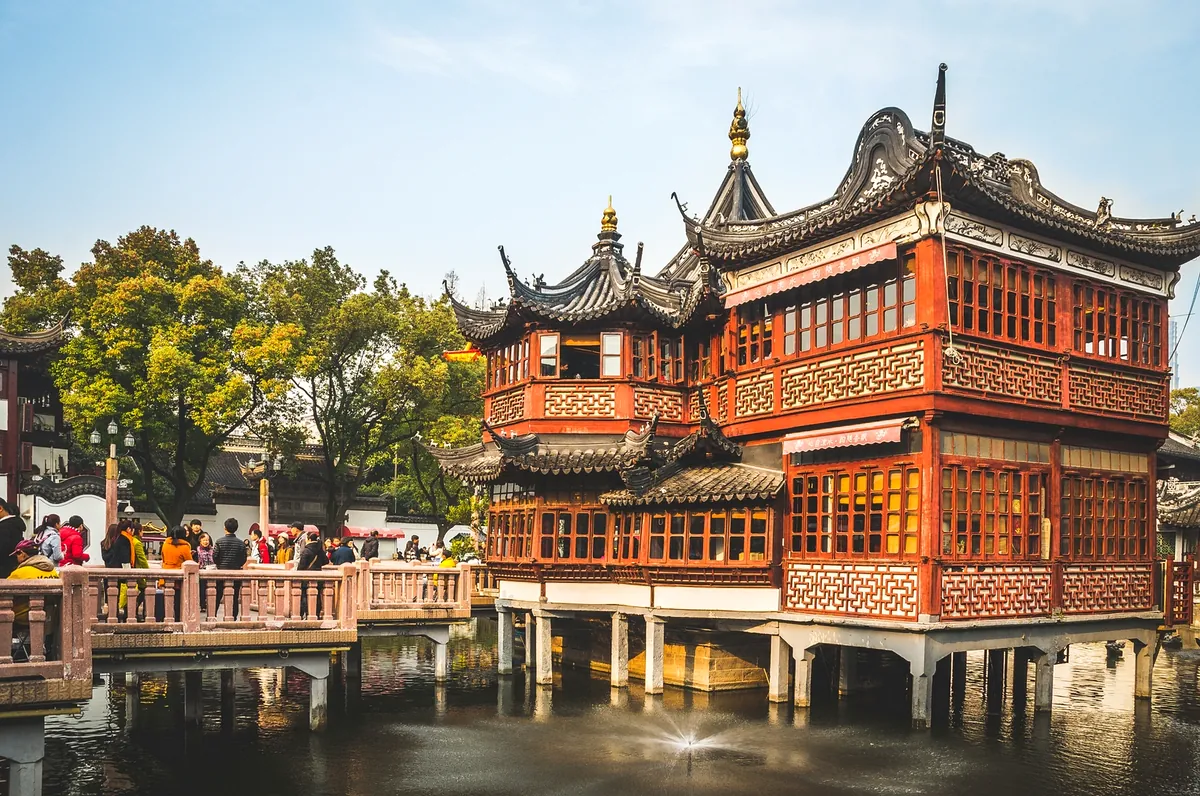
Within modern Shanghai, traces of historic town architecture and quiet pockets of time still endure amidst concrete and glass. The area around the City God Temple and Yu Garden stands as a signature heritage enclave inside the megacity, where upturned tiled eaves, crisp whitewashed walls, and intricately carved gates recount stories of a quieter, traditional Shanghai. Though not inscribed directly as a standalone UNESCO World Heritage Site like the Great Wall or the Forbidden City, this architectural complex—alongside historic former concession quarters marked by Western design—exemplifies Shanghai’s distinctive cultural heritage born of rare East–West synthesis. Local Jiangnan customs remain alive in unhurried afternoon tea inside historic teahouses, traditional handicraft markets, and colorful folk festivals. Shanghainese take quiet pride in preserving historic buildings, culinary craft, and refined daily habits. Each morning, visitors still spot locals practicing Tai Chi in parks or elders playing mahjong and swapping stories beneath venerable trees—capturing an authentic slice of Shanghai where time slows gently against the brisk pulse of commerce.
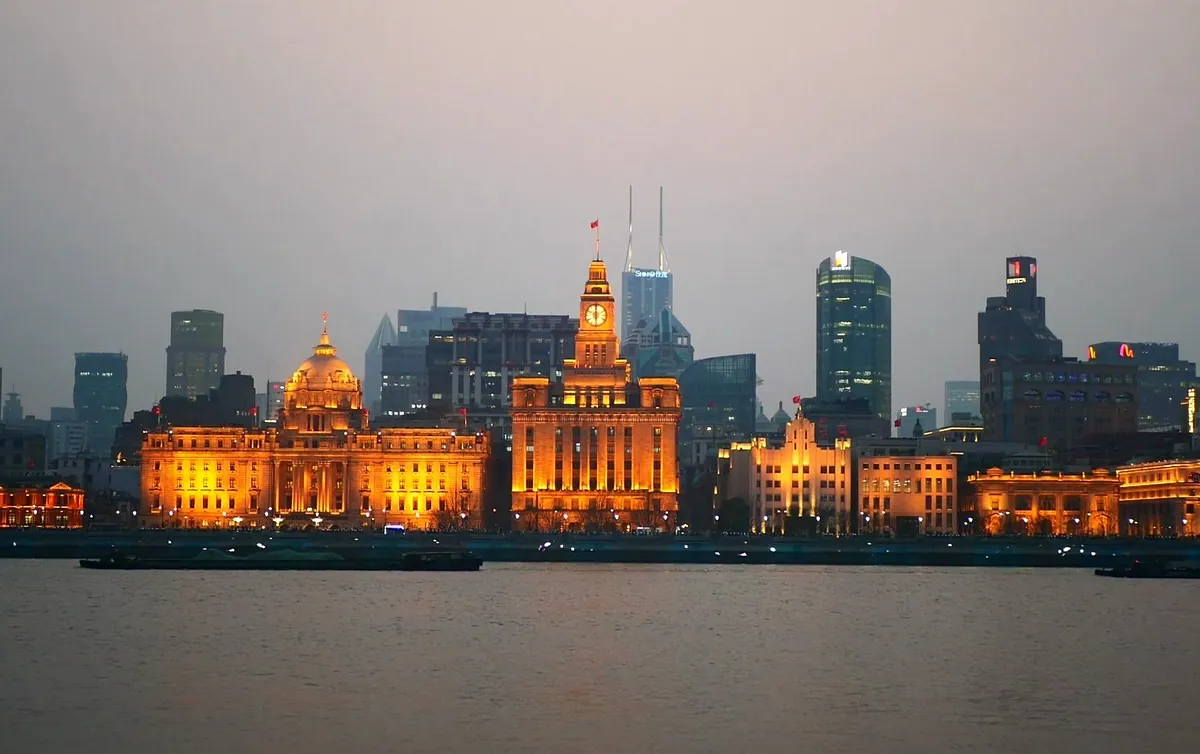
Starting from the western bank of the Huangpu River, The Bund (Waitan) unfolds like a living architectural museum gathering more than fifty historic buildings across Gothic, Romanesque, Baroque, Art Deco, and Neoclassical styles—each edifice a page of history from the era of international concessions. Strolling along The Bund feels like stepping into a miniature European boulevard, where celebrated nineteenth- and twentieth-century architects designed grand landmarks for banks, trading houses, and consulates. From the stately domed HSBC Building to the Customs House crowned by its clock tower, every detail evokes regal elegance and golden-age prosperity. In the evening, as tens of thousands of lights ignite, The Bund turns into a gleaming golden ribbon reflected across the river in breathtaking splendor—an enduring emblem of renewal where past and present meet in every breath of the city. Looking across the Huangpu River from The Bund, visitors witness the dramatic rise of Pudong and the Lujiazui financial district. Only a few decades ago a landscape of farmland and quiet fishing hamlets, Pudong now soars as one of the world’s most dynamic financial skylines—anchored by the second-tallest building on Earth, Shanghai Tower, the twisting silhouette of the Shanghai World Financial Center, and the pagoda-inspired Jin Mao Tower, symbolizing China’s outward vision and offering soaring night views across the illuminated city.
Amidst Pudong’s striking modern skyline, the Oriental Pearl TV Tower stands out with an unmistakable design resembling a string of luminous pearls ascending into the sky. Completed in 1994 at a height of 468 meters, the tower serves not only as a broadcast mast, but as an iconic landmark complete with multi-level observation decks, a revolving restaurant, and a municipal history museum at its base. Standing atop its glass-floored observation deck looking straight down toward the Huangpu River and busy avenues below delivers an unforgettable thrill that stretches visual and emotional horizons, revealing Shanghai like a vast living map where past and future weave through every street and light. Away from the skyscrapers, visitors discover a serene contrast at Yu Garden (Yuyuan), a classical Jiangnan garden built during the Ming Dynasty (sixteenth century). True to its name—meaning “Garden of Ease and Harmony”—this lush oasis spans over 20,000 square meters of sculpted Taihu rockeries, lotus ponds, zigzag bridges, winding corridors, pavilions, and tea halls crafted according to traditional garden aesthetics and feng shui. Wandering past the Nine-Turn Bridge and Wanshua Pavilion or resting beneath ancient trees lets travelers feel the enduring peace of classical Eastern culture. Right beside Yu Garden stands the historic City God Temple, where locals pray and uphold folk traditions, while the bustling Yu Garden Bazaar brims with souvenirs, traditional handicrafts, and authentic Shanghai street snacks.
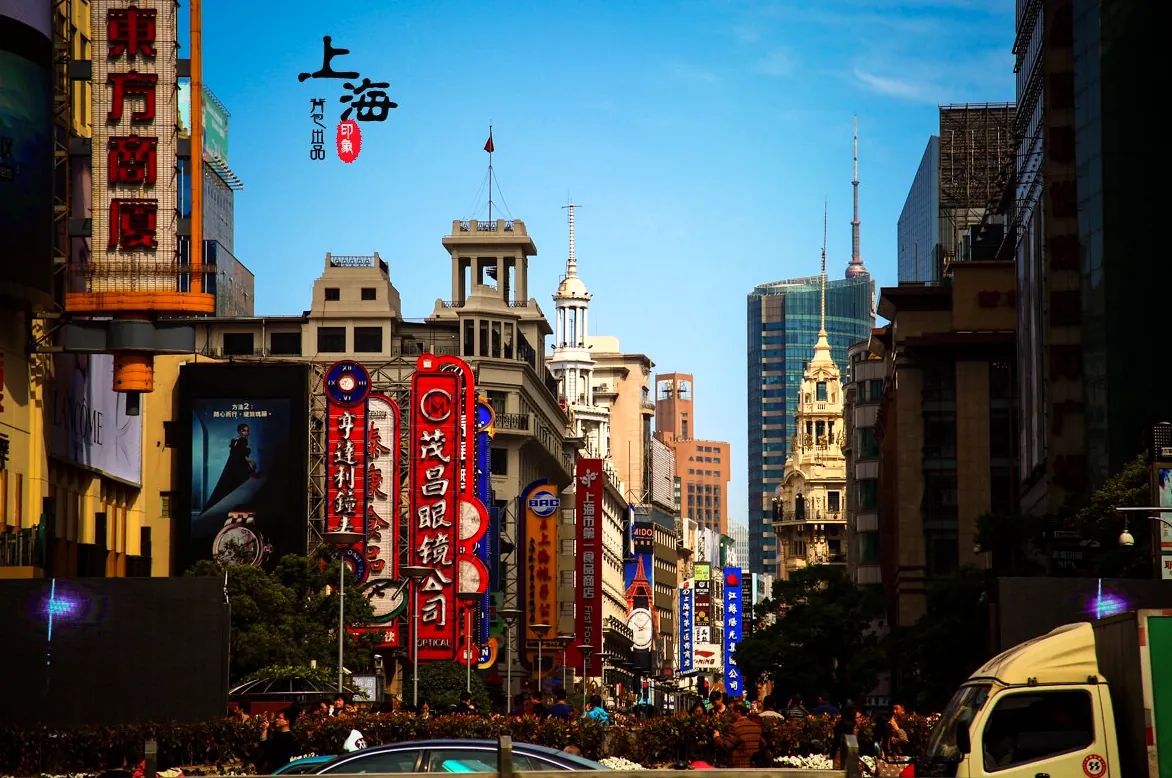
From the historic facades of The Bund and classical grace of Yu Garden, the journey shifts into vibrant modern retail along Nanjing Road Pedestrian Street. Stretching more than 5.5 kilometers, Nanjing Road ranks among the world’s most famous and bustling shopping boulevards, long celebrated as China’s “Number One Commercial Street.” Since the mid-nineteenth century, it has drawn grand department stores, international brands, and upscale dining. Today, ablaze with neon lights after dark, it unites global luxury flagships with heritage shops selling silk, tea, and traditional crafts—inviting visitors to stroll amidst street performances, sample snacks, and experience Shanghai’s lively blend of Western consumer energy and Eastern tradition.
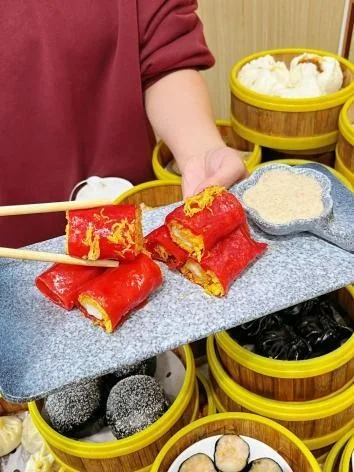
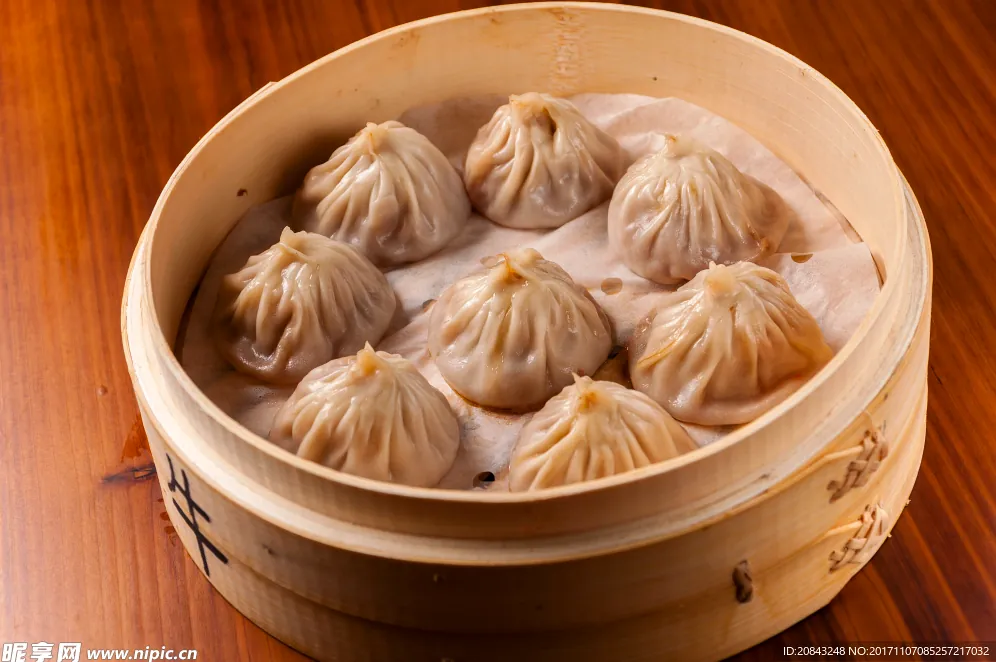
No exploration of Shanghai is complete without savoring its distinctive culinary culture, which elevates Jiangnan flavors into refined art. Shanghai cuisine—known as *Benbang* or *Hu* cuisine—is famed for rich, savory depth, fresh ingredients, and delicate preparation, often balancing subtle sweetness with soy sauce and Shaoxing rice wine. Its most iconic dish is *Xiao Long Bao* (soup dumplings): delicate, thin-skinned buns filled with savory pork and rich, hot broth. Enjoying *Xiao Long Bao* calls for gentle technique—nibbling a tiny opening to sip the warm broth first before savoring the filling and wrapper. In autumn, steamed Hairy Crab (*Dazha Xie*) is a prized seasonal delicacy prized for sweet crabmeat and rich roe served with ginger and vinegar, while Scallion Oil Noodles (*Cong You Ban Mian*), Shanghai Fried Noodles, and Red-Braised Pork (*Hongshao Rou*) highlight local culinary variety. Tea culture is equally woven into daily life: inside historic teahouses around Yu Garden or old neighborhoods, guests can experience traditional *Gongfu* tea brewing with celebrated teas such as Longjing, Tieguanyin, or Bi Luo Chun, while upscale banquets showcase elaborate multi-course dishes reflecting the city’s elegance and prosperity.
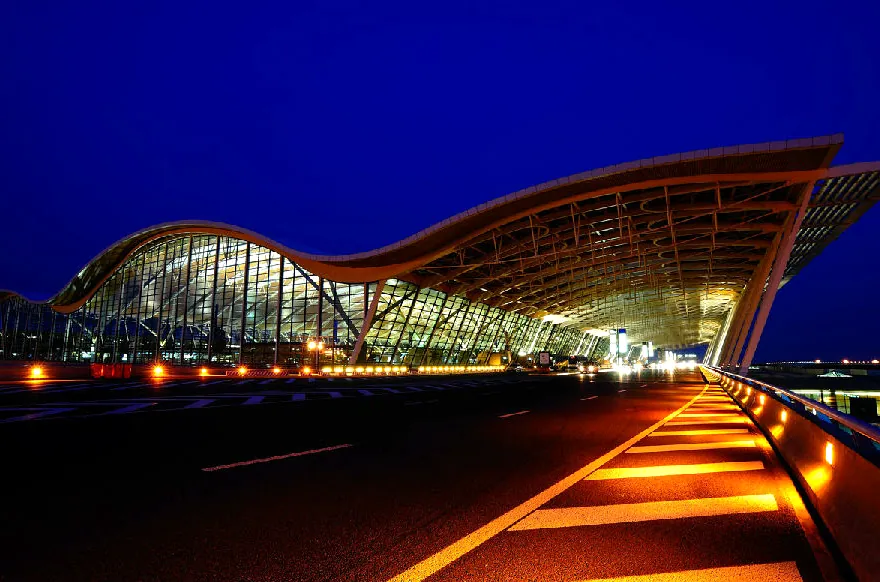
Reaching Shanghai today is remarkably convenient for Vietnamese travelers thanks to modern infrastructure and direct connections. Shanghai Pudong International Airport (PVG) is among the world’s busiest aviation hubs, welcoming hundreds of international and domestic flights daily, with direct flights from major Vietnamese cities such as Hanoi and Ho Chi Minh City saving valuable travel time. Shanghai is also a major rail hub on China’s CRH high-speed rail network—with Shanghai Railway Station, Shanghai Hongqiao Railway Station, and Shanghai South Railway Station linking effortlessly to cities across the country for those wishing to explore China by train. Inside the city, an extensive, modern metro network makes getting to major sights fast and seamless. As for the best time to visit, each of the four seasons offers its own appeal: Spring (March–May) brings blooming flowers and mild, pleasant weather ideal for parks and gardens; Summer (June–August) is warmer and more humid, yet lively with festivals and vibrant nightlife; Autumn (September–November) is widely considered the finest season, featuring crisp, clear air, golden and crimson foliage, and prime hairy-crab season; and Winter (December–February) is cool—with occasional light snow—offering romantic quietude, smaller crowds, and comforting hot dishes. VDS Travel helps travelers choose the ideal season to match their personal preferences.
For Vietnamese travelers planning a trip to Shanghai, a few practical preparation steps ensure a smooth, stress-free journey. First and foremost is arranging a valid Chinese visa prior to departure—typically requiring a passport valid for at least six months, application form, photo, proof of funds, itinerary, and flight/hotel bookings—and VDS Travel is ready to assist from consultation and document preparation through visa collection. Second, regarding payments, while the Chinese Yuan (CNY) remains official currency, mobile payment platforms such as Alipay and WeChat Pay are ubiquitous across Shanghai—used in virtually every shop, restaurant, and transit service. Install and activate Alipay or WeChat Pay before flying and link an international credit or debit card so you can pay effortlessly with your phone. Third, for staying connected, purchasing a roaming data eSIM or local SIM card in advance lets you access mobile data immediately upon landing for navigation maps, translation apps, and messaging. Fourth, pack versatile attire suited to Shanghai’s four distinct seasons: breathable layers for spring and autumn, cool moisture-wicking clothing and sun protection for summer, and a warm coat, scarf, gloves, and water-resistant boots for winter—always prioritizing comfortable walking shoes for exploring on foot. Backed by VDS Travel’s thoughtfully designed itineraries and 24/7 specialist support—from dining and shopping recommendations to cultural guidance—every moment in Shanghai becomes a safe, enriching, and unforgettable memory.
