




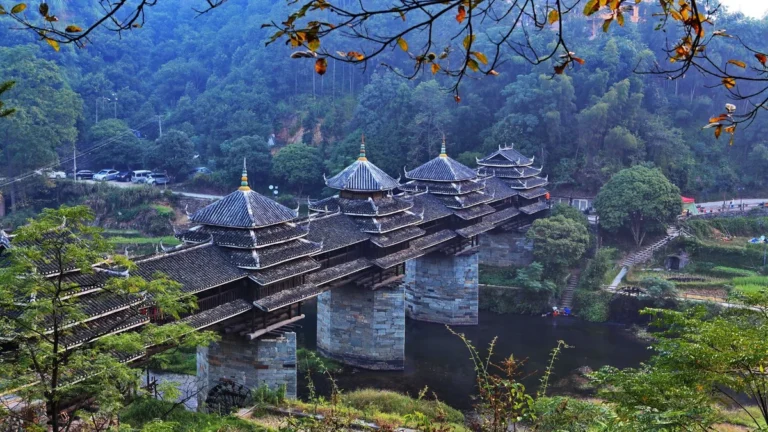
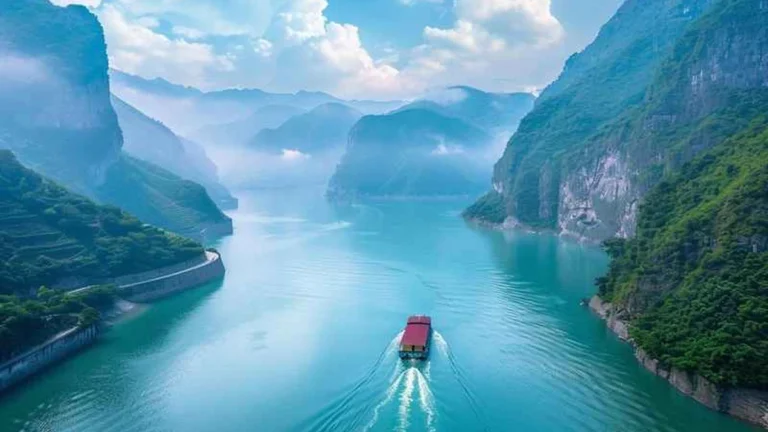
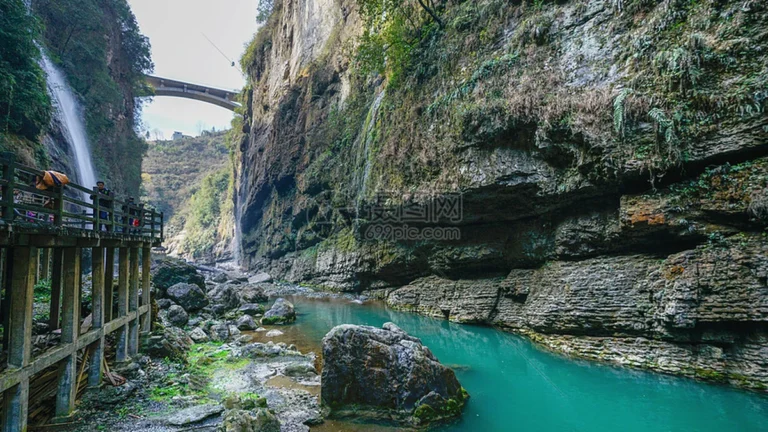
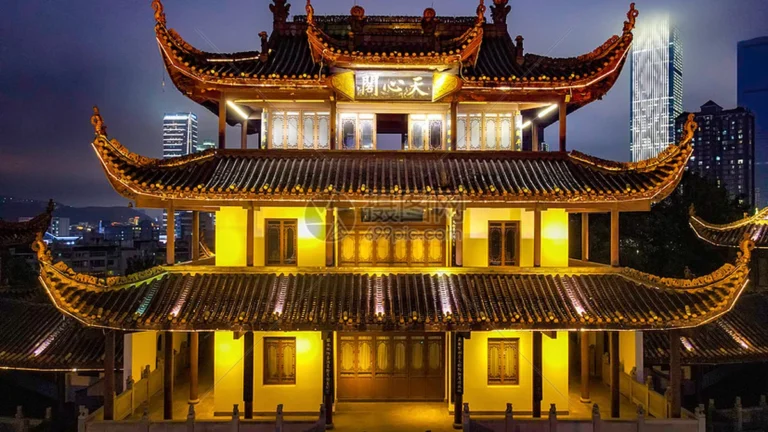


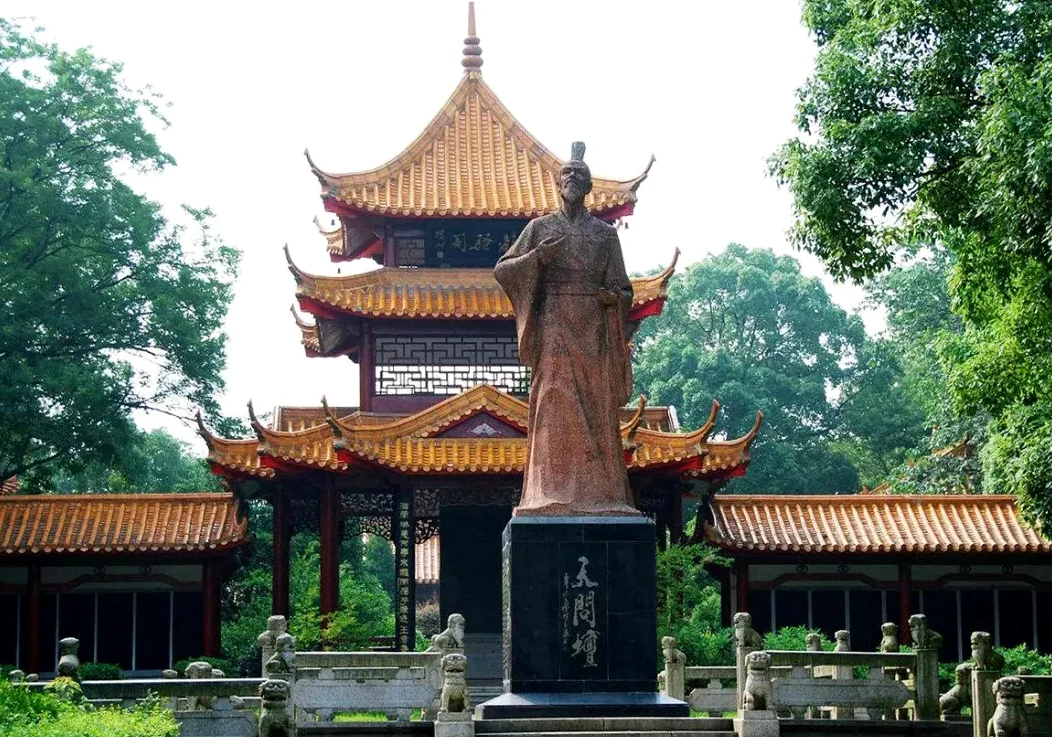
Hunan’s chronicle is a long sequence of dramatic and brilliant chapters. Since antiquity, the region was a cradle of Chu Culture, one of the most vibrant civilizations of the Spring and Autumn and Warring States periods (eighth to third centuries BCE). Blending indigenous traditions with Central Plains influences, Chu culture left an enduring mark on language, art, music, and philosophy, with poet Qu Yuan composing immortal verses beside Hunan’s Miluo River. Under the Han dynasty, the region gradually integrated into the imperial realm with growing cultural exchange. Across the Tang, Song, Yuan, Ming, and Qing dynasties, Hunan served as a vital bridge linking northern China with the south—acting at times as a military frontier while producing eminent statesmen, scholars, and reformers. In the late Qing and early twentieth century, Hunan became a major center of modern political and revolutionary movements, producing transformative historical figures such as Mao Zedong and Liu Shaoqi. Together, heroic history and distinctive terrain forged a resilient, spirited Hunan where every peak, river, and stone breathes a thousand years of memory awaiting discovery.
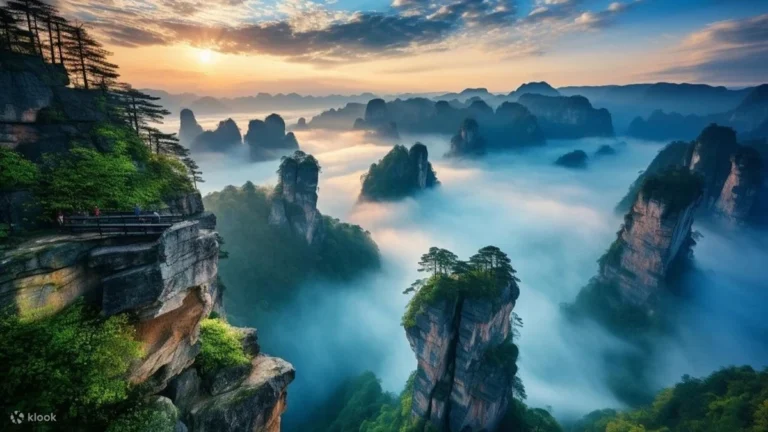
Exploring Hunan leads travelers into historic towns where time seems to stand still and UNESCO-recognized heritage lives side by side with everyday local life. Foremost is the Wulingyuan Scenic and Historic Interest Area (Wulingyuan), inscribed as a UNESCO World Heritage Site in 1992. This rare geological wonder is a vast natural museum of more than 3,100 dramatic quartz-sandstone pillars soaring into clouds and sky, sculpted over millions of years by tectonic uplift, weathering, and water erosion. Veiled in shifting mist and mountain clouds, these towering formations create an ever-changing natural spectacle that captivates every visitor.
Leaving high mountain peaks behind brings you into the storied charm of ancient towns. Fenghuang Ancient Town (Fenghuang Gucheng), gracefully nestled along the Tuojiang River, ranks among China’s loveliest historic towns—famous for traditional Diaojiaolou stilted timber houses built on wooden posts overhanging the river. This vernacular architecture reflects local ingenuity in adapting to riverside terrain while symbolizing Miao and Tujia cultural heritage. Winding bluestone lanes, antique stone bridges spanning calm waters, and moss-dappled ramparts form a timeless labyrinth where elders weave baskets, young Miao women wear gleaming silver headdresses, wooden oars ripple the river, and fragrant street aromas drift through the air.
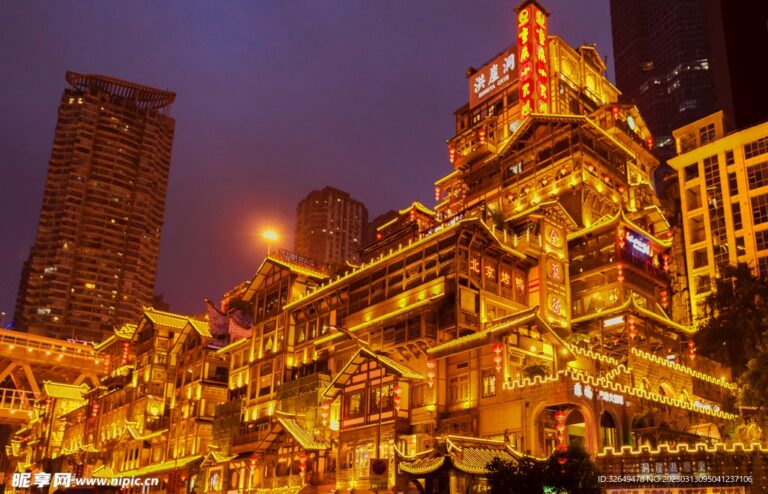
Equally distinctive is Furong Town (Furong Zhen), known in antiquity as Wangcun—a historic market town perched dramatically atop a roaring waterfall. Wooden stilted buildings cling to sheer cliffs beside cascading water, glowing with magical beauty after dark when lanterns light up the mist. Once an important trade stop along ancient mountain routes for rice and highland goods, Furong Town showcases Tujia architecture with stone stairways, upturned eaves, and intricate woodcarvings set against an unforgettable waterfall backdrop.
Indigenous customs in Hunan form a priceless cultural treasury, especially among the Miao and Tujia ethnic groups. Traditional Miao attire stands out for vivid colors, intricate embroidery, and gleaming silver jewelry believed to ward off evil spirits and bring good fortune. Festivals such as the Sanyuejie (Third Lunar Month Festival) and Guzang ancestral ceremonies showcase traditional dances, folk songs, and vibrant communal spirit, while Tujia communities are celebrated for antiphonal call-and-response songs and lively group dances. Rooted in reverence for nature, ancestors, and spirits, Hunan’s living traditions reveal a deep harmony between people and their environment across generations.
Hunan’s celebrated scenic landmarks unite natural grandeur with cultural myth. Zhangjiajie—famed for breathtaking landscapes—is an extraordinary geological showcase where colossal quartz-sandstone columns rise straight from the earth like spears piercing the sky, serving as the visual inspiration for the floating mountains in the blockbuster film Avatar.
Within Zhangjiajie, Wulingyuan forms the UNESCO-listed core, dazzling visitors with thousands of mist-draped sandstone peaks, crystal streams winding through gorges, lush cliffside flora, and rare wildlife. A highlight of Wulingyuan is Yuanjiajie, home to the Southern Sky Column—now known as “Avatar Hallelujah Mountain”—one of the tallest and most iconic rock pillars in the park. To ascend Yuanjiajie, visitors ride the Bailong Elevator, famed as the world’s tallest outdoor elevator, whisking riders up hundreds of meters in minutes to sweeping views over the stone-pillar forest, while glass skywalks suspended over deep gorges test nerve and reward photography.
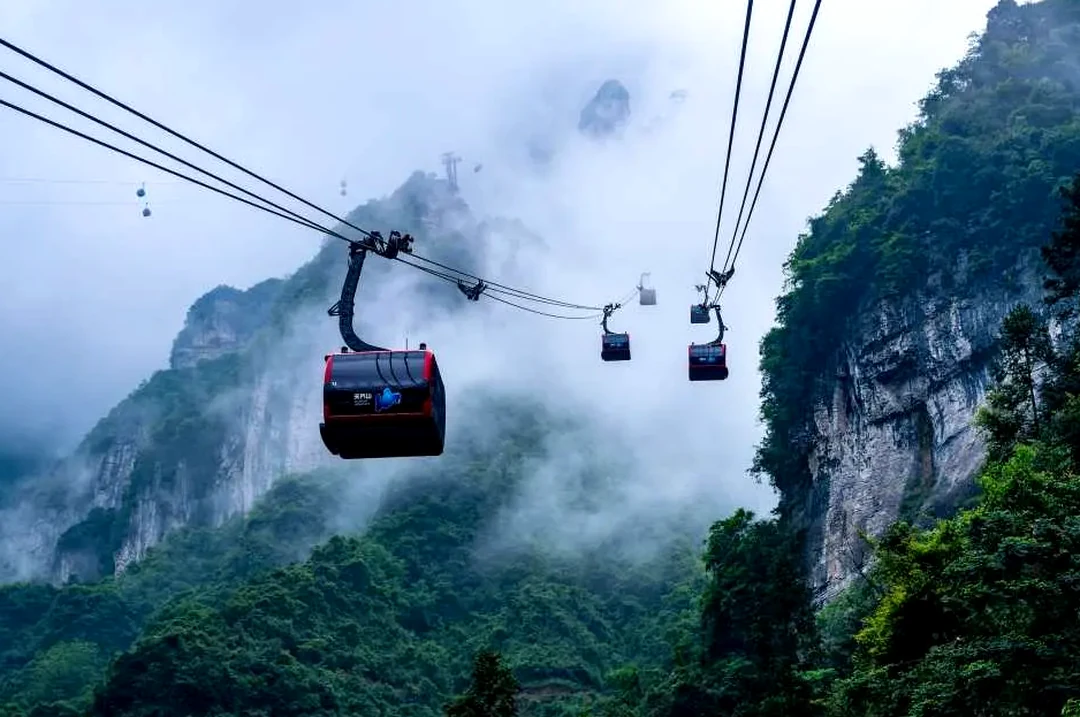
Tianmen Mountain, known as “Heaven’s Gate,” rises over 1,500 meters above sea level. Reaching the summit of Tianmen Mountain features one of the world’s longest passenger cable cars—gliding nearly thirty minutes from Zhangjiajie city up across green valleys and sheer cliffs. Atop the mountain lies Tianmen Cave, a monumental natural rock arch opening toward the sky, reached via the famous 99 Bends mountain road or a steep flight of 999 stone steps, alongside thrilling cliffside glass walkways.
Leaving Zhangjiajie, Fenghuang Ancient Town welcomes travelers with gentle romance centered on the Tuojiang River. A morning boat ride as mist lingers over mossy roofs and stilted Diaojiaolou houses feels like stepping into a storybook, passing historic spans such as Rainbow Bridge and Snow Bridge. After dusk, thousands of lanterns glow across the water while landmarks including East Gate Tower, North Gate Tower, Wanshou Palace, and writer Shen Congwen’s Former Residence preserve the town’s enduring grace and history.
Furong Town sits perched beside a dramatic waterfall, famous for timber stilted houses clinging to cliffs around a rushing cascade that visitors can walk behind to feel cool spray and view the town from a fresh angle. Lit by lanterns at night, it resembles a fairytale village suspended between earth and sky, offering a striking contrast to Zhangjiajie’s towering spires and Fenghuang’s riverside romance.
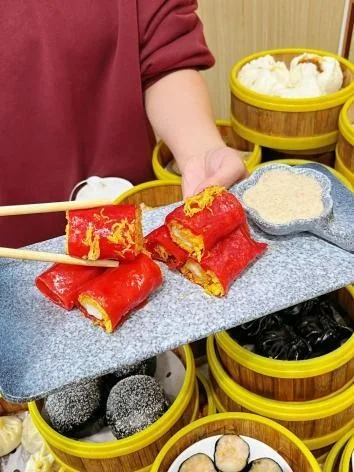
Hunan’s culinary heritage is a thrilling sensory journey shaped by regional geography and history. Hunan cuisine—or Xiang Cuisine, one of China’s Eight Great Culinary Traditions—is renowned for three hallmarks: spicy (la), sour (suan), and aromatic (xiang). Unlike Sichuan’s numbing heat, Hunan’s spice is bold, direct, and deeply savory, honed over centuries to suit humid mountain climates while awakening the palate alongside tangy pickled vegetables and rich seasonings.
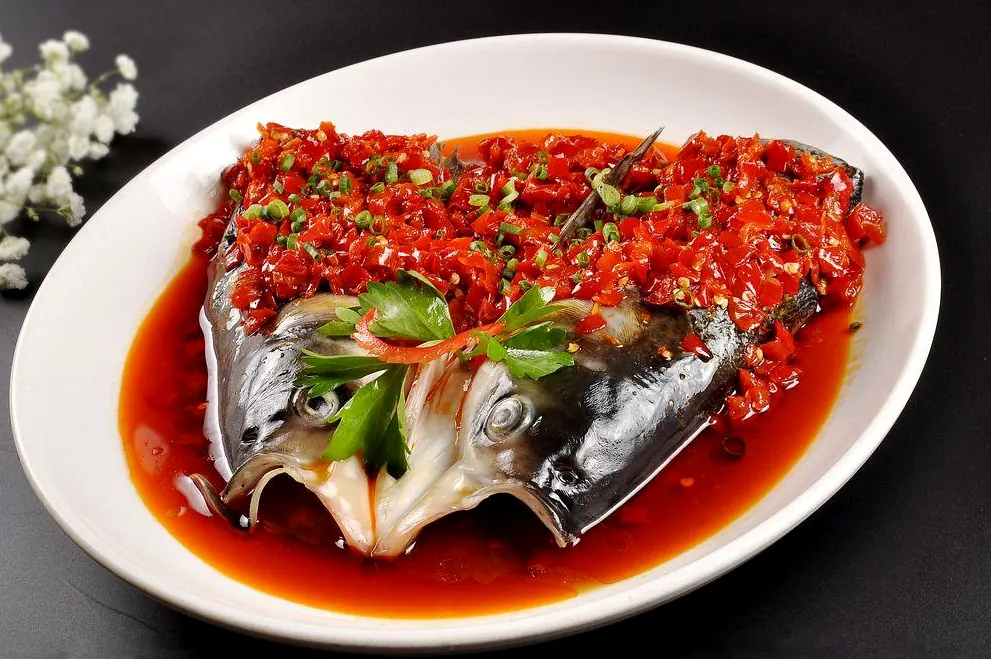
Signature Hunan classics include Steamed Fish Head with Diced Chili (Duo Jiao Yu Tou), where fresh fish head steams beneath vibrant red chopped chilies, garlic, and ginger for a bold balance of fiery heat and sweet fish; Chairman Mao’s Red-Braised Pork (Mao Shi Hong Shao Rou), glossy mahogany pork belly braised tender in aromatic seasonings; Dong’an Chicken (Dong’an Ji), tangy and spicy with ginger, vinegar, and rice wine; Stir-Fried Spicy Pork (La Zi Rou) with chili peppers and garlic; plus smoky highland cured meats (La Rou) of western Hunan’s Miao and Tujia communities and refreshing sour soups (Suan Tang).
Hunan tea culture also features distinctive traditions, notably Lei Cha (“pounded tea”), a hearty Hakka and rural Hunan specialty prepared by pounding fresh tea leaves with peanuts, sesame seeds, toasted rice, mint, and herbs in a stone mortar before steeping in hot water—offering a nutty, refreshing welcome to guests alongside high-mountain green and black teas.
Communal dining defines Hunan meals: dishes are shared family-style around the table, often accompanied by Baijiu during celebrations. Even if fiery chili heat feels bold at first, sampling Hunan’s dishes reveals stories of local history, climate, and warmth—and VDS Travel encourages approaching new flavors with curiosity as an essential part of your cultural journey.
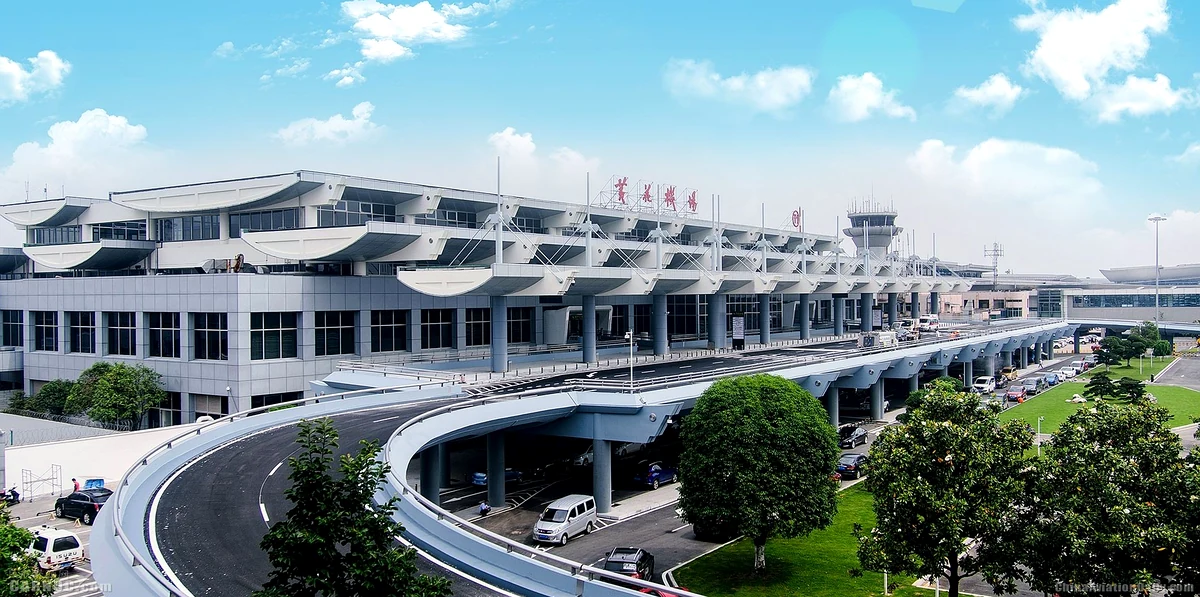
Modern infrastructure makes traveling across Hunan smooth and convenient, anchored by well-connected airports and high-speed railways across central China.
For Vietnamese travelers, air travel is often the most convenient option. Changsha Huanghua International Airport (CSX) serves as Hunan’s primary gateway with direct or easy connecting flights from Hanoi and Ho Chi Minh City, offering smooth onward rail or bus links to Zhangjiajie. Zhangjiajie Hehua International Airport (DYG) provides another convenient entry point close to major scenic parks via domestic connections.
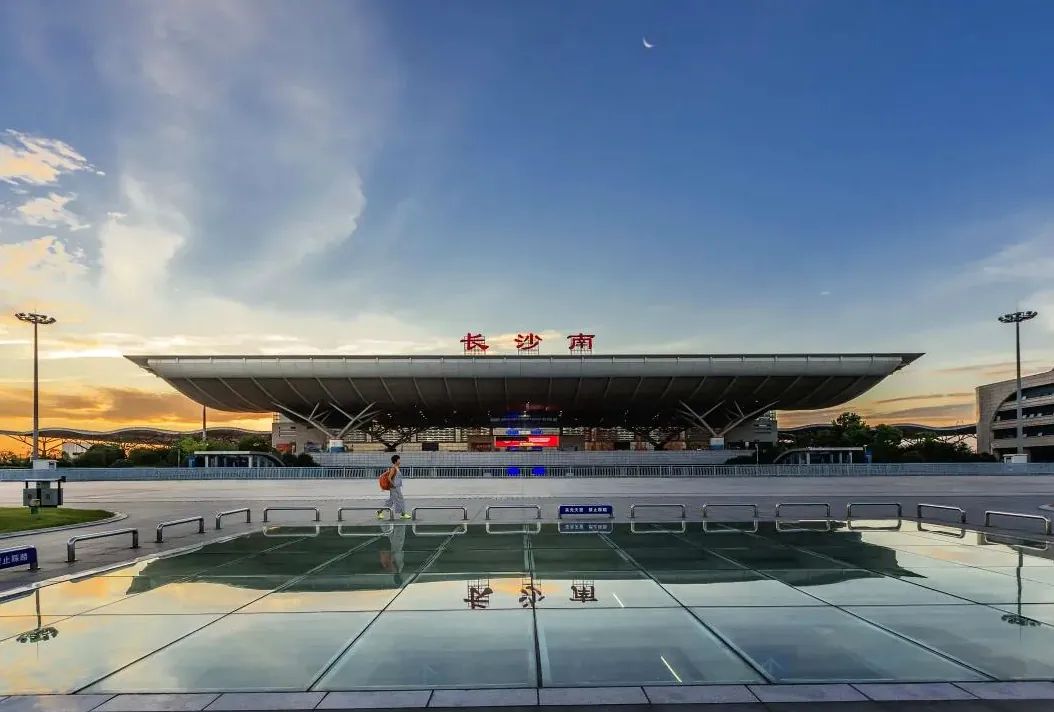
China’s CRH high-speed rail network connects Hunan seamlessly to major cities including Beijing, Shanghai, Guangzhou, and Guilin. From Changsha South Railway Station, high-speed trains reach Jishou—a key gateway to Fenghuang Ancient Town and Furong Town—as well as Zhangjiajie, turning transit through Hunan’s hills and countryside into a scenic part of the journey.
The ideal season to visit Hunan depends on your interests, as each of the four seasons reveals distinct natural beauty across its mountains and rivers.
Whatever season you choose, Hunan promises memorable scenery and rich traditions, and VDS Travel helps tailor timing and pacing to match your personal travel style.
To make your Hunan trip smooth and rewarding, VDS Travel shares practical field tips tailored for Vietnamese travelers so careful preparation turns every moment into a lasting memory.
Visa and border permits: Vietnamese citizens traveling to Hunan for tourism require a standard Chinese tourist visa—prepare a passport valid for at least six months, application form, photo, flight/hotel bookings, and itinerary to submit well in advance via a Chinese embassy or consulate (with VDS Travel assisting throughout the process). Note that border passes apply only to designated frontier zones and do not cover inland destinations like Hunan.
Currency and cashless payments: The official currency is the Chinese Yuan (CNY/RMB), though major cities and tourist areas operate largely on cashless mobile payments. Download and set up Alipay and WeChat Pay before departure and link an international Visa or Mastercard, while keeping a small amount of RMB cash on hand for backup or small local vendors.
Internet connectivity (eSIM and VPN): A travel eSIM offers instant mobile data upon landing for maps and translation without swapping physical SIM cards. Because Western platforms such as Google, Facebook, Instagram, and WhatsApp are restricted in mainland China, install and test a reliable VPN before departure if you need access.
Weather-appropriate clothing: Because Hunan features diverse mountain-and-river terrain and four distinct seasons, pack adaptable layers and sturdy walking shoes suited to your travel dates and mountain trails.
Dedicated support from VDS Travel: As a heritage and travel specialist, VDS Travel is committed to delivering not just a trip, but a deep, well-paced cultural journey. From custom itineraries, visa support, and flights to comfortable lodging, reliable transport, and knowledgeable local guides, we help you experience both iconic landmarks and authentic local moments safely and comfortably—creating treasured memories in the heart of Hunan.
