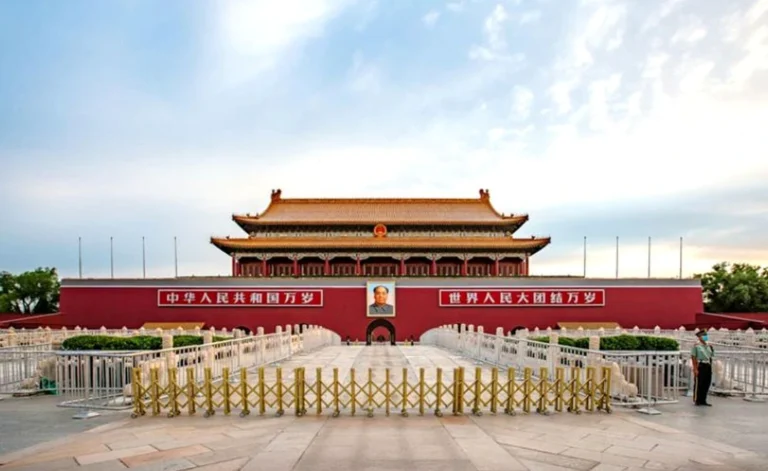
Guarding the northern mountain gateway to Beijing, the Badaling section of the Great Wall (八达岭长城) has stood since antiquity as a strategic military stronghold that shaped the destiny of northern Chinese dynasties. Originating during the Spring and Autumn, Warring States, and Northern Qi periods as rudimentary rammed-earth ramparts, this pass only evolved into an unrivaled military fortress during the Ming dynasty (1368–1644). In the very first year of the Hongwu reign (1368), immediately after overthrowing Yuan rule, founding Emperor Zhu Yuanzhang dispatched Grand General Xu Da to construct the Juyongguan defensive line together with its forward outpost at Badaling to halt counterattacks from Northern Yuan remnants. Its rugged, layered mountain terrain made Badaling the primary shield safeguarding the entire North China Plain.
A decisive strategic turning point arrived between 1420 and 1421, when the Yongle Emperor Zhu Di relocated the imperial capital from Nanjing to Beijing. Guided by the resolute statecraft motto “The Son of Heaven Guards the Frontier,” Badaling was elevated into a vital defensive chokepoint protecting the imposing Forbidden City and the sacred Ming Tombs. Across prosperous reigns, its fortifications were steadily expanded: in 1505 during the Hongzhi reign, the court initiated construction of the fortified pass town; in 1539 under the Jiajing Emperor, the monumental inscription “Outer Bastion of Juyong” (居庸外镇) was carved above the East Gate; and in 1582 during the Wanli era, a stone plaque reading “Lock and Key of the Northern Gate” (北门锁钥) was mounted above the West Gate.
The pinnacle of military engineering at Badaling arrived in 1571 during the Longqing reign. Under the visionary command of General Qi Jiguang and Viceroy Tan Lun, a comprehensive reconstruction replaced vulnerable rammed-earth walls with massive gray granite blocks and heavy load-bearing kiln bricks. Qi Jiguang also pioneered revolutionary two-story hollow watchtowers (Dilu), serving simultaneously as troop barracks, armories, and self-contained gun emplacements pierced with multi-directional arrow slits. Yet despite its stone-clad might, Badaling could not withstand internal dynastic collapse: in 1644, peasant rebel leader Li Zicheng breached the pass and marched straight into Beijing, bringing nearly three centuries of Ming rule to an end.
When autumn arrives, the Great Wall appears like a majestic granite ribbon winding gracefully across layered mountain ridges as maple groves and Yanqing hillsides ignite in brilliant gold, burnt orange, and russet hues. Steep stone stairways in the foreground bustle with travelers climbing steadily skyward, contrasting starkly with the stoic stillness of ancient watchtowers rising above a sea of autumn foliage—composing a frontier panorama at once monumental and poetic.
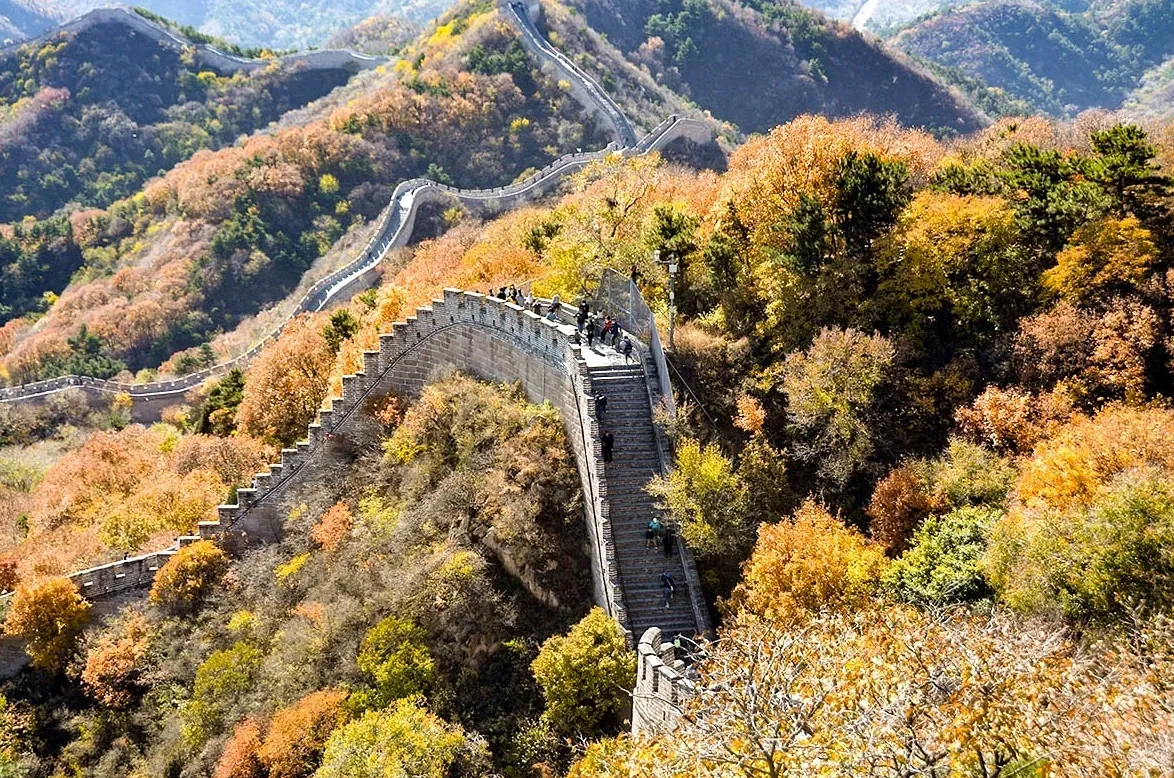
The seamless marriage of rugged mountain topography and masterly military architecture has made Badaling an immortal landscape masterpiece. Every sharp switchback along mountain crests and every watchtower positioned to cover valley blind spots reflects both supreme defensive tactics and deep respect for natural terrain—remaining woven into the soul of Beijing’s northern frontier through centuries of wind and snow.
Viewed from above, Badaling reveals a formidable defensive masterpiece in which the rugged ridges of the Jundu Mountains were harnessed as a strategic weapon. The restored section open to visitors spans 3,741 meters in total, divided clearly into two tactical wings: the Northern Wall stretching 2,565 meters with 12 interconnected watchtowers, and the Southern Wall winding 1,176 meters guarded by 7 key towers. Wall height averages 7.8 meters, soaring to 14 meters above sheer ravines to thwart scaling ladders. Deck proportions strictly follow the ancient military engineering rule “five horses abreast, ten men marching side by side,” measuring 6.5 meters wide at the base and 5.8 meters across the top walkway.
Badaling’s millennial resilience against bombardment and earthquakes stems from extraordinary Ming-era material engineering. Foundations are anchored with massive hand-dressed local granite blocks weighing between 500 kilograms and 1.5 metric tons laid in tight interlocking courses. Binding them permanently is legendary sticky-rice lime mortar (nuomi shajiang / 糯米砂浆), blending boiled glutinous rice starch with slaked lime to form an organic biopolymer network with remarkable seismic flexibility. Above the granite base, upper walls are faced with dense blue-gray kiln bricks weighing 12 to 15 kilograms apiece to resist harsh northern frost and wind erosion.
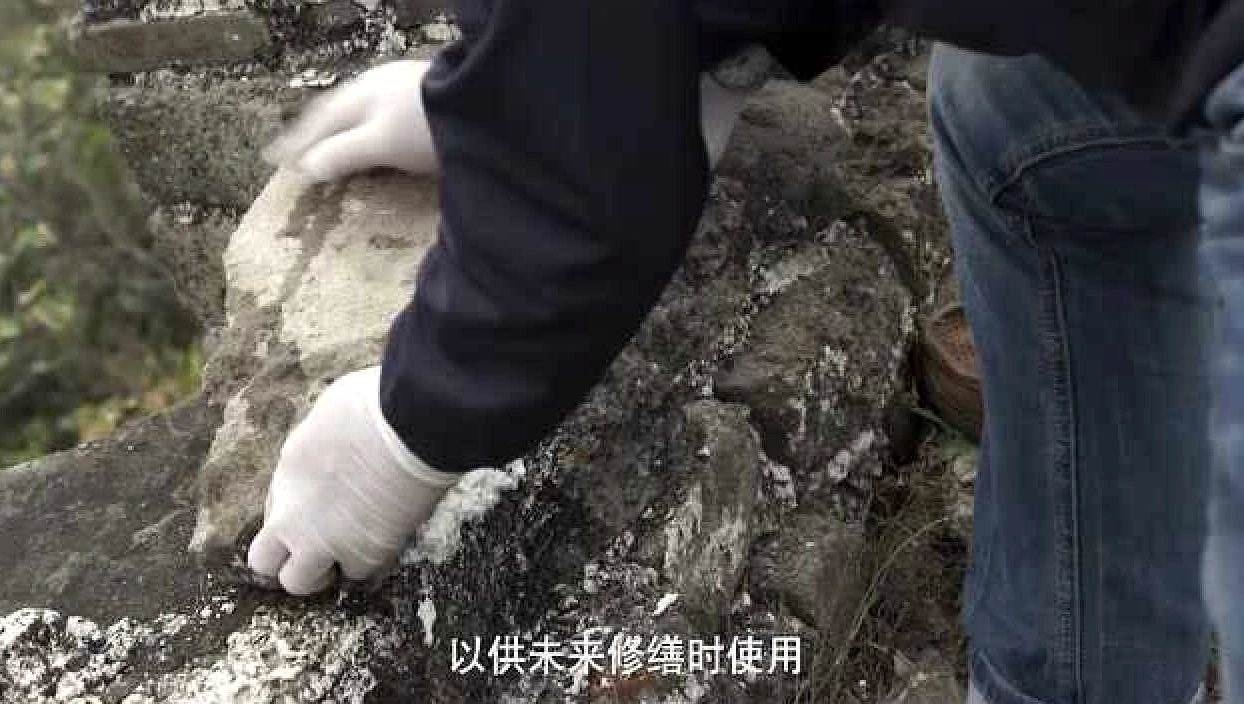
Combat architecture along the wall is layered with precision to maximize firepower while protecting garrison troops. The outer parapet wall (Nüqiang) rises 1.7 to 2 meters high, pierced with upper crenellations for long-range archery and lower angled murder-holes aimed straight down the cliff base. Along the inner edge runs a one-meter-tall safety wall (Yuqiang) preventing soldiers from falling down steep slopes during night movements. Anchoring the line are General Qi Jiguang’s two-story hollow watchtowers—vaulted lower chambers storing grain and gunpowder beneath 360-degree upper observation and firing decks—paired every 150 to 200 meters with beacon towers capable of relaying emergency smoke signals (traditionally burned with wolf dung for straight vertical plumes) by day and blazing signal fires by night back to the capital in minutes.
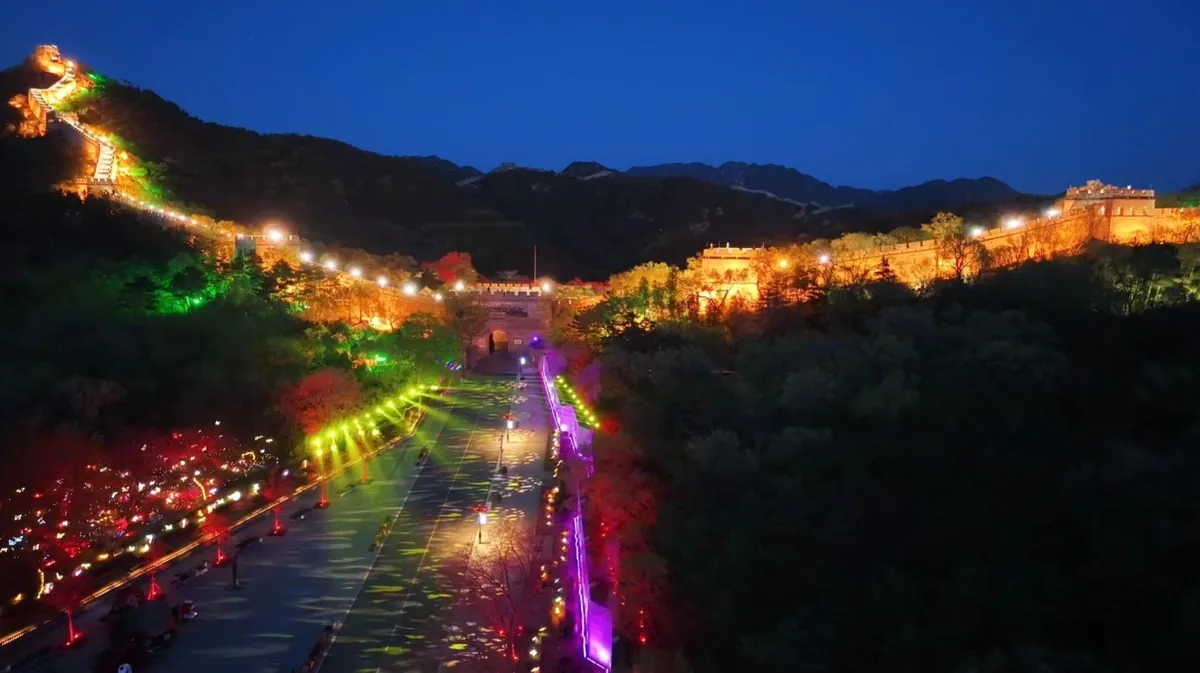
As dusk settles, the historic ramparts glow brilliantly beneath ribbons of golden light tracing verdant mountain ridges, while at the foot of the ancient wall a grand open-air performance plaza hosts live cultural shows beside traditional gate towers—uniting military heritage with contemporary vitality.
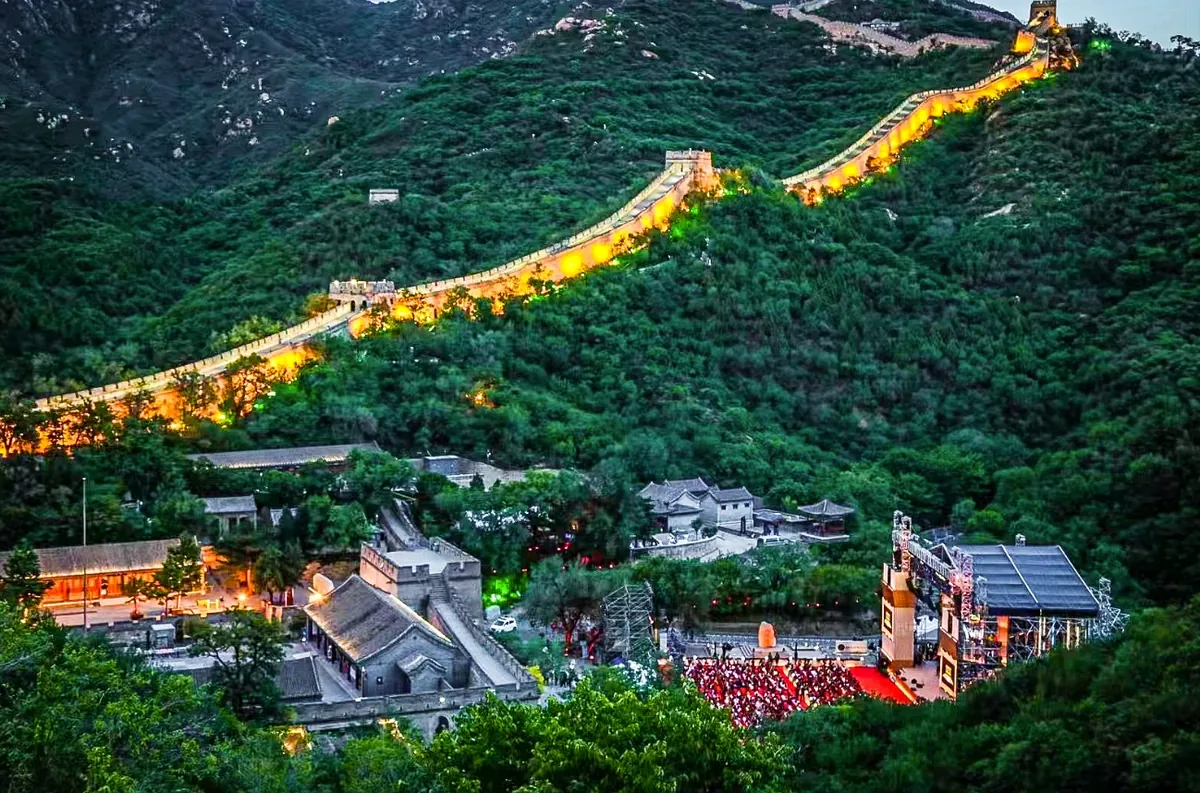
Badaling is far more than a military barrier—it stands as the ultimate expression of Chinese landscape integration, where every watchtower and brick ramp follows the natural spine of mountain rock, reminding modern travelers of the monumental human effort behind this immortal wonder.
When sunset fades across the northern ridges, Badaling sheds its austere daytime majesty to reveal an enchanting nocturnal persona. Designed to ease daytime peak crowds and showcase nighttime culture, the “Night Tour of the Great Wall” operates seasonally from April through October between 6:30 PM and 10:00 PM. Stretching from South Fourth Tower to North Fourth Tower, smart architectural LED lighting traces weathered granite blocks and gray bricks, turning the winding ramparts into a luminous Milky Way draped across Jundu Gorge.
Evening tours are enriched by live multimedia projections cast directly onto natural cliff faces near the pass, recounting centuries of frontier defense alongside traditional guzheng zither and bamboo flute recitals echoing through the valley and Ming-inspired evening tea gatherings.
After dark, illuminated battlements and watchtowers shift in warm golden hues along the mountain spine while lantern-lined stone pathways lead toward the main gate beneath towering pines.
Beyond architectural lighting, this priceless monument has become a showcase for cutting-edge conservation science. Using millimeter-accurate 3D LiDAR laser scanning conducted by the Chinese Academy of Sciences, researchers created a complete digital twin of Badaling to monitor micro-structural preservation and power immersive mixed-reality historical experiences.
Through augmented-reality visors, visitors witness historic frontier battles come alive before their eyes—plumes of warning smoke rising from beacon towers and armored Ming sentries standing watch along icy stone steps—blending futuristic simulation with authentic history.
Regional cuisine around Badaling Pass blends hearty Ming-dynasty garrison rations with the agricultural bounty of the Yanqing mountain valley. Beneath windswept ramparts, dishes built to sustain soldiers through bitter winters merged with local farming traditions—favoring slow braising, salting, and artisanal smoking to create rustic, deeply comforting northern frontier fare.
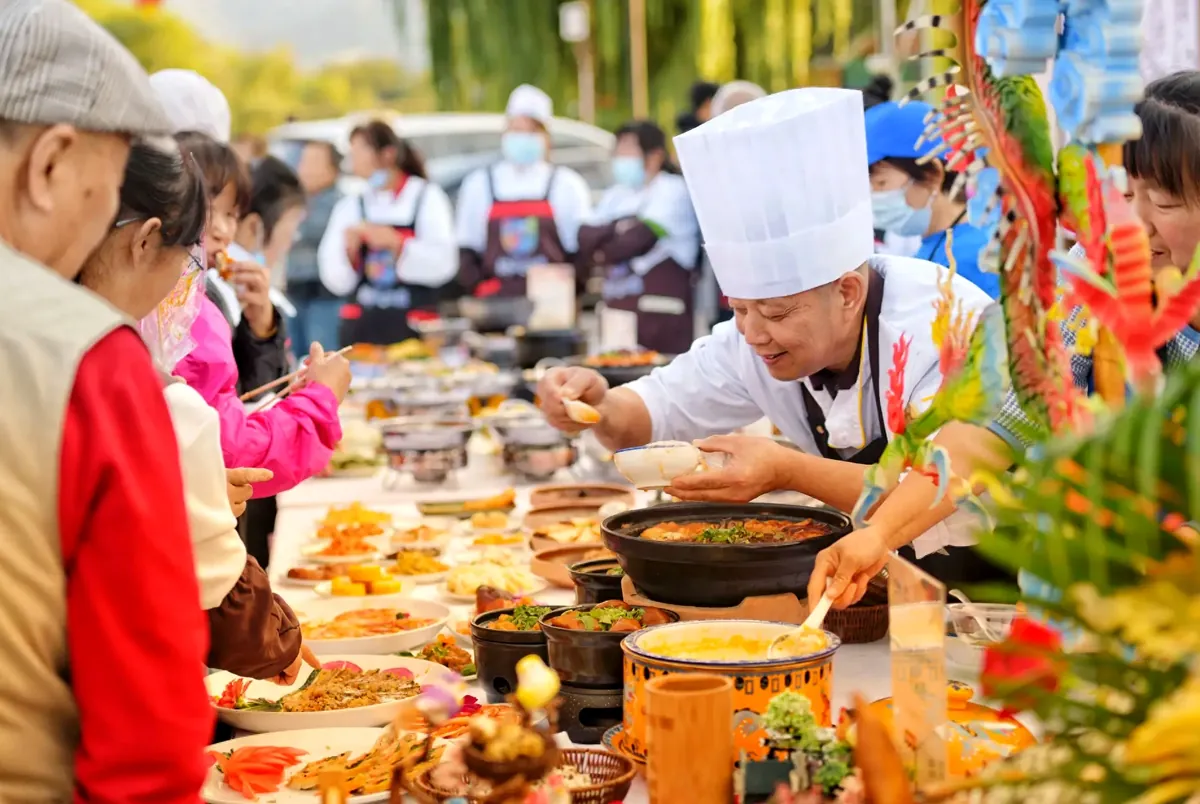
The crown jewel of Yanqing garrison gastronomy is the famed “Liugou Tofu Banquet” in historic Liugou Village, roughly fifteen kilometers from Badaling. Centerpiece of this rustic feast is the glowing bronze charcoal hot pot (Huopengguo), brimming with marrow-bone broth simmered for hours and layered with three varieties of handmade spring-water tofu: detoxifying black soybean tofu, cooling mung-bean green tofu, and creamy traditional white tofu—absorbing smoky juices from cured bacon and tangy crock-fermented pickled cabbage.
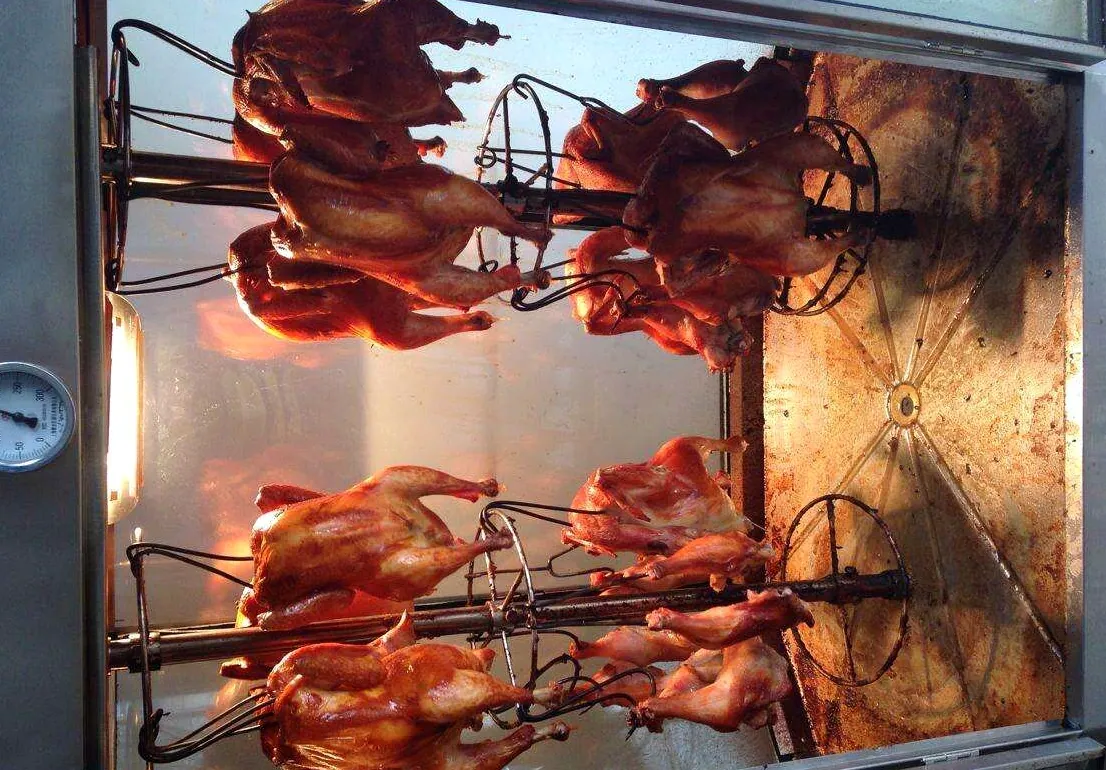
Returning to inns at the foot of the pass, travelers can also indulge in authentic Peking Roast Duck, rooted in imperial Ming court kitchens. Prepared using both open-oven hanging roasting (Gualu) and closed-oven roasting (Menlu) fueled exclusively with seasoned crabapple wood harvested from Yanqing hills, the fruitwood embers impart a delicate aroma while crisping the mahogany skin to glass-like perfection over tender, juicy meat.
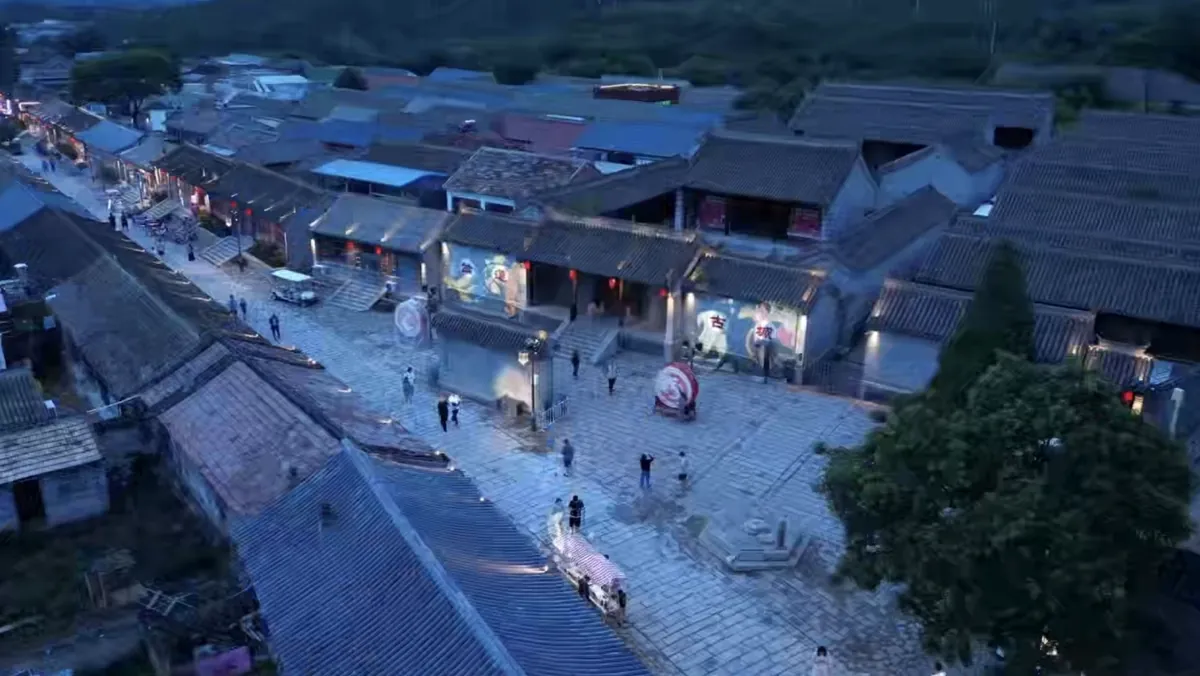
At dusk, Badaling Ancient Town comes alive with tiered mossy roofs along stone lanes lit by colorful lanterns and glowing red ornamental spheres hung beneath green trees, as white electric shuttles ferry visitors toward steaming teahouses and family taverns.
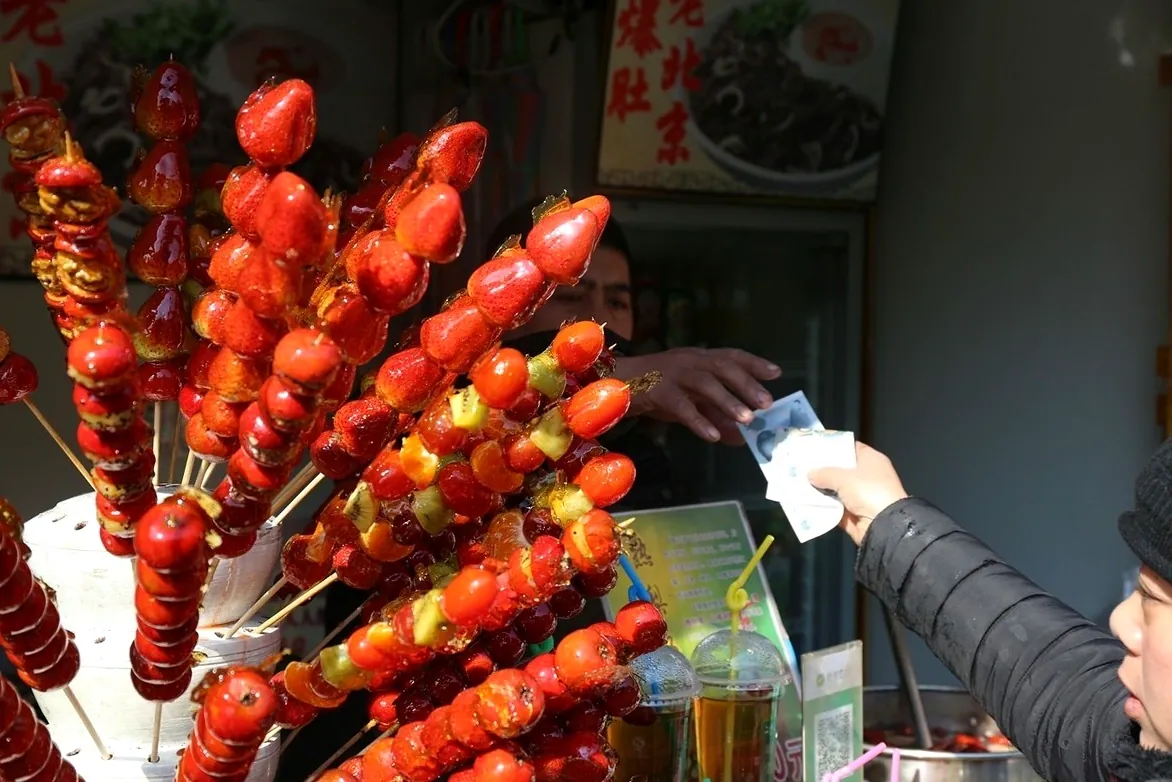
Alongside hearty banquets, street snacks at rest stops around the foot of the wall delight hikers with rustic mountain treats: cast-iron cauldrons roasting sweet Huairou chestnuts in hot black sand and cane syrup, crisp sugar-glazed hawthorn skewers (Tanghulu) made from wild Jundu Mountain berries whose bright tartness refreshes tired climbers, and farmhouse feasts at Gucheng Chadao and Tianjia Courtyard featuring freshly foraged pine mushrooms, garlic-sautéed wild greens, and skillet-toasted corn cakes.
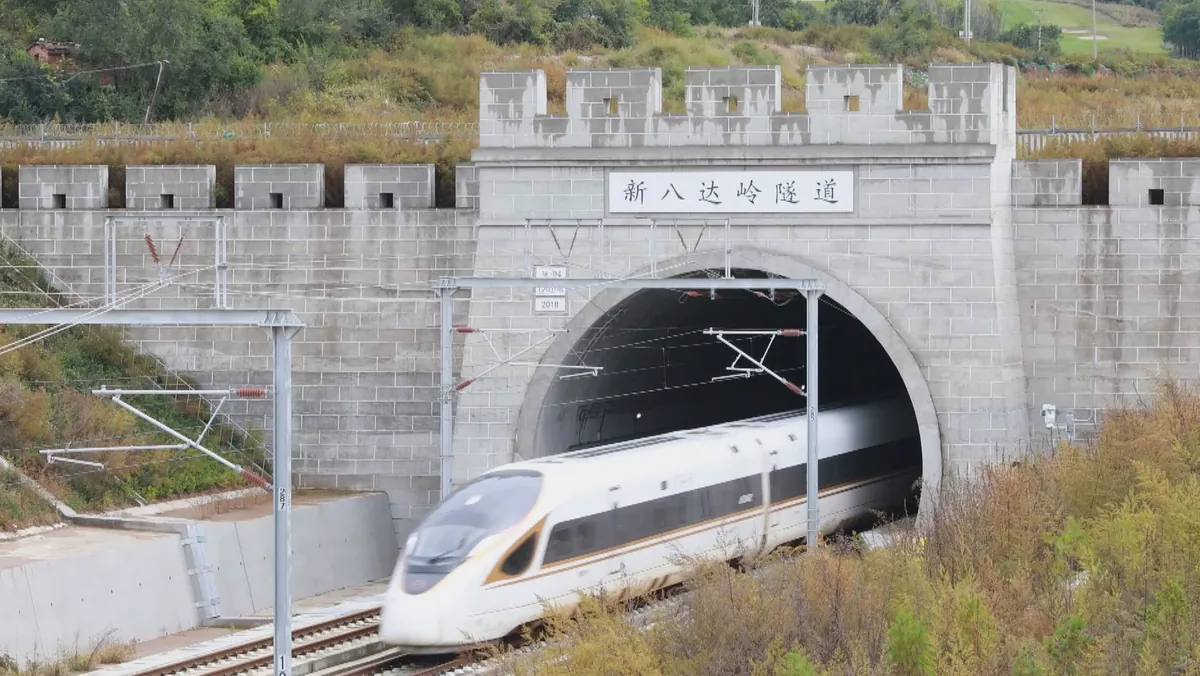
Modern transportation linking downtown Beijing with Badaling showcases an extraordinary union of ancient military heritage and cutting-edge engineering. The Beijing–Zhangjiakou High-Speed Railway departing Beijing North or Qinghe Station tunnels straight through rugged mountains to Badaling Great Wall Station—the world’s deepest underground high-speed rail station, buried 102 meters beneath the wall. Stepping off the train, an 85-meter, 30-degree inclined escalator lifts passengers up to daylight in just three minutes, cutting total travel time from the city center to a mere 19 to 31 minutes. Alternatively, direct Bus No. 877 departs Deshengmen Arrow Tower along the G6 Expressway for an economical 12 RMB fare (6 RMB with a Yikatong transit card), while the nostalgic Line S2 suburban train from Huangtudian Station offers scenic mountain views along the way.
To balance massive visitor demand with heritage preservation, site authorities enforce a strict daily cap of 65,000 visitors through real-name timed ticketing linked directly to passport numbers. To experience the mist-draped granite ridges of the Jundu Mountains at their finest, book tickets online in advance and arrive during the golden morning window between 7:30 AM and 10:30 AM—enjoying crisp eastern sunlight slanting through embrasures while beating midday tour-bus crowds.
Conquering the steep stone stairways along the ridge demands proper footwear and smart pacing. Worn mirror-smooth by millions of footsteps over six centuries since the Yongle era, granite steps on 35-to-40-degree inclines leading up to North Eighth Tower (Beibalou) can be treacherous; sturdy trekking or trail-running shoes with deep rubber lugs are essential. Local hiking experts recommend riding the Austrian Doppelmayr cable car straight up to the summit near North Eighth Tower for sweeping panoramas, then walking comfortably downhill past successive watchtowers from North Seventh Tower back to North First Tower.
International travelers should also steer clear of deceptive “zero-dollar” bargain tours that lock guests inside commissioned jade workshops, Baofulin herbal clinics, Tongrentang pharmacies, or latex mattress showrooms for four to six hours—leaving barely 45 to 60 rushed minutes on the Great Wall itself. Opting for a genuine “No Shopping” itinerary guarantees a full 3.5 to 4 unhurried hours on the ramparts to soak in a thousand years of frontier history.
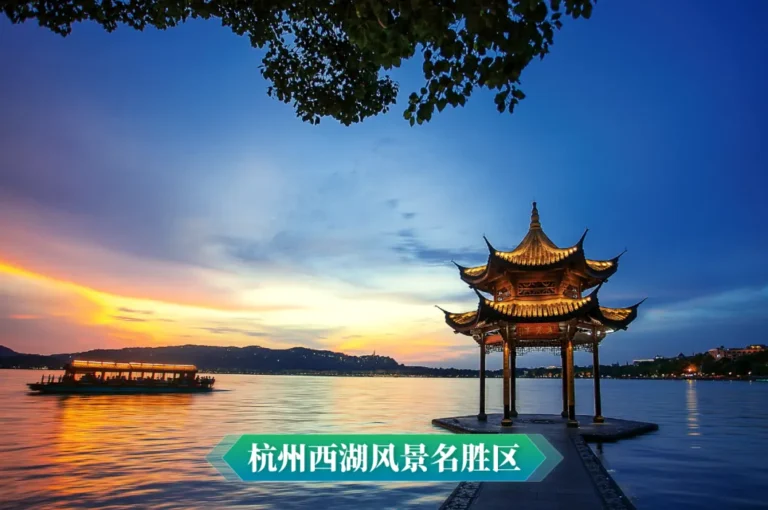
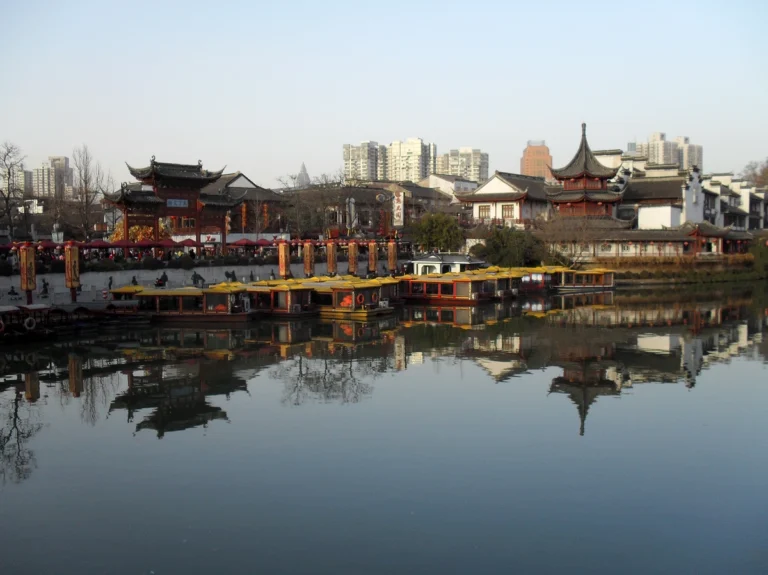
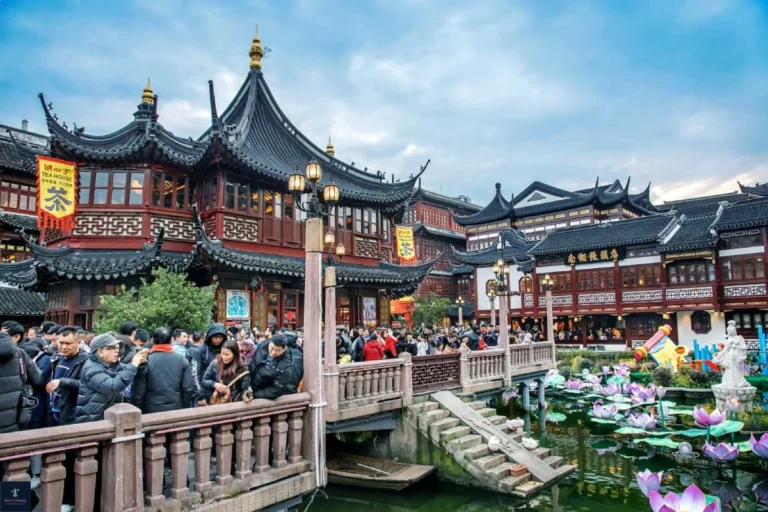
To enjoy an enriching cultural journey spanning China’s northern imperial capital and the poetic water towns of Jiangnan without commercial detours, consider joining the authentic Beijing – Suzhou – Hangzhou – Wuzhen – Shanghai 7D6N tour, where every stop honors timeless heritage.
n