


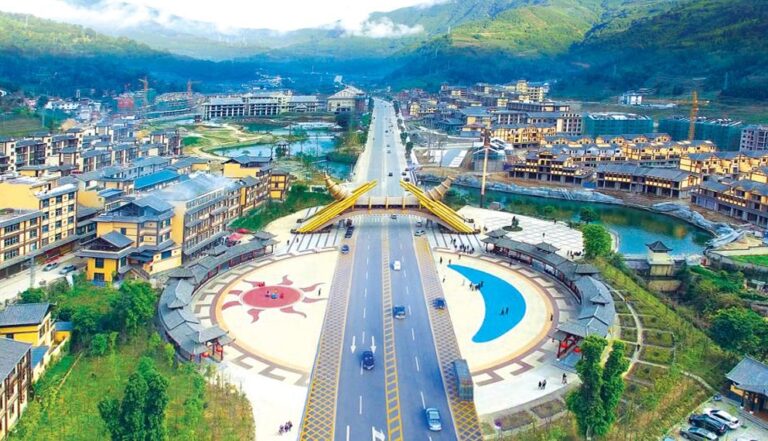
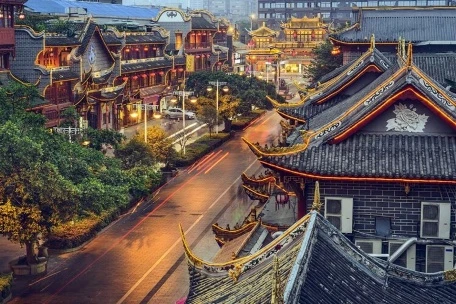
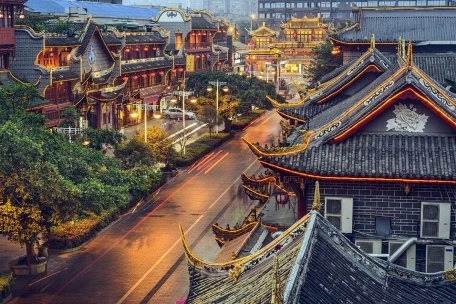
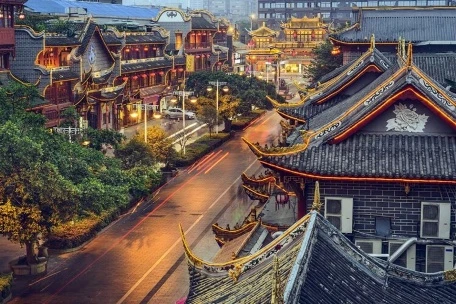


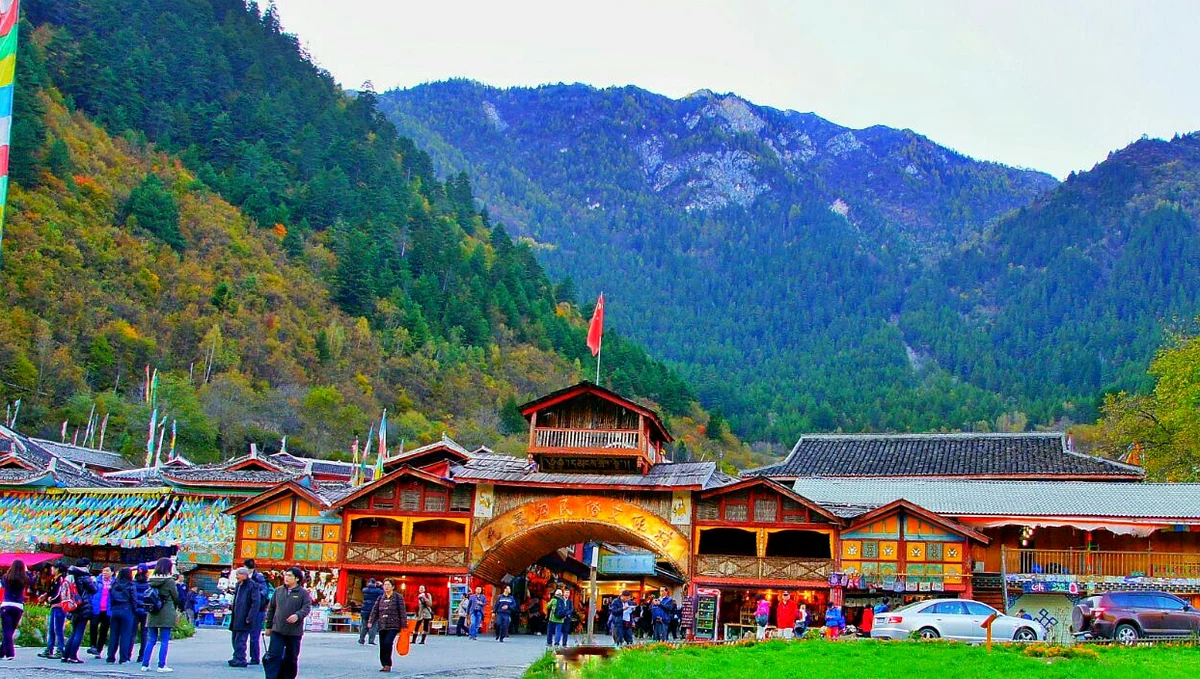
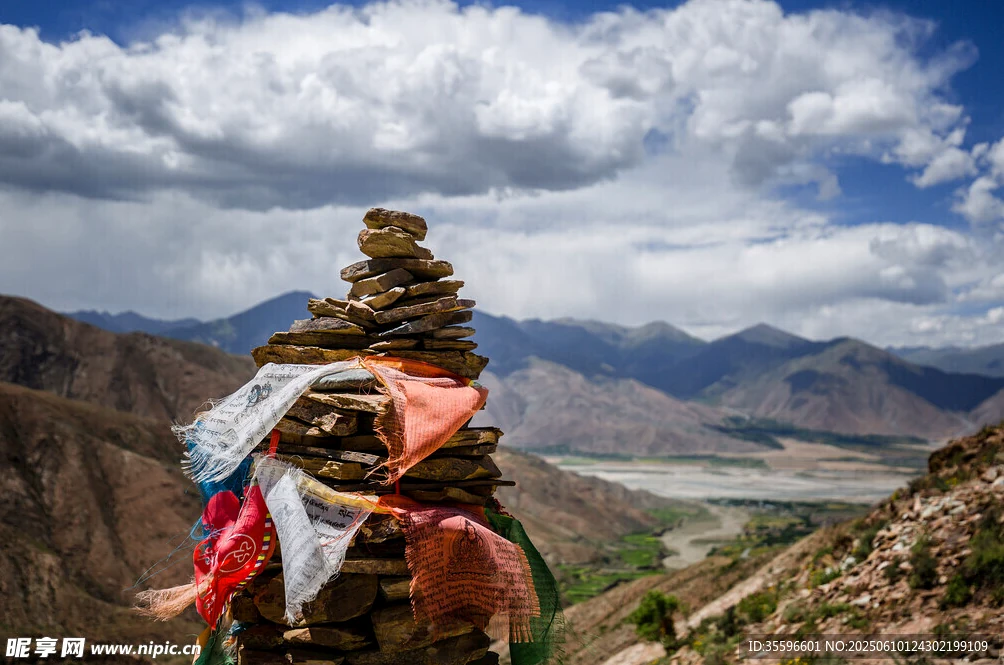
The ancient town architecture in Jiuzhaigou does not consist of grandiose citadels or bustling stone-paved streets like many other famous ancient towns in China, but rather the humble, harmonious presence of nine Tibetan villages (hence the name “Jiuzhaigou” – valley of nine stockaded villages) scattered across the valleys. These villages, typically Shuzheng Village, Heye Village, or Zechawa Village, are living testimonies to human resilience and creativity in adapting to the natural environment. The traditional Tibetan architecture here is built primarily of wood and stone, featuring sloping roofs, small windows, and walls decorated with vibrant patterns and colors that reflect Esoteric Buddhist beliefs and culture. Each house is not only a dwelling place but also part of a cultural whole, where prayer flags flutter in the wind carrying echoing chants, and prayer wheels are placed at entrances, spinning continuously as a reminder of the cycle of rebirth and peace. UNESCO recognized Jiuzhaigou as a World Heritage Site not only for its natural beauty but also for its unique cultural value, reflected in the harmony between humans and nature. The customs of the indigenous Tibetans are an inseparable part of the Jiuzhaigou experience. Visitors can encounter images of Tibetan people in traditional attire, with gentle smiles and eyes holding the plateau’s peace. Traditional festivals such as the Monlam Festival, the Butter Lamp Festival, or the Prayer Wheel Festival are occasions for visitors to immerse themselves in a spiritual atmosphere, witness ancient rituals, listen to echoing folk songs, and admire colorful traditional dances. The daily life of the locals revolves around agriculture, livestock breeding (especially yaks), and traditional handicrafts such as wool weaving, silver jewelry making, and wood carving. They lead a slow-paced life, close to nature, preserving cultural values passed down from generation to generation. Interacting with the local community is not merely a sightseeing tour, but an opportunity to learn about a philosophy of life—about how humans can exist and develop sustainably amidst one of the most magnificent natural landscapes on the planet. These villages are not just resting stops but living museums, preserving the stories, beliefs, and customs that make up the identity of Jiuzhaigou.
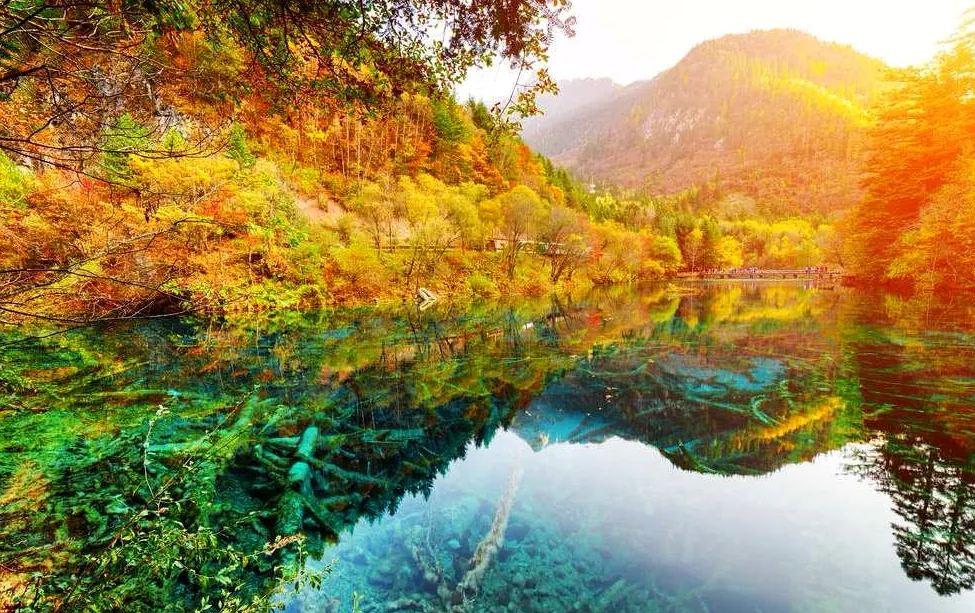
The journey to explore Jiuzhaigou is like stepping into a fairytale world, where every lake and waterfall holds its own story and distinct charm. Standing out among them, Five Flower Lake (Hồ Ngũ Sắc) resembles a multi-colored jade, serving as one of the most magical and enchanting destinations. Located at the end of the Rize Valley, this body of water is dubbed the "essence of Jiuzhaigou" due to its magnificent beauty and miraculous color transformations. Viewed from above, the lake’s surface resembles an intricate mosaic, blending dozens of shades of blue, green, yellow, orange, and maroon in perfect harmony. This rich palette is not caused by external factors, but rather results from a unique combination of mineral content (especially calcium carbonate) in the water, the presence of algae and aquatic plants at varying depths, and notably, the refraction of sunlight through the unbelievably clear water. Beneath the surface, ancient tree trunks that fell hundreds or even thousands of years ago remain intact, creating a mysterious and captivating "underwater forest" like ghosts of the past resting peacefully beneath the crystal-clear water. Five Flower Lake changes its beauty with every viewing angle, every moment of the day, and every season, making each visit a fresh, unforgettable experience. Legend has it that this was where the Queen Mother of the West washed her embroidered scarf, imparting vibrant and eternal colors to the lake’s waters.
If Five Flower Lake is the symbol of subtlety and magic, then Nuorilang Waterfall (Thác Nặc Nhật Lãng) stands as a testament to the power and majesty of nature. This is the widest waterfall and one of the most famous in Jiuzhaigou, stretching up to 320 meters wide and standing 20 meters high. "Nuorilang" in Tibetan means "great god," and indeed, standing before the roaring cascade plunging down moss-covered cliffs, visitors can feel its solemnity and sacredness. The thundering sound of falling water echoes throughout the valley, creating a majestic symphony of nature. In summer, the waterfall resembles a giant silvery ribbon of white, casting a fine mist that veils the surrounding area. In winter, when temperatures drop, Nuorilang Waterfall transforms into a massive ice wall with glittering, crystal-like icicles, creating a magical scenery that is entirely different. It is also one of China’s famous filming locations, featured in numerous historical television dramas, further enhancing its beauty and recognition.
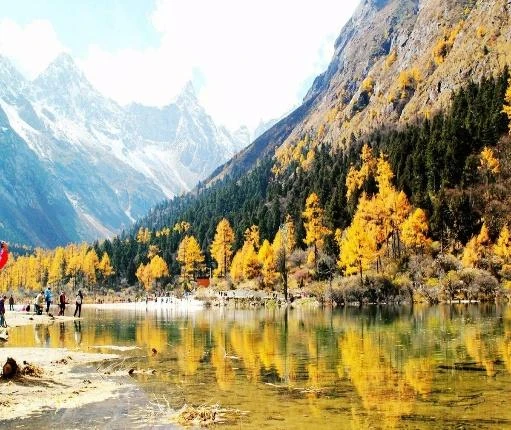
Continuing this emotional flow, Mirror Lake (Hồ Gương) brings a completely different beauty: an unbelievable tranquility and the ability to perfectly reflect the surrounding landscape. Situated at an altitude of 2,390 meters, Mirror Lake is embraced by sheer cliffs and primeval forests. When windless, the lake’s surface is as flat as a giant mirror, perfectly reflecting the deep blue sky, billowing white clouds, majestic snow-capped mountains, and brilliant rows of red and yellow autumn leaves. This creates a stunning visual effect, blurring the line between reality and illusion, making visitors feel as though they are standing in a parallel world. It is an ideal spot for photographers and anyone seeking peace and contemplation of nature’s flawless beauty. Early morning, when the sun has just risen and the air is at its freshest and quietest, is the golden hour to admire and capture the magical moments of Mirror Lake.
Jiuzhaigou is divided into three main Y-shaped valleys, each carrying its own beauty and distinct characteristics: Rize Valley, Shuzheng Valley, and Zechawa Valley. Rize Valley, often called the "Sun Valley," is the most beautiful valley branch with the most breathtaking landscapes. It begins at Long Lake and stretches for about 18 km, containing countless large and small lakes such as Five Flower Lake, Mirror Lake, Swan Lake, Bamboo Lake, and Arrow Bamboo Lake. Each lake here holds its own shade, forming a shimmering string of pearls amidst deep green forests, connected by crystal-clear streams and graceful little waterfalls. The vibrant colors of the vegetation on both banks, especially in autumn, blend with the blue waters of the lakes to create a magnificent landscape painting that constantly changes with every step and perspective of the visitor.
Shuzheng Valley is the first valley branch visitors typically set foot in after entering the gate, home to the most vibrant Tibetan villages and landscapes that harmoniously combine nature and indigenous culture. The highlight of this valley is the Shuzheng terraced lake system, featuring nineteen naturally formed lakes cascading from above into soft, delicate waterfalls. Sleeping Dragon Lake shaped like a sleeping dragon, Tiger Lake, and Rhinoceros Lake all carry legendary tales and unique beauty. Though not as majestic as Nuorilang, Shuzheng Waterfall possesses an ethereal, graceful charm, with water cascading over mossy stone steps to form a white curtain of water. Here, visitors can explore Shuzheng Village, the largest and best-preserved Tibetan village in the park, to learn about traditional residential architecture, shop for handicrafts, and savor local cuisine. Giant prayer wheels spinning by the lakeside and ancient watermills still in operation stand as testaments to the peaceful and sustainable life of the locals.
Zechawa Valley is the longest and highest-altitude valley branch, boasting a pristine, majestic beauty. It features Long Lake, the largest and deepest lake in Jiuzhaigou, stretching about 7.5 km and surrounded by year-round snow-capped mountains. Long Lake is the primary water source for the entire lake system in Jiuzhaigou, playing a crucial role in regulating water flow. With a depth of over 100 meters, Long Lake carries a solemn, majestic beauty often likened to the "plateau jewel." Located near Long Lake is Five Colour Pond, a smaller lake yet equally vibrant in color to Five Flower Lake, but featuring deeper blue and green tones that create a stunning contrast with the surrounding mountain landscape. Walking along Zechawa Valley is a wonderful experience to feel the vastness and majesty of nature, complemented by fresh air and panoramic views.
Throughout all three valleys, the indigenous Tibetan culture serves as an enduring thread, making Jiuzhaigou not merely a scenic destination but a profound cultural journey. From villages with distinctive architecture, fluttering prayer flags, and mani wheels spinning steadily in the wind, to uplifting folk songs and dishes rich with mountain flavors, everything combines to create a vibrant tapestry of Tibetan life and beliefs. The intersection of majestic nature and human culture endows Jiuzhaigou with a unique soul, turning it into an unforgettable destination. Visitors have the opportunity to experience this culture through traditional musical performances, conversations with locals, or simply by observing their daily lives, allowing them to feel the peace and harmony with nature that they have preserved across generations.
A heritage journey would be incomplete without savoring local cuisine, and Jiuzhaigou—situated at the crossroads of Tibetan culture and Sichuan cuisine—proudly offers a unique culinary picture, featuring regional flavors that cannot be found anywhere else. The local food is a delicate blend of the rustic mountain dishes of the Tibetans and the rich diversity of renowned Sichuan cuisine. One must-try specialty is Yak Butter Tea (酥油茶), a traditional and essential Tibetan beverage, particularly vital for keeping warm and providing energy at high altitudes. Yak butter tea is brewed from black tea, yak milk butter, and salt, creating a unique, rich, slightly salty, and intensely warming flavor that is perfect for warding off the chill of the plateau. For Tibetans, butter tea is not just a drink but part of a hospitality ritual, expressing warmth and respect.
Alongside butter tea, Tsampa (糌粑) is another staple Tibetan dish made from roasted barley flour, usually mixed with butter tea, yogurt, sugar, or dried yak cheese. Tsampa is not just a convenient, nutritious meal but also a symbol of nomadic culture. Although modest in appearance, Tsampa carries an earthy flavor imbued with the soul of the plateau. Yak meat (牦牛肉) is an indispensable ingredient in Tibetan meals. Prepared in various ways such as stewed, grilled, dried, or even in hotpots, yak meat features firm textures, low fat, distinctive flavors, and rich protein content well-suited for cold climates. Dishes made from yak are not only delicious but also symbolize health and prosperity.
When discussing regional Sichuan flavors, one cannot overlook the explosion of the numb-and-spicy (mala) sensation. Although Jiuzhaigou is a Tibetan autonomous prefecture, the influence of Sichuan cuisine is undeniable. Visitors can find traditional Sichuan dishes such as Mapo Tofu, Kung Pao Chicken, or steaming hotpots loaded with various spices, Sichuan chilis, and Sichuan peppercorns that create a signature numbing heat. The combination of fresh mountain ingredients—such as mushrooms, wild vegetables, potatoes, and local meats—with Sichuan spices creates incredibly enticing dishes that stimulate the palate. In particular, visitors can also enjoy Highland Barley Wine, a traditional Tibetan alcoholic beverage with a light, mildly sweet, and fragrant profile. This wine is served during festivals, celebrations, and remains an essential part of banquets welcoming distinguished guests.
The tea culture and banquet traditions in Jiuzhaigou extend beyond merely enjoying food to experiencing deep hospitality and community spirit. In Tibetan villages, travelers may be invited to join a cozy tea gathering, sitting around the hearth to enjoy butter tea and traditional snacks. Larger banquets are typically held during festivals, featuring tables laden with local dishes, barley wine, and traditional dances and songs. This is a wonderful opportunity for visitors to not only sample unique foods but also immerse themselves in the cultural atmosphere, gaining a deeper understanding of the lifestyle and customs of the friendly, welcoming Tibetan people. The essence of Jiuzhaigou’s cuisine lies in the harmonious combination of natural mountain flavors, fresh local ingredients, and traditional preparation techniques, creating an unforgettable gastronomic experience that enriches the heritage journey.
In the context of modern tourism, accessing remote locations like Jiuzhaigou has become easier than ever thanks to the remarkable development of China’s transportation infrastructure. To reach Jiuzhaigou, the most popular and convenient option for both international and domestic travelers is by air. The Jiuzhaigou Huanglong Airport (JZH) is located about 88 km from the park, offering direct flights from major cities such as Chengdu, Chongqing, Beijing, Shanghai, Guangzhou, and Xi’an. From the airport, visitors can travel to Jiuzhaigou via shuttle bus or taxi. A flight from Chengdu to Jiuzhaigou takes only about 40–50 minutes, saving significant travel time compared to road transport.
For those who love discovering magnificent mountain passes, traveling by road from Chengdu is also a worthwhile option. A bus or private car journey from Chengdu to Jiuzhaigou typically takes about 8–10 hours, depending on traffic and weather conditions. Although it takes longer, it provides a wonderful opportunity to watch the landscape gradually transition from the fertile Sichuan basin up to the plateau, passing through small villages and rolling mountain ranges. In the near future, China is aggressively expanding its nationwide high-speed rail (CRH) network, with projected high-speed railway lines set to connect deeper into Sichuan’s mountainous regions, promising to shorten travel times and increase convenience for visitors heading to Jiuzhaigou. Currently, the closest accessible high-speed train route runs from Chengdu to Zhenjiang, after which travelers must transfer to a bus or car to continue the journey.
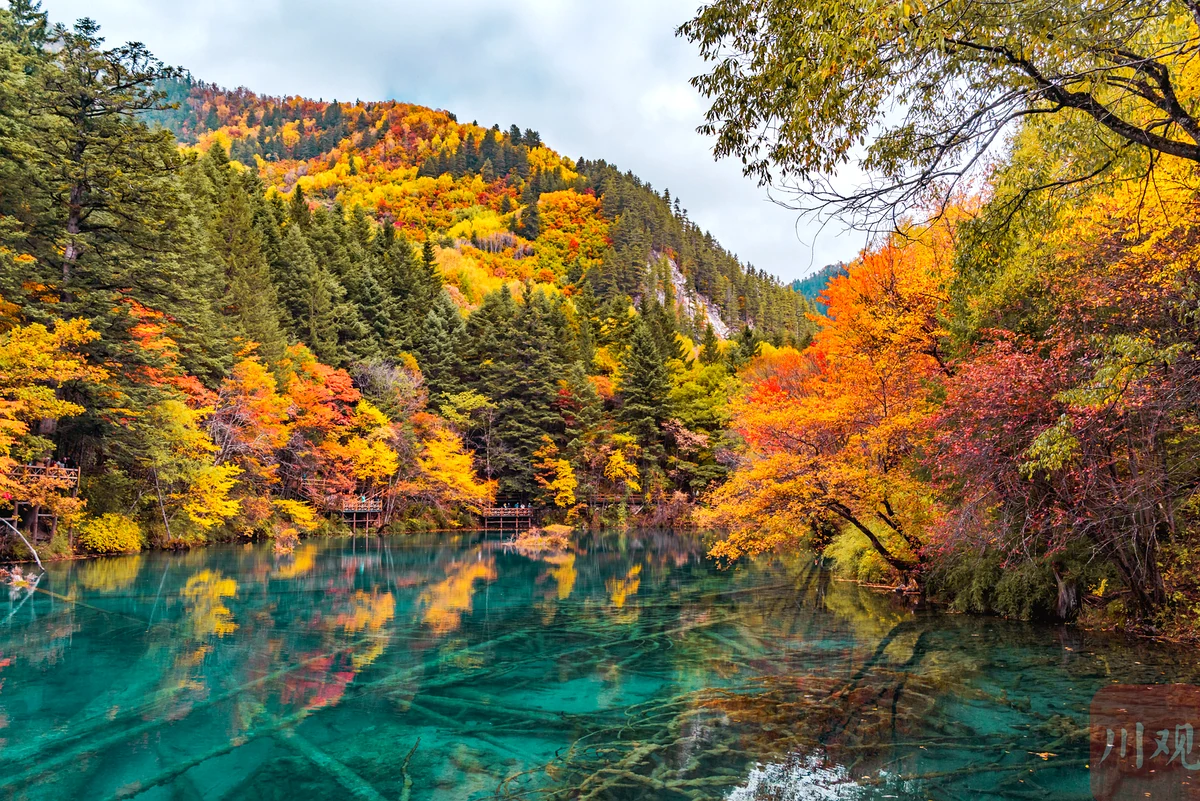
Jiuzhaigou boasts a unique beauty all year round, but each season dresses it in a distinct cloak, creating diverse experiences. Choosing the golden time to travel through the 4 seasons depends on each traveler’s personal preferences:
Spring (April – May): As ice and snow melt, Jiuzhaigou awakens with fresh vitality. Tender green buds begin to sprout, wild forest flowers bloom in vibrant colors, and the water flowing from the waterfalls becomes bountiful and powerful. The air is fresh and cool, and tourist crowds are not yet too dense, creating ideal conditions for those who want to enjoy the tranquility and freshness of nature.
Summer (June – August): This is the season of brilliant greenery and cascading, roaring white waterfalls. The entire valley is blanketed in the jade green of trees, combined with the deep sapphire blue of the lakes. Although it is the peak tourist season with large crowds, the pleasant temperatures (averaging 19-22°C) and vivid landscapes make summer still an attractive choice for many travelers, especially families.
Autumn (September – October): This is considered the absolute golden time to visit Jiuzhaigou. The entire valley transforms into a harmonious blend of colors, with maple, birch, and other trees turning golden yellow, fiery red, and burnt orange. The scenery reflecting on the clear blue lake creates a magical, shimmering, and breathtaking picture. Cool, pleasant temperatures, clear blue skies, and golden sunlight further accentuate the beauty of the landscape. However, this is also the most peak season for tourist arrivals, so booking flights and hotel rooms early is essential.
Winter (November – March of the following year): Winter in Jiuzhaigou carries a quiet, pristine, and undeniably romantic beauty. The entire valley is covered in a layer of pure white snow, and waterfalls freeze into gigantic ice sculptures sparkling under the sunlight. The lakes turn into a deeper turquoise or partially freeze, creating an otherworldly, ethereal scene. The number of tourists in winter is significantly lower, offering a peaceful and unique experience. However, travelers need to prepare warm clothing and note that some routes may be restricted due to heavy snowfall.
No matter the season, Jiuzhaigou always welcomes visitors with its distinct beauty, and increasingly perfected transport infrastructure makes the journey to this “magnificent scenic spot” more convenient than ever, allowing everyone to choose their ideal time to immerse themselves in its majestic beauty.
For Vietnamese travelers, the journey to explore Jiuzhaigou requires careful preparation to ensure a smooth and complete trip. VDS Travel, with its extensive experience and deep understanding of China travel, is always ready to accompany you every step of the way. Below are essential pocket field guides for Vietnamese travelers:
First and foremost is the issue of the China visa. Vietnamese travelers are required to have a visa to enter China. The visa application process can take a few weeks, so it is advisable to prepare your documents and submit your application well in advance of your intended departure date. Common visa types for tourism are L-class visas (tourist), which can be applied for at the Chinese Embassy or Consulates in Vietnam. Documents typically include a valid passport, ID photos, an invitation letter (if any) or hotel booking confirmation, round-trip flight tickets, and a detailed travel itinerary. VDS Travel can assist with consultation and guide you through the visa process to ensure all procedures go smoothly.
Regarding currency and payment methods, the Chinese Yuan (CNY) is the official currency. However, China is now a largely cashless society, with the absolute dominance of mobile payment apps. Alipay and WeChat Pay are the two most popular payment platforms, accepted almost everywhere, from large stores to small stalls, buses, and taxis. Vietnamese travelers should install and register an Alipay or WeChat Pay account before departure, linking it to an international credit or debit card for easy use. Although some places still accept cash, relying on cash will make your shopping and service experience much less convenient. VDS Travel recommends that travelers exchange a small amount of cash for emergencies or places without network connectivity.
For staying connected and accessing the internet, using an eSIM or local SIM card is the optimal choice. eSIM offers superior convenience, eliminating the need to swap physical SIM cards and allowing instant activation upon landing. Major telecommunications providers in China such as China Mobile, China Unicom, and China Telecom offer various mobile data packages. Please note that certain Western applications and services (such as Google, Facebook, Instagram) may be blocked in China, so using a VPN (Virtual Private Network) may be necessary if travelers wish to access these services. VDS Travel can advise on suitable eSIM packages and guide you on how to use a VPN effectively.
Clothing is an important factor to prepare thoroughly due to the significant climate variations in Jiuzhaigou across seasons and altitudes. The “layering” principle is key. Even in summer, mornings and evenings can be quite chilly.
- Spring and Autumn: You should bring warm jackets, sweaters, long-sleeved T-shirts, long pants, scarves, woolen hats, and gloves. Comfortable, non-slip walking shoes are essential as there will be a lot of walking activities.
- Summer: Although daytime temperatures are pleasant, you still need to bring a thin jacket or light sweater for evenings and early mornings. A raincoat or umbrella is necessary as sudden showers may occur.
- Winter: Prepare extremely warm clothing including thick windproof and waterproof jackets, sweaters, thermal underwear, warm long pants, ear-covering woolen hats, thick gloves, and waterproof snow boots with good grip.
In addition, because Jiuzhaigou is located at a high altitude (from 2,000m and above), some travelers may experience mild altitude sickness. It is advisable to drink plenty of water, move slowly, and avoid strenuous exercise on the first day. You can bring altitude sickness medication or oxygen-supplementing lozenges. Sunglasses and sunscreen are also very important as UV rays on the plateau are stronger.
The companionship of VDS Travel will turn your trip to Jiuzhaigou from a complex plan into a premier, worry-free heritage travel experience. We not only provide custom-designed all-inclusive tours, but also ensure every minor detail is meticulously cared for, from visa applications, flight bookings, selecting hotels that match your preferences and budget, to arranging domestic transportation and optimal sightseeing itineraries. VDS Travel’s team of experts will provide detailed guides on the culture, history, and geography of Jiuzhaigou, bringing profound stories and unique perspectives that travelers would hardly find on their own. With VDS Travel, you are not merely traveling, but embarking on a heritage discovery journey, immersing yourself in the beauty and depth of one of the world’s greatest natural wonders. We are committed to delivering a safe, comfortable, and memorable trip, ensuring every moment in Jiuzhaigou becomes an invaluable memory.
