









Let us turn the first pages of history for this sacred land together. Located in the center of the Sichuan Basin, Chengdu is surrounded by majestic mountains to the east, west, and north, forming a sturdy natural shield. To the west towers Mount Gongga, and to the north lie the Longmen Mountains and Qionglai Mountains, where the mighty Min River meanders, carrying alluvial deposits to enrich the fertile Chengdu plain. This favorable terrain and humid subtropical climate transformed this place into a bountiful granary and a bustling economic center from very early on. The ancients poetically compared Chengdu to “the Land of Abundance” – a land bestowed by heaven, brimming with produce, free from the worries of famine, a paradise on earth.
The chronicles of Chengdu began around the 4th century BCE, when the ancient Shu Kingdom was formed, with its capital believed to be located in the present-day area. Together with the Ba Kingdom, Shu created a brilliant, unique Ba-Shu civilization distinct from the Central Plains culture. Archaeological discoveries at the Sanxingdui and Jinsha sites near Chengdu have revealed secrets of an extremely advanced bronze culture, featuring mysterious statues, gold masks, and exquisite jade artifacts, testifying to the existence of a powerful and wealthy empire perhaps even more enigmatic than historical records suggest. These discoveries not only changed the perspective on Chinese history but also affirmed Chengdu as the cradle of an illustrious ancient civilization, parallel to the Yellow River civilization.
In 316 BCE, Shu was conquered by the Qin state, but Chengdu retained its crucial strategic role. During the Three Kingdoms period (3rd century CE), Chengdu rose to become the capital of Shu Han, founded by Liu Bei and his strategist Zhuge Liang, becoming one of the three powerful forces contending for hegemony. This period left a deep imprint on the souls of Chengdu’s people, with stories of loyalty, righteousness, wisdom, and bravery passed down through generations. Today’s Wuhou Shrine is a living testament to that heroic era, where the spirits of Liu Bei and Zhuge Liang are worshipped, continuing to illuminate posterity on the ethics of living and the spirit of service.
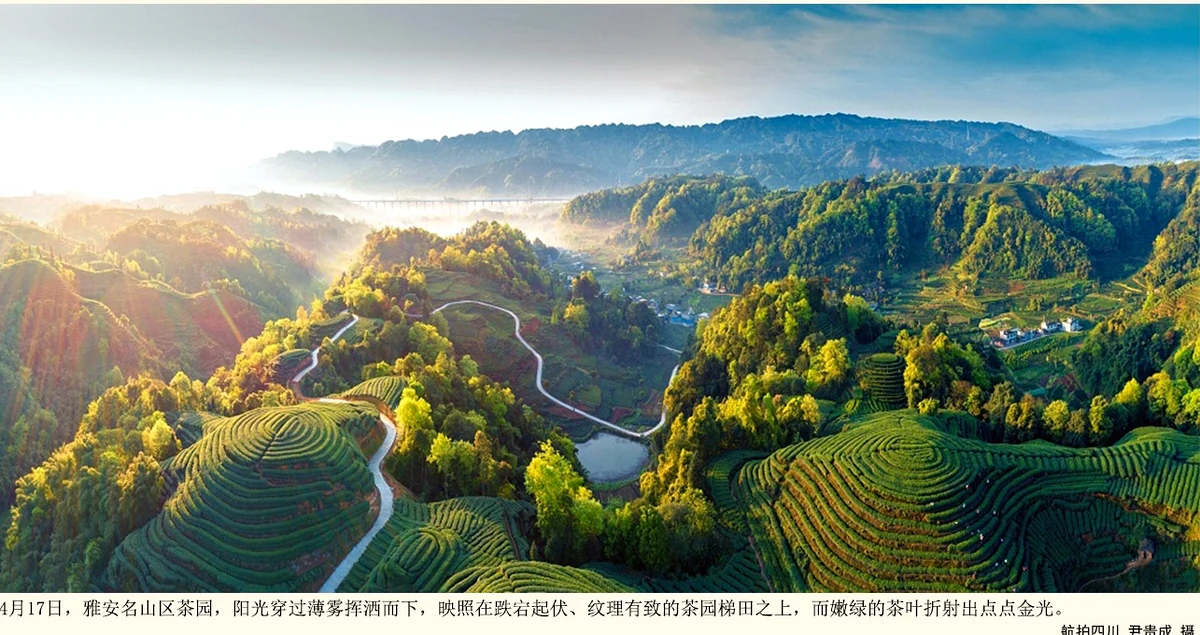
After the Three Kingdoms period, Chengdu experienced many ups and downs but always maintained its position as a major cultural and economic center in Southwest China. By the Tang dynasty (7th–10th century CE), Chengdu had become one of the most prosperous metropolises in the empire, rivaling Chang’an and Luoyang. Famed poets such as Li Bai and Du Fu once lived and wrote here, leaving behind immortal poems praising the beauty and tranquility of this land. Notably, Du Fu spent nearly four years residing in Chengdu, and his thatched cottage (Du Fu Thatched Cottage) has now become an important cultural landmark where visitors can experience the living space and soul of the Sage of Poetry. During the Song dynasty, Chengdu was the birthplace of the world’s first paper currency – “Jiaozi”, a testament to the city’s extraordinary economic and commercial development. Through the Yuan, Ming, and Qing dynasties, Chengdu continued to serve as a vital administrative, military, and economic hub, further enriching its cultural sedimentation. Having weathered the upheavals of modern and contemporary history, Chengdu has continuously innovated and developed, transforming into a modern international metropolis while perfectly preserving its traditional values.
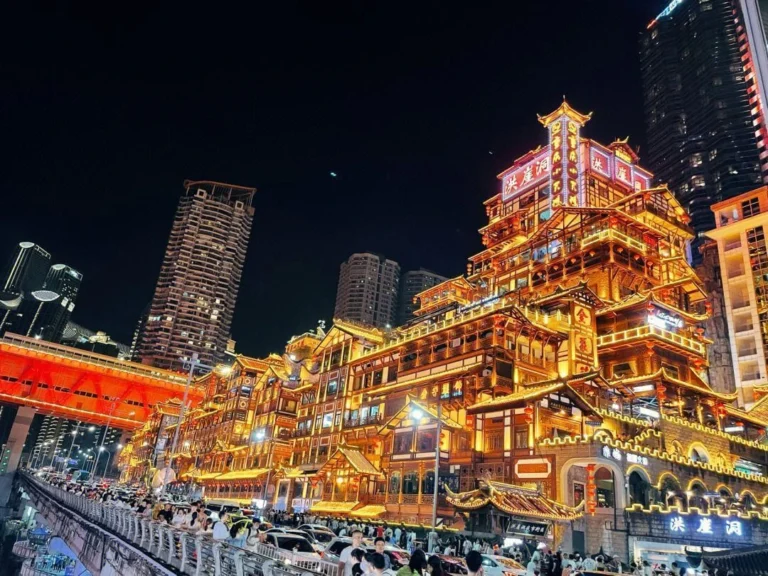
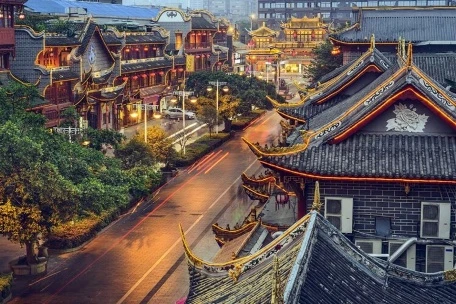
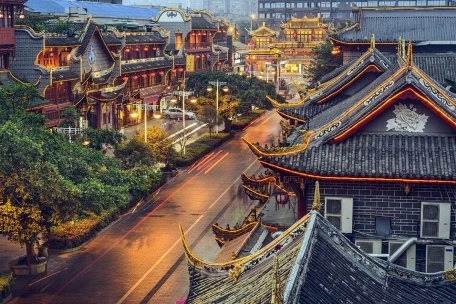
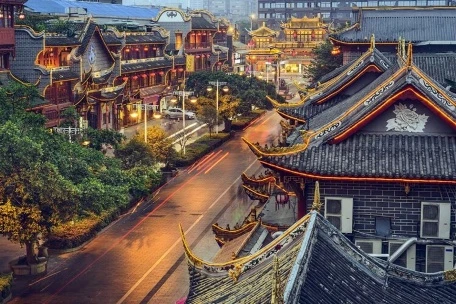
In the ancient architectural space of Chengdu, one finds not only UNESCO-recognized or tentative physical heritage, but also deeply feels the intangible cultural heritage and local customs nurtured through generations. Although Chengdu itself does not have an “ancient town” directly recognized by UNESCO as a standalone world heritage site, its cultural and architectural elements blend together to create a distinct identity, forming an inseparable part of Sichuan culture—home to other nearby world heritage sites such as Jiuzhaigou, Leshan Giant Buddha, and Mount Emei. The slow-paced, peaceful lifestyle of Chengdu people, known as “leisure culture,” is an invaluable heritage reflected in the characteristic architectural style of courtyard houses (siheyuan), tree-lined alleys, and especially the countless teahouses where time seems to stand still. Traditional Sichuan architecture typically features soaring curved tiled roofs, ivory-white walls, intricately carved wooden balconies, and tranquil courtyards, reflecting a philosophy of living in harmony with nature and inner peace.
Local customs in Chengdu form a colorful tapestry. Most prominent is the tea culture, which is not merely the habit of drinking tea but also a social ritual and a philosophy of life. Chengdu residents can spend hours in teahouses sipping hot tea, reading newspapers, playing mahjong, chatting with friends, or simply watching the world go by. From ancient teahouses in temples like Wenshu Monastery, to modern teahouses along the Jinjiang River, or garden teahouses hidden in alleys, tea culture has become the nourishing lifeblood of Chengdu’s soul. In addition, folk art forms such as Sichuan Opera with its miraculous “face changing” (biàn liǎn), comic crosstalk, and traditional handicrafts like Shu embroidery and brocade weaving are living heritages preserved and promoted to this day. These customs are not just touches of the past but also the binding threads of the community, the unmistakable identity of Chengdu.
The journey to explore Chengdu will take visitors to a system of top-tier scenic spots, each carrying its own stories and unique values, reflecting the depth of culture and history of this land. Among them, there are six must-visit destinations, representing the typical heritage that forms the soul of Chengdu.
First and perhaps the most anticipated destination is the Chengdu Research Base of Giant Panda Breeding. Located in the northern suburbs of the city, this is not just a regular zoo but a world-leading scientific research center for the conservation of giant pandas and other rare wild animals. Established in 1987 with only 6 rescued sick pandas, the base has grown into an ecological system mimicking the natural habitat of pandas, where hundreds of pandas are born, raised, and cared for attentively. Visitors here will have the rare opportunity to observe adorable giant pandas in their closest-to-natural environment. From tiny, pink newborn pandas lying in incubators, to playful pandas rolling around and enjoying delicious bamboo shoots, to relaxed and leisurely adult pandas, every moment melts the hearts of viewers. The enclosures are designed spaciously with green bamboo, clear water pools, and small wooden cabins, providing the best conditions for pandas to live. Besides giant pandas, visitors can also admire playful red pandas, colorful peacocks, and many other animals. Visiting this base is not only an entertaining experience but also a profound lesson on biodiversity conservation efforts and human love for nature. For the best experience, it is recommended to visit in the early morning when pandas are most active and the weather is cool, avoiding crowds and getting the chance to watch them eat breakfast.
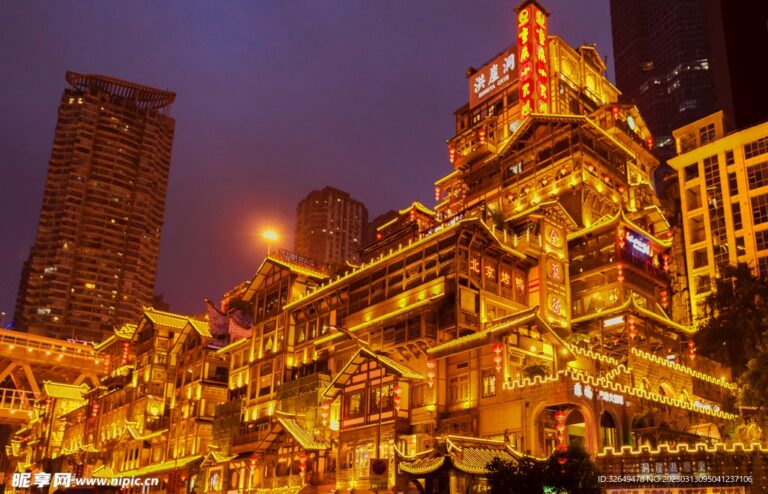
Leaving the world of pandas, we step into the ancient yet vibrant space of Jinli Ancient Street. Located right next to Wuhou Shrine, Jinli is a cleverly restored and preserved pedestrian street steeped in Qing dynasty architectural style. According legend, Jinli Street has existed since the Qin dynasty, serving as a bustling silk trading street. Today, although renovated many times, Jinli retains its ancient charm with wooden houses featuring yin-yang tiled roofs, bright red lanterns hanging high, casting a glow on the ancient bluestone-paved streets. Arriving in Jinli, visitors are like stepping back in time, immersed in the atmosphere of an ancient town. This place is a paradise for Sichuan street food, with countless attractive snacks from Sichuan tangyuan, Dandan noodles, skewers, dragon’s beard candy, to traditional pastries. Handicraft shops sell a variety of products ranging from paintings, wood carvings, silver jewelry, to exquisite Shu embroidery products. Visitors can enjoy tea in cozy little teahouses, listen to folk music, or watch artists perform Sichuan Opera. When night falls, Jinli becomes even more mystical and magnificent with the shimmering light of thousands of lanterns, creating a vivid and romantic picture. Jinli is not simply a shopping and culinary street, but also a living museum where Sichuan culture is clearly expressed through every street corner, every dish, and every smile of the locals.
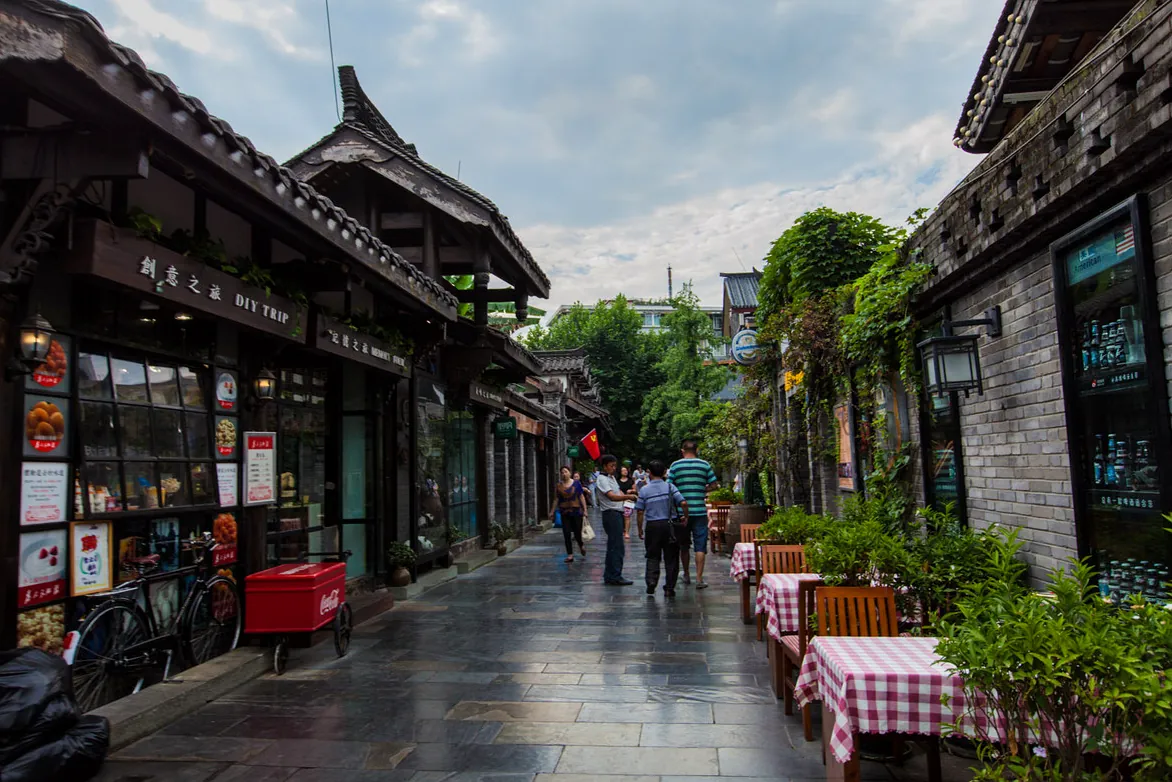
Another destination that strongly bears the architectural imprint of an ancient town is Kuanzhai Alley (Kuanzhai Xiangzi). This neighborhood consists of three parallel alleys: Kuan Alley (Wide Alley), Zhai Alley (Narrow Alley), and Jing Alley (Well Alley), along with intersecting lanes, all preserved and transformed into a unique cultural and entertainment district. Kuanzhai Xiangzi is one of Chengdu’s three major historic areas, alongside Jinli and the Jin River. It was once a residential area for Manchu soldiers during the Qing Dynasty. Each alley has its own distinct style and function. Kuan Alley is home to traditional teahouses, upscale restaurants, and boutique hotels, offering a relaxing and luxurious ambiance. Zhai Alley showcases ancient Sichuan architectural style with small bars, souvenir shops, art galleries, and Sichuan Opera performance venues. Jing Alley is a blend of tradition and modernity, featuring trendy cafes, creative shops, and an art wall telling the historical story of Chengdu. All three alleys are paved with bluestone, flanked by houses with black tiled roofs and gray brick walls characteristic of Western China’s architecture. Strolling through Kuanzhai Xiangzi, visitors can not only admire the ancient architecture but also enjoy local cuisine, shop for handicrafts, watch street art performances, or simply sit and sip a cup of tea while feeling the slow-paced and peaceful rhythm of life in Chengdu. This neighborhood is a prime example of how Chengdu harmoniously combines heritage preservation with modern tourism development, creating a cultural space that is both ancient and dynamic.
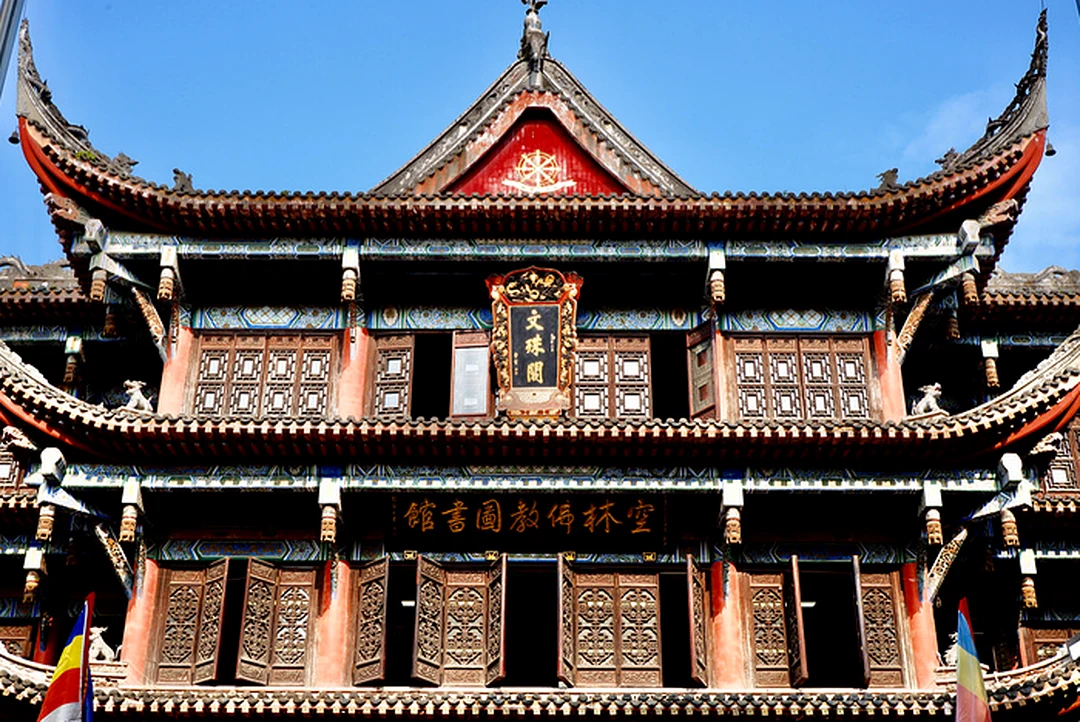
Next, we will visit Wenshu Monastery, a peaceful oasis in the heart of the bustling city. This is the oldest and best-preserved Buddhist temple in Chengdu, with a history spanning over 1,400 years. Originally built during the Sui Dynasty (605-617 AD) under the name “Xinxiang Temple”, it was later renamed Wenshu Monastery during the Qing Dynasty to honor Manjushri Bodhisattva. The temple is a massive architectural complex with over 200 rooms, arranged symmetrically with multiple shrines, corridors, gardens, and a library. The main shrines include the Hall of Heavenly Kings, the Three Saints Hall, the Mahavira Hall, the Dharma Hall, and the Sutra Repository, each housing exquisite and majestic statues of Buddhas and Bodhisattvas. The temple also preserves many precious treasures such as ancient scriptures, paintings, calligraphy by famous figures, and a bronze bell weighing several tons. More than just a religious center, Wenshu Monastery is also a famous cultural and vegetarian food hub. Visitors can find a tranquil teahouse within the temple grounds, serving traditional tea ceremonies along with delicious vegetarian dishes. The quiet atmosphere filled with greenery, birdsong, and the lingering scent of incense creates a meditative environment that helps visitors wash away all worries and find peace in their souls. Wenshu Monastery is not simply a spiritual destination but also a testament to the survival and development of Buddhism in Chengdu through the centuries.
The historical journey continues, bringing us to Wuhou Shrine, one of Chengdu’s most important historical sites, closely associated with the glorious Three Kingdoms period. First built in 223 AD, Wuhou Shrine is dedicated to Liu Bei, the founding emperor of the Shu Han state, and the brilliant strategist Zhuge Liang, along with other generals of Shu Han. The temple was originally built to commemorate Zhuge Liang, and was later merged with Liu Bei’s shrine to form a complex and meaningful architectural ensemble. The entire expansive shrine complex is arranged along a central axis, featuring shrines, corridors, stone steles, and lush green gardens. The main hall houses the majestic statue of Liu Bei. Behind it is the Hall of Zhuge Liang, featuring his seated statue alongside famous handwritten texts such as the “Memorial on the Expedition” (Chu Shi Biao). The corridors on both sides honor the generals and officials of Shu Han, featuring over 40 vivid statues, each with its own story. Notably, visitors will find many ancient stone steles inscribed with poems and epitaphs praising the merits of Zhuge Liang and other historical figures. The gardens within Wuhou Shrine are also a highlight with centuries-old ancient trees, lotus ponds, and arched stone bridges, creating an atmosphere that is both solemn and poetic. Wuhou Shrine is not merely a temple but a living history museum where visitors can gain a deeper understanding of the Three Kingdoms period, the people who made the legend, and the philosophy of loyalty and wisdom that shaped Chinese culture. This place is a must-visit destination for those who love history and Chinese culture.
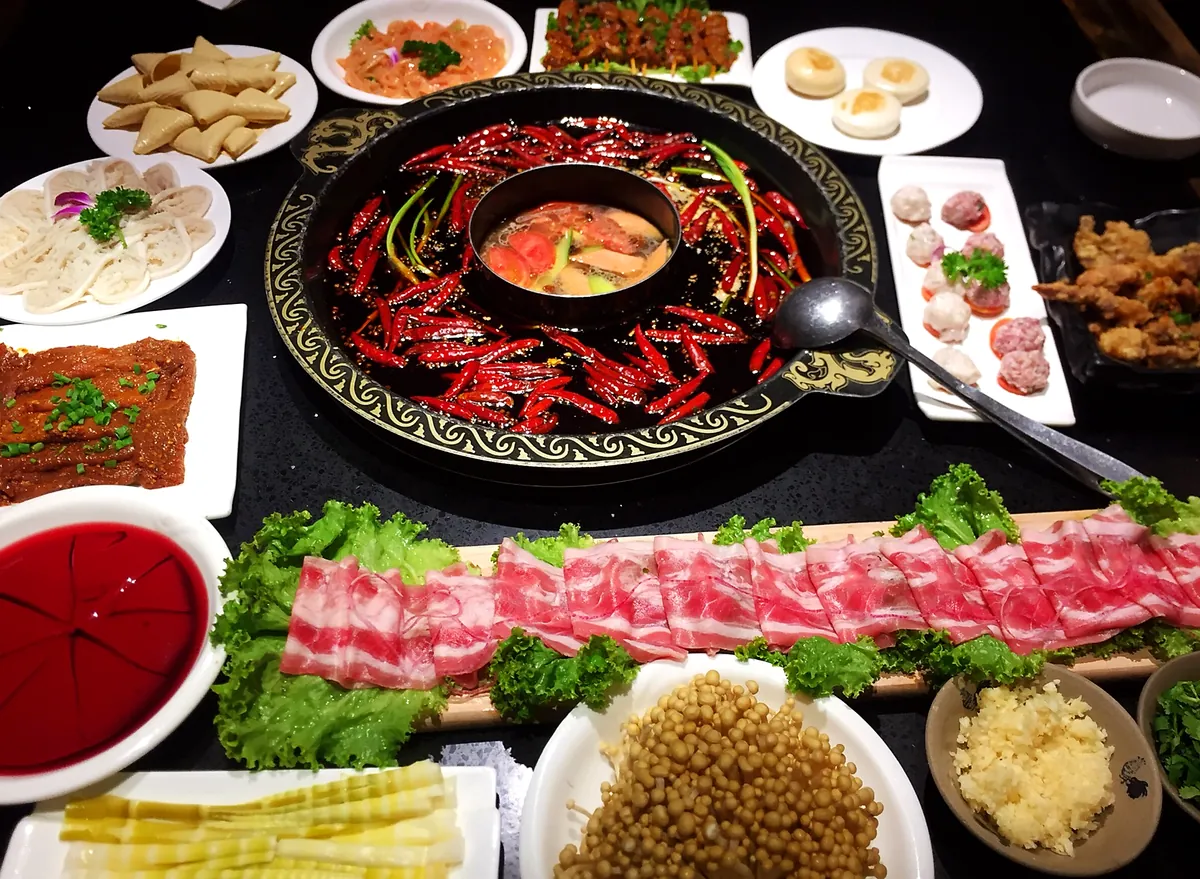
Finally, we cannot fail to mention a cultural icon that has transcended Chengdu’s borders to conquer the world: the famous Sichuan Hotpot. This is not merely a dish, but a culinary experience, a social ritual, and a philosophy of life. Sichuan hotpot is renowned for its characteristic "mala" (麻辣) flavor—a combination of the tongue-tingling numbness of Sichuan peppercorns and the fiery heat of chilies. The hotpot is typically divided into two or three compartments: one with a blazing red, tongue-numbing spicy broth, another with a milder broth (usually bone or mushroom broth), and sometimes a tomato broth compartment. The spicy broth is prepared with dozens of different spices, including dried chilies, Sichuan peppercorns, star anise, cinnamon, cardamom, cloves, ginger, garlic, and chili oil, creating a rich aroma and an explosive burst of flavor. The hotpot ingredients are incredibly diverse, ranging from fresh meats like beef, lamb, chicken, and seafood, to offal such as beef tripe, duck stomach, and pork brain, alongside an abundance of fresh vegetables like mushrooms, napa cabbage, potatoes, tofu, and glass noodles. The dipping sauce is also a crucial element; every restaurant and diner has their own recipe, usually consisting of sesame oil, minced garlic, cilantro, scallions, oyster sauce, vinegar, and a touch of chili for extra heat. Enjoying Sichuan hotpot is a communal experience, with people gathering around a steaming pot, chatting, laughing, and sharing delicious food. It is a wonderful way to connect and experience Chengdu’s unique culinary culture. Whether in chilly or hot weather, Sichuan hotpot is always a top choice, as locals believe the spiciness helps the body perspire and regulate its temperature. Hotpot not only nourishes the body but also serves as a catalyst for intimate gatherings and unforgettable memories. It can be said that you haven’t truly been to Chengdu until you’ve savored an authentic Sichuan hotpot.
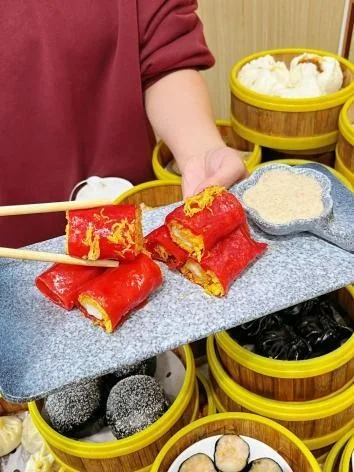
The culinary culture of Chengdu in particular and Sichuan in general goes far beyond spicy hotpot; it is also a treasure trove of unique flavors, the essence of regional gastronomy refined over thousands of years. Sichuan chefs are famous for using "24 basic flavors" to create hundreds of different dishes, ranging from sour, spicy, salty, sweet, bitter, nutty, and fragrant to numb, creating a harmonious symphony of taste. Beyond hotpot, must-try dishes include Mapo Tofu—soft, tender tofu drenched in a spicy minced meat sauce, Dan Dan Mian—thin noodles tossed with minced meat paste, pickled vegetables, peanuts, and chili oil, and Kung Pao Chicken—chicken stir-fried with cashews, dried chilies, and Sichuan pepper, achieving a balanced sweet and spicy flavor. Street food snacks are also an indispensable part of Chengdu’s culinary landscape: from sweet black sesame Tangyuan (glutinous rice balls) to spicy wontons (Chao Shou), meat-filled Guo Kui pastries, and countless varieties of skewered grilled street eats. Each dish carries a story, a history, and sophisticated preparation techniques, reflecting the creativity and culinary passion of the local people. The philosophy of Sichuan cuisine focuses not only on flavor but also on color, aroma, and presentation, turning every meal into a work of art.
Alongside its rich cuisine, Chengdu’s tea culture is a unique touch, representing the very breath of daily life. For the people of Chengdu, tea is not just a drink but a lifestyle. Teahouses can be found everywhere, from small alleys to modern shopping malls, and from ancient temples to lush green parks. In the ambiance of a teahouse, people do not just drink tea; they read books, play mahjong or Chinese chess, listen to storytellers, or simply sip tea, relax, and watch the world go by. The custom of Ear Picking (Nghiễm Trà), also known as traditional ear cleaning service, is a unique experience visitors can find in certain old teahouses, especially in Renmin Park. This is an art that requires skill and meticulousness, bringing absolute relaxation to those who try it. Popular teas in Chengdu include Biluochun green tea, jasmine tea, and Pu-erh tea. The tea culture here is not overly formal like Japanese tea ceremony, but rather leans toward comfort, intimacy, and serves as a welcoming space for social gatherings. Banquets in Chengdu are also a testament to sophistication in dining and communicative culture. These feasts often stretch out with multiple dishes served in sequence, from cold appetizers to hot main courses, soups, and desserts, demonstrating the host’s hospitality and desire to share joy.
Today, Chengdu is not merely a cultural center but also a crucial transportation hub in Southwest China, boasting modern infrastructure that meets all travelers’ needs. The city features two major international airports: Chengdu Shuangliu International Airport (CTU) and Chengdu Tianfu International Airport (TFU). Shuangliu is one of China’s busiest airports, handling hundreds of domestic and international flights. Tianfu, newly inaugurated in 2021, is a modern mega-airport with massive capacity, serving as a new aviation hub for western China and connecting Chengdu to major cities worldwide. Travelers from Vietnam can easily fly direct to Chengdu from Hanoi and Ho Chi Minh City via multiple airlines. In addition to air travel, Chengdu is an important high-speed rail (CRH) hub. A modern high-speed rail network connects Chengdu with other major Chinese cities such as Chongqing, Xi’an, Kunming, Guiyang, and even Beijing and Shanghai. High-speed trains are not only fast and convenient but also offer scenic views through majestic countryside and mountains. Within the city center, Chengdu features a modern, extensive metro system that covers almost all tourist attractions and residential areas, helping visitors travel easily and economically. Buses are also a popular public transit option, complementing the metro network.
Choosing the golden time to travel to Chengdu will significantly determine your experience. Each season in Chengdu carries its own unique beauty and characteristics. Spring (March – May) is the most ideal time with a mild climate and blooming flowers, especially peach blossoms and bright yellow rapeseed flowers all over the countryside. The cool, pleasant weather is very suitable for outdoor sightseeing activities, especially visiting the Panda Base. Summer (June – August) can be hot and humid, but it is the season of sudden passing showers, bringing freshness to the air. This is a great time to explore the ancient streets at night, enjoy a spicy hotpot, and feel the vibrant energy of the city. However, if you are not accustomed to hot weather, visitors should prepare airy clothing and stay hydrated. Autumn (September – November) is considered the second best season, with a fresh, cool climate and little rain. The natural scenery transforms with vibrant yellow and red leaves in the parks and nearby mountainous regions. This is an ideal time to explore historical and cultural sites without being affected by harsh weather. Winter (December – February) in Chengdu is usually cold and foggy, sometimes with light snow in the mountainous areas. Although it is not the peak season, winter brings a quiet, romantic beauty to Chengdu. This is a great time to enjoy a steaming Sichuan hotpot, sip hot tea in cozy teahouses, or visit nearby ski resorts like Xiling Snow Mountain. In short, spring and autumn are the two golden times to fully discover the beauty of Chengdu, but each season has its own appeal depending on each traveler’s preferences.
For Vietnamese travelers planning to explore Chengdu, VDS Travel would like to share some pocket travel tips to ensure your trip is complete and smooth. The first and most important thing is the visa procedure. Vietnamese visitors need a Chinese visa to enter. You should prepare your documents fully and submit them early at the Chinese Embassy or Consulate in Vietnam. Your passport must be valid for at least 6 months from the expected date of entry. VDS Travel can support you with consultation and detailed guidance on the visa application process so you won’t encounter any obstacles.
Regarding currency, the official currency is the Chinese Yuan (CNY). However, China is a pioneer in using mobile payments. Most transactions, from large stores to small street food stalls, are conducted through Alipay and WeChat Pay. Carrying cash is no longer strictly necessary and can even be inconvenient. Visitors should install and link their international credit cards to these apps before arriving in China. To do so, you will need a Chinese phone number or a verified WeChat account. VDS Travel recommends preparing a travel SIM card or eSIM for China right from Vietnam to ensure a stable internet connection and easy use of payment and communication apps. Note that many Western apps like Google, Facebook, Instagram, and YouTube do not work in China without a VPN (Virtual Private Network). Please install a reliable VPN app before your trip to stay connected with the outside world if needed.
Clothing for your Chengdu trip should be chosen to match the weather of each season as analyzed above. In spring and autumn, you should bring light jackets and long-sleeve shirts. Summer requires airy, sweat-absorbent clothing. Winter requires warm clothes, thick jackets, scarves, gloves, and woolen hats, especially if you plan to visit mountainous regions. Comfortable sneakers or walking shoes are ideal choices since you will be walking quite a lot when exploring destinations.
The official language is Mandarin. Although in major tourist areas some staff can speak basic English, installing a translation app on your phone will be extremely helpful. Memorizing a few basic Chinese phrases like “thank you” (xièxie), “hello” (nǐ hǎo), and “how much is this?” (duōshǎo qián) will also make a good impression on the locals. Chengdu people are famous for their friendliness and hospitality, so open your heart to experience the local culture to the fullest.
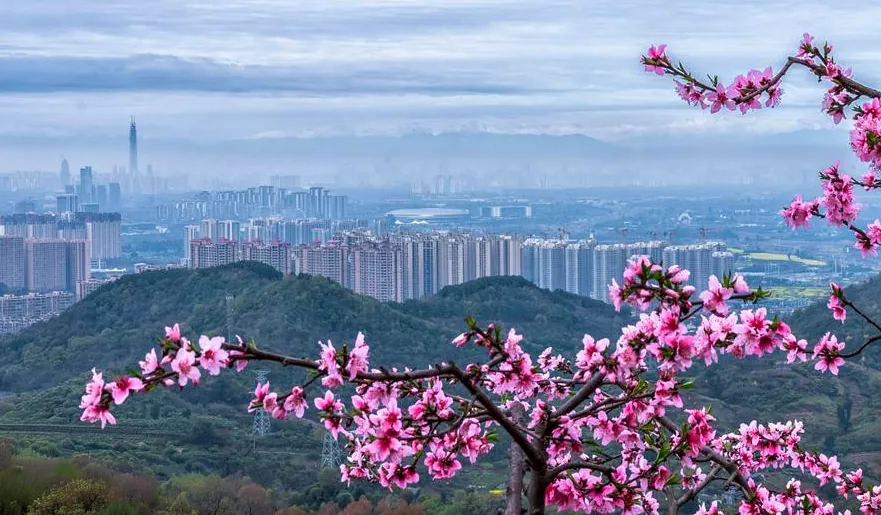
More than just a trip, Chengdu is an emotional journey, a sensory awakening. From the spicy flavors of hotpot and the serenity of teahouses to the cuteness of pandas and the grandeur of Three Kingdoms history, Chengdu invites travelers to discover an enchanting world. As experts at VDS Travel, we are always ready to accompany you on every path of discovery. From building detailed itineraries, booking flights and hotels, to providing knowledgeable local guides and handling any arising issues, VDS Travel is committed to bringing you a Chengdu trip that is not only convenient and comfortable but also culturally profound and full of unforgettable memories. Let VDS Travel be your reliable companion, writing your own story about Chengdu – the Land of Abundance, where heritage and modernity blend to create a perfect picture of beauty and history.
