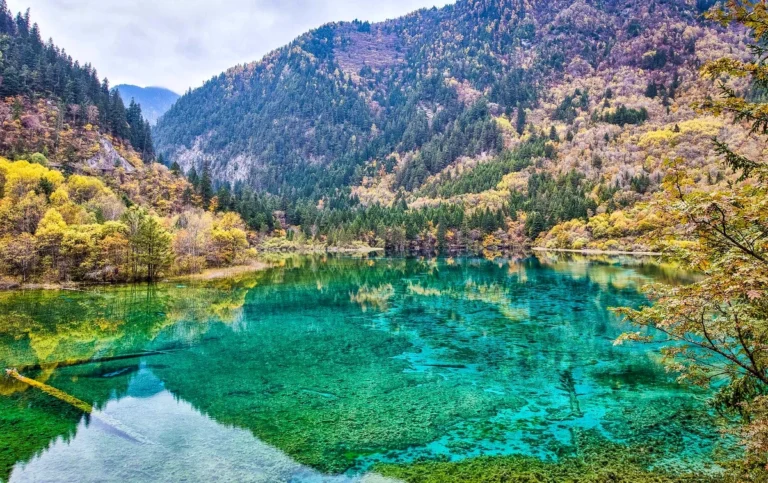
Tracing the river of time back to distant centuries when the high mountain passes of Tibet were entirely enveloped in legendary mists, the Five-Color Lake of Yading (recorded in ancient scriptures under Tibetan names such as “措俄錯”, “俄措”, and explicitly in Chinese as 亚丁五色海) is not merely a geological wonder formed from melting glaciers, but also a sacred witness preserving pages of history deeply imbued with the spirituality and legends of the Daocheng region. The existence of this five-hued water body is closely intertwined with the three great guardian sacred mountains of the Tibetans, comprising Xiannairi (Chenresig), Yangmaiyong (Jampelyang), and Xianuoduoji (Chanadorje)—the three peaks symbolizing Avalokiteshvara, Manjushri, and Vajrapani. According to research from ancient texts and the long-standing oral traditions of high masters, in the 8th century CE, Guru Rinpoche (Padmasambhava)—the founding patriarch of the Nyingma school of Tibetan Buddhism—personally visited this region. He was the revered master who set foot upon the perilous mountain slopes, directly conducting consecration and powerful blessing rituals for the sacred space around the lake, transforming this place into one of the supreme earthly pure lands. Throughout millennia of historical upheavals in Chinese feudal history and Tibetan dynasties, the Five-Color Lake of Yading has completely lacked carved stone steles or grand architectural structures built by human hands; instead, its entire historical length, divine origin, and worldly upheavals are preserved vividly and enduringly within priceless folkloric literature such as the “Chronicles of the Kangri Mountains” (岡底斯山志), the classical scripture “Shangri-La Scrolls” (香巴拉經卷), and the travel diaries of great Tertöns (revealers of spiritual treasures) across many centuries.
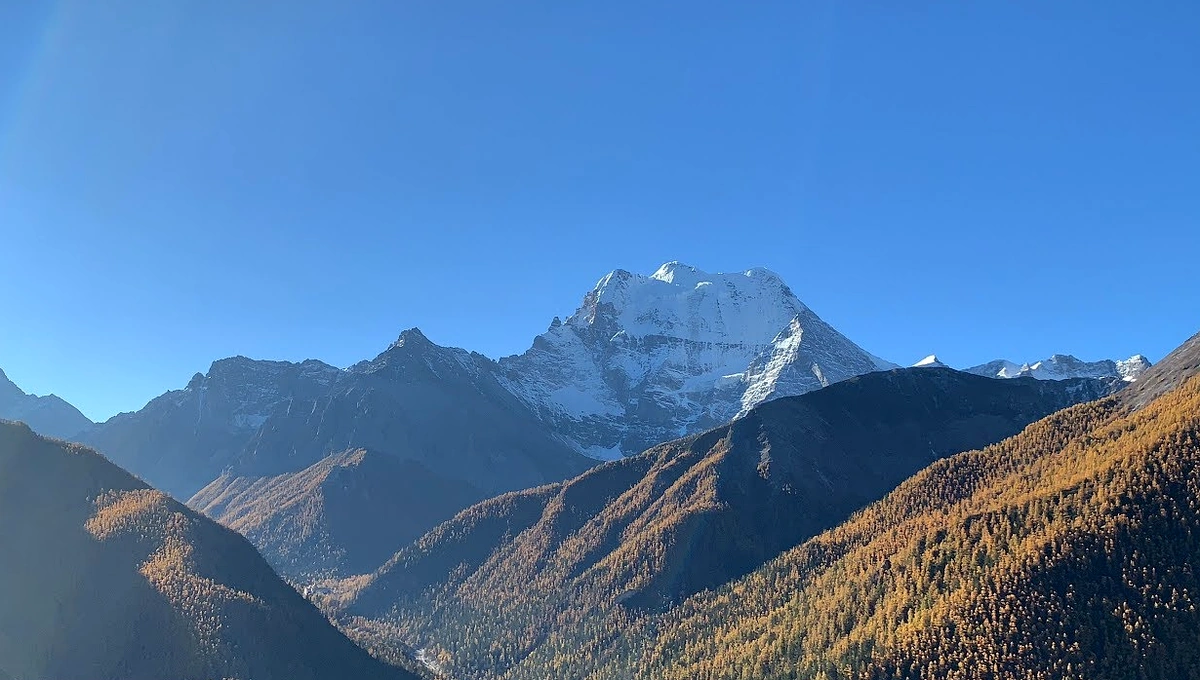
Along the length of feudal history and the isolation of rugged mountain terrain, the Five-Color Lake of Yading preserved its pristine beauty untouched, completely isolated from power struggles or dynastic shifts of the central plains until the early decades of the 20th century. When the Western world began yearning to explore uncharted lands in Asia, destiny led the American-born Austrian botanist and explorer Joseph Rock to set foot in the Daocheng Yading region in 1928. During that arduous and perilous expedition, Joseph Rock was not only astounded by the rich flora and unique topographical structure of the high plateau mountains, but was also hypnotized by the magical hues of the multi-colored lake nestled beneath the shade of permanent snow peaks. The precious documentary photographs and detailed articles published by Joseph Rock in the prestigious National Geographic magazine at that time created a massive global sensation, marking a historic turning point that brought the Five-Color Lake of Yading out from obscurity in Tantric scriptures into the light of human civilization, becoming a dream rendezvous for generations of international travelers and explorers.
Entering the contemporary era, facing rapid worldly changes and economic development pressures, the destiny of the Five-Color Lake of Yading has entered a hinge chapter for natural heritage conservation. Recognizing the invaluable ecological, geological, and cultural value of this mountain and glacial lake cluster, in 2002, the State Council of the People’s Republic of China officially approved the establishment of the Yading National Nature Reserve. This historic decision officially integrated the Five-Color Lake of Yading and its surrounding landscape system into the national heritage system under strict state protection, completely ending free exploitation and ushering in an era of sustainable ecotourism development. From the ancient scriptural texts of 8th-century masters through Joseph Rock’s 1928 exploration lens to the strict state conservation legal framework in 2002, the Five-Color Lake of Yading continues to quietly shine amidst the breezy plateau, bearing testament to a cultural, historical, and natural entity enduring through time.
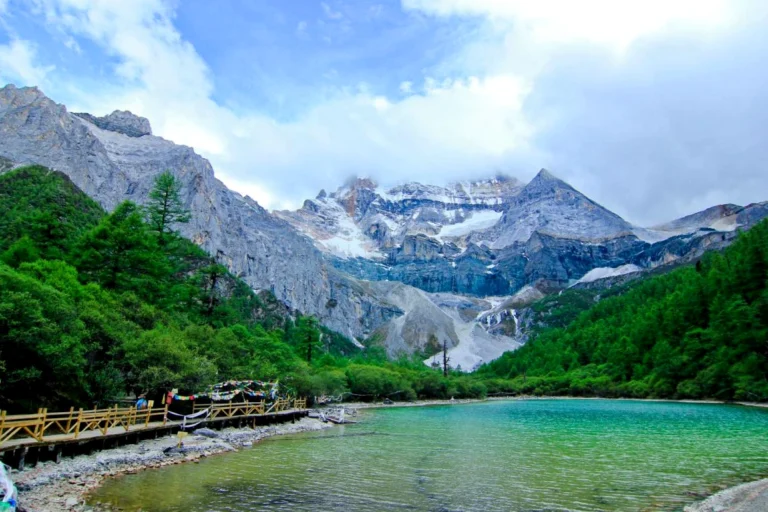
Tracing back to the eastern border of the Qinghai-Tibet Plateau, where the magnificent Hengduan mountain range extends through the Shaluli Mountain section and reaches the southern edge of the ancient Haizishan ice cap, a geological space both magnificent and laden with legends is formed. In that solemn mountainous nook hides a premier natural wonder of Yading’s snowy underworld—the Five-Color Lake—a scenic spot possessing a singular topographic structure and landscape planning. Under the lens of modern geological science, this sacred pool is defined as a classic representative of glacial erosion landforms from the Quaternary period, also known as a glacial tarn. Lying quietly at a breathtaking elevation exceeding 4,600 to 4,700 meters above sea level, the lake basin resembles a giant jade mirror skillfully sculpted by nature and wedged tightly into a glacial saddle, right beneath the southwest slope of the majestic sacred peak Xiannairi and the northeast slope of the proud sacred mountain Yangmaiyong.
Regarding hydrology and spatial structure, the technical formation process of the Five-Color Lake of Yading is a slow synthesis of time and the harshest climate in East Asia. Water in the lake does not originate from ordinary subterranean streams, but is entirely nourished by pure meltwater from millennial glacial tongues alongside avalanches tumbling from neighboring plateau slopes during extended winters. With a modest water surface area of only about 0.7 hectares, the lake looks like a giant tear of a deity lingering amidst a vast expanse of boulders, ice mountains, and howling winds. Geographical isolation and the thin air pressure characteristic of the high-altitude troposphere preserve a primordial stillness in the waters here, untouched by any human disruption or turbidity from the outside world. The thick ice sheet blanketing most of the year preserves the lakebed sediment intact, creating magical optical reflections when sunlight strikes minerals in the water, generating multi-hued radiance shifting unpredictably from deep turquoise blue to amber gold and bewitching metallic radiance.
Beyond pure geological value, the characteristic landscape of the Five-Color Lake of Yading is enriched and elevated by a profound spiritual value system, constituting a cultural space densely imbued with the identity of indigenous Tibetans. In traditional Tibetan feng shui ideology and Tantric cosmology, the terrain where the lake sits is not merely a natural geographical junction, but the physical manifestation of the sacred earthly Mandala. High masters and nomadic residents have passed down through generations the belief that the secluded space surrounding the lake is actually the sacred palace of the Dragon King and Dakinis, supreme deities governing the skies, waters, and cloud winds atop the plateau. Natural planning concepts here strictly adhere to yin-yang five-elements laws and Tibetan Buddhism’s philosophy of harmony between humans and the cosmos, where every breeze blowing across mountain slopes and every stone rolling to the lake shore carries souls and energies of deities.
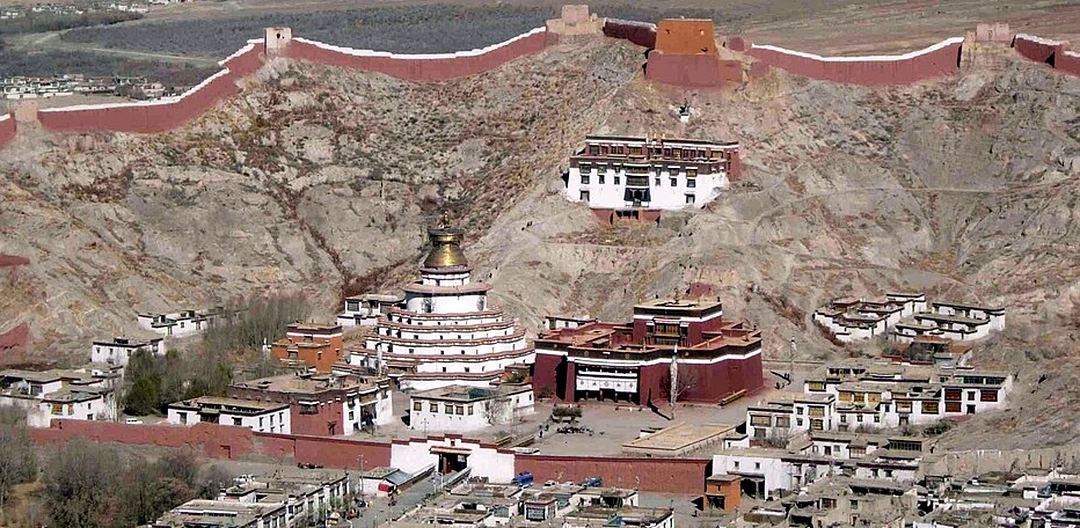
Possessing such transcendental and sacred spatial attributes, the Five-Color Lake has long transcended the limits of an ordinary sightseeing destination to become a religious center wielding powerful magnetism over pilgrims. People believe the lake’s space possesses magical capacities in reflecting human consciousness, serving as a venue where practitioners conduct observation and veneration rituals to comprehend karma and foresee future fortunes. Every step conquering the perilous gravel trail to approach the lake shore is viewed as a physical ascetic purification of body and mind, where humans shed worldly attachments to confront nature’s grandeur and eternity directly. The flawless combination of ancient glacial geomorphology, pristine glacial-snow hydrology, and Tantric religious symbolism transforms the Five-Color Lake of Yading into a consummate cultural-geological masterpiece, a living museum preserving Earth’s most primordial memories hanging midair among winds and clouds.
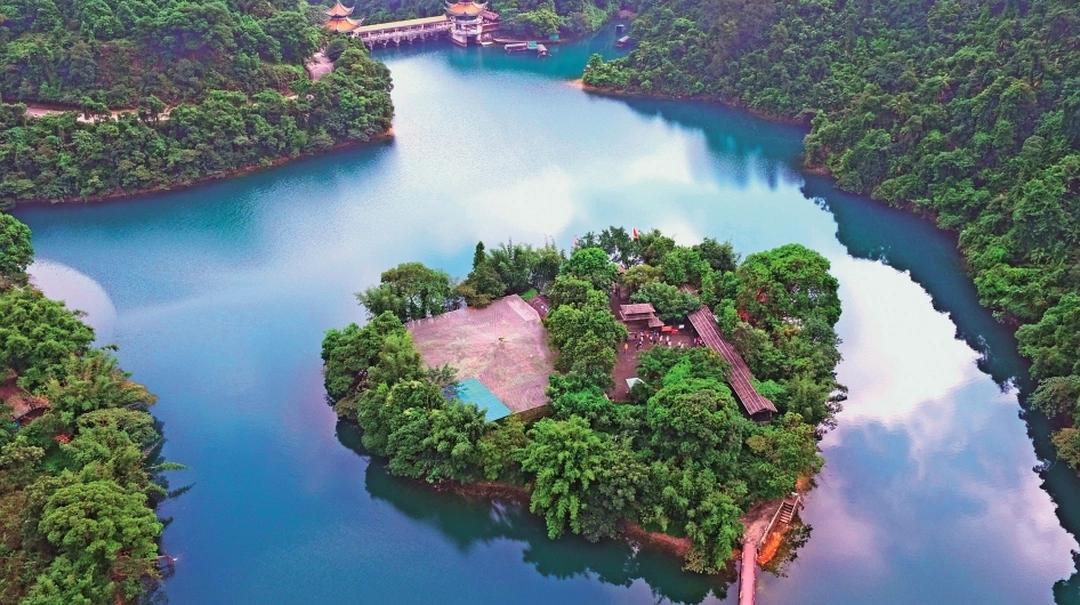
From the perspective of a cultural history researcher and human geographer, defining “architecture” and “spatial structure” upon stepping foot at the Five-Color Lake of Yading (亚丁五色海) demands a profound cognitive shift away from traditional brick-stone or wooden man-made structures. As an exquisite natural glacial heritage sculpted over tens of thousands of years of geological creation sitting at an exorbitant altitude of approximately 4,600 to 4,700 meters right at the foot of sacred Mount Xiannairi, this lake entirely lacks architectural volumes constructed by human hands in the conventional sense. There are no curved temple eaves, bell towers, or solemn corridors here, but instead a grand ecological spatial planning project designed and preserved under minimal yet extremely sophisticated intervention by the Yading Scenic Area Management Bureau, balancing pilgrims’ aspirations with the extreme fragility of the primordial plateau ecosystem.
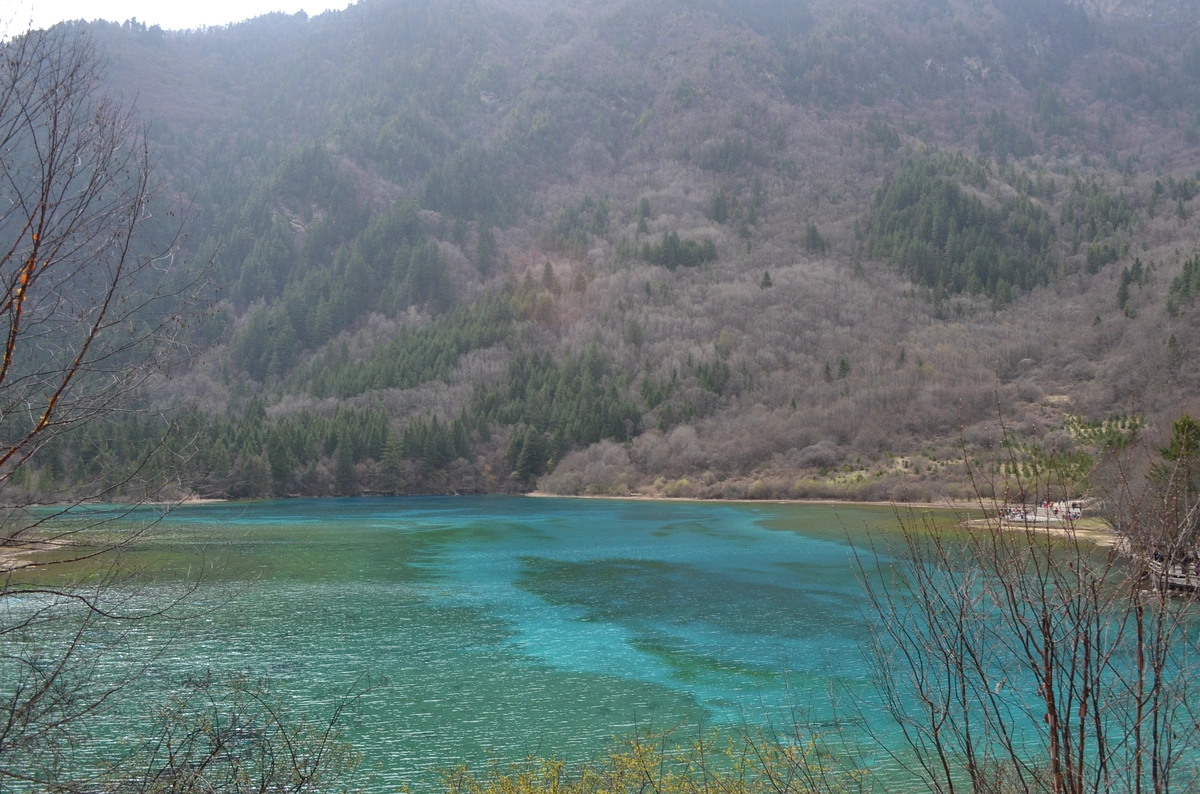
Regarding practical field spatial structures, the area surrounding the Five-Color Lake is not merely an open-air shore but a highly complex alpine ecological defense system planned using modern engineering methods to prevent irreversible environmental degradation. To combat solifluction (soil flow caused by melting ice combined with continuous human trampling), managers and environmental engineers deployed technical infrastructure including a network of rot-proof wooden boardwalks and galvanized wire mesh reinforcing foundation structures. This elevated walkway system avoids direct contact with sensitive soil-rock surfaces, creating suspended paths hugging the perilous slopes of the glacial valley. This solution enables tourist flows to move orderly within a enclosed space, completely isolating human feet from cushion plant mats and ancient glacial sediment layers currently undergoing extreme ecological pressure from global climate change.
Crafting and construction arts in this harsh environment demand extraordinary technical standards, where every material brought to the plateau must be transported via human labor or pack animals at exorbitant costs and strict weight controls. Anti-corrosive wooden planks and load-bearing steel frames are securely anchored into bedrock layers to prevent surface slope erosion caused by gales and seasonal freeze-thaw cycles. The practical space of the project extends beyond walkways into open-air observation decks arranged at prime viewing angles, allowing travelers to admire magical water color transitions from turquoise to deep blue, amber, and metallic radiance reflecting from mineral-rich lakebeds without harming the surrounding pristine landscape.
Alongside landscape spatial planning, the scenic area’s operational structure enforces the world’s strictest waste management standards for cold arid wilderness environments and cushion plant communities—low-growing plants forming dense carpets resisting gales and deep sub-zero temperatures. Any small litter fragment or encroachment outside prescribed corridors is closely monitored by resident forest ranger teams. The spatial preservation philosophy here treats every inch of soil, every cushion plant patch, and every glacial pebble as sacred elements of a hidden Buddha realm, where the sole man-made architecture permitted to exist is the absence of destructive footprints, ceding entire spaces to nature’s supreme power and the endless spiritual currents of legendary Kham Tibet.
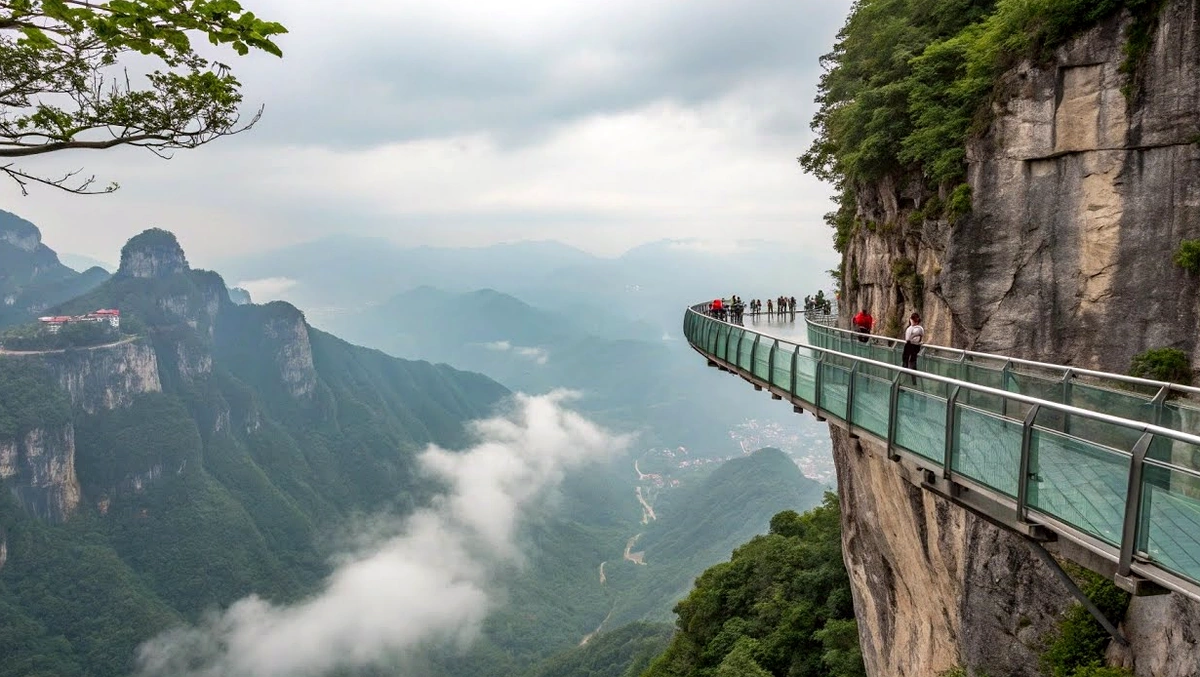
When night falls at altitudes exceeding 4,600 meters, crossing boundaries of cold hills in the core of Yading National Nature Reserve, a world completely distinct from ordinary commercial tourist spots unfolds before travelers’ eyes. Unlike modern mass tourism trends where plateau valleys are typically adorned with dazzling LED systems, grand live-action shows, or bustling noisy night markets, the Five-Color Lake and the sacred triad of divine mountains Xiannairi, Yangmaiyong, and Xianuoduoji strictly adhere to primordial sacred space principles. Here, strict ecological management policies prioritize the principle of “no artificial lighting at night,” absolutely prohibiting large-scale illumination systems, live-action art shows, or nighttime commercial businesses in this sensitive landscape area.
The absolute stillness of Yading’s nights stems not only from administrative conservation regulations but also from deep traditional Tibetan beliefs. In Tantric Buddhist views, plateau lakes like the Five-Color Lake are deemed dwelling realms of deities, where human souls and nature harmonize in eternal purity. Disturbing that tranquility with glaring lights or artificial noise is considered disrespectful to sacred mountains and lakes. Consequently, when twilight closes, the space around the lake completely returns to primordial natural beauty—devoid of electric lamps or motor sounds—yielding to a cosmic-scale visual wonder unreplicable by any man-made stage.
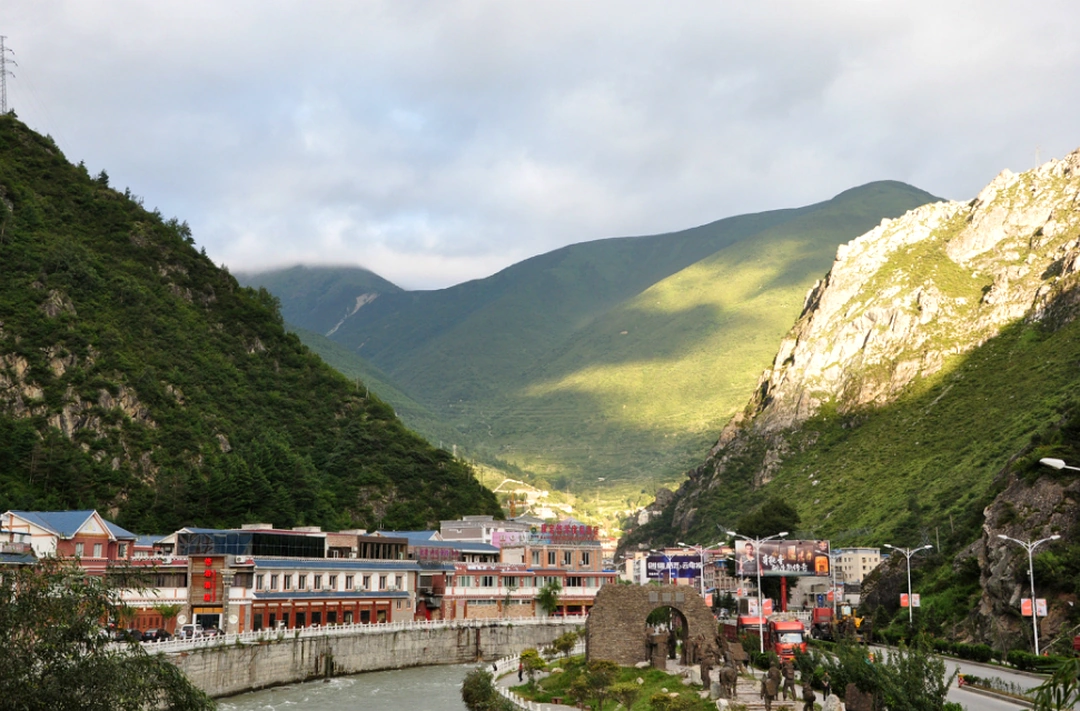
Untouched by urban lighting, the night sky above the Five-Color Lake transforms into a supreme natural astronomical observatory on the Qinghai-Tibet Plateau. Standing beside the freezing lake shore, travelers admire crystal-clear skies where the Milky Way appears dense and brilliant like a luminous river spanning proud Mount Xiannairi. Shooting stars streak across plateau night skies, reflecting sparkling light onto icy lake waters, creating a magical dialogue between earth and sky, between tranquil mortal realms and boundless universes. The sole nighttime illumination here is primordial starlight, guiding generations of pilgrims and Tibetan monks for centuries as they performed kora rituals.
While the core zone of the Five-Color Lake maintains absolute stillness to preserve sacred spaces, Tibetan nighttime cultural and folkloric arts are skillfully preserved and reenacted at lower elevations like Yading village or Riwa town. When plateau biting cold descends, local artisans and Khampa people gather around warm hearths inside cozy traditional stone houses. Here, graceful, resonant Guozhuang dances alongside Tibetan epic chanting and ancient Tibetan opera excerpts are performed authentically without massive loudspeakers or modern stage special effects.
Delimiting spaces clearly between absolute spiritual stillness of high sacred lakes and valley folkloric cultural life creates a sustainable cultural tourism structure respecting indigenous beliefs while delivering deep experiences for visitors. Savoring natural starlight illumination from the Milky Way, listening to winds howling across snow mountains beneath divine mountain silhouettes, and immersing in epic-imbued nightlife in downstream villages, visitors to the Five-Color Lake of Yading discover far more than a regular sightseeing stop—they touch primordial tranquility of souls amidst grand wild nature.
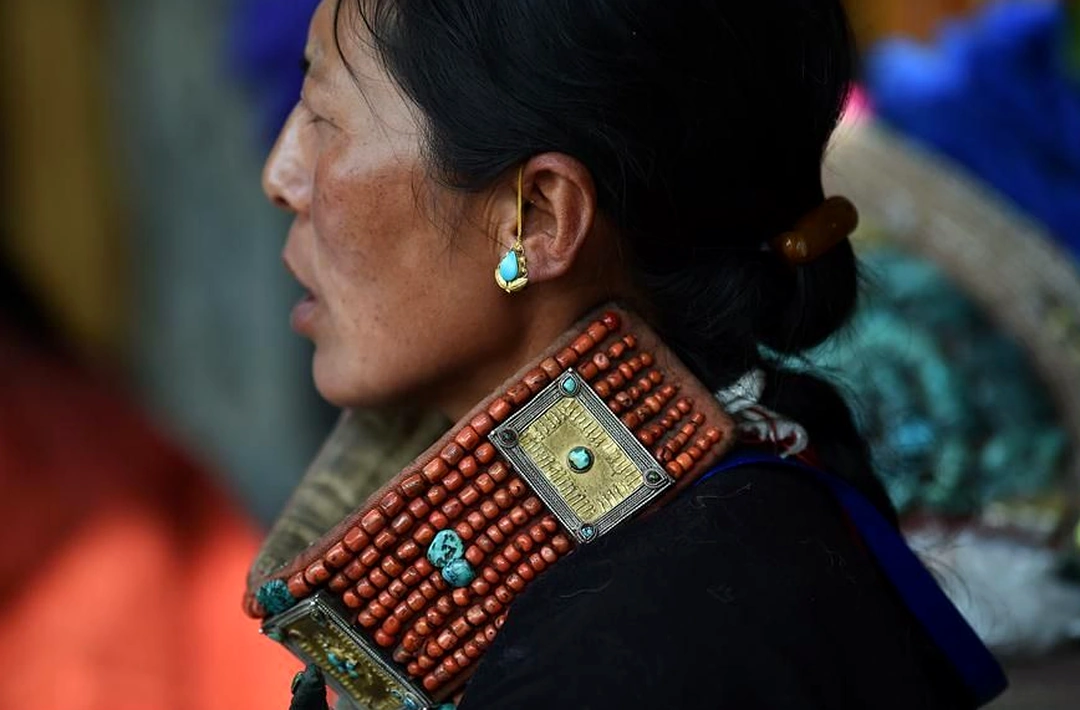
Amidst windy high altitudes of grand landscapes where the Five-Color Lake of Yading reigns majestically at a dizzying elevation of 4,700 meters above sea level, local natural ecosystems observe Yading National Nature Reserve’s strictest conservation regulations. To safeguard sacred Buddha realms and holy waters shifting colors under sunlight, the entire area surrounding the lake strictly bans fires, cooking, or discharging household waste. Consequently, no eateries or food stalls exist midway up these soaring mountain peaks. Nevertheless, authentic Khampa flavors remain uninterrupted, for upon descending back to peaceful valley floors in Riwa town or Yading village shrouded in morning mists, one enters a primordial plateau culinary world imbued with traditional Tibetan identity passed down centuries.
The initial culinary voyage touching travelers’ souls is traditional butter tea, known locally as Gurja. Unlike conventional beverages, Yading butter tea is crafted through elaborate processes, beginning with simmering brick tea blocks for hours to extract robust, astringent tea bases. That golden tea is poured into specialized long wooden cylinders called Dongmo, combined with abundant fresh yak butter sourced from plateau valleys and pure rock salt. Under rhythmic strokes of wooden pestles, tea, butter, and salt merge into a thick, creamy, fragrant liquid. For travelers recovering from exhausting climbs amidst thin air and freezing Yading peaks, a piping hot bowl of butter tea banishes frost while delivering massive energy, warming bodies and balancing blood pressure miraculously.
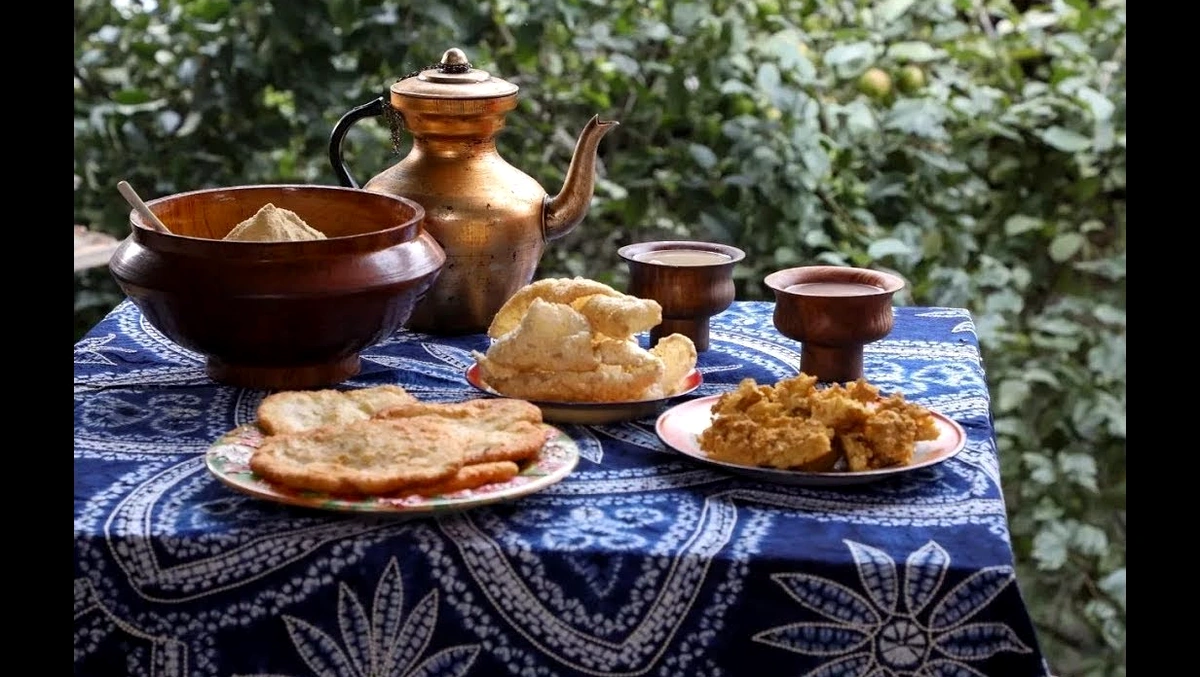
Accompanying butter tea to form Tibetans’ immortal food duo is Tsampa, also known as highland barley flour. Tsampa is roasted highland barley flour roasted on cast-iron skillets before being ground into fine brownish-yellow fragrant powder. When eating, locals pour warm butter tea directly into wooden bowls containing Tsampa flour, add crumbly dry cheese called churu, and skillfully knead the mixture using fingers into bite-sized balls right inside bowls. The nutty fragrance of roasted barley blends seamlessly with the savory richness of yak butter, creating a simple dish embodying enduring vitality across generations of nomadic people bound to harsh wilderness skies.
Beyond that, Yading plateau’s culinary tapestry leaves unforgettable aftertastes via renowned wind-dried yak beef named Shakam. During freezing winter months when blizzards sweep mountain slopes and biting dry air blows, Tibetans select firmest yak beef cuts, slice them into long strips, and season them lightly with salt and wild herbs. These strips are then hung naturally under breezy wooden eaves or sun-dried directly beneath glaring plateau winter sunlight. Thanks to natural cold winds and large day-night temperature swings, beef gradually tightens, losing moisture while retaining high-end nutrients inside. When tasted, dark red Shakam strips rich in gamey meat sweetness are thinly sliced, nibbled alongside rich butter tea, delivering a wild culinary experience captivating any traveler setting foot on this sacred land.
Completing this flavor symphony are abundant agricultural products from lush green valleys sitting beneath snowy mountains. These include tiny potatoes grown on mineral-rich plateau soils, boiled and wrapped inside warm steamed buns, generating natural nutty flavors. Additionally, yak dairy products like thick yogurt with tangy flavors and rich milk skin served with rock sugar are perfect pieces concluding heirloom culinary experiences. Savoring rustic yet proud flavors right after marveling at the Five-Color Lake’s mystical beauty is the most consummate way to comprehend the breath, soul, and resilient vitality of Yading’s sacred land.
The journey conquering the Five-Color Lake of Yading (亚丁五色海)—a magnificent space hiding at altitudes near 5,000 meters on the Qinghai-Tibet Plateau—demands not only reverent souls before sacred nature but precise tactical guides ensuring absolute safety and experiences. From the perspective of a cultural researcher and seasoned traveler, meticulous preparation represents the golden key unlocking mystical doors where boundaries between mortal realms and divine worlds blur under gales and white clouds. The ideal window to launch expeditions and worship this sacred lake, agreed upon by indigenous researchers and luxury travel communities, spans June through October annually. Specifically, June through August features vibrant highland wildflowers blooming across valleys, though travelers must guard against sudden afternoon showers. Conversely, golden autumn from September through October yields breathtaking beauty as larch forests turn golden yellow, blending with permanent snow peaks beneath crystal-clear skies, achieving maximum visibility and clarity. Conversely, beginning in October through April of the following year, all routes and sacred lakes are closed due to harsh weather, heavy blizzards, and permanent ice, turning the region into a dormant land locked in ice.
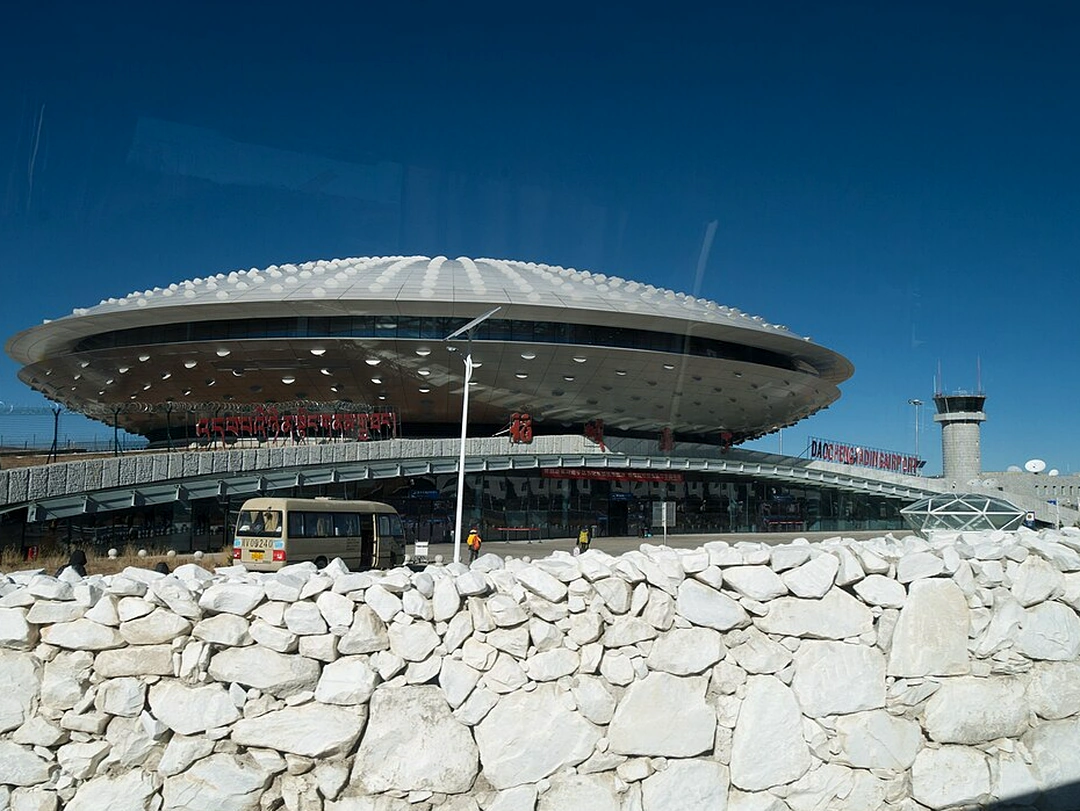
Approaching Yading’s landscape spatial system requires connecting transit routes via diverse transport modes to adapt to western Sichuan’s rugged terrain. The starting point for international travelers involves flights landing at Daocheng Yading Airport perched at an record altitude of 4,411 meters, or choosing legendary road trips along challenging G318 National Highways. Upon arriving at the scenic spot, closed-loop transport starts from the visitor center via specialized electric shuttle buses taking groups to Zhaguangpeng station, where visitors stroll across flower-filled meadows to ancient Chonggu Temple. From there, electric buses transport visitors past winding glacial valleys to Luorong Pasture—starting points for arduous yet sacred trekking routes. From Luorong Pasture, travelers leave motorized transport behind to embark on challenging foot hikes, crossing steep gravel slopes from Milk Sea to reach the summit of the Five-Color Lake of Yading, taking two to three continuous hours of one-way climbing in thin air conditions.
Plateau terrain harshness and sudden pressure shifts demand rigorous requirements regarding personal gear and altitude sickness prevention. Strict physiological acclimatization during initial 48 hours upon arriving at high altitudes is a vital rule protecting cardiovascular and respiratory health. Regarding clothing, onion-layer dressing proves efficient: moisture-wicking inner layers, insulating middle layers, and specialized waterproof windproof outer jackets paired with high-traction hiking boots to tackle slippery gravel trails. UV-blocking sunglasses and high-SPF sunscreen are indispensable under glaring windswept plateau suns where solar radiation peaks. Furthermore, indigenous culture requires travelers to strictly observe supreme spiritual rules: absolutely no washing hands, touching feet, or throwing stones into holy lake waters, while all kora rituals must proceed clockwise to express deep reverence to guardian deities. To prepare for perfect cultural and natural expeditions, explore all-inclusive tour packages specialized with medical support and guides well-versed in Tibetan culture.