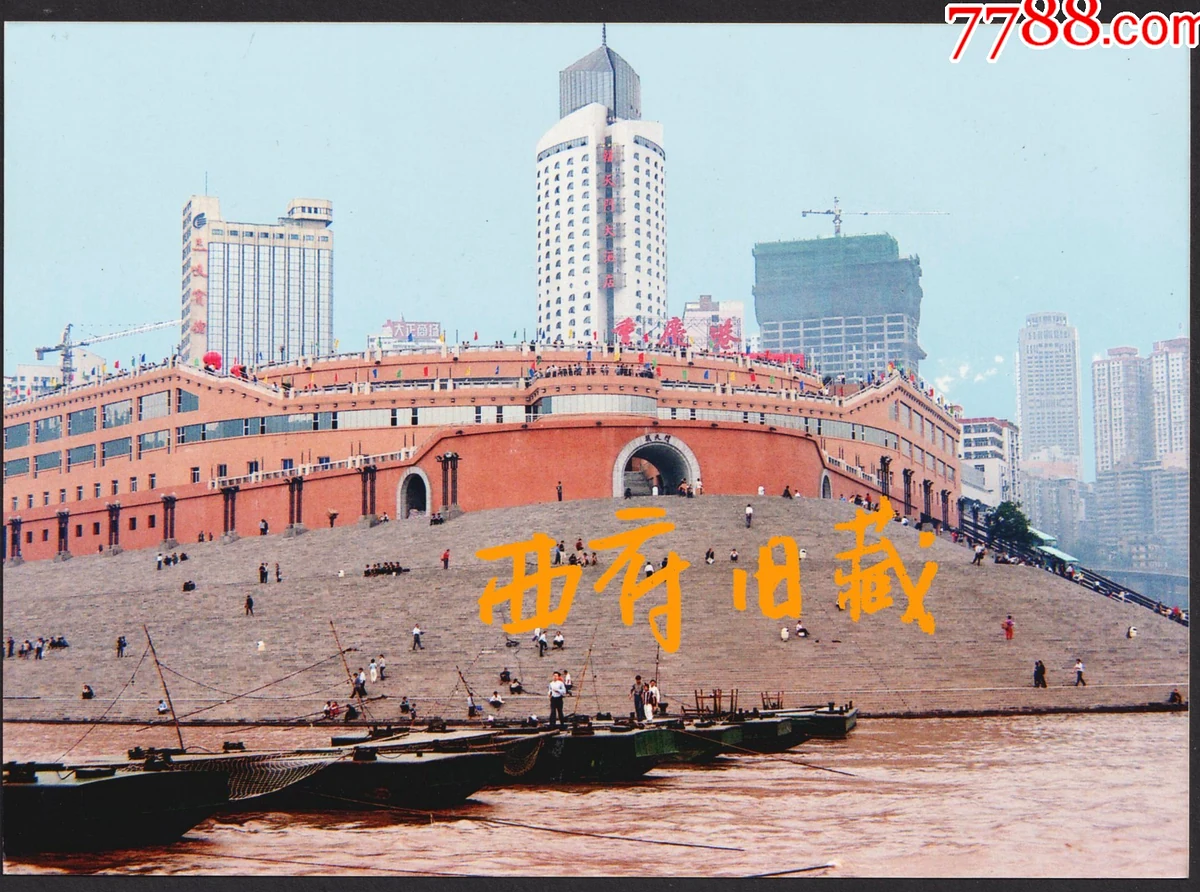
The history of this celebrated spicy hotpot did not begin behind the crimson walls of northern imperial palaces, but was forged amidst the damp river mist blanketing the bustling docks of Bashu. During the late Qing Dynasty, roughly between 1820 and 1850 under the Daoguang Emperor, Chongqing—strategically positioned at the confluence of the Yangtze and Jialing rivers—already thrived as a vital inland shipping hub. At Chaotianmen Pier, rising beside sheer cliff faces, thousands of vessels loaded and unloaded cargo day and night. Steep mountainous terrain combined with a humid subtropical basin climate caused moisture from both great rivers to rise year-round, enveloping dockworkers in a bone-chilling dampness. Out of these harsh conditions, a survival-driven culinary invention quietly emerged, laying the foundation for one of Southwest China’s most iconic gastronomic treasures.
The original creators of Chongqing spicy hotpot were dockside porters—affectionately known as Bangbang men (Bangbang)—alongside slaughterhouse workers along the banks of the Jialing River. To fend off biting cold and physical exhaustion after grueling hours of hauling freight, they gathered inexpensive beef offal discarded by wealthy merchants, such as tripe, small intestines, and fresh blood curd, washing them clean by the water’s edge. Over makeshift stone stoves, a deep cast-iron cauldron was set above flickering flames. They rendered thick beef tallow (Niuyou) to form a heat-trapping base, then tossed in handfuls of fiery red Daojiaojiao chilies, tongue-numbing Hanyuan Sichuan peppercorns (Huajiao), aromatic cardamom, and black cardamom pods. The dense layer of tallow sealed heat inside the broth while pungent spices neutralized any gamey odors from the offal and induced sweating to dispel dampness and chill in accordance with folk wellness wisdom.
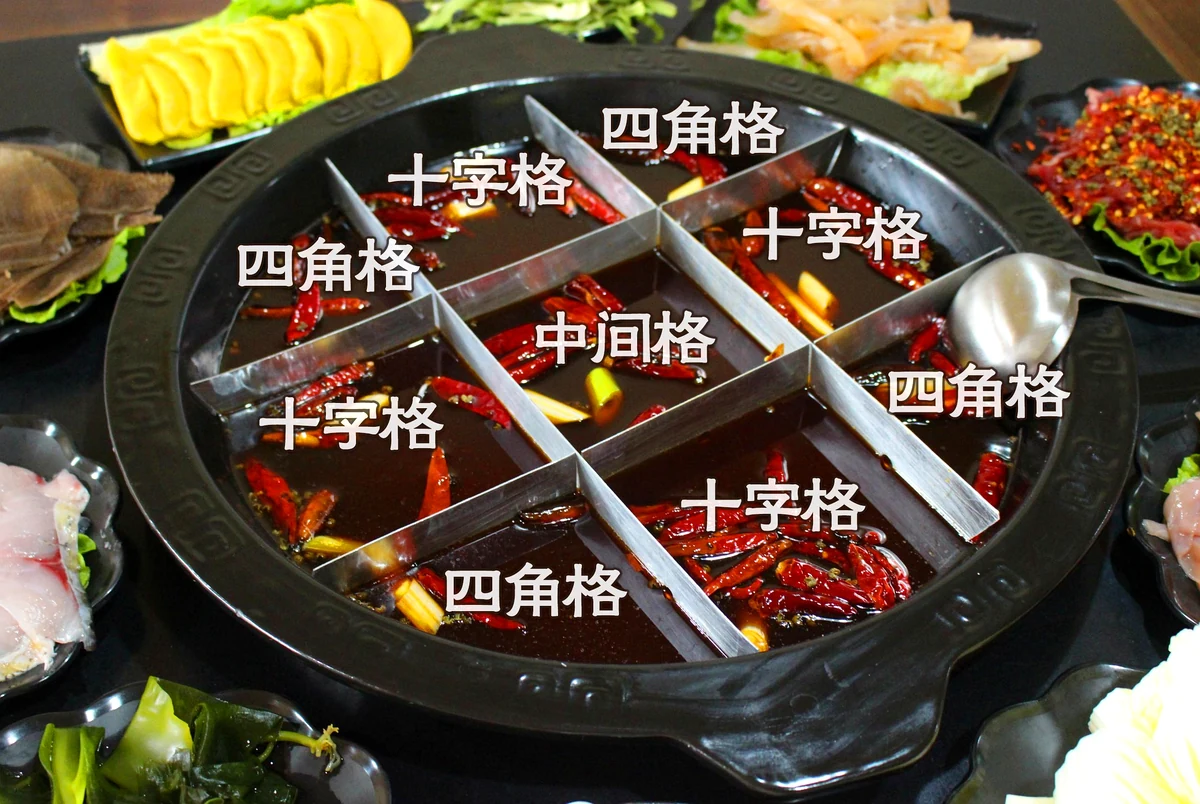
By the 1920s and 1930s, this rugged dockside fare shed its humble origins, moving into urban eateries and evolving into a beloved culinary pastime among city dwellers. This era also witnessed the revolutionary invention of the Nine-Grid Hotpot (九宫格火锅). To allow strangers sharing a single table to cook without mixing up their food, an iron lattice divider was lowered into the pot, partitioning the broth into nine separate squares. Beyond being an economical way to share table space, the Nine-Grid structure is a masterpiece of folk thermodynamics. The center square receives the most direct flame from beneath and boils furiously, making it ideal for flash-blanching crisp ingredients like beef omasum or duck intestines using the classic “seven-up, eight-down” method. Meanwhile, the four adjacent cross-axis squares maintain a gentler simmer suited for meatballs and beef blood curd, while the four corner compartments farthest from the heat source provide a low simmer for slow-braising chewy beef tendons or lotus root over hours without breaking them apart.
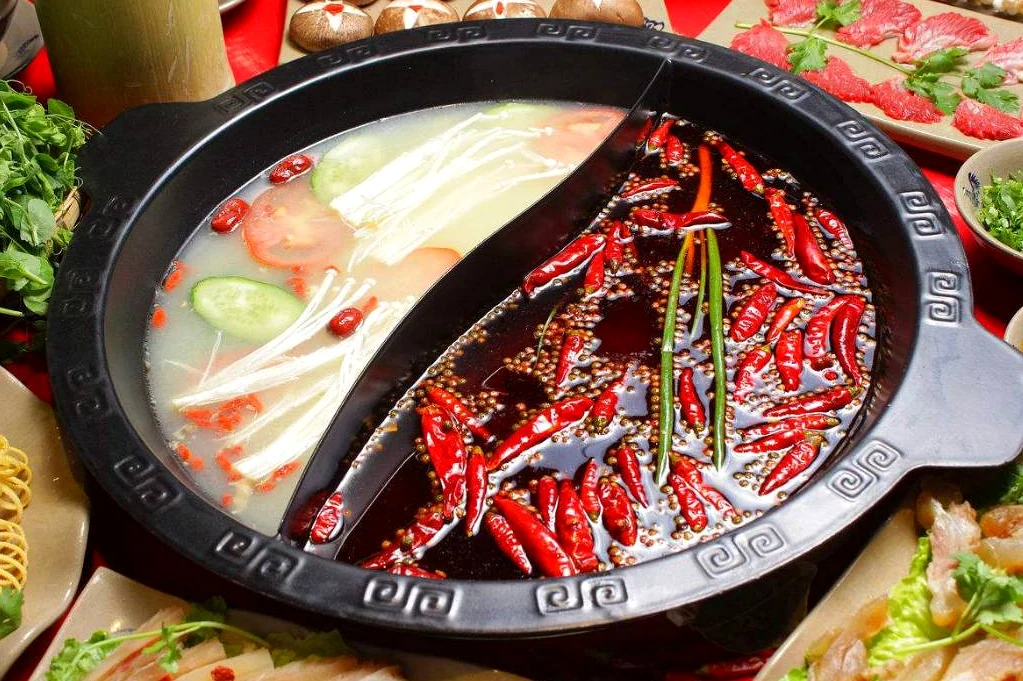
Changing times reshaped this fiery symphony once again during China’s Reform and Opening-Up in the 1980s. As travelers from across China and around the world poured into Chongqing, the searing heat of traditional pure-tallow broth posed a barrier to palates unaccustomed to Sichuan spice. Out of that cultural exchange, the Yuanyang (Mandarin Duck) Hotpot (鸳鸯火锅) was officially born, marking a turning point that carried local flavor to a global audience. Inspired by the Taoist philosophy of Yin and Yang, the pot is divided down the middle by a gracefully curved partition. One side preserves the bold, bubbling crimson tide of chilies, Sichuan peppercorns, and rich beef tallow representing fiery Yang; the other holds a clear, delicately sweet broth simmered from pork marrow bones, wild mushrooms, goji berries, and red dates representing soothing Yin. Far more than a compromise between two opposing flavor profiles, the Yuanyang concept embodies the inclusive spirit of Bashu food culture, turning the hotpot table into a symbol of harmonious gathering.
Set in the heart of Southwest China, Chongqing commands one of the world’s most dramatic feng shui landscapes, shaped by the meeting of two mighty waterways: the silt-laden Yangtze River and the emerald-green Jialing River. Right at the historic tip of Chaotianmen Pier, the striking visual contrast where turbid and clear waters meet forms a living natural blueprint for Yin-Yang duality—the very inspiration behind the famed Yuanyang hotpot. Surrounding the Yuzhong Peninsula, steep hillsides and sheer riverside cliffs create a multi-tiered three-dimensional cityscape widely celebrated as an astonishing “8D metropolis.” This rugged basin topography not only endowed Chongqing with strategic military value across the Qin, Han, Tang, and Song dynasties, but also drove vertical, terraced urban planning where residents adapted to steep slopes, giving rise to the bustling river wharves that birthed the original nine-compartment hotpot.
The roots of local hotpot culture are tightly bound to Five Elements philosophy and the extreme microclimate of this enclosed valley. Known as the “Fog Capital” for its hundreds of misty days each year, Chongqing sits steeped in heavy humidity, enduring bone-chilling winters and sweltering summers that turn the basin into a natural furnace. Accumulated dampness and cold can easily deplete the body without proper nourishment to expel internal toxins. Under these geological and climatic conditions, pairing rich beef tallow, tongue-tingling Jiangjin green peppercorns, and fiery Shizhu red chilies transcended everyday dining to become genuine dietary therapy. Rolling heat rising from the iron pot mirrors the resilient spirit of Bashu’s riverfolk, helping dispel dampness, drive out cold, stimulate circulation, and regulate body temperature against pervasive river mist.
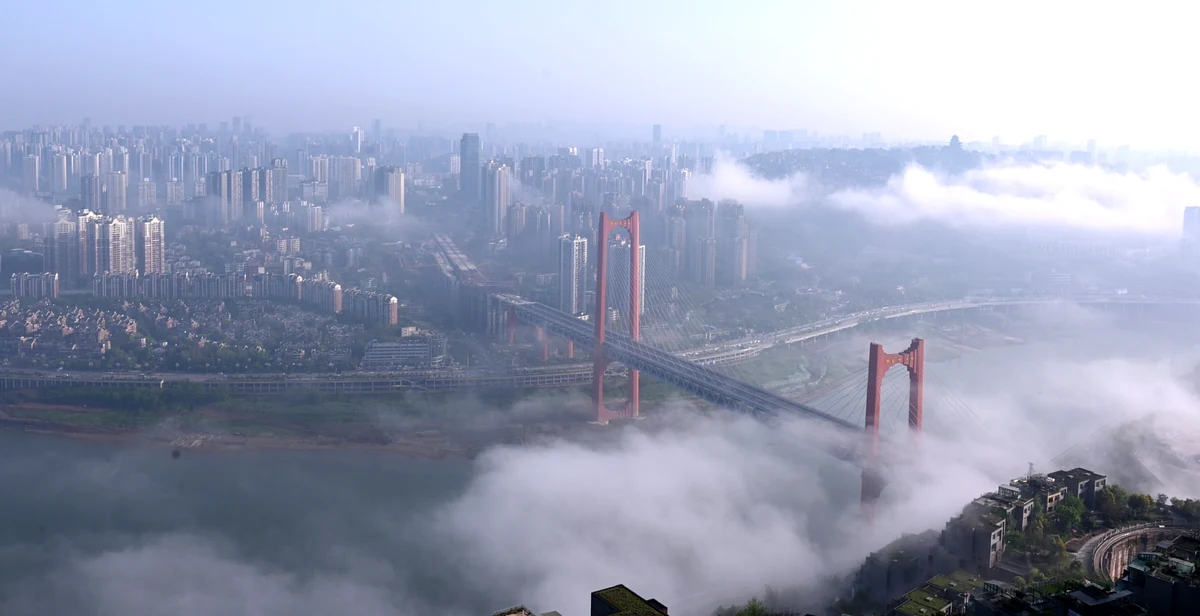
Dining on spicy hotpot in Chongqing is an extraordinary fusion of rugged natural scenery and one-of-a-kind vertical urban design. Clinging to sheer slopes or nestled beneath towering stilt-house complexes like Hongya Cave, hotpot parlors appear at seemingly impossible elevations. Even more remarkably, locals have repurposed wartime air-raid shelters carved deep into granite hillsides into subterranean dining halls stretching hundreds of meters underground. Inside these naturally cool caverns, spicy steam billows from hundreds of nine-grid cauldrons while the clatter of chopsticks mingles with the gentle trickle of underground springs, creating a surreal dining atmosphere. From the thousand-year-old stone stairways of Shibati to lofty riverfront terraces, every square meter of steep terrain is transformed into a communal gathering space centered around a bubbling red broth.
Today, the enduring vitality of this culinary heritage is supercharged by high-speed transport infrastructure that has erased the mountainous isolation once immortalized in classical poetry. The Chengdu–Chongqing high-speed railway runs continuously with over one hundred departures daily, cutting travel time between the twin culinary capitals of the Sichuan Basin to just 62 to 73 minutes. Simultaneously, massive air connectivity through Chongqing Jiangbei International Airport brings diners from around the globe to this spicy hotpot paradise in no time. Modern engineering has transformed a meal once born among weathered boatmen on the Yangtze docks into an accessible cultural journey, allowing travelers stepping off sleek bullet trains to immerse themselves immediately in the intoxicating aroma of beef tallow, cassia bark, and Sichuan peppercorns across the misty metropolis.
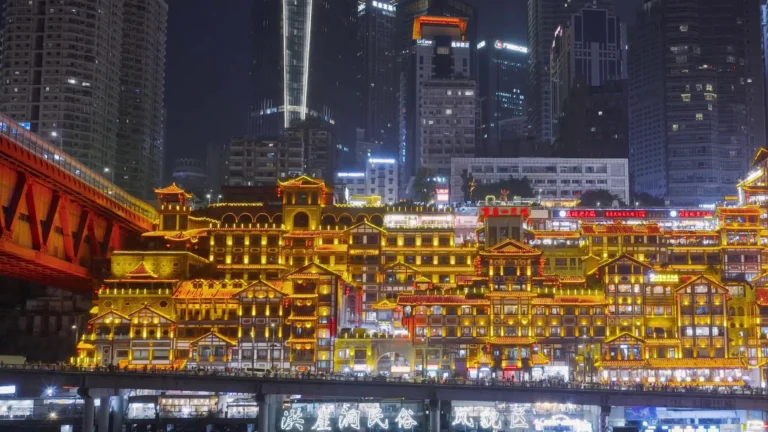
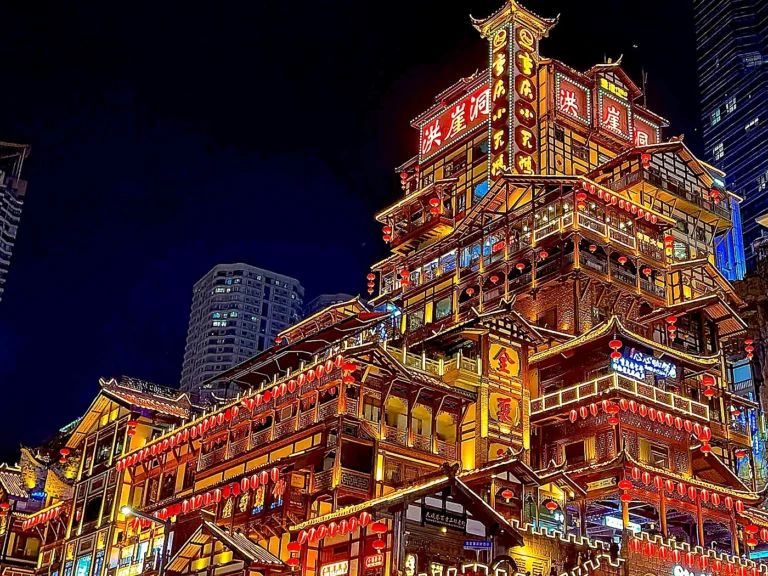
Tucked into dramatic mountain terrain where the surging Yangtze meets the jade-green waters of the Jialing, Chongqing’s hotpot dining spaces stand as a visual and architectural marvel. Rather than standing apart from the landscape, they grow organically out of sheer basalt cliffs, deeply rooted in traditional Diaojiaolou (吊脚楼) stilt-house architecture. Through the master craftsmanship of Bashu carpenters, straight fir pillars anchored into precarious rock ledges support intricate mortise-and-tenon beam frameworks cantilevered out over steep drops. At iconic culinary landmarks like Hongya Cave or Haogong Lane, multi-level spatial layouts produce breathtaking visual illusions: diners step into a hotpot parlor at street level only to discover dizzying open air plunging hundreds of feet straight down to the windswept riverbank beneath their chairs.
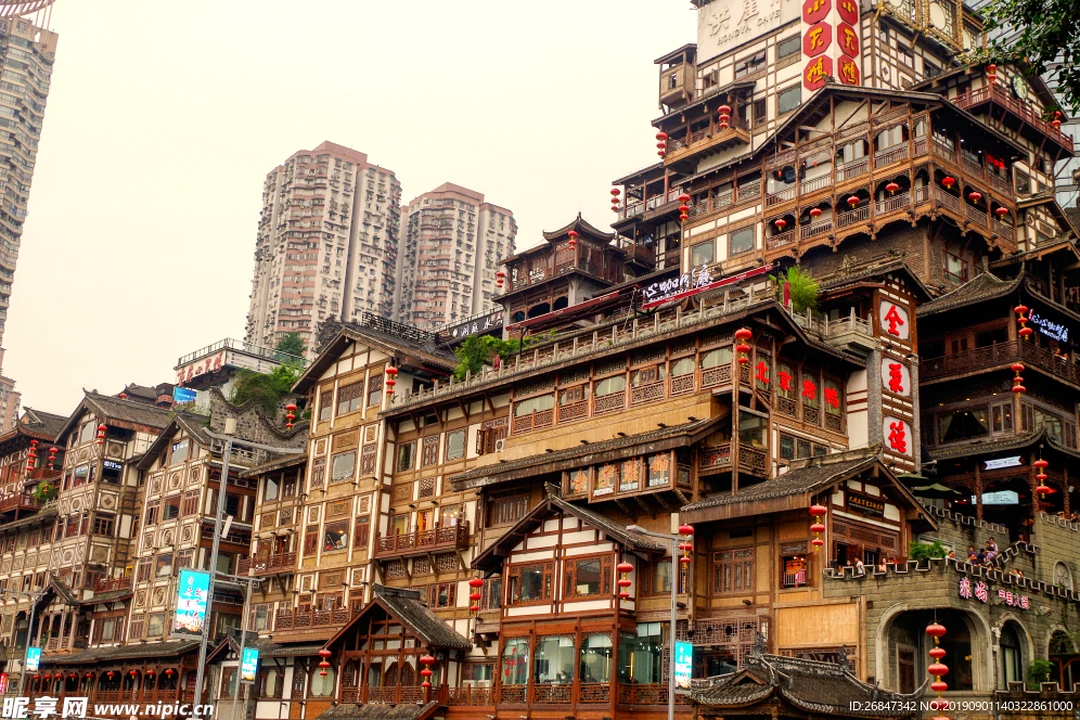
The diversity of hotpot venues across the Fog City mirrors its urban evolution, spanning gritty neighborhood joints to cutting-edge contemporary architecture. At the deepest layer of civic memory sit traditional Lao Huoguo (老火锅) parlors tucked down uneven bluestone alleys or carved inside twentieth-century bomb shelters deep within rock faces. Here, spaces retain a raw, unvarnished charm with naturally damp stone walls, rough vaulted concrete ceilings, and simple riveted cypress stools—fostering an energetic, warmly intimate atmosphere thick with the unadulterated scent of Sichuan peppercorns.
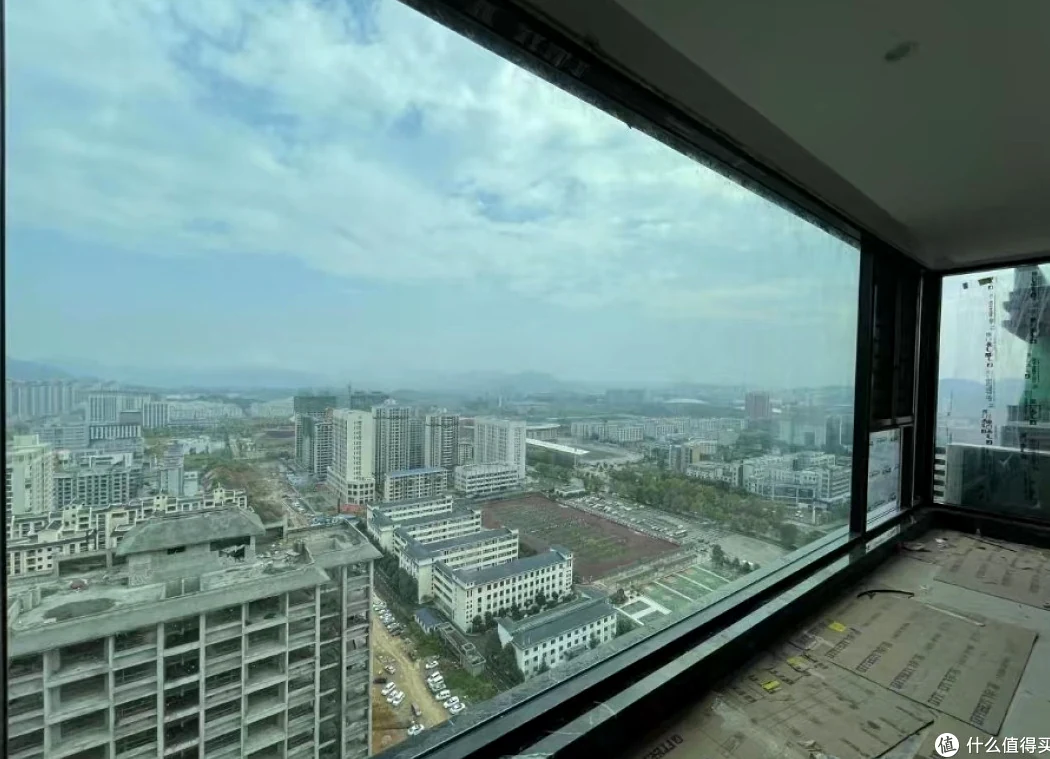
Higher up on the Yuzhong Peninsula, Chongqing hotpot design shifts toward bold neoclassical and futuristic aesthetics. Upscale fine-dining venues feature floor-to-ceiling frameless tempered glass walls that dissolve every boundary between interior comfort and sweeping panoramas. Seated at the table, diners experience dramatic contrast: inside, lightning-veined black marble tabletops meet rosewood intricately carved with auspicious Bashu dragon-and-cloud motifs; outside stretches the dazzling spectacle of the crimson Dongshuimen Bridge spanning the river while Line 2 monorail trains glide straight through residential high-rises. Sophisticated underfloor multi-directional ventilation concealed beneath teak decking quietly whisks away the pungent steam of dried Seven-Star chilies without disturbing the serene, refined ambiance.
At the center of this spatial artistry lies the celebrated craft of handmade hotpot cookware. The classic Yuanyang pot (鸳鸯锅) is a sculptural tribute to Taoist Yin-Yang harmony in the land of Shu. Vessels are typically hand-hammered from thick pure red copper or cast from solid iron to ensure even heat distribution and lasting thermal retention. A central metal divider curves gracefully in an S-shape echoing the Taiji symbol, cleanly separating two flavor worlds: on one side, roiling crimson chili oil representing Fire; on the other, tranquil bone-and-mushroom broth representing Water. Crafting that curved copper partition demands seamless silver-brazing precision so the two broths never intermingle even at a vigorous rolling boil.
Meanwhile, the iron Nine-Grid pot (九宫格) showcases keen folk mechanics and thermodynamics. Its iron frame divides the cauldron into nine squares across three natural heat zones: the central square concentrates peak heat for the “seven-up, eight-down” blanching technique that cooks beef omasum and duck intestines in seconds; the four side squares bubble steadily for chili-marinated beef and shrimp paste balls; and the four outer corner squares maintain a gentle simmer ideal for tenderizing lotus root, duck blood curd, and bamboo shoots over unhurried hours. Together, cliffside architecture, shimmering reflections across the Yangtze, and hand-forged ripples along copper pot rims merge into an overwhelming work of spatial art, turning every hotpot meal into a fully immersive cultural experience.
As twilight descends over the confluence of the surging Yangtze and emerald Jialing rivers, the misty city of Chongqing sheds its daytime quietude for an extravagant evening gown woven from millions of glowing neon lights. Within one of the world’s most breathtaking multi-tiered cityscapes, dining transcends mere taste to become a living theatrical spectacle where dramatic lighting and human warmth intertwine. Anchoring this nocturnal energy is Hongya Cave, whose eleven-story Diaojiaolou stilt structure clings to steep cliffs in faithful homage to ancient Bashu folk architecture. Golden light radiating from upturned eaves shimmers across the dark river below, conjuring a dreamlike tableau that sets the stage for one of the most unforgettable hotpot experiences on earth.
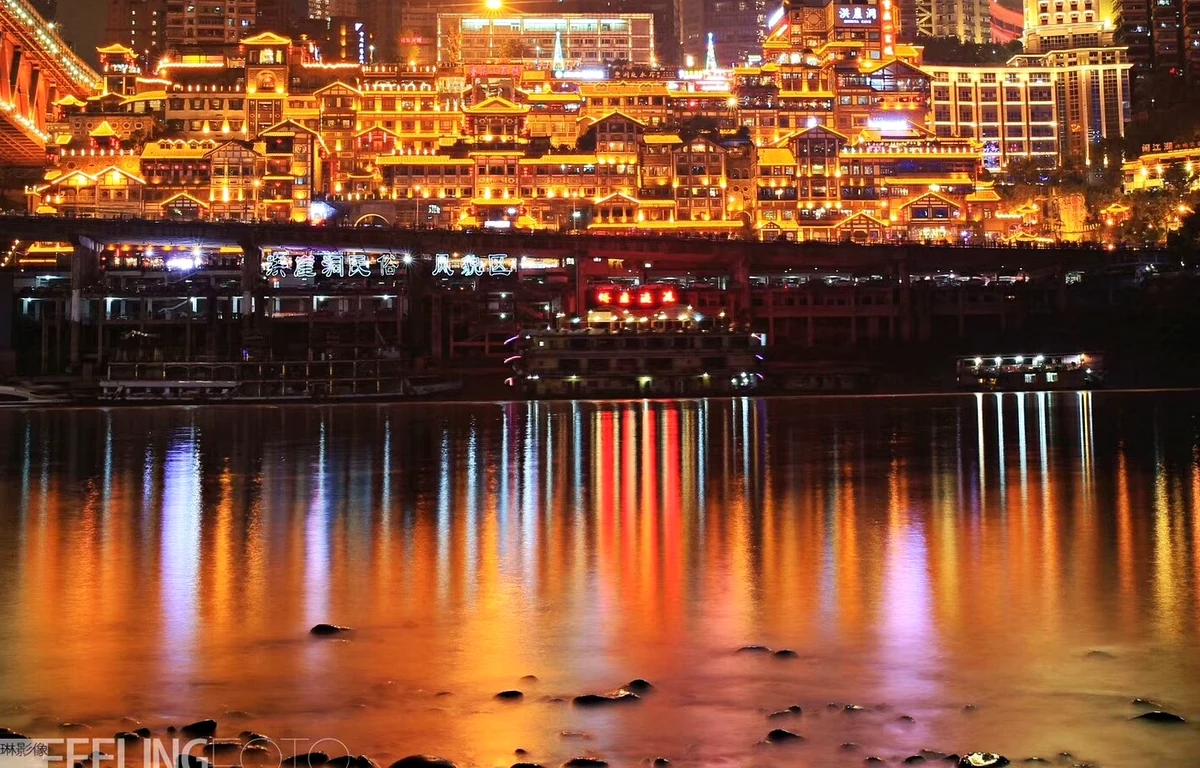
Seated beside panoramic glass windows in high-rise riverside restaurants, diners feel suspended mid-air above a dazzling urban rhythm. Beyond the glass, Yangtze River Cableway cabins glide slowly between both banks, monorail trains streak through illuminated apartment blocks like shooting stars piercing the night, and glittering river cruises cast thousands of dancing reflections across the water. Right at the table, a Yin-Yang Yuanyang pot or a brass nine-grid cauldron begins to bubble vigorously. Fragrant steam infused with pure beef tallow, fiery Shizhu chilies, and numbing Maowen peppercorns rises in thick plumes, mingling with warm light from crimson lanterns strung along wooden corridors to create a cozy, intoxicating haze that awakens every sense.
As the night deepens, the atmosphere grows livelier with sounds echoing the spirited dockside camaraderie of old Bashu. Clinking glasses, joyful slurps of crisp fresh tripe, and animated laughter blend into an irresistible slice of everyday life. Amidst bubbling crimson broths, local performers often bring traditional folk arts directly onto the dining floor. Rapid-fire Sichuan Opera face-changing (Bian Lian), graceful martial-arts tea pouring from gleaming long-spouted brass kettles, and acrobatic noodle-pulling unfold mere steps from diners’ tables—erasing every boundary between theatrical stage and street-level feast.
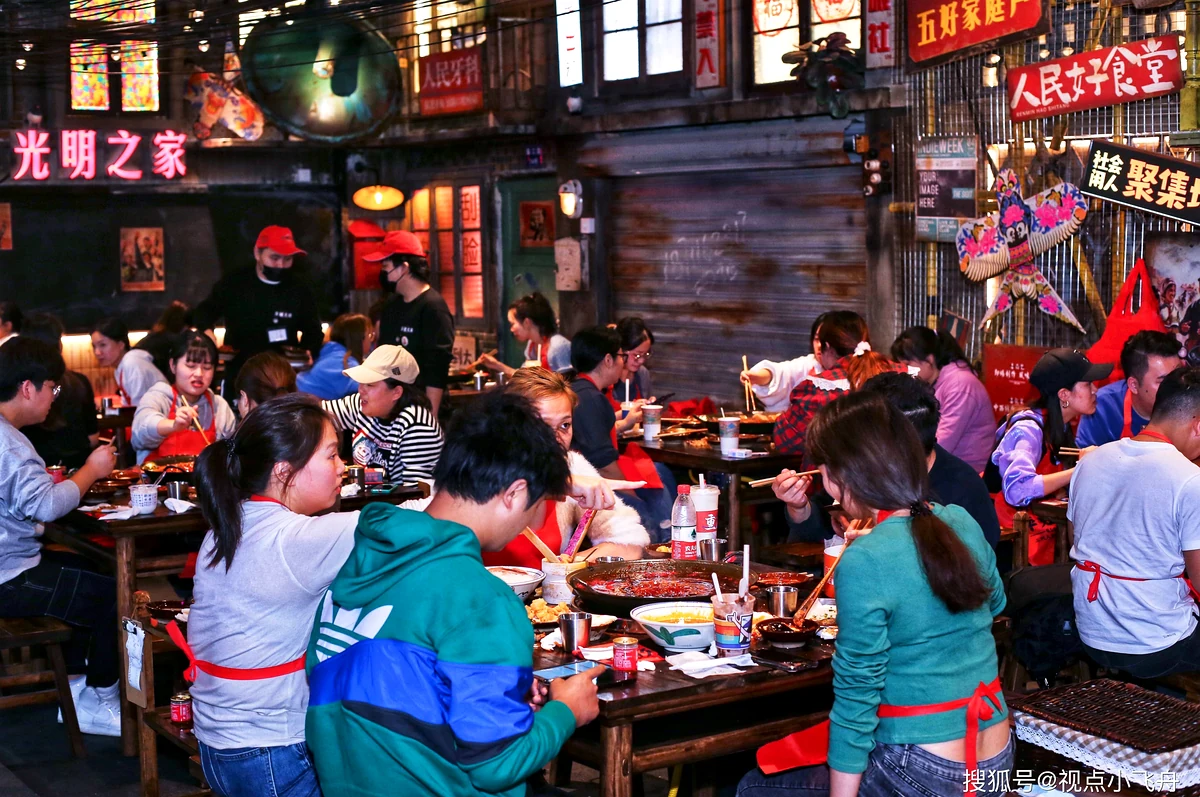
Blending explosive spicy flavors with modern nocturnal illumination has forged a signature night culture, turning Chongqing into a vivid contrast between rustic riverfront cuisine and a thousand-year-old cyberpunk metropolis. When chili heat and the tingling buzz of Sichuan peppercorns reach their peak, gazing out across the dark river gliding beneath towering steel bridges reveals the true soul of this mountain city. Here, subterranean earth heat, fiery chilies, and tens of thousands of dazzling city lights beat as one, etching an unforgettable sensory high deep into the night.
Wandering down winding sloped alleys in misty Chongqing or sycamore-shaded lanes in Chengdu, travelers are immediately drawn in by thick clouds of spicy aroma drifting from bustling hotpot parlors. The flavor map of Bashu hotpot divides clearly into two traditions: steadfast devotion to rich beef-tallow intensity in the Nine-Grid hotpot, and harmonious flavor balance in the Yuanyang cauldron. Inside lantern-lit traditional parlors, iconic iron pots partitioned by thin metal dividers form the signature nine-grid layout—a design created not merely to separate portions for Yangtze dockworkers of yore, but as a triumph of culinary thermodynamics. The central compartment boils fiercest in bubbling tallow for flash-cooking crisp cuts, while the outer corners and side squares hold a gentler simmer for slow-cooked ingredients meant to absorb fiery chilies and numbing peppercorns over hours.
Balancing the searing red tallow cauldron of the nine-grid pot is the refined versatility of Yuanyang hotpot, elevated into culinary heritage by storied names such as Xiaolongkan and Dalongyi. Shaped like a Yin-Yang Taiji diagram, the copper vessel separates two contrasting worlds: on one side, roiling crimson beef tallow infused with Sichuan chilies and numbing Jinyang peppercorns; on the other, a milky-white broth simmered from pork marrow bones, plump goji berries, red jujubes, and soothing Chinese yam. This dual pairing not only welcomes newcomers wary of intense spice, but also embodies the classic Chinese culinary philosophy of balancing Yin and Yang, cooling and warming energies.
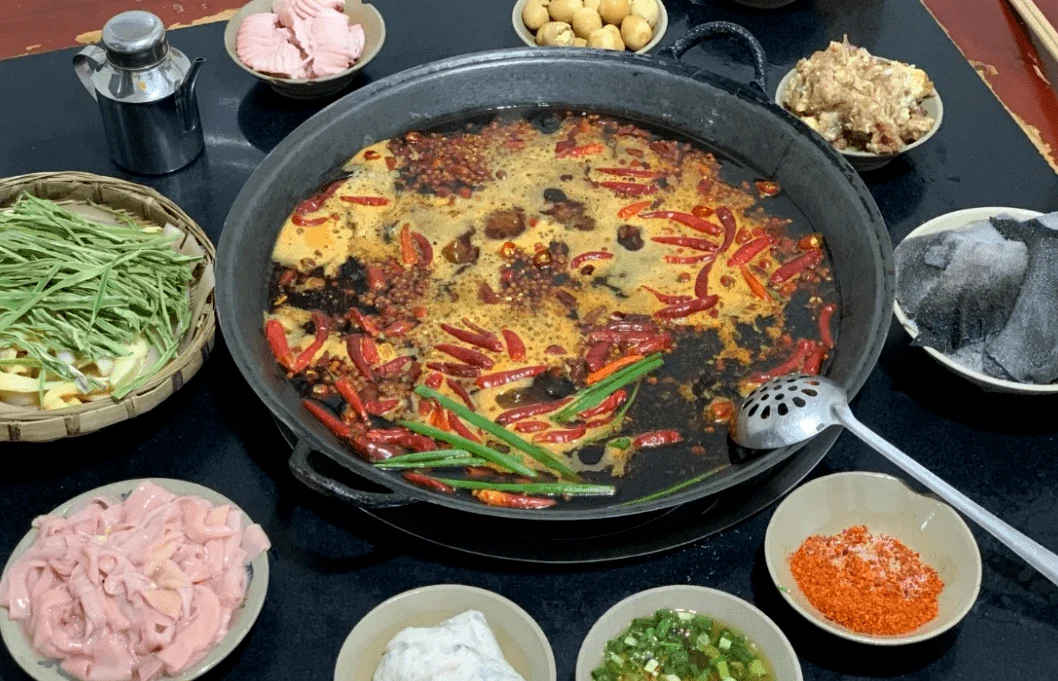
Stepping into a hotpot feast, true culinary artistry shines through carefully curated heirloom ingredients. Sitting undisputed on the throne is Maodu—fresh beef omasum tripe—the soul of Chongqing riverfront dining. Seasoned connoisseurs never drop tripe to the bottom of the pot; instead, they strictly observe the “seven-up, eight-down” technique, dunking and lifting each slice seven or eight times over ten to fifteen brief seconds. Pulled out at peak perfection, the tripe curls slightly, preserving an irresistible crunch while soaking up fiery mala broth. Close behind Maodu come Huanghou (crisp, ivory-white pig or beef aorta), silky blocks of fresh duck blood curd that glide into the broth like tender jade, and slices of green-peppercorn-marinated beef infused with layers of secret herbal spices.
Completing this elaborate ritual, the traditional sesame-oil dipping bowl holds the secret to Bashu palate harmony. Unlike thick northern sesame pastes, an authentic local dipping bowl brims with cold-pressed pure sesame oil accented with a spoonful of freshly crushed garlic, chopped cilantro, glossy oyster sauce, and a splash of aged Zhenjiang black vinegar. The sesame oil forms a soothing coating that instantly cools morsels lifted from boiling chili oil, protecting the throat and stomach lining from fierce heat while black vinegar and garlic stimulate digestion and balance the richness of beef tallow. As the meal winds down, a chilled bowl of crystal-clear Bingfen (ice jelly) drenched in dark brown cane syrup and topped with dried hawthorn flakes and crunchy roasted peanuts delivers a refreshing finale that washes away lingering spice.
Diving into Chongqing’s hotpot scene is far more than a lavish meal—it is a sensory adventure best approached with thoughtful timing and local culinary know-how. Unlike many northern cities with earlier dining hours, the Fog City stays awake alongside bubbling red cauldrons from late afternoon until dawn. Most renowned hotpot restaurants clustered around the Yuzhong Peninsula, Jiefangbei commercial district, Guanyinqiao, and historic Hongya Cave welcome guests from 10:30 AM until 2:00 AM, while many classic alleyway joints keep fires burning all night to fuel Chongqing’s vibrant late-night dining culture.
To navigate Chongqing’s intricate multi-level terrain, the Chongqing Rail Transit (CRT) metro system is both the smartest and most scenic way to get around. CRT Line 2 curves dramatically along the Jialing River past famous Liziba Station, while Lines 1 and 6 link storied culinary hubs in Shapingba and Nan’an. Ride-hailing apps and iconic yellow local taxis also offer convenient, affordable transport, typically costing just 10 to 30 RMB for short inner-city trips. For payments, China’s digital economy is nearly universal, so international visitors should set up Alipay or WeChat Pay linked directly to an international Visa or Mastercard beforehand. Although cash remains legal tender, most modern hotpot parlors and street eateries rely on QR-code scanning for seamless table-side ordering and payment.
Budgets for a Sichuan spicy or Chongqing Yuanyang hotpot feast vary flexibly by setting. At down-to-earth neighborhood parlors tucked down back alleys or along old riverbanks, expect to spend around 80 to 120 RMB per person (roughly 280,000 to 420,000 VND), covering rich beef-tallow broth, plates of fresh maodu tripe, crisp duck intestines, and fresh greens. Dining at sprawling hillside culinary landmarks like Pipa Yuan or heritage hotpot flagships with elaborate traditional decor typically ranges from 150 to 250 RMB per diner. One essential stomach-saving tip for international travelers is choosing the right spice level: unless you are already accustomed to the full punch of Hanyuan peppercorns and Shizhu chilies simmered in thick beef tallow, firmly order “Wei La” (mild spice) or at most “Zhong La” (medium spice)—and never gamble on “Te La” (extra spicy) on your very first meal.
As for entry formalities, reaching the land of Bashu has never been easier thanks to China’s 144-hour visa-free transit policy available at international ports such as Chongqing Jiangbei International Airport (CKG), allowing travelers holding onward tickets to a third country to stay and explore the city’s highlights. For longer stays, streamlined group visas typically take just three to five business days to process. To savor genuine local flavors without hidden fees or pressure at closed commercial shopping stops, opting for transparent “No Shopping” itineraries guarantees your travel budget goes straight toward authentic experiences. If you wish to unwind and immerse yourself in the intoxicating aromas of Chongqing’s legendary hotpots without worrying about complex logistics, booking a thoughtfully curated all-inclusive tour package offers an effortless gateway into the soul of one of East Asia’s most captivating culinary capitals.