

















Kunming’s historic urban fabric weaves a delicate balance between traditional heritage and contemporary city life, where upturned eaves of ancient pavilions nestle beside glittering skyscrapers. Kunming Old Town—and especially the Jinma Biji Archways (金马碧鸡坊 – Jīnmǎ Bìjī Fāng, the Golden Horse and Jade Rooster Archways)—stands as an eloquent monument to this historical and cultural synthesis. Two grand, ornate ceremonial archways symbolize auspicious guardians in Chinese folklore: the Golden Horse and the Emerald Rooster. According to local legend, once every sixty years on the autumn equinox at dusk, the shadow of the Golden Horse Archway aligns precisely with the shadow of the Jade Rooster Archway—a rare optical alignment symbolizing Yin-Yang harmony and prosperity. Crafted in classic Yunnan style with intricate woodcarvings, sweeping tiled roofs, and vivid pigments, the surrounding moss-rimmed bluestone alleys invite travelers past historic timber houses, traditional silversmith and ceramic workshops, and cozy teahouses fragrant with aged Pu-erh tea. Kunming’s cultural tapestry reflects more than twenty-five ethnic minority groups living in harmony, each preserving distinctive customs, languages, attire, music, and culinary arts—from the fiery Torch Festival of the Yi and graceful dances and fine embroidery of the Bai to the world-renowned UNESCO World Heritage Hani Rice Terraces in neighboring Honghe. While Kunming’s urban core preserves intimate historic quarters, it also serves as the direct gateway to the Shilin Stone Forest (石林 – Shílín), a UNESCO World Natural Heritage geological wonder no visitor to Yunnan should miss. Historic Buddhist sanctuaries such as Yuantong Temple, neighborhood shrines, seasonal festivals, and colorful local markets come together to form a vivid living portrait inviting unhurried exploration.
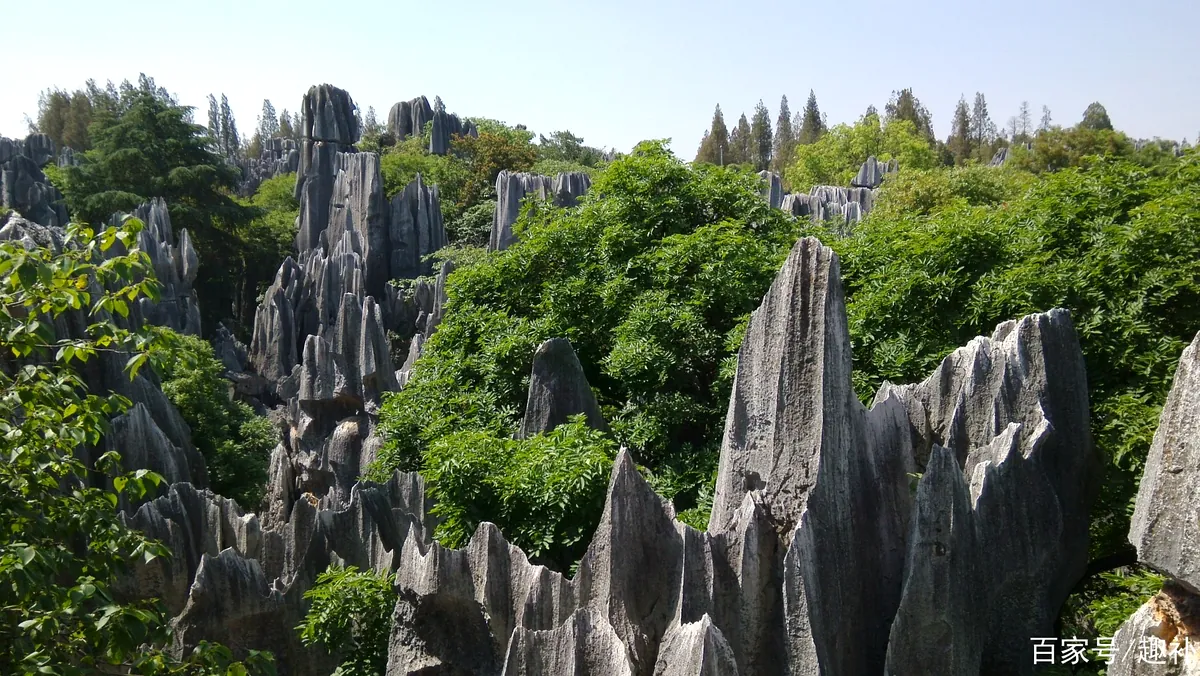
Kunming is a true gathering place of world-class scenic wonders, each holding its own story and distinctive beauty capable of enchanting every traveler. Foremost among them is the Shilin Stone Forest, a monumental geological marvel inscribed as a UNESCO World Natural Heritage Site. Located roughly 90 kilometers southeast of downtown Kunming, Shilin feels like an otherworldly realm where thousands of colossal limestone formations rise dramatically from the earth, resembling a petrified primeval forest sculpted over millions of years. Razor-sharp karst pinnacles, towering stone spires, and massive weathered monoliths carved by wind, rain, and subterranean water create a karst landscape unmatched anywhere on Earth. Visitors can wander through labyrinthine stone corridors, discover hidden caverns and crystal-clear pools mirroring rocky crags, and hear legends of Ashima—the beloved heroine of the indigenous Sani branch of the Yi people whose spirit is immortalized in stone—while experiencing living Yi music, embroidery, and traditions.
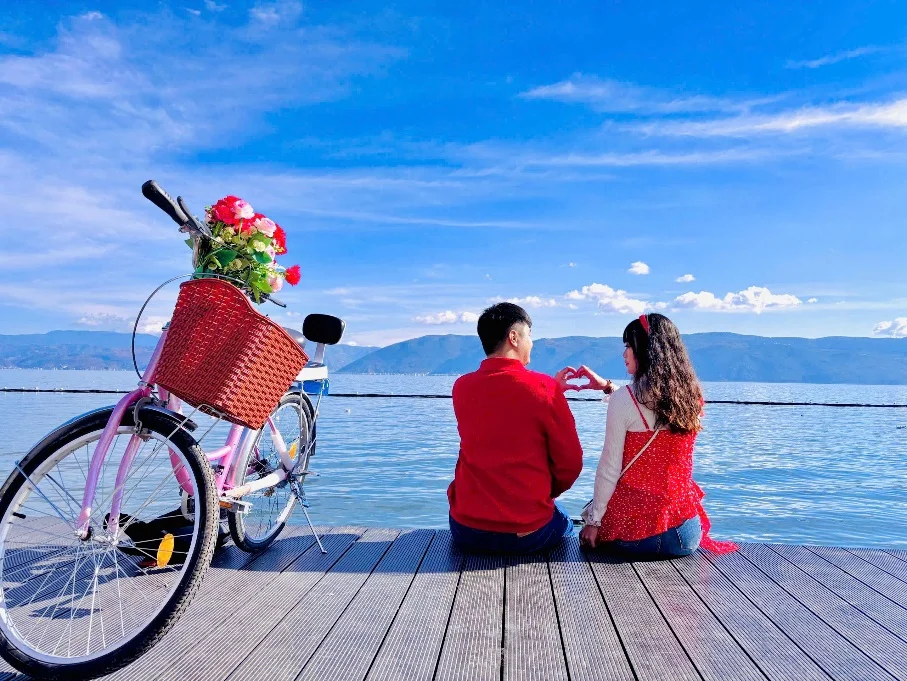
Embracing the southern edge of the city, Dianchi Lake (滇池 – Diānchí) gleams like a vast turquoise jewel—the largest freshwater lake in Yunnan and the sixth largest in China. Far more than a vital water lifeline for Kunming, Dianchi offers deeply poetic scenery, especially in winter when tens of thousands of black-headed gulls migrate thousands of miles from Siberia to winter along its shores. Wheeling across open waters, perching on wooden boats, and swooping gracefully down to take treats directly from visitors’ hands, they create an unforgettable bond between humanity and nature. Lining the northern shore of Dianchi is Daguan Pavilion Park (大观楼公园 – Dàguānlóu Gōngyuán), one of Kunming’s oldest and most celebrated lakeside gardens uniting classical Chinese garden design with literary mastery. At its heart stands Daguan Pavilion, a stately three-story tower with upturned eaves and delicate carvings reflected in still lake waters. Its enduring fame rests on the legendary 180-character couplet (Daguanlou Changlian – 大观楼长联) inscribed on its entrance pillars, composed during the Qing dynasty by scholar Sun Ranweng. Celebrated as the longest and finest poetic couplet in Chinese literary history, its verses extol Yunnan’s sweeping mountains, Dianchi’s shimmering expanse, and poignant reflections on dynastic rise and fall—inviting visitors to linger in quiet contemplation amid shaded gardens, arched stone bridges, and vibrant flower beds.
Continuing this heritage journey, Yuantong Temple (圆通寺 – Yuántōng Sì) ranks among Kunming’s oldest and grandest Buddhist monasteries, renowned for its singular architectural layout and sacred serenity. Founded during the Tang dynasty in the eighth century and thoughtfully restored across subsequent eras, the temple features a rare “temple-within-a-pond” design in which its main halls sit atop a tranquil islet set inside a semicircular emerald pool. Graceful stone bridges lead across the water to solemn halls housing majestic Buddha statues shrouded in drifting sandalwood incense. Beyond serving as an active center of devotion, Yuantong Temple is a living gallery of Buddhist sculpture and murals—and uniquely houses a Thai-style Theravada Buddhist shrine within its grounds, reflecting centuries of spiritual exchange between China and Southeast Asia.
Equally indispensable is Kunming Old Town—especially the Jinma Biji quarter, which rewards unhurried exploration far beyond its monumental archways. Its web of stone-paved lanes feels suspended in time, lined with traditional craft ateliers selling hand-worked silver and ceramics, cozy eateries serving authentic Yunnan specialties, and heritage teahouses brewing prized Pu-erh tea. After sunset, glowing lanterns, lively street stalls, and cultural performances fill the quarter with festive warmth, seamlessly uniting past and present as local artisans keep centuries-old crafts alive. From the surreal limestone spires of Shilin and gull-filled waters of Dianchi Lake to poetic Daguan Pavilion, serene Yuantong Temple, and vibrant Jinma Biji, Kunming captivates travelers with boundless grace and priceless heritage.

No journey to Kunming is complete without savoring its distinctive culinary heritage, where highland forest bounty meets refined Chinese cooking techniques. Yunnan cuisine—and Kunming’s table in particular—is celebrated for extraordinary ingredient diversity, highlighted by prized wild forest mushrooms and edible blossoms prepared with regional flair. The undisputed icon of Kunming gastronomy is Crossing-the-Bridge Rice Noodles (过桥米线 – Guòqiáo Mǐxiàn). More than a dish, it carries a touching legend of wifely devotion and thermal ingenuity: rich chicken-and-pork bone broth simmered for hours is sealed beneath a shimmering layer of golden chicken oil that traps heat near boiling point, served alongside separate plates of silky rice noodles, paper-thin slices of chicken, fish, and pork, crisp greens, and quail eggs. Diners slide each ingredient sequentially into the piping-hot broth to cook fresh at the table—yielding a clean, deeply comforting harmony of flavors. Equally celebrated are Kunming’s wild mushroom delicacies: Yunnan is China’s mushroom kingdom, home to hundreds of edible varieties from prized matsutake (松茸 – Sōngróng) to aromatic black truffles (黑松露 – Hēi Sōnglù), featured in fragrant stir-fries, braises, and nourishing wild mushroom hot pots each summer and autumn.
Another must-try local treat is the Yunnan Flower Cake (鲜花饼 – Xiānhuābǐng), a flaky pastry filled with fragrant, honey-cured edible rose petals that delivers delicate floral sweetness and makes an ideal souvenir. Tea culture also lies at the heart of daily life in Kunming: Yunnan is the birthplace of Pu-erh tea (普洱茶 – Pǔ’ěr Chá), a storied fermented tea prized as the “vintage wine of teas” for deepening in complexity with age, best experienced in tranquil local tea salons. Street food lovers can also sample crispy fried stinky tofu (臭豆腐 – Chòu Dòufu) and spiced Yunnan potatoes (洋芋 – Yángyù), while traditional restaurants showcase restorative black-boned chicken hot pot (乌鸡火锅 – Wūjī Huǒguō), steamed Dianchi fish, and rustic Yi ethnic specialties—turning every meal into an intimate celebration of Yunnan hospitality.

Kunming’s modern transportation infrastructure has transformed the city into a vital hub linking domestic China with neighboring Southeast Asia. Kunming Changshui International Airport (昆明长水国际机场) ranks among China’s largest and most modern aviation gateways, connecting Yunnan with hundreds of destinations worldwide—including direct flights from Vietnam. Meanwhile, China’s high-speed rail network (CRH) dramatically compresses overland travel times to major cities such as Shanghai, Beijing, Chengdu, and Chongqing, while the cross-border China–Laos Railway linking Kunming directly with Vientiane opens exciting overland travel corridors. Within the city, an expanding modern metro network and comprehensive bus routes make navigating between landmarks fast and effortless.
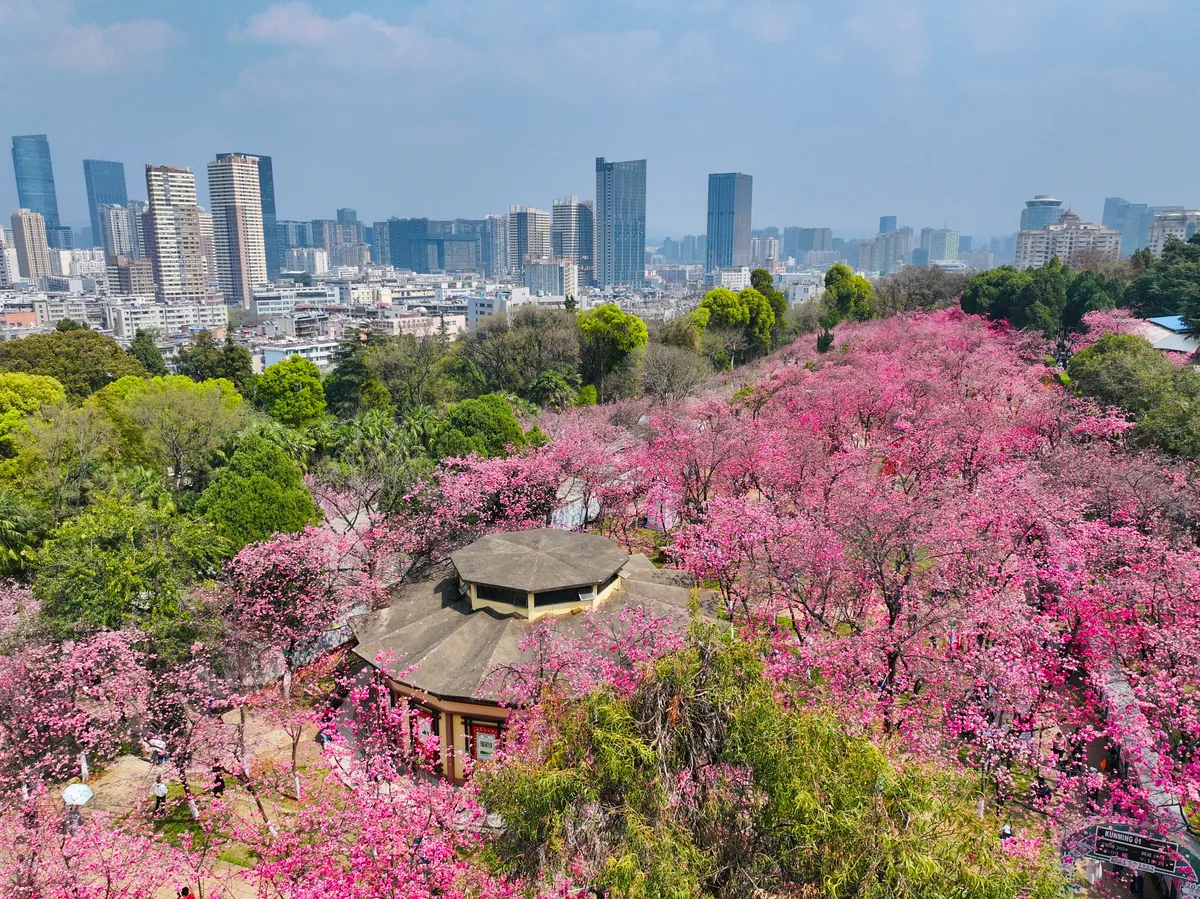
When it comes to choosing the best time to visit Kunming, its title as the “City of Eternal Spring” says it all: mild year-round temperatures averaging 15–20°C make it rewarding in every season, though each brings distinct highlights. Spring (March–May) blankets the city in vibrant cherry, peach, and golden rapeseed blossoms alongside lively ethnic minority festivals. Summer (June–August) stays pleasantly cool compared to much of China, offering a refreshing mountain escape punctuated by brief cleansing showers and peak wild mushroom season. Autumn (September–November) brings crisp air, clear blue skies, and golden sunshine ideal for strolling Dianchi Lake, Daguan Pavilion Park, and the Shilin Stone Forest. Most magical of all, from November through March (winter), tens of thousands of Siberian black-headed gulls gather along Dianchi Lake, filling the skies with unforgettable snowy wings. Whenever you arrive, Kunming welcomes you with timeless scenery and genuine warmth.
To ensure a smooth and memorable trip from Vietnam, VDS Travel shares several essential practical tips. First and foremost is securing your visa: Vietnamese citizens require a Chinese tourist visa prior to departure, so prepare supporting documents and submit your application well ahead of your travel dates—a process our team at VDS Travel gladly assists with from start to finish.
Second, regarding currency and payments: modern China operates as a nearly cashless society powered by mobile wallets Alipay (支付宝) and WeChat Pay (微信支付), accepted everywhere from flagship department stores to tiny street stalls. Physical cash and foreign swipe cards can be inconvenient at smaller vendors, so install and link your international Visa or Mastercard to Alipay or WeChat Pay before departure while keeping a small reserve of RMB cash for emergencies.
Third, for connectivity and internet: purchasing a China travel eSIM before departure is the smartest choice, giving you instant data upon landing for maps, translation apps, and messaging. Keep in mind that Western platforms such as Google, Facebook, Instagram, and WhatsApp are restricted in mainland China; if you need access, install and test a reliable VPN prior to your trip.
Fourth, regarding clothing: although Kunming enjoys mild spring-like weather year-round, day-to-night temperature swings can be brisk—especially in winter or at higher elevations like the Shilin Stone Forest. Pack versatile layers (a light jacket or sweater) alongside well-cushioned walking shoes for extensive sightseeing on stone paths, plus a warm coat, scarf, and gloves if visiting Dianchi Lake to feed gulls in winter.

Finally, traveling with VDS Travel turns a good trip into an extraordinary heritage journey. Drawing on deep expertise in curated cultural tours, our specialists design thoughtful itineraries enriched with historical, cultural, and geographic insights that let you truly connect with Kunming’s soul rather than merely rushing past sights. From visa support, transport, and handpicked hotels to authentic regional dining and stories hidden behind every ancient stone, let VDS Travel be your trusted companion to an unforgettable, deeply authentic Kunming experience.
