Nestled across the soaring highland plateau of southwestern China—where layered mountain ranges remain veiled in blue mist year-round and vast primeval forests cradle crisp, pure air—Yunnan has been hailed since antiquity as a kingdom of rare botanicals and extraordinary fungi. Within the boundless ocean of Chinese culinary culture, Yunnan Wild Mushroom Hotpot (Chinese: 云南野生菌火锅) is far more than a delicacy that nourishes body and spirit; it is a quiet chronicle recording centuries of interplay between traditional health-preserving arts, the feudal tusi chieftain system, and the tides of historical transformation.
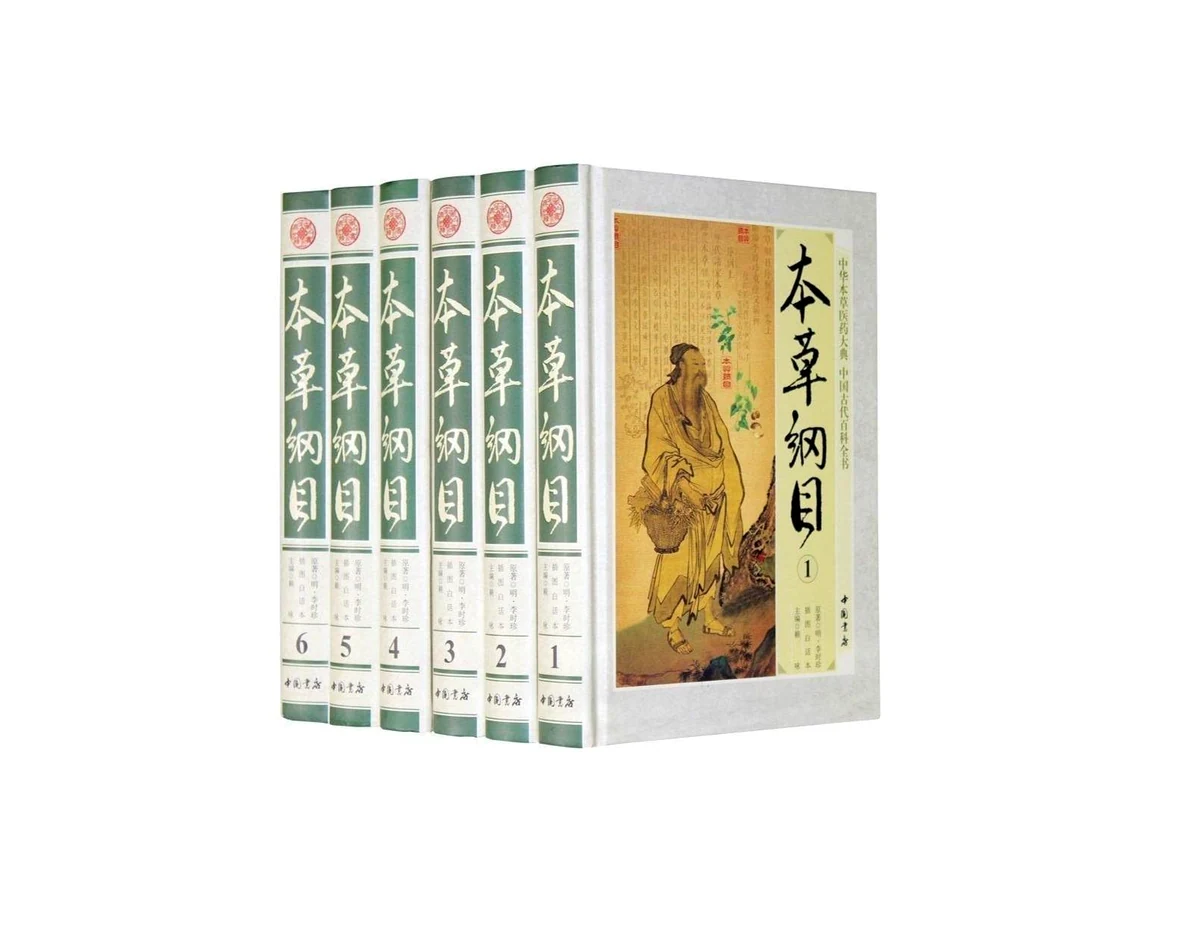
The integration of wild mushrooms into daily nutrition and therapeutic practice was most vividly documented during the Ming Dynasty. When the illustrious physician Li Shizhen devoted his life’s work to compiling the monumental medical treatise Compendium of Materia Medica (Bencao Gangmu), the remote highlands of Yunnan emerged as an invaluable pharmacopoeia. In his meticulous studies, Li Shizhen classified numerous wild fungi from the deep mountain valleys of Dian (Yunnan) as superior-grade medicinal ingredients, detailing their efficacy in strengthening the spleen and stomach, replenishing qi and blood, aiding digestion, and dispelling accumulated toxins from the body. This deep grasp of the principle that medicine and food share the same origin elevated local mushroom foraging into a way of life rooted in harmony with heaven and earth.
By the Qing Dynasty, the prestige of Yunnan’s wild mushrooms extended well beyond humble rural kitchens, crossing the guarded thresholds of the northern imperial court. Under the governance of hereditary tusi chieftains along the rugged Dian–Chuan border separating Yunnan and Sichuan, wild mushrooms dried over deep-forest charcoal became a supreme imperial tribute. To preserve their pristine aroma for the Manchu emperor inside the Forbidden City, tribute caravans carried these prized fungi across thousands of miles, traversing mountain passes and rushing rivers along the legendary Ancient Tea Horse Road. Their extreme rarity and enigmatic fragrance made wild mushrooms one of the most luxurious highlights in the imperial kitchens of feudal China.
Despite basking in the aura of royal tribute, wild mushrooms in everyday folk life remained for centuries mostly confined to rustic earthenware soup pots prepared by ethnic minority communities such as the Yi and Bai, as well as Han settlers. It was not until the 1990s and early 2000s—when the highland plateau opened up and a wave of tourism swept across Yunnan—that this culinary tradition reached a historic turning point. Responding to the curiosity of travelers from far and wide, talented chefs in the provincial capital of Kunming standardized ancestral mushroom-stewing rituals into a refined, full-fledged wild mushroom hotpot experience.
They skillfully paired traditional unglazed clay pots—prized for retaining heat and locking in pure flavor—with a master broth simmered from mature free-range chicken and marrow bones for six to eight hours. The gentle, steady heat of the clay vessel melded with the delicate stock to form an ideal medium, awakening the pristine flavors hidden within every fiber of wild mushroom without altering their natural medicinal properties. This landmark evolution elevated mushroom hotpot beyond a humble domestic soup, transforming a wild gift of the forest into a celebrated culinary icon intertwined with the living cultural heritage of Yunnan to this very day.
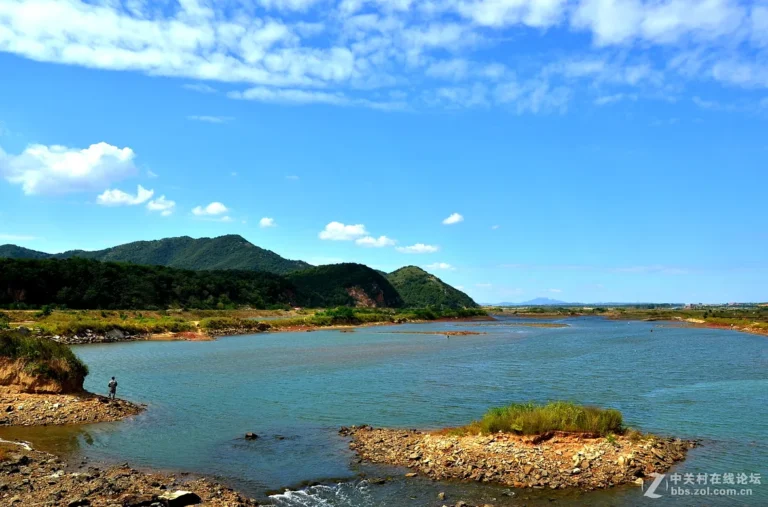
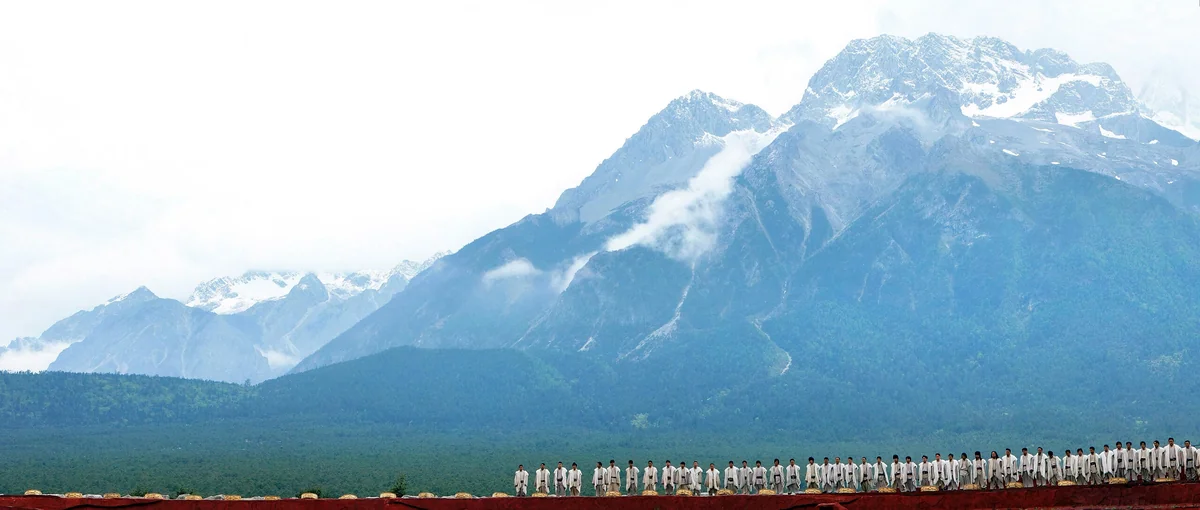
Viewed through the lens of physical geography and landscape geomancy in southwestern China, Yunnan resembles a magnificent geological tapestry supported by the spine of the Hengduan Mountains—where powerful tectonic folds collided to form deep basins framed by towering snow-capped ranges. Yunnan’s topography undergoes a vertical stratification nearly unmatched anywhere else on Earth, rising from lush tropical valleys along the Red River just tens of meters above sea level straight up to the cloud-wrapped glacial peaks of Jade Dragon Snow Mountain and Meili Snow Mountain at elevations exceeding 5,000 meters. This dramatic elevation gradient generates a temperate highland monsoon microclimate encompassing all four seasons in a single day, allowing moisture-laden winds from the Indian Ocean to funnel into the valleys and condense into dense mists that nourish primeval forests.
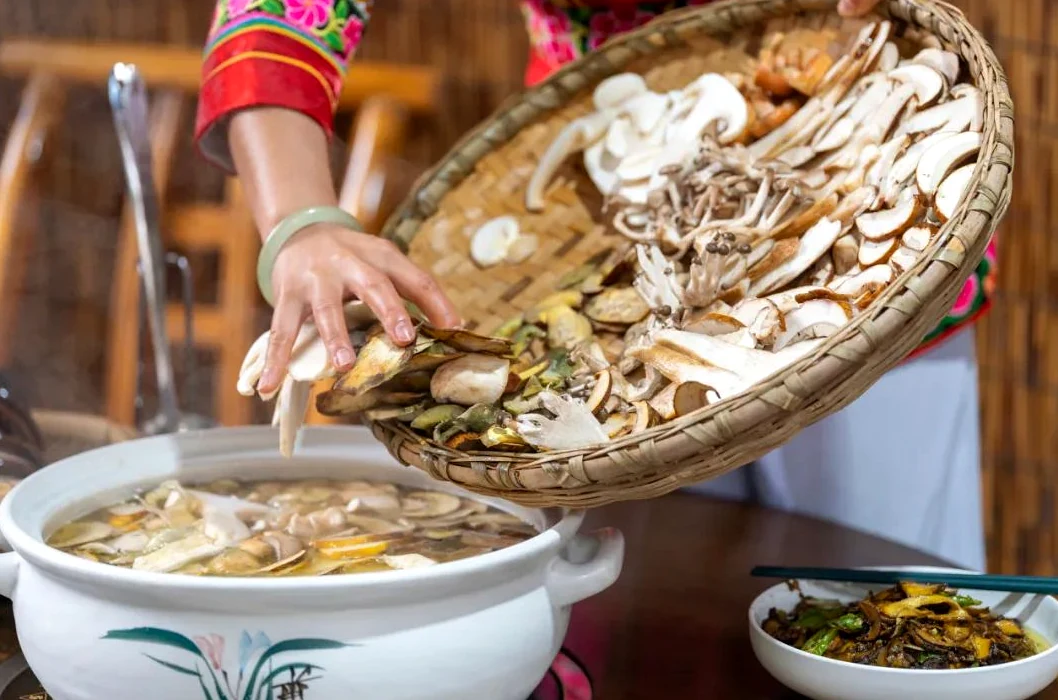
Beneath the canopy of endless red pine, ancient beech, and evergreen oak forests, millennia of accumulated organic humus have turned this land into a kingdom of more than 900 edible mushroom species—accounting for over 50 percent of the world’s edible fungi and nearly 70 percent of China’s total varieties. This auspicious terrain, which gathers vital energy and shelters it from harsh winds, stratifies fungal habitats into distinct elevation zones: from patches of bolete and snow-white termite mushrooms in the warm foothills, to fragrant matsutake-relatives and Ganba mushrooms along mid-elevation slopes, all the way to the frigid snowline where rare Matsutake and Cordyceps flourish exclusively. Nature’s meticulous arrangement makes every stretch of forest a living biological treasury, supplying an unmatched bounty of fresh ingredients for Yunnan’s famed mushroom hotpot.
Today, the journey to savor Yunnan mushroom hotpot is closely linked to the strategic travel corridor connecting the Vietnam–China border via the international twin gates of Lao Cai and Hekou, opening a vital artery leading travelers deep onto the Kunming plateau. Modern high-speed rail lines whisk passengers from the “City of Eternal Spring,” Kunming, past the ancient city of Dali, onward to historic Lijiang, and all the way to sacred Shangri-La in Diqing Tibetan Autonomous Prefecture—dramatically shrinking travel times across dramatic microclimates. Along this route, travelers witness breathtaking shifts in scenery, from rolling tea plantations in central Yunnan to vast coniferous forests cradling Yi and Naxi villages, where baskets of mushrooms foraged in the dawn mist are delivered straight to teahouses and taverns.
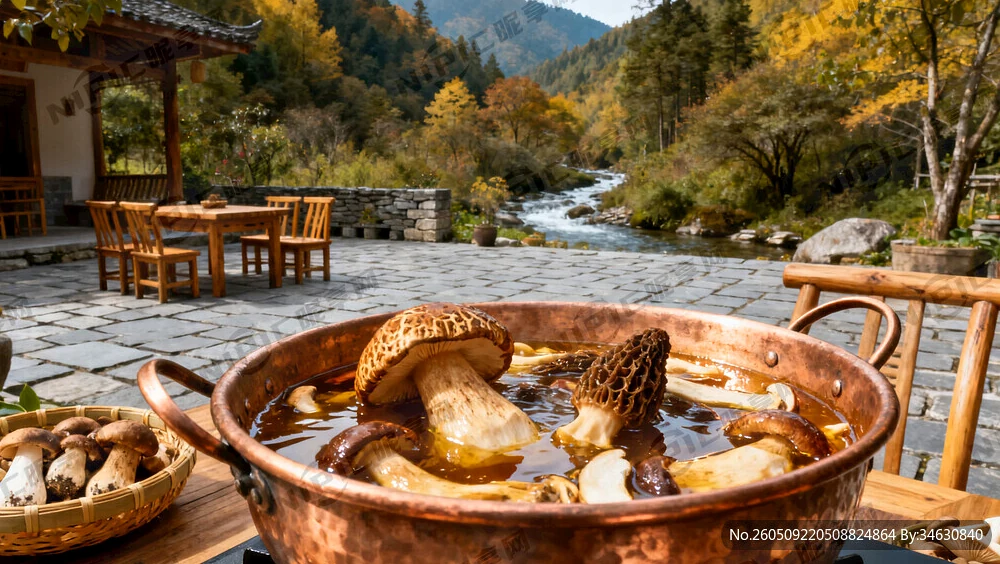
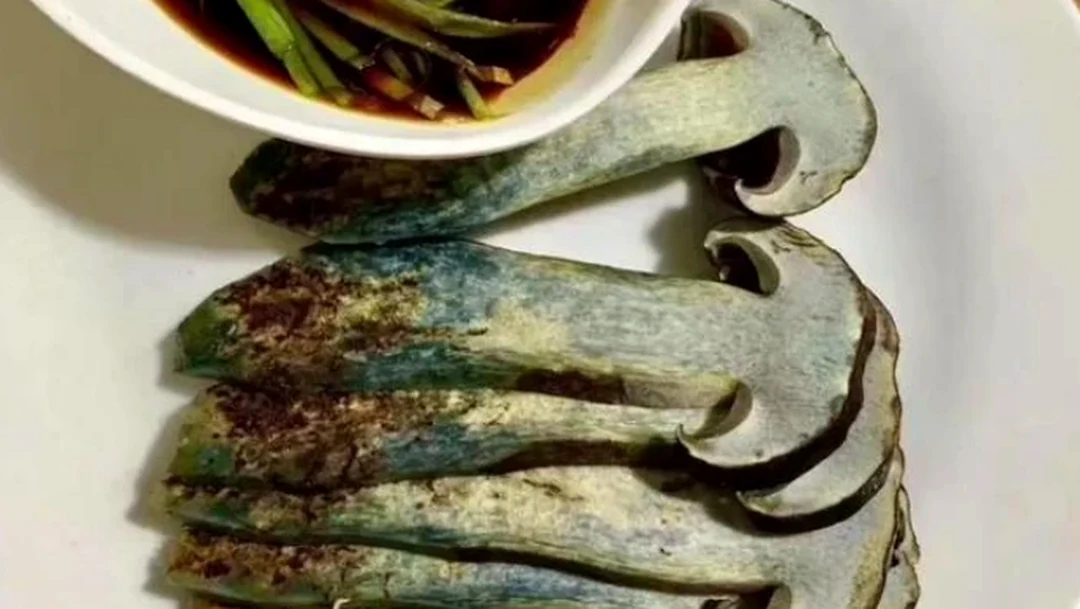
In Yunnan’s culinary culture, the technique of cooking wild mushrooms is treated as a sacred ritual executed with second-by-second precision. Because several prized wild varieties contain heat-sensitive toxins—most notably Jian Shou Qing (bruising blue boletes) and wild boletes—the mature hen and marrow-bone broth simmering inside Jianshui clay pots must be kept at a continuous rolling boil. Traditional hotpot restaurants enforce strict safety protocols using hourglasses or digital timers placed prominently beside every table; diners are strictly forbidden from dipping their chopsticks or tasting the broth until a full twenty minutes of vigorous boiling has elapsed. Only after the countdown ends and staff set aside a mandatory food-safety sample is the ceramic lid lifted, unleashing an intoxicating wave of pure, earthy aroma locked inside every mushroom slice—creating an experience that is equal parts thrilling and enchanting amid magnificent mountain scenery.
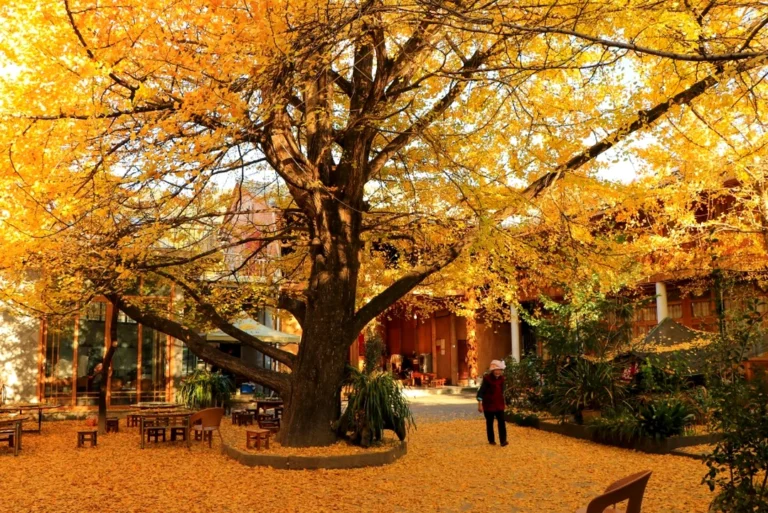
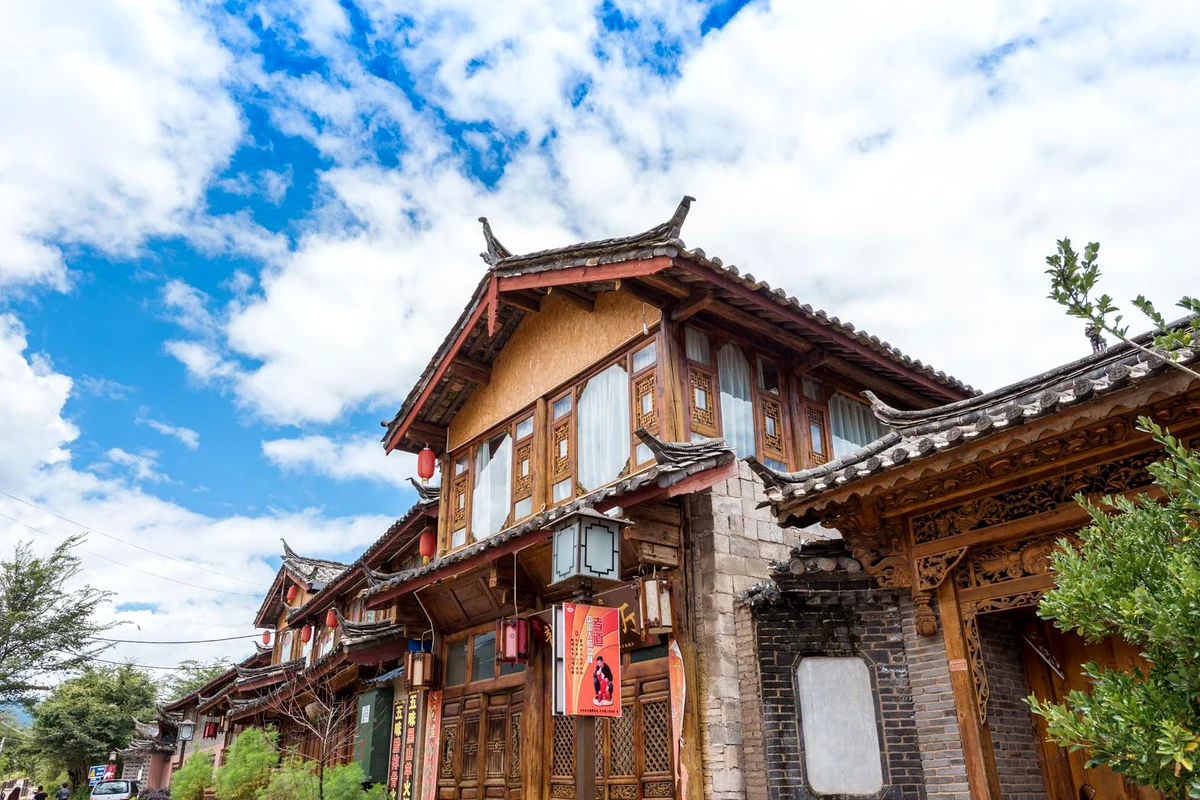
Savoring Yunnan wild mushroom hotpot is not merely a feast for the palate; it is also an immersive architectural and visual journey where traditional building crafts of borderland ethnic groups blend seamlessly with contemporary design. Defining the classic dining ambiance is the traditional timber-frame house of the Naxi people, who have lived for centuries at the foot of the majestic Snow Mountains. The structural skeleton is crafted entirely from rustic local pine wood, naturally air-seasoned to preserve its rich dark grain and subtle resinous fragrance. Sloping roofs clad in ash-gray yin-yang tiles overlap like dragon scales, offering steadfast shelter against sudden downpours across the Yunnan–Guizhou Plateau. Glowing amidst the earthy tones of timber and stone are handcrafted red lanterns made from traditional Dongba bark paper, casting a warm golden light steeped in legend that evokes night stops along the Ancient Tea Horse Road a thousand years ago.
To welcome diners from around the world, architects have thoughtfully opened up these enclosed heritage structures into airy, expansive spaces that dissolve the boundary between interior comfort and wild mountain scenery. Replacing the heavy rammed-earth partitions and thick wooden planks of old, modern dining zones are framed by crystal-clear tempered glass walls or decorative screens carved with stylized forest mushroom motifs. Floor plans frequently draw inspiration from northwestern Yunnan’s classic “Three Courtyards and One Screen Wall” (Sanfang Yizhaobi) layout, centering around a spacious open skywell. This ingenious design channels natural daylight into every corner while establishing natural air circulation—allowing mountain breezes to sweep away rising steam and rich mushroom aromas, keeping the dining room fresh, serene, and free from the stuffiness often found in conventional hotpot halls.
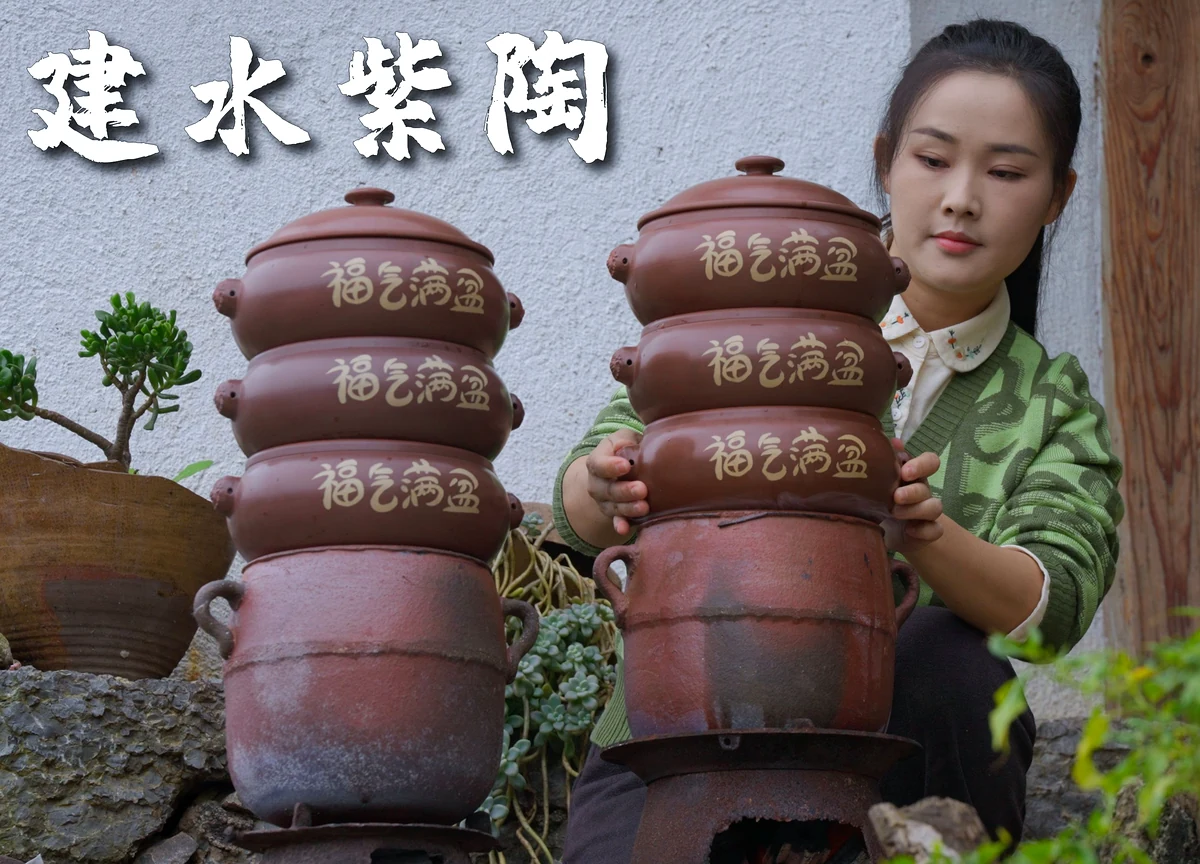
At the dining table itself, local craftsmanship shines unmistakably through specialized earthenware hotpots. Far from mass-produced glazed ceramics, these vessels carry forward the illustrious legacy of Jianshui Purple Pottery (Zitao), whose artistry dates back to the Song Dynasty. Shaped from mineral-rich red clay excavated from deep plateau strata, each pot is fired unglazed at temperatures exceeding 1,000°C and hand-burnished with smooth river pebbles. The resulting vessel boasts impressive wall thickness and a microscopic porous structure that delivers unmatched heat retention and uniform thermal distribution. During prolonged simmering, the naturally inert clay not only locks in the delicate sweetness of prized fungi such as Matsutake, Bolete, and Bamboo Pith, but also imparts subtle trace minerals that keep the broth crystal-clear and luxuriously silky.
The refinement of the dining experience reaches its height through the seamless integration of modern technology into every detail of service. Concealed flush beneath natural stone tabletops are next-generation recessed induction cooktops that operate quietly and meet rigorous hygiene and safety standards. Microprocessor-controlled induction heating not only eliminates the fire hazards and smoke of traditional open flames, but also provides degree-by-degree temperature precision. This accuracy is vital for Yunnan wild mushroom hotpot, as several wild fungi contain mild biological toxins when raw and must undergo an uninterrupted twenty-minute boil at optimal temperature to neutralize all toxins while unlocking their full natural umami. The pairing of thousand-year-old earthenware craft with concealed induction technology stands as a living testament to preserving heritage through modern ingenuity.
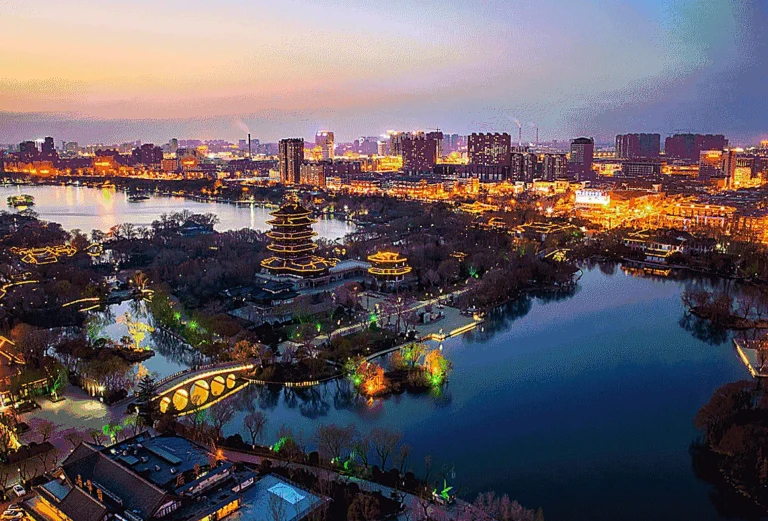
As a crimson sunset sinks behind jagged snow-capped peaks and twilight settles across Yunnan’s valleys, nightlife across this fabled plateau awakens into its most enchanting chapter. At elevations ranging from nearly 2,000 meters in Kunming to over 3,000 meters above sea level in Lijiang and the Diqing–Shangri-La grasslands, the crisp chill of alpine terrain swiftly blankets flagstone alleyways. Against this dramatic backdrop, the rich, sweet aroma of wild mushroom hotpot drifts through ancient streets, mingling with wisps of woodsmoke and the warm glow of thousands of crimson lanterns to create a culinary experience steeped in theatricality and local philosophy.
In the Old Town of Lijiang, dining spaces are intimately woven into traditional Naxi “Three Courtyards and One Screen Wall” architecture. Two-story pavilions built entirely of alpine pine and river stone nestle gracefully along the babbling Jade River canals. Beneath moss-dappled yin-yang tile roofs, red silk lanterns cast shimmering reflections onto crystal-clear waters, contrasting beautifully with billowing clouds of fragrant steam rising from hotpots at the center of each table. Settings typically feature wood-fired Jianshui pottery in deep reddish-brown hues or exquisitely handcrafted tin-lined copper pots from Dali. Accompanied by murmuring streams and lively conversation, guests sip warm green-plum or highland barley wine while watching small glass hourglasses turn—a mandatory ritual timing the exact twenty-minute rolling boil required for prized yellow boletes, matsutake, and termite mushrooms to eliminate mild natural toxins and concentrate the pure sweetness of the earth.
An evening mushroom hotpot feast goes far beyond gastronomy, uniting visual artistry with living folk music. In taverns bordering Sifang Square or lining the canals of the old town, elderly Naxi musicians play the pipa lute and sheng reed pipe to perform “Baisha Xiyue”—an ancient ceremonial orchestra tradition dating back to the Yuan Dynasty—filling the night air with deeply evocative nostalgia. Journeying further north to Dukezong Ancient Town (the Town of Moonlight) in Shangri-La, the atmosphere shifts to the hearty warmth of Tibetan hearths (“huotang”). The rich aroma of fresh matsutake harvested on the slopes of Shika Snow Mountain simmering in yak-bone broth mingles with creamy yak butter tea. Just outside, flickering bonfires illuminate circles of dancers performing rhythmic Guozhuang folk dances in silver-adorned brocade attire, their synchronized footsteps echoing across thousand-year-old cobblestones.
Lighting across Yunnan’s nocturnal dining spaces is masterfully restrained—eschewing harsh white glare in favor of warm gold, amber tones, and flickering candlelight that highlight the natural hues of forest treasures: the apricot gold of chanterelles, the deep umber of tiger-paw mushrooms, and the snow white of lion’s mane fungi. Together, an unhurried pace of life, gasps of delight as ceramic lids lift to release clouds of fragrant steam, and spontaneous street performances transform every wild mushroom hotpot dinner into a heartfelt celebration of nature, uniting humanity and the mountains in boundless warmth beneath a starry highland night.
For generations, Yunnan has been revered as the wild mushroom kingdom of the East, where dramatic topography stretching from towering red pine forests on the snow-dusted Diqing Plateau to humid central valleys sustains one of the richest fungal ecosystems on Earth. Its culinary map is woven from hundreds of mountain delicacies, crowned at the very pinnacle by Matsutake—revered as the “King of Mushrooms.” Growing wild at elevations above 3,000 meters in the primeval forests of Shangri-La, Matsutake defies every attempt at artificial cultivation, drawing pure essence from heaven and earth beneath ancient beds of fallen pine needles. Sliced thin and slipped into a delicate, sweet chicken broth, each ivory slice retains a signature crisp, snapping bite while releasing an ethereal aroma of moss, pine resin, and alpine snow, leaving an unmatched clean sweetness on the finish.
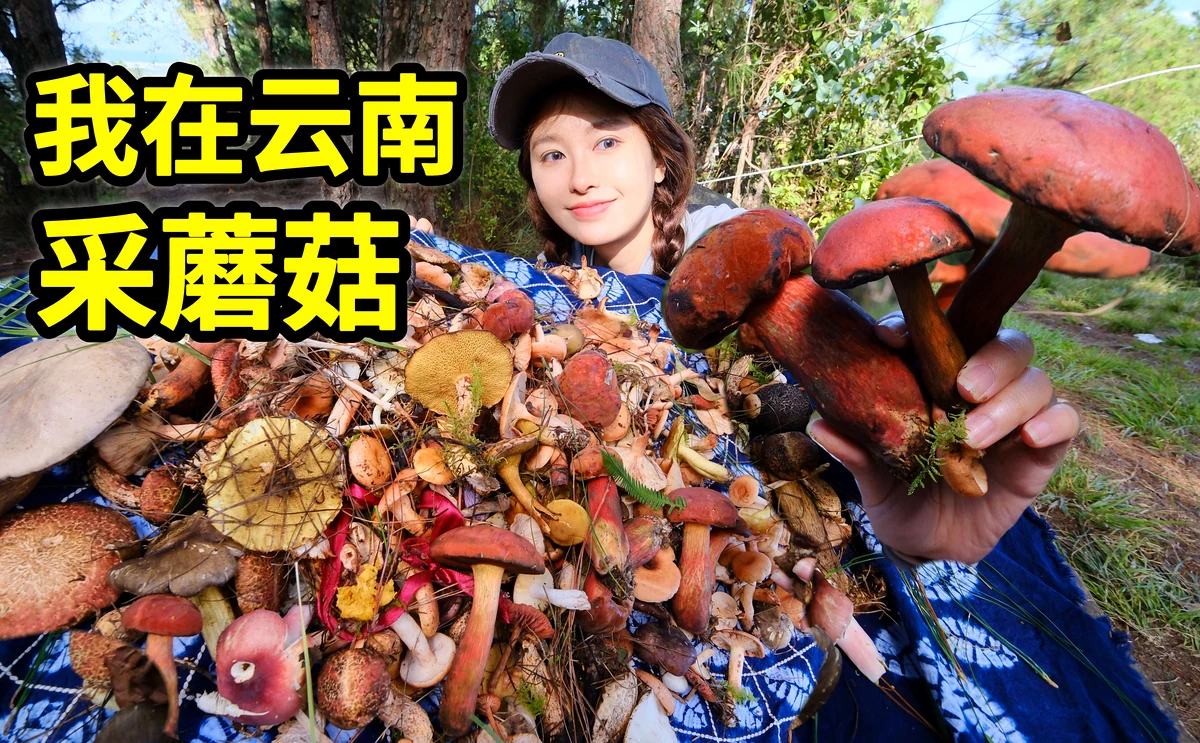
Sharing the spotlight alongside noble Matsutake on a Yunnan hotpot table is the Termite Mushroom (Jizong, Termitomyces), a singular symbiotic marvel bridging the plant and insect worlds. This prized fungus sprouts exclusively from subterranean termite nests buried meters deep beneath fertile red basalt soil. When early summer rains drench the mountains, fungal mycelium absorbs rich nutrients and specialized enzymes produced by worker termites to push upward into plump, meaty caps. Pulled apart lengthwise, the snowy white flesh of Jizong reveals a rich, savory succulence remarkably reminiscent of tender free-range chicken breast. Completing this symphony of flavors are Red Boletes (Hong Jian Shou), prized for a velvety, buttery texture that melts like chestnut cream on the tongue, alongside snow-white Lion’s Mane mushrooms (Houtougu), renowned for soaking up rich bone broth and releasing a soothing sweetness prized in traditional Chinese medicine for harmonizing the stomach.
Yet the Yunnan wild mushroom hotpot experience extends well beyond rare ingredients—it is elevated into a remarkably disciplined culinary ritual. Inside any traditional restaurant from Kunming and Lijiang to Dali, every table is presided over by a digital countdown timer or hourglass issued by the kitchen masters. A golden, non-negotiable rule passed down through generations of western Yunnan chefs dictates that the hotpot must boil vigorously over high heat for at least 15 to 20 minutes after fresh mushrooms are added. This precise thermal window completely breaks down natural heat-labile toxins and trace alkaloids potentially present in wild boletes, strictly prohibiting anyone from eating mushrooms undercooked.
Throughout those bubbling minutes, local dining etiquette strictly forbids guests from dipping chopsticks or stirring the pot, as even a single drop of raw mushroom liquid clinging to a chopstick tip can trigger mild toxicity—humorously yet respectfully described in local folklore as “seeing little people dancing.” Seasoned servers stand vigil beside each table, keeping a watchful eye on the timer and personally lifting the lid and handing over serving ladles only once the clock hits zero. The first bowl of broth is always sipped plain to awaken the senses with the pure, primal sweetness of the deep forest, before diners dip tender mushroom slices into a house dipping sauce of Yunnan soy sauce, fiery pickled chilies, numbing Zhaotong green Sichuan peppercorns, and fragrant minced garlic. This harmonious pairing creates an unforgettable crescendo of flavor, uniting nature’s untamed mystery with centuries of culinary mastery.
The golden season to embark on a mushroom-foraging expedition and savor Yunnan wild mushroom hotpot at its peak runs annually from June through October. As summer monsoon rains drench vast primeval forests from Chuxiong and Dali to the Diqing Plateau, moist forest floors awaken hundreds of prized fungal species. Visiting Kunming during these months immerses travelers in vibrant culinary energy at the Mushuihua Wild Mushroom Trading Market in Guandu District—one of China’s largest wholesale hubs for fresh wild fungi—as well as celebrated mushroom dining streets along Guanxing Road. Most specialty wild mushroom hotpot restaurants welcome guests from 10:30 AM until 10:00 PM, with several beloved traditional establishments keeping their hearths glowing until midnight to satisfy travelers craving rich mountain warmth after a long journey.
For travel logistics, visitors from Vietnam can opt for direct flights into Kunming Changshui International Airport or enjoy an overland journey paired with cross-border high-speed rail via the Lao Cai – Hekou international border gates. From Hekou, sleek modern trains glide smoothly through dramatic mountain landscapes, arriving at Kunming Station in just a few hours. Depending on itinerary routes, travelers can conveniently enter using a border travel permit or apply for an individual tourist visa or electronic group visa through licensed travel agencies. A standard wild mushroom hotpot feast typically ranges from 150 to 350 RMB per diner, depending on the grade of prized fungi selected for the table, such as top-tier Matsutake, golden boletes, or crisp termite mushrooms.
When seated before a steaming pot of fragrant broth, the single most important principle every seasoned Yunnan gourmet keeps top of mind is strict adherence to food-safety discipline. A well-known Yunnan proverb warns of the unpredictable nature of wild forest fungi, which is why restaurants equip every table with a calibrated hourglass or digital timer set for 15 to 20 minutes from the moment fresh mushrooms enter the boiling broth. Never stir the pot with personal chopsticks or taste the broth before the timer chimes and staff complete their mandatory sample-retention check. Observing this simple precaution protects diners completely from heat-sensitive toxins that could otherwise induce the whimsical hallucinations locals famously describe as “seeing tiny people dancing.”
To ensure a truly fulfilling and worry-free culinary journey through Yunnan, seasoned travelers favor pure-leisure itineraries—tours free from compulsory shopping stops—so as to avoid budget-trap packages that compromise meal quality to offset commercial commissions. Traveling with a reputable tour operator guarantees the chance to savor authentic, freshly foraged seasonal forest mushrooms rather than bland commercially farmed substitutes. You can effortlessly plan a seamless, deeply authentic highland gastronomic getaway by exploring our specially curated all-inclusive tour packages, crafted to deliver an unforgettable cultural and culinary immersion across southwestern China.