


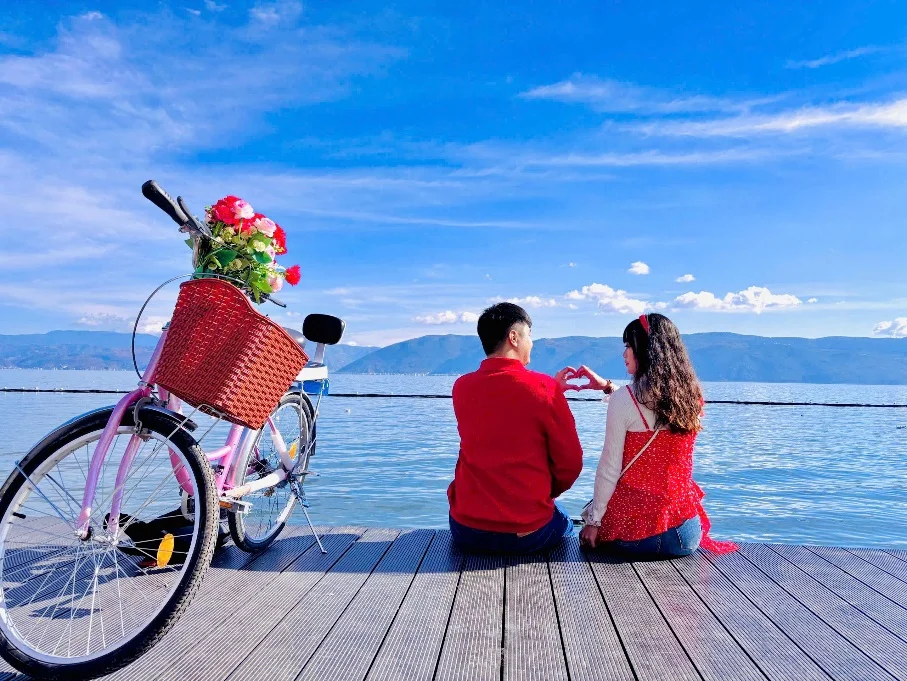
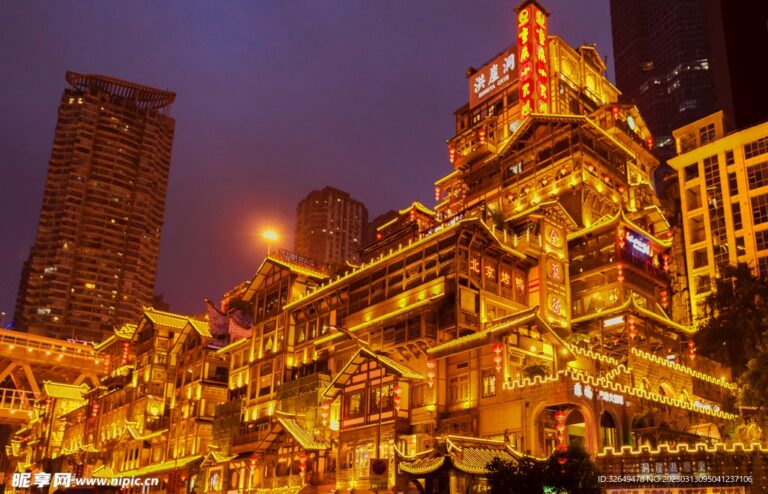
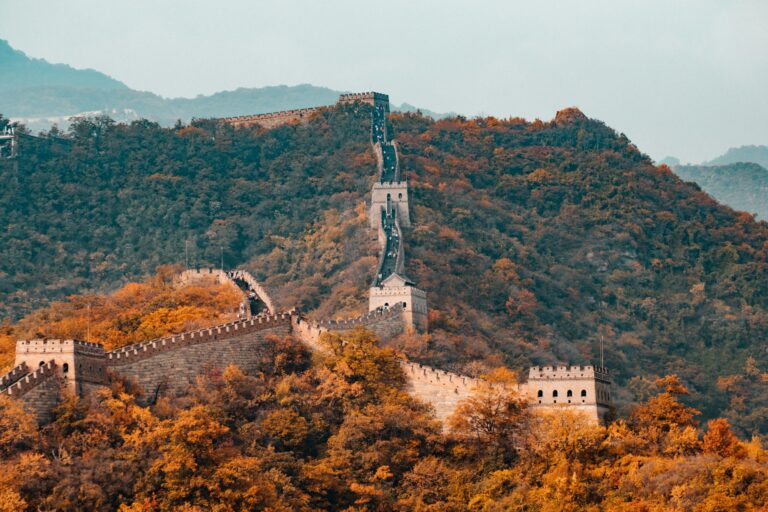
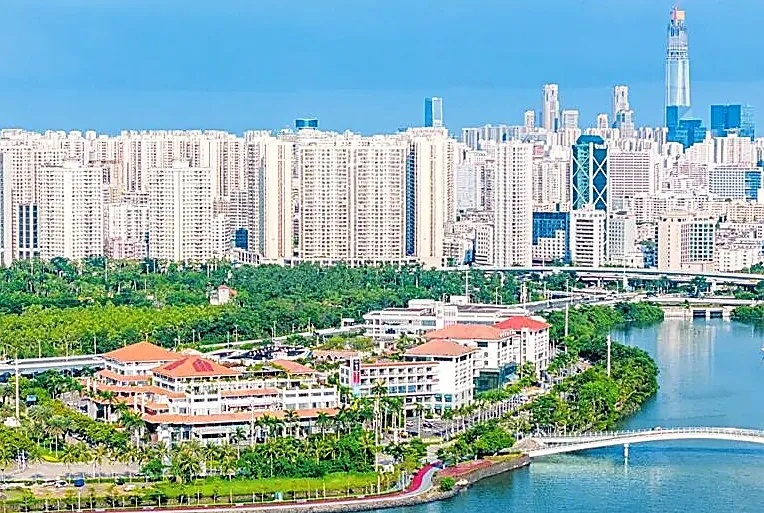
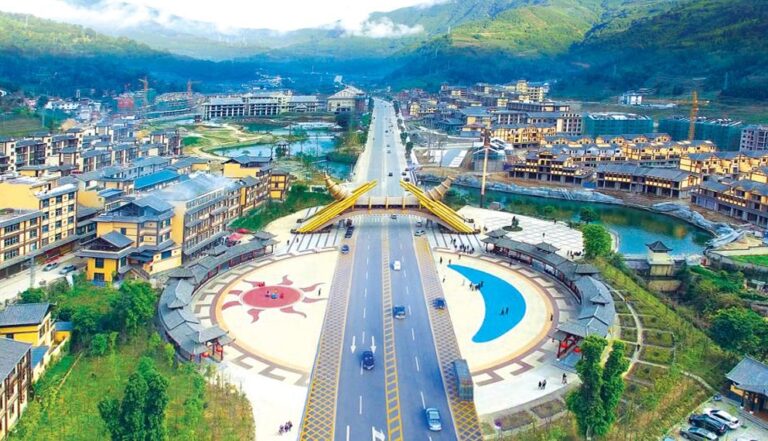

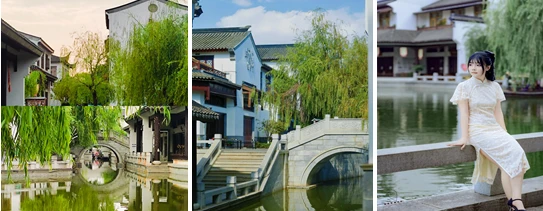


Hekou’s urban architecture stands as a vivid testament to the creative blend of historic charm and modern vitality, local identity and historical tides. While not an ancient walled town with thousand-year-old cobblestone streets like Lijiang or Fenghuang Ancient Town, Hekou possesses a distinct beauty characteristic of a border town shaped by colonial railway history and rapid modern growth. Older quarters still preserve rows of traditional concave-convex clay-tiled houses and narrow lanes built in classic Chinese style alongside French colonial landmarks—especially around the historic railway station—recalling the golden era of the Yunnan–Vietnam Railway. Although Hekou itself is not a direct UNESCO World Heritage site, the historical and engineering significance of the Yunnan–Vietnam Railway line of which it forms an anchor is widely recognized as valuable industrial and cultural heritage. Local customs in Hekou are remarkably rich, reflecting the region’s ethnic mosaic: you encounter the Yao people’s vibrant embroidered attire and traditional festival dances, the Miao people’s exquisite silversmithing and soulful folk ballads, and Han traditions such as ancestral veneration and Lunar New Year celebrations adapted gracefully to borderland life. Traditional festivals—including Dai-influenced water-splashing festivities, rain-praying ceremonies, and rites honoring mountain and river spirits—remain alive today, lending Hekou an unmistakable warmth where every street corner and local resident tells a story of past and present.
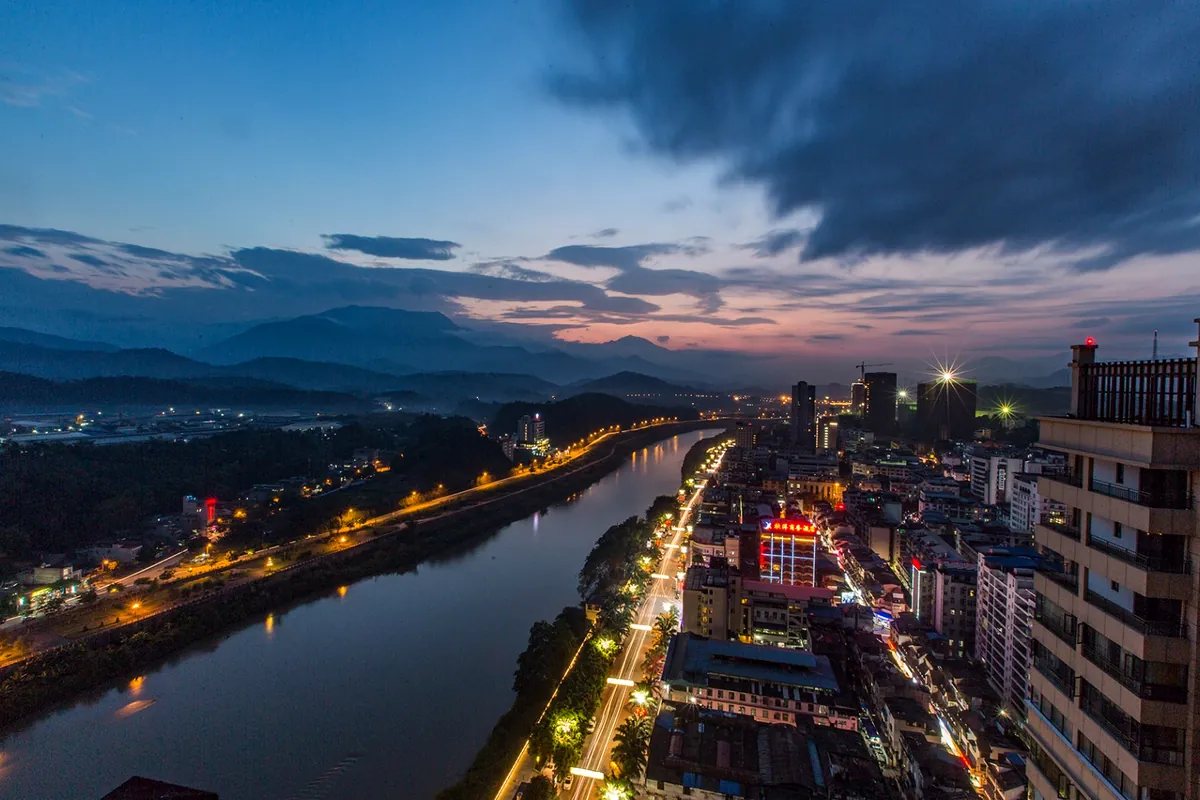
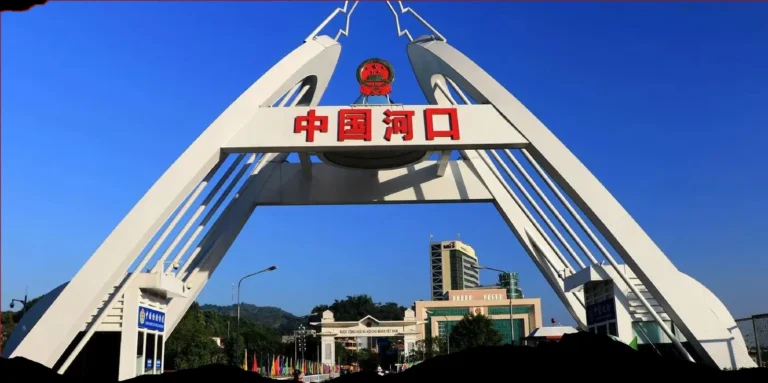
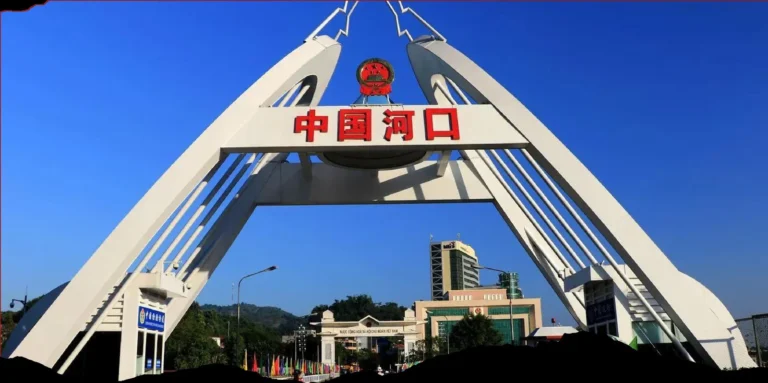
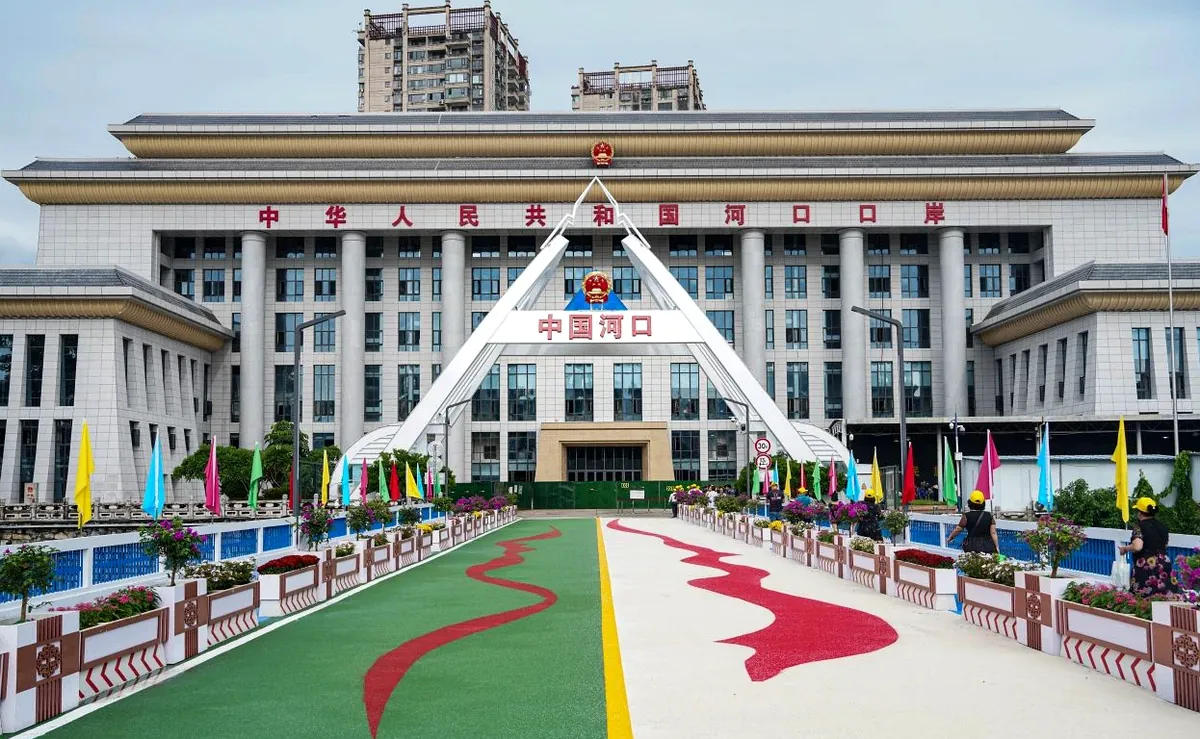
Hekou’s landmarks and attractions combine historical depth with lively contemporary energy that draws visitors from near and far. Any exploration begins at the Lao Cai – Hekou International Border Gate, one of the busiest and most vital frontier crossings between Vietnam and China. Far more than an immigration checkpoint, it stands as a living symbol of economic and cultural exchange between the two nations. The border bridge spanning the Nanxi River has witnessed decades of shared history, alive with bustling foot traffic, cargo carts, and lively cross-border commerce. For Vietnamese travelers, streamlined express Border Pass entry procedures have made visiting Hekou remarkably convenient—with just basic identification and a few quick steps opening the door to Yunnan. Just beyond lies the Hekou Old Railway Station of the century-old Yunnan–Vietnam Railway, an essential stop for lovers of history and architecture. Built in the early twentieth century by the French as a key station along the Kunming–Hai Phong line—an engineering feat and enduring symbol of colonial-era infrastructure in Yunnan—its graceful arched doorways, weathered brick walls, vintage tracks, and resting antique railcars remain intact, evoking cross-border journeys that connected two cultures and offering a favorite backdrop for photography. After dusk falls, Hekou Light Park transforms the town with modern architectural lighting and artistic light displays, turning landscaped walkways into a colorful, glowing evening promenade ideal for leisurely strolls in fresh riverside air. Continuing into the evening, Guangba Lantern Street offers an enchanting cultural experience: hundreds of crimson lanterns suspended overhead bathe the lane in warm festive light, flanked by shops selling handicrafts, souvenirs, and tempting street snacks accompanied by gentle music and savory aromas. Of course, no visit is complete without exploring Hekou’s culinary paradise—a true adventure for the palate. Visitors fall immediately for roasted milk tea (*kaonai*), a fragrant twist on classic milk tea prized for its smoky caramel richness; spicy shredded grilled squid packed with bold Yunnan heat and aroma; and piping-hot Shanghai-style steamed buns with pillowy wrappers and juicy savory fillings, reflecting culinary influences converging on the border from across China. Together, these sights and flavors make Hekou a multifaceted, endlessly engaging destination.
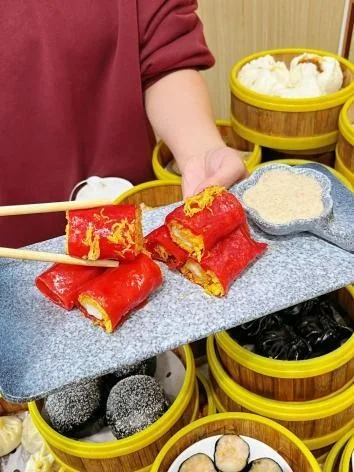
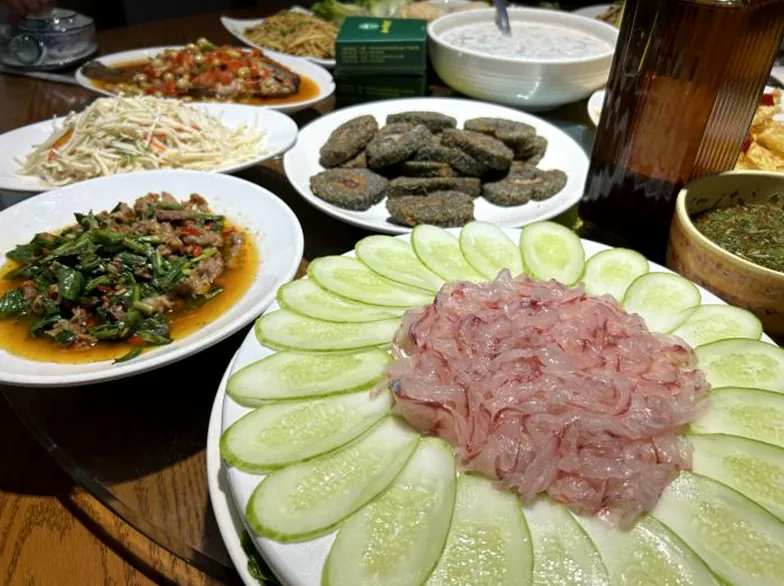
Hekou’s culinary culture represents a distinctive gastronomic tapestry reflecting deep cross-border exchange. Unlike China’s major inland culinary capitals, Hekou blends indigenous Yunnan flavors and ethnic minority traditions with subtle Vietnamese touches shaped by its border location. Alongside roasted milk tea, spicy shredded squid, and Shanghai-style buns, local tables showcase Yunnan wild mushroom hot pot (celebrating the province’s extraordinary fungal diversity) and Crossing-the-Bridge Rice Noodles (*Guoqiao Mixian*), served with scalding golden broth and fresh ingredients cooked tableside. Street-food stalls overflow with crispy spiral-cut potatoes, pungent fermented stinky tofu (*Chou Doufu*), colorful grilled skewers, and rice-based specialties such as grilled rice-paper snacks and steamed rice rolls paired with savory dipping sauces that feel warmly familiar to Vietnamese palates. Tea culture in Yunnan and Hekou favors quality leaves and unhurried fellowship over rigid ceremony: as the cradle of Pu-erh tea—prized for its earthy depth and health benefits—Hekou invites locals and travelers alike to linger in cozy roadside teahouses overlooking mountains and river. Festive banquets and family gatherings feature generous spreads of slow-cooked pork and free-range chicken dishes, crisp wild mountain greens, and fragrant local rice wine—turning every meal into a warm expression of frontier hospitality.
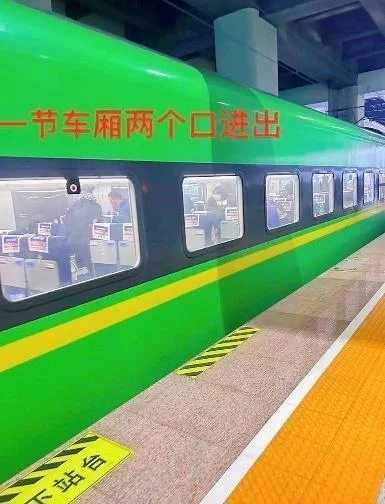
Hekou’s modern transport infrastructure continues to expand, strengthening its role as a key southern gateway for Yunnan Province linking China and Vietnam. Although Hekou does not have its own airport, access is straightforward via major regional hubs such as Kunming Changshui International Airport (KMG), followed by rail or highway connections. The Kunming–Hekou Railway links the border directly with provincial capital Kunming, while China Railway High-speed (CRH) services reach nearby Mengzi and Kaiyuan—allowing travelers to transfer smoothly onto connecting trains or coaches and cut overall transit times dramatically. Upgraded expressways and national highways also make overland road travel from neighboring provinces fast and comfortable. As for the best seasons to visit, Hekou’s humid subtropical monsoon climate offers distinct appeal year-round: Spring (March–May) brings mild, pleasant temperatures, blooming blossoms, and ethnic minority festivals; Summer (June–August) offers warm weather, abundant tropical fruits, and brief refreshing rain showers ideal for riverside outings; Autumn (September–November) is widely considered the finest season, featuring crisp dry air, clear blue skies, and ideal conditions for sightseeing and street dining; and Winter (December–February) remains cool and gentle without harsh freezes, offering quieter streets perfect for hot pot and steaming Pu-erh tea.
To make your trip to Hekou as smooth and rewarding as possible, keep a few essential field tips handy. First, check your border entry documents: alongside a standard passport and visa, Vietnamese citizens can apply for an official Border Entry-Exit Pass (*Sổ thông hành biên giới*), permitting short-term entry and stays within designated zones of Hekou—ideal for a convenient day trip—though you should always confirm current regulations prior to travel. Second, prepare for China’s virtually cashless payment economy: mobile QR apps like Alipay and WeChat Pay are the primary payment methods across Hekou, so set up and link an international bank card before departure while carrying only a small amount of RMB cash for tiny stalls or emergencies. Staying connected is effortless with a China travel eSIM or physical SIM card purchased online ahead of time for instant access to maps and translation apps. Pack breathable clothing for summer, warmer layers for winter, a compact umbrella or rain jacket during the June–September rainy season, comfortable walking shoes, a light evening jacket, and a universal plug adapter (China uses Type A, C, and I outlets). Finally, for a seamless, worry-free journey, traveling with VDS Travel offers unmatched peace of mind: our thoughtfully curated itineraries go beyond headline sights to uncover the stories behind every alley and dish, supported by experienced, knowledgeable guides who handle language, customs, and logistics so you can immerse yourself fully in the vibrant spirit of this historic border town.
