







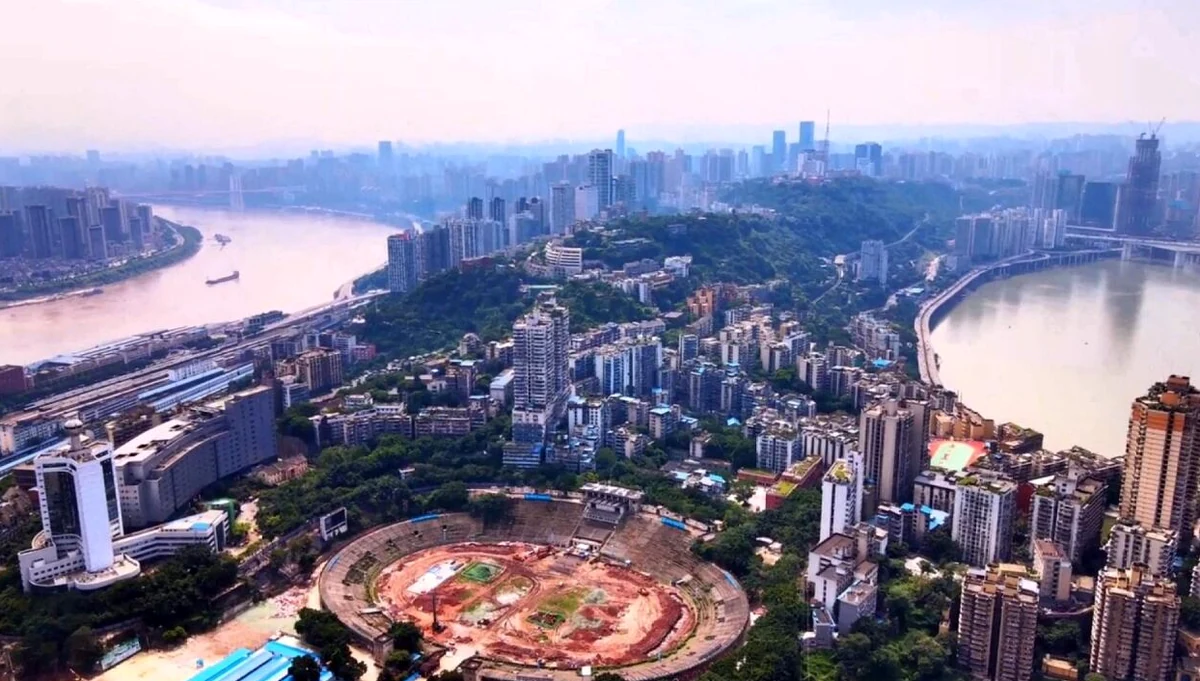
Turning the pages of chronicles, Chongqing emerges as a heroic historical witness, with the cultural current of Ba-Yu (巴渝) surging unceasingly through millennia. This land has a history of formation and development dating back to the Neolithic period, with archaeological sites testifying to the existence of the Ba civilization (Ba Kingdom) from over 3,000 years BCE. The Ba Kingdom was a powerful force in southwestern China, renowned for its distinctive bronze culture and courageous warrior spirit. The imprint of Ba culture is manifested through unique weapons, pottery, and sculptural art, reflecting an organized society rich in identity. During the Qin Dynasty, after unifying the six states, this region was annexed into the empire and renamed Ba Commandery. Throughout the course of feudal history, Chongqing served as the political, economic, and cultural center of the Southwest region, witnessing the prosperity of numerous dynasties from the Han, Three Kingdoms, Sui, Tang, Song, and Ming to the Qing Dynasty. Notably, during the Three Kingdoms period, the Ba region belonged to Shu Han ruled by Liu Bei, and later, during the Southern Song Dynasty, it was named “Chongqing” (重慶 – meaning “double blessing” or “repeated celebration”) by Emperor Guangzong, who ascended the throne twice here, carrying the meaning of glory and prosperity. Through all historical vicissitudes, Chongqing has consistently maintained its crucial strategic role, becoming a crossroads of diverse cultures and a solid pillar for regional development.
The pinnacle of Chongqing’s historical role came in the 20th century, particularly during the Second Sino-Japanese War (1937–1945). Chongqing became the provisional capital of the Republic of China under the leadership of Chiang Kai-shek after the fall of Nanjing. During 8 arduous years of resistance, the city endured devastating bombings by the Japanese military, yet the people of Chongqing, with their resilient and indomitable spirit, turned the place into a symbol of resistance and the will for independence. Massive air-raid shelters and mountain-piercing tunnels hastily constructed during this period shaped a unique part of the city’s underground architecture. After the war, Chongqing continued to be a vital heavy industrial center, making immense contributions to China’s modernization endeavor. From a resistance center, Chongqing has soared powerfully, transforming into a dynamic, bustling metropolis with a fascinating blend of antiquity and modernity, tradition and future, like an unceasing fusion of time and space.
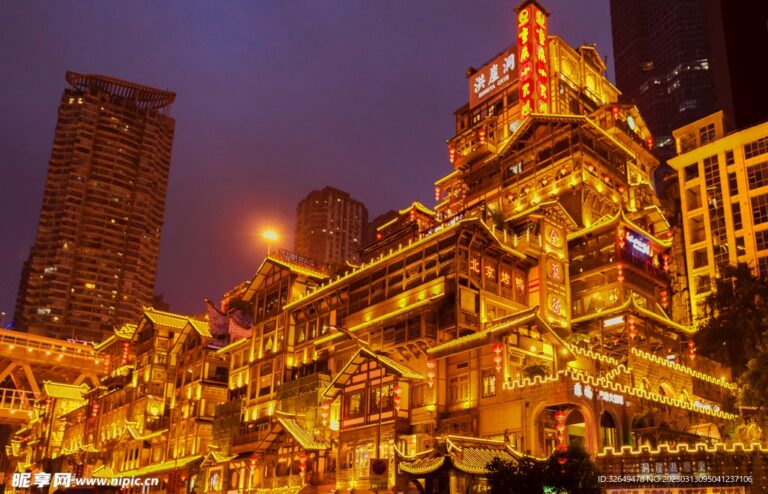
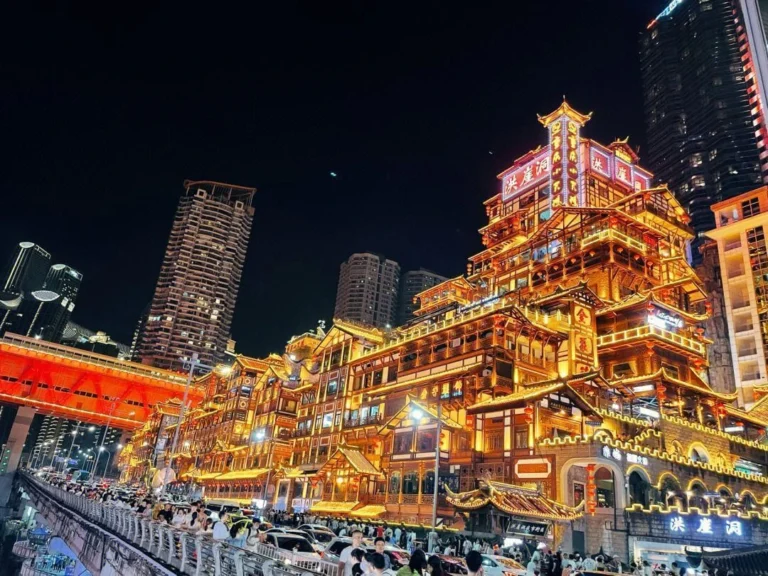
Stepping into Chongqing’s architectural and urban space, visitors are akin to getting lost in a multi-layered labyrinth where the laws of physics seem to be defied. Chongqing proudly bears the title of the “8D City” – a visual depiction of its complex terrain, overhead bridges, mountain-piercing tunnels, steep roads, and subway lines passing right through buildings. The architecture here bears a strong imprint of the Diaojiao Lou (吊脚楼 – Diaojiao Lou) style, a unique type of stilt house clinging to cliffs or riverbanks, supported by sturdy pillars underneath. These Diaojiao Lou houses are not only traditional architectural symbols of Chongqing but also testaments to human creativity and adaptability to rugged terrain. Built from wood and stone, they typically feature multiple tiers, with the lower level used for commerce, the upper level for living, and the topmost floor sometimes serving as a place to worship ancestors. This architectural arrangement not only optimizes living space on sloping terrain but also creates a harmonious, free-spirited beauty, resembling giant bird nests clinging to the mountainside, facing the rolling river.
Although Chongqing itself does not have a direct UNESCO World Heritage site located within its central urban area, the city’s dedication to preserving and promoting Bayu cultural values, alongside its possession of unique historical and architectural landmarks, makes it a living museum. Most prominent in the surrounding area is the Dazu Rock Carvings, located about 160km from downtown Chongqing and recognized by UNESCO as a World Heritage Site. This is an exquisite collection of over 50,000 stone carvings spread across cliffs and caves, primarily depicting Buddhist, Daoist, and Confucian art from the 9th to the 13th centuries. Although not situated in the heart of Chongqing, Dazu is a powerful testament to the rich history and cultural depth of the Ba-Shu region, inviting travelers to extend their heritage exploration journey.
Phong tục tập quán bản địa ở Trùng Khánh cũng mang đậm nét riêng, khác biệt so với nhiều vùng miền khác của Trung Quốc. Người dân Trùng Khánh nổi tiếng với tính cách thẳng thắn, mạnh mẽ, nhiệt tình và hiếu khách, một phần do môi trường sống khắc nghiệt và lịch sử chiến tranh. Văn hóa cộng đồng ở đây rất mạnh mẽ, thể hiện qua các buổi tụ họp gia đình, bạn bè quanh nồi lẩu nóng hổi hay những quán trà truyền thống. Các lễ hội dân gian như Tết Nguyên Đán, Tết Thanh Minh, hay Lễ hội Thuyền Rồng đều được tổ chức với sự long trọng và mang đậm bản sắc địa phương, thu hút đông đảo người dân và du khách tham gia. Âm nhạc và nghệ thuật biểu diễn truyền thống như kinh kịch Tứ Xuyên, múa rối bóng, hay các điệu múa dân gian Ba Du vẫn được gìn giữ và phát triển, mang đến cái nhìn sâu sắc về tâm hồn người Trùng Khánh.
Local customs and traditions in Chongqing also carry distinct characteristics that set them apart from many other regions in China. Chongqing people are renowned for their straightforward, strong-willed, enthusiastic, and hospitable nature, partly shaped by their harsh living environment and wartime history. Community culture here is exceptionally vibrant, reflected in gatherings of family and friends around steaming hot pots or at traditional tea houses. Folk festivals such as the Lunar New Year, Qingming Festival, and the Dragon Boat Festival are celebrated with great solemnity and profound local identity, attracting large crowds of locals and tourists alike. Traditional music and performing arts, such as Sichuan opera, shadow puppetry, and Ba-Shu folk dances, are still preserved and developed, offering a profound insight into the soul of Chongqing’s people.
The journey to explore Chongqing’s paramount scenic wonders is a mesmerizing adventure that takes visitors from ancient architectural marvels to modern engineering wonders, and from bustling streets to serene corners. The first and perhaps most impressive destination is Hongyadong (Hongyadong). Situated along the banks of the Jialing River, Hongyadong is a colossal Diaojiaolou architectural complex built into a sheer cliffside, embracing a rolling hill. With a history spanning over 2,300 years, it was once a bustling port and a vital trading gateway for Chongqing. Today, Hongyadong has been restored and developed into a complex tourist destination featuring four main areas: Tiancheng Riverside Street on the bottom floor, Bayu Fengqing Street on the middle floor, Yuzhong Banpo Street, and finally Hongya Didi Food Street on the top floor. By day, Hongyadong exudes an ancient, tranquil charm with its curved tile roofs and winding alleys. However, when night falls, thousands of lanterns and LED lights illuminate simultaneously, transforming the entire area into a magical, shimmering, and magnificent castle reminiscent of scenes straight out of Hayao Miyazaki’s famous animated film “Spirited Away”. This sight is not merely an architectural wonder but a breathtaking visual experience, transporting visitors into a fairytale world that is romantic and enchanting. Visitors can wander among handicraft shops and traditional tea houses, or savor countless enticing street food delicacies while gazing at the river glistening with lights and the bridges spanning across it.
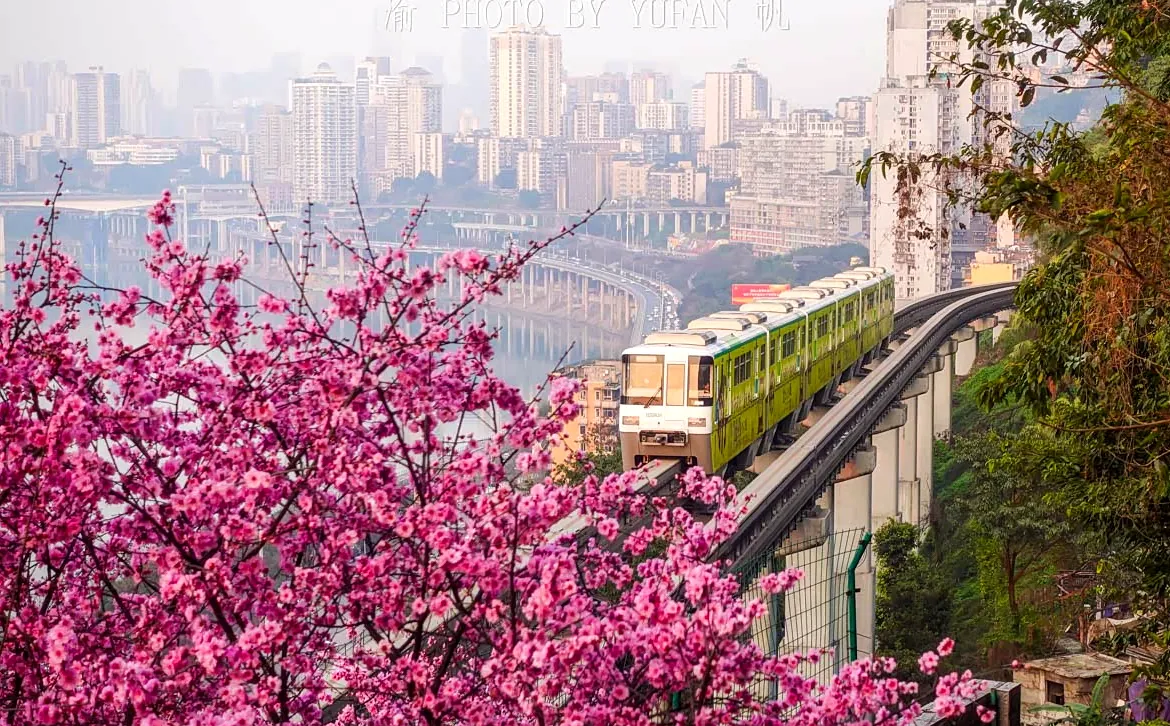
Continuing the journey to discover Chongqing’s uniqueness, one cannot miss an icon of urban engineering ingenuity: Liziba Metro Station. Located on Line 2 of the Chongqing metro system, this station is globally famous for its architectural marvel. Instead of passing underneath or alongside, the metro train runs directly through a 19-story apartment building, cutting right through the 6th to 8th floors. This is not only a clever engineering solution to tackle Chongqing’s complex terrain and limited space, but also a vivid testament to the city’s “8D matrix metropolis” spirit. As the train passes through, the sound is perfectly insulated, causing no disturbance to the residents’ daily lives. The sight of trains gliding smoothly into the “belly” of the building and emerging on the other side has become a must-visit check-in spot, attracting millions of tourists to admire and marvel at the ingenuity of Chinese engineers. This is a one-of-a-kind experience that vividly portrays the unbelievable harmony between modern transportation infrastructure and human living space.
Another perspective of modern yet historically rich Chongqing is the experience of the Yangtze River Cableway. Built in 1987, this cable car was originally an essential public transportation vehicle, helping residents commute between the two banks of the Yangtze River, connecting the Yuzhong and Nan’an districts. Stretching over 1,100 meters in length and soaring dozens of meters above the water surface, the cable car not only provides a convenient mode of transport but also serves as a superb mobile observatory. Suspended mid-air, visitors can take in panoramic views of Chongqing with its towering skyscrapers, massive bridges, and the surging Yangtze River. Especially in the evening when the city lights up, the scenery from the cable car becomes magical and splendid, offering stunning photographs and unforgettable memories. The Yangtze River Cableway is not merely a transportation structure but a living heritage, telling the story of Chongqing’s urban development and visionary spirit.
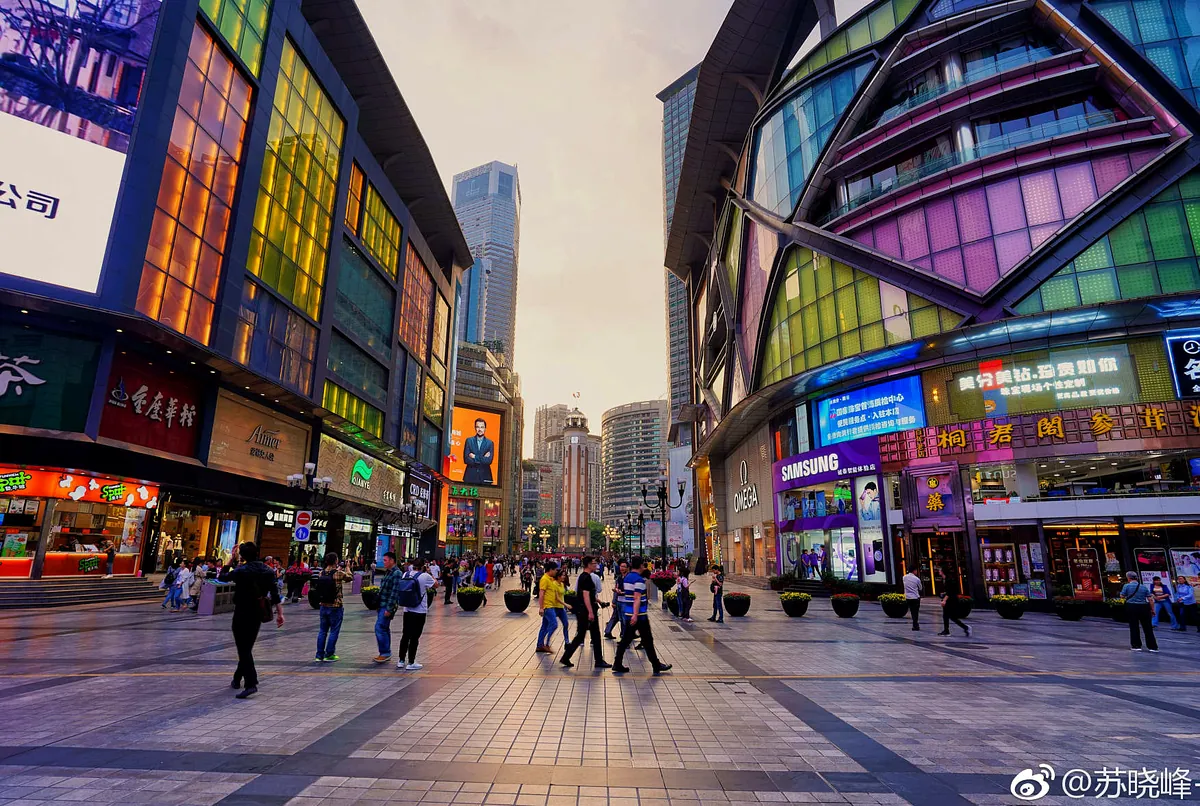
Moving to the heart of modern Chongqing, we arrive at the Jiefangbei Monument (Jiefangbei). This monument is an important historical symbol, originally built in 1940 to commemorate the victims of World War II bombings, and later renamed the Liberation Monument after the founding of the People’s Republic of China. Today, Jiefangbei has become Chongqing’s busiest and most vibrant commercial center, often dubbed the “Jiefangbei Pedestrian Street” or the “Times Square of Western China.” This area gathers luxurious shopping malls, high-end department stores, restaurants, cafes, and entertainment venues. At night, Jiefangbei is brilliantly illuminated by neon lights and bustling with crowds, creating a lively and modern atmosphere that completely contrasts with the serene vibe of ancient towns. Even though it has evolved into a modern urban center, Jiefangbei still retains its profound historical significance, serving as a meeting point between the past and the present, tradition and rapid development.
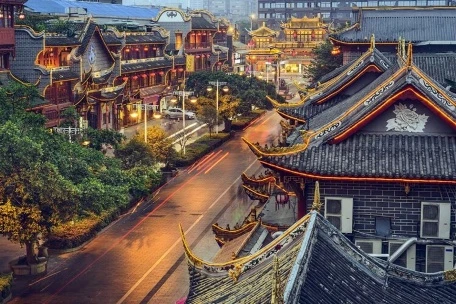
To seek out an older, more tranquil Chongqing, Ciqikou Ancient Town is the ideal destination. Located about 14km west of the city center, Ciqikou is an ancient town with a history spanning over 1,000 years, famous for its pottery production dating back to the Ming and Qing dynasties. The name “Ciqikou” (瓷器口 – meaning “Porcelain Port”) says it all. Although pottery making is no longer as prosperous as it once was, Ciqikou still retains its ancient architectural charm with stone-paved paths, traditional wooden houses, curved tile roofs, and high-hanging red lanterns. Visitors here can stroll through small streets, explore handicraft shops, enjoy signature street food, or sip tea in ancient teahouses. The atmosphere in Ciqikou carries a peaceful, quiet beauty, detached from the hustle and bustle of the modern metropolis, offering a deep insight into the culture and traditional lifestyle of ancient Chongqing locals. It is an ideal place to shop for unique souvenirs, enjoy folk art performances, and experience a slow, rustic pace of life.
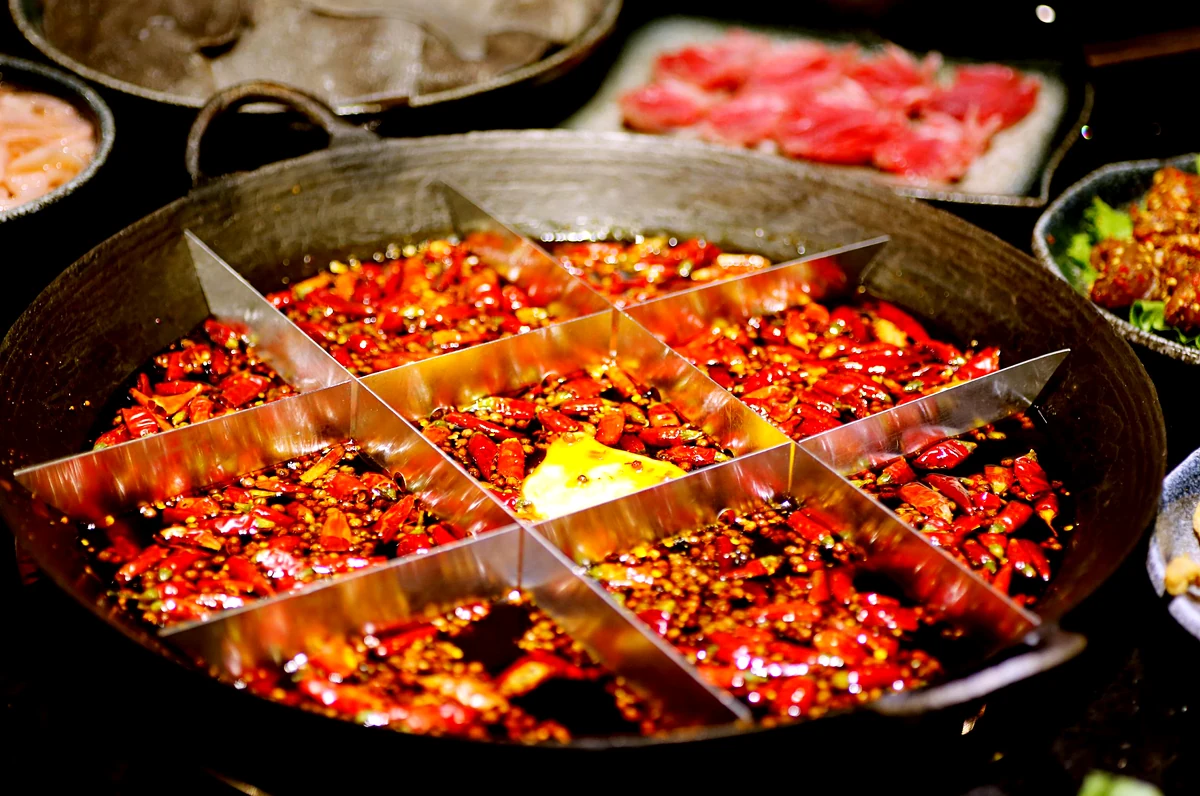
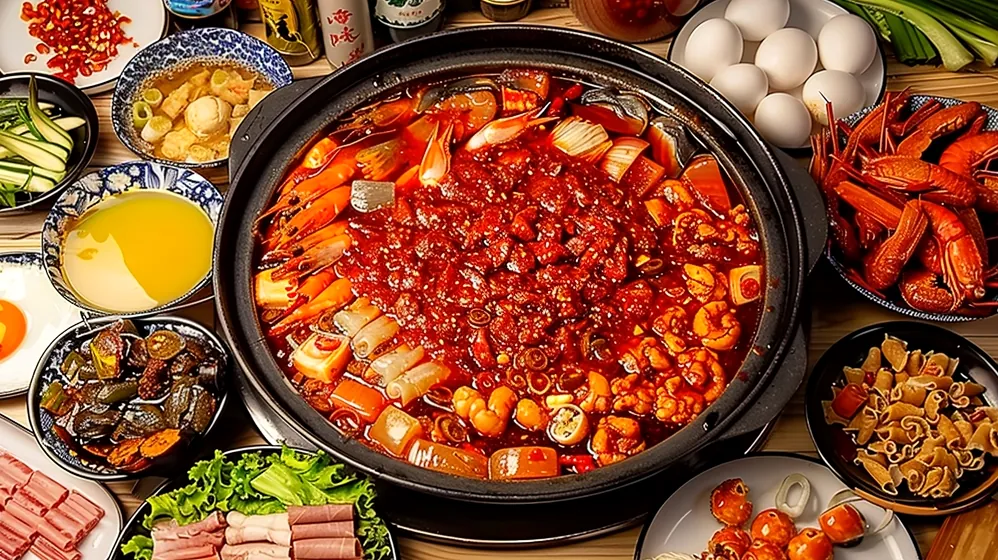
It is impossible not to mention one of Chongqing’s greatest intangible cultural heritages: the Sichuan-Chongqing Spicy and Numbing Hot Pot Culture. Chongqing Hot Pot is not simply a dish, but a philosophy of life, an ultimate culinary experience, and an indispensable social ritual. A typical Chongqing hot pot features a fiery red, bubbling broth packed with dried chili peppers, Sichuan peppercorns (Mala), chili oil, and dozens of other secret spices, creating the renowned “ma la” (spicy and numbing) flavor. The story of Chongqing hot pot originates from the impoverished boatmen along the Yangtze River, who utilized animal offal that merchants refused to buy, cooking it with pungent spices to mask the odor and keep warm during grueling workdays. Since then, hot pot has evolved from a rustic dish into the culinary essence of this land. When enjoying Chongqing hot pot, it is not just about eating, but also about experiencing the lively, cozy atmosphere and bonding. Hot pot ingredients are extremely diverse, ranging from fresh meats, offal, seafood, mushrooms, greens, and tofu to rice cakes. Each ingredient is carefully selected, dipped into the boiling hot pot broth, and then paired with a signature dipping sauce mixed to personal preference. The spicy and numbing flavor spreads across the palate, stimulating every sense and bringing an indescribable thrill. This is a culinary experience not for the faint of heart, but it will certainly be an unforgettable memory for anyone brave enough to take on the challenge.
Chongqing’s culinary culture does not stop at hot pot; it is also a rich treasure trove of unique, regional delicacies that bear the distinct imprint of the ancient Ba-Shu land. Besides hot pot, Mala Xiaomian (小面 – Spicy Numbing Noodles) is a street food icon of Chongqing, favored by locals from breakfast to dinner. A steaming bowl of Xiaomian with chewy noodles, a rich broth infused with the spicy and numbing flavors of chili and Sichuan pepper, complemented by crunchy peanuts, greens, and minced meat, creates a quick yet flavorful and energetic meal. Each Xiaomian shop has its own ancestral recipe, creating great diversity and appeal. Other dishes such as Spicy Chicken (La Zi Ji – 辣子鸡)—crispy fried chicken tossed with plenty of dried chilies and Sichuan peppercorns—and Grilled Fish (Kao Yu – 烤鱼)—marinated with rich spices and grilled over glowing charcoal—are also must-try dishes when visiting Chongqing. The combination of the fiery heat of chili, the numbing sensation of pepper, and the aroma of garlic, ginger, and other spices creates an unmistakable culinary identity that reflects the strong, passionate spirit of the local people. These dishes not only satisfy the taste buds but also form an important part of Chongqing’s cultural and social life.
Alongside street food and signature dishes, Chongqing’s tea culture and banquets also carry distinct traits. Traditional teahouses, especially in Ciqikou, are not only places to enjoy tea but also spaces for locals to socialize, chat, listen to storytellers, or watch art performances. Tea in Chongqing is typically local green tea or Pu-erh tea, brewed and savored with sophistication, bringing a sense of relaxation and peace. Banquets, while not as elaborate as those in the northern imperial regions, are still organized solemnly, usually revolving around elaborately prepared traditional dishes that demonstrate hospitality and the desire to share the finest flavors. Notably, Chongqing beer and white rice wine (baijiu) are also indispensable drinks in banquets, contributing to a lively and intimate atmosphere. The flavors of Chongqing cuisine, whether street food or luxury banquets, offer an emotional exploration that connects travelers to the local culture and people in the most authentic way.
Chongqing’s remarkable development in recent decades has transformed the city into a modern and convenient transportation hub, opening its doors to travelers from all around the world. Chongqing Jiangbei International Airport (CKG) is one of the largest and busiest airports in Southwest China, serving tens of millions of passengers annually. The airport offers direct flights to many major cities globally and regionally, including convenient connecting routes from Vietnam. From the airport, visitors can easily travel to the city center via subway, bus, or taxi, thanks to a well-planned transportation system.
Aside from aviation, Chongqing is also a crucial junction of China’s high-speed railway network (CRH – China Railway High-speed). High-speed trains connect Chongqing with other major cities such as Chengdu, Guiyang, Kunming, Shanghai, and Beijing, allowing travelers to move effortlessly between regions with exceptional speed and comfort. Within the downtown area, Chongqing’s public transportation system is exceptionally well-developed and unique. The dense network of subways and monorails is not only efficient for commuting but also part of the travel experience, with routes running straight through buildings or suspended high in the air, offering breathtaking views of the city. The bus network also covers every nook and cranny, connecting major attractions and supporting travelers’ mobility. Additionally, cross-river cableways such as the Yangtze River Cableway and Jialing River Cableway serve not just as transportation but as must-visit sightseeing spots, proving the city’s ingenuity in overcoming rugged terrain challenges.
If you prefer a different kind of immersion, nothing beats the local culinary scene. Let’s dive right in.
Choosing the golden time to visit Chongqing will greatly influence your overall experience. Chongqing features a humid subtropical climate with four distinct seasons, each possessing its own unique characteristics. Spring (from March to May) and autumn (from September to November) are considered the best times to explore Chongqing. Spring weather is cool, pleasant, with low rainfall and lush greenery, making it ideal for outdoor sightseeing and walking. Autumn brings fresh air, blue skies with white clouds, and ideal temperatures, making it the perfect time to admire nature and ancient architecture without being too hot or too cold. Summer (from June to August) in Chongqing is very hot and humid, often dubbed one of China’s “Three Great Furnaces”. However, if you enjoy river activities like Yangtze River cruises or water amusement parks, summer has its own distinct appeal. Winter (from December to February) is quite cold and frequently foggy, fitting its nickname “Foggy City”. While not the ideal time for sightseeing, winter offers a mystical, romantic charm and is the opportunity to enjoy piping-hot hotpot in the chilly air, fully feeling the warmth of the local culinary culture. VDS Travel recommends choosing spring or autumn for the most complete and comfortable experience.
Finally, to ensure a smooth and memorable journey exploring Chongqing for Vietnamese travelers, VDS Travel would like to share some practical pocket field guide tips. First, regarding visas, Vietnamese citizens need to apply for a China tourist visa before departure. The visa application process can take anywhere from a few days to a few weeks, so you should prepare your documents and apply early. VDS Travel is always happy to assist you with all paperwork to ensure your journey is uninterrupted.
Upon arriving in Chongqing, you will quickly realize that China is a nearly cashless society. Electronic payment methods like Alipay and WeChat Pay dominate and are widely used everywhere from large stores to small street food stalls. Setting up an Alipay or WeChat Pay account linked to an international bank card (if applicable) or a travel card will make shopping and paying much easier. Otherwise, bringing a sufficient amount of cash to spend at places that do not accept digital payments is also a reasonable option, though increasingly rare. However, you should thoroughly research how to link your card to these e-wallets before your trip.
Regarding internet connectivity, using an eSIM for travel is a convenient and cost-effective solution. You can easily purchase an eSIM from international service providers or right upon arrival in China, helping you maintain a high-speed network connection to look up information, use maps, and share beautiful moments. Note that some popular social media apps and services in Vietnam such as Facebook, Google, Instagram, and YouTube may be blocked in China. Therefore, installing a VPN (Virtual Private Network) app on your phone before traveling will help you access the internet freely, stay in touch, and update information.
As for clothing, due to the hilly terrain and considerable amount of walking, you should prioritize bringing comfortable, cushioned sneakers or footwear. Chongqing has many steps and steep paths, so appropriate footwear will help you explore the city with ease. Additionally, prepare clothing suitable for the weather of the season you visit: warm coats if traveling in winter, airy clothes for summer, and don’t forget to bring an umbrella or raincoat, as Chongqing is known as the “Foggy City” with sudden showers. Especially if you plan to visit sacred sites or temples, choose polite and modest attire.
Last but not least is the companionship of VDS Travel. With extensive experience and a team of experts deeply knowledgeable about the culture, history, and geography of China in general and Chongqing in particular, VDS Travel is committed to providing you with uniquely tailored, fully-equipped heritage travel journeys. We not only offer professional travel services but also serve as your trusted companion, supporting you from visa preparation, flight tickets, and hotel bookings to building detailed itineraries with knowledgeable local guides and convenient transportation. With VDS Travel, every trip is not merely a journey, but a story, a profound educational experience that allows you to immerse yourself in Chongqing’s millennia-old cultural flow, discover hidden beauties, and create unforgettable memories. Let VDS Travel give wings to your dream of exploring heritage in this mesmerizing 3D city.
