





Entering the Tang and Song dynasties, Guangzhou (Canton), the capital of Guangdong, emerged as one of the world’s largest ports and a vital starting point of the Maritime Silk Road. Bustling merchant fleets from Arabia, Persia, India, and Southeast Asia brought spices, jade, fabrics, and novel ideologies to these shores, transforming Guangdong into a cradle of international trade and cultural diversity. Commercial prosperity spurred the development of handicrafts, shipbuilding techniques, and especially a refined culinary tradition that harmoniously combined local ingredients with exotic flavors. During the Ming and Qing dynasties, Guangdong continued to serve as the primary gateway for trade with the West. The Qing court’s “isolationist” policy restricted international commerce primarily through the Canton System in Guangzhou. This era saw Western merchants—from Britain, France, and the Netherlands to America—rely entirely on Guangzhou for trade with China. This not only generated immense wealth but also placed Guangdong at the epicenter of major historical upheavals, such as the painful Opium Wars and the revolutionary movement led by Sun Yat-sen, which originated right here. With its open mindset and early exposure to the outside world, Guangdong became the birthplace of China’s reform and modernization ideals.
The 20th century witnessed Guangdong through many ups and downs, from the fierce years of war to a challenging reconstruction period. Yet, the resilience and industrious spirit of its people helped the region rise again. Then, in the late 1970s, a glorious new chapter unfolded. When Deng Xiaoping initiated the reform and opening-up policy, Guangdong was chosen as the pioneering spearhead with the establishment of the first Special Economic Zones (SEZs) in Shenzhen, Zhuhai, and Shantou. This historic decision transformed a relatively poor agricultural region into the “factory of the world” and later a global hub for innovation. Today, Guangdong is not merely an economic locomotive but a model of dynamic development, where tradition and modernity intertwine, and ancient relics quietly coexist with sky-scraping towers, telling the story of an unrelenting journey from ancient dynasties to a promising future.
Stepping into Guangdong’s architectural realm, travelers will immediately notice a distinct Lingnan cultural identity that differs entirely from northern imperial architecture or the ancient villages of Jiangnan. Here, ancient towns, temples, and ancestral halls are built in a localized style featuring upturned curved eaves, characteristic grayish-blue brick walls, and exquisitely crafted reliefs, wood carvings, and ceramics that showcase the skill and artistry of local artisans. Notably, traditional old houses often feature windows made from ground oyster shells, which serve the dual purpose of letting in light while creating a rustic beauty close to nature. Ancestral halls like the Chen Clan Ancestral Hall in Guangzhou are not merely places of ancestor worship but living museums of Lingnan architecture and carving arts, with intricately detailed decorations in stone, wood, brick, and ceramics refined down to the millimeter, where every relief brings a historical tale or literary allusion vividly to life.
Although it does not have as many UNESCO heritage sites located directly within major urban areas like Guangzhou or Shenzhen, Guangdong proudly boasts a unique architectural heritage honored by UNESCO: The Kaiping Diaolou and Villages. Located in Kaiping City, not far from Guangzhou, these Diaolou are living proof of the East-West cultural intersection in architecture. Built from the late 19th to the early 20th century by overseas Chinese returning from abroad, these watchtowers combine traditional Chinese architectural styles with Gothic, Romanesque, Baroque, and Islamic elements, creating a unique architectural ensemble that serves both defensive functions and demonstrates the wealth and prosperity of their owners. It is a symbol of the adventurous spirit, the courage to innovate, and the preservation of roots among the people of Guangdong. In addition, local customs and traditions are an indispensable part of this region’s charm. From grand festivals like the Dragon Boat Festival with fierce boat races on the river, to majestic lion and dragon dances during the Lunar New Year, all reflect a rich spiritual life and a tight-knit community. The tea culture (Yum Cha) is not merely a meal but a social ritual, a part of the lifestyle where family and friends gather around a pot of hot tea and delicate dim sum, sharing stories and cozy moments.
Every morning, as the first rays of sunlight pierce through the old streets, bustling teahouses filled with patrons are a familiar sight in Guangdong, where the faint aroma of tea blends with lively chatter to create a harmonious slice of life. Furthermore, the worship of ancestors and deities, especially Guan Yu or Mazu (Goddess of the Sea), is deeply rooted in the spiritual life of the locals. Temples and pagodas with solemn, magnificently decorated architecture are not only places of pilgrimage but also community centers where people find peace and connect with their cultural roots. These customs, despite enduring the fluctuations of time and the rapid development of modern society, are still preserved and passed down through generations, creating an unmistakable Guangdong cultural identity—a harmonious combination of tradition and innovation, local spirit and global vision.
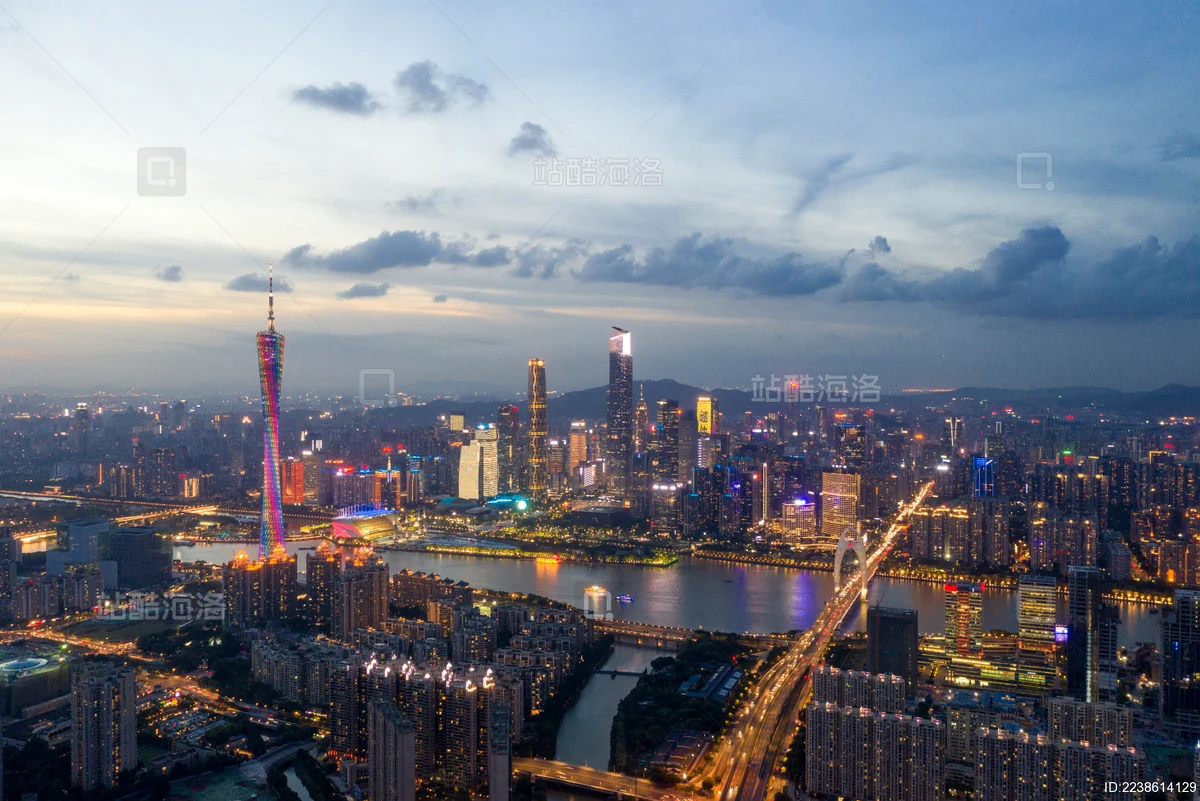
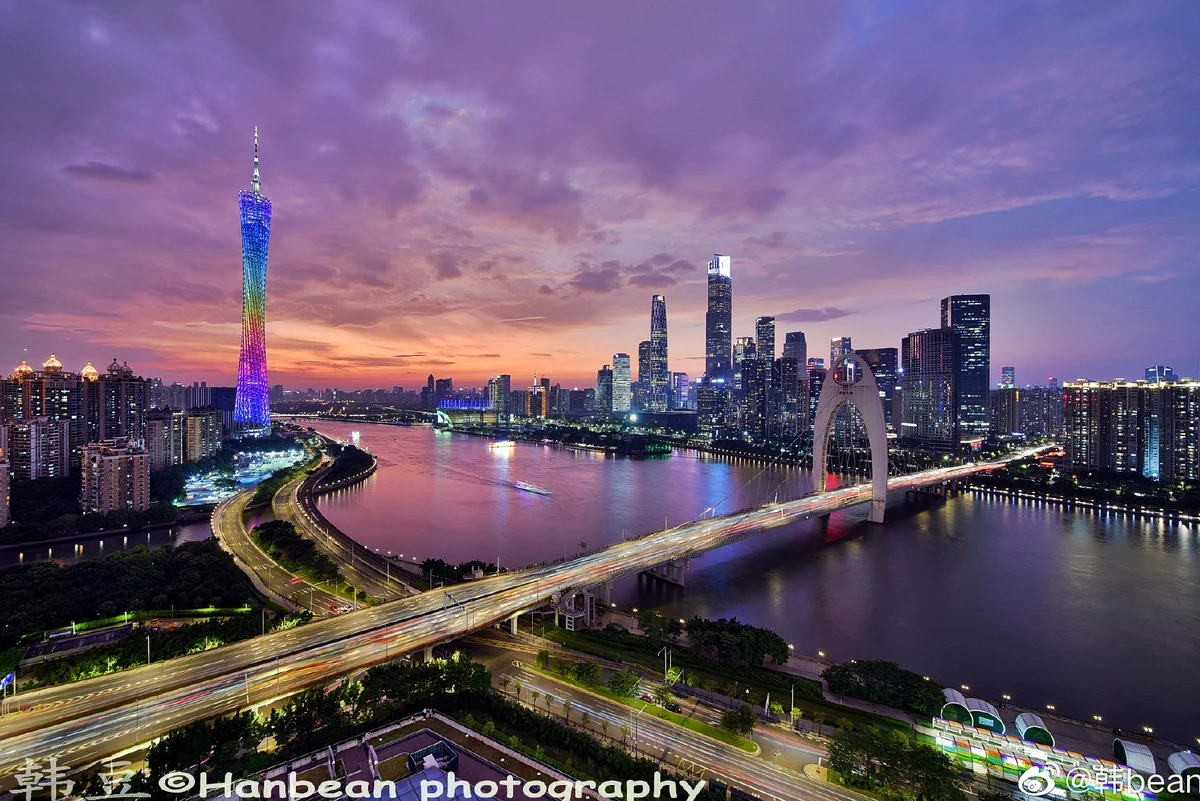
A journey to explore Guangdong would not be complete without overlooking its premier scenic spots, architectural and natural masterpieces stretching from ancient cities to ultra-modern metropolises. Starting from Guangzhou, the thousand-year-old capital of culture, the symbol of the intersection between past and future is none other than the Canton Tower. Standing proudly on the banks of the Pearl River, this 604-meter-tall television tower is not merely a modern architectural marvel but also a symbol of the city’s pride, where visitors can take in a panoramic view of glittering Guangzhou at night. With its unique spiral design, the Canton Tower is not just a communication structure but an upscale entertainment destination, featuring high-altitude observation decks, revolving restaurants, and the “Bubble Tram” ride suspended at the top of the tower, offering unforgettable experiences. At the foot of the tower, the Pearl River sparkles with lights, and sightseeing boats glide gently past, creating a magical scene—a symphony of light, architecture, and nature, as if time is standing still to admire this endless beauty.
Stepping away from the brilliant lights of the Canton Tower, we immerse ourselves in Beijing Road Pedestrian Street, the commercial and historical heart of Guangzhou. The magic of Beijing Road lies not only in its bustling, modern vibe with countless shops and restaurants, but also in the layers of historical sediment preserved right beneath transparent glass on the pavement. Visitors can see paved roads dating back to the Tang, Song, Yuan, Ming, and Qing dynasties, bearing witness to a prosperous Guangzhou that has existed for thousands of years. This is a unique experience where you can shop for trendy items, enjoy street food, and simultaneously touch the past, feeling the flow of time rushing beneath your feet. Not far from Beijing Road, hidden amidst the bustling urban center, is Dafo Temple—a peaceful and sacred oasis. This ancient temple, with a history spanning over a millennium, is not merely a magnificent Buddhist architectural work with a majestic main hall and a large bronze Buddha statue, but also an important spiritual cultural center where visitors can find serenity and admire traditional Buddhist sculpture and architecture. When night falls, Dafo Temple glows in mystical golden lights, creating a scene that is both solemn and poetic, contrasting sharply with the lively surrounding city, serving as a reminder of the eternal value of spiritual and traditional things.
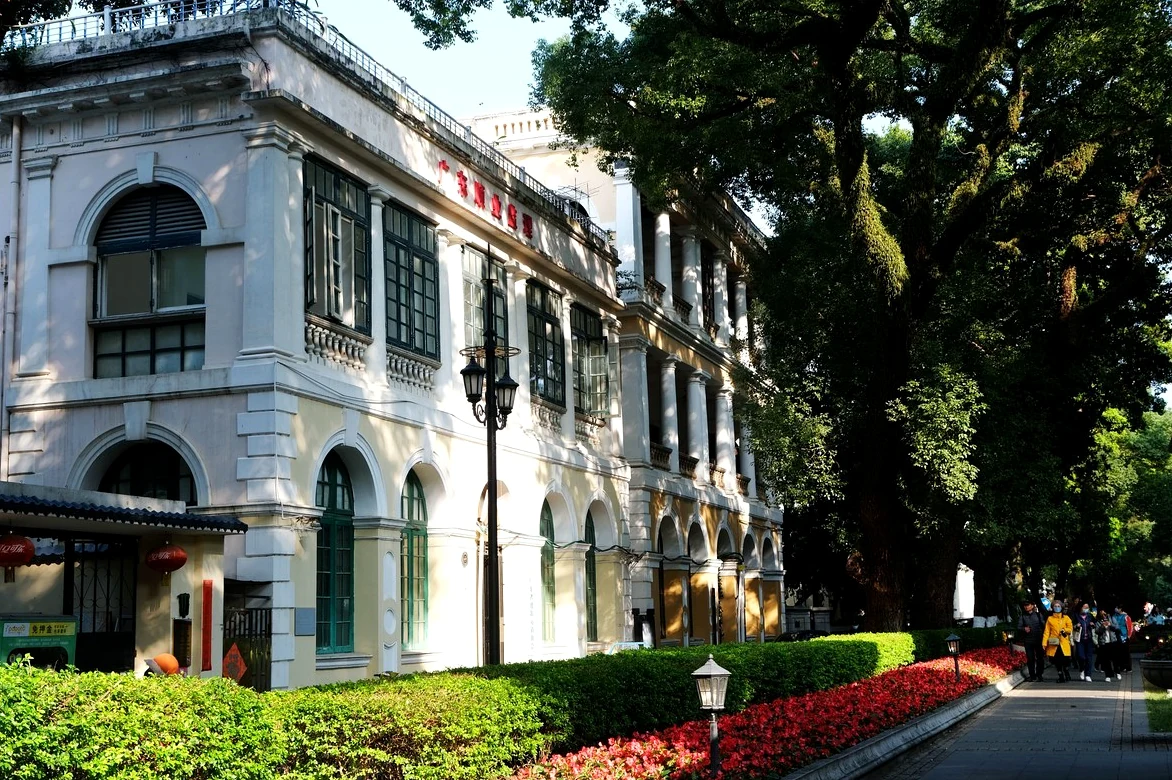
To seek out a more nostalgic and tranquil space, Shamian Island is an unbeatable choice. Once a British and French concession in the 19th century, Shamian is deeply imbued with classical European architectural marks featuring French and British style villas, shaded old trees, and peaceful cobblestone streets. It feels like an open-air architectural museum, a miniature corner of Europe in the heart of Guangzhou. Strolling on the island, visitors can feel a serene atmosphere, escaping the city’s noise, admiring unique architectural structures, visiting classic-style cafes, or simply enjoying quiet moments by the Pearl River to let the soul relax after busy days. Every brick and every arch on Shamian Island tells a story of a vibrant period of international trade, the meeting of cultures, and a Guangzhou that once stood as a center of the world.
Leaving Guangzhou, we head south to Shenzhen, a young and dynamic metropolis that serves as a symbol of rapid innovation and development. Shenzhen lacks the millennium-long history of Guangzhou, but it boasts modern architecture and futuristic urban spaces. Talent Park is a special highlight—not simply a lush green park along Shenzhen Bay, but also a space that honors the creative minds and individuals who have contributed to the city’s extraordinary growth. Featuring modern art installations, interactive spaces, and stunning views of Shenzhen Bay, this park is an ideal place to relax, enjoy the fresh air, and admire the grandeur of a technology-driven metropolis. Every corner of the park is designed to inspire, encourage thought and creativity, and truly reflect the spirit of Shenzhen.
If Shenzhen is the capital of technology, then Huaqiangbei is the beating heart of the global electronics industry. It is not merely a giant electronics market, but an ecosystem of startups and innovation where every tech idea—from the tiniest components to complete products—can be found and developed. Strolling through Huaqiangbei, visitors will be overwhelmed by the sheer variety of goods, ranging from smartphones and tablets to household electronics, mechanical parts, and even high-tech solutions. This is a unique experience where you can feel the pulse of technological development, witness the birth of new products, and better understand Shenzhen’s role in the global tech supply chain. The bustling, lively, and energetic atmosphere of Huaqiangbei is a quintessential portrayal of the “Shenzhen speed” spirit that has made the city famous.
For a more international entertainment experience, Sea World in the Nanshan district is a must-visit destination. Anchored by the imposing Minerva ship as its central icon, Sea World is a diverse entertainment complex featuring international restaurants, bars, shopping outlets, and cultural arts events. It is a popular gathering spot for the expat community and Shenzhen’s youth, offering a vibrant, modern, and multicultural vibe. In the evening, the Sea World area comes alive with dazzling lights and dynamic musical fountain shows, creating an ideal setting to enjoy fine dining, leisure, and experience another side of Shenzhen—a youthful, open, and globally integrated city.
Heading westward, we arrive in Zhuhai, a city known as the “romantic city” on the shores of the South China Sea. Zhuhai possesses a distinct charm compared to Guangzhou or Shenzhen; it is less noisy and pressured, yet captivating with its picturesque natural landscapes, fine white-sand beaches, and lush green parks. It is an ideal city for relaxation, enjoying fresh air, and exploring the beauty of a modern coastal metropolis that still retains its poetic essence. In particular, the Fisher Girl Statue along Xianglu Bay is the symbol of Zhuhai—a graceful image of a fisherwoman holding up a pearl, welcoming visitors to the city. Strolling along Lovers’ Road by the coast, breathing in the salty sea breeze, and watching the sunset over the ocean all combine to create an unforgettable romantic experience, serving as a perfect complement to a multi-faceted journey exploring Guangdong.
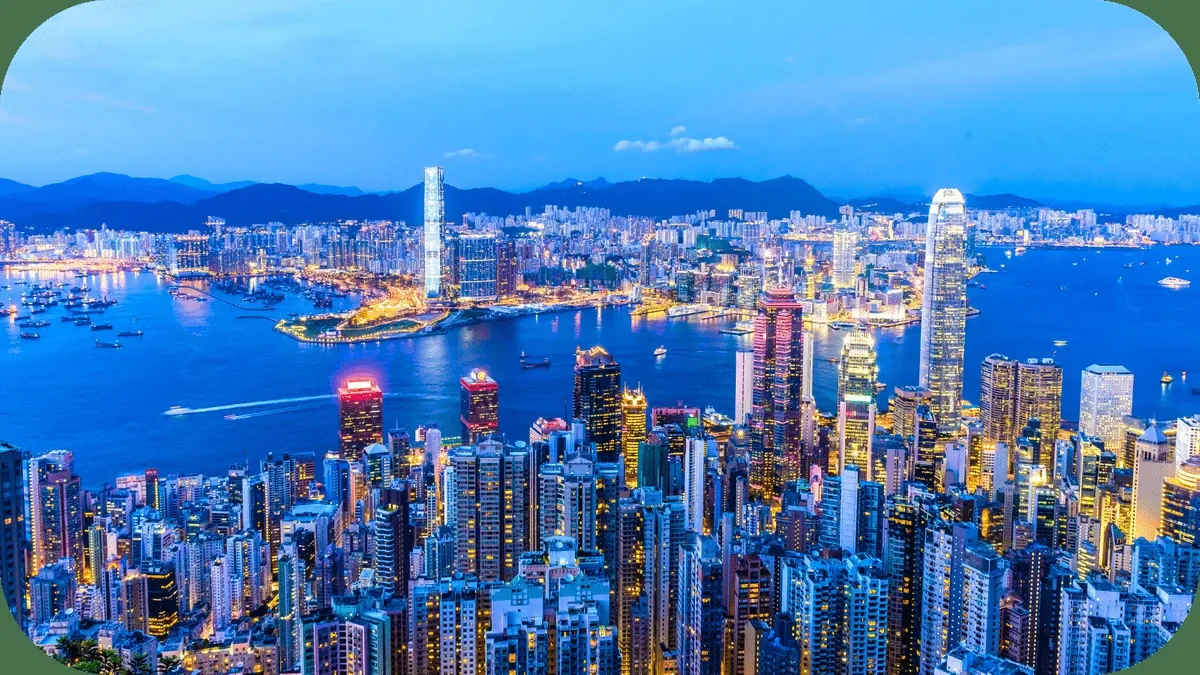
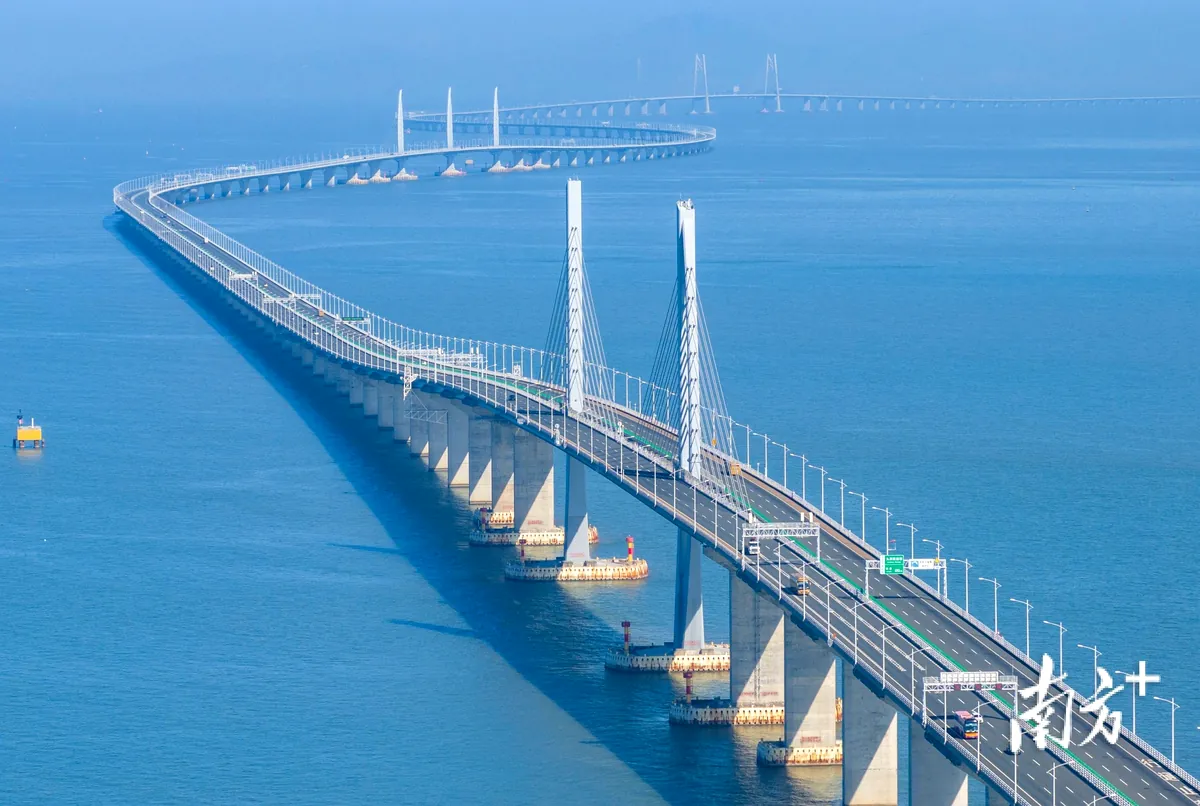
Connecting Zhuhai with Hong Kong and Macau is a marvel of modern engineering: the Hong Kong-Zhuhai-Macau Bridge. This is not only the world’s longest sea-crossing bridge but also a symbol of connectivity and integration within the Greater Bay Area. With a total length of over 55 km, comprising bridges, underwater tunnels, and artificial islands, this project has significantly shortened travel time between the three major economic hubs, opening up new development opportunities for the entire region. Experiencing this bridge is not just a journey of transit, but an opportunity to admire the majestic beauty of modern engineering, feel the vastness of the South China Sea, and experience the strong ties binding these dynamic economies together. The bridge is much more than a roadway; it is a symbol of the future, cooperation, and prosperity.
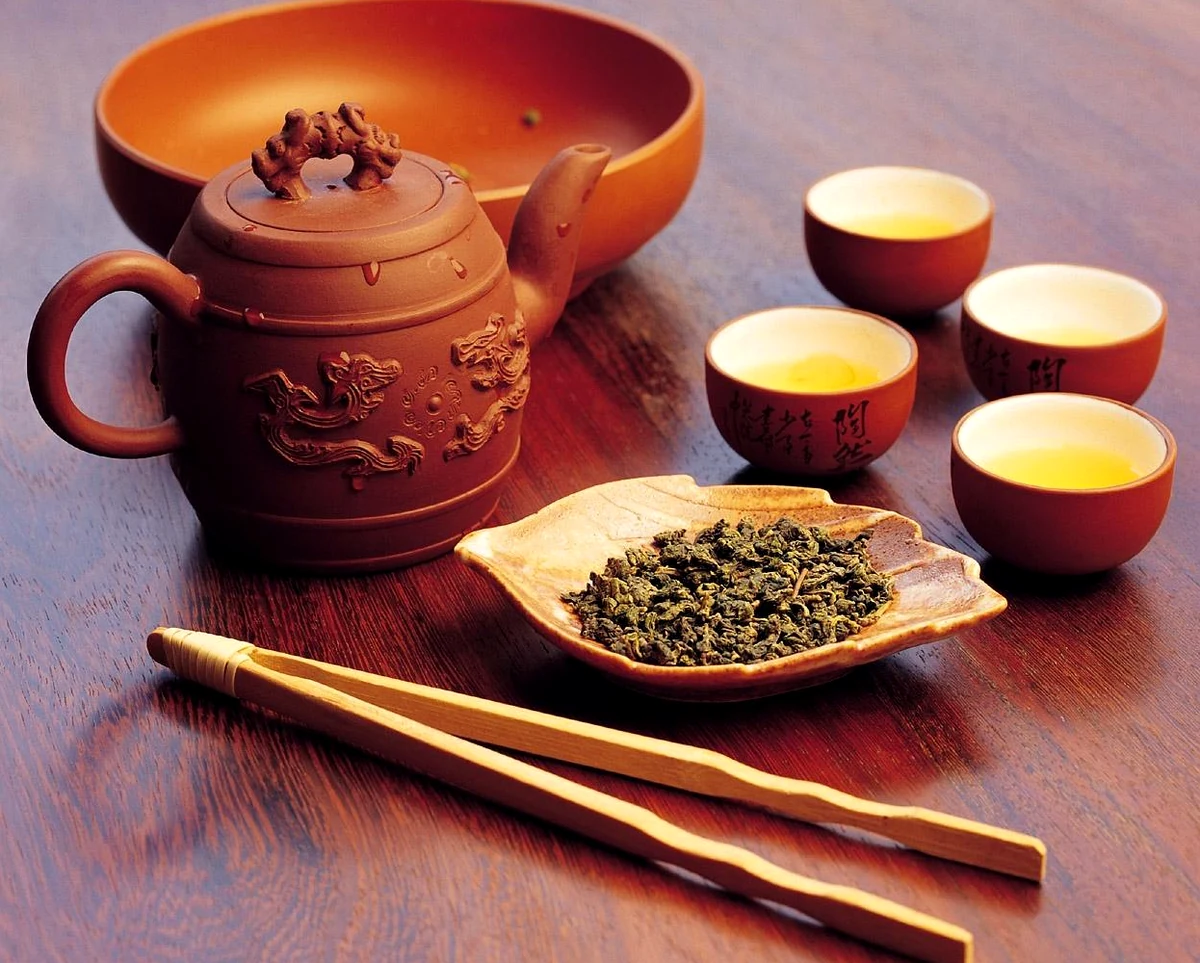
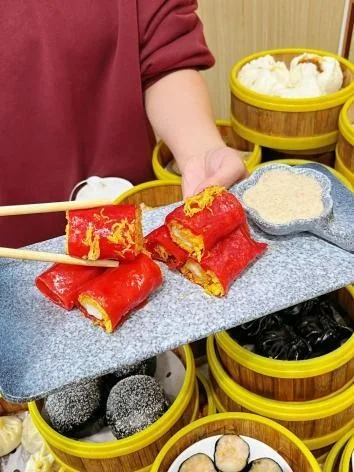
Guangdong culinary culture, also known as Yue Cuisine, is not only one of China’s Eight Culinary Traditions but also a unique flavor profile known and admired worldwide. Cantonese people often say, “Eat in Guangzhou,” emphasizing that this is where culinary excellence converges and reaches its peak. The Cantonese culinary philosophy focuses on the pristine freshness of ingredients, sophisticated preparation methods to retain natural flavors, and a perfect balance of components. Not overly spicy like Sichuan cuisine, nor too heavy like northern dishes, Cantonese cuisine emphasizes lightness, harmony, and nourishment. Dim sum is the pinnacle of this refinement. Each dim sum dish is a small work of art, from translucent shrimp dumplings (har gow) and juicy pork siu mai to fragrant char siu bao and refreshing rice noodle rolls (cheung fun). Yum Cha (drinking tea and eating dim sum) is not merely a meal, but a social ritual—an indispensable part of weekend morning gatherings with family and friends, where people chat animatedly over pots of Pu’er or Tie Guan Yin tea while enjoying dozens of different dim sum varieties.
Besides dim sum, Guangdong is also famous for roasted and grilled dishes such as roast duck, roasted suckling pig, and char siu (honey-glazed roasted pork) with a crispy skin, tender and sweet meat infused with rich flavors. Slow-cooked soups are also an essential part of Guangdong cuisine, prepared from nutritious ingredients such as herbs, meat, and vegetables, simmered for hours to extract all their nutritional essence. The Cantonese believe that these soups are not just food, but also a nourishing remedy for health. Aside from Guangzhou, other regions in the province boast distinct culinary characteristics. Teochew cuisine in the eastern part of the province is renowned for fresh seafood, light Teochew congee, and stewed or steamed dishes that retain their natural flavors. Hakka cuisine in the mountainous regions carries a rustic flavor profile with rich, nourishing dishes like braised pork belly or stuffed tofu, reflecting the simple and diligent lifestyle of the Hakka people.
The tea culture in Guangdong goes far beyond Yum Cha, permeating daily life from small roadside tea shops to luxurious tea rooms. Guangdong locals have the habit of drinking hot tea all day long, not just to quench thirst, but to relax and savor the flavors. Tea is brewed meticulously, paying close attention to the quality of the tea leaves, water temperature, and brewing techniques to achieve the most perfect taste. The culture of banqueting is also a unique highlight, with grand feasts held during festivals, New Year celebrations, weddings, or longevity celebrations. Cantonese banquets are typically lavish, featuring premium delicacies such as shark fin, abalone, bird’s nest, and lobster, demonstrating the hospitality and prosperity of the host. Every dish is elaborately presented, offering not only delicious flavors but also a feast for the eyes—a peak culinary experience that showcases the essence of a culture cultivated over thousands of years.
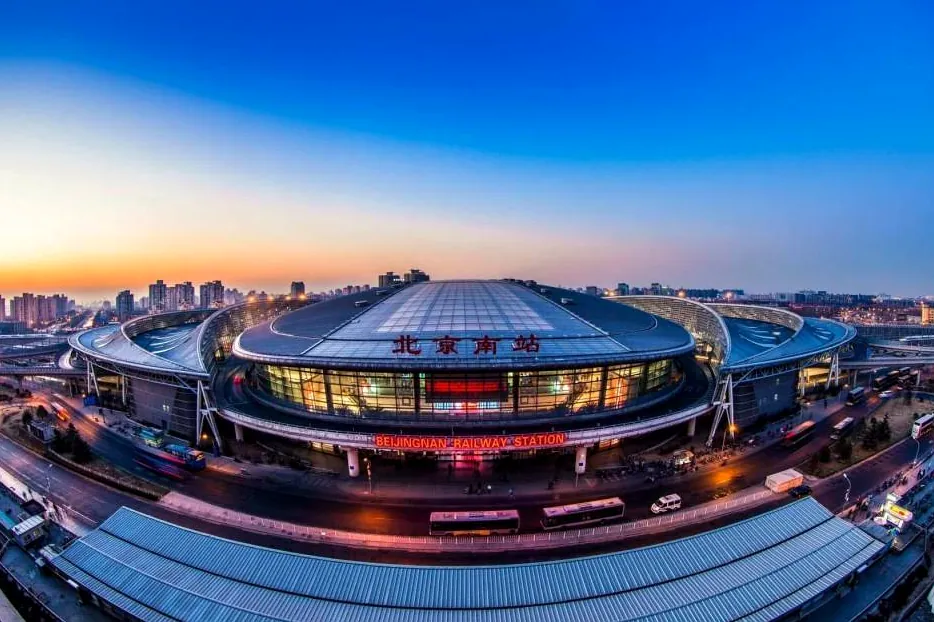
Guangdong’s transport infrastructure is truly a modern engineering marvel, transforming the region into one of Asia’s leading connectivity hubs. China’s CRH (China Railway High-speed) network radiates in all directions from major stations like Guangzhou South Railway Station and Shenzhen North Railway Station. These mega transportation hubs handle tens of millions of passengers each year, connecting Guangdong to almost all major Chinese cities within just a few hours. With speeds of up to 350 km/h, travelers can easily move between Guangzhou, Shenzhen, Zhuhai, and neighboring provinces like Hunan, Jiangxi, and Fujian quickly and conveniently. The stations are modernly designed on a large scale, fully equipped with amenities to deliver a world-class travel experience.
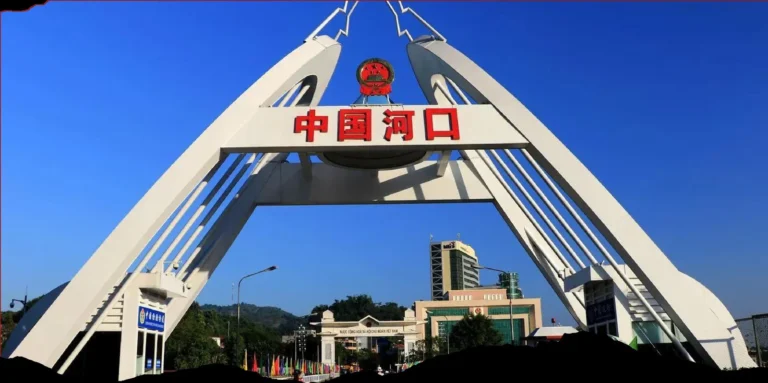
Aviation is also an outstanding strength of Guangdong. Guangzhou Baiyun International Airport (CAN) and Shenzhen Bao’an International Airport (SZX) are two of the busiest airports in China and the region. From Vietnam, travelers can easily find direct flights from Hanoi and Ho Chi Minh City to Guangzhou and Shenzhen operated by various airlines, saving time and travel effort. These are vital gateways opening up the promising land of Guangdong. Additionally, Guangdong features bustling land and water border checkpoints, especially those directly connecting to Hong Kong and Macau, such as Lok Ma Chau Checkpoint and Gongbei Checkpoint, facilitating cross-border trade and regional tourism.
The golden time to travel to Guangdong is in spring (from March to May) and autumn (from October to December). During these months, the weather in Guangdong is cool, pleasant, with low rainfall and low humidity, making it ideal for outdoor sightseeing and exploration. Spring brings vibrant blooming flowers and warm traditional festivals. Autumn offers fresh air and clear blue skies, perfect for walking tours and scenery appreciation. Summer (from June to September) in Guangdong is typically very hot, humid, and prone to typhoons; however, it is the season of vibrant beach festivals and water sports. Winter (from January to February) is quite mild, not overly cold, suitable for those looking to escape the chill and enjoy the year-end festive atmosphere. No matter the season, Guangdong always has exciting things waiting for travelers, but for the most comfortable and fulfilling experience, spring and autumn remain the optimal choices.
For Vietnamese travelers, preparing for a trip to Guangdong requires careful planning for a smooth and memorable journey. First and foremost is the visa application process. Currently, Vietnamese citizens need a visa to enter China. The visa application process generally requires preparing complete documents such as a passport valid for at least 6 months, a visa application form, passport photos, an invitation letter (if applicable), and flight and hotel booking confirmations. Travelers can submit their applications at the Chinese Embassy or Consulates in Vietnam. VDS Travel is always ready to assist you throughout this entire process, ensuring your documents are prepared flawlessly, saving time and avoiding unnecessary hassles.
Regarding currency and payments, China is an almost completely cashless society. Mobile payment apps like Alipay and WeChat Pay have become the primary payment methods for all transactions, from shopping at large malls to paying for taxi fares or street food snacks. Vietnamese travelers should install and activate these apps before the trip, linking them to international credit cards (Visa/Mastercard) for easy payment. Nevertheless, carrying a small amount of cash (Chinese Yuan) is still a good idea for emergencies or small shops that do not accept mobile payments. VDS Travel will provide detailed guidance on how to set up and use these apps, helping you confidently integrate into Guangdong’s modern lifestyle.
To stay connected throughout your journey, using a roaming eSIM is a smart and convenient choice. An eSIM allows you-high-speed internet access, use of map, translation, and communication apps without the need to swap physical SIM cards. At the same time, it is important to note that some popular apps such as Google, Facebook, Instagram, and WhatsApp may be blocked in China. Therefore, installing a VPN (Virtual Private Network) app before your trip is essential to ensure you can access these services whenever needed. VDS Travel will provide the necessary information and support regarding the selection of a suitable eSIM and VPN.
Regarding clothing, Guangdong has a humid subtropical climate, so visitors should pack breathable, sweat-absorbent clothes, especially if traveling in the summer. In spring and autumn, bringing a light jacket is enough for the evenings. Winters are milder compared to other regions in China, but moderately warm clothing is still recommended. The most important thing is footwear. Guangdong has many attractions that require a lot of walking, from the ancient stone-paved streets of Guangzhou to the sprawling parks in Shenzhen; therefore, a comfortable pair of sneakers or walking shoes is indispensable. When visiting temples and pagodas, please choose polite, modest attire to show respect.
At every step of discovering Guangdong, VDS Travel is not merely a companion but a dedicated expert, bringing deep and unique heritage travel experiences. With a team of experts deeply knowledgeable about local culture, history, and geography, we will collaborate with you to create a journey that is not just a vacation, but a voyage back to the roots, an adventure of knowledge and emotion. From insightful analyses of feng shui and chronicles to detailed pocket field guides, VDS Travel is committed to providing the best preparation and the most reliable companionship. Let VDS Travel be the bridge that brings you to Guangdong—a land of thousand-year stories, timeless prosperity, and unforgettable experiences.
