





















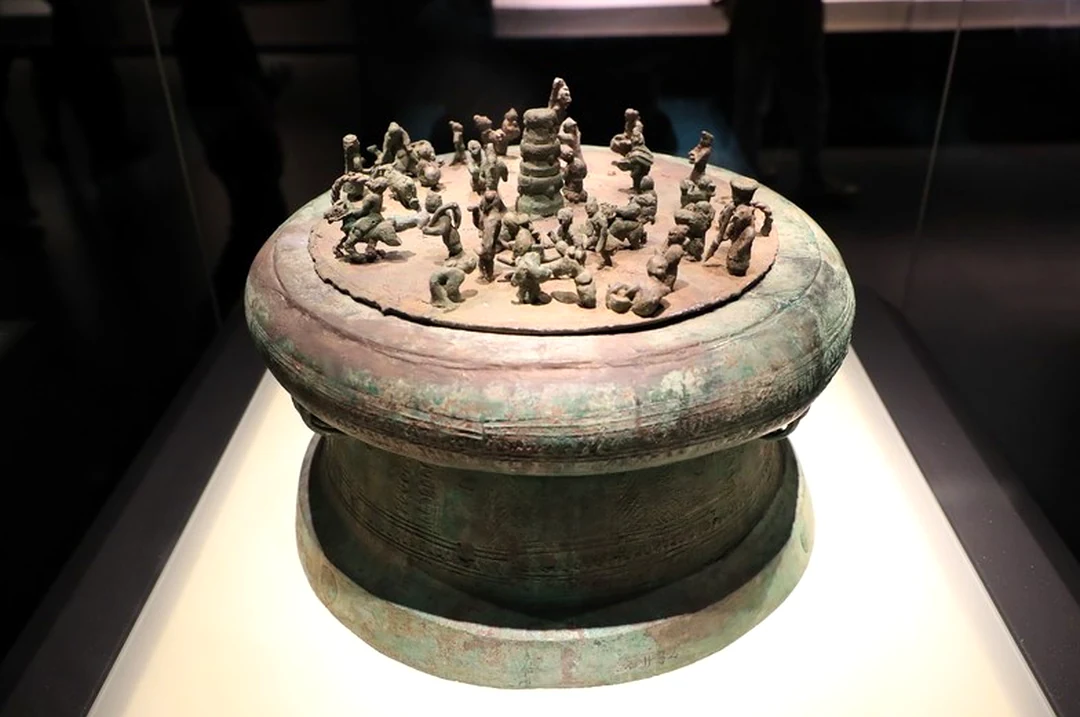
Yunnan’s thousand-year chronicle flows continuously from the Bronze Age Dian culture (fourth century BC to first century AD), famed for intricate bronze drums and ornaments depicting hunting, warfare, and ritual life. The ancient Dian Kingdom traded with Central Plains dynasties and southern neighbors alike. By the seventh century, at the height of the Tang Dynasty, an alliance of Yi clans in western Yunnan rose to establish the powerful Nanzhao Kingdom—capable of contending with both Tang China and Tibet—leaving a legacy of art and architecture blending Han, Tibetan, and indigenous influences. Following Nanzhao’s decline, the Kingdom of Dali arose in the tenth century under Bai leadership, maintaining prosperous independence for over three centuries renowned for devout Buddhism and exquisite stone sculpture. During this era, the Ancient Tea Horse Road flourished, turning Yunnan into a vital trading hub linking Yunnan Pu-erh tea with Tibetan horses, silk, medicines, and other goods along a transcontinental corridor—a precursor to the “Southern Silk Road.” In the thirteenth century, Kublai Khan’s Mongol forces conquered Dali and brought Yunnan into the Yuan realm while preserving substantial local autonomy. Through the Ming and Qing dynasties, Yunnan gradually absorbed Han influences while retaining its pluralistic character, serving as a strategic military and economic frontier bordering Southeast Asia. Today, Yunnan remains a vital gateway and cultural crossroads where past and present coexist, and every mountain trail and weathered stone tells a story of time and human endurance.
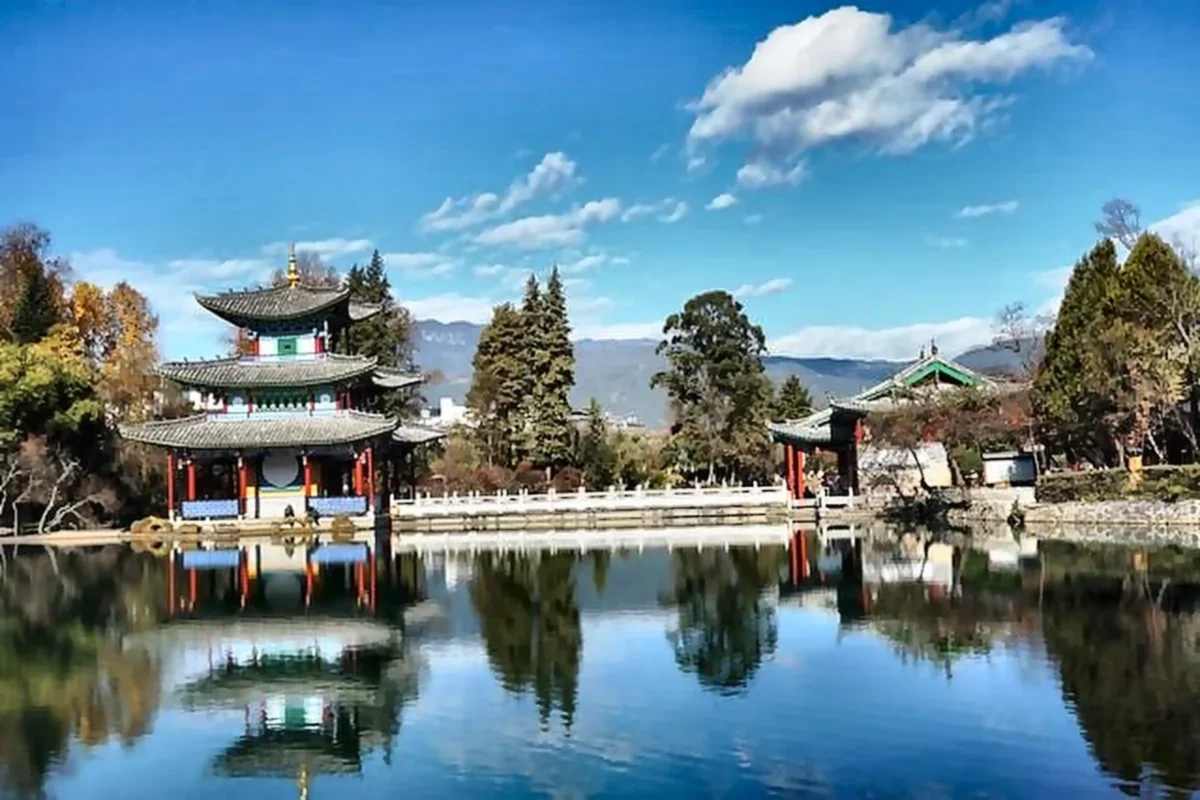
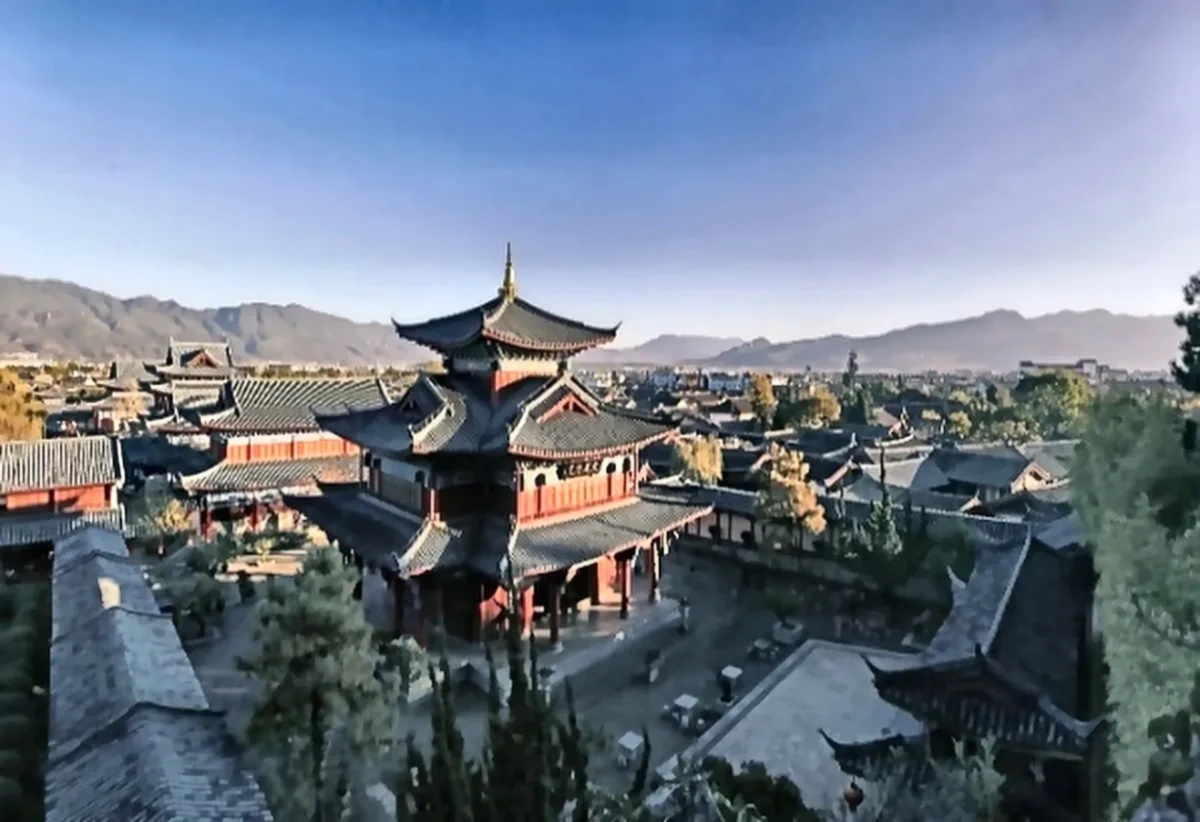
Built upon millennia of history, Yunnan preserves extraordinary vernacular architecture and UNESCO-recognized World Heritage towns. Lijiang Old Town—known historically as Dayan Ancient Town—stands as a premier example: not merely a cluster of historic Naxi buildings, but a living museum of Naxi culture. Built along mountain slopes and fed by clear waters descending from Jade Dragon Snow Mountain, Lijiang winds along delicate canals spanned by hundreds of stone bridges. Its timber-and-tile houses feature spacious courtyards, fine carvings, and colorful murals illustrating Naxi daily life and beliefs. Sifang Street forms the historic hub where Ancient Tea Horse Road merchants once gathered, still bustling today with visitors and traditional dances. Naxi traditions endure through spoken language, the world’s sole surviving *Dongba* pictographic script, ritual ceremonies, nightly classical Naxi music ensembles, and a community ethos of harmony with nature. Nearby Shuhe Ancient Town and Baisha Village offer quieter, more rustic glimpses into Naxi origins and historic murals.
Beyond historic towns, Yunnan is home to the UNESCO World Heritage “Honghe Hani Rice Terraces,” a masterpiece of harmony between humanity and nature. Over 1,300 years, the Hani people sculpted thousands of hectares of terraced paddies across steep mountainsides in Honghe Prefecture, creating a dramatic landscape that shifts colors with every season. Intricate gravity-fed irrigation channels carrying mountain water down to every terrace—paired with distinctive “mushroom-shaped” Hani earthen houses—testify to a community’s wisdom and perseverance in sustaining life across rugged terrain. Farther north, the UNESCO-inscribed Three Parallel Rivers of Yunnan Protected Areas shelter the Jinsha, Lancang (Mekong), and Nujiang rivers running parallel through deep gorges, forming an area of astonishing biodiversity, dramatic geology, and rich ecosystems.
Yunnan’s scenic landmarks truly rank among the finest anywhere, stretching from vibrant cities to sacred highlands. In Kunming—the “City of Eternal Spring”—visitors wander through the Stone Forest (Shilin), a vast karst labyrinth of weathered limestone pillars rising skyward. Dianchi Lake and the Western Hills offer peaceful temples and lakeside views, while year-round flower markets and gentle weather fill the city with life.
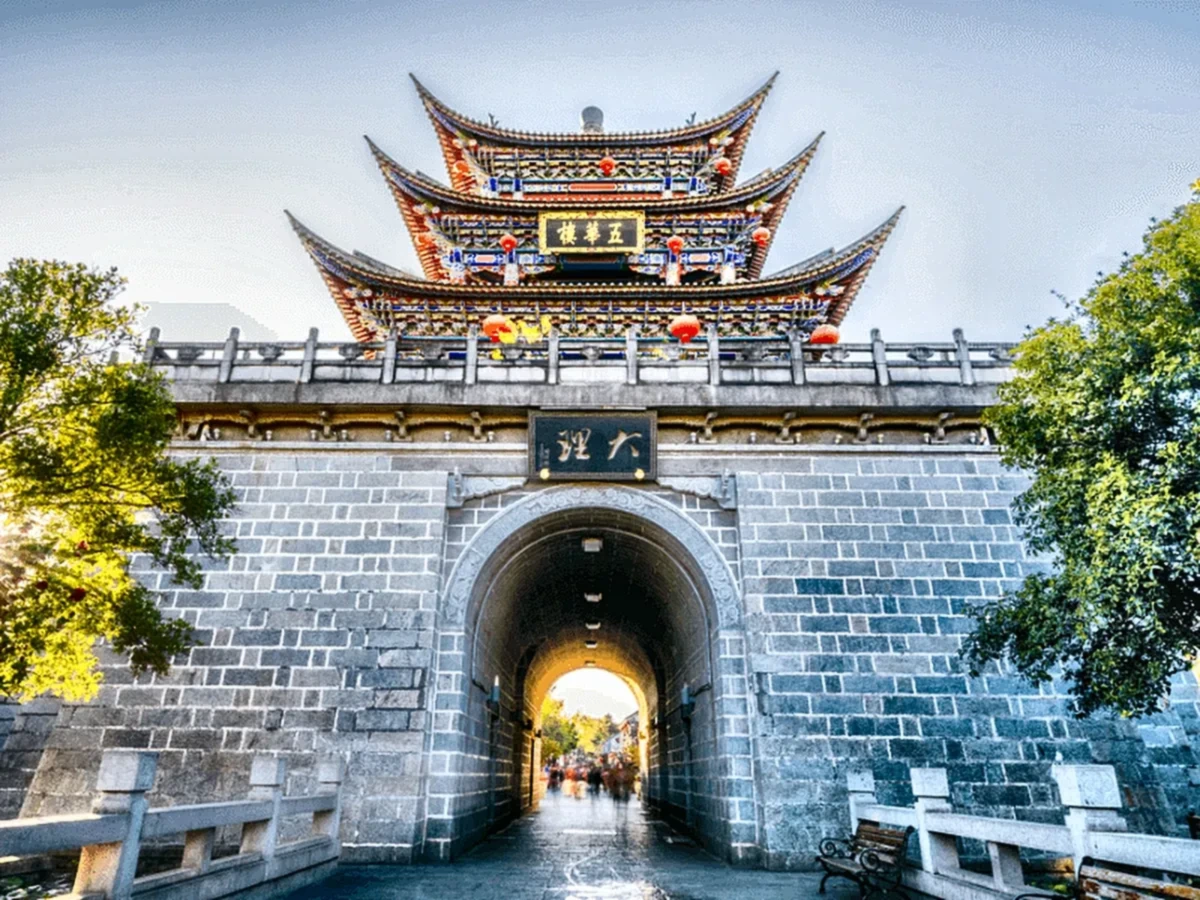
Dali, seat of the ancient kingdom beside Erhai Lake, embodies the classic ideal of “wind, flowers, snow, and moon.” Dali Ancient City sits below the towering Cangshan Mountains along the shores of Erhai Lake, blending Bai architecture—curved eaves, imposing gates, and quiet courtyards—with lakeside cycling past peaceful fishing villages. The Three Pagodas of Chongsheng Temple rise proudly against Cangshan as a testament to Buddhist devotion during the Kingdom of Dali, while historic Xizhou showcases well-preserved Bai courtyard homes and local delicacies.
Heading north, Lijiang pairs its ancient town with Jade Dragon Snow Mountain—a glacier-draped massif exceeding 5,500 meters—where cable cars ascend to 4,500 meters for cloud seas and glacial vistas, and *Impression Lijiang*, directed by Zhang Yimou, stages performances with hundreds of local performers against the mountain backdrop. Nearby Tiger Leaping Gorge, one of the world’s deepest gorges, channels the rushing Jinsha River between towering snow peaks—a thrilling destination for trekking enthusiasts.
Farther northwest above 3,000 meters lies Shangri-La, the fabled alpine paradise immortalized in James Hilton’s *Lost Horizon*. As a hub of Tibetan culture in Yunnan, Shangri-La features historic monasteries, sweeping meadows, and sacred snow peaks. Dukezong Ancient Town preserves traditional timber homes, stone lanes, and a giant prayer wheel atop Guishan Hill; Ganden Sumtseling Monastery—known as “Little Potala”—stands as Yunnan’s largest Tibetan Buddhist monastery with grand halls, statues, and murals; and Pudacuo National Park protects pristine alpine lakes, pine forests, and rich highland wildlife.
Beyond famous names, Honghe Prefecture holds rich architectural and cultural treasures. Jianshui, with over 1,200 years of history, features China’s second-largest Confucius Temple (after Qufu), the grand Qing-dynasty Zhu Family Garden with over forty courtyards, and the historic Twin Dragon Bridge spanning two rivers, alongside rustic villages like Tuanshan. Pingbian showcases wild natural beauty at Dawei Mountain National Forest Park with expansive azalea blooms and cloud forests, while Mile offers a relaxed modern escape with hot-spring resorts, vineyards, wineries, and a colossal Maitreya Buddha statue.
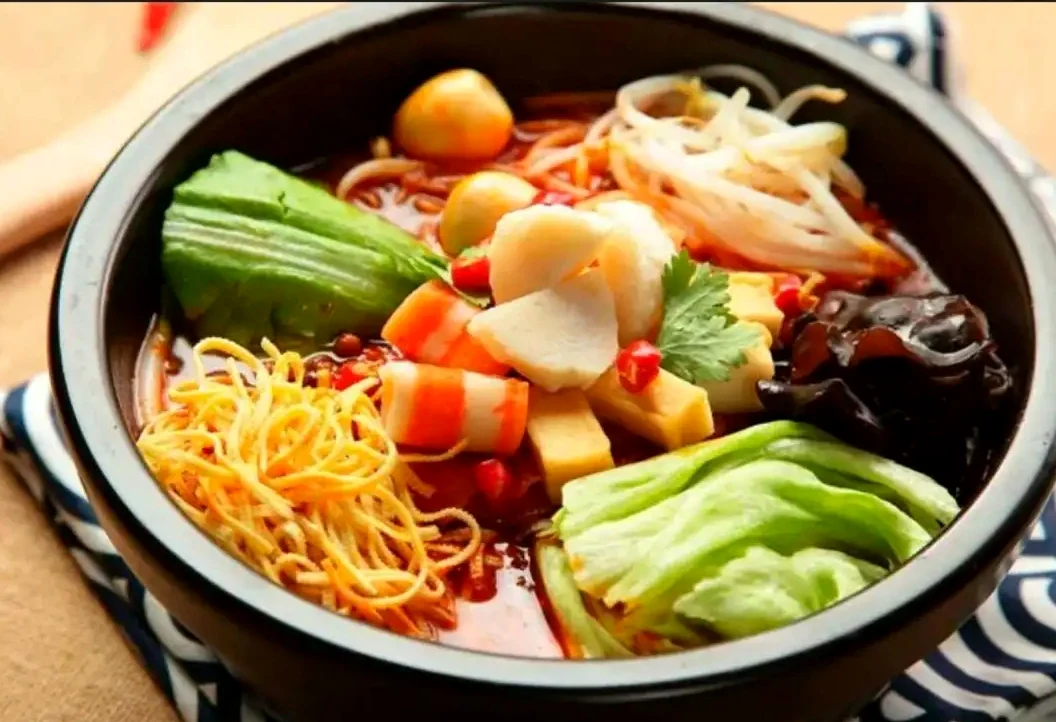
Exploring Yunnan’s heritage is incomplete without tasting its distinctive culinary traditions, shaped by centuries of Han, Tibetan, Dai, and ethnic minority exchange—blending spicy, sour, savory, and sweet notes. Kunming and Yunnan’s signature dish is Crossing-the-Bridge Rice Noodles (*Guoqiao Mixian*), served with rich broth, thin slices of meat, fresh greens, and toppings in a ritual steeped in romantic legend, while autumn brings prized wild mushroom hot pot.
Dali is known for *Baba* flatbreads, sweet-and-sour Erhai lake fish, and Bai-style cured pork. Lijiang highlights Naxi cured chicken and yak cheese alongside lively night-market snacks. Tea culture reaches a peak with world-famous Pu-erh tea from southern Yunnan—an enduring symbol of Ancient Tea Horse Road trade—available in raw (*sheng*) and ripened (*shu*) varieties that deepen in character with age, while ethnic minority banquets such as the Hani Long Street Banquet stretch tables down village lanes in warm celebration.
Smooth travel across Yunnan depends on understanding its modern transport network and seasonal timing. Backed by major investment in China’s CRH high-speed rail network, Kunming serves as the primary rail hub via Kunming Railway Station and Kunming South Railway Station, linking easily to Dali (roughly 2–3 hours) and Lijiang (roughly 3–4 hours), with modern stations in Dali and Lijiang adding convenience.
By air, Kunming Changshui International Airport (KMG) serves as southwestern China’s major aviation hub with domestic and international flights, complemented by regional airports in Dali, Lijiang, and Shangri-La. For Vietnamese travelers, cross-border links continue to improve: Hekou Port opposite Lao Cai is a key land gateway, connected via cross-border rail from Lao Cai to Hekou and high-speed rail onward to Kunming, alongside direct or connecting flights from major Vietnamese cities to Kunming.

The best season to visit Yunnan depends on your interests, as each season offers distinct beauty:
Spring (March–May): Ideal across much of the province, bringing mild weather, sunshine, and blossoms—from cherry blossoms and rapeseed fields to azaleas—making Kunming’s “City of Eternal Spring” especially inviting alongside lively ethnic festivals.
Summer (June–August): Lush greenery and cool highland temperatures—such as breezy meadows in Shangri-La—though brief rain showers occur during the rainy season.
Autumn (September–November): Another top season with clear skies, gentle sun, cool air, and golden harvest rice terraces in Honghe—ideal for sightseeing, photography, and trekking.
Winter (December–February): Brings snow to high elevations like Shangri-La and Lijiang for a serene winter look (with icy patches on some roads), while Kunming and lower valleys stay milder, and flooded Honghe terraces gleam like mirrors.
For Vietnamese travelers, a quick field checklist makes exploring Yunnan effortless. First, handle entry paperwork early: Vietnamese citizens require a valid Chinese tourist visa (with a passport valid for at least six months, photo, proof of funds, itinerary, and flight/hotel bookings), and VDS Travel assists throughout the process; while border passes apply to certain border zones, a standard tourist visa is best for exploring broadly across Yunnan.
Second, prepare for China’s virtually cashless economy: Alipay and WeChat Pay are used almost everywhere from shops to street stalls, so install and link an international credit card before departure (or arrange top-ups via trusted channels or your VDS Travel guide), carrying only minimal cash as backup. For connectivity, a roaming data eSIM provides immediate high-speed internet without swapping physical SIMs or running into app access hurdles.
Pack in adaptable layers for Yunnan’s elevation shifts: bring a heavy coat, thermal layers, hat, gloves, and waterproof hiking shoes for high-altitude Shangri-La even in summer; light layers and a sweater or light jacket for Lijiang and Dali; and breathable, comfortable clothes for milder Kunming. Always carry a compact umbrella or rain jacket for sudden showers, sturdy slip-resistant walking shoes for cobbled old towns, and proper trekking footwear and a daypack for Tiger Leaping Gorge or nature reserves.

Finally, to make your journey through Yunnan’s cultural heritage seamless and deeply resonant, VDS Travel is proud to travel alongside you. With specialists who know Yunnan’s culture, geography, and people inside out, we craft tailored heritage journeys that go far beyond ordinary sightseeing—refining routes to your interests, arranging comfortable transport and culturally authentic stays with modern comforts, and pairing you with storyteller guides who bring history, customs, and regional flavors vividly to life. Let VDS Travel help you write a memorable new chapter in your own heritage travel story across enchanting Yunnan.
