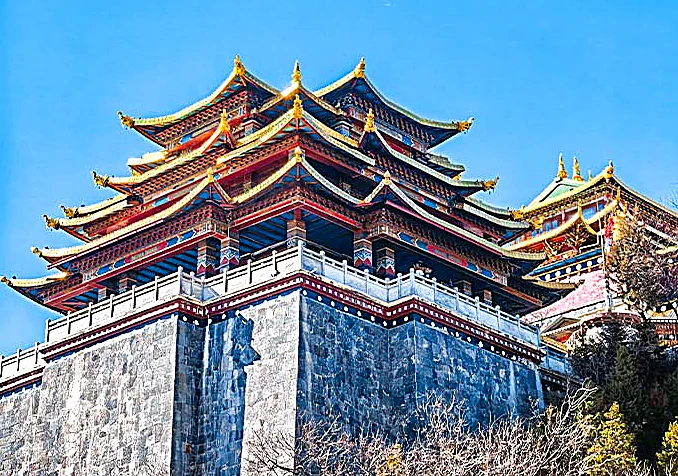
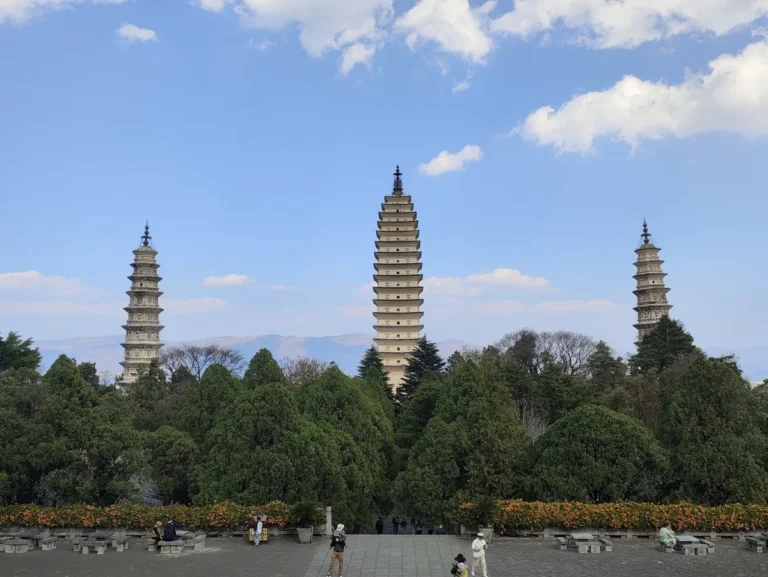
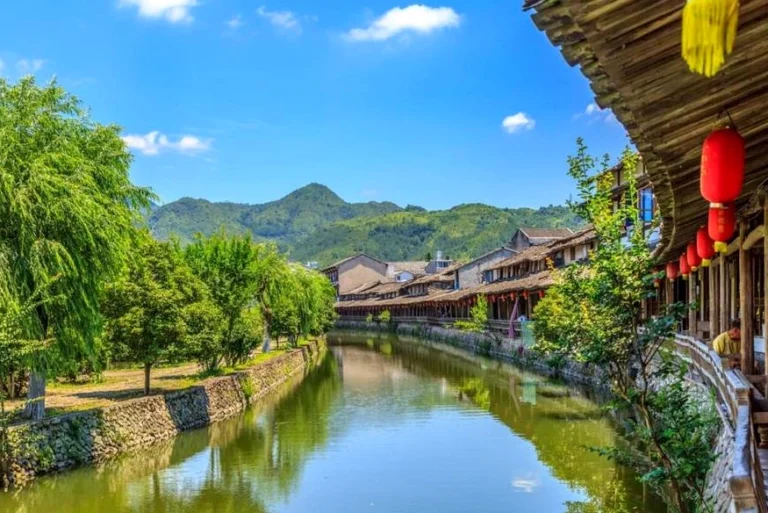
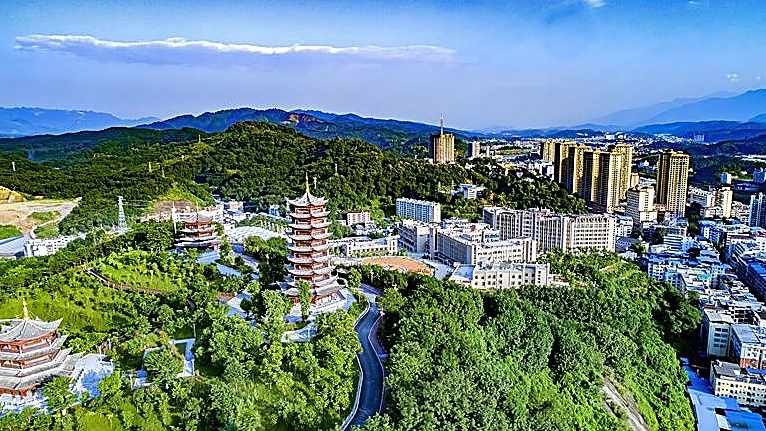
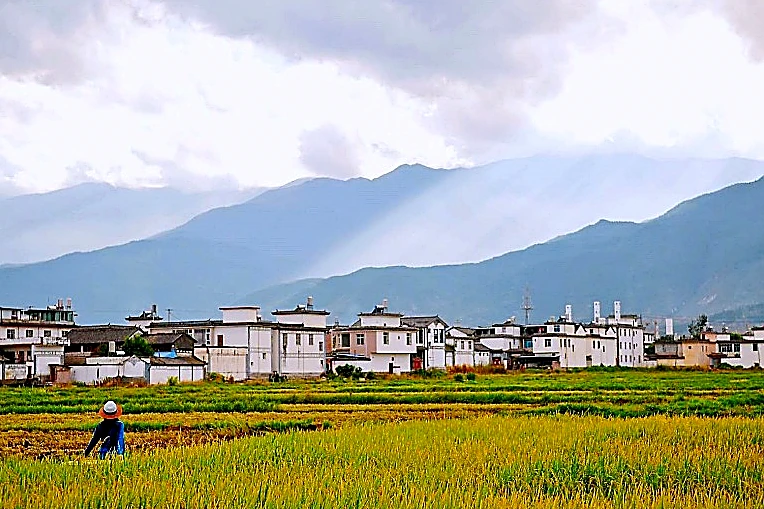
Nestled peacefully across the fertile plain along the shore of Erhai Lake and beneath the majestic Cangshan range, Xizhou Ancient Town stands like a living chronicle recording more than a thousand years of Bai cultural heritage. Yet tracing archaeological layers reveals roots far older than written history—reaching back to the dawn of human civilization over 3,700 years ago. Excavations at the foot of Baiyun Peak in the Cangshan range have uncovered semi-subterranean dwellings and Neolithic stone tools, showing that prehistoric clans chose this fertile valley early on as a home. Over millennia of alluvial enrichment and cultural growth, the area evolved from early settlements into a densely populated center long before formal administrative systems of northern dynasties arrived.
Entering written history, Xizhou’s geopolitical importance grew as the Western Han Dynasty established Yeju County in the Dali basin, dispatching Han officials to govern and laying foundations for deep Central Plains cultural exchange. Shifting eras across later centuries are vividly etched into the Hongkueshan ancient tomb site on the outskirts of town, where archaeologists have excavated tombs from the Three Kingdoms period followed by layers of refined ceramics, jade, and coins spanning the Northern Wei, Sui, Tang, and Song dynasties. During the flourishing Nanzhao and Dali kingdoms, Xizhou served as one of the era’s foremost military, economic, and religious centers—frequently visited by royalty and nobility while Bai traditional crafts reached high skill.
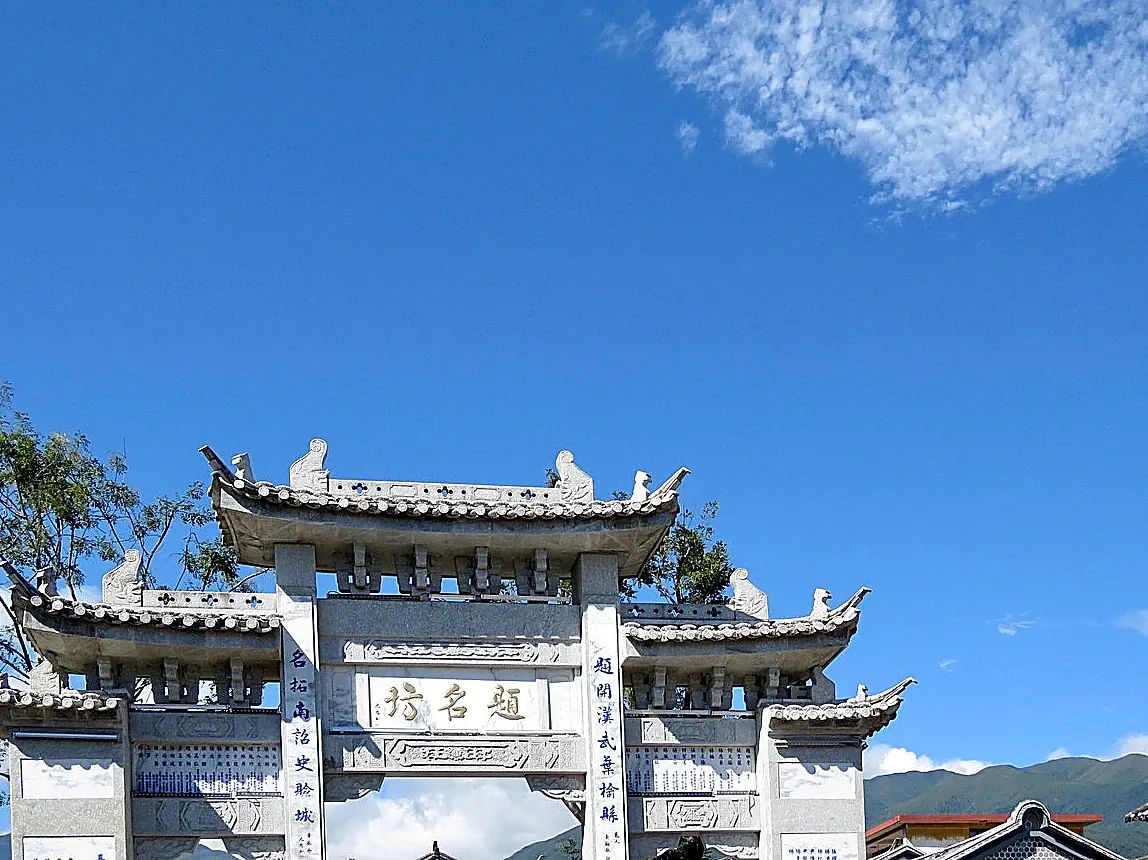
More than a cradle for preserving Bai identity, Xizhou also rose as a vital relay hub along the fabled Ancient Tea Horse Road linking Yunnan’s tea-growing regions with Tibet, Sichuan, and South Asia. Horse and mule bells ringing over old bluestone slabs awakened strong commercial enterprise among locals, turning Xizhou into a celebrated birthplace of Bai commerce and industry. Blending classical Confucian learning with sharp business acumen forged a renowned class of “scholar-merchants,” as Xizhou trading guilds dominated flows of high-value goods—from compressed tea cakes and medicinal herbs to hides, furs, and silk—across historical eras.
The commercial peak of Xizhou is closely tied to the life of legendary figure Yan Zizhen, known by his style name Shangyi Laoren. During the late Qing Guangxu reign, seizing opportunities opened by expanding international border trade, Yan Zizhen founded the famed enterprise “Yongchangxiang.” Under his capable leadership, the trading firm grew into one of southwestern China’s most powerful multi-sector business houses, with branches stretching from Kunming, Shanghai, and Chongqing all the way to Burma and India. Financial prosperity enabled Yan Zizhen to begin building the grand Yan Family Courtyard in 1907—an imposing residence that still stands today as one of the most complete, representative examples of Bai domestic architecture, commemorating the golden era that placed Xizhou among the key traditional villages of Yunnan.
Commanding the northern stretch of the Dali valley in Yunnan Province, Xizhou Ancient Town enjoys a rare geographic setting gathering the essence of traditional feng shui across the Yunnan–Guizhou Plateau. Scholars of old summed up its setting in four golden words: “Cang and Er nurturing grace”—meaning refined vitality shaped and nourished by the meeting of Cangshan Mountain and Erhai Lake. In terrain feng shui, the quiet historic complex sits firmly below Cloud Peak (Baiyun Feng)—one of nineteen peaks soaring into the clouds along the Cangshan range—while opening its front toward the calm, jade-clear western shore of Erhai Lake. This “backing onto mountains beside water” layout—anchored by high peaks behind for spiritual support and storm shelter while facing broad waters ahead to welcome auspicious energy—has nurtured a fertile, peaceful settlement across centuries of change.
Natural geography shapes not only feng shui, but also local ecology and daily life across generations. From gorges high on year-round snow-dusted Baiyun Peak, clear mountain streams thread through granite crevices and pour onto the plain, branching into natural waterways that irrigate fertile fields around town before joining Erhai Lake. Harmony between stately stone peaks and gentle waters reflecting sky and clouds made Xizhou a land of natural grace and talent—inspiring the celebrated Bai folk legend of the “Five Golden Flowers.” Scenery shifts gracefully across four seasons as lush green young rice turns golden at harvest, painting a pure rural landscape rarely matched.
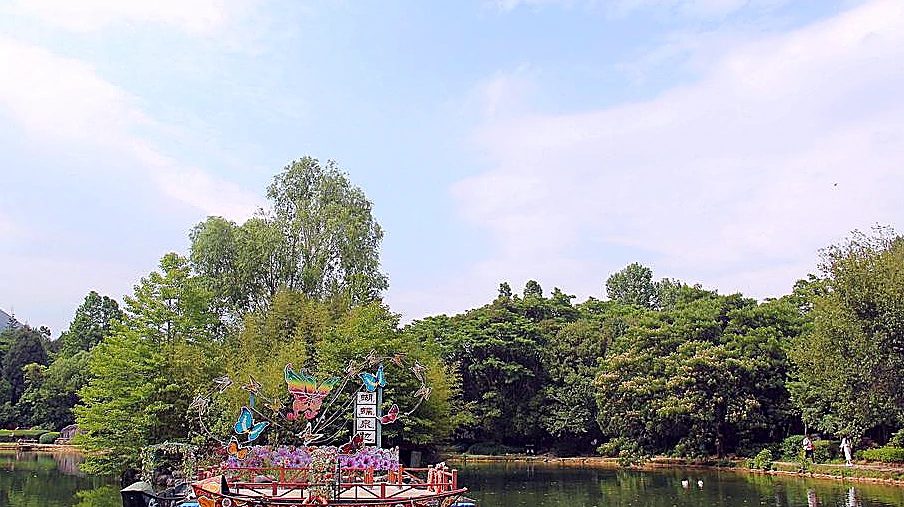
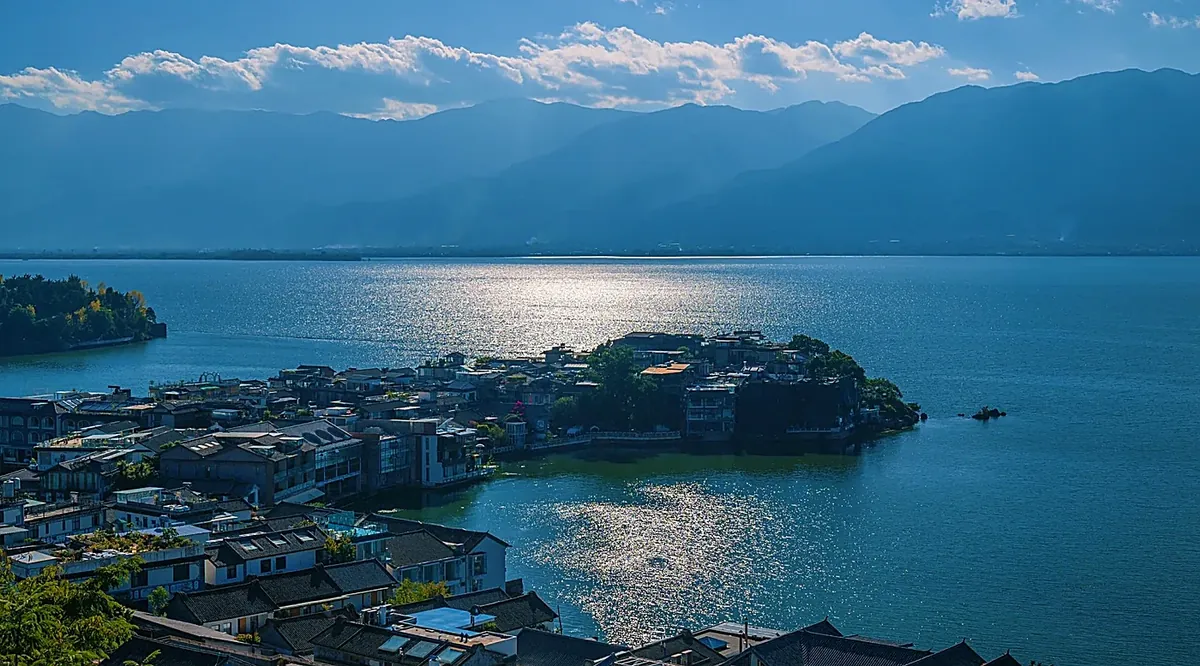
Looking out from the town center roughly three to four kilometers east toward the lakeside eco-belt brings visitors to the striking peninsula of Haishé Ecological Park. Seen from above, this natural spit of land juts out like a giant tongue deep into broad Erhai Lake, forming a soft border between blue water and clear sky. Vegetation at Haishé keeps an unspoiled charm with old willows standing in shallow water, reeds rustling in lake breezes, and green wild grass lining paths. Standing at the eastern tip as Cangshan winds ripple the waves, water and sky seem to merge into a vast, open horizon.
Continuing along the eco-belt southward, Xizhou links smoothly with Panxi Village and winding lakeside greenways, where terrain transitions gently from old hamlets to flat stone shores reflecting the water. This open aspect welcomes soft southern breezes, turning the shoreline into a calm haven of grass and wildflowers. When evening light fades behind high Cangshan peaks, sunset dyes the sky in rich crimson and violet and casts shimmering gold-amber light across mirror-still Erhai Lake—giving travelers a peaceful, poetic refuge in the land of wind.
Stepping through Xizhou’s deeper lanes, the strongest impression for cultural researchers lies not only in age, but in the exemplary spatial planning of its nationally protected Bai historic architecture. Forged through centuries of exchange between refined Central Plains aesthetics and southwestern terrain, Xizhou architecture reaches classic expression in “Three Courtyards and One Screen Wall” (Sanfang Yizhaobi), “Four-Sided Courtyard with Five Skywells,” and “Horse-Galloping Corner Lofts.” More than shelter from wind and rain, these layouts embody a thoughtful philosophy harmonizing daily life with mild microclimates and views of Cangshan Mountain and Erhai Lake.
“Three Courtyards and One Screen Wall” sets a balanced axis with a dignified main hall facing south, flanked by side wings, and faced across the courtyard by a grand screen wall (zhaobi). That screen wall blocks chilly valley winds and gathers auspicious energy while catching morning sunlight to reflect warm brightness into the courtyard. Ink-wash paintings and classical verses across whitewashed screen walls turn each courtyard into a poetic scroll. Upstairs, “Horse-Galloping Corner Lofts” create continuous wrap-around galleries allowing movement around upper levels sheltered from sun and rain, while carved beams, eaves, and lattice doors display layered reliefs of auspicious motifs, pines and cranes, or carp leaping the Dragon Gate.
Prosperity among modern-era Xizhou merchants set the stage for some of Yunnan’s grandest courtyard estates. Foremost is the Yan Family Courtyard, a famed residence with interconnected courtyards that even weaves a Western Art Deco-style lookout pavilion into traditional Bai character. Alongside it stand the Yang Pinxiang Residence—celebrated for intricate carved archways in western Yunnan—and the Yin Family Courtyard with tranquil garden spaces reflecting scholarly refinement. Rather than sitting frozen in silence, these estates serve as living museums and cultural exchange spaces where Three-Course Tea rituals and tie-dyeing continue alongside contemporary life.
To safeguard a priceless heritage treasure, conservation here strictly follows the principle of “not altering traditional appearance”—preserving old character without artificial novelty. Guided by a vision to build Xizhou as a premier Bai cultural town, a broad revitalization program spanning 27 key projects with cumulative investment approaching 2 billion RMB has restored bluestone lanes by traditional craft standards, placed utility lines underground to highlight blue tiles and white walls, and carefully repaired ink-wash screen walls and old drainage systems under expert heritage supervision—keeping memories of merchant guilds alive within a vibrant community.
As sunset settles across the plain between nineteen snow-dusted Cangshan peaks and broad Erhai Lake, Xizhou Ancient Town sets aside daytime bustle to reveal the quiet, original character of a thousand-year-old Bai settlement. As evening light fades, warm silk lanterns hung along curving eaves of old homes glow together, casting soft golden reflections onto smooth bluestone slabs worn over centuries by hooves of Tea Horse Road caravans. Nights in Xizhou are not flashy with commercial neon, but drift gently through winding narrow lanes where shadow and light weave a serene scene evoking an old highland town of the Nanzhao and Dali eras.
After dark, cultural and spiritual landmarks such as Wenchang Palace, Tishu Pavilion, and the ancient theater stage stand out with quiet dignity. Lighting is carefully restrained to honor traditional timber craft—highlighting time-seasoned pillars, lacquered and gilded plaques and couplets, and carved “six-panel doors.” Near pavilions and waterside kiosks, indigo-dyed silk from traditional tie-dye workshops hangs softly, swaying gently in cool breezes descending from Diancang Peak as warm light touches white walls painted with classic Bai ink-wash landscapes.
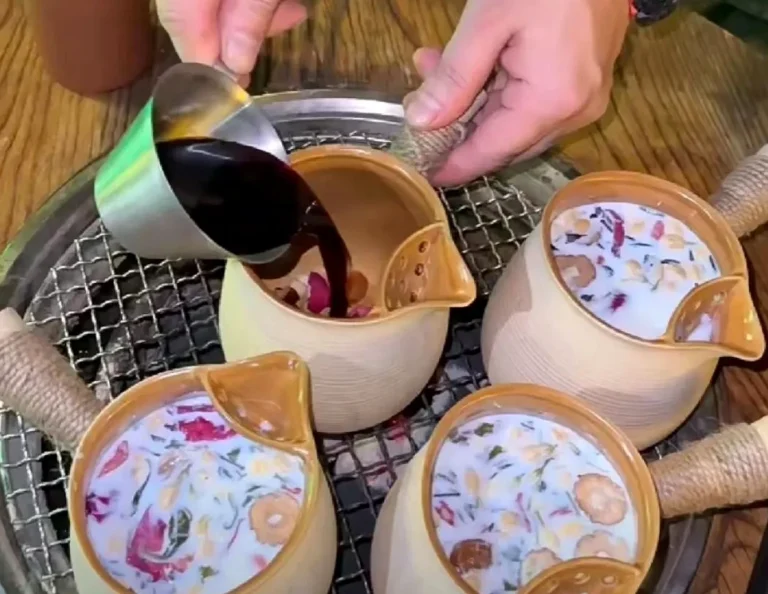
Inside “Three Courtyards and One Screen Wall” or “Four-Sided Courtyard with Five Skywells” compounds, Xizhou nights settle into the gentle chime of bronze wind bells beneath eaves and the aroma of roasted tea. In traditional courtyard teahouses, visitors can experience the Bai Three-Course Tea ceremony—an intangible cultural heritage ritual steeped in life philosophy. The first cup brings a bitter-astringent note (“First Bitter”) from green tea pan-roasted in an earthenware pot, recalling early hardships of enterprise; the second cup offers rich sweetness (“Second Sweet”) made with brown sugar, crushed walnut, toasted sesame, and rushan cheese milk-fan, symbolizing rewards after effort; and the third cup leaves a warm lingering aftertaste (“Third Lingering Flavor”) with ginger, cinnamon bark, honey, and Sichuan peppercorn, inviting quiet reflection on life.
Beside steaming teapots, nights in Xizhou gain extra charm from rustic Bai folk songs sung by senior village musicians. Plaintive notes of a dragon-headed sanxian lute blend with lively beats of an octagonal drum and heartfelt singing recounting love stories or lakeside labor. Unlike bustling nightlife hubs in Dali Ancient City or nearby Lijiang, nights in Xizhou hold the unhurried calm of a fertile farming village—neighbors chatting on verandas, visitors sipping warm tea, and evening wind brushing cornfields in peaceful Yunnan mountain air.
Celebrated as a culinary hub in western Yunnan, Xizhou Ancient Town charms visitors not only with stone-and-timber courtyards, but also with a distinctive Bai food map beside Erhai Lake. Shaped over centuries of Tea Horse Road exchange, local cooking blends mountain ingredients with traditional Bai balance—where street snacks and banquet dishes alike reflect natural bounty and time-honored craft.
First in memory for food lovers is Xizhou Baba—also called Poxiao Baba—an intangible cultural heritage pastry known across western Yunnan. Crafted from naturally fermented wheat flour, laminated skillfully in thin layers with local lard, and baked in traditional cast-iron ovens heated with charcoal both above the lid and beneath the base, each pastry puffs golden, crisp, and flaky with rich aroma drifting down mossy lanes. It comes in two classic flavors: savory with seasoned minced pork and fragrant scallions, and sweet with smooth red-bean paste, brown sugar, and rose petals harvested along Cangshan slopes.
Strolling past bluestone paving and whitewashed walls, visitors can rarely resist the aroma rising from street-side stalls grilling rushan (milk-fan) cheese. Reflecting Bai herding traditions, fresh cow’s milk is heated and curdled with natural sour whey, then stretched thin with bamboo chopsticks like a fan and dried on bamboo racks. Grilled gently over charcoal until soft and lightly blistered, each strip is brushed with sweet rose-sugar preserve and rolled around a bamboo stick—delivering chewy, creamy dairy richness paired with floral sweetness.
Inside old courtyards at a traditional Bai “Eight Big Bowls” feast, Xizhou cuisine reveals rustic yet refined depth through Shengpi (“raw skin”). Pork is singed over golden glutinous-rice straw so the outer skin turns crisp and chewy with fragrant fat while the lean meat stays tender and rosy inside, then sliced paper-thin and served with a tangy-spicy dipping sauce of local sour vinegar, chopped chili, fresh ginger, and wild herbs. Alongside it comes Diaomei Xiaopai—tender pork ribs slow-cooked with green plums carefully carved with delicate patterns by Bai women and preserved in honey-sugar syrup for a refined sweet-tart glaze—paired with cool cold chicken rice noodles and sour-chili sauce to refresh the palate.
Near tranquil Wenchang Palace in town, modest eateries stay lively with bubbling pots of western Yunnan sour-pickled-cabbage and wild-mushroom beef hotpot on cool days. Slow-simmered bone and pickled-greens broth mingles with sweet forest mushrooms picked along Cangshan slopes as thin slices of highland beef are swished through—completed by crispy fermented-tofu-and-Pu-erh-leaf bites, lemongrass-marinated Erhai carp grilled over charcoal, and sizzling highland beef skewers.
Reaching this peaceful basin from central Dali Ancient City is straightforward along the Dali–Lijiang corridor or shaded Huanhai West Road. Local short-distance buses (“zhongba”) run frequently between Dali and Xizhou at low fares, offering a down-to-earth glimpse of daily local life, while tour buses or private cars give families extra comfort and flexibility. Once in town, renting a bicycle at the entrance for a three-to-four-kilometer ride out to Haishé Ecological Park along Erhai’s shoreline is a memorable way to take in the lakefront.
Public streets, bluestone lanes, and Sifang Square in Xizhou Ancient Town are open day and night with no general entry fee—allowing unhurried walks through morning mist or beneath moonlight on white walls. However, visiting nationally protected historic residences such as the Yan Family Courtyard museum requires a small separate ticket, which directly supports conservation of wood carvings, screen paintings, and historical records from Xizhou’s merchant past.
While Bai locals are warm and welcoming, a few practical precautions help avoid hassles. Near town entrances, be cautious of unofficial roadside horse rides or unlicensed drivers lacking safety coverage or clear pricing. Likewise, for famous indigo tie-dye fabrics or handcrafted Cangshan silver jewelry, buy from long-standing family workshops or reputable shops with transparent pricing rather than unverified stalls selling mass-produced goods.
Sitting on the Yunnan–Guizhou Plateau at nearly 2,000 meters above sea level, Xizhou has a highland climate with strong UV sun and brisk Cangshan valley breezes. Pack high-SPF sunscreen, wide-brimmed sunglasses, a light windbreaker for cool evenings, and a versatile umbrella for sun or sudden rain. International travelers should prepare a valid Chinese visa and set up mobile payment apps linked to international cards before arrival for easy spending at local stalls—or consider our organized 4-day, 4-night Dali – Kunming tour package for smooth logistics and a relaxed look at historic southern heritage.