





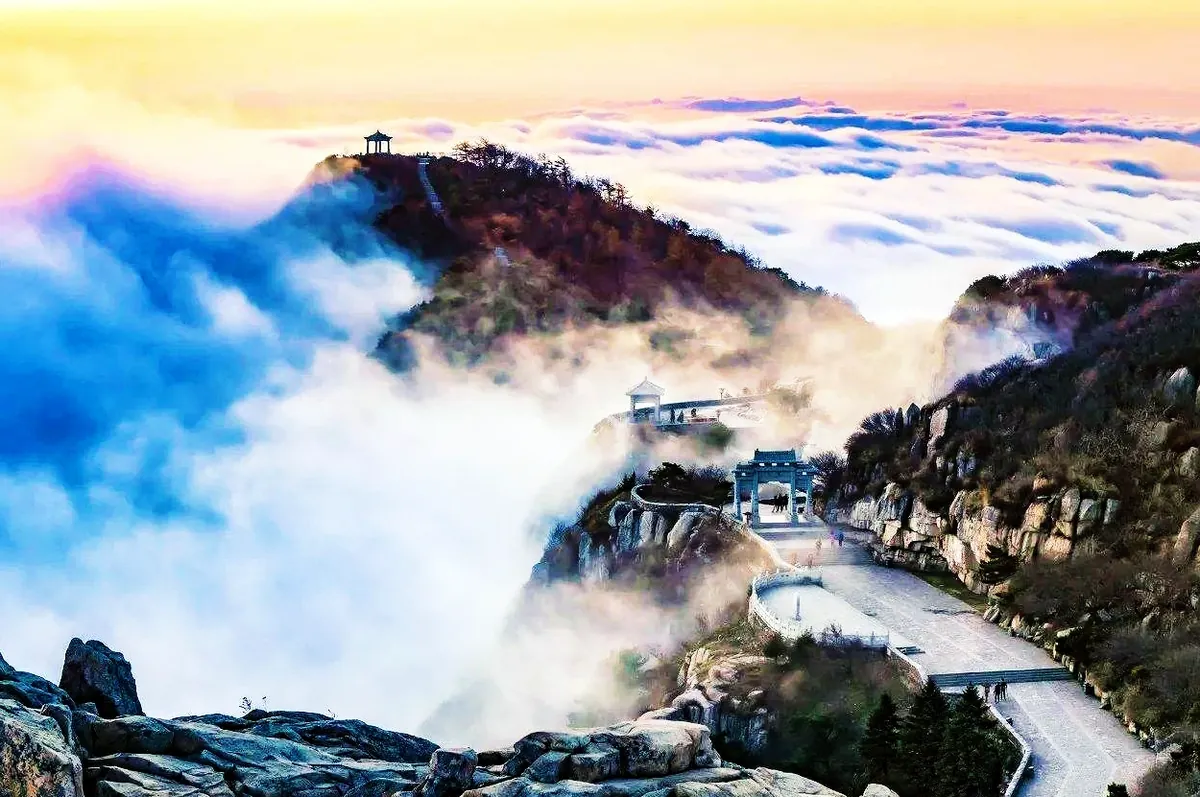
Under centralized dynastic rule, Shandong’s geo-cultural status continued to be sanctified through the iconic Mount Tai. In 219 BCE, after unifying the six states, Ying Zheng—First Emperor Qin Shi Huang—ascended the sacred mountain to erect altars and carve stone steles, conducting the solemn Fengchan ceremony and initiating the legitimizing tradition of the “Mandate of Heaven.” Throughout the imperial era, twelve brilliant monarchs followed in his footsteps to perform sacrifices to heaven and earth here, from Emperor Wu of the Han Dynasty during the Yuanfeng era, Emperor Xuanzong of the Tang Dynasty during the Kaiyuan era, to Emperor Zhenzong of the Song Dynasty during the Dazhong Xiangfu era. By the Sui, Tang, and Song dynasties, the opening of the Grand Canal lifeline injected surging commercial vitality into the inland strip, transforming the ports of Liaocheng and Linqing into bustling transshipment hubs on the national grain transport route.
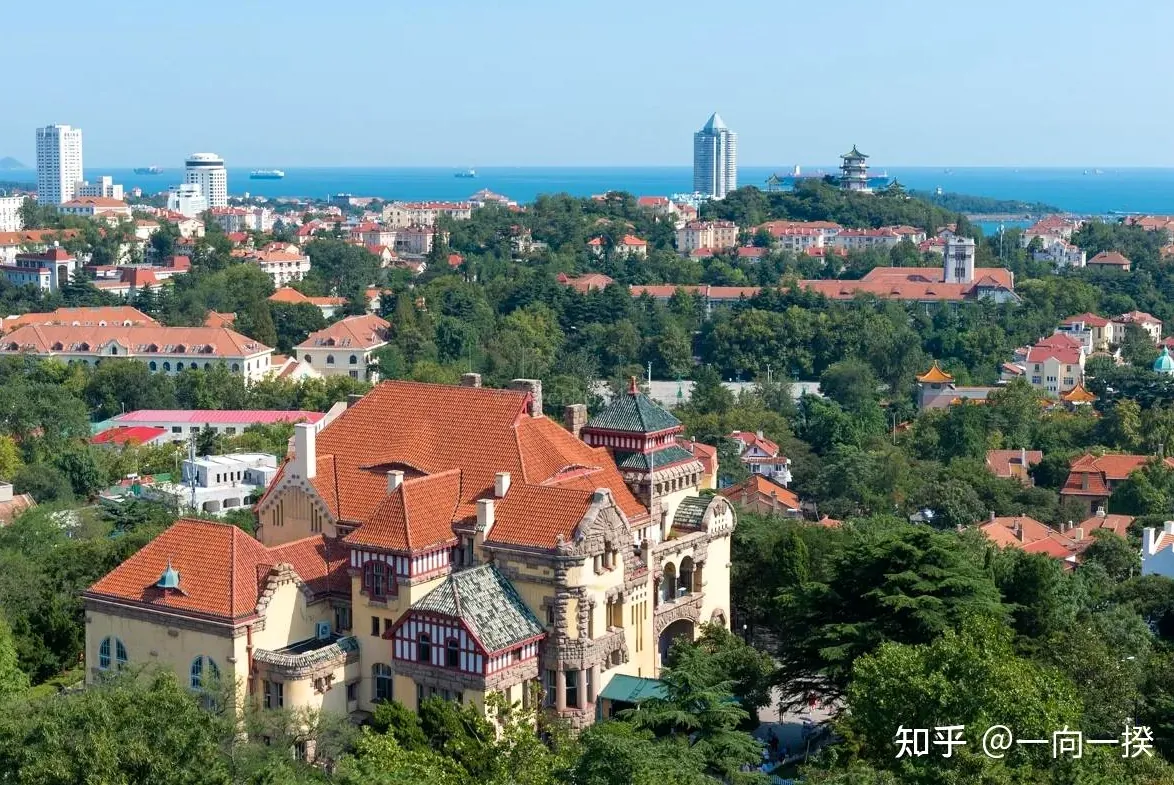
The modern era witnessed violent turning points as Shandong was swept into the vortex of international geopolitical shifts. On March 6, 1898, using the Juye Incident as a pretext, the German Empire forced the Qing court to sign a 99-year lease treaty for Jiaozhou Bay. The Germans rapidly planned Qingdao into a heavily fortified Far Eastern naval port in European architectural style, while also inaugurating the Jiaozhou–Jinan railway and the renowned Tsingtao Brewery. When World War I ended, the unfair verdict at the Paris Peace Conference ceding all German privileges to the Empire of Japan ignited rage among intellectuals, directly sparking the outbreak of the May Fourth Movement on May 4, 1919, in Beijing, opening a new chapter in the process of national rejuvenation.
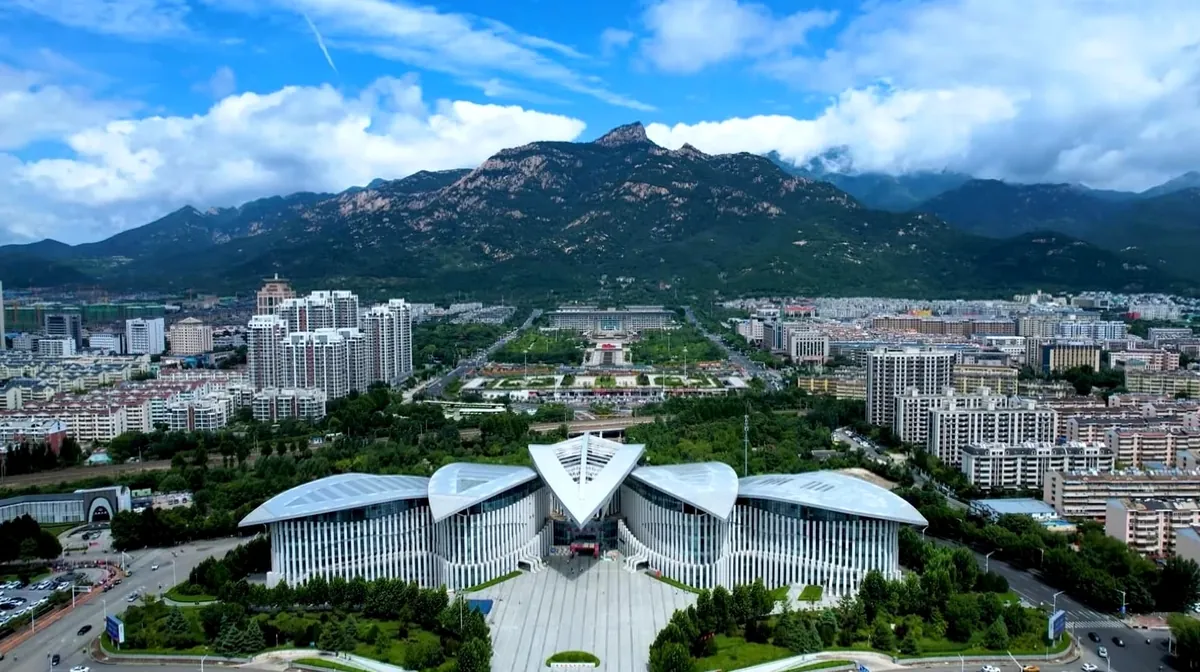
Blending into this millennia-old current, Shandong’s modern landscape emerges through a panoramic aerial view featuring a spectacular harmony between nature and contemporary architecture. In the foreground, large-scale public complexes make a strong impression with wing-like curved roof structures, nestled among lush green parks and neat urban transport networks. Further along the sweeping boulevard leading straight into the urban core are numerous skyscrapers rising proudly against a clear blue sky dotted with white clouds, while in the far background, majestic undulating mountain ranges shield a land rich in identity.
Through thousands of years of accumulation—from primitive pottery strata to global-scale urban transformations—Shandong steadfastly preserves the majestic character of a land where mountains and seas meet. The heroic legacy of monarchs, the profound wisdom of the Jixia Academy, and the resilience through countless modern storms have woven a cultural facade that is both contemplative and vibrant, ready to welcome travelers yearning to return to the roots of Eastern history.
Viewed from its overall geomorphological landscape, Shandong is situated on the eastern edge of the North China Plain, where the lower reaches of the Yellow River roll with silt deposits before merging with the waves of the Bohai Sea. The name Shandong literally originates from its natural geographical position to the east of the majestic Taihang Mountains. This region possesses a rare multi-layered terrain, sloping gently from the fertile alluvial plains in the west and northwest, rising gradually into rugged mountain clusters in the center, and extending into a coastal arc that embraces two major seas. The interweaving of fertile plains and ancient stone mountain ranges has created a prosperous living space, becoming the cradle that nurtured Chinese civilization from its earliest days.
In Eastern traditional geomancy and life philosophy, Shandong’s terrain is fully encapsulated by the concept “One Mountain – One Water – One Sage” (一山一水一圣人). The soulful axis of this land is Mount Tai (East Yue), the foremost among the Five Sacred Mountains, where emperors from Qin Shi Huang to Qianlong performed the grand Fengshan rituals to worship heaven and earth, symbolizing enduring stability through the idiom “As stable as Mount Tai.” Continuing the spiritual energy of the mountain is the “Water” element, carrying the heavy sediments of the Yellow River and the miraculous underground spring sources in Jinan. Hailed as the “City of a Thousand Springs,” Jinan boasts endless flowing underground springs at Baotu Spring and the serene waters of Daming Lake all year round, harmonizing gracefully with Qufu—the hometown of the “Sage” Confucius—creating a golden triangle that perfectly converges both auspicious geographical energy and outstanding human brilliance.
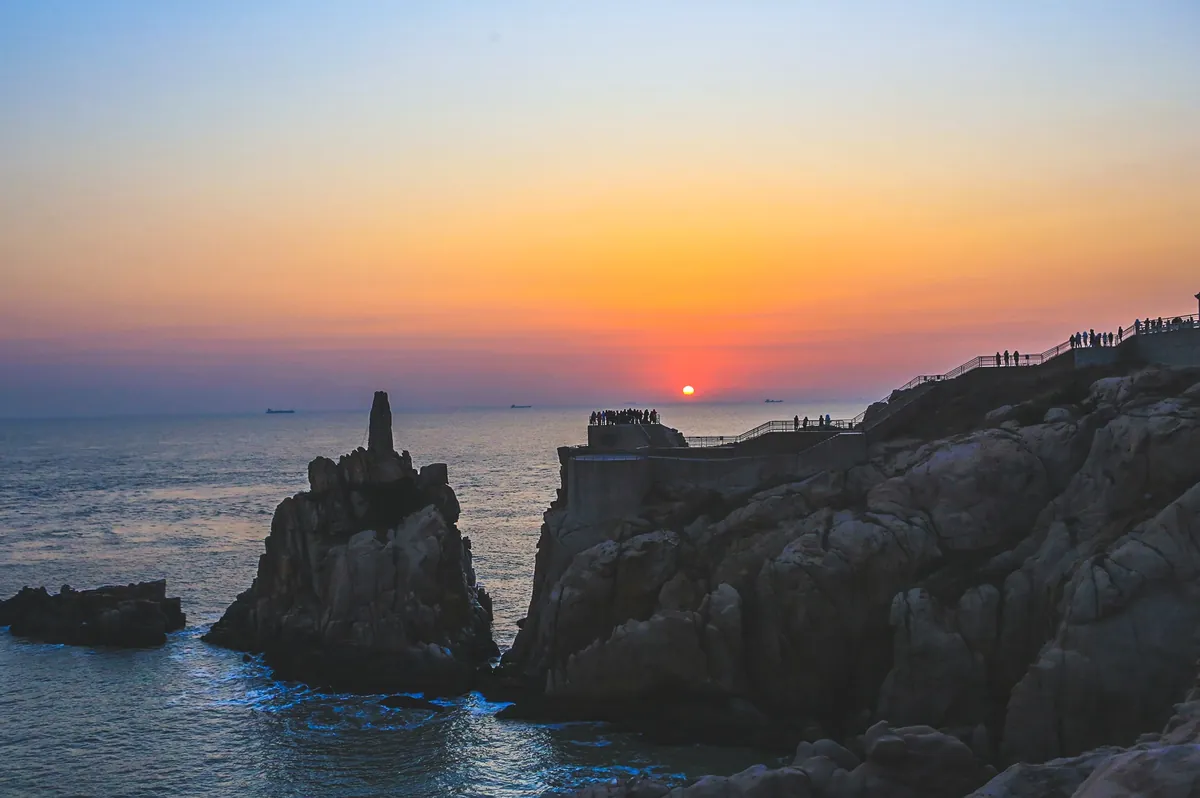
Stretching powerfully toward the Northeast Asian sea, the Jiaodong Peninsula acts as a strategic barrier positioned between the Bohai Gulf and the Yellow Sea with its rugged, winding coastline. It unveils some of Northern China’s most fascinating geographical landscapes, from Chengshantou Cape—the easternmost promontory welcoming the first rays of dawn over the sea—to the legendary Liugong Island shielding the Weihai bay. In particular, the Penglai Pavilion coastal area has passed down through ancient texts as an ethereal wonderland due to the optical phenomenon of mirages (“Fata Morgana”) reflecting illusory pavilions on the misty water surface. The peninsula’s terrain is also favored by nature with deep, sheltered bays, epitomized by Jiaozhou Bay, forming bustling natural deep-water ports and prosperous coastal urban strips.
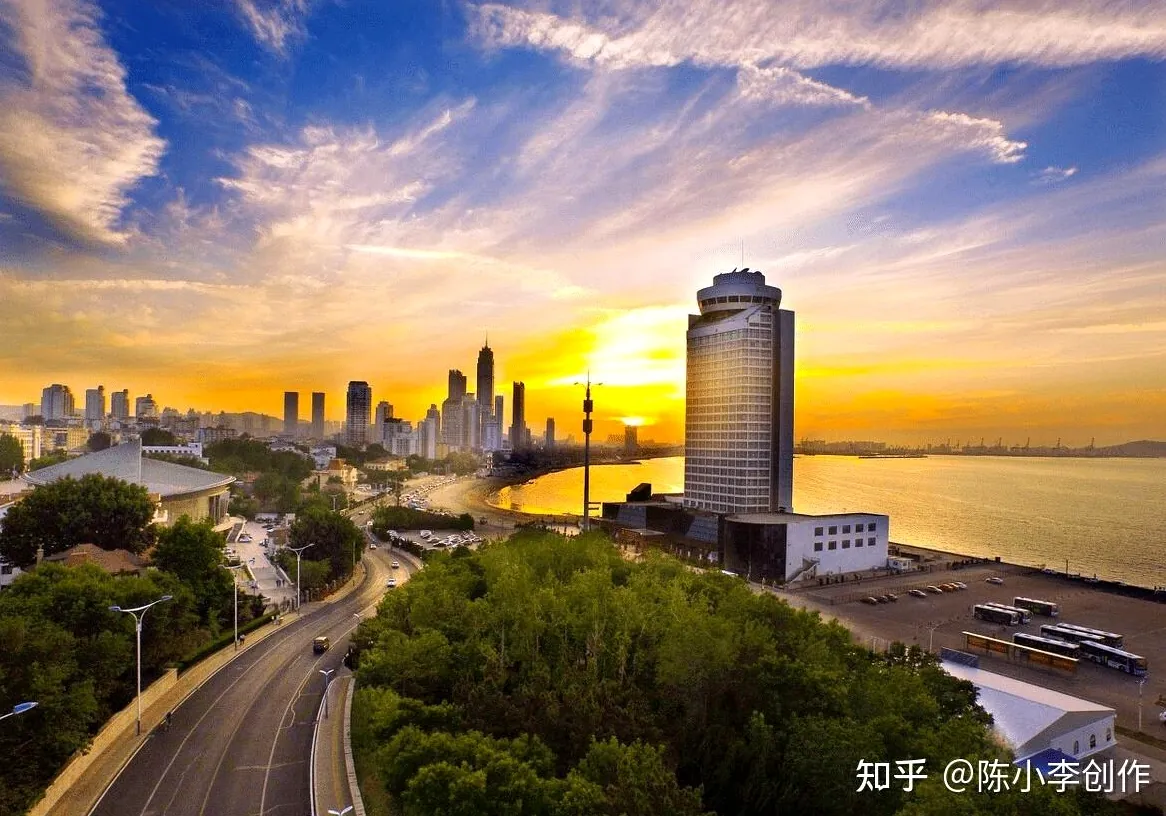
Along the peninsula’s coastal arc, advanced urban life blends spectacularly with the boundless expanse of sea and sky at sunset. The scene captures a winding coastal road lined with lush green trees and slow-moving vehicles, harmoniously contrasting with modern skyscrapers featuring dome-shaped structures stretching right to the edge of the waves. Far on the horizon, the endless coastline is dotted with towering skyscrapers, casting their reflections on the shimmering water painted in the golden hues of twilight. High above, thin white clouds weave gently across the sky, intermingling shades of blue and golden orange, sketching the exquisite beauty of Shandong’s coastal cities.
The intimate interaction between the ancient granite mountain masses in the center and the surrounding ocean currents has endowed Shandong with a distinct yet extremely temperate monsoon climate. Summers are not overly sultry thanks to the soothing sea breeze, while winters are sheltered by the Taihang mountain slopes from the harsh northern winds sweeping down from the Mongolian grasslands. The harmonious interplay of these geographical and climatic factors has not only forged the resilient and straightforward character of the people of Qi and Lu, but also guaranteed the enduring prosperity of a land blessed with outstanding geography and brilliant minds through millennia of historical ups and downs.
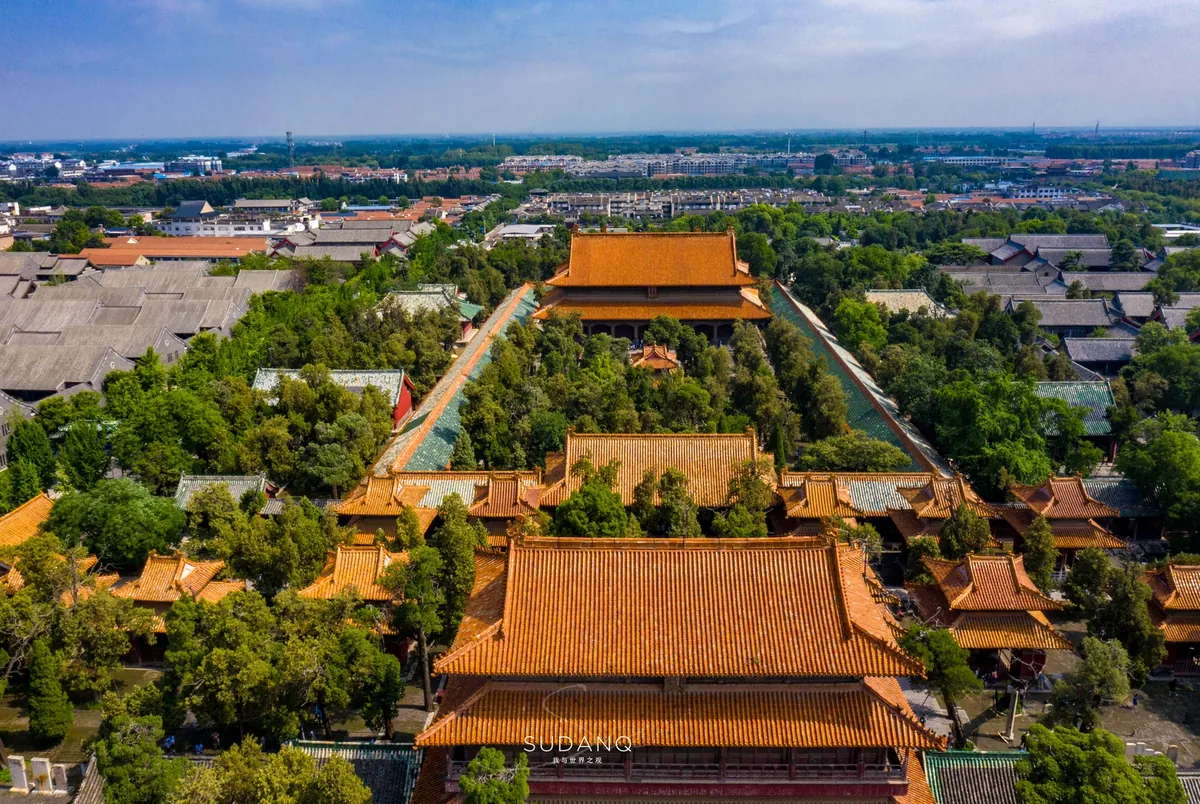
Architectural imprints in Shandong represent a standard interweaving of theocratic order, classical Confucian ritual, and massive planning concepts spanning multiple millennia. The pinnacle of indigenous construction art is fully crystallized in the Three Kongs complex in Qufu, recognized by UNESCO as a World Heritage Site since 1994. The solemn spatial axis of the Confucius Temple takes the Dacheng Hall as its absolute focal point, standing on par with the highest palaces of Chinese civilization. The grand hall towers beneath a multi-tiered roof covered with brilliant yellow glazed tiles, supported by a massive wooden column and beam system modeled after imperial standards. Notably, the front hall preserves 28 monolithic granite pillars nearly six meters high, carved with intricately coiled cloud-and-dragon reliefs; legend has it that the carving technique here was so vivid and exquisite that whenever Qing emperors embarked on imperial tours, local officials had to wrap the pillars in red silk to avoid offending the dragon’s gaze, fearing they might surpass even the stone dragons in the Forbidden City.
Alongside Confucianism, Shandong’s spiritual landscape is further elevated through Taoist architecture at the Dai Temple complex, impressively present at the foot of Mount Tai in Taian. Founded during the Han dynasty with a classical walled structure enclosed by sturdy stone walls, Dai Temple served as the national sacrificial altar for emperors performing the Fengshan rituals. The serene Tiankuang Hall preserves an invaluable treasure: a Song dynasty mural titled “The Inspection Tour of the God of Mount Tai,” measuring 62 meters long and 3.3 meters high, vividly depicting the divine cosmology and the magnificent imperial procession of the Mount Tai deity.
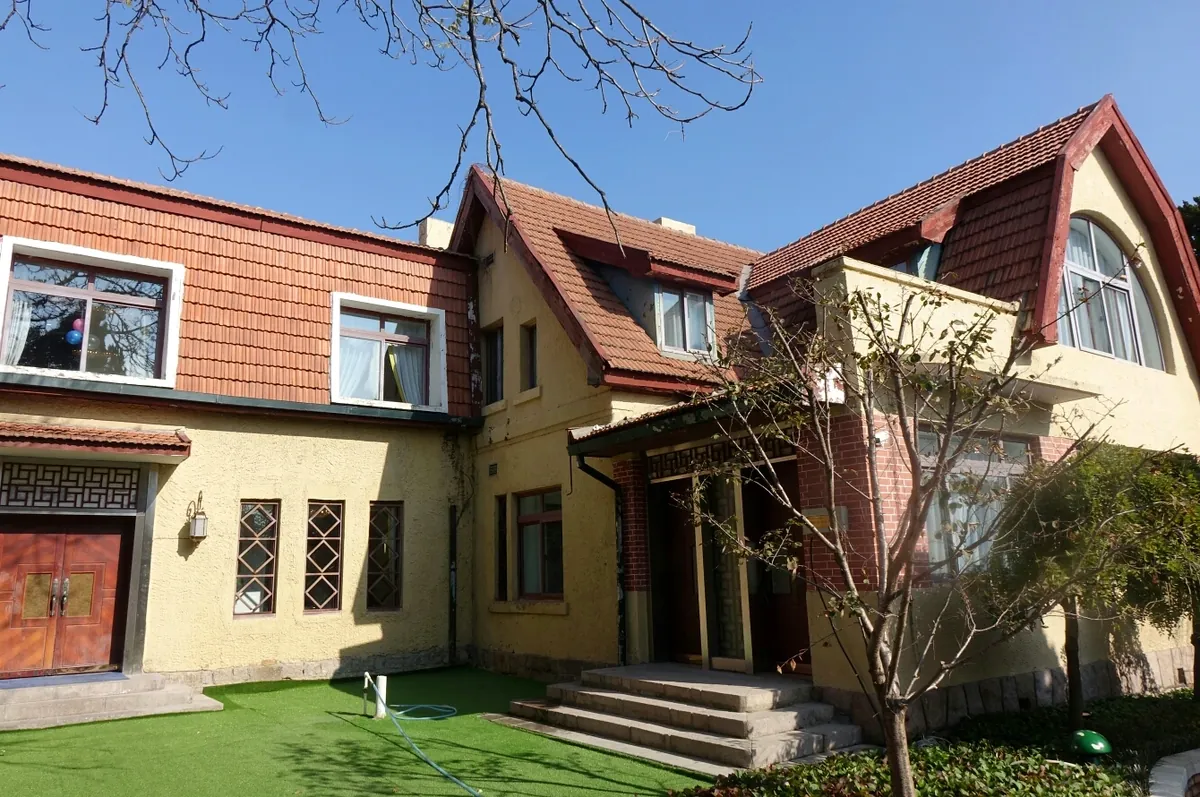
Heading toward the coast, the architectural landscape of Qilu unfolds a distinctive East-West dialogue at the Badaguan heritage area in Qingdao. Meticulously planned as a garden city model from the early last century, this area gathers more than two hundred villas representing 24 classic global architectural schools. Standing out amidst the pine trees and shorelines is the Granite Villa, featuring a sturdy granite block structure that combines towering Neo-Gothic features with majestic Romanesque arches, pairing harmoniously with the Danish Princess Castle boasting Nordic pitched roofs, or the Qingdao Railway Station steeped in the Renaissance flair of Bavaria, Germany.
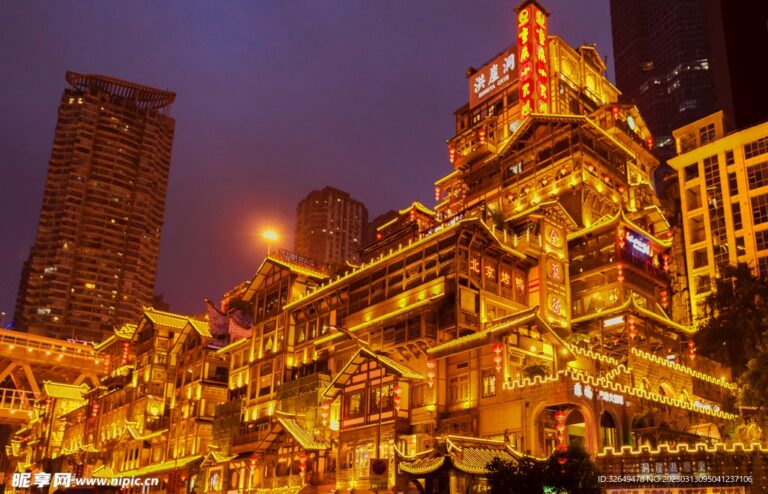
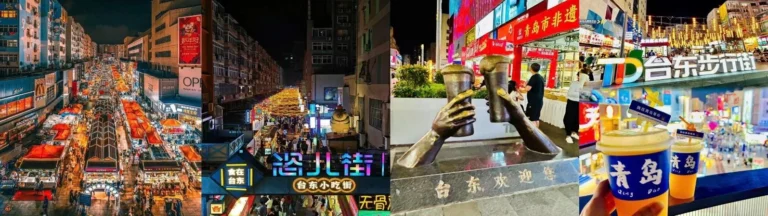
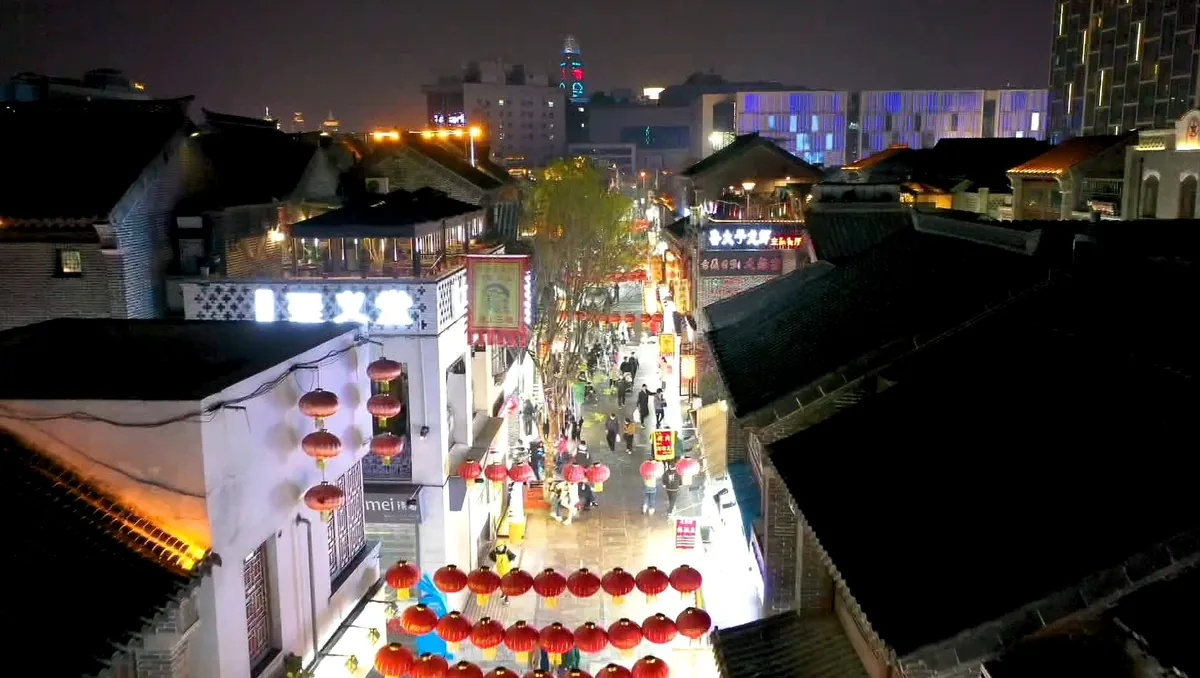
The space of Shandong’s ancient city shines even more brilliantly when night falls, symbolizing the harmonious blend of nostalgia and the breath of modern times. From a panoramic bird’s-eye view, the ancient pedestrian streets light up sparklingly in the warm crimson hues of hundreds of towering, winding lanterns. On both sides of the street, sloping-tiled houses reminiscent of the Ming and Qing dynasties showcase brightly illuminated Chinese character signboards, creating a bustling trading scene filled with cheerful strolling crowds. In the distant background, modern skyscrapers stretch upward with brilliantly lit glass windows, forming a spectacular visual fusion between millennium-old essence and the rhythms of future urban life.
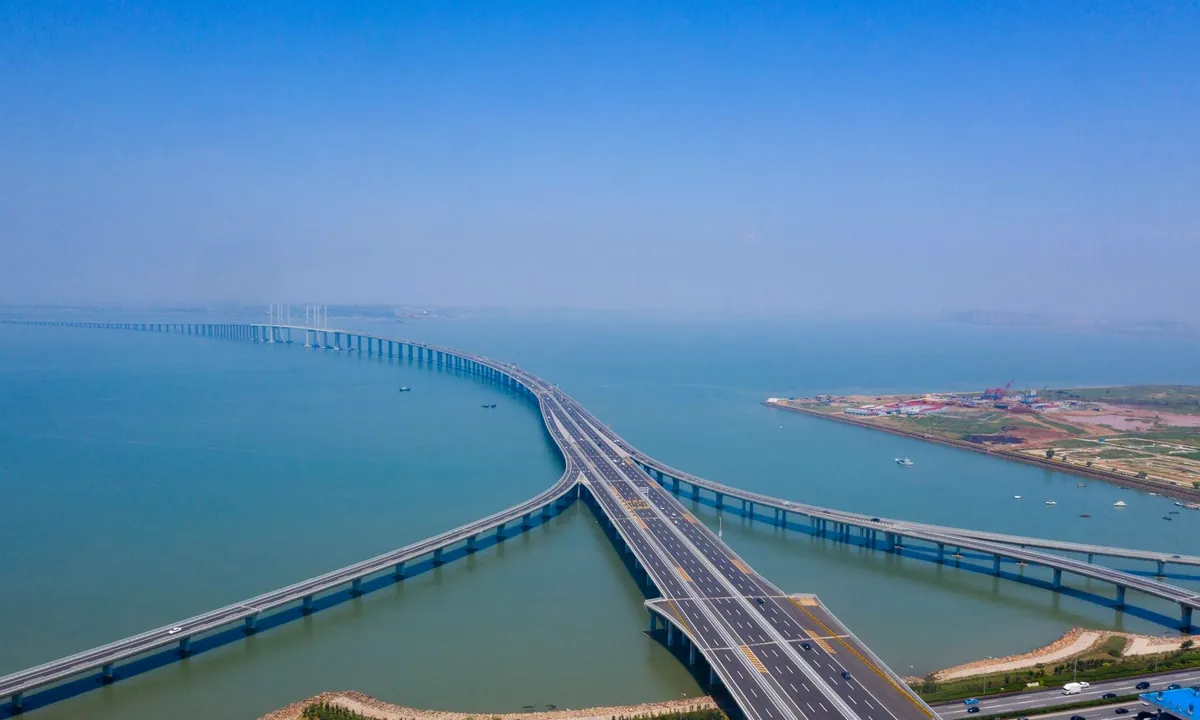
This land’s spatial creation capacity is further strongly affirmed through century-old engineering feats. The Jiaozhou Bay Sea-Crossing Bridge, with a total length of 41.58 km, stands majestically across the ocean, bearing witness to superior infrastructure construction techniques against harsh marine environments. Alongside it is the state-of-the-art 4F-standard Qingdao Jiaodong International Airport, featuring a unique starfish-shaped terminal integrated with an underground high-speed railway station, seamlessly connecting the entire coastal transportation network and affirming its position as a world-class transport hub.
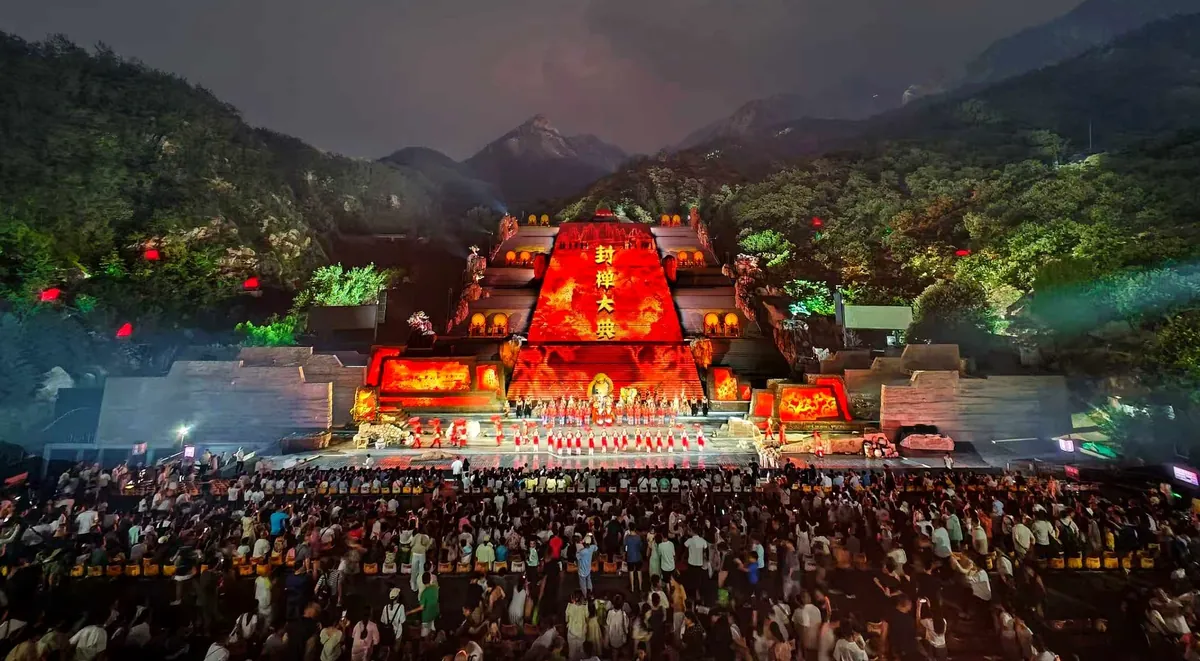
When night falls over the land of Qilu, the curtain of darkness does not close a day of journeying; instead, it unveils a magnificent arena of sound, light, and millennium-old legends. At the foot of majestic Mount Tai, the live-action performance “Grand Ceremony of Mount Tai Fengchan” is elaborately staged right in the heart of a magnificent natural valley, accurately recreating the sacred heaven-and-earth worship rituals of seven brilliant imperial dynasties, from Qin Shi Huang and Emperor Wu of Han to Emperor Gaozong of Tang and Emperor Kangxi. The outdoor tiered stage system utilizing cutting-edge LED technology combined with the choreography of hundreds of performers turns the thousand-year-old stone mountain slope into a brilliantly glowing chronicle, taking viewers back in time to the golden age of northern dynasties.
Leaving the sacred mountain range to head toward the coast, the nighttime performance art in Shandong transforms magically through the show “Legends of Weihai Divine Journey” by the shores of the Weihai Peninsula. The breakthrough lies in the 360-degree rotating mobile boat-shaped auditorium that glides smoothly over the water, taking travelers through stirring chapters of the maritime epic, where fishermen’s reclamation legends blend with millennia of overseas trade history. Heading south to Fushan Bay in Qingdao, the nightscape bursts with contemporary vitality through the Yellow Sea coast’s grandest light show. A synchronized laser and motion graphics display illuminates the glass facades of over a hundred skyscrapers embracing the bay, shimmering onto the water by the vibrant red “May Fourth Wind” sculpture at May Fourth Square, while the century-old Zhan Bridge and historic railway station quietly reflect in a magical golden glow.
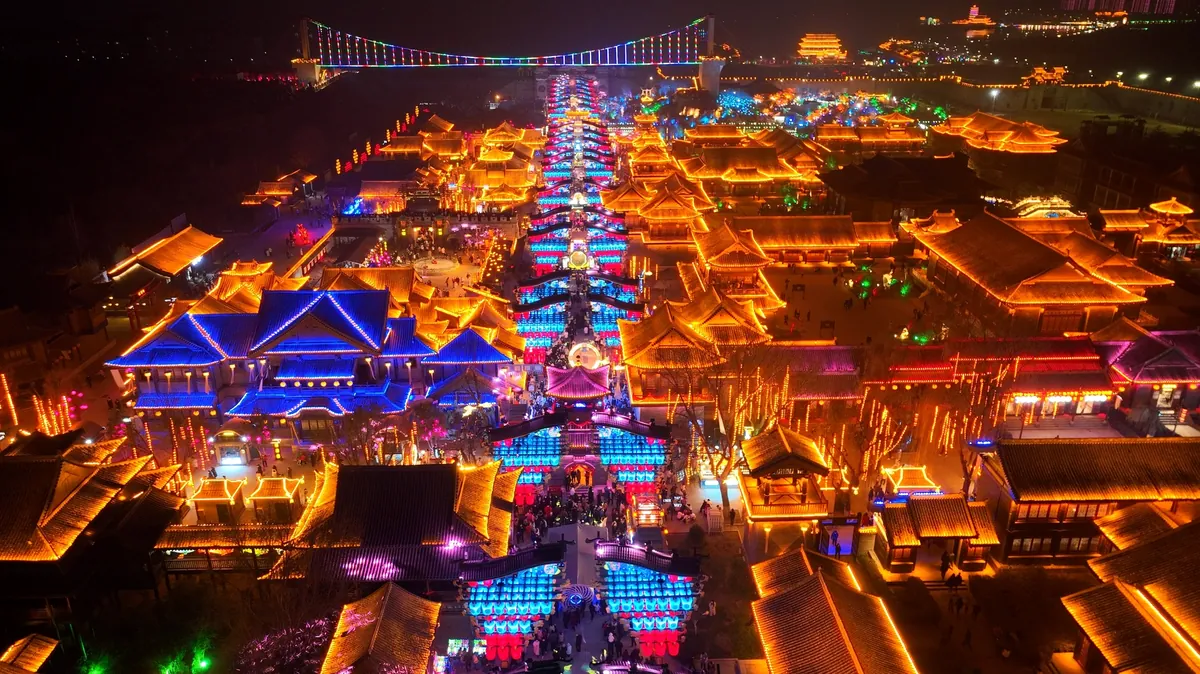
Shandong’s nocturnal lifestyle is also deeply imbued with folk flavor through sleepless ancient towns and unique travel customs. At the “New Great Song Never Sleeping City” in Dongping County, the Tianque Long street glows under thousands of red lanterns, immersing visitors in the bustling prosperity of the Song Dynasty with breathtaking molten iron flower-flinging performances, where streams of molten pig iron are tossed into the air, bursting into millions of fiery blossoms tearing through the night. While the ancient city of Qingzhou preserves its serene tranquility with quiet bluestone-paved alleys, Mount Tai surges with the life force of thousands of travelers participating in the night-climbing trend. Starting from Hongmen Gate at midnight, the crowd persistently overcomes rugged stone steps beneath a crescent moon to reach the Jade Emperor Peak just in time to welcome the first rays of the glorious sunrise.
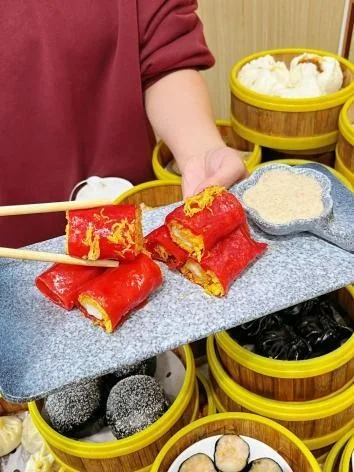
Accompanying every step through the Dong Binh night market or preparing for a midnight mountain-trekking journey, simple street food always serves as a warm anchor for travelers. This familiar nocturnal delicacy, carefully arranged on a pristine white porcelain plate, is the traditional golden pancake. Its paper-thin crust is baked on a flat pan until it turns a glowing golden-orange hue. Neatly cut into bite-sized rolls, they are speckled with the vibrant green of finely chopped scallions and rich, creamy eggs, emitting a thin wisp of steam and the distinctive rustic aroma of Qi state cereal flour, creating a heart-warming snack to melt away the chill of the frosty night.
From the iron-smelting fires glowing brightly across the ancient town to the modern streaks of light stretching along the ocean shore, the nightlife in Shandong seamlessly connects a glorious past with a dynamic present. Under the vast northern sky, every ray of technological light, every scene in the live-action theater, and every bustling street corner continues to tell the eternal story of a land blessed with outstanding people and spiritual energy—where cultural heritage never sleeps, but instead pulses with vibrant life just as the sun sets.
Ranking first among the “Four Classical Culinary Systems” of Chinese cuisine, Lu cuisine boasts a history of over 2,500 years, originating from the states of Qi and Lu during the Spring and Autumn and Warring States periods before forming the backbone of imperial banquets during the Ming and Qing dynasties. The very soul that elevates Lu cuisine lies in the absolute precision of crafting its broth, known as “Tang”. It is meticulously simmered into two distinct styles: “Qing tang”, a crystal-clear broth with a deep, lingering umami sweetness, and “Nai tang”, an opaque, milky-rich broth. Combined with “Bao”, the technique of high-heat flash-frying, and “Zhiu”, the art of coating dishes in a glossy, mirror-like sauce, the culinary mastery of the local chefs reaches an ultimate realm.
The flavor map of Shandong is divided into three distinct branches. Among them, the Jiaodong school embraces the coastline of Qingdao, Weihai, and Yantai, serving as the cradle for a rich bounty of seafood from the Bohai and Yellow Seas. The crowning dish of this school is Braised Sea Cucumber with Scallions (Cong Shao Hai Shen), where rare, spiky sea cucumbers are braised until tender with renowned Zhangqiu scallions—leeks famous across the north for their long, succulent stalks and pleasantly sweet aftertaste. The combination of the deep-sea seafood’s briny, chewy texture with the glossy dark brown sauce fragrant with scallion essential oil creates a regal culinary masterpiece. Equally renowned, Flash-Fried Conch Slices (You Bao Hai Luo) is a spectacular showcase of extraordinary heat control, where thin snail slices are tossed in a searing wok of oil for just a few fleeting seconds to preserve their pure, satisfying crunch.
Tracing back to the provincial capital, the Jinan school carries the bold, generous spirit of the Yellow River basin with richly flavored dishes of the five elements. Created during the Guangxu era of the Qing dynasty at the famous Jiuhualin tavern, the Nine-Turn Large Intestines (Jiu Zhuan Da Zhang) is hailed as a masterpiece of processing pork intestines through dozens of steps for odor removal, herbal marinating, and slow simmering. The finished intestines boast a caramel-red hue, layered like a nine-petaled flower, perfectly harmonizing five distinct flavor notes—sour, sweet, bitter, spicy, and salty—in a single bite. Meanwhile, Yellow River Carp in Sweet and Sour Sauce (Tang Cu Huang He Li Yu) captivates the visual senses with its evenly scored carp, deep-fried and curving upward at the tail to mimic the legendary image of “a carp leaping over the Dragon Gate,” generously drizzled with a steaming sweet and sour vinegar sauce that stimulates every sense.
Reaching the pinnacle of elegance and Confucian ceremonial standards is the Kong Mansion school in the holy land of Qufu, which preserves the heritage of the Kong Mansion Banquet once used to welcome emperors and honor sages. Imbued with Confucius’s philosophy that “food cannot be too refined, nor mincing too fine,” every dish in the mansion bears an elegant name and a presentation rich in profound Confucian symbolism. The dish Brush-Shaped Sea Cucumber (Dai Bu Bang Cheng) cleverly uses whole sea cucumbers to shape a scholar’s calligraphy brush, symbolizing blessings for students to achieve academic success, while First-Grade Tofu (Yi Pin Dou Fu) hides a filling of premium minced shrimp, abalone, and scallops inside a silky-soft block of young tofu, reflecting a refined yet regal family tradition cultivated over thousands of years.
Alongside palatial delicacies, the folk culinary culture of Lu still pulses with vibrant life in every street corner. As dusk falls, the aroma of Zibo barbecue fills the air above glowing charcoal grills, where diners wrap charred meat skewers in paper-thin rice paper, adding crisp young scallions and dipping generously in savory chili paste. This experience becomes even more complete when raising a toast to fresh draft beer, just brewed from the century-old cellars of the Qingdao Beer Museum, enjoying the smooth, creamy foam that washes away the richness of the meat. To capture the rich flavors of this land, famous Ejiao hide gelatin extracted from donkey skin via thousand-year-old imperial recipes, or naturally sweet, chewy dried Leiling jujubes, make for the most precious health gifts that any visitor will want to take home.
The semi-humid monsoon climate of the Shandong Peninsula features distinct four seasons, creating ideal times for travelers to embark on a journey to fully appreciate the picturesque landscapes and cultural heritage. Springtime from April to May maintains a cool temperature ranging from 15°C to 22°C, when thousands of cherry blossoms bloom across the winding slopes of Qingdao, endless peony fields in the ancestral home of Heze exude a regal fragrance, and the skies of Weifang are filled with traditional kites during the annual international kite festival. When summer peaks in August, the coastal city of Qingdao bursts with life as the fiery International Beer Festival unfolds on the golden sands of Golden Beach, gathering tens of thousands of visitors from all directions to clink glasses of refreshing, chilled draft beer. Entering September and September, the crystal-clear autumn is the golden season to make a pilgrimage to the peak of Mount Tai, admiring the breathtaking sunset and billowing sea of clouds rolling over the Jade Emperor Peak, while also taking time to soak in the solemn atmosphere of the Confucius Memorial Ceremony held on September 28th at the Three Kongs complex.
China’s top-tier modern transportation infrastructure provides exceptionally convenient connections to bring travelers from Vietnam to the land of Lu. You can choose flexible transit flights through international aviation gateways such as Guangzhou (CAN), Shenzhen (SZX), or Shanghai (PVG), or join direct charter flights landing at Qingdao Jiaodong International Airport (TAO) or Jinan Yaoqiang Airport (TNA). Domestically, the high-speed rail (HSR) network running across the peninsula offers a lightning-fast and smooth travel experience: from Beijing South Station to Jinan West Station it takes a mere 1 hour and 22 minutes, and only 2 hours and 05 minutes to step foot at Qufu East Station. The Jinan – Qingdao intercity railway connects the two major economic hubs in just 1 hour and 40 minutes, making the connection between the capital of springs and the breezy bay seamless and leisurely.
Regarding legal standards and immigration procedures, Vietnamese travelers should pay special attention to the distinction among Chinese entry visa categories. Group visas sponsored and represented by reputable travel agencies are the most optimal option in terms of cost and procedures, with a processing time of only 3 to 5 working days. If applying for an individual L-type tourist visa, applicants must prove financial capacity with a minimum bank account balance of 50 million VND along with transparent employment records. A vital survival note for Vietnamese travelers is that the 144-hour transit visa-free policy applied at the international ports of Qingdao and Jinan does not apply to Vietnamese ordinary passports; therefore, travelers must obtain a valid visa issued prior to departure to avoid being denied boarding by the airline.
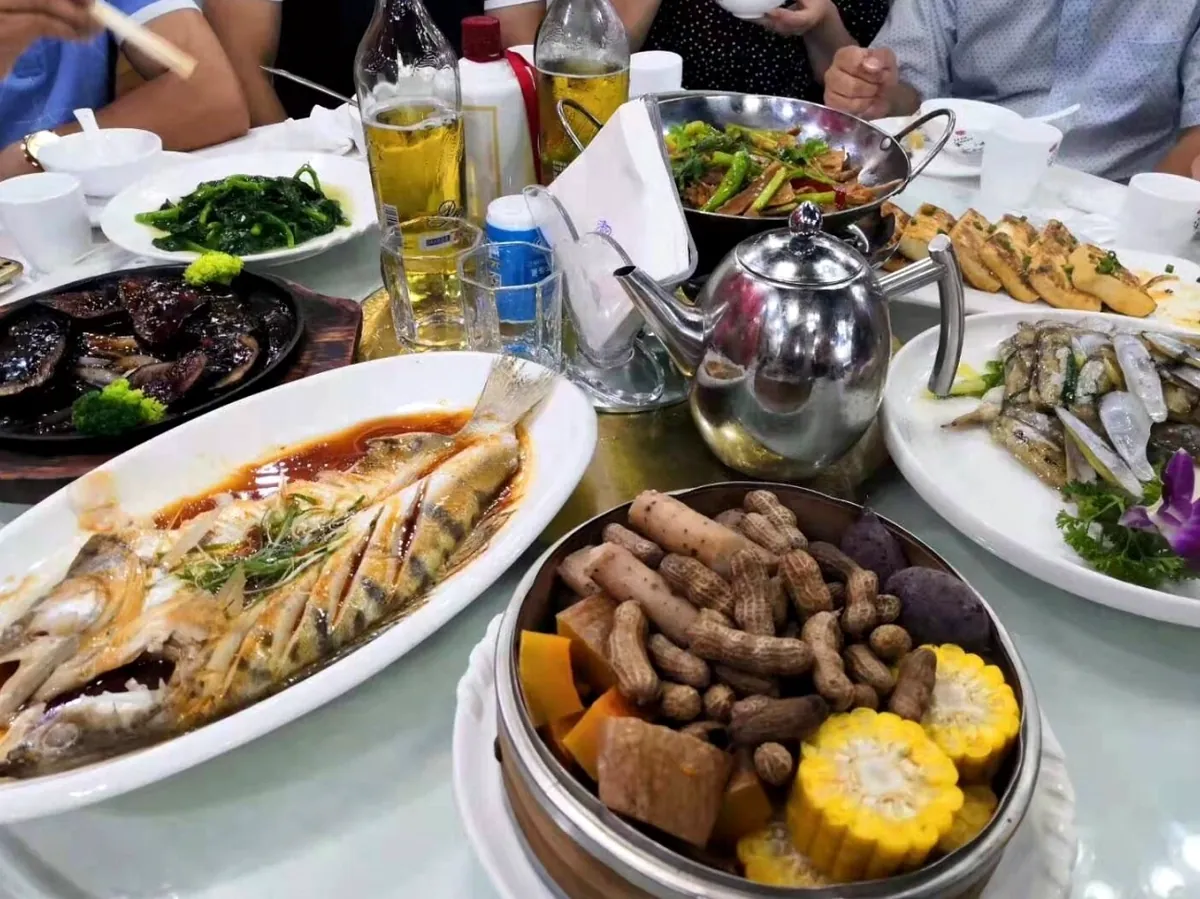
The cradle of Confucianism and the sacred mountains of the East are always associated with standard local code of conduct and rigorous physical requirements. When entering the solemn spaces of the Temple of Confucius, Mansion of Confucius, or Cemetery of Confucius, local custom strictly forbids stepping on the wooden thresholds of the main halls to show respect to ancestors, as well as pointing directly at the sacred tablets. At the paramount sacred mountain of Mount Tai, the hiking trail consisting of more than 7,000 solid granite steps starting from the Red Gate (Hongmen) typically takes 4 to 6 hours of continuous climbing; equipping yourself with gripped shoes, auxiliary trekking poles, and windproof warm jackets is essential as temperatures at the summit drop significantly at night. For those with modest physical stamina, the transfer bus to Zhongtianmen connecting to the cable car crossing the deep abyss straight to Nantianmen is the best solution to save maximum energy. In daily cuisine, when enjoying Qingdao draft beer along with sea snails and scallops from Jiaodong Bay, having a cup of hot ginger tea alongside is the core health-preserving tip of the people of Shandong to balance the cold and heat for the digestive system.
To fully preserve the spiritual value of the trip, travelers must remain alert to identify and strictly eliminate sophisticated commercial tourism traps disguised within budget tours. Typical examples include fake traditional Chinese medicine clinics that fake pulse-taking to diagnose serious illnesses in order to force customers to buy overpriced Dong’a Ejiao or Mount Tai lingzhi mushrooms, the “inheritor young master” act pretending to be a hometown acquaintance to slash prices of Mount Tai jade jewelry by up to 80%, or trapping customers in seminar rooms for hours of silk mattress presentations. Choosing a pure heritage journey with a commitment to no hidden shopping stops is the key to enjoying the depth of civilization with composure. To realize the dream of worshiping the Confucian sanctuary and freely gazing out over the cloud-covered sacred mountain peak, travelers can proactively refer to the detailed all-inclusive tour program designed in-depth, where every route and moment is cared for with the highest standards.
