Nestled along the breezy shores of Fushan Bay on the Shandong Peninsula, the May Fourth Square (五四广场) emerges not merely as an aesthetic coastal landmark, but as a monument of steel and stone that commemorates one of the most poignant turning points in modern Eastern history. This stretch of coastline has witnessed the turbulent waves of history crashing against the shores of Jiaozhou Bay, where the boundaries between the pain of colonial concessions and the indomitable spirit of a nation were deeply intertwined. Created to honor the unyielding spirit of the patriotic movement that erupted on May 4, 1919, this expansive public space serves as a sacred bridge, connecting the profound depth of heroic historical memory with the vibrant, energetic pulse of a prosperous international seaport.
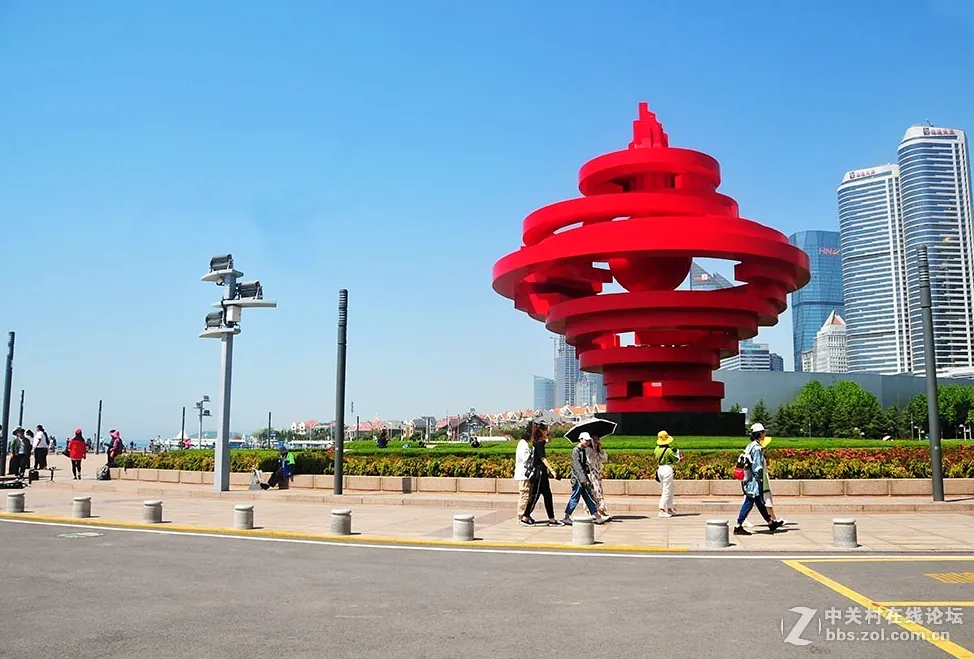
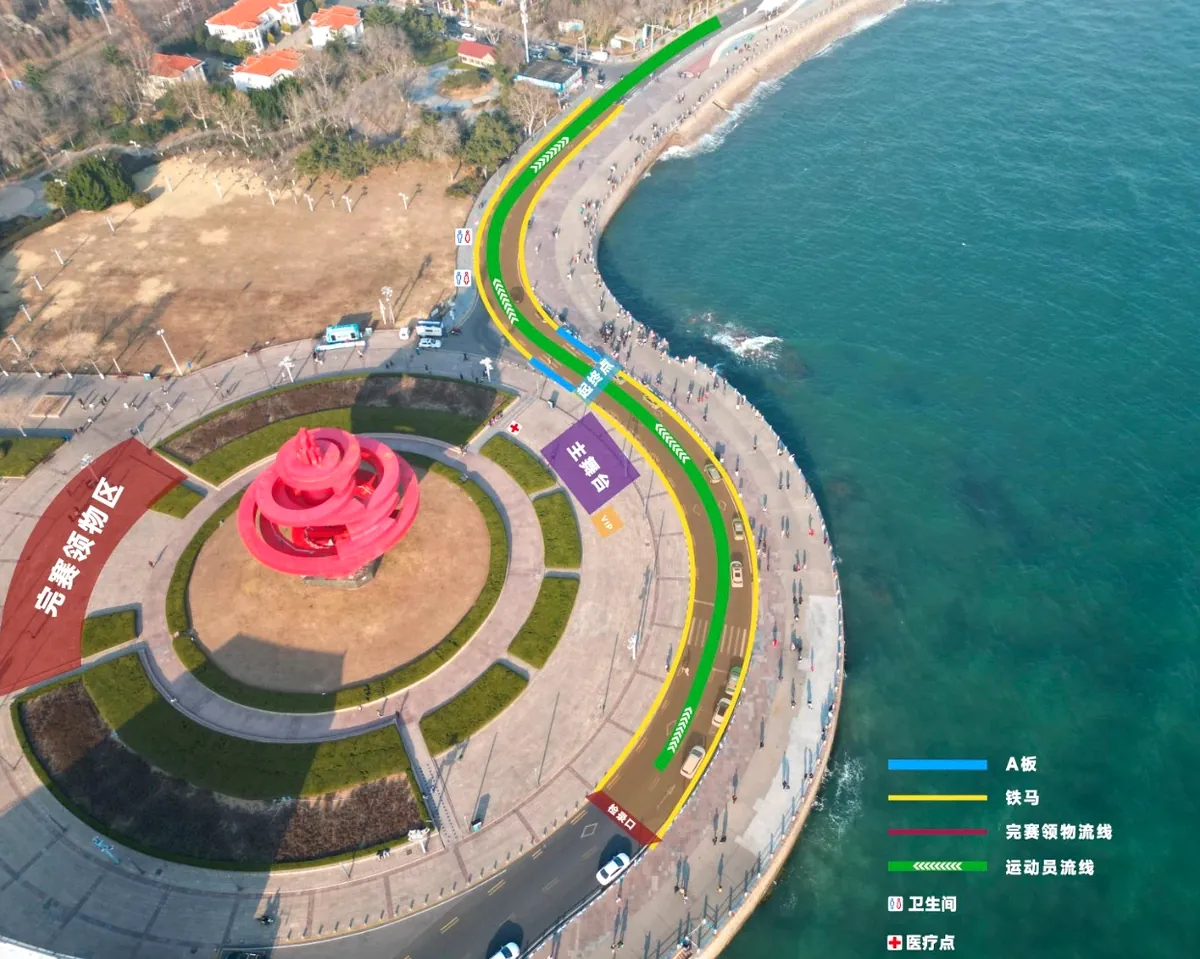
Standing proudly in the open coastal landscape, the grand sculpture titled “Wind of May” (Wuyue Feng) glows in a vibrant crimson, resembling a torch burning brightly against the clear blue sky of Qingdao. This massive, hundreds-of-tons steel spiral sculpture dominates the central axis of the square, seamlessly connecting the expansive granite terraces with the gentle, lapping waves of the sea. In the background, modern skyscrapers reflect onto the bay, while the winding coastal promenade creates a spectacular visual dialogue between the century-old spirit of defiance and the flourishing urban landscape.
The historical roots that forged the soul of the square trace back to the 1919 Paris Peace Conference following the end of World War I. Despite being among the victorious nations, the Beiyang government delegation at the time faced an unjust ruling as the great powers agreed to transfer all German colonial concessions and privileges in Jiaozhou Bay and Shandong province to the Empire of Japan, completely ignoring the nation’s right to self-determination. This bitter verdict acted as a spark, igniting a wave of intense outrage among students and intellectuals in Beijing, which quickly spread into the resounding May Fourth Movement, with its fierce call to reclaim full sovereignty over Shandong. For Qingdao, this movement served as a beacon of awakening for self-reliance, marking the beginning of a persistent struggle to fully recover its coastal territory.
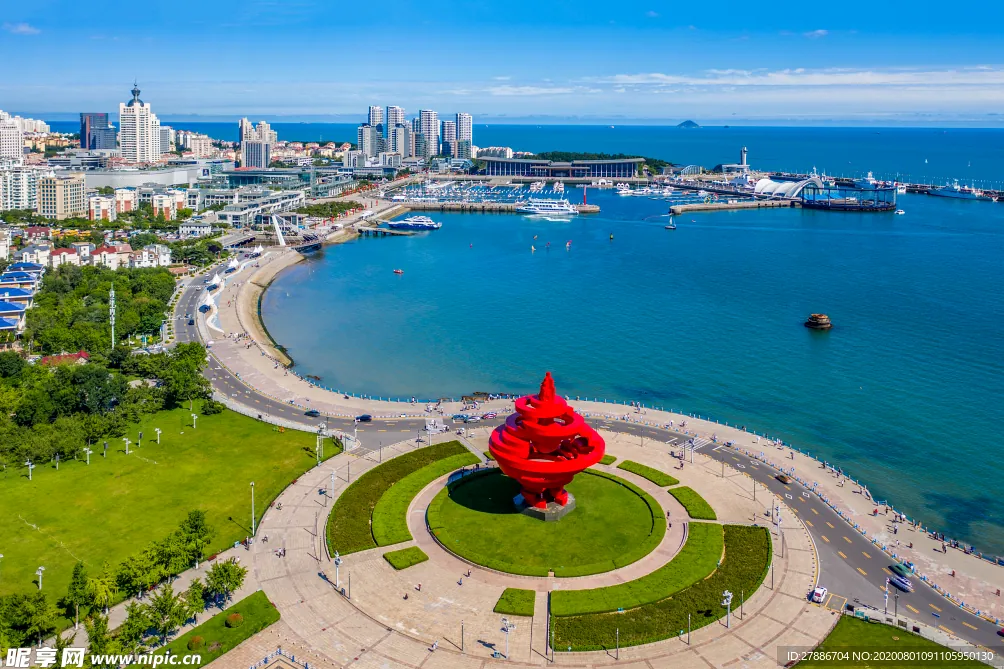
Before transforming into the iconic landmark it is today, this coastline spent decades shrouded in the mist of isolated coastal defense outposts, bearing the marks of restricted military zones from the German colonial era through the Japanese occupation and the militarization of the mid-20th century. A major turning point occurred in 1997 when local authorities decided to clear the old military barracks to re-plan the city’s new administrative center and community cultural space. The inauguration of May Fourth Square at that time not only opened up the city’s ocean-facing facade but also marked a spectacular metamorphosis from a secluded military zone into a political, cultural, and festival heart that welcomes the ocean breeze, symbolizing a proud transition from a turbulent past to an era of prosperous integration.
Located in the southern coastal area of Shinan District, May Fourth Square boasts one of the most prime geographical positions within the modern urban planning of Qingdao city. Adjacent to the vital Donghai West Road, the square opens up an expansive space stretching from the city’s central administrative building straight to the water’s edge of Fushan Bay in the Yellow Sea. Viewed from above, this landscape axis resembles a blue silk ribbon connecting the bustling urban life with the vast ocean, where the glass and steel skyscrapers of the Central Business District (CBD) reflect onto the clear water, creating a symphony between modern prosperity and the refreshing breath of nature.
The most valuable visual highlight on this coastal landscape axis is the exquisite harmony between the fiery red of the iconic sculpture and the deep blue sea and sky of Fushan Bay. The spiraling steel sculpture stands proudly in the heart of the vast granite-paved square, surrounded by meticulously manicured green lawns and rows of cherry blossom trees. In front lies the sea, with waves lapping against the wind-swept stone steps, while behind it, the magnificent financial skyscrapers provide a backdrop, offering a panoramic view of the entire stunning bay arc.
From the perspective of feng shui and traditional Eastern urban planning, the square occupies a rare and auspicious geomantic position featuring a majestic "backing against the mountains and facing the water" structure. The northern side of the square is firmly backed by Mount Fu and the undulating ranges of the sacred Mount Lao—the renowned cradle of Quanzhen Taoism—forming a solid natural screen against the biting northerly winds. Meanwhile, the southern facade opens completely to the vast expanse of the sea, capturing abundant vitality and prosperity from the Yellow Sea currents. The gently sloping terrain from the base of the mountain down to the sandy shore not only maintains a pleasantly cool microclimate year-round but also allows iodine-rich sea breezes to permeate deeply into every corner of the port city.
The master layout of the complex is scientifically divided into two main zones: the northern square and the southern seaside square, separated by Donghai Avenue. The northern area lies adjacent to the administrative center, exuding solemnity with lush temperate vegetation, semi-circular artistic fountains, and verdant pine and cypress trees symbolizing eternity. In contrast, the southern area is an open space featuring a long seaside promenade where visitors can gaze out at the iconic lighthouse and white sails bobbing in the distance, a hallmark of the adjacent international sailing center.
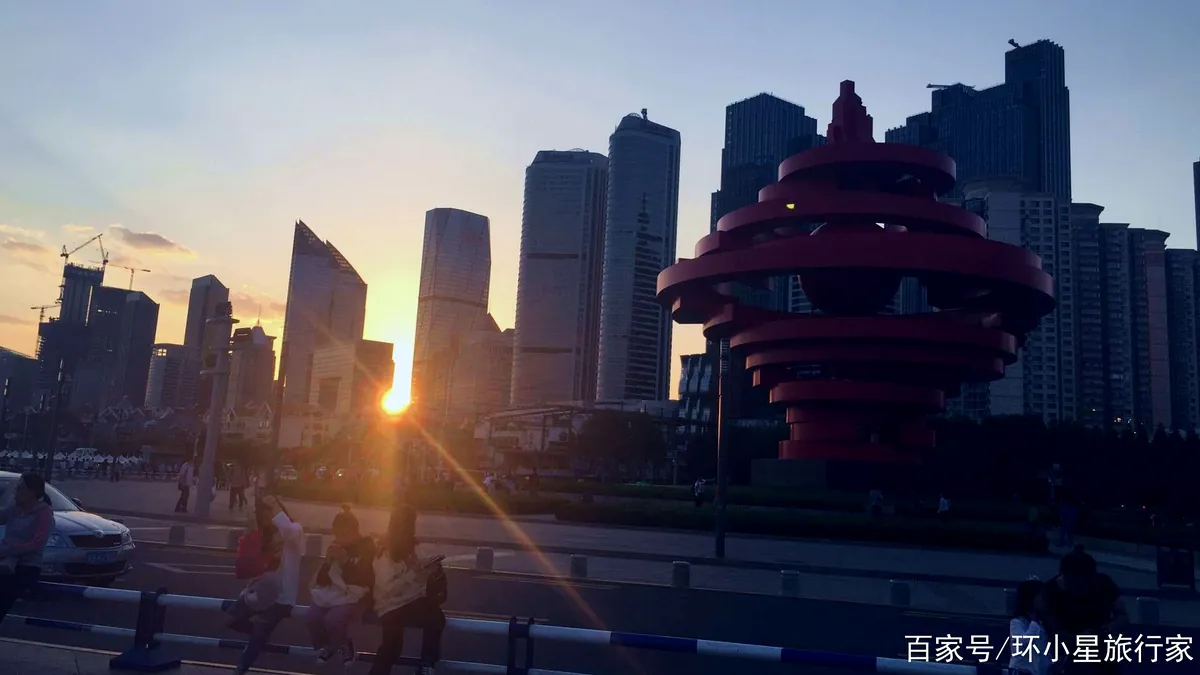
The contrast yet harmony between the natural terrain and artificial landscaping makes this one of the most stunning sunset-viewing spots on the Shandong Peninsula. As twilight falls, the setting sun gilds the surface of Fushan Bay, reflecting off the glass facades of financial towers and illuminating the fiery red of the centerpiece structure. This harmonious terrain, capturing both the brilliant morning sunlight and the mystical purple hues of dusk, elevates the square into a symbol of boundless vitality—a seamless convergence of feng shui essence and landscape architecture along the shores of the East China Sea.
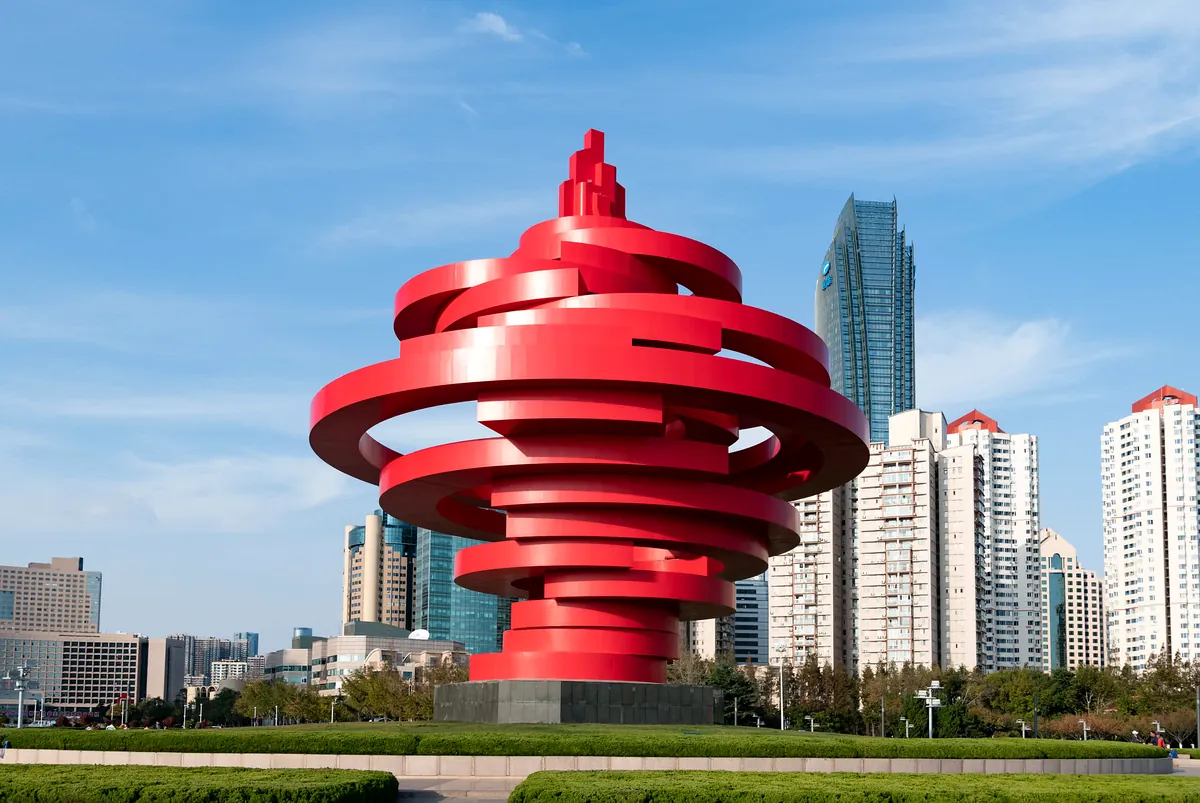
Strikingly present at the most prime location in Shinan District, May Fourth Square spans a total area of ten hectares, synchronously planned according to Qingdao’s most modern seaside urban spatial development scheme. The entire project is crafted along a strict symmetrical axis extending from the municipal government headquarters in the north, cutting through the tree-lined central avenue, and reaching straight to the shoreline of Fushan Bay in the south. This planning technique not only creates an expansive visual axis connecting the administration with the residential community, but also reflects an open architectural mindset, turning public space into a harmonious blend of vibrant urban life and the boundless ocean.
The visual focal point and the soul of the entire landscape is the colossal sculpture cluster named the Wind of May Fourth, standing proudly at a height of thirty meters right on the breezy shoreline. Coated in a vibrant red paint that sharply contrasts with the blue waters of the Yellow Sea, the artwork is crafted from intricately curved spiral steel structures with a diameter of up to twenty-seven meters and a total weight of seven hundred tons. The metallic curves soaring into the sky resemble a fierce vortex gathering energy, vividly simulating the burning flame of the immortal May Fourth revolutionary movement, creating a breathtaking and proud visual icon.
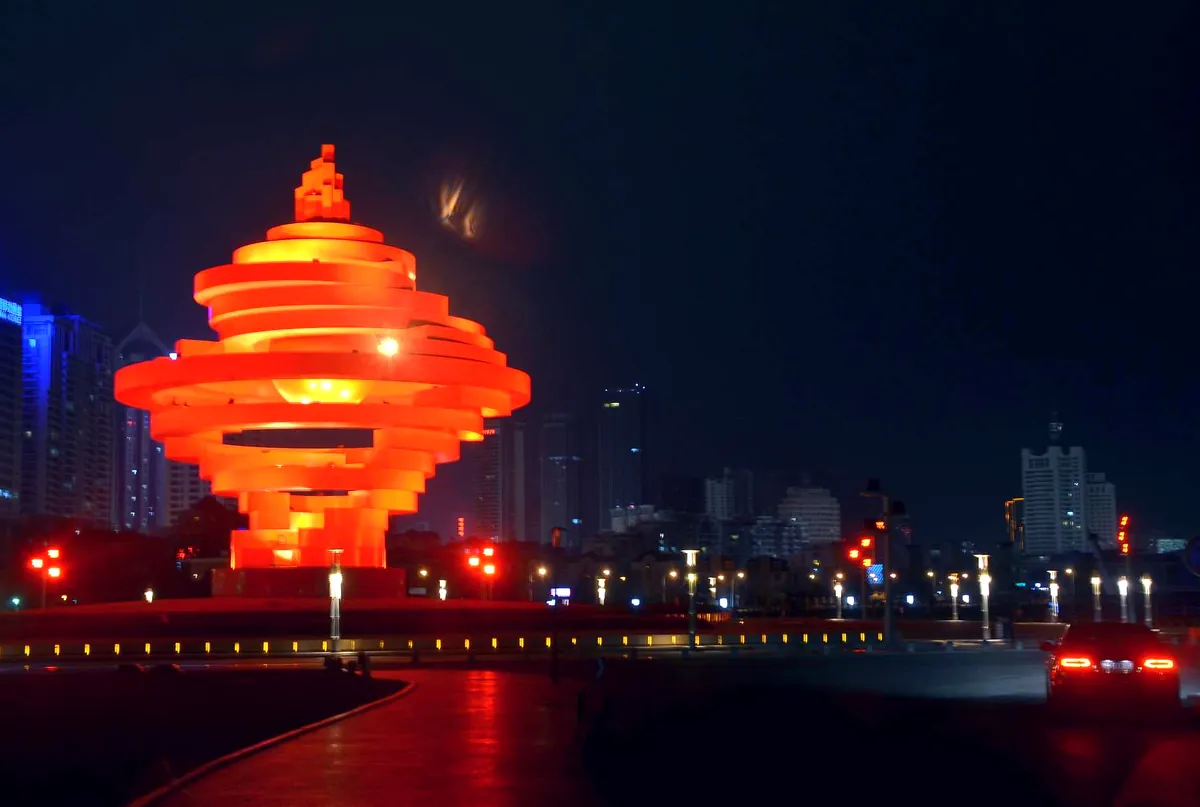
From an engineering standpoint, constructing a hollow steel sculpture of such massive scale as the Wind of May Fourth demands exceptionally rigorous marine technical standards. The high-strength alloy steel blocks must undergo specialized electrochemical anti-corrosion treatments to withstand the salty sea air and harsh humidity blowing in year-round. Meanwhile, the internal load-bearing structure has been precisely calculated using modern aerodynamic modeling, ensuring that the entire asymmetrical spiral sculpture can withstand severe tropical storms and fierce gusts frequently sweeping across the Shandong Peninsula.
Regarding functional zoning, the square is cleverly divided into two spaces with contrasting yet perfectly complementary nuances. The northern area is designed like a green basin with a large-radius, gently sloping circular lawn, dotted with flush fountains and walkways paved in elegantly toned monolithic granite. Meanwhile, the southern zone is an absolute flat, sea-facing open stage where solid granite paving serves as a foundation for cultural events accommodating tens of thousands of people, allowing the cool breeze from the open sea to sweep deep into every corner of the coastal avenue.
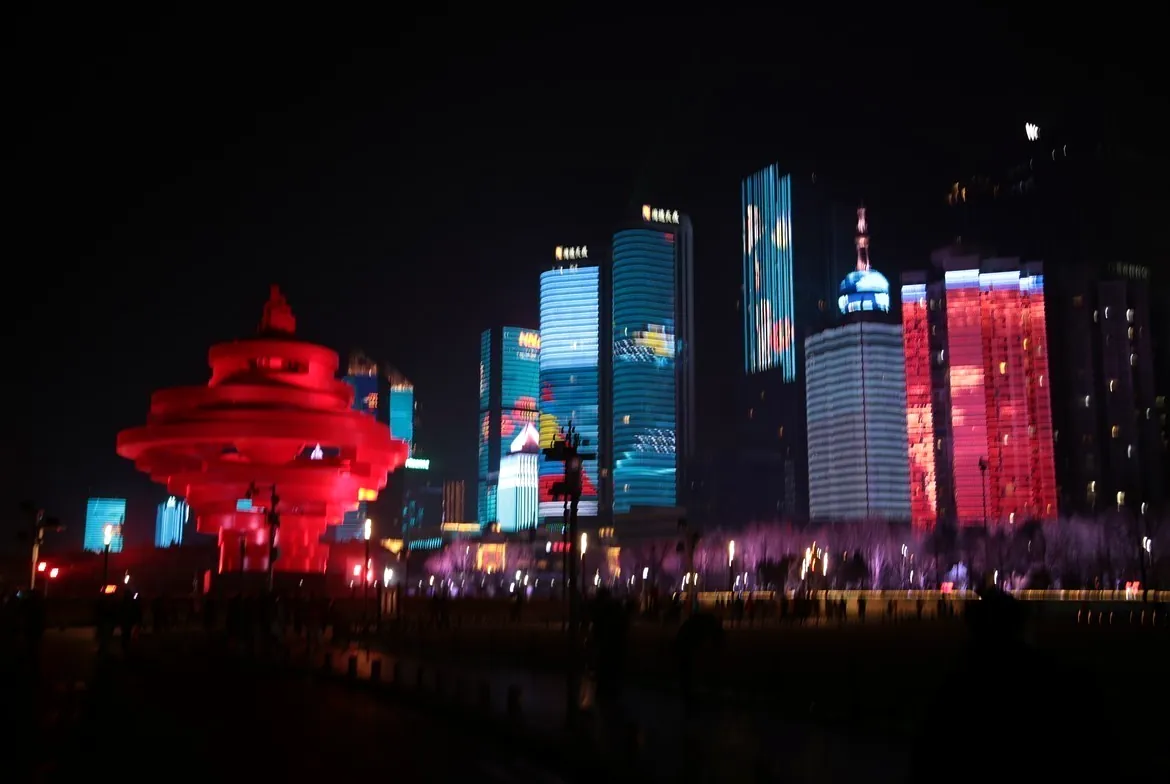
Surrounding this open space is a modern high-rise architectural complex featuring shimmering reflective glass facades, representing the city’s prosperous financial and commercial center. As dusk falls and the artistic lighting system illuminates, the combination of the brilliant red metallic sculpture, magnificent skyscrapers, and rippling seawater creates a spectacular symphony of light, affirming the stature of a premier public planning project in this coastal urban area.
As the twilight gradually fades over the waters of Fushan Bay, the rhythm of life on the south shore of the coastal city transforms dramatically from daytime serenity and openness into a magnificent visual ball. May Fourth Square is no longer merely a quiet commemorative park at this time, but officially transforms into the brightly glowing heart of the entire Shandong Peninsula. The strong sea breezes carrying a hint of salt blend into the vibrant atmosphere of thousands of tourists and locals strolling along the coastline, opening up a top-tier public art appreciation space in the heart of the bustling metropolis.
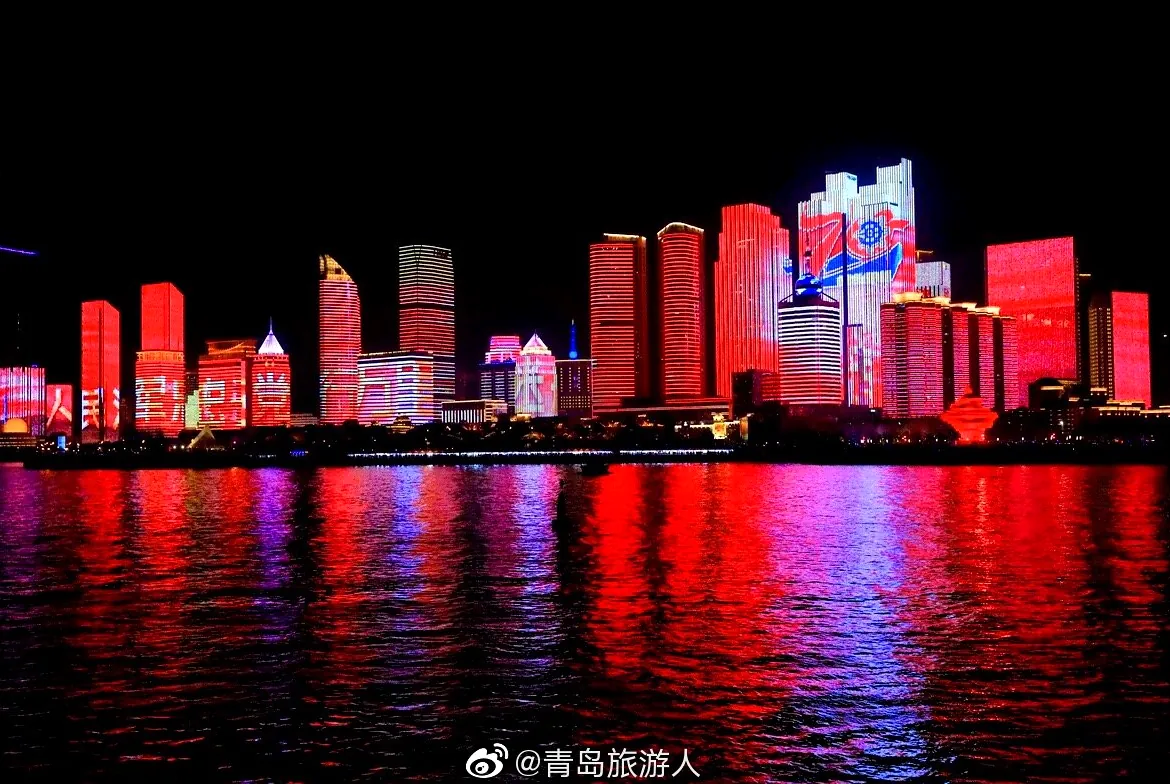
At precisely 7:30 PM, the entire bay awakens in an overwhelming feast of light as digital lighting systems on over fifty skyscrapers simultaneously activate. Amidst this scenery, the May Fourth Wind Monument shines proudly in its original crimson red, becoming a serene focal point that contrasts exquisitely with the endlessly moving optical waves on the steel-glass architecture behind it. Millions of intricately programmed LED lights transform the facades of the towers into giant canvases, reflecting shimmering streaks of light onto the calm surface of the bay, weaving a magical painting that harmonizes modern technological wonders with the endless ocean.
This large-scale live-action light show was originally created for an international-scale summit diplomatic event held in Qingdao, stretching continuously along the coastal route from Hong Kong Middle Road all the way to the Qingdao Olympic Sailing Center. The lighting script is elaborately edited, transitioning smoothly between themes of traditional culture and the coastal city’s aspirations to reach out to the sea. Spectators will have the opportunity to admire wind-filled sails gliding across the towers, pods of blue whales swimming gracefully through the air, and peony flowers symbolizing the Qilu region blooming brilliantly against the dark night sky, all blending together to create an emotionally resonant outdoor visual art experience.
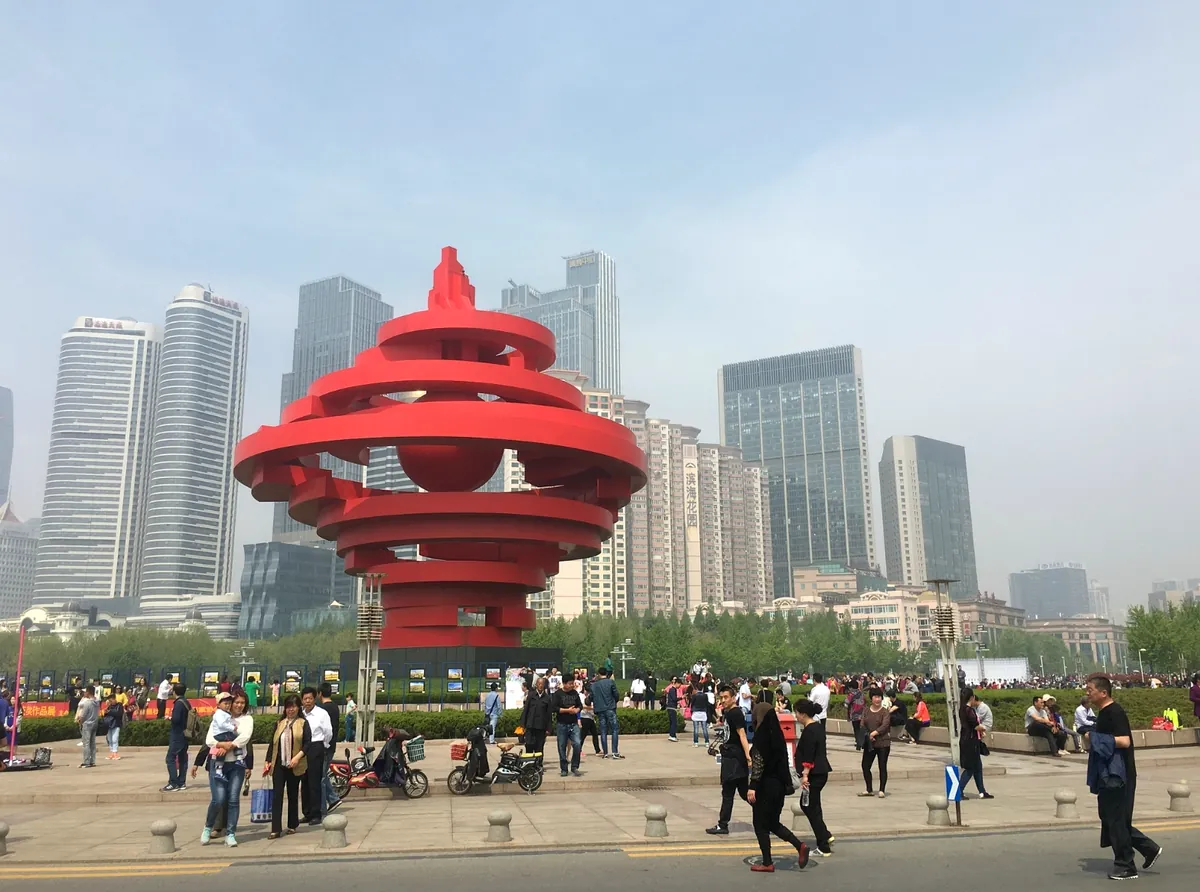
Running parallel to this visual feast is a vibrant street life rich in local coastal flavors. Along the curving granite railing hugging the water’s edge, the rustic acoustic guitar strumming of wandering buskers blends with the sound of waves lapping against the embankment. The space around the square overflows with the sounds of life: children playing near glowing balloons, groups of young friends eagerly capturing artistic frames, and elderly people leisurely strolling while admiring the prosperity of their hometown. The solemnity of the historical imprint is not overshadowed at all; instead, it fully embraces youthful vitality, creating a cultural atmosphere that is both dignified and warm-hearted.
Qingdao’s nights around the Fushan Bay area are deeply imbued with the distinct flavors of coastal culinary culture. At the eateries and open spaces adjacent to the square, locals often raise glasses of fresh Qingdao draft beer—whether raw or unpasteurized—savoring the renowned malt aroma freshly extracted that very day. The crisp, cool, and fragrant draft beer paired with a plate of spicy stir-fried clams emitting an enticing aroma by the night sea creates a rustic yet lingering worldly culinary experience, harmonizing within the magical space beneath the proud historic monument.
Strolling along the coast of Fushan Bay, visitors cannot help but pause before the iconic sculpture named “May Fourth Wind” in vibrant crimson red, which reigns at the epicenter of May Fourth Square. With coiled steel spirals surging up into the blue sky, the towering metallic structure stands like a blazing torch casting its reflection onto the bay, contrasting artistically with the ornate glass skyscrapers surrounding it from behind. This magnificent scene at the prosperous center not only portrays the heroic spirit of the historical May Fourth Movement, but also serves as a gateway to the bustling culinary world of the port city of Qingdao.
}
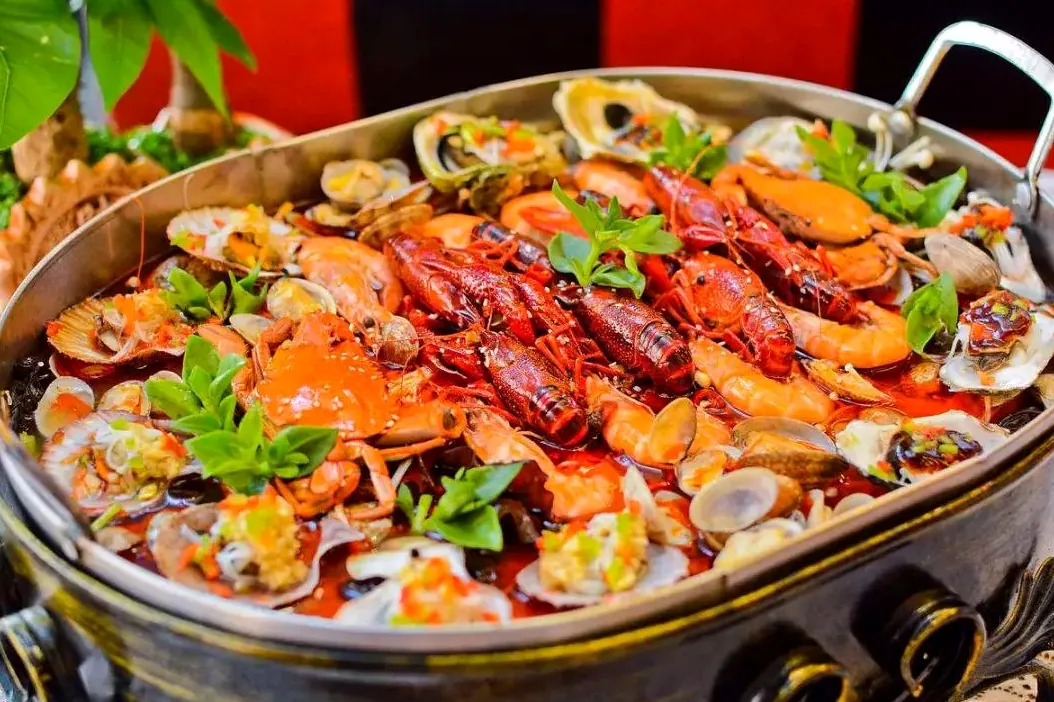
The local culinary scene enveloping May Fourth Square is a sublime culmination of Jiaodong cuisine, part of the renowned Lu cuisine school of China, where the natural, sweet flavors of the sea reign supreme. Locals share an unwritten philosophy: the best seafood is that which requires the least intervention from spices. Steaming baskets of seafood at coastal eateries are piled high with freshly caught, sweet, and crisp shrimp, alongside Qingdao’s signature thin-shelled, juicy clams. Each clam, harvested from the clean sandy seabed of the bay, is steamed to perfection with just a few slices of fresh ginger and scallions, releasing a rich flesh imbued with the profound, pure salinity of the deep ocean.
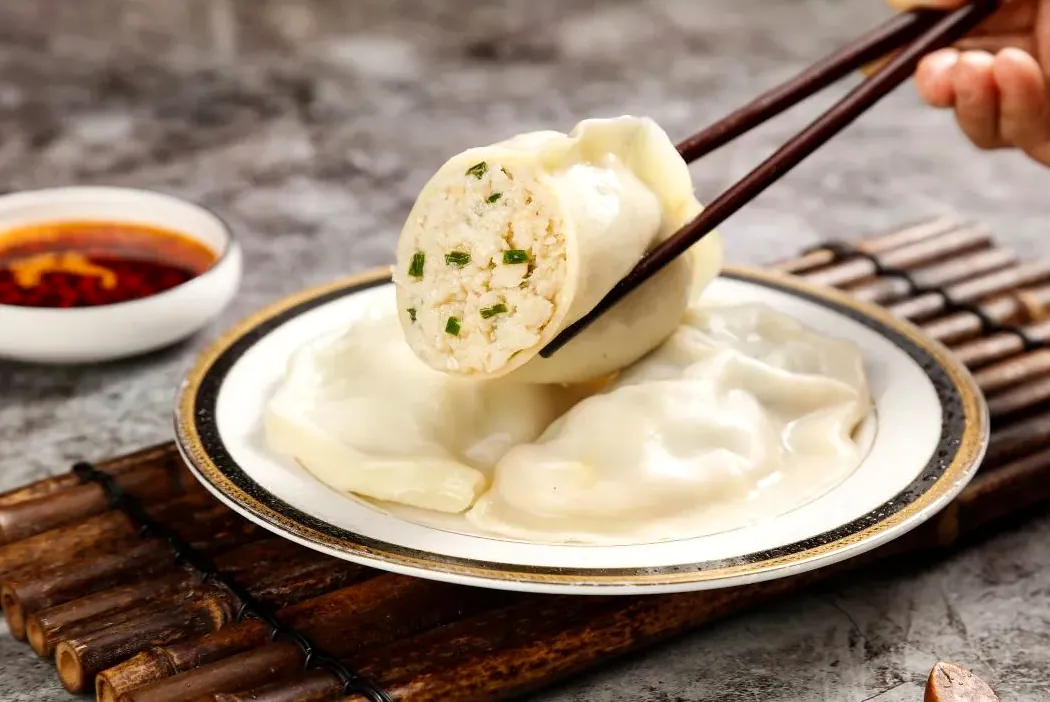
When speaking of the soul food of the Shandong coastal region, gourmands cannot overlook the legendary mackerel dumplings. Fresh mackerel is filleted to extract the snow-white meat, which is continuously whipped and blended with a broth simmered from fish bones, along with a touch of pork fat and vibrant green chives to enhance the warm aroma. Shaped like ingots, each plump dumpling bursts with fragrant soup when bitten into, the tender fish meat melting instantly on the tongue without a hint of fishiness. Alongside the dumplings, traditional soy-braised mackerel served with golden-crusted pan-fried corn cakes is a treasured family recipe passed down through generations, creating a rustic symphony between pastoral flavors and deep-sea produce.
Perhaps the most distinctive and unique feature of the local lifestyle is the tradition surrounding fresh Qingdao beer. Ever since the first brewery was established by the Germans in 1903, the premium malt beer brewed from the subterranean spring water of Mount Lao has flowed through the veins of the local people. Instead of being served in elaborate glass bottles or crystal mugs, the one-of-a-kind local culture involves buying fresh draft beer poured directly from large stainless steel kegs into transparent plastic bags. Locals carry these cool, frothy bags of beer in one hand, while holding a bag of freshly stir-fried spicy clams in the other, taking a leisurely stroll along the breezy coastline.
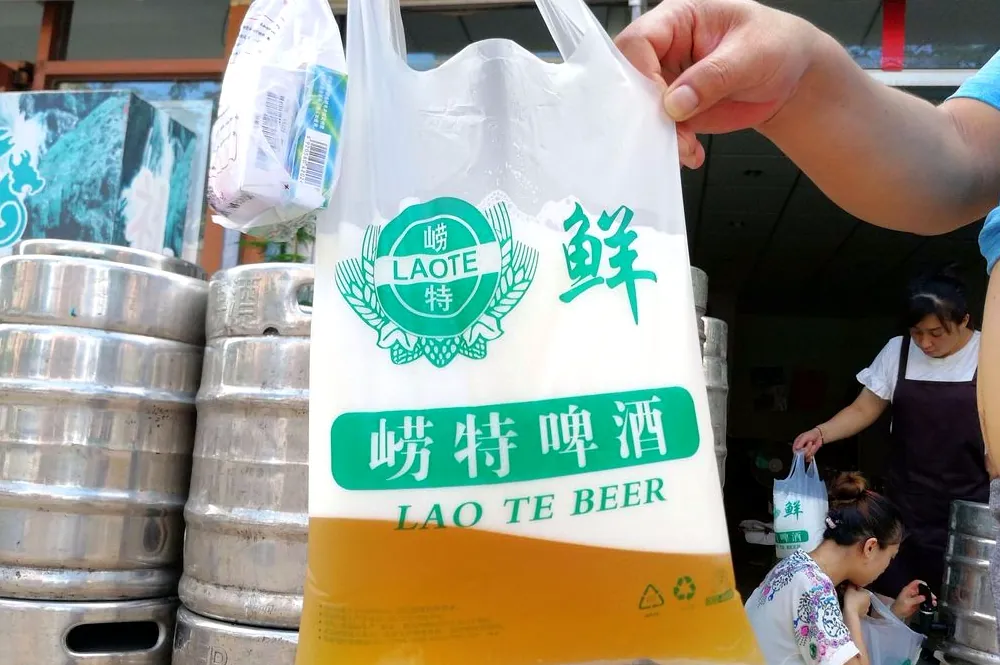
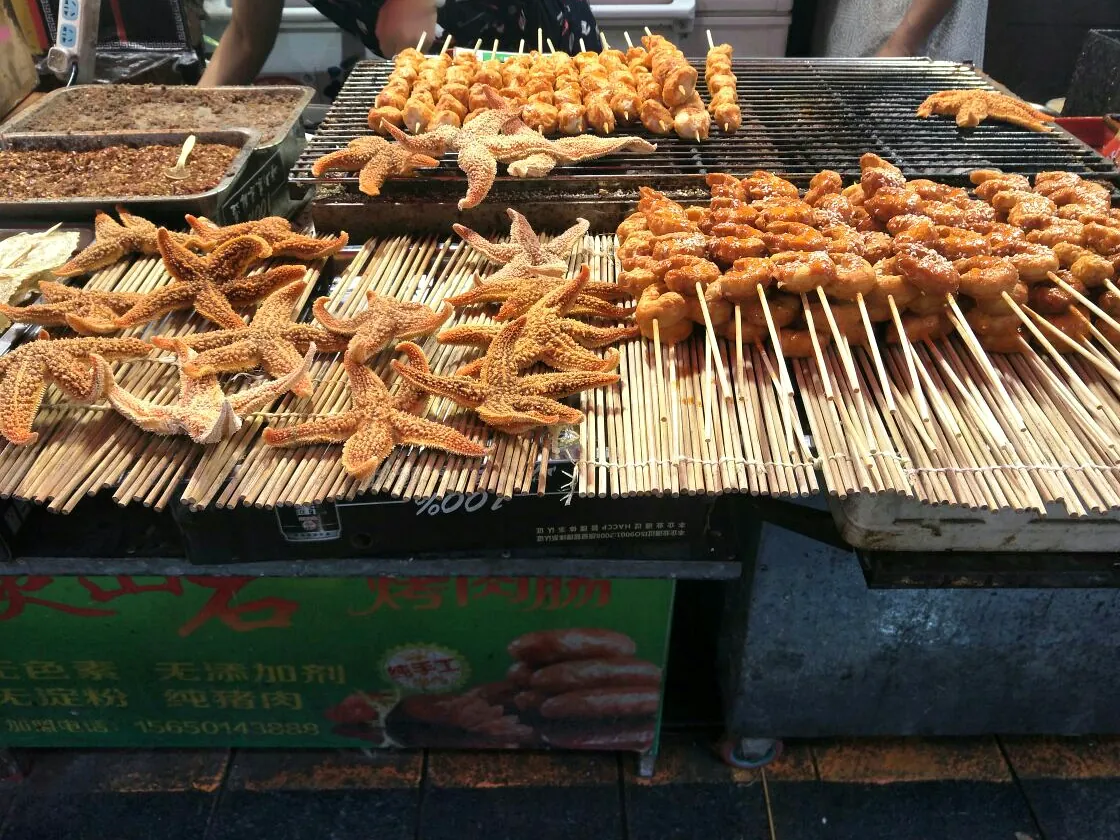
As night falls, nearby food streets like Minjiang Road and Vantze Road glow with lantern light, fragrant with the aroma of charcoal-grilled seafood mingling with the rich aroma of fresh draft beer. Taking a sip of the chilled beer from a frost-covered plastic bag, savoring a bite of rich, savory mackerel amid the gentle sea breeze sweeping across the historic square, diners will fully experience the earthy, hearty yet serene ambiance of picturesque Qingdao.
Amidst the radiant sunrise of Qingdao, May Fourth Square emerges with an expansive beauty that harmonizes modern urban architecture with the azure waves of Fushan Bay. Standing proudly at the central axis is the “May Wind” sculpture, striking in its vibrant red hue, rising 30 meters high with swirling steel spirals resembling a blazing fire between the Yellow Sea’s sky and water. The square slopes gently toward the water’s edge, where granite embankments meet the gentle lapping waves, surrounded by lush green lawns and meticulously manicured hedges. This creates a captivating visual contrast between the bold red of the historic landmark and the endless blue of the sea and sky.
As the iconic public space of the Shandong Peninsula, the square is entirely open to the public 24/7 with no admission fees. Visitors can take a leisurely stroll in the early morning to soak in the slow-paced local life as residents practice traditional tai chi, or return in the evening when a light show projected across the glass facades of dozens of skyscrapers along Fushan Bay illuminates the horizon. The golden hour for capturing the most stunning photographs is about fifteen minutes before sunset, when honeyed light bathes the steel sculpture, casting magical reflections across the calm surface of the bay.
Getting to this landmark is remarkably swift thanks to the city’s state-of-the-art public transit network. Qingdao Metro Lines 3 and 2 intersect right at May Fourth Square Station; passengers simply need to take Exit C or D to step directly onto the coastal avenue leading into the central grounds. To elevate the visual experience beyond the mainland embankment, the ideal option is to stroll over to the adjacent Olympic Sailing Center and board a yacht to fully admire the Fushan Bay skyline from offshore, gazing at the majestic sculpture against the backdrop of the glamorous cityscape.
To ensure a perfect getaway, choosing the right time to travel is key. International visitors should avoid the annual Golden Week holiday in early October, when a surge in domestic tourism leads to congested coastal roads and frequently overloaded accommodation services. Instead, the late autumn period, with its dry weather and cool, gentle breezes, is the ideal time for leisurely strolls. Furthermore, to protect your budget and maximize your vacation time, travelers should prioritize itineraries that guarantee no mandatory shopping stops, thereby avoiding the sophisticated spending traps often found at souvenir stalls selling jade or herbal products around the coastal area.
Regarding personal preparations, your passport must be valid for at least six months from the date of entry, along with a tourist visa (L-type) issued by a Chinese diplomatic mission in accordance with current regulations. Since most services—from renting public bicycles and purchasing cruise tickets to paying at seaside tea shops—operate on a cashless basis, activating an international e-wallet on your smartphone before your flight is a prerequisite. If you wish to enjoy your vacation with peace of mind and fully immerse yourself in the local culture without worrying about logistics, consider booking a comprehensive tour package, which offers a well-organized, relaxing, and premium journey to explore the coastal city of Qingdao.