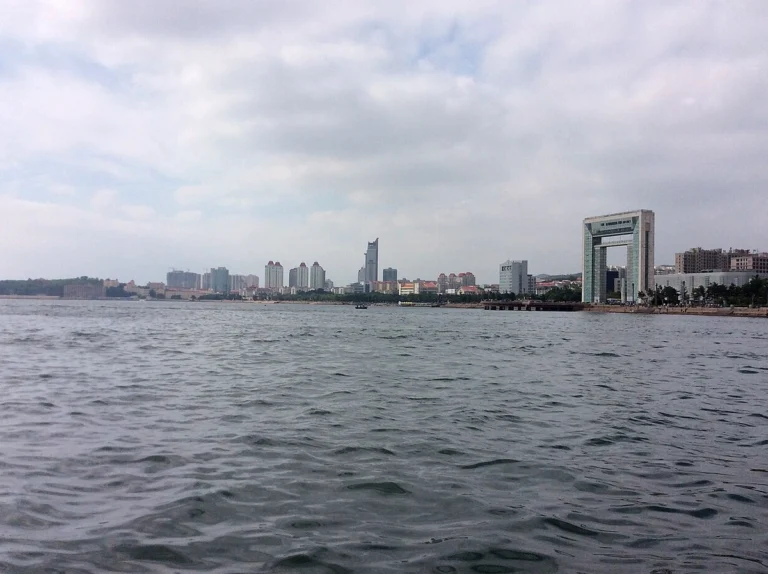
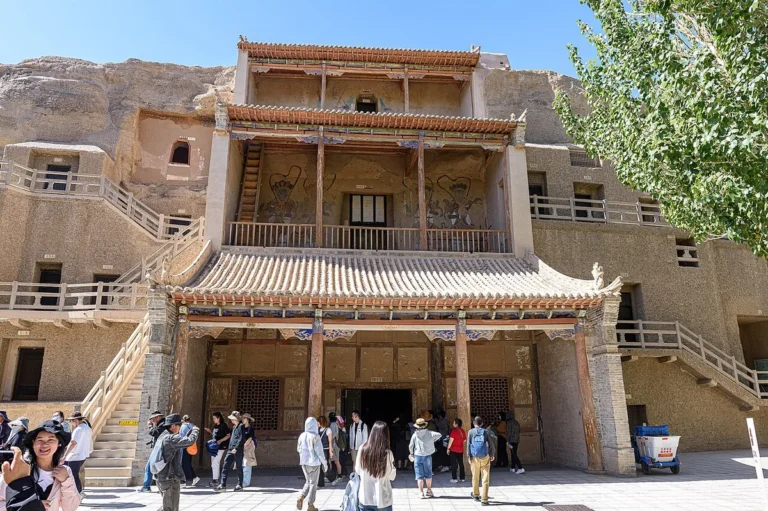
Tracing the river of time back to the late 19th century, when the Qing dynasty under Emperor Guangxu was reeling from the tumultuous shocks of the era, the land of Jiaozhou along the shores of the Yellow Sea witnessed a fateful turning point. In 1897, sparked by the historical incident known as the “Juyou Religious Case,” German colonial forces dispatched warships to occupy Jiaozhou Bay, and merely a year later, in the twenty-fourth year of Guangxu’s reign, the Manchu imperial court was forced to sign the “Treaty for the Lease of Kiautschou” (《膠澳租借條約》), turning this territory into a foreign concession. Amidst the gloomy canvas of modern Chinese history, when national sovereignty was being torn apart, the land of modern Qingdao inadvertently became the intersection of East-West cultural currents, laying the first bricks for a fledgling modern industry on Chinese soil. The origin of the Tsingtao beer legend does not lie in refined scholarly studies, but is hidden amidst the gunsmoke and geopolitical calculations of Western empires, giving birth to a cultural symbol that endures through time.
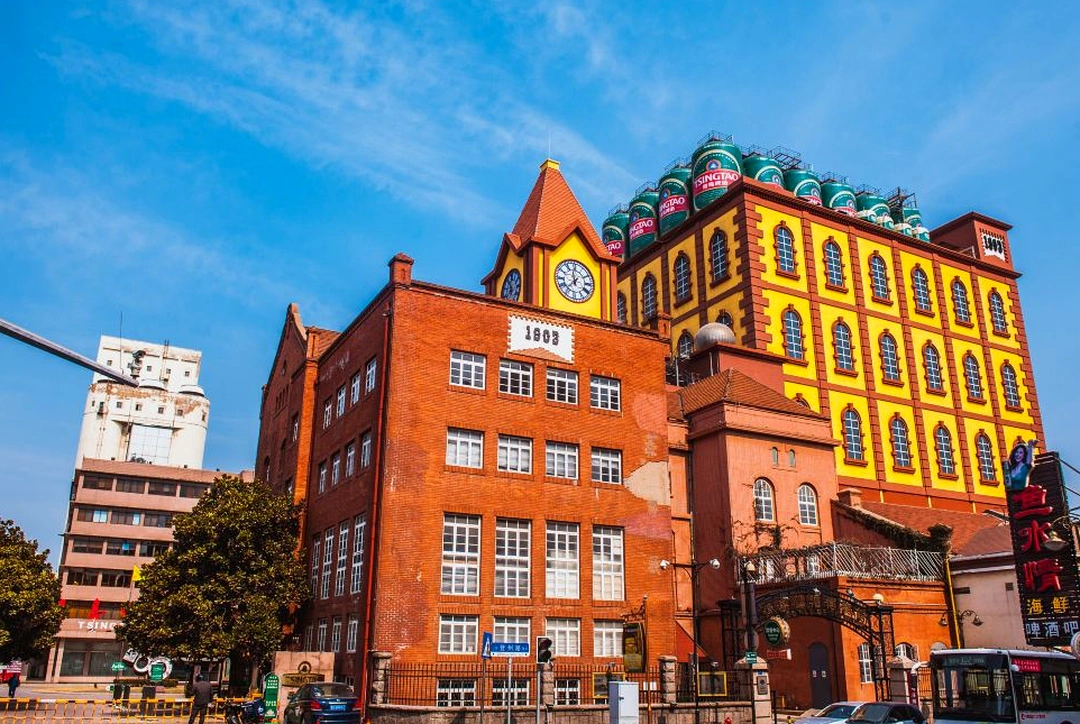
In December 1903, corresponding to the twenty-ninth year of Guangxu in the Qing dynasty, at No. 56 Dengzhou Road, Shibei District, Qingdao City, Shandong Province, a joint venture named the Anglo-German Brewery Co., Ltd. (original German name: Anonyme Gesellschaft Brauerei Tsingtao) was officially established. German and British merchants poured heavy capital into selecting a location with pure underground spring water from the Laoshan mountain range to break ground, constructing the first modernized industrial brewery in modern Chinese history. To ensure supreme quality for every drop of fermented beverage, the brewery invited its first German brewmaster, Wilhelm Wienner, to set foot in the Orient, directly bringing along and strictly applying the renowned traditional methods of Bavaria, based on Germany’s famous 1516 Reinheitsgebot beer purity law. The brewery’s arrival not only introduced a novel beverage but also implanted a European industrial DNA into Qingdao’s heart, turning this place into the cradle of beer tasting culture tied to coastal urban life.
Enduring the vicissitudes of modern Chinese history, Tsingtao Brewery has weathered fierce worldly shifts and political regime changes. Following the conclusion of World War II and the victory in the War of Resistance Against Japanese Aggression in 1945, the Kuomintang government took over the facility, reorganizing it into the “Tsingtao Brewery under the Ministry of Economic Affairs of the National Government.” Then in June 1949, amidst the echoes of a new era, Qingdao City was taken over by the people’s government, and the factory was renamed once more as the “State-owned Tsingtao Brewery,” continuing its mission of production and public service, rising to become the pride of the national food industry. Its red brick walls, towering chimneys, and sturdy underground cellars have fully witnessed the transition of eras—from colonial rule and wartime smoke to nation-building and development.
To preserve and honor this precious heritage, between 2001 and 2003, Tsingtao Brewery Co., Ltd. invested up to 28 million RMB to renovate and conserve the century-old historic workshop complex, combining it with original equipment imported directly from Germany since its inception to transform it into China’s first beer museum. Stepping into the current exhibition space, visitors wander into a living chronicle via extremely rare documents and artifacts preserved intact through time. Standing out among this heritage treasury is the original German-language factory construction blueprint from 1903, the original Linde (Germany) refrigeration machine manufactured in 1896, alongside a series of commercial and industrial tax deeds from the late Qing dynasty and early Republic of China eras. Every single artifact, drawing, and aged machine resting quietly in the museum not only narrates the story of a globally renowned beer brand, but also serves as an epic testament to a turbulent yet proud chapter in Qingdao’s history.
Tracing back to the late 19th century when Germans set foot in Qingdao and decided to design a city imbued with European architectural imprints in the heart of Asia, they conducted meticulous geological and feng shui surveys. Dengzhou Road—the present-day location of the Tsingtao Brewery Museum—was chosen as the brewery’s headquarters due to its rare terrain, where the convergence of Western scientific knowledge and traditional Eastern landscape architectural art achieved perfection. Situated in central Qingdao, this area rests among low hill systems forming an extension of Fushan Mountain while facing Jiaozhou Bay directly. This topographical arrangement forged a sturdy feng shui formation of “backing mountains and facing water,” bringing prosperous vitality and ensuring optimal microclimatic conditions for large-scale industrial manufacturing.
Viewed through topographical planning and architectural ecology lenses, the brewery’s terrain features a natural gradient sloping gently from north to south. German engineers cleverly leveraged this height difference to apply the principle of gravity across early technological workflows. Instead of complex mechanical pumping systems prone to breakdowns and noise, the flow of wort and green beer was regulated to move automatically from higher to lower tiers via pipeline networks. This solution not only maximized operating energy savings but significantly minimized microbial contamination risks, ensuring absolute product purity from initial preparation stages. Furthermore, coastal-facing and mountain-backed terrain structures generated a unique monsoon circulation system. In summer, refreshing ocean breezes help temper oppressive heat, while in winter, towering northern mountain ranges act as formidable barricades blocking cold continental air masses, maintaining a stable year-round temperature range—a decisive precondition for protecting living yeast cultures throughout cold fermentation.
The decisive factor establishing Tsingtao Brewery’s enduring fame lies not only in German technology or prime geographic positioning, but is concealed within its peerless “water source genetic code.” Underground spring water supplying the brewery’s entire production process is naturally filtered through ancient granite geological strata of majestic Laoshan Mountain. Percolating deeply through granite sedimentary layers over centuries, this groundwater is richly infused with essential trace minerals like potassium, sodium, calcium, and magnesium. Chemical analyses indicate this water boasts a characteristic sweet, refreshing taste with a mildly acidic pH level, proving exceptionally ideal for biochemical reactions during barley mashing and extracting natural bitter compounds from hops. This “imperial spring” water gifted Tsingtao beer its refreshing, robust yet ethereal flavor—a trait unmatched and irreplicable anywhere else worldwide.
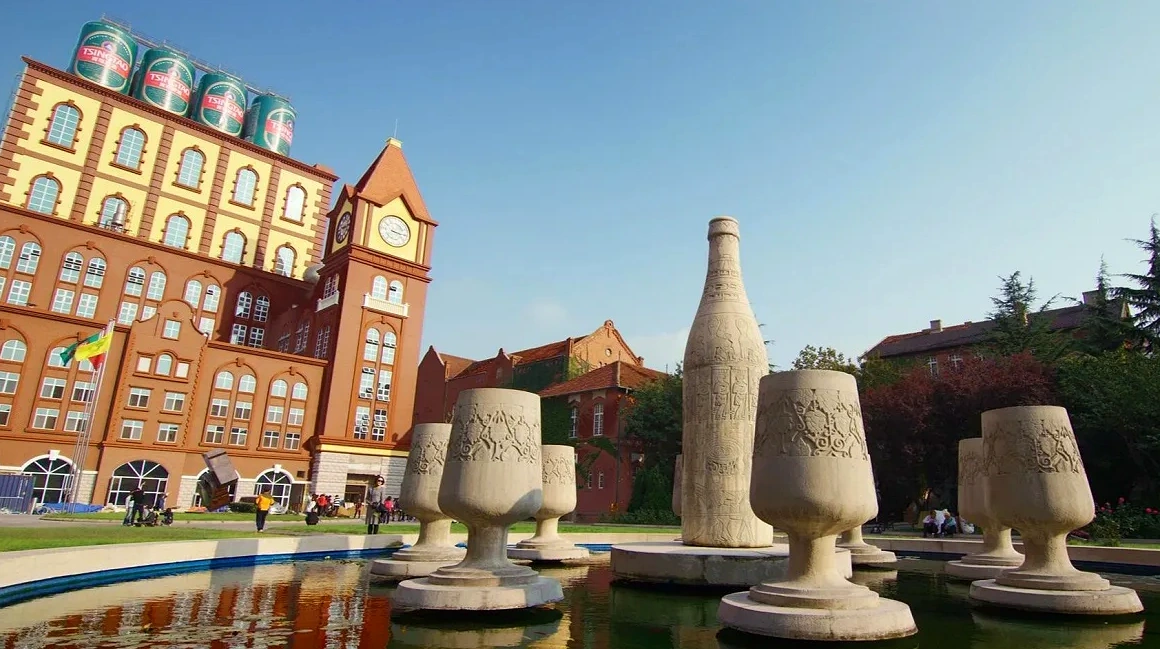
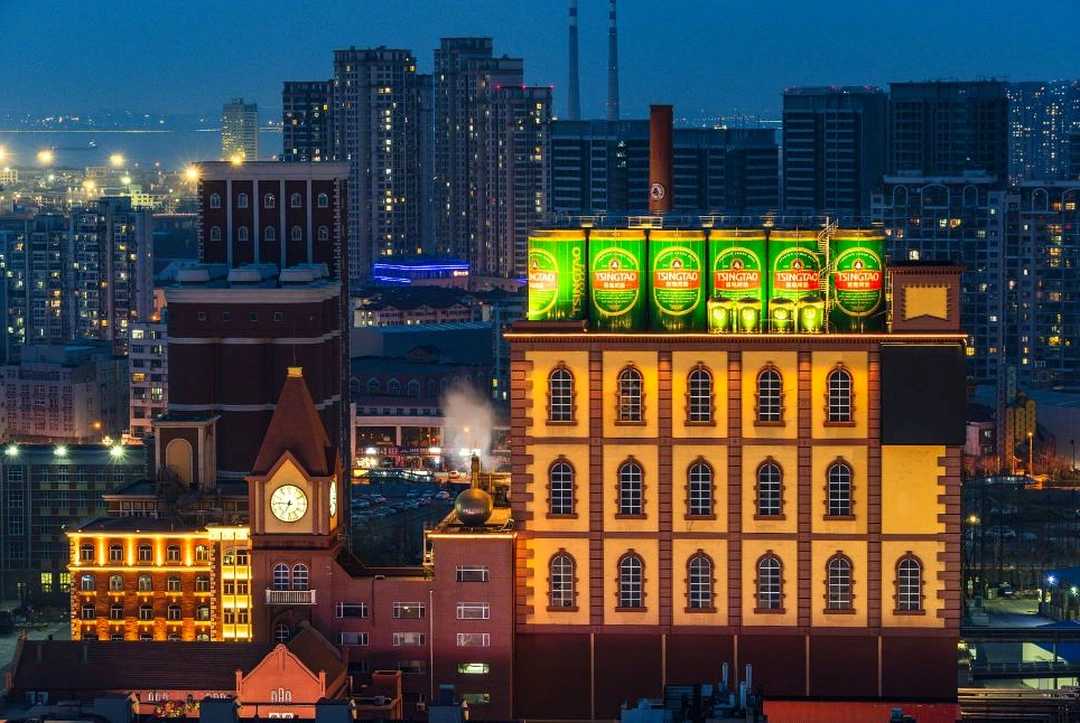
Harmonizing with industrial value and natural scenery is an architectural heritage space blending Prussian styles with classical industrial art. Strolling across old workshops now zoned as museum exhibition spaces, visitors wander into a living museum of global brewing history. Deep red brick walls, large arched windows admitting natural light, European-styled sloped tile roofs, and towering brick chimneys remain fully preserved across countless temporal shifts. Surrounding landscaping is harmoniously arranged with lush lawns, shaded ancient trees, and outdoor sculptures honoring brewing artisans. All forge a space carrying somber nostalgia from an ancient industrial origin alongside vibrant vitality as a premier cultural tourism destination, where past and present converge in every golden drop of traditional beer.
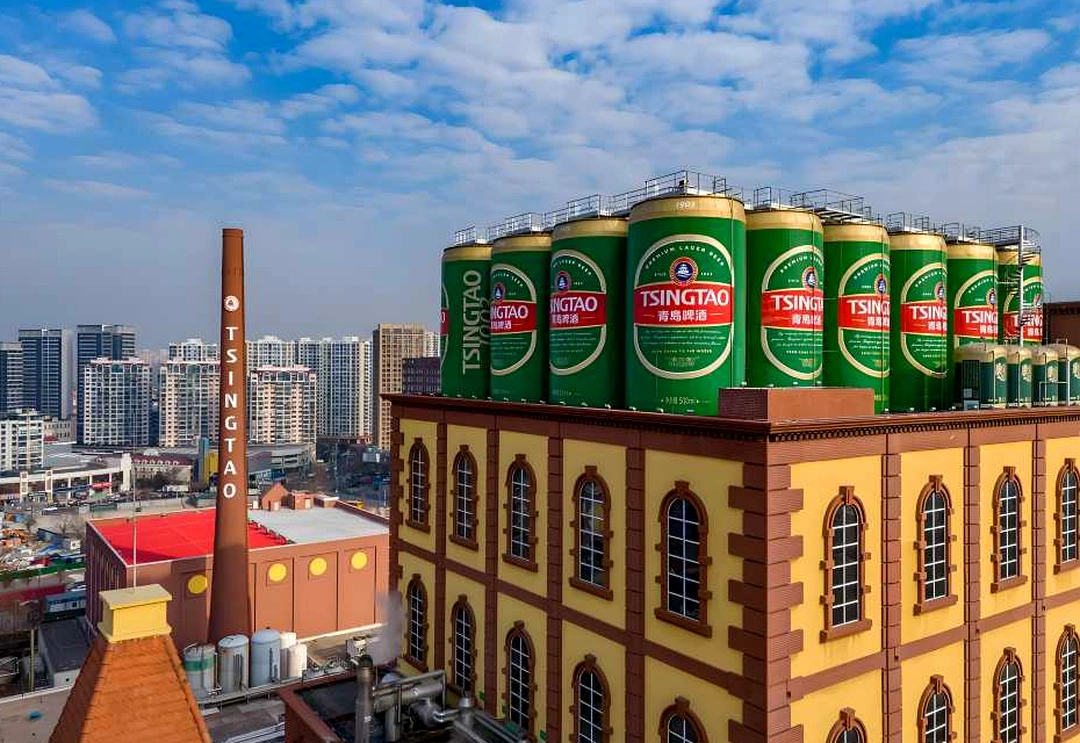
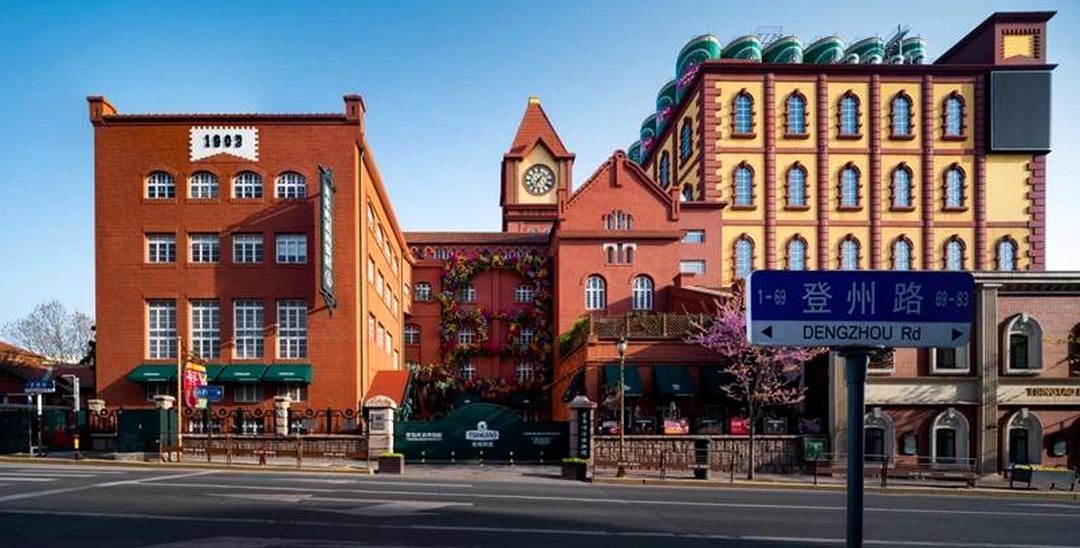
Stepping through temporal portals inside Qingdao seaside city, the Tsingtao Brewery Museum (青岛啤酒博物馆) emerges as a living masterpiece where industrial architectural art intersects powerfully with golden beverage crafting essences. The museum’s architectural complex is a magnificent synthesis, preserved intact from the late 19th to early 20th century, bearing distinct imprints of characteristic Junker industrial architecture combined with Jugendstil elements, namely Germany’s Art Nouveau movement of that era. Standing before these ancient structures, anyone loving architectural history admires the meticulousness, sturdiness, and visionary outlook of German engineers stepping onto this trading land during its infancy.
Delving into spatial structures and building materials, the core of original workshops was erected from red bricks imported directly from Germany, combined with sturdy local granite foundations. Load-bearing walls reach impressive thicknesses exceeding 50 centimeters—an astonishing technical metric delivering majestic, solemn aesthetics alongside optimal insulation and thermal mass, helping maintain stable indoor temperatures ideal for beer preservation and fermentation. Looking upward, roofs follow traditional German sawtooth roof structures or elegant Mansard styles, maximizing natural daylight while creating unique architectural skylines across the city.
Inside exhibition rooms and historic production floors, interior load-bearing structures exhibit sophisticated integration of European-style large-span timber truss systems utilizing rare red pine or larch, reinforced and anchored via exquisitely hand-forged ironwork details. Doorways and window frames feature graceful arched contours, combined with dark artistic iron security bars and semi-circular stacked brick lintels, generating an architectural rhythm that is simultaneously classic and imbued with robust industrial breaths. The entire museum complex spans an impressive planned area of roughly 6,000 square meters, with actual constructed floor space exceeding 4,000 square meters, systematically and scientifically zoned into three core functional sectors comprising cultural-historical, production process, and entertainment-interactive zones.
Every exploration step here guides visitors across profound tiers of artisanal brewing arts condensed over centuries. The cultural-historical zone vividly recreates the brand’s birth and growth journeys since the early past century via precious materials, ancient machinery, and authentic reconstructed models. Following that journey, the production process zone unlocks doors into worlds of premium barley, fragrant hops, and pure Laoshan groundwater, where traditional brewing art meets modern testing technologies. Finally, the interactive entertainment zone concludes journeys with peak sensory experiences, where visitors hear stories about shimmering beer foam while directly touching heritage, savoring purest beers right at their source amidst epic historical and artistic architectural spaces.
Aligning with the city’s cultural industry development strategy to forge a “film capital” paired with dazzling night tourism spaces, the Tsingtao Brewery Museum executed comprehensive nocturnal landscape lighting upgrades. At twilight, ancient German-imprinted architectural scenes emerge via recessed LED wall lights and linear wall-washers combining warm and cool color temperatures. Lighting is meticulously calculated to honor individual red brick contours, highlighting German Renaissance-styled window arch structures while producing striking visual dialogues between a golden past and contemporary presents. Notably, peripheral zones featuring giant fermentation tanks and complex industrial piping were draped in unique light art cloaks. Via professional spot-lighting techniques, cold steel machinery instantly transforms into colossal light sculptures breathing cyberpunk sci-fi and nostalgic steampunk aesthetics, opening entirely distinct spatial experiences for night visitors.
Stepping through temporal gateways into interior spaces, visitors wander into amorphous dimensions via glass-free virtual reality tech and advanced holographic projection lighting systems. The magical time tunnel corridor guides travelers backward to precisely the summer of 1903, witnessing German master craftsmen diligently operating century-old malthouse workshops as the first beer batches were born. The performance pinnacle here is an interactive immersive drama titled “Saying Hello to Qingdao,” an ecological live-action theatrical work cleverly interwoven with characteristic local port culture. Actors in vintage costumes mingle with audiences inside ancient workshops, vividly recreating labor lives, oral traditions of working generations, and seaside residents’ liberal, bold spirits, transforming dry history into emotional living beats touching viewer hearts.
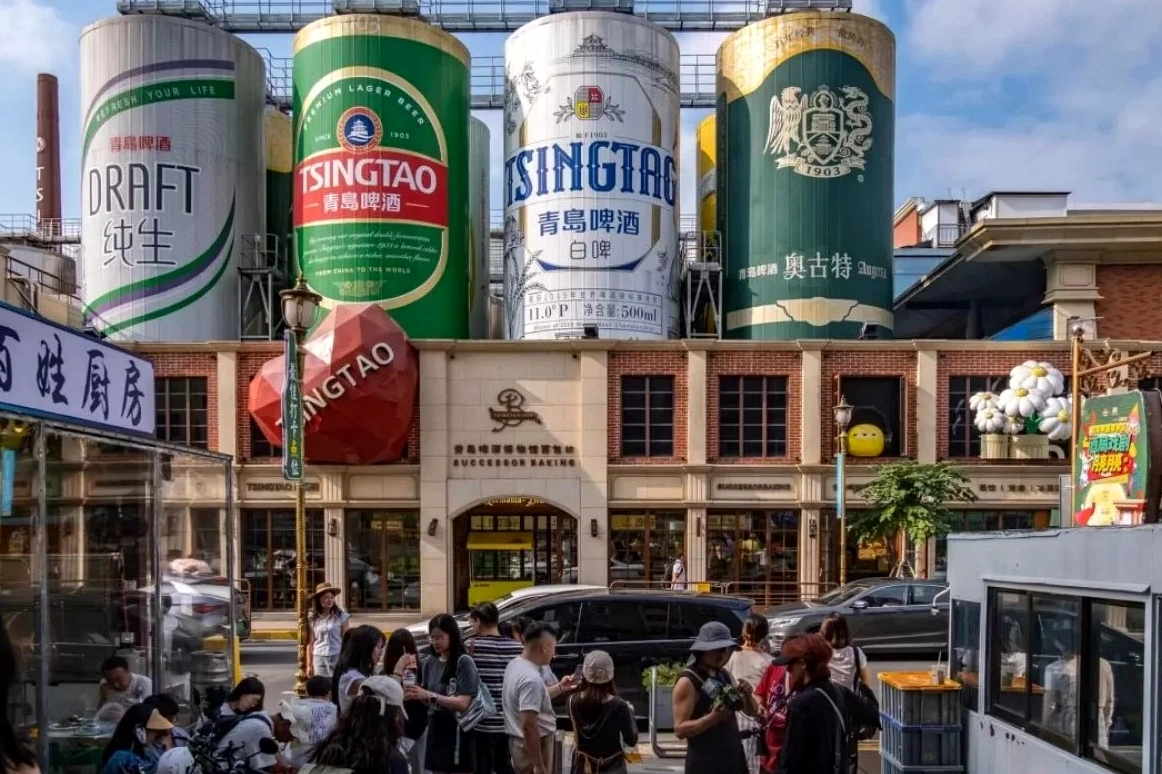
Departing from academic, artistic museum spaces, exiting front gates leads straight to famed Dengzhou Road, where Qingdao’s nightlife truly erupts amidst flashing neon signs. As lively music strikes, fragrant aromas of grilled fresh seafood over glowing coals blend with welcoming calls from sidewalk eateries, generating thick, bustling atmospheres. This stands as the ultimate embodiment of the “city that never sleeps” moniker tourists recount during Qingdao summers, where folk dining culture tied to draft beer poured straight from factory sources rises into a consumption religion. Amidst blazing colors, sounds, and flavors, travelers savor beverages while inhaling century-old cultural airs, where industrial heritage melts into contemporary living rhythms, leaving unforgettable aftertastes in anyone passing by.
Immersing in the nostalgic ambiance of the Tsingtao Brewery Museum transcends simple chronological journeys into century-old industrial heritage; it represents supreme reunions with indigenous culinary arts forged across centuries of East-West cultural synthesis. As twilight descends upon historic Dengzhou Road—hailed as the seaside city’s beer sanctuary—the atmosphere thickens with rich aromas of roasted barley and fresh seafood harvested straight from Jiaozhou Bay. Tasting experiences across museum dining zones and surrounding traditional eateries realize indigenous culinary philosophies: flawless fusions of intangible heritage brewing arts and renowned Jiaodong flavors, delivering unforgettable palatal harmonies for discerning travelers.
Ruling supreme among beverage options is Krausening Beer—an exclusive masterpiece savored exclusively at factory sources. Unlike conventional commercial lines, Krausening Beer is un-lagered, unfiltered, and completely unpasteurized. Through this process, every drop retains massive active live yeast volumes and rich protein content, producing snow-white creamy foam layers alongside pure barley fragrances. When initial sips touch palates, diners instantly experience mild bitterness blending seamlessly with subtle, refreshing, profound fruity aftertastes. Qingdao locals share a unique, scientific tasting philosophy passed down generations: “A sip of Krausening, a bite of seafood.” This pairing awakens palates while—according to local wisdom—live probiotics and mild alkalinity in fresh draft beer neutralize and decompose purine contents in seafood, letting diners indulge in ocean feasts worry-free.
Harmonizing with premium Krausening brews are classical dishes from Jiaodong cuisine—one of Shandong cuisine’s oldest, most vital branches, representing China’s prestigious imperial food schools. Opening the must-try menu is stir-fried clams with bird’s eye chilies (辣炒蛤蜊), exclusively utilizing Hongdao specialty clams featuring thin shells and naturally sweet meat. Fresh clams are wok-fried over roaring flames with minced garlic, dried chilies, and a dash of Tsingtao beer splashed directly into pans to induce aromatic vaporization, delivering mild spicy kicks alongside lingering sweet malt aftertastes. Following the journey are stir-fried sea snails (油爆海螺) utilizing lightning-fast heating techniques to preserve ocean seafood crispness, or famed braised sea cucumbers with scallions (蔥燒海參) prepared per traditional Lu school standards. Within scallion-braised sea cucumbers, items achieve tender, chewy textures simmered with caramelized scallions until dark brown, creating balanced richness and refreshing profiles when paired with cold draft beer.
Beyond seafood, indigenous culinary cultures preserve a unique intangible heritage named Zhizha (fried pork fat residues). This traditional Qingdao snack features long histories, crafted painstakingly from selected pork belly undergoing traditional refining and degreasing to concentrate finest meat fibers. Finished Zhizha pieces boast golden, crispy outer shells while retaining tender interiors, richly seasoned without greasiness. When tasted, diners lightly dip crispy Zhizha into special seasonings, nibbling alongside fresh Krausening draft beer, generating rustic yet magnetic flavor explosions—living testaments to heirloom food cultures enduring through time across this poetic port city.
Concluding backward journeys toward barley culture origins and century-old brewing arts, thoughtful travelers turn toward practical facts at the Tsingtao Brewery Museum. To make explorations of this unique industrial heritage smooth, equipping detailed schedules, transit instructions, spatial coordinates, and handy tips proves necessary. Tucked peacefully at No. 56 Dengzhou Road, Shibei District, Qingdao City, Shandong Province, the museum bridges past and present, requiring careful schedule planning to avoid missing any heritage highlights.
Regarding operating hours, management applies seasonal dual ticket pricing and flexible hours to optimize visitor experiences. During peak seasons spanning May through October annually, the museum opens to visitors from 08:00 AM and closes sightseeing activities at 18:00 PM. Conversely, during low seasons from November through the following April, hours adjust from 08:30 AM to 17:30 PM to match northern Chinese coastal weather and operational realities. A vital rule modern explorers must remember is strict visitor flow management policies; visitors must book tickets in advance via official public WeChat mini-programs named 青岛啤酒博物馆 under real-name registration systems (real-name system). Field experts recommend proactively securing sightseeing slots 3 to 5 days prior to avoid sold-out situations during peak seasons or major holidays.
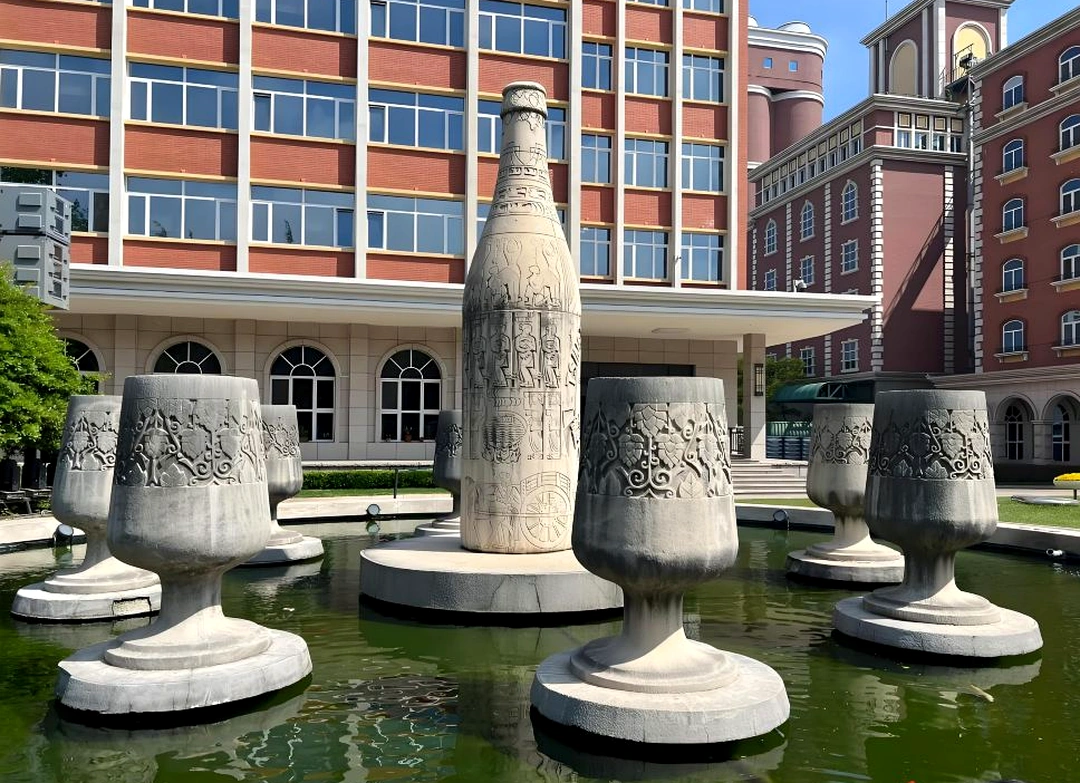
Approaching this heritage coordinate is exceptionally convenient thanks to Qingdao’s modern, synchronized public transit. Opting for underground subways, visitors board Metro Line 2, disembark at Taishanyuan Road Station, exit via Gate B, and stroll ten minutes to museum gates, or take Metro Line 4 and disembark at City Hospital Station. For street-view bus lovers, public bus lines 11, 15, 25, 302, and others feature stops directly at Tsingtao Brewery Museum Station or Liyuan Road Station, delivering travelers straight to historic red-brick castle doorsteps effortlessly.
Upon crossing museum gates, 2.5 to 3 hours of scientific and cultural exploration unfold across logical zones. Sightseeing routes run seamlessly across three main areas, starting from Zone A dedicated to history and culture featuring precious documents depicting German concession roots, transitioning into Zone B reflecting modern industrial processes with towering advanced machinery, before pausing at tasting zones where visitors receive complimentary glasses of premium Krausening and draft beers, concluding at Zone C featuring creative cultural spaces and specialty dining.
To optimize field trips, visitors should note practical tips filtered from cultural researchers’ real experiences. Since museum structures span historic workshops featuring brick floors and long staircases, wearing flat, comfortable, high-traction walking shoes is essential for foot safety across long walks. Inside Zone A’s ancient artifact and document galleries, photography is permitted while camera flashes are strictly prohibited to protect original paper documents and sensitive artifacts from high-intensity light damage. Additionally, since the highlight involves tasting alcoholic draft beers, self-driving visitors must exercise caution and moderation, strictly avoiding excessive consumption to guarantee driving safety. To secure a seamless, comprehensive A-to-Z guided experience for upcoming trips, explore professional all-inclusive tour packages designed to unlock cultural explorations securely.