







Entering the 19th century, Qingdao’s destiny witnessed a shocking historical turning point. The invasion of Western powers pushed Qingdao into the vortex of colonialism. In 1897, the German Empire, with ambitions to expand its influence in the Far East, occupied Jiaozhou Bay and established a leased territory in Qingdao. This event, while a scar in the history of the Chinese nation, inadvertently forged a completely distinct Qingdao. In less than two decades under German rule, Qingdao was systematically planned and built with European neoclassical architecture and the most modern infrastructure in Asia at the time: roads, drainage systems, electricity, deep-water ports, and, above all, the world-famous brewery. This is the root of the unique architectural heritage we admire today. After World War I, Japan occupied Qingdao, but ultimately, through the resilient struggle of the Chinese people, the city returned to the motherland’s embrace in 1922. Navigating the upheavals of the National Revolution and the Civil War, Qingdao steadily stepped into the modern era, becoming one of China’s leading economic, scientific, technological, and tourist centers—particularly a strategic port city with an ideal “backed by mountains, facing the sea” feng shui, where majestic mountains embrace the vast ocean, promising a sustainable prosperous future.
From these complex historical imprints, modern Qingdao emerges with a unique architectural appearance—a vibrant open-air museum where Eastern and Western cultural essences blend in astonishing harmony. More than just a beautiful seaside city, Qingdao is an unrivaled historic architectural space that clearly reflects the shifts of the times. Although it lacks a dedicated UNESCO World Heritage recognition specifically for urban architecture, Qingdao’s old German architectural district is strictly preserved as a key national-level cultural relic, and its historical and artistic value is undeniable, deserving to be considered part of the global architectural heritage in its own distinct and unique way. As they stroll down tree-lined streets, visitors will be awestruck by red-roofed, yellow-walled villas, Gothic churches, Baroque administrative buildings, and sturdy industrial structures bearing strong European Renaissance and Art Nouveau styles—all nestled right beside classic Chinese brick houses or modern skyscrapers reaching out to catch the sea breeze. This fusion creates an urban panorama that is simultaneously ancient, romantic, and dynamic, impossible to find anywhere else in the world.
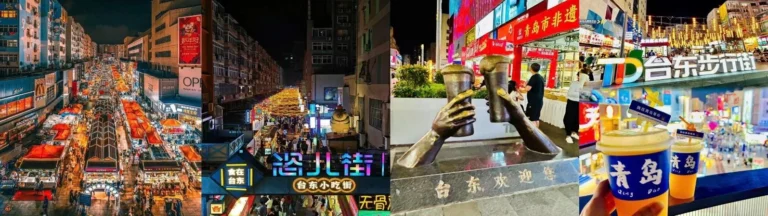
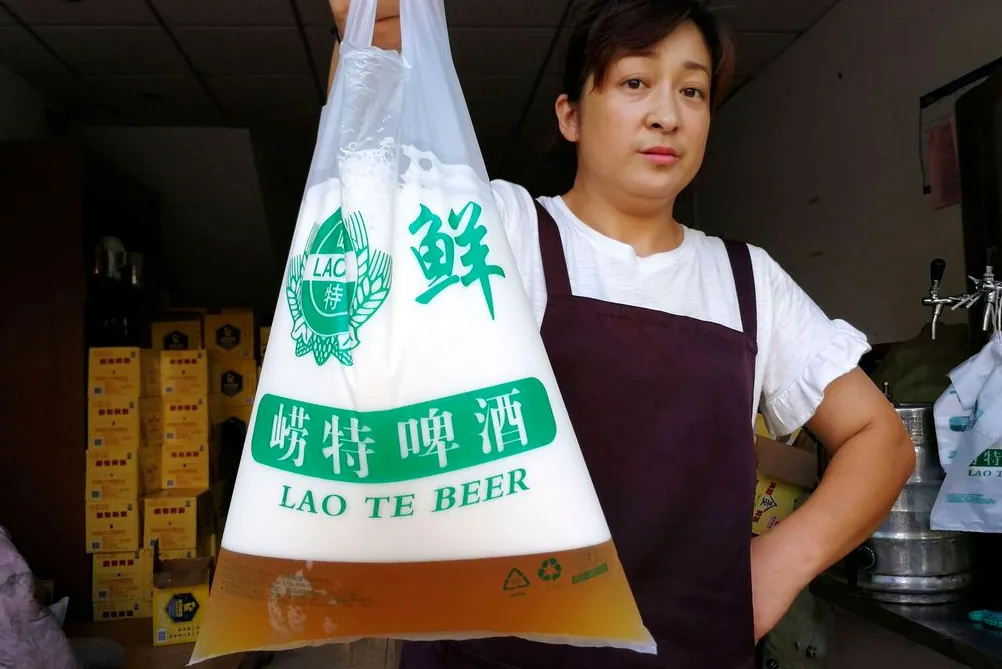
Local customs and practices in Qingdao also bear the strong imprint of a seaside city and an intermingled past. Life here flows more peacefully than in other Chinese megacities, with a characteristic leisurely rhythm. Beer culture is deeply rooted in the subconscious of Qingdao residents, to the extent that drinking beer is an indispensable part of daily life. More than just a refreshing drink, beer is a thread connecting the community and a source of pride for the city. The sight of locals buying fresh draft beer packaged in plastic bags (commonly known as “Qingdao Trousers”) and enjoying it right on the street is a unique cultural trait, demonstrating a free-spirited, approachable demeanor. In addition, seafood culture is immensely rich, featuring bustling fish markets and seaside eateries serving ultra-fresh seafood straight to the table. Qingdao people love simple yet quality cuisine, prioritizing the freshness of ingredients. Traditional festivals, such as the Qingdao International Beer Festival in the summer, not only attract tourists but also serve as an occasion for locals to showcase their hospitality and vibrancy. Notably, Qingdao residents place great importance on family and social relationships, frequently gathering for food and singing, creating a warm and lively community atmosphere. This is not merely a city for sightseeing, but a place to live, feel, and immerse oneself in that unique cultural flow.

To truly touch the heart of Qingdao, we cannot miss its premier scenic spots and iconic destinations, where every stone, every wave, and every tree carries its own deep and enchanting story. Each of these landmarks is not merely a sightseeing spot, but a window opening up to different dimensions of the city’s history, culture, and natural beauty.
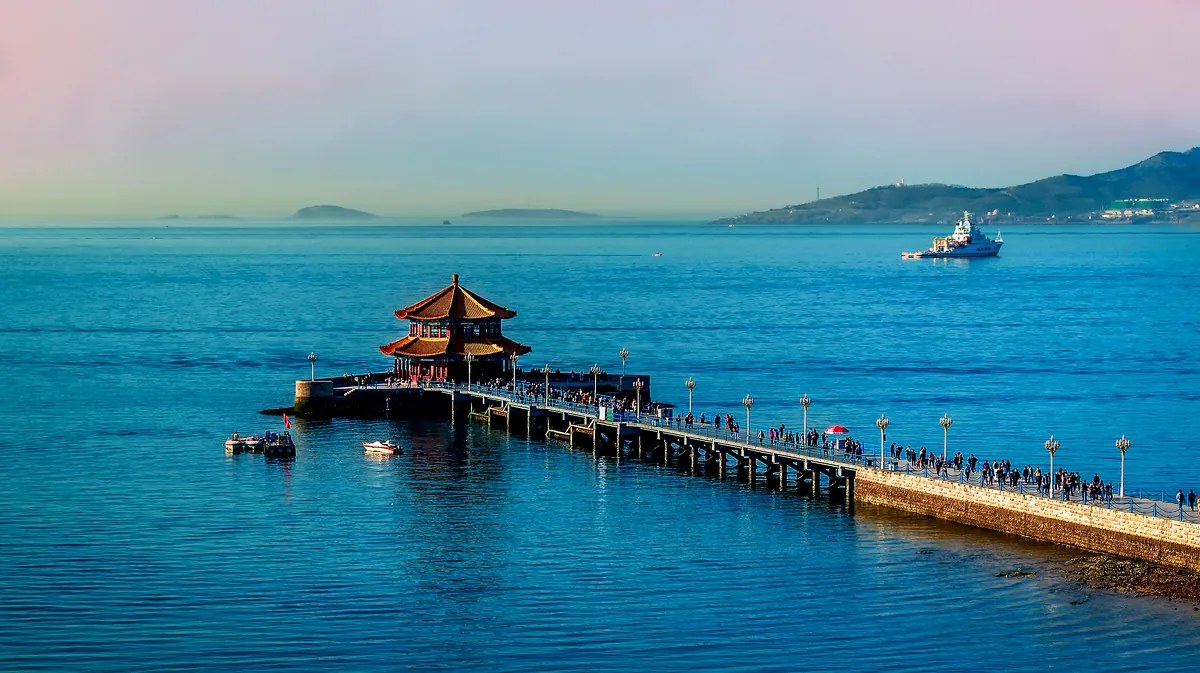
First and foremost is Zhanqiao Pier (Zhanqiao Pier). This is not simply a bridge, but the soul and an inseparable symbol of Qingdao, imprinted on every postcard and visitor’s memory. Reaching out into the sea like a long arm embracing the waves, Zhanqiao Pier construction began in 1891, initially for military purposes under the Qing Dynasty before the Germans arrived. During the German occupation, the pier was expanded and modernized, becoming one of Qingdao’s first and most important port structures. With a total length of about 440 meters, the bridge leads to Huilan Pavilion, an octagonal two-story pavilion with brilliant yellow tile roofs, standing proudly amidst the sea. From Huilan Pavilion, visitors can admire the panoramic view of Qingdao Bay, boats gliding gently on the waves, and the skyline embracing the city. At night, the shimmering lights from the pier and the city reflecting on the water create a magical, breathtakingly romantic scene. Zhanqiao is not only a place for sightseeing but also a spot where locals stroll, fish, and enjoy the sea breeze, demonstrating a deep connection to the ocean and their history. It stands as a testament to Qingdao’s resilience and adaptability through various historical periods.
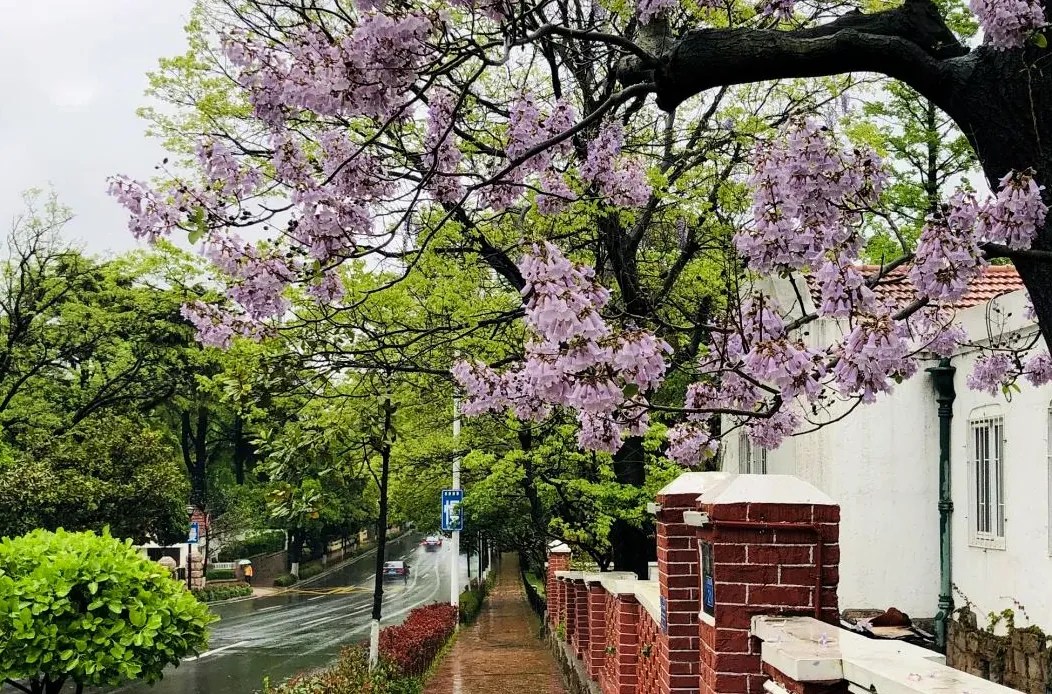
Next, we step into a world of ancient and romantic architecture at Badaguan (Eight Passes). The name “Badaguan” means “Eight Great Passes,” named after eight famous passes of the Great Wall, although many other roads were named later on. This area, formed in the early 20th century during the German colonial period, is one of Qingdao’s most upscale residential areas, renowned for its diverse collection of old European villas. As you stroll down tree-lined streets like Shanhaiguan Road or Jiayuguan Road, visitors will feel as though they are traveling through space and time, admiring magnificent villas in German, Russian, British, French, American, Danish, Greek, and Japanese styles. Each villa is a unique architectural masterpiece, with bright red tile roofs, ancient stone walls, lush green gardens, and graceful archways. Badaguan is not merely a living architectural museum but also a stunning urban garden that changes its attire across the four seasons: spring arrives with blossoming cherry blossoms and magnolias, summer brings endless green foliage, autumn paints the maples and ginkgos in brilliant red and yellow, and winter settles into a quiet, solemn charm under a blanket of snow. This place once served as a retreat for important figures in Chinese history and is also an ideal backdrop for romantic films or wedding photography. Badaguan captivates not only with its architectural beauty but also with its peaceful, refined atmosphere, detached from the bustling city streets, inviting visitors to immerse themselves in a space of nostalgia and art.
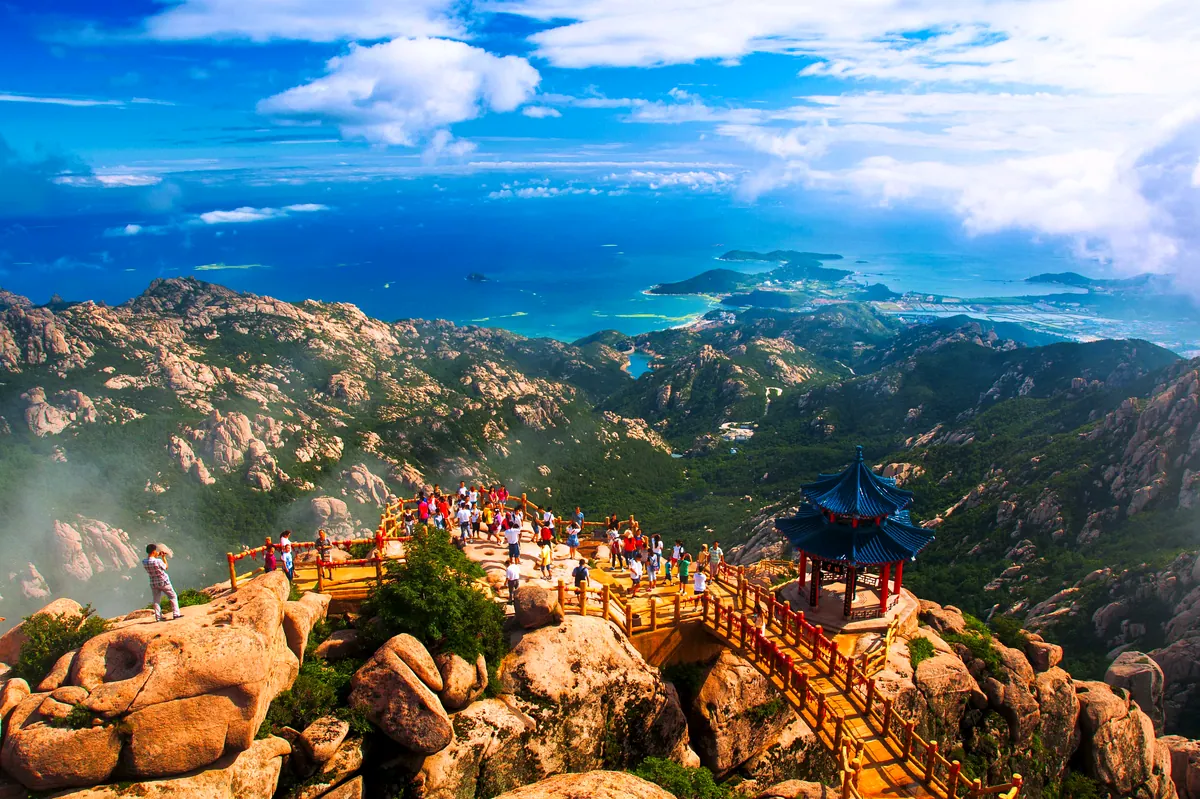
Rising from the eastern part of Qingdao, Mount Laoshan is not just a stunning natural scenic spot but also an important spiritual center, known as the “No. 1 Taoist Mountain by the Sea”. With a maximum elevation of 1,132.7 meters above sea level, Laoshan is the highest peak on China’s eastern coastline, where the majesty of the mountains harmonizes with the vastness of the ocean. Since ancient times, Laoshan has been considered one of the cradles of Taoism, a place where Taoist priests lived in seclusion, practiced alchemy, and sought immortality. Legend has it that Emperor Qin Shi Huang and Emperor Wu of Han both visited here to seek immortals and elixirs. Ancient Taoist temples and shrines are scattered across the mountain slopes, hidden among rugged cliffs and ancient pine forests. Among them, the most famous is Taiqing Palace, built during the Song Dynasty, making it one of the oldest and most important Taoist temples in all of China. With its exquisite traditional wooden architecture, ancient statues, and sacred ambiance, Taiqing Palace transports visitors into a world of meditation and ancient philosophy. Laoshan not only attracts those seeking spiritual tranquility but is also a paradise for nature lovers. Featuring year-round cascading streams, crystal-clear rushing water, lush virgin forests, and majestic rock formations eroded by sea waves, it offers wonderful hiking trails ranging from easy paths to challenging mountain climbing adventures. Standing at the summit, visitors can gaze into the distance, admiring the vast sea, offshore islets, and the panoramic view of Qingdao partially veiled in mist and clouds. In particular, Laoshan tea is a famous specialty with a pure flavor, grown on mountain slopes with a special climate and soil, offering a unique culinary and cultural experience.
On the journey to discover Qingdao’s heritage, one cannot fail to mention a more modern symbol that has deeply intertwined with the city’s identity: the Tsingtao Brewery Museum. This is an unmissable destination for anyone looking to learn about the history and production process of one of the world’s most famous beer brands. The museum is built on the site of Qingdao’s first brewery, established by the Germans in 1903. Right upon entering, visitors are greeted by classic red-brick architecture, reminiscent of the colonial era. Inside, the museum exhibits a rich collection of historical artifacts, from vintage brewing machinery, bottles, and labels through the ages, to the stories behind the growth of the Tsingtao Beer brand. Visitors will learn in detail about the traditional German brewing process, from selecting ingredients (barley, hops, pure spring water from Mount Laoshan) to fermentation and bottling. The highlight of the visit is the tasting area, where visitors can enjoy fresh Tsingtao beer straight from the brewery, savoring the distinct flavor that has built its global reputation. The museum is not only a place to showcase beer but also a vivid testament to German-Chinese cultural exchange, where a Western product has become an indispensable part of Qingdao’s life and economy, and a source of pride for the local people.
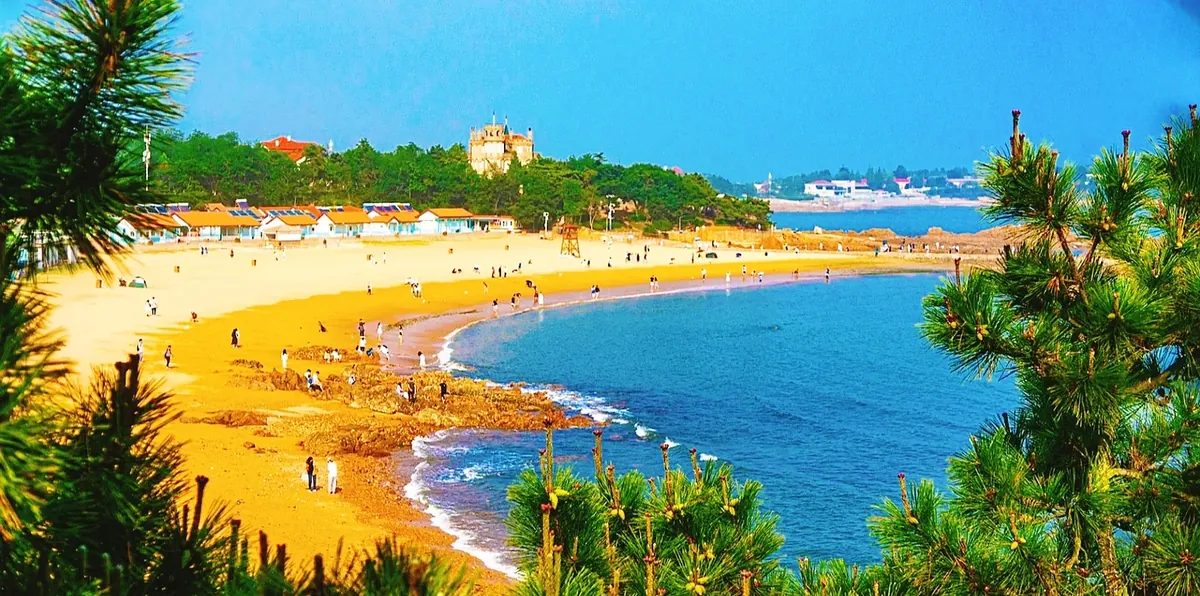
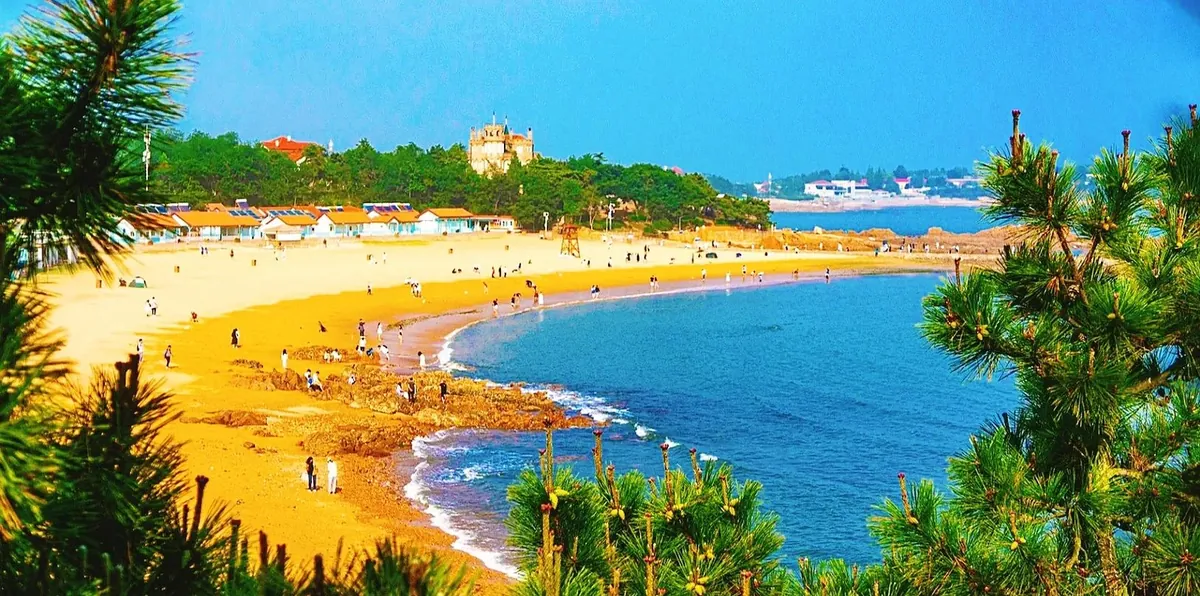
Finally, one cannot overlook the beauty of Number One Bathing Beach. Located right in the city center, this beach is one of Qingdao’s most famous and stunning resorts, attracting millions of visitors each year. With its gently sloping, smooth golden sand stretching in a crescent shape embracing the bay, turquoise waters, and gentle waves, Number One Bathing Beach offers an ideal setting for all kinds of seaside leisure activities. Formed from the sediment of surrounding mountains, the sand here has an ideal gradient, safe for children and perfect for swimming. Since the German colonial era, this has been a luxury resort, with high-end villas and hotels springing up along the coast. Today, the beach retains that charming beauty, with shady green trees, romantic promenades, and stunning views of the sea and coastal architecture. Visitors can soak up the golden sunshine, swim, windsurf, or simply stroll along the shore, breathe in the fresh air, and listen to the sound of crashing waves. Especially in the summer, the beach comes alive with sports activities, festivals, and thousands of bathers. Whether on a dazzling sunny day or a romantic sunset afternoon, Number One Bathing Beach always delivers memorable moments, making it an essential destination on the journey to explore Qingdao, where nature and humanity blend perfectly.
Qingdao not only captivates visitors with its historical stories and architectural beauty but also wins over every heart through its unique culinary culture, where regional delicacies, tea-drinking customs, and grand banquets intersect to create an unforgettable gastronomic experience. As a coastal city, Qingdao’s cuisine naturally centers around seafood. The freshness and variety of seafood here are legendary: from vibrant green lobsters, meaty crabs, and crunchy fresh squid, to countless clams, oysters, snails, and mussels harvested right from the Yellow Sea. Qingdao locals have a relatively simple yet refined way of preparing seafood, usually steaming, boiling, or grilling to preserve the natural flavors of the ocean. The spicy clams dish (known locally as la-sha) is an unmissable specialty, featuring the fiery heat of chili, the fragrance of ginger and garlic, and the rich sweetness of the clams, typically paired with a cold Tsingtao beer. Soy-sauce steamed fish and seafood soups are also fantastic choices, reflecting both freshness and culinary craftsmanship.
Aside from seafood, Qingdao also prides itself on Tsingtao beer – an inseparable part of the city’s culinary identity and culture. Tsingtao beer is not merely a drink, but a lifestyle. Locals often enjoy fresh draft beer poured directly from barrels into plastic bags (nicknamed “Qingdao shorts”), drinking it right on the streets or at casual eateries. The annual Qingdao International Beer Festival in summer is a vibrant event that turns the entire city into a giant beer party, where visitors can try all kinds of brews, from traditional lagers to unique craft beers. Alongside beer, tea culture in Qingdao, while lacking the complex rituals of Japanese tea ceremonies, still reflects a delicate appreciation for tea. Laoshan Tea, grown on the slopes of Mount Laoshan, is famous for its pure, mildly sweet flavor and health benefits. Savoring a warm cup of Laoshan Tea in the chilly early morning air or after a hearty seafood feast is a relaxing experience that allows visitors to feel the harmony between nature and the locals here. Qingdao residents often invite guests to tea as a way to show their hospitality and warmth.
Other local dishes also contribute to enriching Qingdao’s culinary map. Qingdao steamed dumplings (Qingdao jiaozi), filled with fresh seafood or pork, are a familiar dish in family meals and restaurants. Guotie (pan-fried dumplings) with a crispy golden crust and rich filling are also an appealing choice. In particular, the custom of banquets in Qingdao is often very lavish, especially during holidays or important events. These parties usually feature a table full of elaborately prepared fresh seafood dishes, along with other traditional foods. This is not only an occasion to enjoy cuisine but also a time to bond with family, friends, and partners. The combination of fresh seafood, world-famous Tsingtao beer, and pure Laoshan tea creates a colorful culinary picture that reflects the essence of a coastal city with a history of deep cultural intersections.
To make your exploration of Qingdao complete, understanding its modern transport infrastructure and the golden time to travel is extremely important. As one of China’s major port cities and key economic centers, Qingdao boasts a modern and synchronized transport infrastructure, making travel to and from the city extremely convenient. The main aviation gateway is Qingdao Jiaodong International Airport (TAO), one of the most modern and largest airports in the region, connecting Qingdao with many domestic cities and important international destinations. The airport offers numerous direct flights, creating ideal conditions for travelers from all over the world. Additionally, the China Railway High-speed (CRH) system is a fantastic way to reach Qingdao from other major Chinese cities such as Beijing, Shanghai, Jinan, and Hangzhou. High-speed trains are not only fast but also very comfortable, offering a stunning railway sightseeing experience through lush countryside and bustling urban areas. Furthermore, Qingdao features a bustling seaport system that plays a vital role in its history and economy; although less common for individual tourism, it stands as a testament to the city’s strategic position. Within the city center, a strongly developed subway (metro) and public bus system allow travelers to move between attractions conveniently and economically.
Choosing the golden time to travel to Qingdao depends on each traveler’s preferences and exploratory goals, as each season brings its own beauty and distinct experiences.
Spring (April – May) is the ideal time for those who love freshness and romance. The climate is fresh, cool, and dry, and it is when cherry blossoms, magnolias, and various other flowers bloom across the streets—especially in the Badaguan scenic area—creating a poetic backdrop. This is a wonderful time for strolling, exploring architecture, and enjoying the fresh air without the heavy crowds.
Summer (June – August) is the peak tourist season, particularly for beach lovers and those seeking lively activities. The weather is warm and sunny, perfect for swimming and participating in water sports at No. 1 Bathing Beach. This is also when the renowned Qingdao International Beer Festival takes place, a grand event drawing millions of visitors to immerse themselves in the vibrant beer festival atmosphere. However, travelers should prepare for large crowds and potentially higher service prices.
Autumn (September – October) is considered by many to be the best time to visit Qingdao. The climate is cool and pleasant, with clear blue skies and golden sunlight. The tree-lined avenues in Badaguan turn vibrant shades of yellow and red, creating stunningly romantic pathways. This is the ideal season to explore Laoshan Mountain, go hiking, savor fresh seafood, and enjoy the city’s tranquil beauty without the heat of summer or the chill of winter.
Winter (November – March) brings a quiet and charming Qingdao of a different kind. Despite the chilly weather and occasional snowfall, the snow-covered landscapes of Laoshan Mountain and the quiet, serene streets carry a magical, pristine beauty. This period sees fewer tourists, making it suitable for those seeking peace, contemplation, and hot, comforting dishes. No matter the season, Qingdao offers memorable experiences, though VDS Travel recommends spring and autumn as the “golden times” to fully appreciate its heritage and natural beauty.
For Vietnamese travelers planning to explore Qingdao, VDS Travel is delighted to present a comprehensive pocket field guide to make your trip as smooth and memorable as possible. Thorough preparation is the key to a complete heritage discovery journey.
First is the matter of visa. Vietnamese citizens need a visa to enter China. You should apply for your visa early at the Chinese Embassy or Consulate in Vietnam. The application generally includes a passport valid for at least 6 months, a visa application form, ID photos, an itinerary, and flight and hotel bookings. Depending on the visa type and the purpose of your trip, additional documents may be required. VDS Travel is always ready to advise and assist you throughout this process to ensure all procedures are completed quickly and accurately.
Regarding currency and payments, the Chinese Yuan (CNY) is the official currency. However, China is a pioneer in mobile payment adoption. Apps like Alipay and WeChat Pay have almost completely replaced cash and bank cards in daily transactions, from restaurants and convenience stores to traditional markets. You are advised to download and set up these apps before your trip, then link them to your international credit or debit card (Visa/MasterCard). Even so, it is still a good idea to carry a small amount of cash for emergencies or smaller establishments that do not accept mobile payments. In major cities like Qingdao, finding an ATM to withdraw cash is also quite easy.
To stay connected throughout your trip, a local eSIM or physical SIM is a smart choice. eSIMs offer exceptional convenience, allowing you to activate network service immediately without swapping physical SIM cards. Major telecommunications providers in China, such as China Mobile, China Unicom, and China Telecom, all offer attractive travel data packages. It is important to note that many popular apps and websites, such as Google, Facebook, Instagram, and WhatsApp, are blocked in China. Therefore, installing a VPN (Virtual Private Network) before arrival is absolutely essential to maintain access to these services. VDS Travel will guide you on how to choose the right VPN to ensure a seamless connection.
Clothing should be prepared according to the travel season.
Spring and Autumn: Temperatures are mild, so you should pack comfortable clothing, lightweight jackets, thin sweaters, and comfortable walking shoes.
Summer: The weather ranges from warm to hot, so prepare breathable clothes, swimwear, hats, sunglasses, and sunscreen.
Winter: The climate is freezing, especially at Mount Laoshan, requiring thick coats, warm sweaters, scarves, hats, gloves, and waterproof boots.
Regardless of the season, a comfortable pair of walking shoes is always an indispensable item to help you freely explore the ancient streets and scenic spots. Especially when visiting Mount Laoshan, choose layered clothing to easily adjust to temperature changes.
VDS Travel is proud to be your trusted companion on every step of your exploration of Qingdao. With in-depth expertise in the culture, history, and geography of China travel, we are committed to delivering journeys that are not merely travel experiences, but deep heritage educational voyages. From detailed itinerary planning, optimizing time and budget, to providing knowledgeable local guides, we ensure every moment of yours in Qingdao is enjoyed to the fullest. We will help you discover off-the-beaten-path corners, stories hidden deep beneath the surface, and feel the pulse of an authentic Qingdao far beyond what an ordinary trip can offer. Let VDS Travel give wings to your dream of exploring Qingdao, turning every journey into an invaluable heritage memory.
