







Guilin’s recorded chronicles begin in the Qin Dynasty (3rd century BC), when Qin Shi Huang ordered the construction of the Lingqu Canal—one of antiquity’s greatest hydraulic engineering works. Linking the Xiang River (a tributary of the Yangtze) with the Li River, the canal formed a strategic waterway enabling Qin forces to transport grain and troops south to pacify the Baiyue lands. Lingqu Canal opened a new era of trade and culture while turning Guilin into an important military and administrative hub. During the Tang and Song dynasties, Guilin became a favored retreat and place of exile for scholars, poets, and officials. Luminaries such as Han Yu, Liu Zongyuan, and Su Shi left behind countless poems and essays praising Guilin’s landscapes, establishing it as an emblem of natural beauty in Chinese culture. It was during this era that the famous saying “Guilin’s mountains and waters are supreme under heaven” emerged as an enduring truth. Under the Ming and Qing dynasties, Guilin continued to grow as provincial capital of Guangxi—a status it held until 1914. In modern history, Guilin served as a key military base during the War of Resistance against Japan; despite heavy losses, it rose with resilience to preserve its heritage and develop tourism, turning limestone peaks and poetic rivers into enduring symbols of peace and beauty.
Guilin’s urban and historic architecture today blends traditional charm with modern vitality while retaining the distinct identity of a riverside city. Though it does not have a single intact “ancient town” on the scale of Fenghuang Ancient Town or Lijiang, Guilin preserves historic architectural landmarks such as Jingjiang Princes’ City—a palace and temple complex built in the Ming Dynasty that once housed royal princes. With tall city walls and stately archways in classical Chinese palace style, this precinct offers vivid proof of Guilin’s past grandeur. Around Jingjiang Princes’ City runs a network of narrow stone lanes lined with historic homes, craft shops, and traditional teahouses steeped in quiet time. While Guilin does not hold a separate UNESCO World Cultural Heritage listing for its urban fabric, its karst scenery forms a key part of “South China Karst,” a UNESCO World Natural Heritage site affirming its remarkable geological and scenic value—further highlighting the organic bond between people and nature in Guilin.

Local customs and traditions in Guilin are deeply shaped by ethnic minorities such as the Zhuang, Yao, Miao, and Dong alongside the majority Han culture. Zhuang culture stands out with traditional dances, lyrical folk songs, and vibrant festivals such as the Singing Festival (San Yue San) and Rain-Praying Festival. Traditional Zhuang attire—featuring intricate embroidery, colorful headscarves, and gleaming silver jewelry—serves as a hallmark of cultural identity. Guilin locals generally share an open, hospitable nature, fond of song and convivial exchange. They believe in harmony between humanity and nature, expressed through an easygoing lifestyle attuned to surroundings and deep respect for gifts from mountains and rivers. Time-honored customs such as ancestral veneration, honoring mountain and river deities, and praying for bountiful harvests remain respectfully practiced, painting a colorful, living cultural portrait across Guilin.
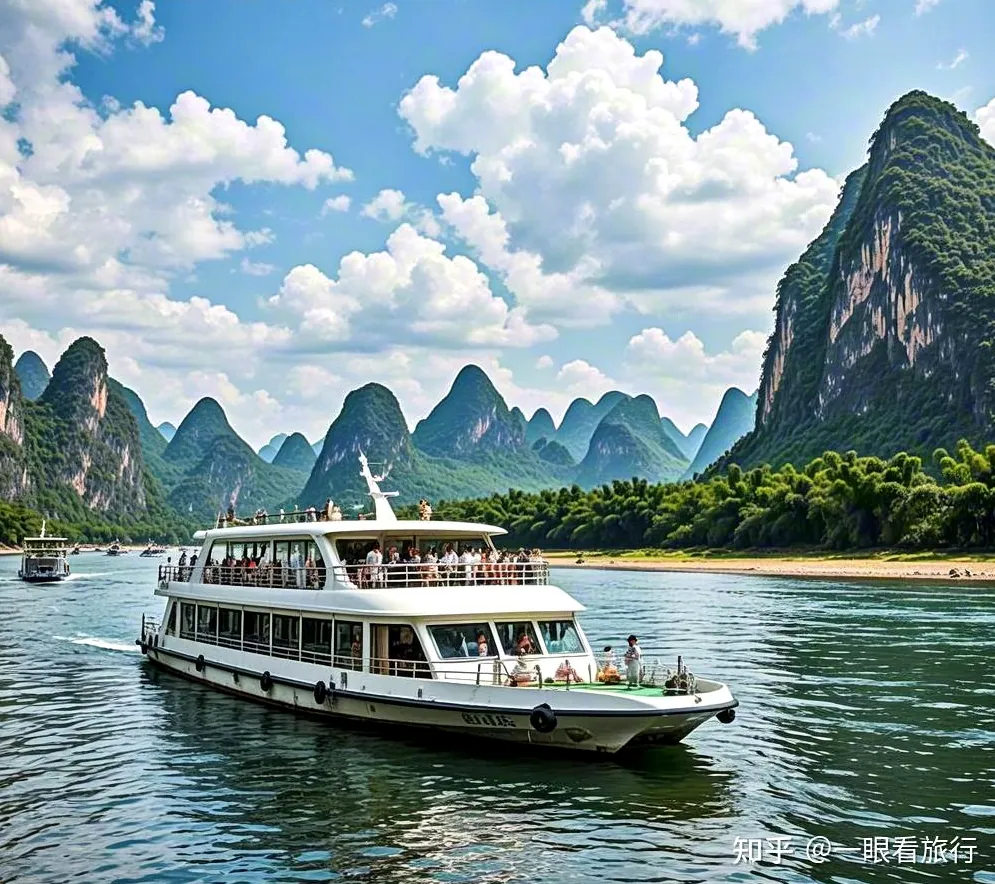
Mention Guilin, and every traveler’s mind naturally pictures the legendary Li River—an emerald ribbon winding past countless limestone peaks. A boat cruise along the Li River is an essential experience, a living ink-wash painting bestowed by nature. As the boat glides smoothly over clear water, peaks in imaginative shapes line both banks, named after myths or familiar forms: Table-like Buddha’s Hand Hill, Old Man Reading a Book Hill, Boxing Hill, and more. Every bend and angle opens a fresh, poetic scene. Visitors especially look forward to Nine Horse Fresco Hill (Jiu Ma Hua Shan), a sheer rock face whose natural mineral patterns resemble nine galloping horses emerging through drifting mountain mist. Legend says whoever can clearly discern all nine horses possesses extraordinary wisdom. More than a geological curiosity, it is a natural abstract artwork that invites the imagination.
Perhaps the most anticipated highlight along the Li River is the scene featured on China’s 20-RMB banknote: the Huangbu Reflection (Yellow Cloth Shoal) stretch. Here, the river widens and calms like a giant mirror, reflecting seven majestic limestone peaks in full. In bright sunlight, the peaks stand out crisply, creating a serene, almost surreal tableau of harmony between people and nature rarely seen elsewhere. After the scenic cruise down the Li River, the boat brings us to Yangshuo Town. Grown from a small fishing village into a lively travel hub while keeping its own distinct charm, Yangshuo is an ideal base for exploring Guilin’s countryside—with lush green rice paddies, winding country lanes, and towering peaks all around. At Yangshuo’s heart lies West Street, a bustling pedestrian lane with more than 1,400 years of history. Once a lively meeting spot for foreign travelers and traders from the 1980s onward, West Street today blends historic architecture with modern flair. Curved tiled roofs and stone-paved alleys sit beside lively bars, international restaurants, souvenir shops, and art galleries—creating a vibrant cultural space where Yangshuo feels energetic yet peaceful after dark.
Back in central Guilin, the city’s unmistakable emblem is Elephant Trunk Hill (Xiangbishan). Shaped by a natural cave arch piercing its base, the hill looks just like a colossal elephant lowering its trunk into the Li River to drink. The sight of this contemplative elephant beside green water serves as the city’s logo and inspires countless artists. On moonlit nights, moonlight shining through the arch creates a full moon reflected on the water—forming the enchanting “Water Moon Cave” (Shuiyue Dong) scene. Local legend tells that the elephant was the mount of the Jade Emperor, who turned to stone out of compassion for Guilin’s people. More than a geological landmark, Elephant Trunk Hill symbolizes good fortune, peace, and loyalty—a must-visit stop on any Guilin itinerary.
In the evening, Guilin shines in a different, luminous light. Standing gracefully beside Shanhu Lake, the Sun and Moon Twin Pagodas showcase the interplay of architecture and illumination. The Sun Pagoda rises nine stories in gleaming gold leaf out of the lake, while the slightly shorter Moon Pagoda stands seven stories in refined silver across the water, linked to its twin by an underwater tunnel. At night, illuminated against the dark sky, the twin pagodas shimmer across calm lake water like two radiant beacons. Beyond its spiritual significance as a Buddhist landmark, it is a premier photo spot where visitors capture dreamy scenes feeling the blend of tradition and modernity within Guilin.
To cap off a full day of exploring Guilin, evenings in Yangshuo offer a standout cultural experience with the Impression Sanjie Liu outdoor landscape show. Rather than a conventional stage performance, it is a grand work directed by Zhang Yimou that turns the Li River and surrounding karst peaks into an expansive natural stage. Featuring more than 600 performers from local ethnic communities, the show recounts the love story and life of Liu Sanjie—a legendary Zhuang folk singer famed for her pure, expressive voice. Across a wide water stage, laser lights, traditional music, vivid costumes, and choreographed performances unite into an emotional, stirring spectacle. Peaks, drifting mist, bamboo rafts, lantern dances, and echoing songs connect audiences with the soul and culture of Guilin—leaving a lasting impression of art and nature in harmony.

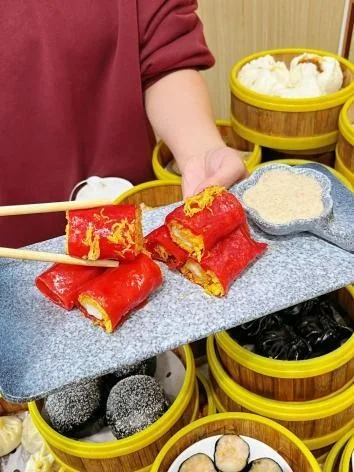
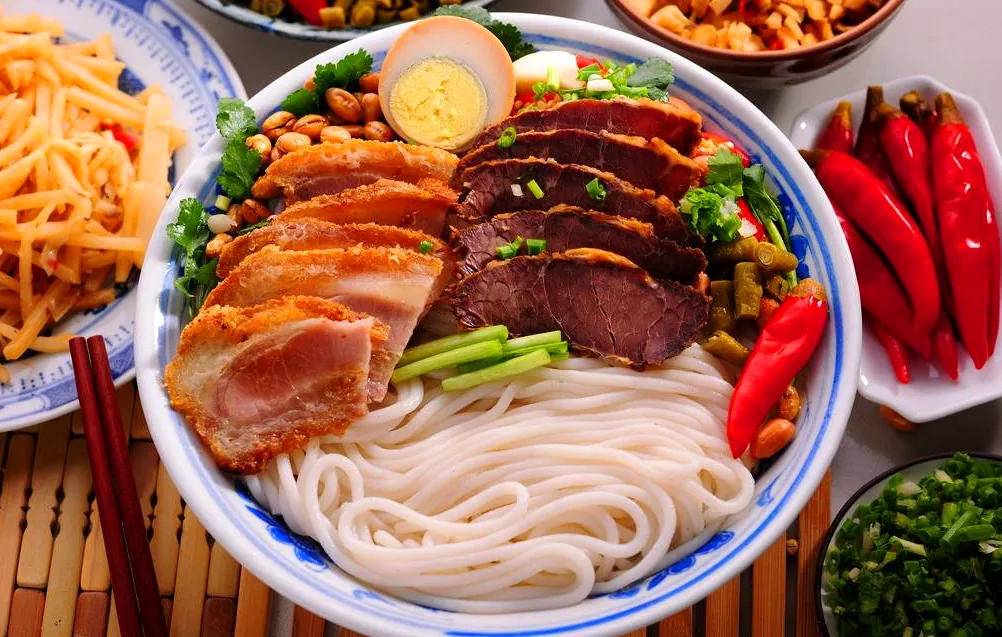
Guilin’s distinctive culinary culture forms a special chapter in heritage exploration, distilling regional flavors and multi-ethnic diversity. Foremost is Guilin Rice Noodles (Guilin Mifen)—not merely a local specialty, but the soul of everyday dining. Traced by tradition as far back as the Qin Dynasty, tender, chewy rice noodles sit in savory bone broth topped with thinly sliced beef, crunchy roasted peanuts, sour bamboo shoots, scallions, and fresh herbs. Each eatery guards its own secret seasoning and sauces, giving every bowl an unmistakable character. Locals enjoy Mifen any time of day—for breakfast, lunch, or dinner—as an essential part of daily life. Beyond Mifen, Guilin cuisine features Menthol Duck, made with fresh duck seasoned with local mint for a cool, refreshing twist. Lipu Taro is another regional specialty, celebrated in hearty dishes like Lipu Taro Stew with Pork, rich and fragrant. Fresh Li River fish—such as beer-steamed fish or salt-and-chili grilled fish—also offer great local flavors, alongside ethnic dishes like Zhuang Bamboo Sticky Rice and wild mountain meats and vegetables that enrich Guilin’s table.
Tea customs in Guilin, while less elaborate than in some other parts of China, carry warm local character. Residents enjoy sipping tea—especially local green teas and chrysanthemum tea—at riverside teahouses or quiet garden pavilions while taking in views and conversation. Tea is both a daily pleasure and part of welcoming hospitality. During festivals and important gatherings, locals host lively banquets featuring traditional dishes, rice wine, and folk performances that strengthen community bonds and showcase rich cultural life. VDS Travel encourages travelers to savor these meals not just for their taste, but to step into local rhythms and discover the stories behind every dish and cup of tea.
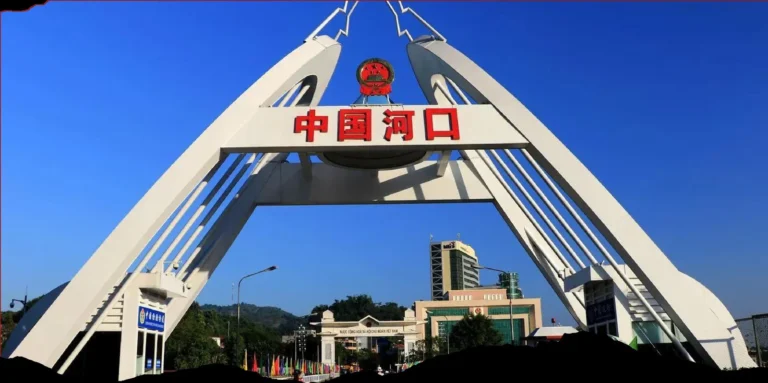
Substantial investment in modern transport infrastructure makes Guilin easily accessible from around the world. Guilin Liangjiang International Airport (KWL) is a busy regional hub offering direct flights to major Chinese cities and several Asian destinations, giving international visitors smooth arrival options. In addition, the China Railway High-speed (CRH) network makes Guilin a key rail junction, linking it quickly and comfortably with cities such as Guangzhou, Shenzhen, Nanning, Guiyang, and Hong Kong. From Guilin’s high-speed rail stations, taxis, buses, and private cars provide easy transfers into the city center, backed by a well-developed local network of buses, taxis, and ride-hailing apps for getting around town and between sights.
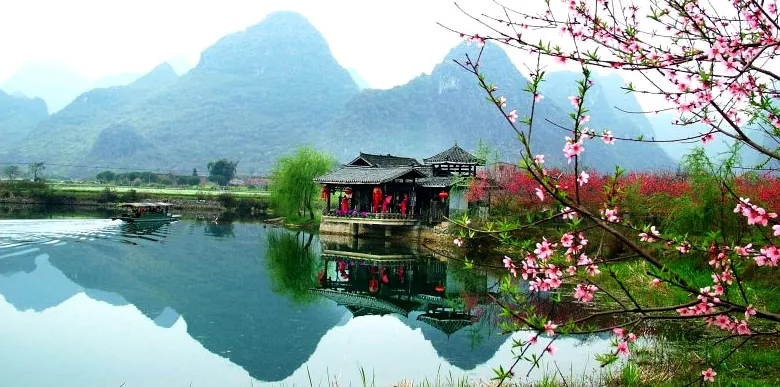
Choosing when to visit Guilin is key to a rewarding trip. Every season brings its own beauty, though spring (March to May) and autumn (September to November) are the most popular. In spring, mild weather brings blooming flowers, fresh greenery, and clear skies reflected in the Li River—with bright yellow rapeseed fields in Yangshuo in late spring offering a memorable sight. In autumn, drier weather, golden sunlight, and crisp air suit outdoor activities such as river cruising, hiking, and cycling, while golden harvest rice terraces create unforgettable views. Summer (June to August) is warmer and can bring rain, though sudden showers often drape misty veils across karst peaks for a poetic atmosphere. Winter (December to February) is cooler and occasionally foggy, giving Guilin a quiet, ink-wash stillness that appeals to photographers and travelers seeking calm. VDS Travel is happy to advise on the best timing based on your interests and travel goals.
To help Vietnamese travelers enjoy a smooth, memorable Guilin trip, VDS Travel shares a few practical tips. First, regarding visas: Vietnamese citizens need a Chinese tourist visa, which typically requires a passport valid for at least six months, passport photos, an application form, and flight and hotel confirmations—so apply early to avoid last-minute rush. Regarding currency: the Renminbi (CNY) is the official currency, though China is largely cashless, with most payments handled via mobile apps like Alipay and WeChat Pay. Setting up accounts and linking supported international cards—or topping up e-wallets through trusted channels—is essential, while carrying a small amount of cash helps for minor expenses or rural spots. For steady connectivity, getting an eSIM or local SIM card at the airport is very helpful for maps, translation, and messaging.
Regarding clothing: pack according to the season—light jackets or thin knitwear in spring and autumn; breathable clothes, sunscreen, and a wide-brimmed hat in summer; and a heavy winter coat, scarf, and gloves in winter. Comfortable walking shoes are a must for sightseeing on foot, and a light windbreaker comes in handy on Li River boat rides even in warm weather since river breezes can feel brisk. Finally, a note on etiquette: Guilin locals are friendly and courteous, so show respect for local customs—especially around temples and ethnic minority areas—and picking up a few basic Mandarin phrases goes a long way toward friendly communication.
VDS Travel is proud to be a trusted companion offering thoughtfully designed, culturally rich heritage journeys. With specialists well versed in Guilin’s culture, history, and geography, we go beyond scenic stops to share the deeper stories behind each mountain, river, building, and dish—delivering an immersive cultural experience and lasting memories. Let VDS Travel help bring your dream of exploring Guilin—a jewel of mountain-and-water beauty—to life with thorough preparation and attentive service.
