








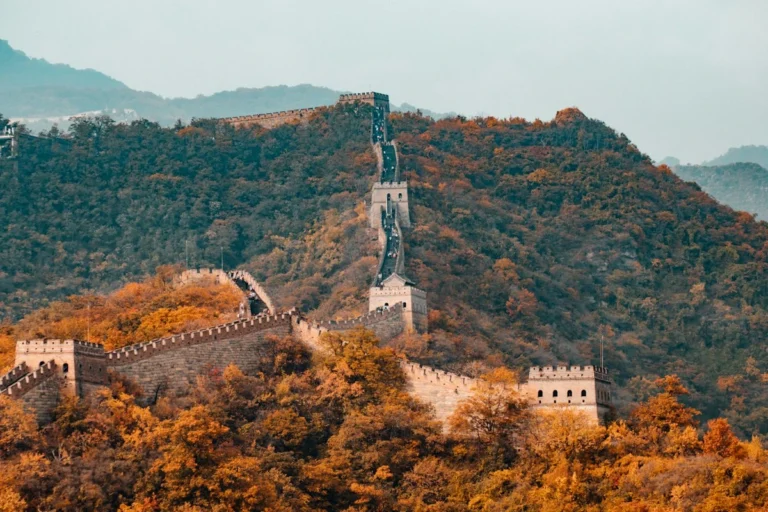


Wuzhen translates literally as “Town of Black Crows” (乌 *wu*: black, 镇 *zhen*: town), an evocative name steeped in quiet mystery like a classical ink-wash painting. Resting at the center of Jiangnan’s six celebrated ancient water towns—north of Hangzhou and southwest of Suzhou—Wuzhen sits right along the southern bank of the Grand Canal, the greatest man-made waterway in the world. This setting bestowed upon Wuzhen both idyllic riverine scenery and a pivotal historical destiny. From antiquity through the Tang, Song, Yuan, Ming, and Qing dynasties, Wuzhen thrived as a prosperous commercial hub and vital stopover along the arterial waterway linking northern and southern China. Winding canals draped like silk ribbons around historic timber homes formed an intricate network of water and land transport. Classical geomancers praised Wuzhen’s auspicious feng shui—embraced by sheltering waters and distant hills—bringing lasting prosperity and peace across generations. Abundant water and fertile plains nurtured early agriculture, handicrafts, and trade, laying the foundation for an enduring architectural and cultural legacy. Earliest records trace Wuzhen back more than 1,300 years—known initially as Wuli and later Wudun before formally taking the name Wuzhen during the Song Dynasty—with every subsequent dynasty treasuring its strategic position, whose prosperity remains etched across every overhanging eave, wooden skiff, and arched stone bridge.
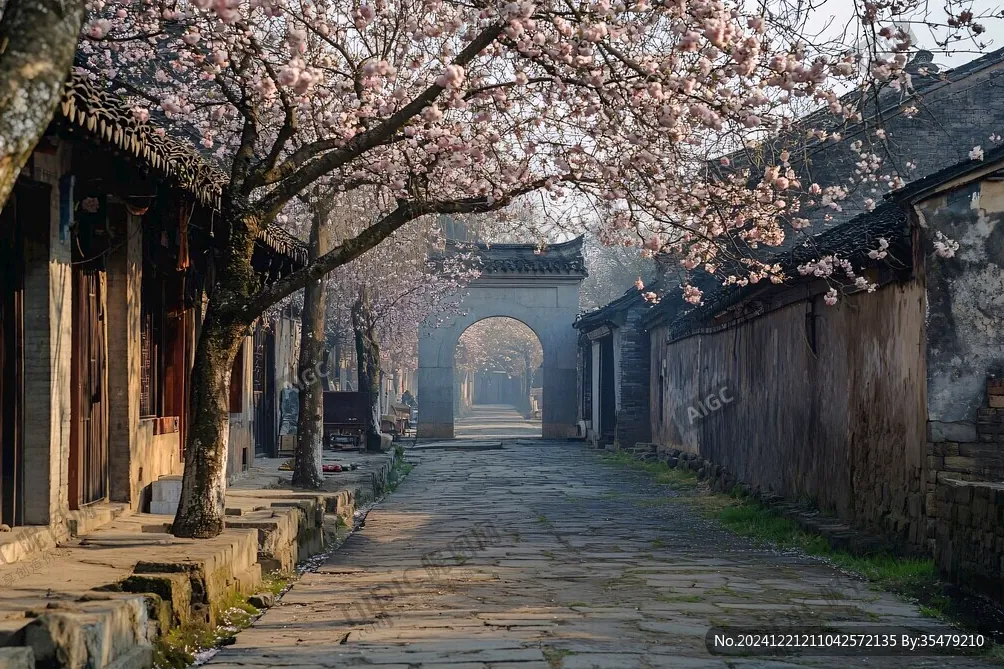
Far removed from the clamor of the modern world, Wuzhen’s architectural landscape is a harmonious dialogue between nature’s subtlety and human craftsmanship. Somber black-tiled roofs and crisp whitewashed walls cast shimmering reflections onto emerald canals, bringing to life the classical verse *”White walls and dark tiles, riverside homes resting upon the water”* (粉墙黛瓦,枕水人家). Engineered to harmonize with Jiangnan’s humid climate and riverine terrain, waterside residences are not merely built beside canals—they extend directly over the water on stone pilings (*zhenshui renjia*), uniting daily life with flowing currents. Although not yet formally inscribed on the UNESCO World Heritage List, Wuzhen is designated a Major Historical and Cultural Site Protected at the National Level by China’s National Cultural Heritage Administration and stands among Jiangnan’s foremost candidates for World Heritage recognition. The near-complete preservation of thousands of historic buildings, bluestone alleys (*shibanlu*), and interconnected canals turns Wuzhen into a living museum where visitors touch the past directly. Local customs remain deeply cherished—from traditional Dragon Boat and Mid-Autumn festivals to everyday moments of elders sipping tea beneath wooden verandas, villagers washing clothes along stone river steps, and the morning calls of street vendors—inviting travelers not just to look, but to live in step with an ancient cultural rhythm.
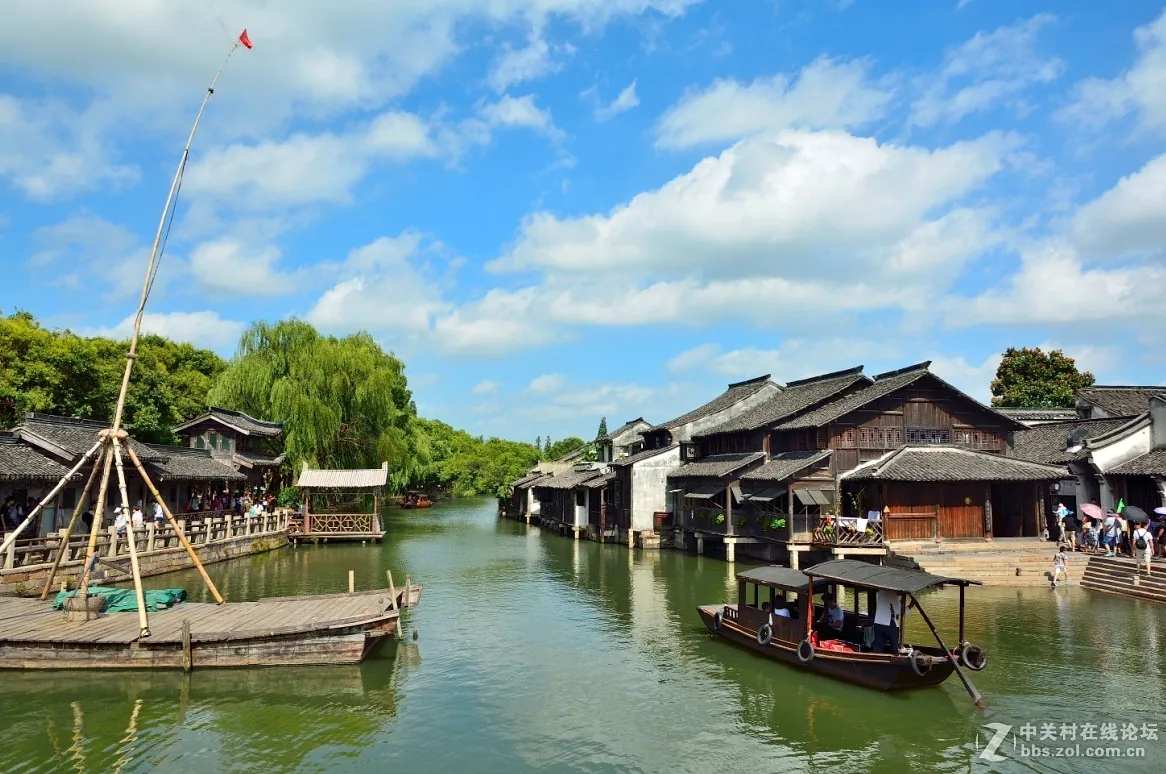
To truly experience Wuzhen, one must explore its distinct quarters, each offering its own atmosphere while preserving the authentic soul of an ancient water town. Wuzhen is divided into two primary scenic zones—Xizha (West Gate) and Dongzha (East Gate)—delivering contrasting yet complementary perspectives. Xizha is thoughtfully restored and curated to offer refined comfort alongside living heritage, crisscrossed by wide canals, historic stone bridges, and tastefully converted boutique inns and dining rooms. When dusk settles, Xizha transforms into an enchanting dreamscape aglow with thousands of crimson lanterns shimmering across dark waters. Visitors stroll along stone lanes to explore intimate museums—such as the Ancient Bed Museum and Folk Customs Museum—or catch traditional shadow-puppet theater performances. By contrast, Dongzha exudes a simpler, unvarnished authenticity where local residents continue daily routines much as they have for centuries amidst weathered homes, traditional workshops, and quiet waterside markets. Less polished than Xizha, Dongzha lets travelers feel an unhurried local pulse—and houses the Former Residence of Mao Dun, celebrating one of modern China’s foremost literary figures while offering an intimate look into classical scholar-gentry domestic architecture.
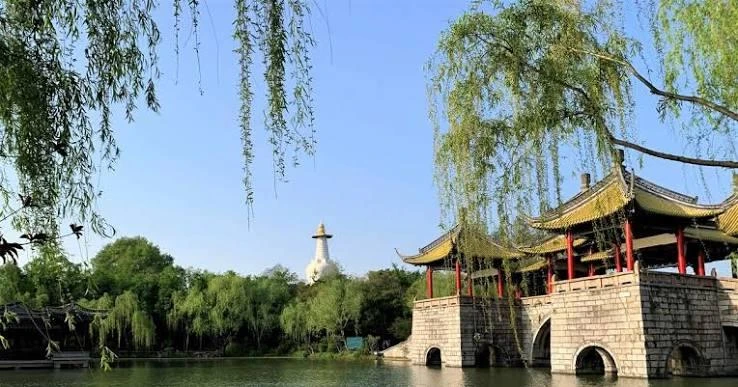
Whether in Xizha or Dongzha, ancient stone bridges form the architectural soul of Wuzhen. Among them, Bailian Pagoda Bridge (White Lotus Pagoda Bridge) stands out as an emblem of serenity and endurance. Stepped in local legend and graceful stonework, the bridge is far more than a pedestrian crossing—it is an enduring work of art and witness to history. Its name evokes the pure white lotus of Buddhist tradition alongside the soaring historic pagoda standing nearby, creating a sacred visual harmony. Standing atop Bailian Pagoda Bridge, travelers gaze out across winding canals, mirrored timber gables, and drifting wooden boats—experiencing a seamless union of sky, earth, and water.
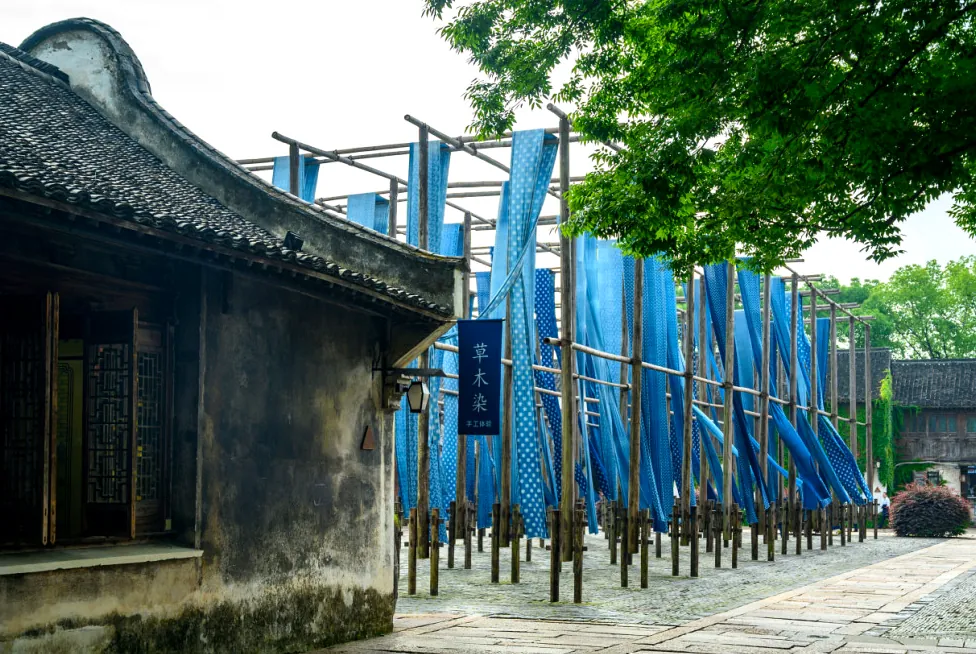
One of Wuzhen’s most distinctive living craft traditions is the Traditional Indigo Fabric Dyeing Workshop (Hongyuantai Dye House). Functioning simultaneously as an active workshop and a living museum, it invites visitors to witness the intricate art of hand-dyeing cotton cloth with natural plant-derived indigo. Through the skilled hands of master artisans, bolts of pure white fabric are resist-stenciled, dipped repeatedly into deep indigo vats, and hoisted high onto tall bamboo drying racks to billow in the sun and breeze—revealing crisp blue-and-white floral and folk motifs. The earthy scent of natural indigo fills the air beneath soaring banners of drying cloth, and visitors can even try their hand at dyeing a custom keepsake to carry home a tangible piece of Wuzhen’s artistry.
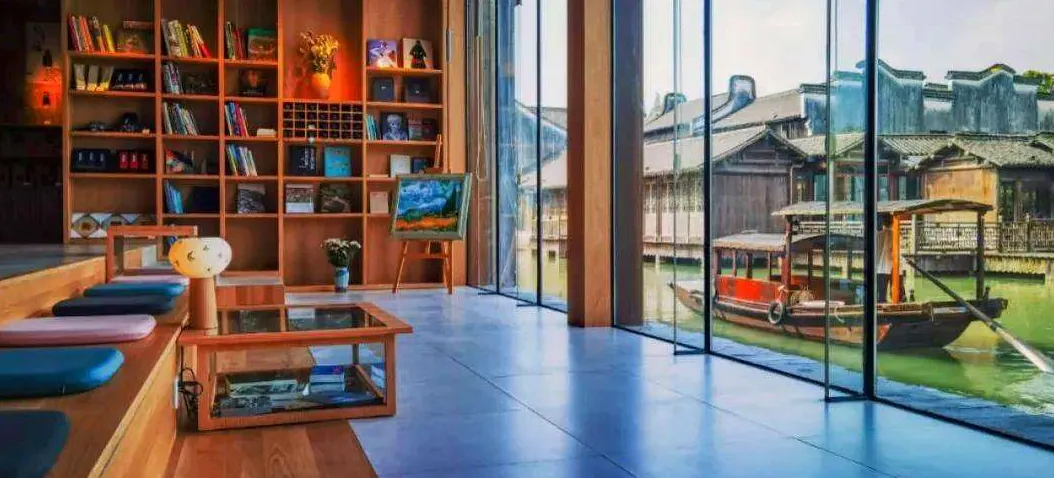
Few pleasures rival settling into one of Wuzhen’s historic waterside teahouses to sip fragrant tea while watching canal life drift unhurriedly by. Housed inside weathered timber buildings furnished with simple wooden tables and chairs overlooking peaceful waterways, these teahouses serve as cherished neighborhood gathering spots where locals chat and share everyday stories. For travelers, pausing over a pot of renowned Longjing (Dragon Well) green tea from nearby Hangzhou or fragrant regional chrysanthemum infusions offers a precious moment of stillness steeped in centuries of tea culture.
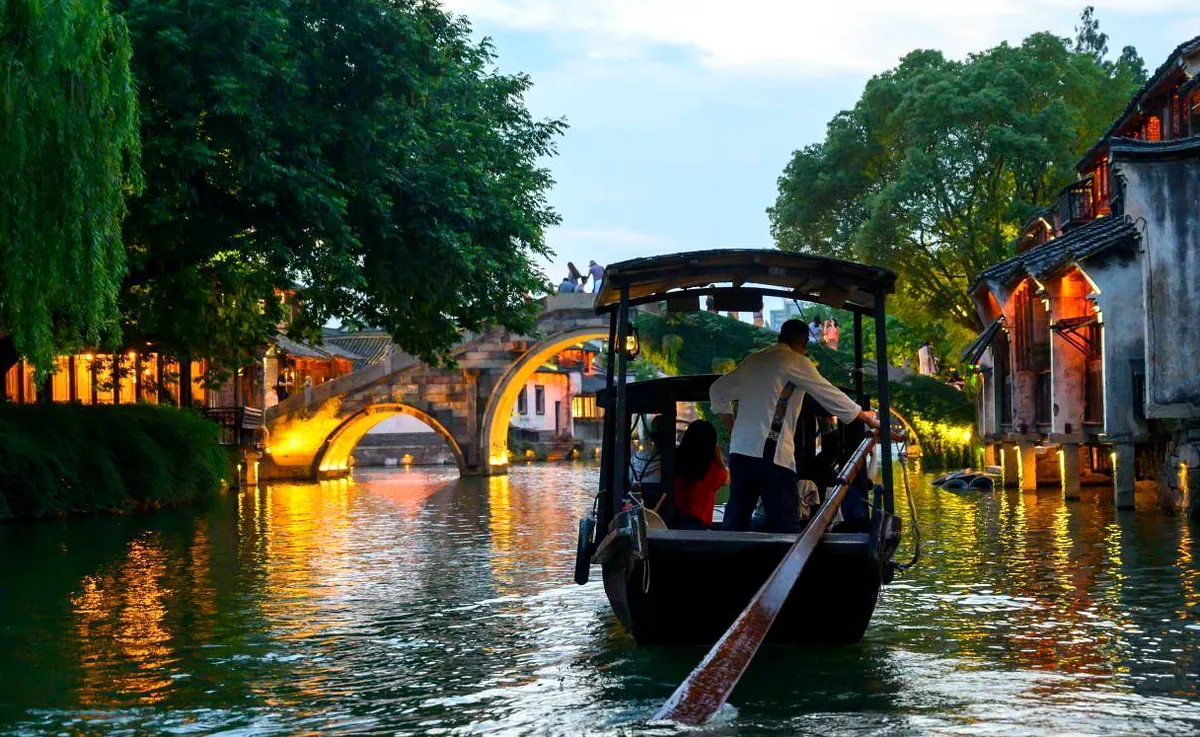
Of course, no visit to Wuzhen is complete without gliding along its historic canals aboard a traditional wooden sculling boat. Poled and rowed gently by local boatmen, these slender timber vessels slip quietly beneath arched stone bridges and past waterside verandas reflected in emerald ripples. From water level, Wuzhen reveals its most romantic, contemplative face—where the soft splash of wooden oars and occasional folk melodies drifting across the canal immerse you completely in a living Jiangnan ink painting.
No heritage journey is complete without memorable culinary discoveries, and Wuzhen proudly showcases the refined gastronomy of Jiangnan—where every dish tells a story of local skill and riverine abundance. Blending influences from Shanghai and Hangzhou while preserving its own distinct character, Wuzhen’s cuisine highlights fresh local ingredients, especially freshwater delicacies. Topping the list is Wuzhen Red-Braised Pork (*Wuzhen Hongshao Rou* — 乌镇红烧肉), succulent pork belly slow-braised in rich soy sauce, rock sugar, and aromatic spices until glossy, melt-in-your-mouth tender, and deeply savory—traditionally paired with steamed white rice or fluffy lotus-leaf buns. Equally celebrated is Steamed White Fish (*Qingzheng Baiyu* — 清蒸白鱼), using fresh catch from nearby rivers and lakes steamed delicately with ginger, scallions, and fine soy sauce to honor its natural sweetness. Traditional sweets also delight passersby, from Rock-Sugar Sweet Potato & Taro (*Bingtang Digua* — 冰糖地瓜) to soft, chewy pounded glutinous rice cakes (*Ciba* — 糍粑). Local spirits shine in Sanbai Liquor (*Sanbai Jiu* — 三白酒), a crystal-clear white rice liquor prized for its clean, warming aroma and brewed using centuries-old methods. Complemented by unhurried afternoon tea traditions, Wuzhen’s food and drink nourish both body and spirit while connecting visitors deeply to Jiangnan’s gentle way of life.
To make your journey to Wuzhen smooth and rewarding, understanding regional transport links and seasonal timing is key. China’s modern high-speed rail network makes reaching this historic water town effortless: the nearest major aviation gateways are Hangzhou Xiaoshan International Airport (HGH) and Shanghai Pudong International Airport (PVG). From either city, high-speed CRH trains connect swiftly to nearby Tongxiang Station, from which a short local bus or taxi ride brings you straight to Wuzhen’s entrance gates. As for the best time to visit, every season reveals a distinct mood: Spring (March–May) is widely considered ideal, bringing mild temperatures, fresh greenery, blooming blossoms, and lively folk festivals; Autumn (September–November) rivals spring with crisp air, clear blue skies, and golden foliage bathing historic gables in warm sunlight; Summer (June–August) brings warmer, more humid days balanced by vibrant evening lantern displays and open-air performances; and Winter (December–February) offers serene quietude and fewer crowds—and on rare snowy days, transforms Wuzhen into a breathtaking silver-white fairytale. While VDS Travel recommends spring or autumn for peak comfort, our specialists can craft an unforgettable itinerary in any season.
As a dedicated travel partner, VDS Travel shares essential field tips to ensure Vietnamese travelers enjoy a safe, convenient, and memorable journey. First, arrange your Chinese tourist visa well ahead of departure, as processing typically takes several weeks; VDS Travel provides full guidance to ensure every document is prepared smoothly.
Second, prepare for China’s virtually cashless payment ecosystem: mobile apps Alipay and WeChat Pay are accepted nearly everywhere from boutique hotels to tiny canal-side snack stalls, while cash is increasingly uncommon. Installing and linking your international credit or debit card to these apps prior to departure ensures effortless payments throughout your stay, and VDS Travel provides clear step-by-step setup guidance.
Staying connected is equally simple with a China travel eSIM. Rather than hunting for a physical SIM card upon arrival, an eSIM lets you activate high-speed mobile data directly on compatible smartphones before flying—keeping navigation maps, translation tools, and messaging at your fingertips throughout your trip.
For attire, Wuzhen’s stone-paved lanes, arched bridges, and narrow alleys call for flat, comfortable, slip-resistant walking shoes. Dress in seasonal layers—adding a light jacket or shawl for cool spring and autumn mornings or evenings, breathable fabrics in summer, a warm coat, scarf, gloves, and hat in winter, and a compact umbrella or raincoat for occasional Jiangnan showers. If you enjoy photography, renting traditional Chinese attire such as *Hanfu* or *Qipao* creates timeless portraits amidst Wuzhen’s classic canal scenery.
At VDS Travel, we go far beyond standard sightseeing tours to craft authentic heritage journeys where every landmark tells a story and every experience brings history to life. Backed by seasoned specialists deeply versed in China travel culture, history, and geography, we handle every detail—from curated routing, comfortable transfers, and charming accommodations to knowledgeable local guides—so you can immerse yourself fully in Wuzhen’s timeless beauty. Let VDS Travel guide you into the enduring romance of Jiangnan’s premier water town, where past and present merge in an unforgettable symphony of heritage and grace.
