





Entering the medieval era after centuries of warfare and upheaval, Nanjing surged back to prominence under the Ming dynasty. Founding Emperor Zhu Yuanzhang (Hongwu) chose Nanjing as the first capital of the Great Ming, naming it Yingtian Prefecture and erecting one of history’s most monumental systems of city walls and imperial palaces. Even after the Yongle Emperor later relocated the primary capital to Beijing, Nanjing retained vital stature as the “Southern Capital,” an irreplaceable political, cultural, and educational center whose surviving monuments stand today as priceless world heritage. In the nineteenth century, Nanjing once again stepped onto history’s center stage during the Taiping Rebellion, when Hong Xiuquan established “Tianjing” (Heavenly Capital) here. Then, in the early twentieth century, the city became the capital of the Republic of China, witnessing the birth of a modern nation under the leadership of Dr. Sun Yat-sen. These heroic and poignant chapters etched into Nanjing’s soil and waterways give the city a serene, scholarly, and deeply evocative aura—like a wise elder recounting a thousand years of memory to travelers from afar.
Nanjing’s historic urban architecture functions as a living museum where past and present converse in every carved timber bracket and curving clay roof tile. Although modern growth reshaped parts of the metropolis, Nanjing preserves priceless heritage ensembles reflecting successive eras—shaped powerfully by Southern Dynasties aesthetics and especially Ming–Qing architectural grandeur, characterized by bold, stately proportions paired with intricate craftsmanship. Landmarks such as the Confucius Temple (Fuzimiao), the ancient Ming City Wall, and historic neighborhoods along the Qinhuai River showcase classic Chinese architectural elegance with upturned eaves, finely carved wooden columns, and weathered blue-gray brick walls. Nanjing is also home to UNESCO World Heritage treasures, notably the Imperial Tombs of the Ming and Qing Dynasties represented by the monumental Ming Xiaoling Mausoleum nestled at the southern foot of Purple Mountain, exemplifying the architectural and sculptural mastery of the early Ming court.
Local customs and daily life in Nanjing embody classic Jiangnan refinement—blending the lyrical grace of a water-rich region with the resilient dignity of an ancient capital. Nanjing residents are renowned for warm hospitality, cultured courtesy, and deep pride in their hometown’s heritage. Traditional festivals such as Lunar New Year, Qingming, and the Mid-Autumn Festival are celebrated with time-honored rituals, seasonal delicacies, and lively folk arts. Most iconic of all is the Qinhuai Lantern Festival during the Lantern Festival, when the river blazes with thousands of colorful handmade lanterns recreating the dazzling splendor of old Nanjing. Despite modern urban growth, everyday life retains a poised, unhurried charm through tucked-away alley teahouses, traditional craft workshops, and street vendors offering time-honored local specialties.
Exploring Nanjing unfolds like opening doors through time into heroic chapters of history. Foremost among its landmarks is the Sun Yat-sen Mausoleum (Zhongshan Ling), resting majestically on the southern slope of Purple Mountain. Serving both as the final resting place of Dr. Sun Yat-sen—the Father of Modern China—and as a masterpiece blending traditional Chinese monumentality with modern Western design, the mausoleum was constructed between 1926 and 1929 in the symbolic plan of a giant alarm bell signifying the awakening of the Chinese nation. Ascending the grand axis requires climbing 392 granite steps symbolizing the 392 million citizens of China at the time, turning every step upward into an act of solemn remembrance. Visitors pass beneath the Stone Memorial Archway (石牌坊) inscribed with four golden characters meaning “Fraternity,” through the triple-arched Main Gate (陵门) bearing Sun Yat-sen’s own calligraphy, and into the stately Sacrificial Hall (祭堂) housing his seated marble statue and bas-reliefs chronicling his revolutionary legacy before reaching the marble-lined Burial Chamber (墓室). Commanding sweeping vistas from Purple Mountain—which also shelters the Ming Xiaoling Mausoleum and Purple Mountain Observatory—the site stands as an enduring emblem of Nanjing.
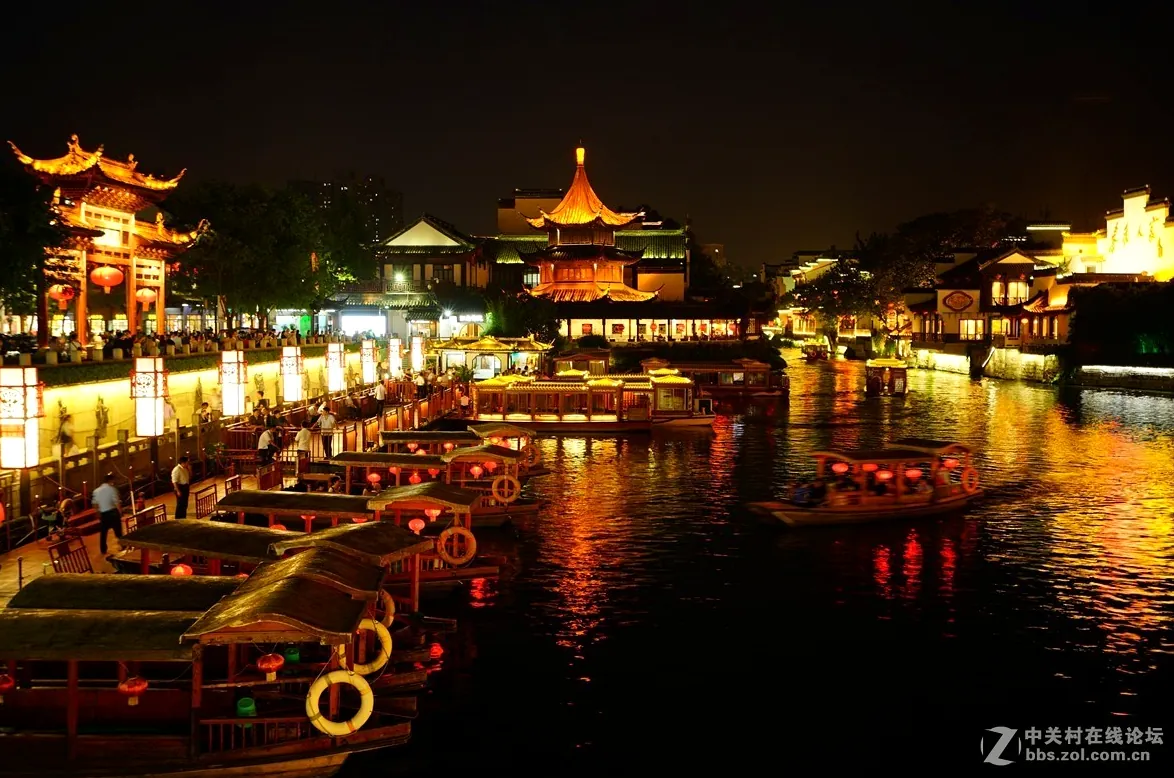
Next on the heritage trail is the Confucius Temple (Fuzimiao), a timeless monument to Confucian scholarship and imperial civil service education. Situated along the northern bank of the Qinhuai River, Fuzimiao served not only as a grand temple honoring Confucius, but also as China’s largest imperial examination compound (Jiangnan Gongyuan), producing tens of thousands of scholars and statesmen across dynasties. Tracing its roots back to the Eastern Jin period and expanded grandly during the Ming and Qing dynasties, the complex encompasses Dacheng Hall, the Imperial Academy (Xuegong), graceful Wende Bridge, and the towering Dragon Screen Wall across the water. Surrounding the temple precinct is a vibrant historic quarter lined with traditional snack shops, craft boutiques, opera stages, and riverside walkways where sacred reverence meets lively urban energy.
Once night falls, the Qinhuai River truly awakens, draping itself in shimmering light to become Nanjing’s most romantic and enchanting nocturnal destination. Revered as Nanjing’s “Mother River,” the Qinhuai has served for centuries as a witness to history and an endless muse for poets and painters. From the Six Dynasties through the Ming and Qing eras, its banks were lined with famed literary salons and pleasure pavilions where scholars and courtesans gathered, inspiring timeless tales of romance and artistry. After dark, thousands of glowing lanterns cast dancing reflections across the water; boarding a painted dragon boat to glide past illuminated Fuzimiao facades, historic stone bridges like Wende Bridge, and ancient city walls accompanied by soft folk melodies offers a quintessential Nanjing memory—especially during the annual Qinhuai Lantern Festival each spring.
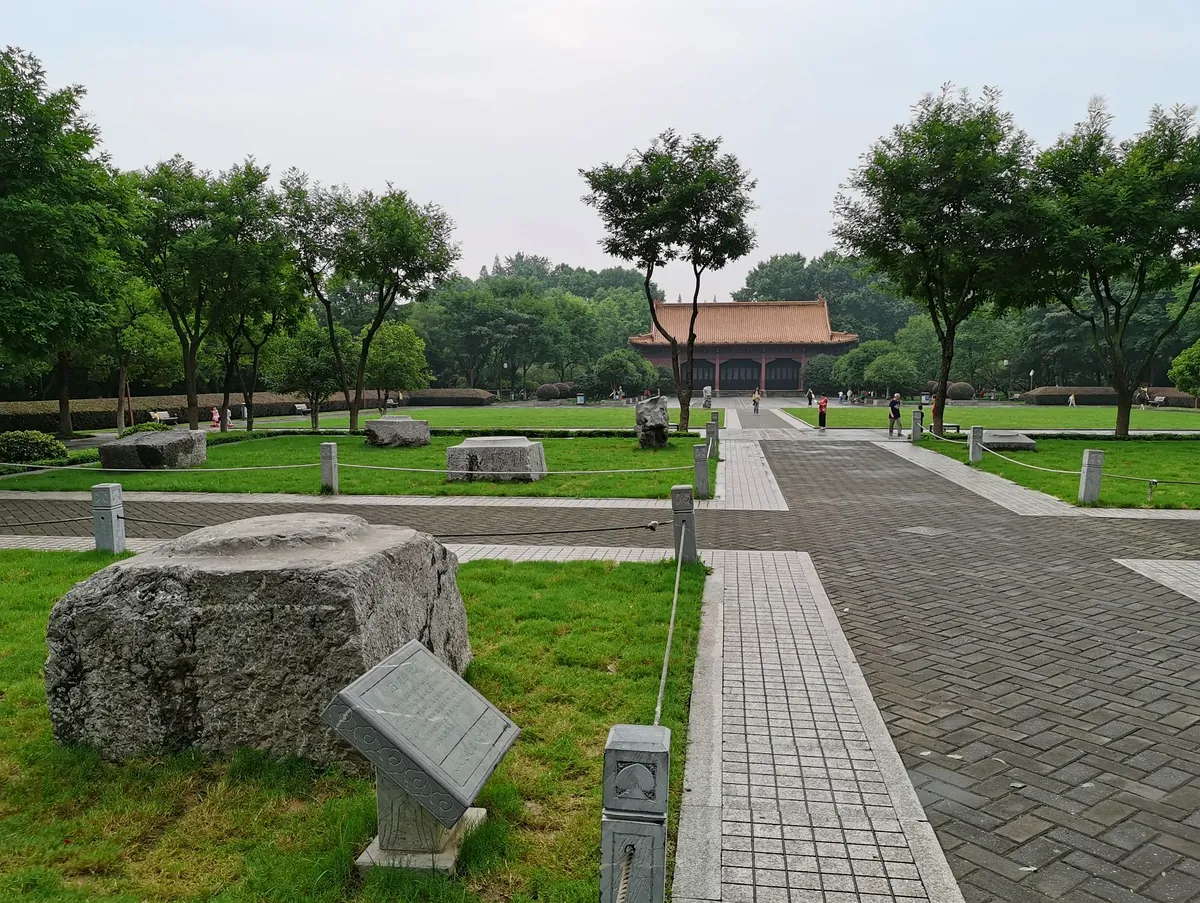
Another essential historical site is the Ming Palace Ruins (明故宫 – Ming Gugong), the original imperial palace complex built by Ming founder Zhu Yuanzhang starting in 1366 prior to the court’s move to Beijing. Although most wooden halls were destroyed during later wars—most notably the nineteenth-century Taiping Rebellion—the surviving monumental stone foundations, Meridian Gate, marble bridges, and centuries-old trees still evoke the staggering scale of the palace that served as the direct architectural blueprint for Beijing’s Forbidden City. Today, the peaceful park grounds invite visitors to trace the grand axial layout of early Ming royal architecture amid tranquil greenery.
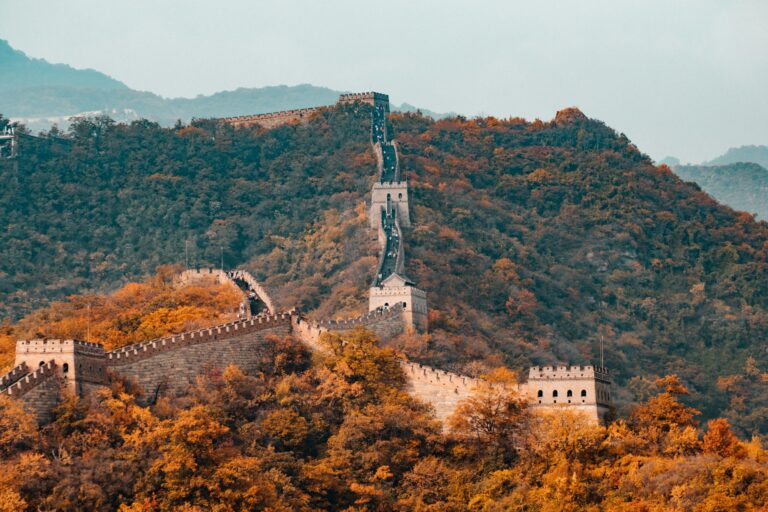
Equally awe-inspiring is the monumental Nanjing City Wall, one of the oldest, largest, and best-preserved urban fortifications in the world. Constructed under Emperor Zhu Yuanzhang between 1366 and 1386, the wall originally stretched an astonishing 35.3 kilometers in length, rising 12 to 14 meters high and measuring up to 7 meters thick at its base—making it the longest city wall on Earth at the time. Engineered to follow natural topography and resist intense sieges, roughly 25 kilometers survive intact today, highlighted by Zhonghua Gate (Gate of China)—a formidable multi-layered defensive fortress featuring three inner courtyards, four arched gates, and twenty-seven vaulted subterranean troop tunnels capable of housing three thousand soldiers. Strolling atop the ramparts rewards visitors with sweeping views of modern Nanjing and the Yangtze River, while close inspection of individual bricks reveals stamped inscriptions bearing the names of the Ming-era brickmakers and officials responsible for quality control.
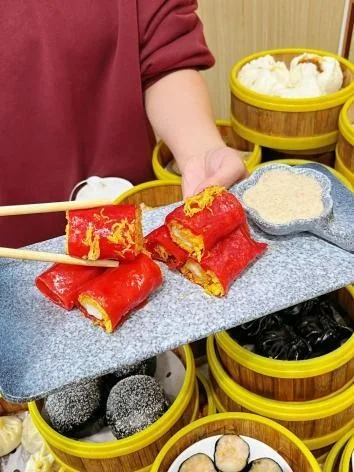
Nanjing’s distinctive culinary culture forms another vital chapter of its heritage, uniting regional Jiangnan delicacy with time-honored tea and banquet traditions. As capital of Jiangsu Province, Nanjing belongs to the celebrated Huaiyang culinary school—one of China’s Four Great Culinary Traditions—prized for fresh ingredients, refined knife skills, and clean, balanced flavors. Foremost among local icons is Nanjing Salted Duck (南京盐水鸭), famed across China for tender, juicy meat, delicate skin, and subtle osmanthus-and-spice aroma achieved through meticulous dry-curing, brining, and gentle poaching. Equally beloved is Duck Blood and Vermicelli Soup (鸭血粉丝汤), a comforting street classic combining silky sweet-potato glass noodles, tender duck blood curd, shredded duck meat, and savory giblets in a piping-hot, richly seasoned duck broth, alongside delicate Fresh Pork Xiaolongbao soup dumplings bursting with sweet-savory broth inside paper-thin wrappers.
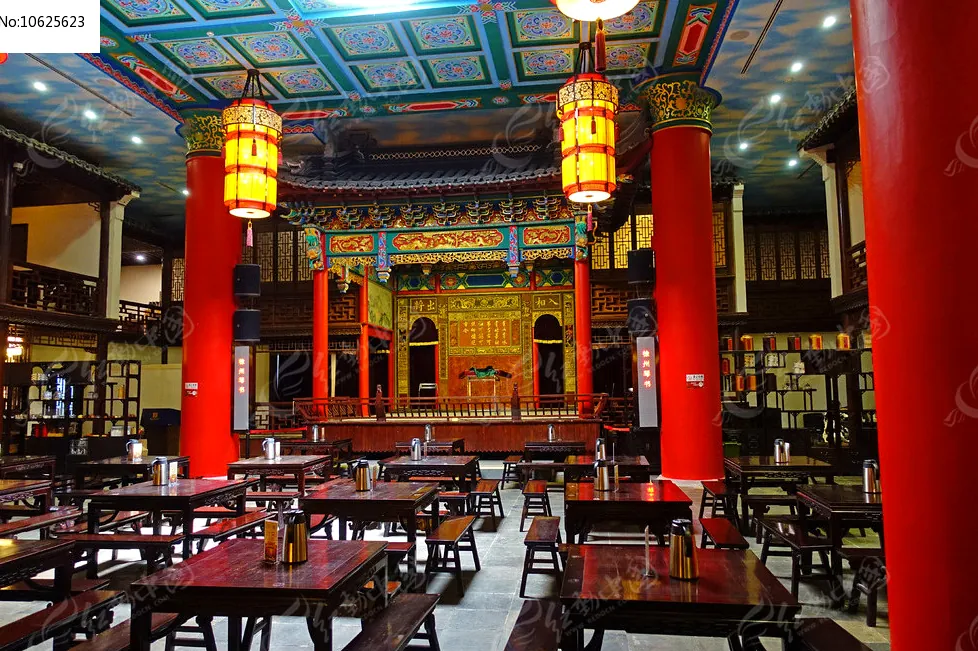
Alongside signature dishes, Nanjing’s tea culture offers a serene window into traditional literati life. In historic teahouses, travelers can savor prized regional green teas such as Biluochun, Longjing, and Nanjing’s own Rain Flower Tea (Yuhua Cha), appreciating the unhurried mindfulness of classic gongfu tea preparation. For formal dining, heritage banquet restaurants recreate refined Ming- and Qing-inspired palace feasts showcasing rare seasonal ingredients presented as edible works of art.
Modern transportation infrastructure makes exploring Nanjing effortless. Nanjing Lukou International Airport (NKG) ranks among eastern China’s major aviation hubs with convenient connections from Vietnam and across Asia, linked to downtown in 40 to 60 minutes via metro, airport express bus, or taxi. On the rails, Nanjing South Railway Station serves as a premier junction on China’s CRH high-speed rail network—connecting to Shanghai in 1 to 1.5 hours, Hangzhou in roughly 2 hours, and Beijing in 3.5 to 4 hours—while Nanjing’s extensive urban metro system reaches every major landmark swiftly and affordably.
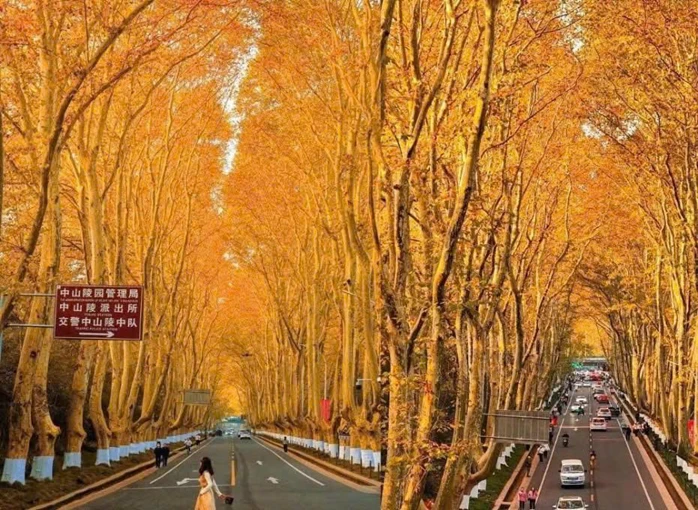
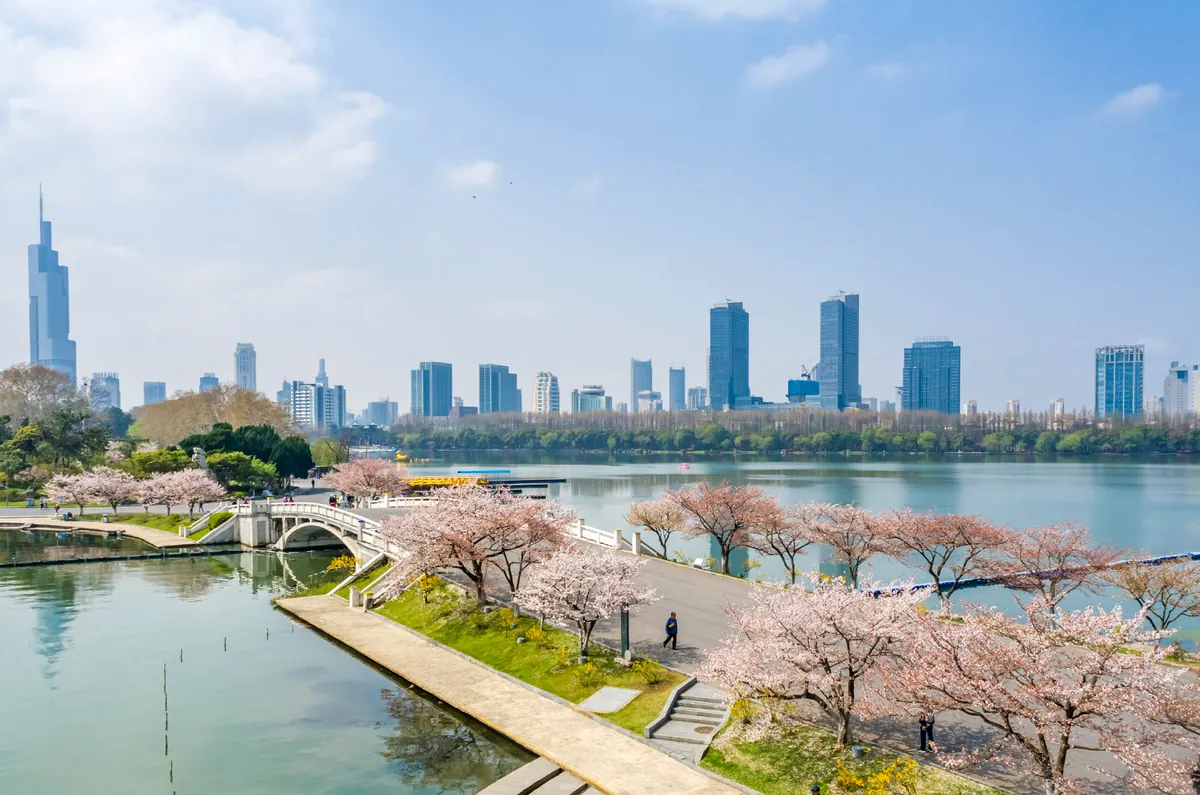
The golden seasons to visit Nanjing are spring (March to May) and autumn (September to November). In spring, cherry, peach, and plum blossoms blanket Purple Mountain and Xuanwu Lake in pastel color amid mild, pleasant temperatures ideal for outdoor sightseeing. Autumn drapes avenues and hills in brilliant golden plane trees and crimson maples under crisp, dry skies perfect for walking the Ming City Wall and exploring historic tombs. Summer (June to August) brings warm, humid weather and lively evening festivals, while winter (December to February) offers a quiet, poetic atmosphere when occasional snow dusts ancient roofs.
Finally, VDS Travel shares essential practical tips for Vietnamese travelers planning a smooth trip to Nanjing. First, secure your Chinese tourist visa well ahead of departure—at least two to three weeks before your travel date—with full guidance available from our VDS Travel team. Second, regarding currency and payments: while the Chinese Yuan (RMB/CNY) is the official currency, China operates largely on cashless mobile wallets, so install and link your international credit card to Alipay and WeChat Pay prior to departure while carrying a modest amount of RMB cash for emergencies.
For seamless mobile connectivity, purchase a travel eSIM or local SIM card upon arrival, and remember that Western platforms such as Google, Facebook, Instagram, and YouTube are restricted in China—so install and test a reliable VPN before departure if you need access. Pack seasonal clothing suited to Nanjing’s four distinct seasons—light layers for spring and autumn, breathable sun protection for summer, and warm coats, scarves, and gloves for winter—alongside comfortable walking shoes for exploring expansive palace grounds and stone ramparts. Above all, observe respectful etiquette at temples and memorials, and let VDS Travel’s experienced heritage specialists guide you on an authentic, deeply memorable journey into the timeless soul of Nanjing.
