Tucked behind towering snow-capped peaks and windswept valleys in Southwest China, clay-pot roasted milk tea—known locally as Guanguan Kaonai (云南罐罐烤奶)—carries the sediment of a thousand-year migration. The origins of this distinctive brewing method trace back to the rugged survival traditions of nomadic and highland communities living in Yunnan, most notably the Tibetan, Naxi, and Yi peoples. Amidst cloud-shrouded mountain slopes rising more than two thousand meters above sea level, the biting cold compelled early inhabitants to seek a warming source of energy capable of sustaining body heat and replenishing nutrients scarce in such remote terrain. Back then, the hearth at the center of a rammed-earth home or nomadic tent was far more than a source of warmth; it served as the spiritual and culinary heart of daily life, where a rustic earthenware pot stayed buried deep in glowing embers day and night.
Turning back to ancient chronicles from the Tang Dynasty (618–907), when the Nanzhao Kingdom forged close diplomatic and trade ties with the Central Plains and Tubo (Tibet), the custom of boiling tea with animal milk and butter first took root along these frontier lands. Yet the true golden age of clay-pot roasted tea was inextricably bound to the rise of the Ancient Tea Horse Road (茶马古道) across the Ming (1368–1644) and Qing (1644–1912) dynasties. Along one of the world’s most perilous overland trade routes—linking celebrated tea-producing regions such as Pu’er and Lincang through Tibet and all the way to India—horse-caravan muleteers known as Mabang (马帮) carried tightly compressed bricks of tea (砖茶). Sturdy enough to endure months of wind and frost, these tea bricks were broken into chunks whenever caravans made camp along mountain passes and dropped straight into traditional unglazed clay jars to roast dry over charcoal. Radiating heat from the terracotta walls gradually awakened the latent aroma of the fermented tea leaves, mellowing out the harsh bitterness acquired over long journeys on the road before fresh goat or cow milk from roadside villages was poured in, blending into an irresistibly rich and creamy brew.
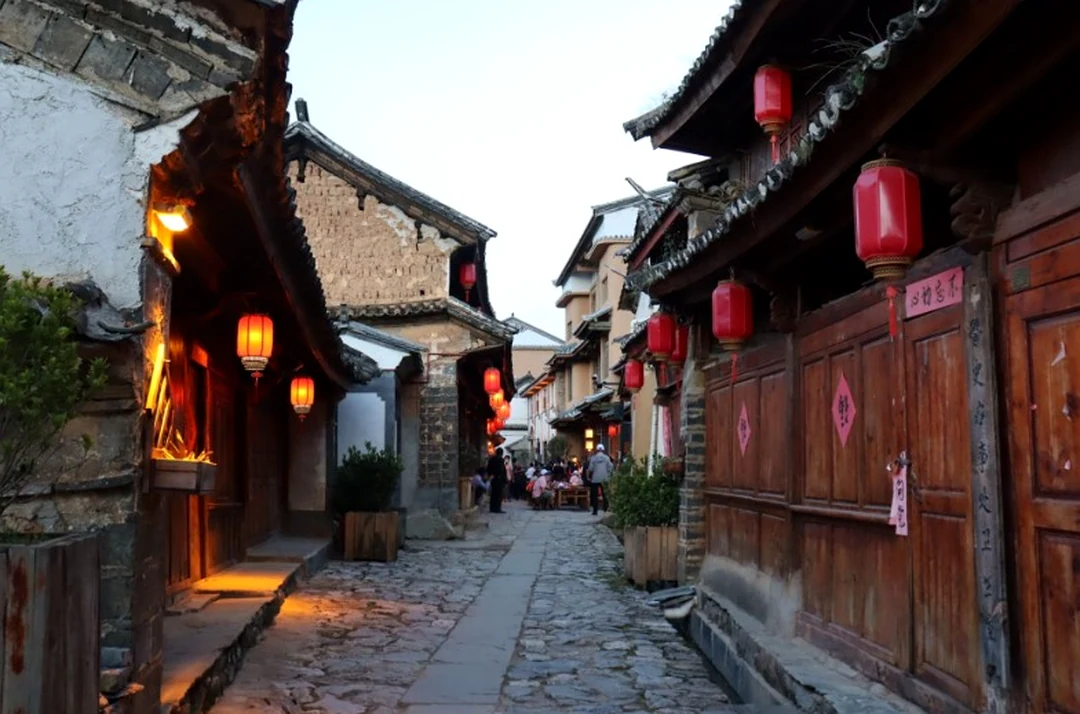
Through the sweeping upheavals of modern history, as the caravan bells of the Mabang faded into memory and gave way to railways and highways, local elders quietly preserved the custom of roasting tea in clay jars as an indispensable ritual of daily life. Remarkably, this unpretentious culinary philosophy was never swept aside by industrialization. Against the backdrop of an ever-faster urban pace, the surge of the “Weilu Zhucha” trend (围炉煮茶—gathering around a charcoal brazier to brew tea) sparked a dramatic cultural revival. The sight of a petite clay pot brimming with Pu’er tea, Mojiang roses, Xinjiang red dates, and goji berries bubbling beside roasting sweet potatoes and fragrant ears of corn on an iron grate soon stepped beyond the historic courtyards of Lijiang and Dali to become a contemporary culinary phenomenon.
This marriage of artisanal clay-pot roasting and refined tea aesthetics has transformed Guanguan Kaonai into one of Yunnan’s most sought-after cultural icons. No longer merely a sweet street-side refreshment, it offers a multisensory cultural experience where travelers rediscover inner stillness amid wisps of evening woodsmoke and the gentle crackle of charcoal. This humble cup bridges the present with a thousand years of Ancient Tea Horse Road heritage, distilling the generous terroir of the southwestern plateau and the warm hospitality of its indigenous peoples into every glistening, comforting sip.
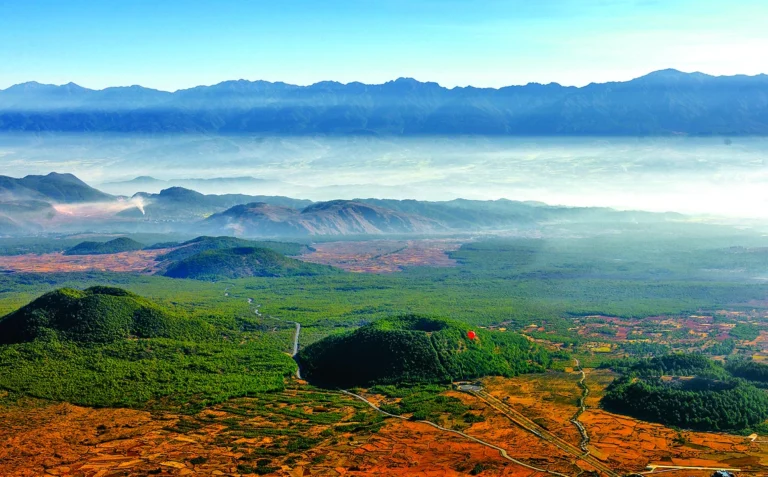
Spreading across an average elevation of over two thousand meters on the Yunnan-Guizhou Plateau, the art of clay-pot tea drinking is deeply intertwined with a distinctive basin geomorphology, where brooding mountain air meets expansive waters to create tranquil microclimates. From the willow-shaded banks of Green Lake (Cuihu) and the secluded brick lanes of Daojiu Street in Kunming, down across the plain wedged between the majestic Cangshan Mountains and the rippling waters of Erhai Lake in Dali Ancient City and Shuanglang Town, to the quiet Qing-era courtyard homes beside the millennia-old underground springs of Jianshui’s ancient wells, local geography consistently honors the natural principle of “backing onto mountains and facing water.” In local feng shui philosophy, abundant water energy from plateau lakes combined with layered mountain ranges shielding against cold winds creates an energy-gathering basin—turning every teahouse courtyard into a serene sanctuary where glowing embers and rich tea embody the harmonious interplay of Wood, Earth, and Fire.
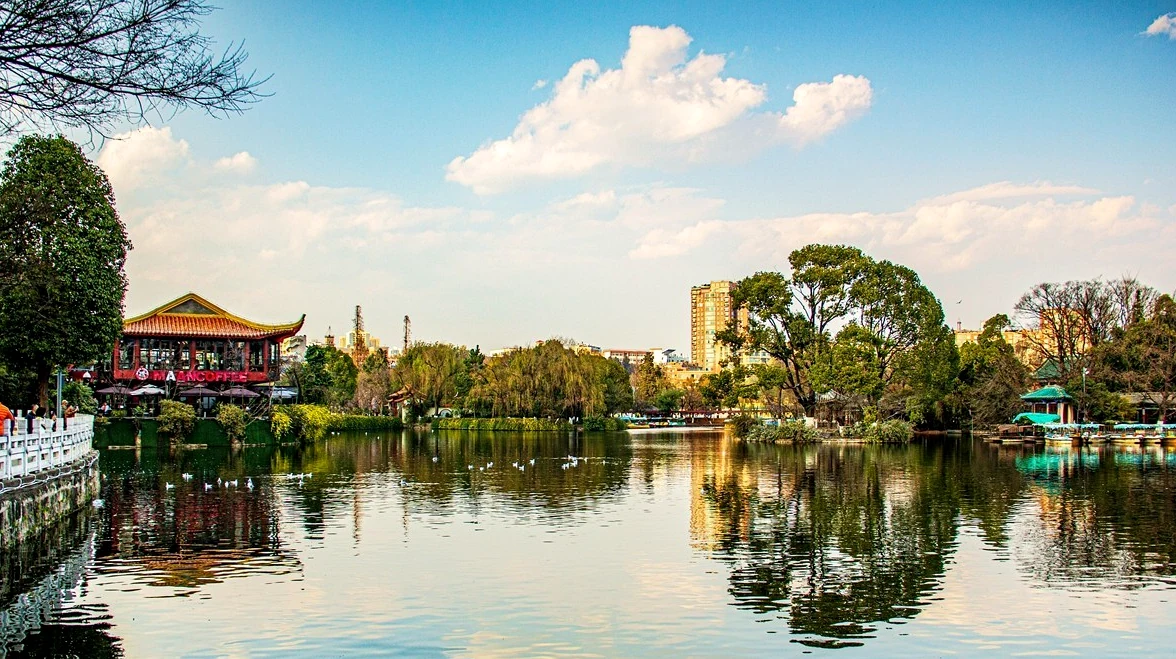
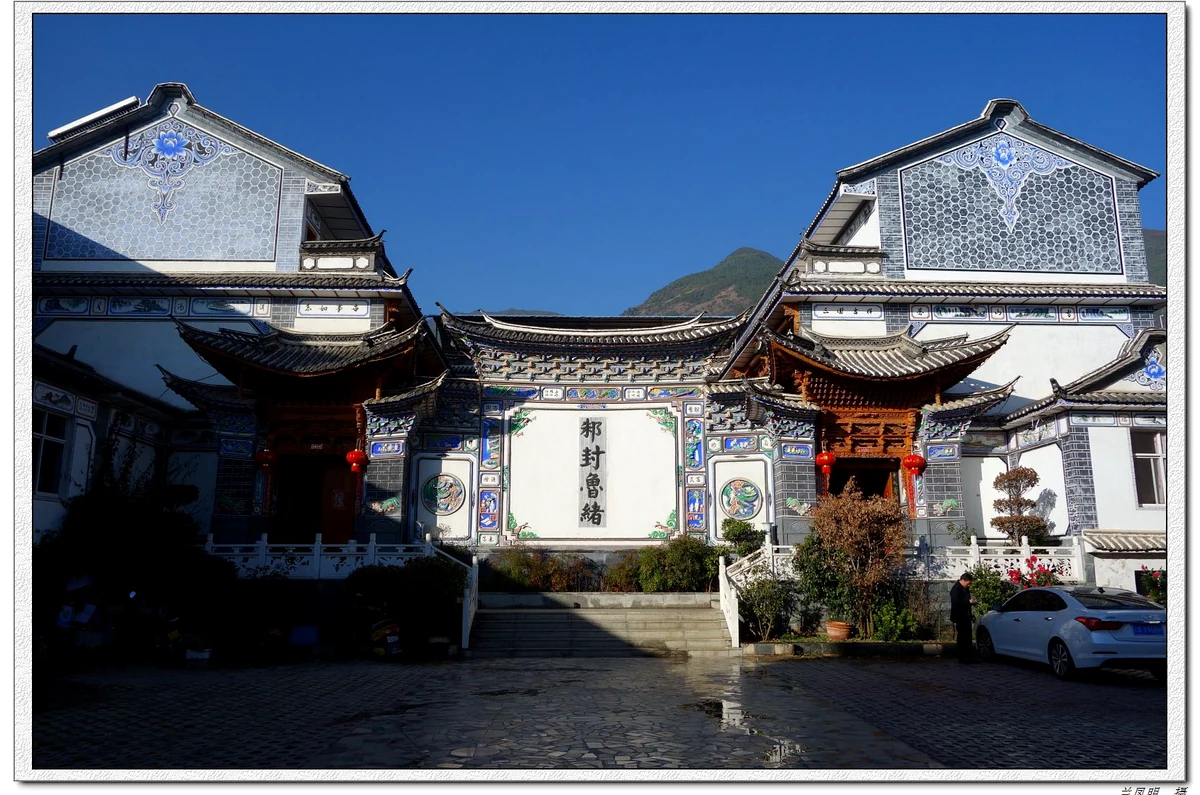
The spatial layout dedicated to the “weilu zhucha” ritual follows traditional vernacular housing forms, exemplified by the Bai people’s “three wings and one screen wall” layout or gray-brick Qing-era quadrangles. Rather than being showcased ostentatiously in a front hall, the hearth is placed in an open-air inner courtyard or an airy veranda facing sweeping scenery, welcoming bright highland sunshine and crisp plateau breezes. Here, the philosophy of “Slow Living” is not an abstract leisure slogan but is woven directly into architectural proportions: raw timber benches, rough-hewn slate tea tables, and clay charcoal braziers are arranged in concentric circles that dissolve any boundary between host and guest. Stepping away from bustling streets toward the endless shoreline of Erhai Lake or the moss-draped bluestone wells of Jianshui becomes a psychological transition, allowing a traveler’s breathing to fall effortlessly into the timeless, unhurried rhythm of the plateau.
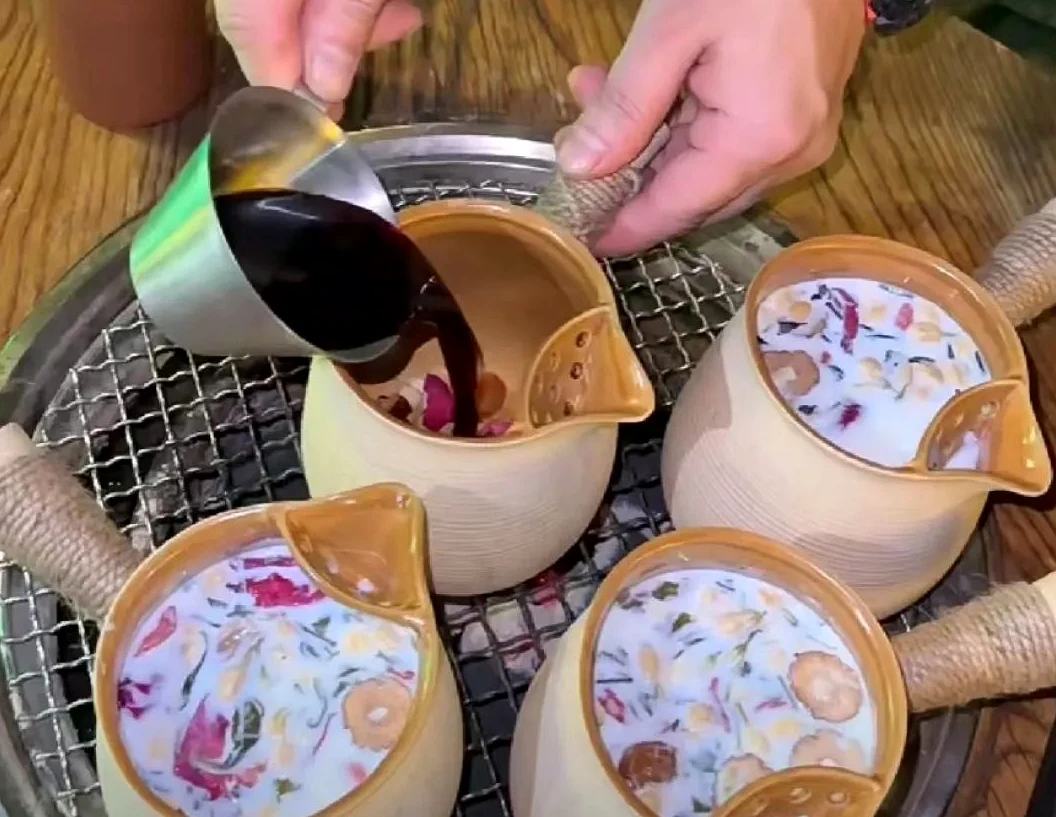
Crafting clay-pot roasted milk tea demands a precise sequence of steps, requiring the brewer to master the thermal properties of raw Jianshui pottery—an unglazed stoneware prized for its microscopic porosity, which retains steady heat without scorching delicate botanicals. To begin, a small clay pot is placed directly over smokeless hardwood charcoal to drive out every trace of moisture from its base. Next, the tea master scatters ancient-tree Pu’er buds or large-leaf Dianhong black tea into the vessel, stirring steadily with a wooden spoon over moderate heat to awaken the dry leaves’ natural aroma. Once a rich fragrance rises, lumps of yellow rock sugar along with sliced red dates, goji berries, and dried Dianhong rosebuds are added and carefully caramelized so the melting sugar coats every leaf in a glossy, amber-hued glaze.
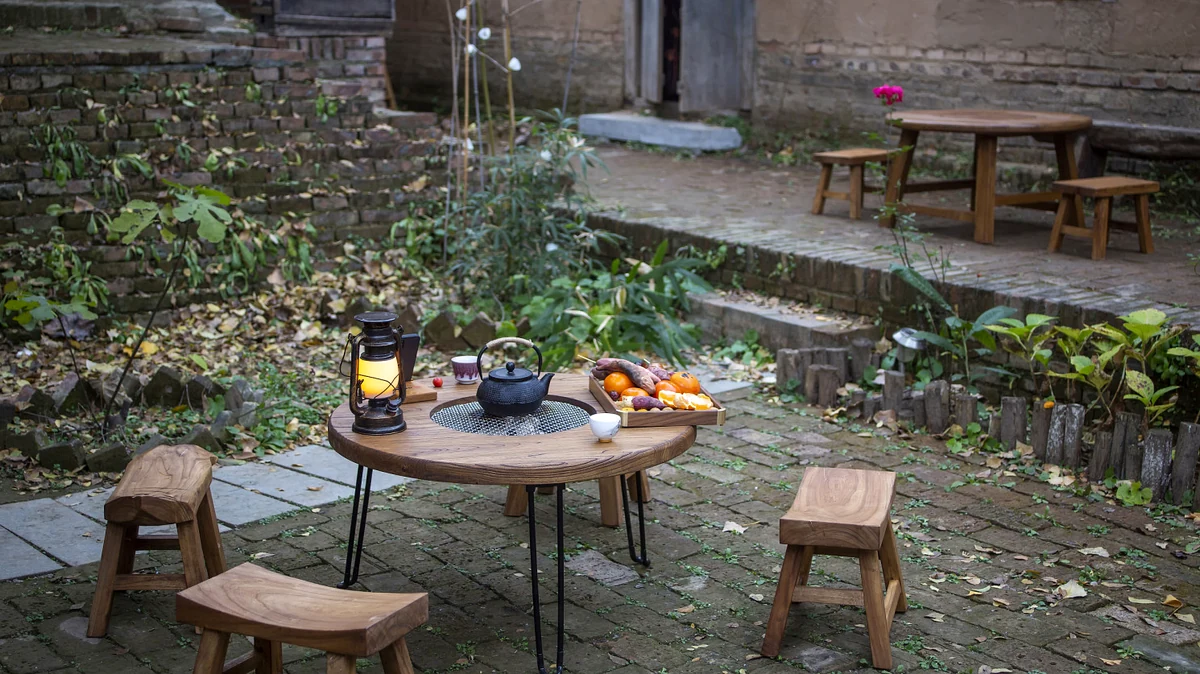
The defining moment of the brew arrives when pure, full-cream fresh milk is poured decisively into the sizzling clay pot. The sudden temperature contrast sparks a crisp hiss and sends billowing clouds of sweet-scented steam into the open air. The charcoal fire is then kept at a gentle simmer so the milk’s butterfat emulsifies deeply into the caramelized tea liquor until a velvety, silk-smooth foam rises to the surface. Around the outer rim of the iron grate, mandarin oranges, honey sweet potatoes, and split-shell chestnuts roast slowly over glowing ash, completing an evocative culinary tableau where the flavors, sights, and sounds of Yunnan converge in a moment of pure calm.
The visual signature and soul of Yunnan roasted milk tea are deeply rooted in unpretentious vernacular architecture, where the line between rural life and classical tea aesthetics nearly disappears. Strolling past tea pavilions nestled at the foot of Dali’s towering Cangshan Mountains or down flagstone alleys in Jianshui Ancient Town, visitors immediately recognize traditional timber-frame structures built from aged pine beams joined entirely with precision mortise-and-tenon joinery—without a single iron nail. Eaves are topped with blue-gray yin-yang roof tiles channeling gentle raindrops onto beds of natural river pebbles gathered from dry streambeds across western Yunnan. Together, straw-mud plaster walls, tung-oil-finished timber, and raw mountain stone form a quiet, protective shell that seals out the sharp northern chill and encloses a tranquil sanctuary for tea.
At the heart of this spatial composition lies the “weilu zhucha” ritual, where human connection and warm firelight are celebrated through symmetrical, inward-facing furnishings. In the center of each room or skywell courtyard, a solid-wood low tea table sits close to the floor, yielding center stage to a gracefully rounded clay brazier. Encircling the glowing coals are low hassocks woven from dried cattail reeds—releasing a clean, grassy scent—or cushions upholstered in the celebrated handwoven brocades of the Bai and Yi peoples, richly embroidered with five-colored geometric motifs symbolizing auspicious clouds and rolling peaks. As dusk settles, ambient lighting is kept deliberately dim, leaving only a soft amber glow from bamboo-framed handmade paper lanterns suspended from the rafters, interwoven with the crimson gleam of charcoal to create a deeply nostalgic warmth that quiets the mind on crisp winter days.
What truly elevates the prestige and cultural depth of this renowned roasted beverage is its bespoke teaware: Jianshui purple pottery (Zitao). Celebrated as one of China’s “Four Great Famous Potteries,” with a storied lineage stretching back to the Song Dynasty and reaching its zenith in the Qing era, these petite clay pots (xiao taoguan) feature an elegant silhouette with a rounded belly engineered for heat retention and a delicately curved handle. Historic five-colored clay from ancient Lin’an is ground to a silky slip, aged for years, and hand-thrown on the potter’s wheel. Its hallmark lies in the “glaze-like without glaze” technique—entirely unglazed yet polished to a mirror sheen using river pebbles and animal hide after firing above one thousand degrees Celsius. The breathable microporous structure of Jianshui stoneware maintains remarkably stable heat directly over roaring embers while absorbing tea oils over time, never dulling the creamy richness of fresh Haidong cow’s milk or the heady perfume of dried Mojiang rose petals.
Rather than chasing cavernous floor plans, these roasted milk tea spaces focus on maximizing emotional intimacy within every square meter. Whether tucked inside a modest thirty-to-forty-square-meter heritage room housing three or four small tables or spread across a multi-hundred-square-meter garden teahouse restored in the Bai “three wings and one screen wall” style, ergonomic proportions keep guests close to the hearth. This intimate scale turns the crackle of charcoal, the rustle of dry tea leaves being stirred inside the clay pot, and the gentle bubble of simmering milk into subtle melodies that draw kindred spirits together, completing a singular portrait of frontier culinary heritage.
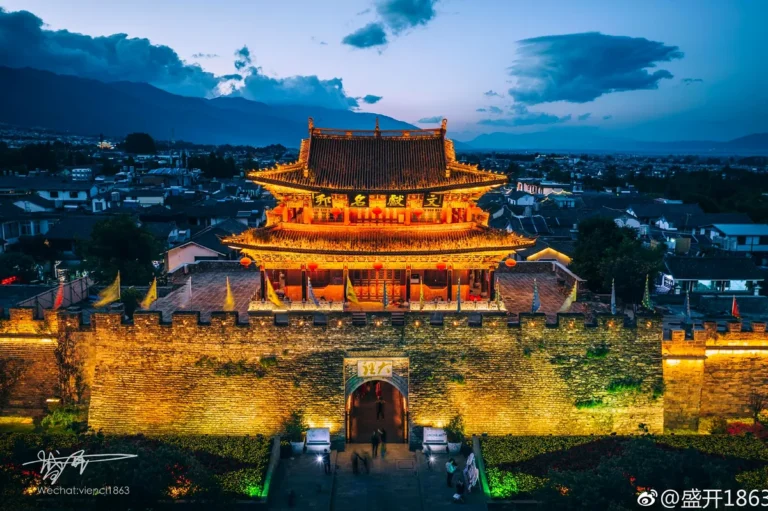
As sunset fades behind the towering Cangshan range or casts long shadows across Kunming’s gray-tiled rooftops, life in Yunnan shifts into an entirely different emotional register. Far from the neon clamor of modern metropolises, nightfall here unveils a silent yet richly sensory “live performance,” where red flames from glowing braziers become the focal point of every gaze and gathering. The custom of “Weilu Zhucha” (围炉煮茶)—huddling around a red-hot charcoal stove to brew tea and roast snacks—has evolved from a Tang- and Song-era folk tradition into the beating heart of night dining culture across China’s southwestern plateau.
At the Nanqiang Street Night Market (南强街) nestled in central Kunming—a lively historic lane preserving traditional “One-Seal” courtyard architecture from the late Qing and early Republic eras—darkness dissolves beneath thousands of red silk lanterns strung along carved wooden eaves. Warm amber light washes over granite flagstones worn smooth by generations, creating a nostalgic, cinematic backdrop. Along both sides of the lane, open-air stalls arrange low bamboo tables and chairs centered around rustic clay braziers. Atop each stove, dense fruitwood charcoal smolders steadily, sending up slender ribbons of pine-scented smoke. Visitors drop by not simply to quench their thirst, but to surrender to a unhurried ritual: patiently waiting for the clay pot to heat through, listening to rock sugar pop as it melts, and breathing in the heady fragrance of Dianhong tea mingling with fresh pasture milk in the crisp highland night air.
Further north on Renmin Road (人民路) in Dali Ancient City, the experience takes on a more bohemian, contemplative artistic spirit. Strollers wander beneath the canopy of ancient weeping willows and pause at taverns and teahouses opening onto bluestone-paved streets. In the brisk night chill carrying mist off Erhai Lake and cold winds down from snowy peaks, the glowing brazier becomes an intimate symbol of shelter and connection. Arranged across the iron grill atop the clay stove, local delicacies form a colorful still life: plump glutinous rice mochi cakes, chewy Xinjiang red dates, flaky persimmon cakes, split-shell Chongqing chestnuts, and dried rose petals. As the mochi puffs up and blisters with golden-brown char spots, guests turn them gently with bamboo tongs, drizzle on glistening osmanthus cane syrup, and pair each bite with a rich, throat-warming sip of roasted milk tea.
The sights and sounds of nighttime “Weilu Zhucha” weave a special emotional atmosphere that erases any divide between locals and distant travelers. Without blaring music, the soundscape belongs to hushed conversation, crackling embers, and the soft clink of ceramic spoons against clay walls. Flickering firelight illuminates rosy cheeks warmed by the coals, striking a dramatic contrast against the deep shadows of centuries-old moss-covered walls. Enveloped in the drifting mountain mist, this culinary ritual transcends a passing dining trend, blossoming into a restorative experience that awakens sight, scent, and touch in everyone fortunate enough to step inside.
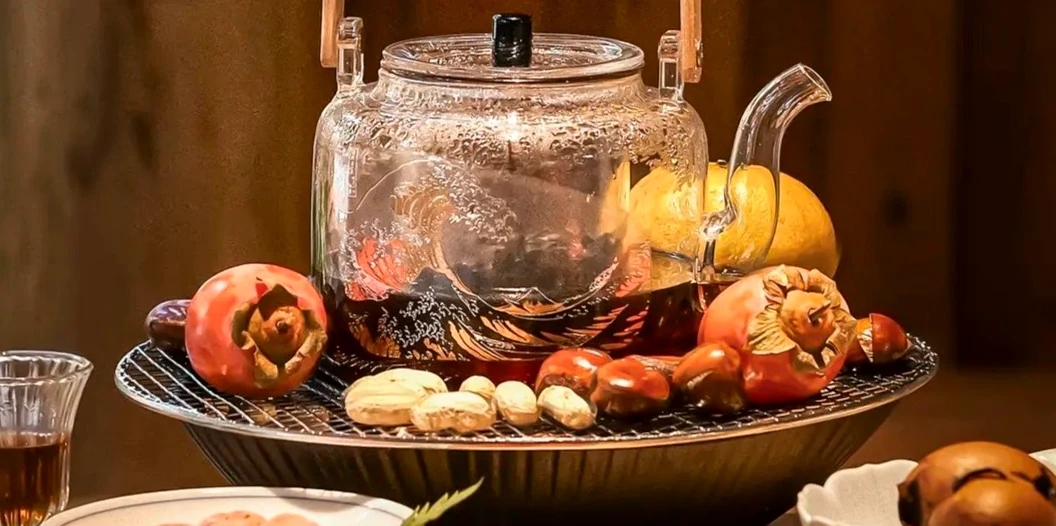
No immersion into Yunnan’s culinary culture feels complete without sitting beside a glowing charcoal brazier, listening to the cheerful bubble of an earthenware pot, and inhaling fragrant wisps of plateau smoke. Known in Chinese characters as weilu zhucha, the custom of gathering around a stove to brew tea has long transcended rustic folk cooking to become a refined way of life—fostering kinship and nourishing the spirit against the crisp chill of western Yunnan. Across historic street corners from Kunming and Dali to Lijiang, the flavor map of this iconic drink is shaped by an alchemy of wild botanicals, farm-fresh milk, and centuries-old tea cakes.
The soul of an authentic pot of clay-roasted milk tea begins with selecting top-grade tea leaves. Yunnan tea artisans favor ripe Pu’er rich with earthy, aged-wood notes—mellowed through extended post-fermentation to pure smoothness—or prized Dianhong black tea from Fengqing, whose buds are covered in golden, velvet-like down. When dry tea leaves drop into a raw clay pot already seasoned over red-hot coals, surging heat instantly awakens dormant essential oils, releasing a delicate smokiness laced with sweet cane-sugar notes. The very second the leaves turn crisp and fragrant, rich pasteurized whole milk—carefully sourced from highland pasture dairies such as Dewei or Yili—is poured straight into the pot. That sudden thermal collision produces a captivating sizzle, binding the gentle astringency of the tea to the clean, full-bodied sweetness of fresh milk.
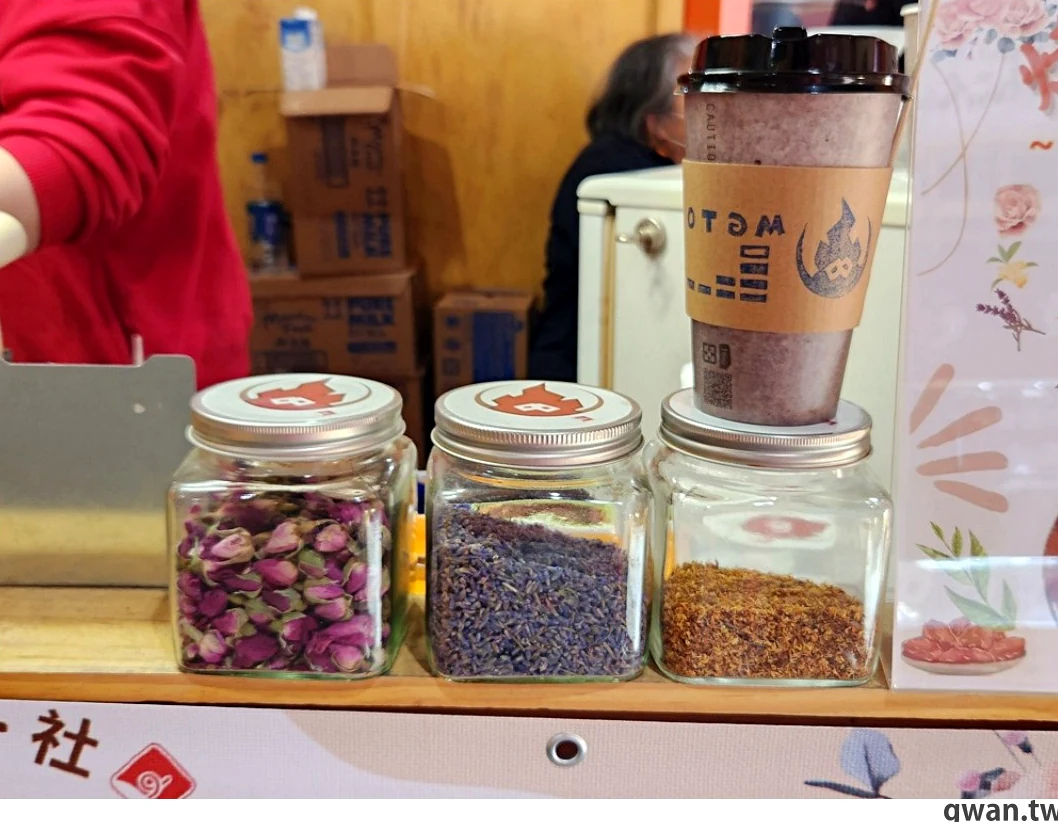
Equally distinctive is the symphony of local wellness ingredients thoughtfully layered into this heirloom recipe. Into the gently simmering clay pot, tea drinkers drop thinly sliced red dates, plump crimson goji berries, sweet dried longan, and dried Yunnan roses—the famed Modai variety prized for its deep crimson hue and intense essential-oil aroma. A second wave of flavor unfolds as crushed roasted peanuts, nutty roasted chestnuts, and chewy black glutinous rice meld into the hot milk, turning every sip into a multi-textured delight that warms the stomach and leaves a clean, lingering sweetness on the palate.
The most enchanting touch in Yunnan’s street-side tea art lies in the accompaniments roasted right over the pot’s rim or on the surrounding charcoal grate. As snowy milk foam rises high, guests watch soft glutinous rice mochi puff up, turning crisp and golden-brown on the outside while remaining tender and chewy within. Even more iconic is Rushan (milk fan)—a thousand-year-old traditional goat’s-milk cheese of the Bai people around Erhai Lake—sliced thin and grilled directly over the brazier until it bubbles and blisters into a rich caramel brown. The tangy, deeply savory richness of grilled goat cheese paired with a piping-hot sip of roasted milk tea creates a striking yet remarkably harmonious contrast of flavors.
Fireside tea tasting in Yunnan reaches its absolute pinnacle when paired with a freshly baked flower cake, locally called Xianhuabing. Dating back to the Qing Dynasty, this flaky pastry features hundreds of delicate, petal-thin crust layers enclosing a filling of fresh rose petals macerated in highland honey and pure rock sugar. Taking a bite of intensely fragrant rose pastry followed by a sip of velvety, full-bodied clay-pot milk tea captures the very essence of southern Yunnan’s terroir, mountain winds, and unhurried way of life in one serene fireside moment.
The ideal time to savor clay-pot roasted milk tea begins as twilight settles over the highland slopes, ushering in Yunnan’s signature evening chill. Across historic cities like Kunming, Dali, and Jianshui Ancient Town, charcoal braziers for weilu zhucha flicker to life around 4:00 PM and hum with warmth well past midnight. Rather than glass-enclosed upscale restaurants, the most rewarding settings are traditional night markets or small roadside stalls tucked beside ancient city walls, where fragrant smoke mingles with night mist to create an unforgettable sense of nostalgia.
To reach this land of mountain tea and artisan pottery, an overland route combined with high-speed rail via Vietnam’s northern border offers the best balance of value and scenic beauty. Travelers complete exit formalities at the Lao Cai International Border Gate into Hekou, then head to Hekou North Station to board modern bullet trains bound directly for Kunming South Station in just three and a half to four and a half hours. From central Kunming, an efficient intercity rail network quickly connects travelers to ancient-tree tea hubs like Dali in two hours or the pottery town of Jianshui in just over two hours. For entry documentation, a border travel permit covers short-stay itineraries near the frontier, whereas a group visa sponsored by a reputable tour operator provides a convenient, cost-effective alternative that avoids the steeper fees and paperwork of individual sticker visas.

Enjoying an artisanal pot of roasted milk tea is remarkably affordable and accessible to every traveler. At local street stalls, a piping-hot clay jar garnished with rose petals or red goji berries typically costs between 10 and 20 RMB (roughly 35,000 to 70,000 VND). For those wishing to linger longer around a cozy charcoal brazier in a full weilu zhucha setup at a lakeside teahouse by Erhai or a heritage courtyard in Jianshui, a complete tea set—including a large stoneware pot, dried fruits, split-shell Chongqing chestnuts, and red jujubes—generally runs from 60 to 120 RMB for a table of two to four guests.
Seasoned travelers recommend seeking out small, family-run stalls tucked down quiet back alleys where local elders tend the coals, rather than heavily commercialized pedestrian boulevards. Experienced artisans rely on unskimmed whole milk from pasture farms paired with multi-year-aged ripe Pu’er, yielding a naturally caramelized, fragrant foam without artificial flavorings or additives. Above all, to avoid hidden shopping traps or overpriced low-grade Pu’er passed off as rare ancient-tree harvests, saying no to ultra-cheap tours and choosing transparent, no-forced-shopping itineraries is essential to keeping your journey authentically refined.
Additionally, because clay pots pulled straight from glowing embers retain intense heat for quite some time, travelers should wait two to three minutes for the ceramic surface to cool slightly—or use the provided cloth pad—to avoid burning their fingers when lifting the pot. Sipping a rich, velvety brew in the crisp highland air of Yunnan is bound to be a highlight of your trip, offering an intimate window into a peaceful, unpretentious region rich in cultural heritage. For travelers who prefer to savor this unique roasted-tea culture at leisure without worrying about border permits or complex rail transfers, choosing a thoughtfully curated all-inclusive tour package is the seamless way to begin your poetic journey into southern China.