





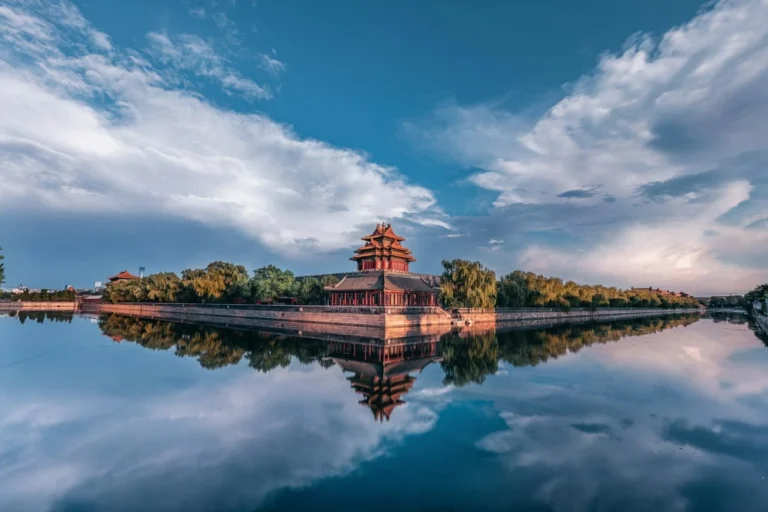
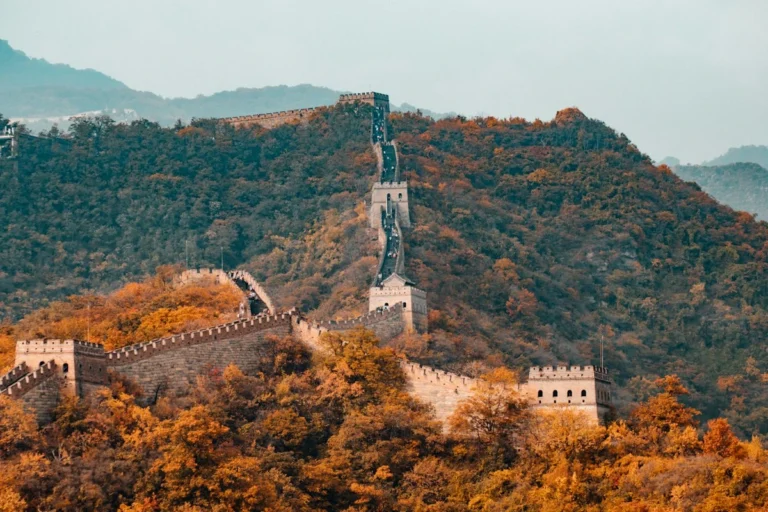
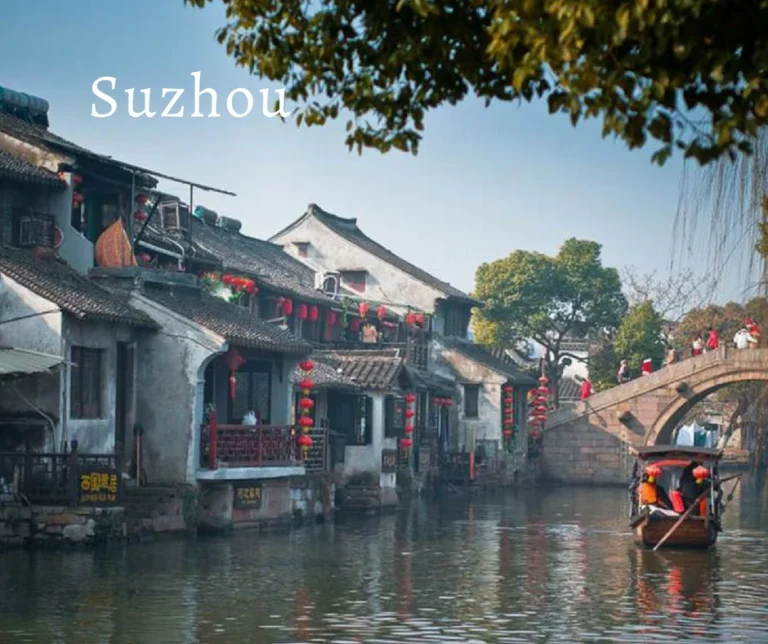


Through the Tang, Song, Yuan, Ming, and Qing dynasties, Suzhou consistently maintained its position as one of China’s most prosperous and influential cities. During the Tang Dynasty, it became famous for poetry, painting, and ancient gardens that began to take shape in style. By the Song Dynasty, the development of commerce and handicrafts, especially the silk weaving industry, propelled Suzhou to become an “unsurpassed scenic wonder” (上有天堂,下有苏杭 – “Heaven above, Suzhou and Hangzhou below”). Wealthy merchants and retired officials flocked here to build magnificent private residences with exquisite gardens, turning the urban landscape into a vibrant, breathtaking natural scene. Feng shui has always been emphasized in planning and design, from choosing the city’s location based on the principle of “relying on mountains and facing water” (even though Suzhou lacks direct major mountains, the system of low hills and lakes is regarded as geographical elements carrying auspicious feng shui energy) to arranging every lotus pond and rockery within the gardens. Each arched stone bridge spanning the canals and every upturned eave of the ancient houses is imbued with the philosophy of harmony between humans and nature, stillness and motion, reality and the realm of dreams. Suzhou’s cultural heritage encompasses not only architectural works but also a spirit of living—the preservation of an elegant, artistic lifestyle over thousands of years, which visitors can still feel in every small alley and ancient street today.
Suzhou’s ancient town architectural landscape is a masterpiece recognized by UNESCO as a World Cultural Heritage site—a city where every corner and alley exudes a tranquil, sophisticated beauty. Suzhou is not only dubbed the “Venice of the East” because of its crisscrossing canal system, but also due to the understated charm of an ancient metropolis that has preserved its millennia-old soul. The emerald-green canals meander softly like silk ribbons, reflecting the silhouettes of arched stone bridges of various shapes and ages, ranging from simple single-span bridges to elaborate multi-span ones; each bridge is a historical witness and a unique architectural highlight. On both banks of the canals are rows of ancient houses with white walls, pitch-black tiled roofs, and intricately carved wooden windows, creating a vibrant, poetic, and breathtaking natural setting. The harmonious combination of architecture, water, and greenery creates an overall space that is immensely peaceful and enchanting.
Suzhou’s classical gardens are the pinnacle of Chinese landscaping art, considered symbols of ancient ingenuity and wisdom. They are not merely places for appreciation but also living spaces imbued with deep philosophies about the miniature universe and the blending of humanity and nature. Each garden is a masterpiece of delicate arrangement, featuring magnificent rockeries, clear blue ponds, ancient trees, and intentionally placed corridors, pavilions, and hermitages, creating diverse scenes layered with meaning. The use of local materials such as Taihu stone, precious timber, and fired bricks has generated a durable beauty closely connected to nature. Local customs and traditions in Suzhou are equally rich and unique. Its people are renowned for their elegance, hospitality, and dedication to preserving traditional crafts. From talented silk embroidery artisans, fan makers, and wood carvers to street vendors in the ancient town, everyone contributes to a colorful cultural tapestry. Performances of Kunqu Opera—an ancient art form recognized by UNESCO—elegant tea ceremonies, and traditional festivals such as the Dragon Boat Festival and Lantern Festival are all profound cultural experiences that help visitors better understand the spiritual life of the people of Suzhou. Daily life unfolds slowly along the canals, where locals maintain traditional routines—from washing clothes by the canal banks and chatting under eaves to enjoying a hot cup of tea in a small teahouse—all combining to create a peaceful atmosphere in stark contrast to the hustle and bustle of the modern world. The preservation of architectural spaces and traditional customs is the key to helping Suzhou maintain its position as a vibrant and alluring living cultural heritage.
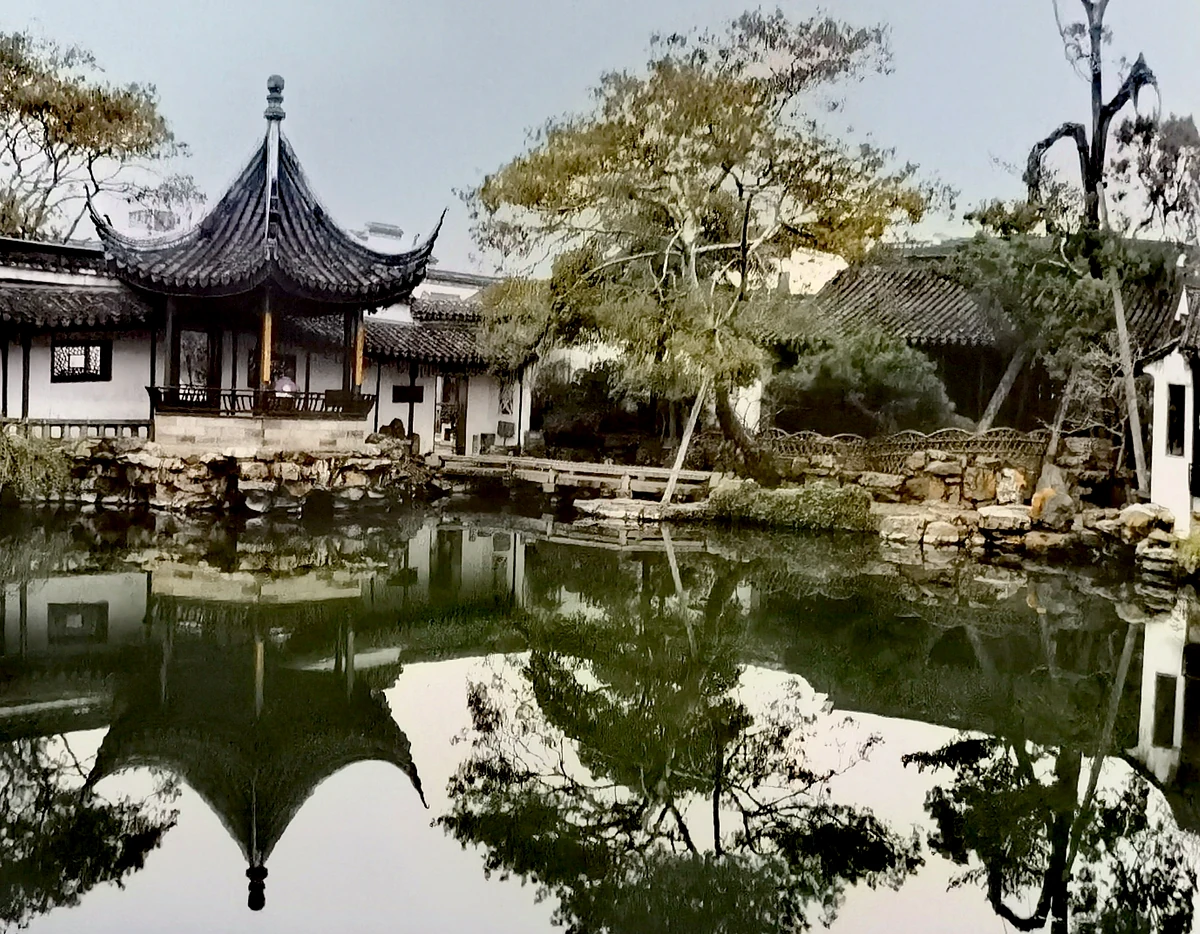
When it comes to Suzhou, one cannot ignore its world-class scenic spots, destinations that have become the symbol and soul of this city. Each landmark carries its own story and unique beauty, waiting for travelers to explore and contemplate. First, let us visit Humble Administrator’s Garden (Chuyết Chính Viên), one of China’s Four Famous Gardens, the largest classical garden in Suzhou, and a UNESCO World Heritage Site. This garden was built during the Ming Dynasty (16th century) by Wang Xianchen, an official who was dismissed from office and returned to his hometown to build a “garden for a simple official.” Humble Administrator’s Garden is truly a masterpiece of garden architecture, renowned for its perfect blend of natural and artificial elements. The garden is divided into three main sections: the Eastern Section (Dwelling Upon Return to the Countryside), the Central Section (The Central Garden), and the Western Section (The Supplementary Garden). The Central Section is the heart of Humble Administrator’s Garden, dominated by a vast pond surrounded by pavilions, winding corridors, stone bridges, and magnificent rockery clusters. Water is the primary element, creating a sense of openness and connecting the spaces together. Architectural structures such as the Distant Fragrance Hall, Little Flying Rainbow Bridge, and the Pavilion of Snow and Fragrance all bear evocative names that blend harmoniously with the natural scenery. Every view in Humble Administrator’s Garden is a living painting, changing with the seasons and with every step the visitor takes. Garden artisans have skillfully used the technique of “borrowed scenery” (借景) to expand the field of view, creating a sense of space larger than reality, or “divided scenery” (分景) to create independent, surprising vistas. The subtlety in plant arrangement, stone selection, and pathway design has made Humble Administrator’s Garden a model for other classical gardens.
Next is the Lingering Garden (Lưu Viên), another prominent heritage site among Suzhou’s classical gardens, also honored by UNESCO. Lingering Garden was first built during the Ming Dynasty (late 16th century) and has undergone numerous restorations and changes of ownership across dynasties, with each owner leaving their distinct mark and enriching its beauty. The standout feature of Lingering Garden is its exquisite spatial arrangement, utilizing long, winding corridors to connect different areas, creating an endless sense of continuous discovery. This garden is famous for four unique landscape sections: the Eastern Section (architectural area), the Western Section (scenic woodland), the Central Section (water area), and the Northern Section (rockery and bonsai garden). The highlight of Lingering Garden is its ability to create a sequence of ever-changing vistas with just a few steps of movement. Visitors will experience a subtle transition from grand open spaces to secluded private corners, from elegant architecture to ancient tree clusters. Most prominent is the Crown Cloud Peak, a gigantic, towering Taihu stone considered the treasure of the garden. Lingering Garden also preserves numerous stone steles inscribed with ancient calligraphy, holding high artistic and cultural value. It is not merely a garden but an architectural art museum, a peaceful space to escape the noise of the outside world, and a testament to the supreme aesthetic taste of the ancient Jiangnan aristocracy.
Moving away from the serenity of the gardens, we arrive at Hanshan Temple (Chùa Hàn Sơn Tự), a famous ancient temple not only in Suzhou but throughout China, closely associated with an immortal poem that has touched hearts for centuries. This temple is located in the western part of the city, along the Grand Canal, not far from downtown Suzhou. Hanshan Temple was built during the Southern Dynasties (around the 6th century) and has gone through many periods of prosperity and decline. However, what made its name eternal is the poem “A Night Mooring by Maple Bridge” (Phong Kiều Dạ Bạc) by the poet Zhang Ji (张继) during the Tang Dynasty. On a waning moonlit night, when Zhang Ji’s boat was moored at Maple Bridge, he heard the tolling of the Hanshan Temple bell. The sound “midnight temple bell reaches the traveler’s boat” (夜半钟声到客船) awakened the poet’s soul and created a masterpiece. This poem transformed Hanshan Temple from an ordinary temple into a cultural landmark, a symbol of tranquility, contemplation, and traveler’s melancholy. Visitors come here not only to admire traditional Buddhist architecture with its curved roofs and majestic Buddha statues, but also to listen to the temple bell, to feel the serene and sacred atmosphere as if conversing with Zhang Ji’s poetic soul. The Great Buddha Hall, the Sutra Repository, and the Giant Bell Tower are key architectural highlights. In particular, the temple’s giant bell, usually rung on New Year’s Eve or major festivals, signifies the dispelling of sorrows and welcoming of good fortunes. Pilgrilling to Hanshan Temple is not simply a spiritual trip, but a journey back to cultural roots and the immutable spiritual values of the East.
Continuing our journey of discovery, we will wander into Shantang Street (Shantang Street), a historic street with a history of over 1,200 years, considered one of the most beautiful and representative ancient quarters in Suzhou. This street was built under the order of Bai Juyi, a famous prefect and talented poet of the Tang Dynasty, with the purpose of improving transportation and boosting commerce between the city center and Tiger Hill. Shantang is not merely a land route but also runs parallel to a canal, creating a unique “land above, water below” space where boats and pedestrians coexist harmoniously. Along the canal are ancient houses with characteristic Jiangnan architecture: white walls, black tiled roofs, intricately carved windows, and bright red lanterns that hang high and glow brilliantly at night. Ancient stone bridges connect the two banks of the canal, each bearing its own name and story, adding to the antiquated beauty of the street. Today, Shantang remains a bustling center where visitors can find shops selling traditional handicrafts such as Suzhou silk, paper fans, embroidery, and tasting local snacks. In the evening, when the brilliant lanterns reflect on the canal’s surface, Shantang becomes magical and ethereal, possessing a strikingly romantic and charming beauty. Taking a boat cruise along the Shantang Canal, admiring the nightlife and listening to folk tunes is an unmissable experience, helping visitors immerse themselves in the slow, peaceful rhythm of ancient Suzhou.
And finally, one cannot fail to mention the renowned Suzhou Silk, an intangible cultural heritage that has built this city’s brand for thousands of years. Suzhou is considered the cradle of China’s silk industry, where the techniques of sericulture, cocoon reeling, silk weaving, and embroidery have reached the pinnacle of sophistication. Suzhou silk is famous worldwide for its softness, smoothness, lightness, and delicate patterns. The history of the silk industry in Suzhou can be traced back to the Zhou Dynasty (approx. 1046–256 BC) and flourished during the Tang and Song Dynasties, especially the Ming and Qing. Suzhou silk products are not merely clothing but works of art, ranging from elaborately hand-embroidered silk fabrics with lifelike floral and landscape motifs to silk fans, scarves, and rare double-sided silk embroidery paintings. Suzhou embroidery (Su Xiu – 苏绣) is one of China’s Four Famous Embroideries, characterized by its meticulousness, hair-thin threads, and the ability to create soft, vibrant shading and gradient effects. Visitors to Suzhou can visit traditional silk factories to witness firsthand the processes of silkworm rearing, cocoon harvesting, silk reeling, and weaving, or visit famous silk shops in the ancient town to choose high-quality silk products as souvenirs. Suzhou silk is not merely a commercial product but a symbol of luxury, sophistication, and an indispensable part of the city’s cultural identity.
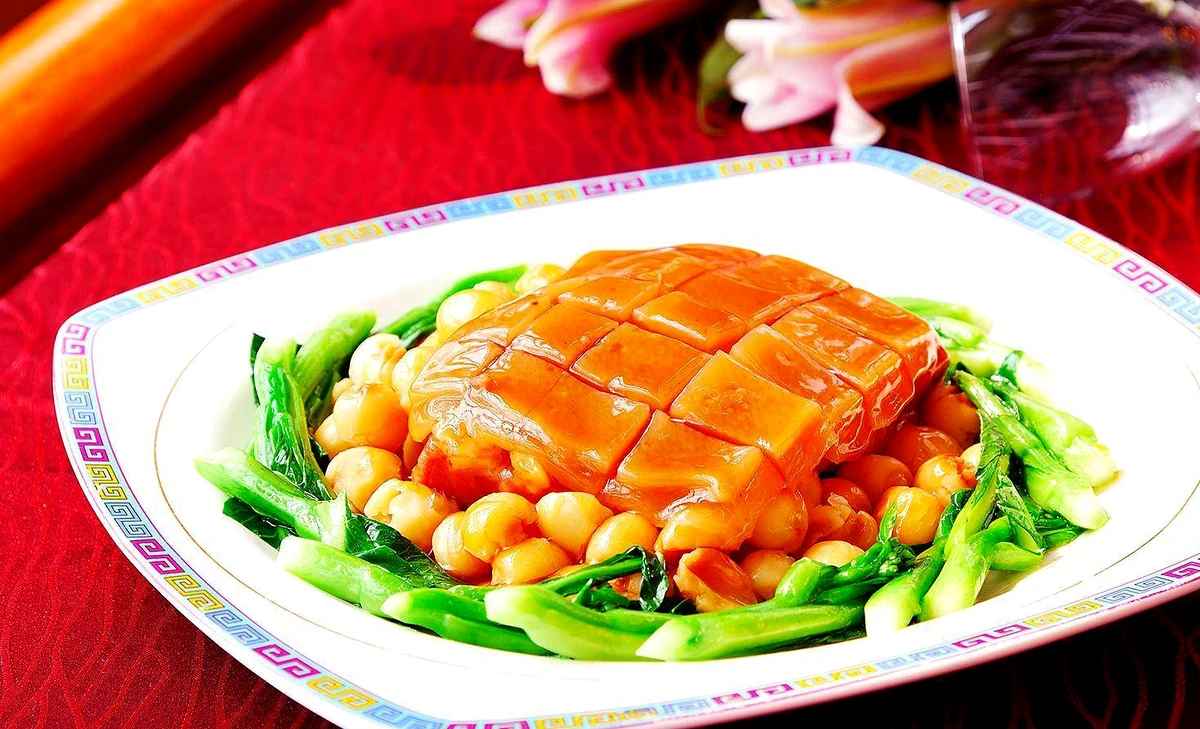
Moving on from the highlights of garden architecture and historical sediments, we will transition to exploring an equally captivating aspect of Suzhou: its unique culinary culture, the essence of regional flavors refined over thousands of years. Suzhou cuisine, also known as Su Cai (苏菜), is one of the Four Great Cuisines of Jiangnan (alongside Huaiyang Cai, Nanjing Cai, and Zhenjiang Cai), famous for its delicate, light, yet exceptionally refined and unique flavors. The prominent feature of Suzhou dishes is the emphasis on fresh seasonal ingredients, skillful cooking techniques, and artistic presentation. The flavors often lean towards a mild sweetness, neither too spicy nor too salty, reflecting the refined lifestyle of the locals. Dishes are typically prepared from the produce of the rivers and the Yangtze River Delta, such as fish, shrimp, crabs, and fresh vegetables. One of the most famous dishes that visitors must try when coming to Suzhou is Squirrel-shaped Mandarin Fish. This dish is not merely food but an artistic performance, where the fish is skillfully filleted, shaped to resemble a squirrel wagging its tail, deep-fried, and then drizzled with a special sweet-and-sour sauce. The fish skin is crispy, the meat tender and sweet, blending harmoniously with the refreshing tartness of the sauce, creating an unforgettable gastronomic experience. Another equally famous dish is Suzhou-style Braised Pork Belly (Hóng Shāo Ròu), where pork belly is simmered in soy sauce, rock sugar, and Shaoxing wine, yielding a glossy reddish-brown color, meat that melts in your mouth without being greasy, rich in flavor while retaining a delicate touch. Additionally, Three-Star Mushroom Soup or Suzhou Noodles with various broths and toppings are wonderful choices for savoring local cuisine. Street snacks such as pan-fried buns (Shengjian Bao), scallion pancakes (Cong You Bing), or sesame and peanut candies are also an indispensable part of the Suzhou culinary exploration journey.
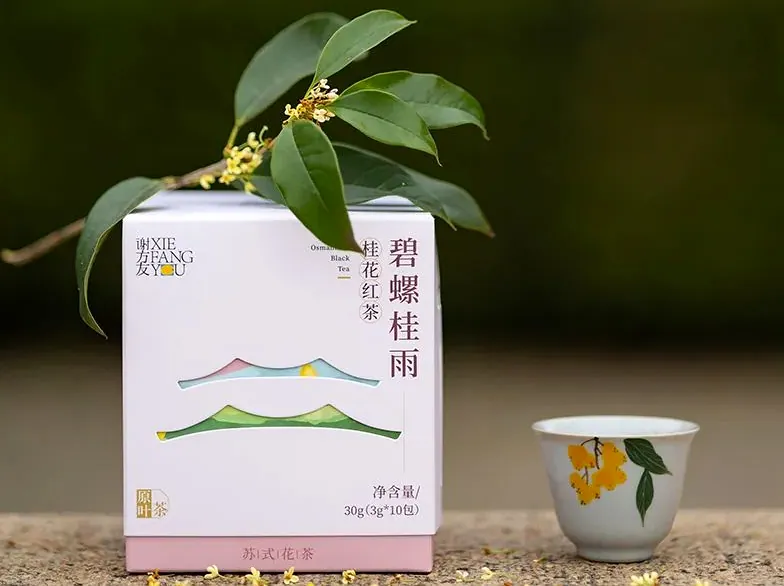
The tea culture in Suzhou is also extremely rich and closely tied to the residents’ elegant lifestyle. This is the birthplace of Biluochun Tea, one of China’s Ten Famous Teas, renowned for its fragrant aroma, mild sweet aftertaste, and spiral-shaped leaves resembling snails. Drinking tea is not merely a habit but a ritual, a way to calm the mind and appreciate the beauty of life. Visitors can drop by traditional teahouses in ancient gardens or old streets to experience the elaborate tea-brewing ritual, savor the distinctive tea flavors, and listen to cultural stories. Luxurious banquets in Suzhou also reflect the sophistication in Jiangnan’s gastronomy and etiquette. Banquet dishes are elaborately prepared, beautifully presented, and follow strict rules regarding the sequence of courses, creating a high-class and memorable dining experience. Each season of the year, Suzhou cuisine features its own seasonal specialties, reflecting a deep connection with nature and weather cycles. Spring brings fresh bamboo shoots and wild greens; summer features lotus, lotus seeds, and water chestnuts; autumn brings the famous hairy crabs from Yangcheng Lake; and winter offers warming stews. The diversity and refinement of Suzhou cuisine fully satisfy the expectations of the most discerning diners, delivering a memorable experience of Jiangnan flavors.
To make your journey of exploring Suzhou convenient and complete, having a solid understanding of the modern transport infrastructure and the golden seasons for travel is essential. Suzhou is not merely an ancient city but also a dynamically developing metropolis, perfectly connected to China’s other major economic centers. International travelers typically choose to fly into Shanghai Pudong International Airport (PVG) or Shanghai Hongqiao International Airport (SHA), and then travel to Suzhou via high-speed rail (CRH – China Railway High-speed). The high-speed train from Shanghai to Suzhou takes only about 25-30 minutes with a high frequency of departures, offering remarkable convenience and significant time savings. Suzhou Railway Station is one of the largest stations in the region, from where visitors can easily hail a taxi, take a bus, or ride the subway to reach the city’s attractions. Suzhou’s metro system is extremely modern and widely covered, making traveling between gardens, temples, and ancient streets easier than ever. Additionally, bus and taxi services are very popular and affordable. Especially for those wishing to fully experience the ancient ambiance of Suzhou, taking a cruise boat along the canals or walking through the small alleys are unbeatable choices.
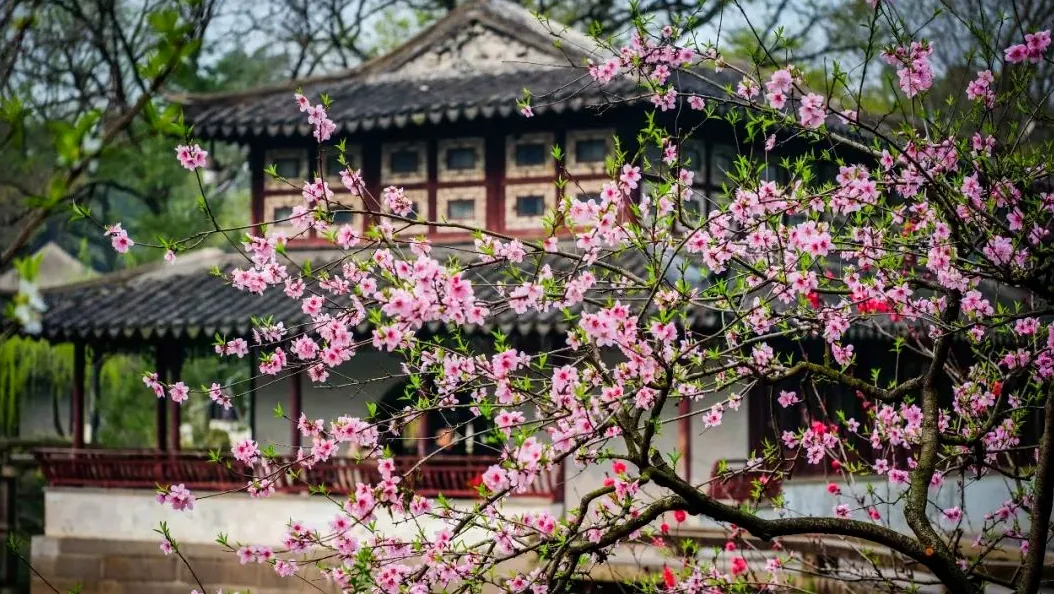
Choosing the right time to visit Suzhou will greatly influence your experience. Suzhou holds a distinct beauty across all four seasons, but certain periods are considered the “golden times” to explore the city. Spring (March to May) is the ideal time, with mild weather, budding trees, and cherry blossoms and other flowers blooming together in the gardens, creating an extremely romantic and fresh scenery. The temperature is pleasant—neither too hot nor too cold—making it perfect for walking and exploring scenic spots. Autumn (September to November) is also a wonderful choice, featuring fresh, cool air and leaves turning into vibrant shades of yellow and red, creating breathtaking landscape paintings. Notably, this is also the season for hairy crabs from the famous Yangcheng Lake, a delicacy that gourmets cannot miss. Summer (June to August) in Suzhou is quite hot and humid with high temperatures, yet this is the season when lotus flowers bloom in the garden ponds, bringing a unique beauty and a refreshing fragrance. If visitors do not mind the heat, they can still enjoy Suzhou’s beauty during this season. Winter (December to February) is quite cold with occasional light snow, creating a tranquil and romantic atmosphere. The ancient gardens under a blanket of white snow take on a distinct, quieter, and more ancient beauty. This is the low season for tourism, perfect for those wanting to experience a peaceful Suzhou away from the hustle and bustle. No matter which season you choose, Suzhou is always ready to welcome you with its unique beauty and endless charm.
For Vietnamese travelers planning a trip to Suzhou, preparing a pocket field guide is extremely important to ensure a smooth and memorable journey. First of all, regarding visa procedures, Vietnamese citizens need to apply for a China tourist visa. This process typically requires a passport valid for at least 6 months, a completed visa application form, passport photos, flight itineraries, and hotel bookings. You should submit your application to the Chinese Embassy or Consulate in Vietnam early to avoid any processing time risks. Thoroughly preparing your documents and following the correct procedures will help you obtain your visa smoothly.
Regarding currency and payments, although the Chinese Yuan (CNY) is the official currency, China has remarkably transitioned into a cashless society. The two most popular mobile payment applications are Alipay and WeChat Pay. Most transactions, from shopping at stores and restaurants to transportation, are conducted through these two apps. Foreign visitors can link their international credit cards (Visa, MasterCard) to Alipay or WeChat Pay for use. We recommend downloading and setting up these apps before your trip to avoid any inconvenience. Carrying a small amount of cash should be reserved only for emergencies or at minor establishments that do not accept electronic payments.
To stay connected and access the internet, using an eSIM or local SIM card is a smart choice. An eSIM offers maximum convenience because you can activate it right from Vietnam or upon arrival in China without needing to swap physical SIM cards. Major Chinese carriers such as China Mobile, China Unicom, and China Telecom all offer suitable travel data plans. The internet in China has certain access restrictions on services like Google, Facebook, Instagram, and WhatsApp. Therefore, if you need to use them, you should consider using a VPN (Virtual Private Network) to bypass the firewall.
Regarding clothing, Suzhou has four distinct seasons, so you should pack attire suited to the weather at the time of your travel. In spring and autumn, bring light jackets and thin sweaters; summer requires breathable, sweat-absorbent clothing and sunscreen; winter calls for warm coats, thick jackets, gloves, and scarves. A comfortable pair of walking shoes is essential, as you will be doing a lot of walking to explore the gardens, ancient streets, and temples. Additionally, bringing a compact umbrella or raincoat is a good idea, as the weather in the Jiangnan region can change suddenly.
Finally, the companionship of VDS Travel is the key factor that makes your trip to Suzhou flawless and worry-free. With years of experience in organizing specialized heritage tours, we thoroughly understand every cultural, historical, and geographical corner of Suzhou. From visa assistance, crafting detailed and unique itineraries, to providing deeply knowledgeable local guides, VDS Travel is committed to delivering personalized travel experiences that go far beyond ordinary tours. We will help you not only sightsee but truly immerse yourself in the heritage space, deeply understanding the meaning behind every architectural work, every custom, and every dish. From the serene Humble Administrator’s Garden to the echoing bell of Cold Mountain Temple, from the captivating beauty of silk to exquisite culinary flavors, VDS Travel will be your trusted companion, turning every moment of yours in Suzhou into an unforgettable heritage memory.
