







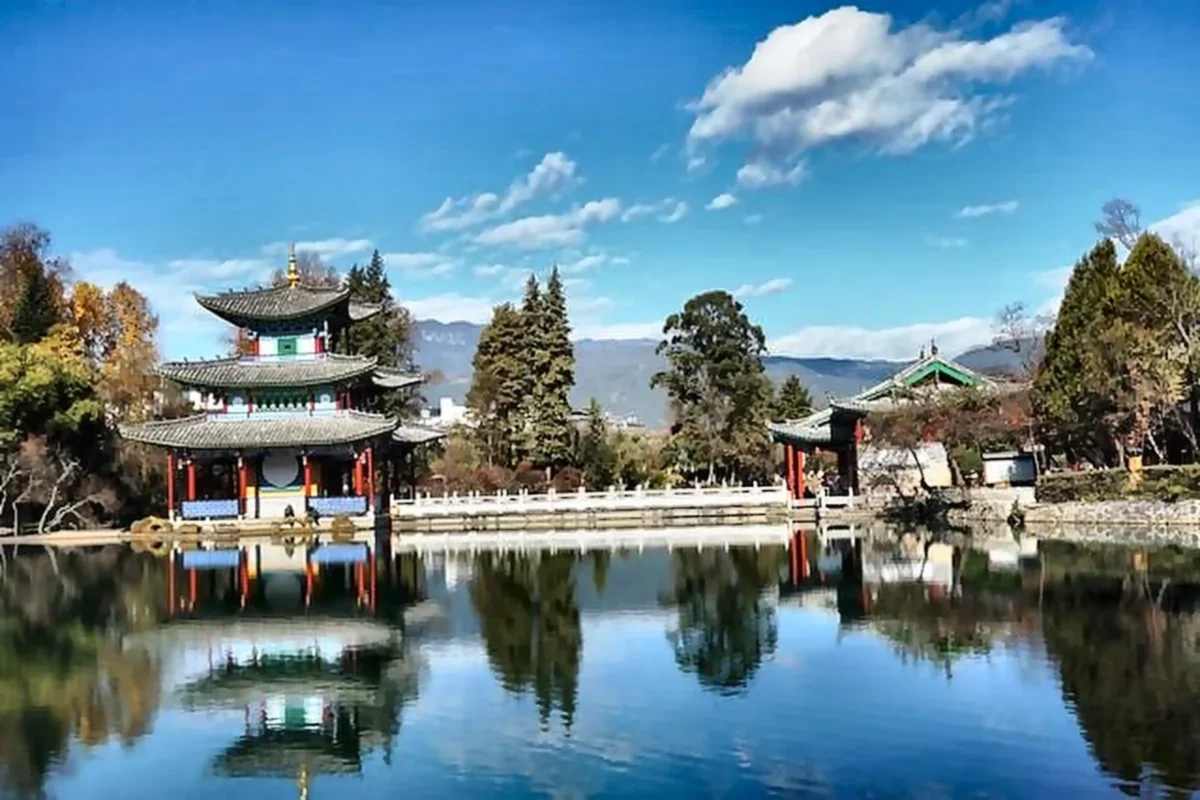
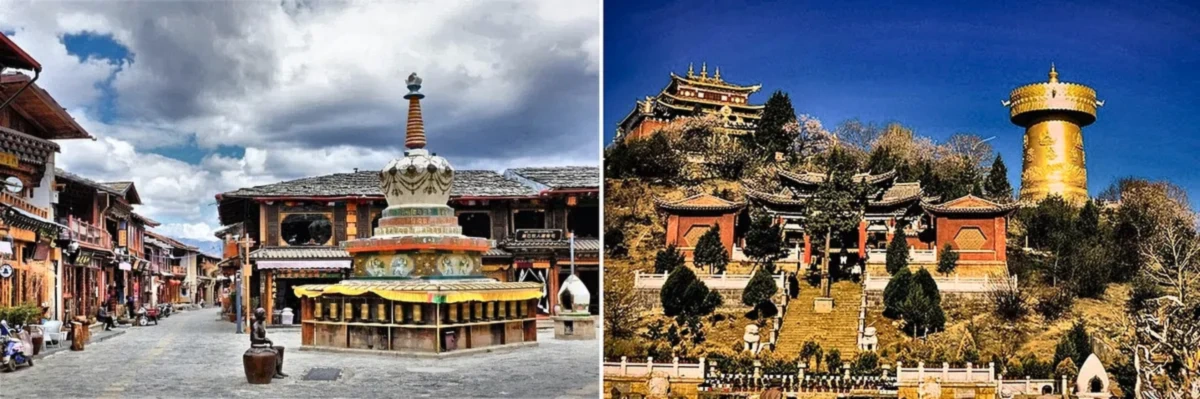




Lijiang is located in the northwest of Yunnan Province, China, on the Yunnan-Guizhou Plateau, serving as the converging point of the majestic Hengduan Mountains. Standing proudly to the northeast is the magnificent Jade Dragon Snow Mountain (玉龙雪山), capped with snow year-round, serving as a sacred symbol and the life source of this region. Lijiang’s terrain presents a breathtaking natural panorama: to the west flows the Jinsha River (金沙江), the upper reaches of the legendary Yangtze River, winding like a silver ribbon and cutting through deep canyons. These rugged mountains and deep valleys form a natural fortress, shielding Lijiang from major external upheavals while preserving its unique identity.
The Feng Shui of Lijiang is a classic example of harmony between mountains, water, and humanity. Folklore often likens Lijiang Ancient Town to a “blooming lotus city” with three major mountains (Lion Hill, Elephant Hill, and Kim Hong Hill) enveloping it on three sides, resembling giant lotus petals. The Jade River (玉河) originates from the Jade Dragon Snow Mountain and branches out into numerous small streams meandering through the ancient town, bringing vitality and prosperity. This sophisticated irrigation system not only serves daily living needs but also creates a unique architectural space where houses, bridges, and canals blend organically. The Naxi people believe that this arrangement brings luck, peace, and prosperity to the residents, making Lijiang an ideal place to settle down and develop culture.
The annals of Lijiang span thousands of years, beginning with the primitive tribes inhabiting this plateau. Archaeological traces show human presence here since the Neolithic period. However, Lijiang truly entered the historical stream when the Naxi people (纳西族) migrated here from the Qinghai-Tibet Plateau around the 3rd to 7th centuries AD. They brought along a distinct culture and language, beginning to build their first settlements along the streams. Lijiang quickly developed into a vital trading hub on the legendary Tea Horse Road (茶马古道)—the trade route connecting Yunnan, Tibet, and neighboring regions, which also served as a melting pot for various cultures such as Naxi, Tibetan, Bai, Yi, and Han.
During the Song and Yuan dynasties, Lijiang gradually developed into an administrative district with the rise of local chieftains. However, Lijiang’s true golden age was marked by the rule of the Mu family (木氏), which lasted for nearly 500 years from the 14th to the mid-18th centuries. The Mu family, a powerful Naxi lineage, was officially recognized and granted autonomy by the Ming and Qing dynasties. They built Dayan Ancient Town (大研古镇) with its unique architecture and planning, developing Lijiang into a prosperous cultural and economic center. They absorbed Han culture, constructing traditional Chinese-style architectural works while preserving the Naxi identity. To avoid suspicion from the imperial court, they cleverly refrained from building city walls around the town, opting instead for a natural canal system that created a unique “city without walls.”
The fall of the Mu family in the mid-18th century and the direct rule of the Qing court marked a new chapter in Lijiang’s history. Despite losing its autonomy, Lijiang maintained its status as a regional commercial and cultural center. By the 20th century, amidst the upheavals of revolution and war, Lijiang could not avoid being impacted. Nevertheless, its ancient beauty and cultural identity were remarkably preserved. Today, Lijiang has transformed into an international tourism hub, recognized by UNESCO as a World Cultural Heritage site in 1997, opening a new era of heritage development and preservation.
II. Ancient Town Architecture, World Cultural Heritage, and Local Customs: The Charm of a Traditional Ancient City
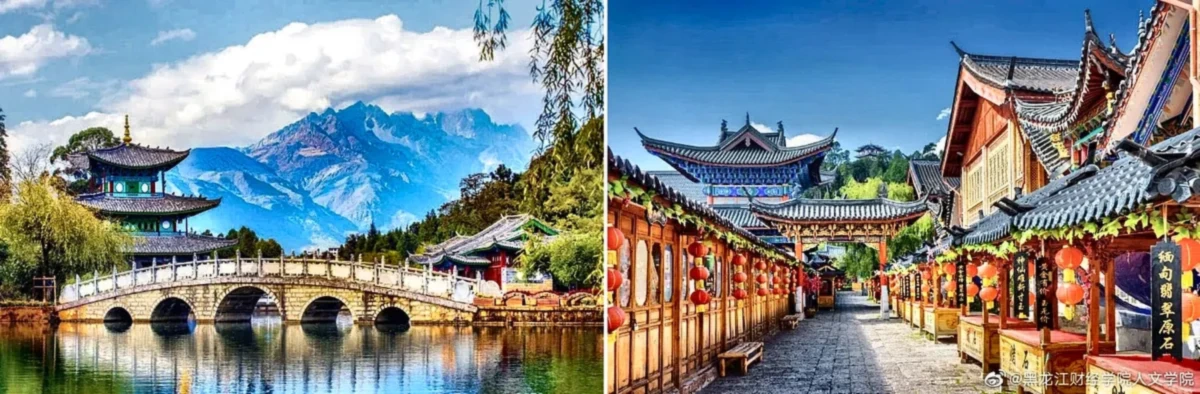
The architectural space of Lijiang Ancient Town (Dayan) is a vivid testament to the creativity and wisdom of the Naxi people in adapting to their natural environment. Unlike many other ancient cities in China built on a strict grid layout, Lijiang Ancient Town is planned organically, relying on the sloping terrain of Lion Hill and the winding flow of the Jade River. Cobblestone alleys intertwine like a maze, leading to small squares, graceful arched stone bridges, and moss-roofed wooden houses. Notably, each house faces a small canal, making water an indispensable part of daily life.
House architecture in Lijiang is a delicate blend of indigenous Naxi style, Han architecture (especially from the Ming and Qing dynasties), and a touch of Tibetan influence. Houses typically feature a “three rooms and one screen wall” or “quadrangle” (courtyard) structure, with exquisitely carved wooden balconies and wide eaves. Windows and doors are often decorated with auspicious motifs, reflecting the Naxi philosophy of living in harmony with nature. Wood is the primary building material, providing a cozy and intimate feel. Highlights include potted plants and fresh flowers hanging along every veranda, adding to the town’s poetic charm.
In 1997, Lijiang Old Town was honorably recognized by UNESCO as a World Cultural Heritage site, not only for its unique architectural value but also for the pristine preservation of a vibrant Naxi culture. UNESCO acknowledged that Lijiang met the criteria for the harmonious integration of architecture, feng shui, and the natural environment; its reflection of a unique culture influenced by various external factors while retaining its distinct identity; and its testament to urban planning traditions that have endured for centuries. This recognition put Lijiang on the international tourism map while presenting the challenge of balancing tourism development with heritage preservation.

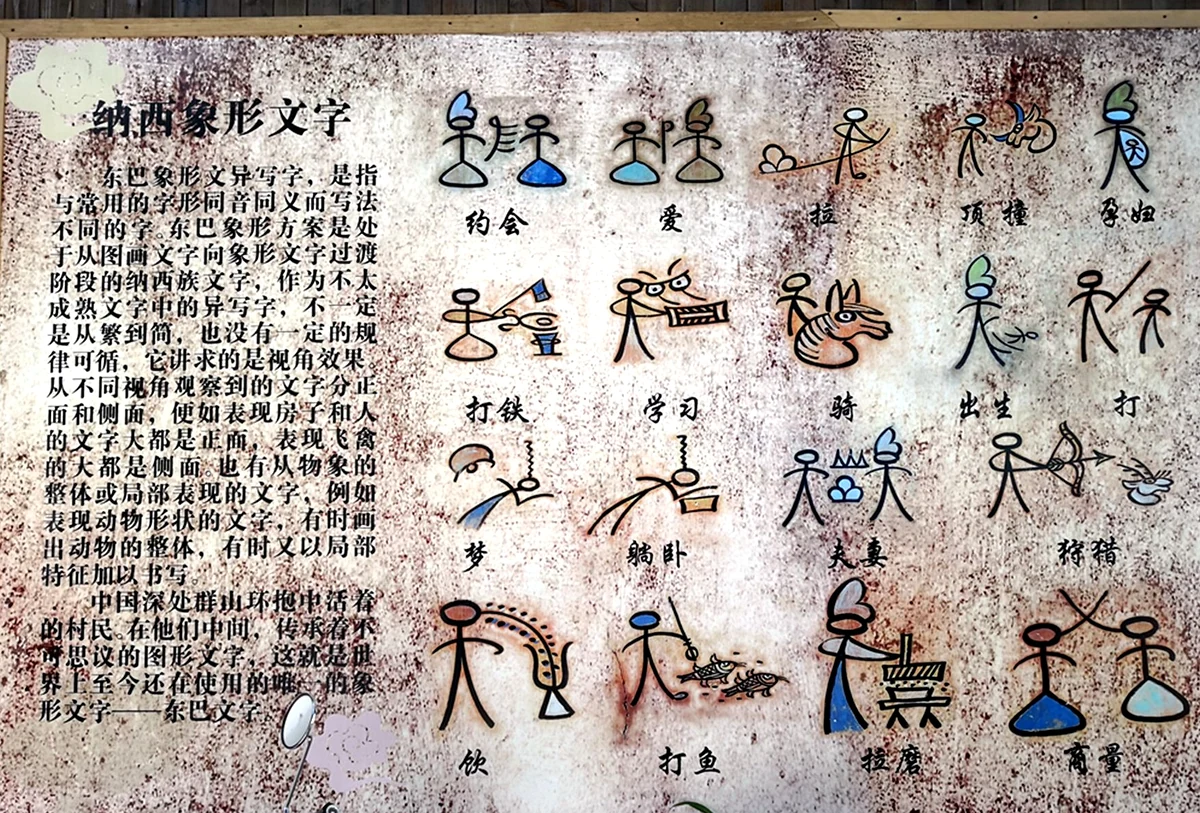
The customs and traditions of the Naxi people represent a rich cultural treasure. Most prominent is the Dongba pictographic writing system (东巴文), one of the few surviving ancient scripts still in use today, often dubbed the “living fossil” of human writing. Dongba script is used in scriptures and rituals of the Dongba religion—an indigenous belief system blending animism, ancestor worship, and slight Buddhist influences. Led by Dongba shamans, these rituals play a vital role in the spiritual life of the Naxi people, ranging from praying for rain and peace to conducting funeral rites. Traditional dances and the Naxi Ancient Music Orchestra, featuring unique instruments such as the guqin and pipa, are also an indispensable part of cultural life.
Another defining characteristic is the influence of matriarchy in traditional Naxi society, although it has diminished significantly in modern times. Naxi women traditionally assume key roles in the family and society, from managing finances to bearing heavy labor. This is reflected in their traditional attire, featuring cloaks and vests embroidered with the “seven stars” symbol on the shoulders, representing diligence and responsibility. Traditional festivals such as the Sanduo Festival (三多节) on the 8th day of the 2nd lunar month, which honors Lijiang’s patron deity, or the Torch Festival (火把节) in the 6th lunar month, featuring singing and dancing around bonfires, offer visitors wonderful opportunities to immerse themselves in a vibrant and colorful indigenous culture.
III. The Ultimate Scenic Wonders: Discovering Lijiang’s Iconic Landmarks
Lijiang is not merely an ancient town, but an entire complex of heritage and scenic wonders where every step unveils a story and a breathtaking landscape.
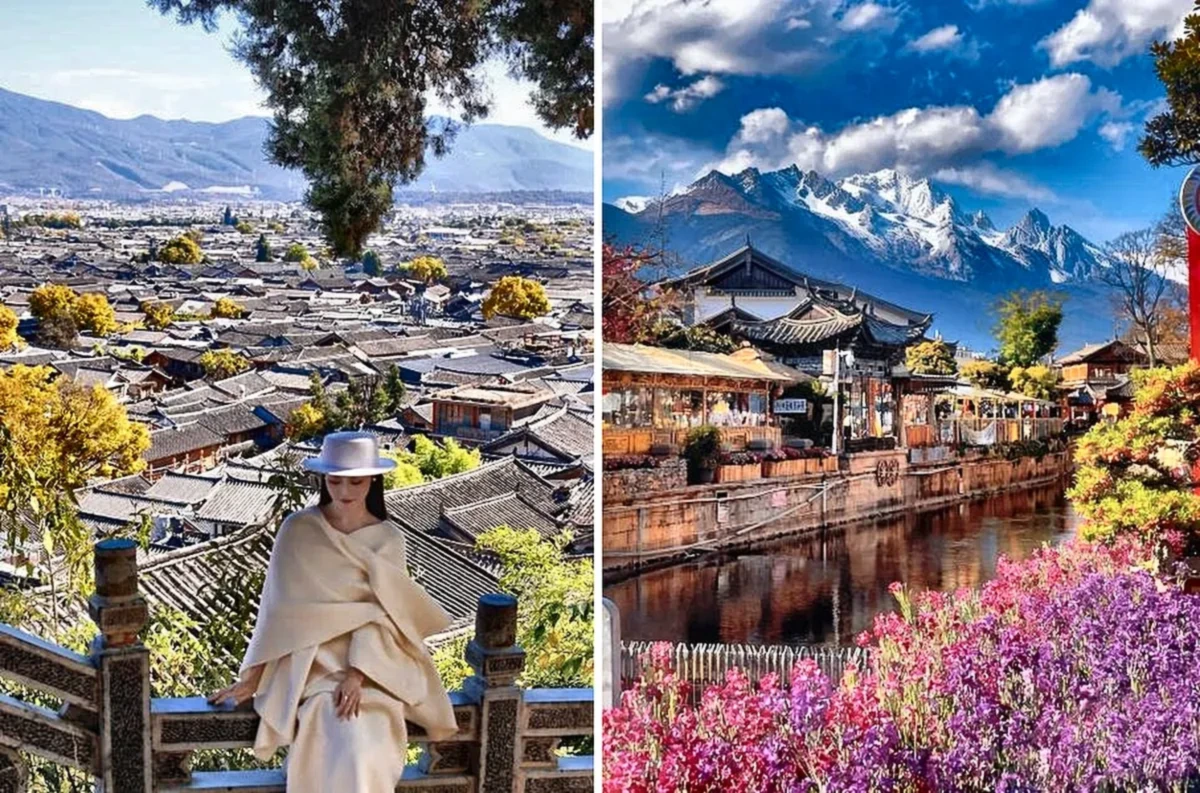
Dayan Ancient Town (Lijiang Old Town): This is the beating heart and soul of Lijiang. The ancient town has no city walls; instead, meandering canals fed by Jade Dragon Snow Mountain wind through every street and past every house. Over 350 stone and wooden bridges span the waterways, creating a unique network of land and water pathways. Visitors can stroll along ancient stone-paved paths, admire traditional wooden houses with moss-covered tile roofs, and marvel at exquisite wood carvings and romantic cascading wisteria vines. At the center of the town lies Sifang Street (Square Street), a wide-open space that once served as the busiest trading hub along the Ancient Tea Horse Road. Today, it remains a lively gathering spot for travelers and locals alike, hosting cultural activities—most notably traditional Naxi dances every evening. From the slopes leading up to Lion Hill, visitors can take in a panoramic view of the ancient town glowing under night lights, creating an unforgettable, magical scene. Do not miss the chance to visit traditional tea houses, savor local delicacies, and wander through unique handicraft shops.
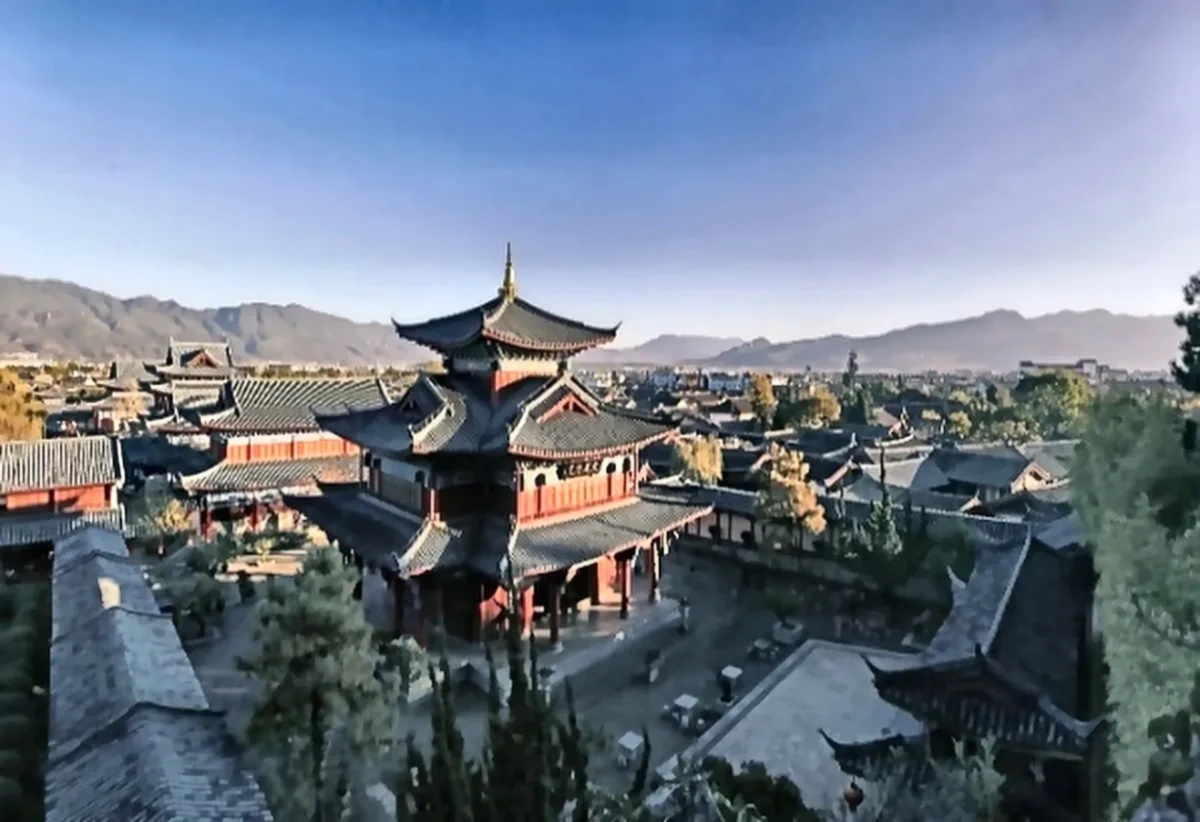
Mu’s Residence (Mu’s Mansion): Located in the southwestern part of Dayan Ancient Town, Mu’s Residence is a massive architectural complex often referred to as the “Forbidden City of Lijiang.” It served as the mansion and administrative headquarters of the Mu clan, powerful chieftains who ruled Lijiang for nearly 500 years. First built during the Ming Dynasty (1368-1644) and subjected to numerous restorations and expansions, the residence is a stellar example of Naxi architecture blended with Han imperial palace styles. Spanning over 46 acres—including ancestral halls, reception rooms, libraries, gardens, and residential quarters—Mu’s Residence reflects the immense wealth and power of the Mu family. Exquisite dragon and phoenix carvings, upturned eaves, marble-paved courtyards, and tranquil koi ponds all exude a solemn, antique beauty. Exploring the residence allows visitors to dive deeper into the history of the Mu clan, their relationship with the imperial court, and their contributions to Lijiang’s cultural development. Notably, the story of why the clan did not build defensive walls around the town but instead surrounded it with a moat—modifying the Chinese character for wood (木) by adding a water radical (氵) to form the clan surname Mu (沐), thereby avoiding imperial suspicion—is a classic example of their wisdom and tact.
Jade Dragon Snow Mountain: Soaring to an altitude of over 5,596 meters above sea level, Jade Dragon Snow Mountain is the most sacred mountain to the Naxi people, often envisioned as a jade dragon soaring across a blue sky. Its highest peak is Shanzidou (扇子陡), but visitors can ascend to an altitude of 4,506 meters via a modern cable car system. The mountain boasts a diverse ecosystem, ranging from dense virgin forests at its base to permanent glaciers near the summit. Visitors can choose different cable car routes to explore various areas of the mountain, from Glacier Park to admire the glaciers, to Spruce Meadow (云杉坪) or Yak Meadow (牦牛坪) to enjoy lush pine forests and green alpine meadows. Reaching higher altitudes brings thin, chilly air, but the majestic scenery of snow-capped peaks and billowing sea clouds makes every effort worthwhile. This is not just a natural wonder, but a cultural and spiritual hub where legends and fairy tales of love, sacrifice, and the bravery of the Naxi people continue to be passed down through generations.
Blue Moon Valley (Lam Nguyệt Cốc): Located at the foot of Jade Dragon Snow Mountain, Blue Moon Valley is a stunning natural wonder with crystal-clear turquoise waters, resembling a vibrant green ribbon winding through the mountains and forests. The water’s unique hue results from the sedimentation of minerals such as copper carbonate and limestone flowing from the glacier. The valley is formed by a series of terraced lakes, small waterfalls, and pristine streams, all blending together to create a fairy-tale setting. Each lake possesses its own unique charm, from Yuye Lake and Jingtan Lake to Lanyue Lake and Tingtao Lake. Visitors can stroll along the scenic paths, admire the poetic landscape, or ride yak around the valley. Blue Moon Valley is a must-visit destination for photography enthusiasts and those seeking peace amidst majestic nature.
Impression Lijiang Show: This is an artistic masterpiece directed by Zhang Yimou, one of the most legendary names in Chinese cinema. Unlike indoor performances, Impression Lijiang is a spectacular outdoor show set against the natural backdrop of Jade Dragon Snow Mountain. The stage is set at an altitude of 3,100 meters, featuring over 500 artists from 10 local ethnic minorities, predominantly Naxi, Yi, Bai, and Tibetan. The performance grandly and emotionally recreates the culture, legends, customs, and living spirit of Yunnan’s ethnic minorities. From traditional dances and songs praising the snow-capped mountains to reenactments of the Ancient Tea Horse Road and tragic love stories, Impression Lijiang is not merely an artistic performance but a profound cultural experience that touches viewers’ hearts through its grandeur, authenticity, and respect for local heritage.
Shuhe Ancient Town (Cổ trấn Thúc Hà): If Dayan is a vibrant young woman, Shuhe (束河古镇) is a more reserved, graceful maiden. Located about 4 km north of Dayan, Shuhe is one of the oldest settlements of the Naxi people and an important stop along the Ancient Tea Horse Road. Recognized by UNESCO as part of the Lijiang World Heritage site, Shuhe carries an ancient beauty that is less commercialized than Dayan. It still preserves traditional architecture, clear water canals, small stone bridges, and peaceful wooden houses. Visitors can wander down quieter paths, visit traditional craft workshops—especially leather and silver smithing workshops. Shuhe’s Sifang Square is also a gathering spot, but on a smaller scale and with a more peaceful atmosphere. Shuhe is the ideal choice for those looking for a quiet, slow-paced space to feel the ancient rhythm of Lijiang, far away from the hustle and bustle of the center.
IV. Unique Culinary Culture: Regional Delicacies and Tea Ceremony / Banquet Customs
Lijiang’s culinary culture is a harmonious blend of Naxi, Han, Tibetan, and Bai flavors, creating a unique identity hard to find anywhere else. The dishes here make the most of fresh plateau ingredients, including clean vegetables, rare forest mushrooms, free-range livestock meat, and characteristic Yunnan spices. Flavors are typically bold, mildly spicy, and offer a delicate balance of sour, spicy, salty, and sweet elements.
Some must-try dishes when visiting Lijiang include:
Naxi Baba (纳西粑粑): A type of flatbread, either baked or pan-fried, which can be made savory or sweet. Savory flatbreads usually have a meat or vegetable filling, while sweet ones are filled with sugar or red bean paste. This is a popular street food, perfect for eating hot on chilly days.
Lijiang Cured Pork Ribs (丽江腊排骨): Pork marinated with salt and dried using traditional Naxi methods. This dish is often used in hotpots or steamed, delivering a rich, characteristically delicious flavor.
Black Goat Hotpot (黑山羊火锅): A famous Lijiang specialty. Black goats are raised on the mountain, yielding firm, lean meat. Black goat hotpot is typically simmered with various herbs, creating a nutritious and aromatic flavor. This is an ideal dish to keep the body warm in cold weather.
Yak Meat (牦牛肉): Yak is the signature animal of the Tibetan Plateau. Yak meat in Lijiang is prepared in various ways such as grilled, stewed, or made into sausage. Yak meat has a natural sweetness, is chewy, and is very nutritious.
Yunnan Rice Noodles (云南米线): Although a specialty of all Yunnan, Lijiang’s rice noodles still carry a distinct touch. The most famous is “crossing-the-bridge noodles” (过桥米线), an intricate dish with various fresh ingredients dipped into a bowl of piping hot broth. There are also mixed noodles and stir-fried noodles with local vegetables and meat.
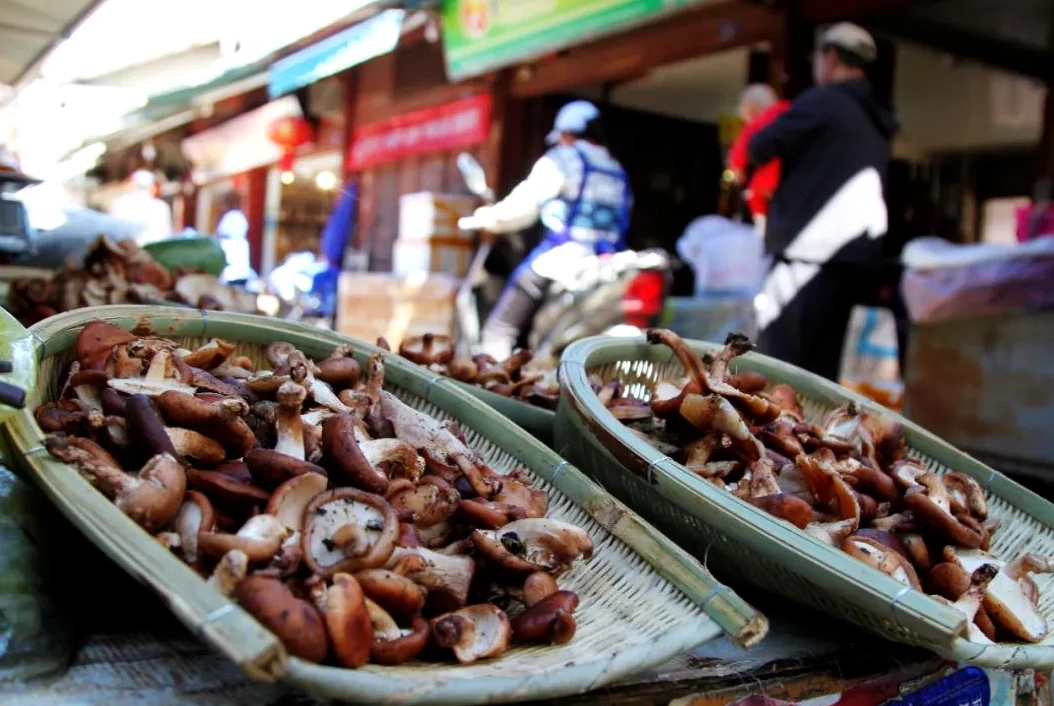
Wild Mushrooms (野生菌): Yunnan is the “mushroom kingdom” of China, and Lijiang is no exception. In summer and autumn, visitors can enjoy countless rare wild mushrooms such as matsutake (松茸), porcini (牛肝菌), and chicken mushrooms (鸡枞菌), prepared into stir-fried, grilled, or hotpot dishes, carrying the characteristic flavor of the mountains and forests.
Tea ceremony culture is also an indispensable part of Lijiang’s lifestyle. Located along the Ancient Tea Horse Road, tea has become a symbol of trade and cultural exchange. Pu-erh tea (普洱茶) from Yunnan is the most famous variety, naturally aged and fermented, offering a deep flavor and believed to offer numerous health benefits. The Naxi people also have their own indigenous teas and frequently host tea ceremonies—not just for enjoying tea, but also to socialize, converse, and share everyday stories. Teahouses in the ancient town are ideal places for travelers to sip a cup of hot tea, watch the passing crowd, and experience Lijiang’s slow-paced rhythm of life.
Banquets and communal dining customs also play a vital role during festivals or special events. When invited to a Naxi feast, travelers will experience warm hospitality and savor a variety of elaborately prepared traditional dishes. These feasts are often accompanied by traditional music and dances, creating a joyful, cozy, and highly communal atmosphere.
V. Modern Transportation Infrastructure and the Golden Seasons for Travel
Today, Lijiang is not merely a heritage destination but also a modern city with well-developed transport infrastructure, making it easily accessible for travelers. This development has made the journey to Lijiang more convenient than ever before.
Transportation Infrastructure:
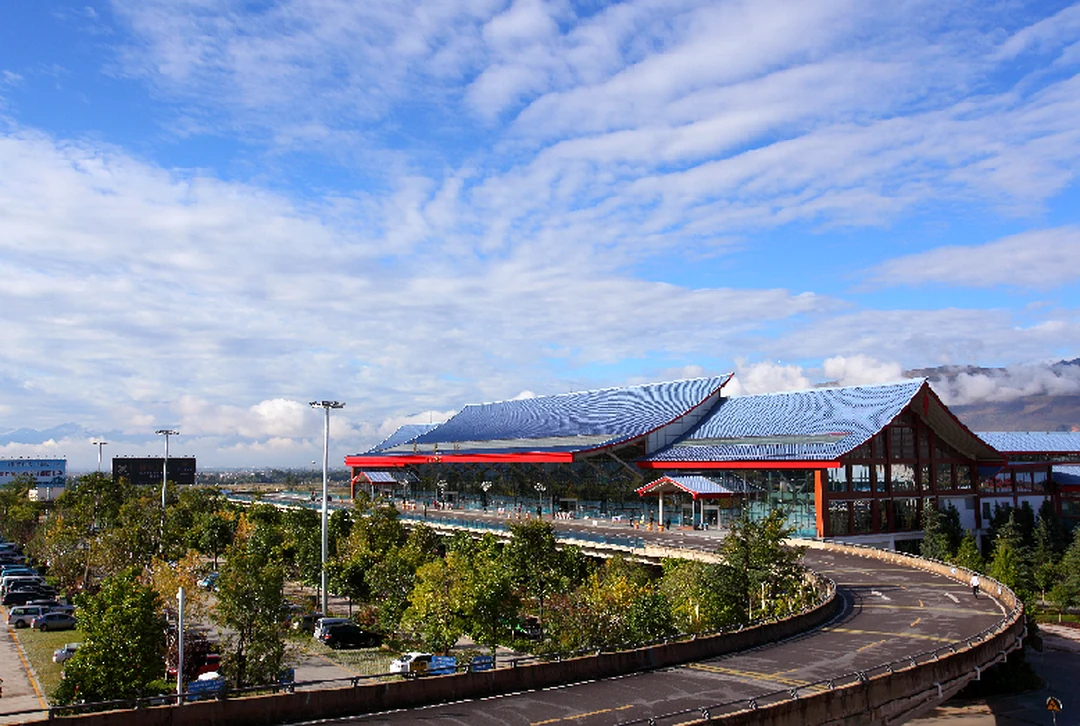
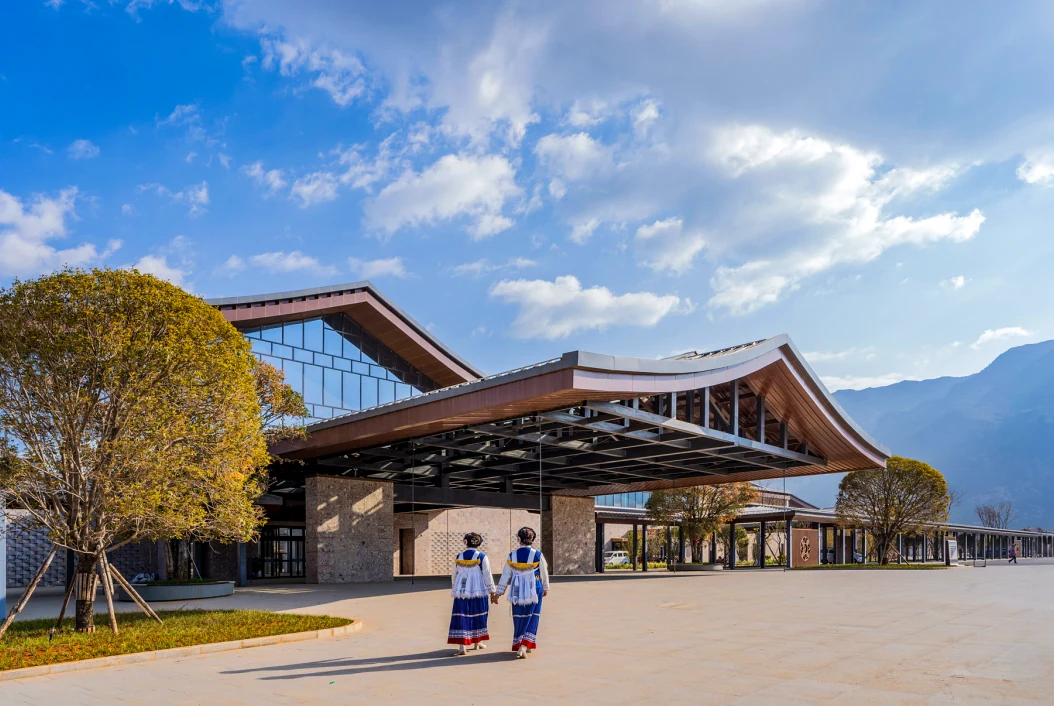
Lijiang Sanyi International Airport (LJG): This is Lijiang’s main aviation gateway, located about 28 km from the city center. The airport operates domestic flights connecting Lijiang with major Chinese cities such as Kunming, Chengdu, Chongqing, Xi’an, Beijing, Shanghai, and Guangzhou. Several international flights have also been established, facilitating international travelers. From the airport, visitors can easily travel to the city center by taxi or bus.
CRH High-Speed Train: The high-speed railway connecting Lijiang with other major cities in Yunnan, such as Kunming and Dali, has dramatically transformed the travel experience. From Kunming, travelers can take a high-speed train to Lijiang in just about 3 to 4 hours, compared to dozens of hours by car in the past. This journey is not only fast and convenient but also allows visitors to admire the stunning landscapes of the Yunnan countryside. Lijiang Railway Station is located not far from the ancient town, making transit to central areas effortless.
Road Network: Lijiang is connected to neighboring regions by a modern road network. Expressways and national highways allow travel by bus or private car to Dali, Shangri-La, and other destinations in the region. Although high-speed trains have become more popular, road travel still offers flexibility and opportunities to discover scenic views along the way.
The Golden Seasons for Travel: Lijiang enjoys a mild plateau climate with four distinct seasons, each bringing its own unique beauty and experiences tailored to every traveler’s preferences.

Spring (March – May): This is one of the best times to visit Lijiang. The climate is mild and pleasant, with average temperatures ranging from 10°C to 20°C. Nature awakens as countless flowers burst into vibrant bloom, especially cherry blossoms and camellias. The skies are usually clear and blue, making it ideal for viewing Jade Dragon Snow Mountain and the surrounding valleys. Travelers can comfortably stroll through the ancient town and participate in early-year traditional festivals without worrying about harsh sun or heavy rain. However, tourist numbers can be quite high during major holidays.
Summer (June – August): Summer in Lijiang is not as sweltering as the plains, with average temperatures around 18°C to 25°C. However, this is the rainy season in Yunnan, so sudden afternoon showers are common. Landscapes become lush and vibrant, and the valleys spring to life. This is an ideal time to explore forests and streams and enjoy specialty wild mushrooms. Visitors should bring umbrellas or raincoats along with a light jacket for the evenings. Tourist numbers are relatively high as this is the summer vacation season.
}
Autumn (September – November): Widely considered the “golden” time to visit Lijiang. The weather is cool and pleasant, with clear blue skies and warm sunshine. Temperatures range from 10°C to 20°C. This is the harvest season for fruit trees, and the landscape transforms into vibrant yellow and red hues of maple and ginkgo leaves, creating picturesque views. Humidity is low, rainfall is minimal, and visibility is excellent for admiring Jade Dragon Snow Mountain. Walking and nature-exploration activities are very popular. However, similar to spring, crowds can be large during China’s National Day holidays (early October).

Winter (December – February): Winter in Lijiang is quite cold and dry, with temperatures potentially dropping below 0°C, especially at night. However, daytime usually features warm sunshine and little rain. This is a wonderful time to admire Jade Dragon Snow Mountain covered in a thick layer of pure white snow. The ancient town becomes more peaceful with fewer visitors, offering a profound and authentic experience. Travelers should prepare warm coats, scarves, hats, gloves, and thermal shoes. This is also the time of the Lunar New Year, bringing a unique traditional festive atmosphere.
Regardless of the season you choose, Lijiang offers distinct experiences. The key is to prepare appropriate clothing and a ready-to-explore spirit.
VI. Pocket Field Guide for Vietnamese Travelers and the Companionship of VDS Travel
To make your journey to Lijiang complete and smooth, especially for Vietnamese travelers, careful preparation is extremely essential. With years of experience in the heritage tourism industry, VDS Travel is delighted to share these invaluable field insights.
Chinese Entry Visa: Vietnamese travelers need a visa to enter China. The visa application process can be complex and time-consuming, requiring various documents such as a passport, ID photos, invitation letter (if applicable), financial proof, and a detailed itinerary. VDS Travel provides consulting and support services throughout the document preparation and visa submission process, ensuring you can complete the procedures quickly and accurately. We will help you understand the appropriate visa types (e.g., L tourist visa), processing times, and specific requirements from the Chinese Embassy/Consulates in Vietnam.
Currency and Payment Methods: The official currency of China is the Renminbi (RMB or CNY). However, China is a pioneer in mobile payments. Applications such as Alipay (支付宝) and WeChat Pay (微信支付) have become the primary payment methods, even more popular than cash and credit cards. Most shops, restaurants, hotels, and even small street food stalls accept payments through these apps. Travelers should install and register an Alipay or WeChat Pay account before traveling, and link it with an international bank card (Visa/Mastercard) if available. Some travelers may encounter difficulties linking foreign cards, so VDS Travel will provide detailed guidance or alternative solutions to ensure you can always pay conveniently. Bringing a small amount of cash for emergencies or places that do not accept mobile payments is also a good idea, but do not carry too much.
Internet Connection (eSIM/SIM): To stay connected and use map, translation, and social media apps, having internet access is crucial. Buying an eSIM or physical SIM upon arrival at Lijiang airport or other major cities is a great option. VDS Travel can assist you in purchasing and activating an eSIM/SIM to ensure you stay connected at all times. Note that many Western apps like Google, Facebook, Instagram, WhatsApp… are blocked in China, so if you wish to access them, you need to install a VPN (Virtual Private Network) app before your trip.
Clothing and Luggage: Since Lijiang is located at a high altitude and has a seasonally variable climate, preparing suitable clothing is very important. Regardless of the season, you should bring a warm or windproof jacket, especially when visiting Jade Dragon Snow Mountain (temperatures at the summit are very low, even in summer). Layering is ideal, allowing you to easily adjust to daily temperature fluctuations. Bring comfortable, anti-slip walking shoes because you will be doing a lot of walking on ancient cobblestone streets. Don’t forget sunscreen, a hat, and sunglasses as the highland sun can be quite harsh. A personal water bottle to stay hydrated, especially to help prevent mild altitude sickness, is also a useful item.
VDS Travel – Your Trusted Companion: As a heritage and travel research specialist, VDS Travel is committed to bringing you a Lijiang trip that is not merely a sightseeing journey, but a deep and memorable cultural experience. We take pride in our team of experienced guides who have a profound understanding of the history, culture, and customs of Lijiang and Yunnan’s ethnic minorities. From detailed, meticulous itinerary planning tailored to each traveler’s preferences and budget, to arranging accommodations in boutique hotels or guesthouses rich in local style while ensuring modern amenities. We also offer unique dining experiences, introducing the region’s finest culinary delights, and organizing meetings with local artisans to take part in traditional cultural activities so you can truly immerse yourself in local life.
VDS Travel takes care of all cumbersome procedures from visas, flight tickets, domestic transportation by high-speed train or modern bus, while ensuring maximum safety and comfort for you throughout the trip. With 24/7 support, any questions or arising issues will be resolved promptly, allowing you to peacefully enjoy every moment in Lijiang. We believe that with the companionship of VDS Travel, you will not only discover the majestic beauty of Lijiang but also feel the depth of culture, history, and the hospitality of the local people, making every memory an unforgettable imprint in your mind.
Lijiang is not merely a destination, but an emotion, an experience that awakens all senses. Let VDS Travel join you in writing the most memorable pages of your travel diary in this quintessential heritage of Yunnan.
