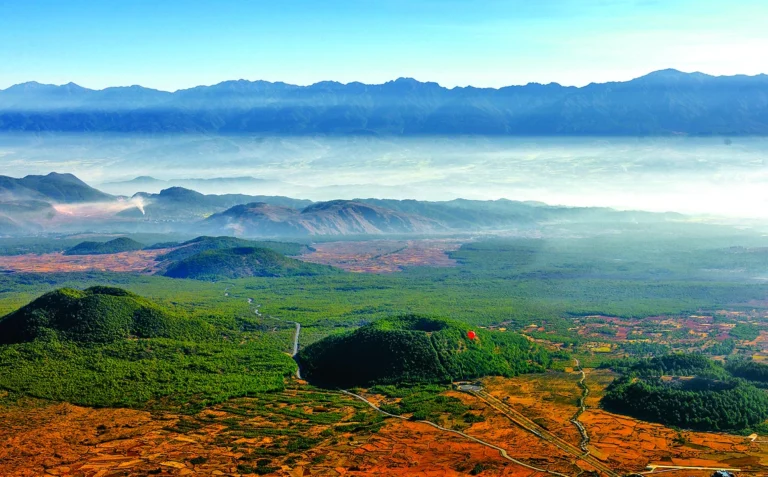
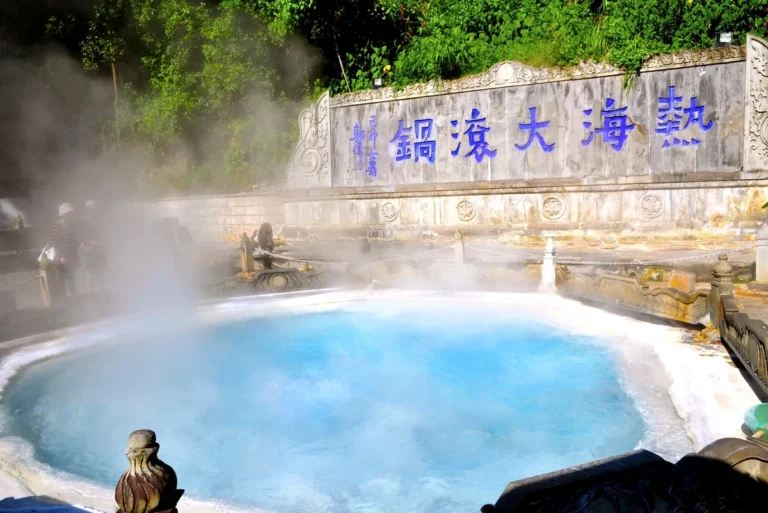
Across the breezy Yunnan Plateau, where rolling mountain ranges embrace fertile valleys, Shuhe Ancient Town emerges as a living history book carved in stone and water—a masterpiece of Naxi culture preserved across centuries. While bustling Dayan Ancient Town in Lijiang shines with bright lights and throngs of travelers, Shuhe possesses a much more subdued, solemn, and pristine beauty. For cultural geographers, it is far more than a stopover on an international tourist map; it is a living museum of traditional residential space, where human life blends harmoniously with crystal-clear underground springs originating from eternal glaciers.
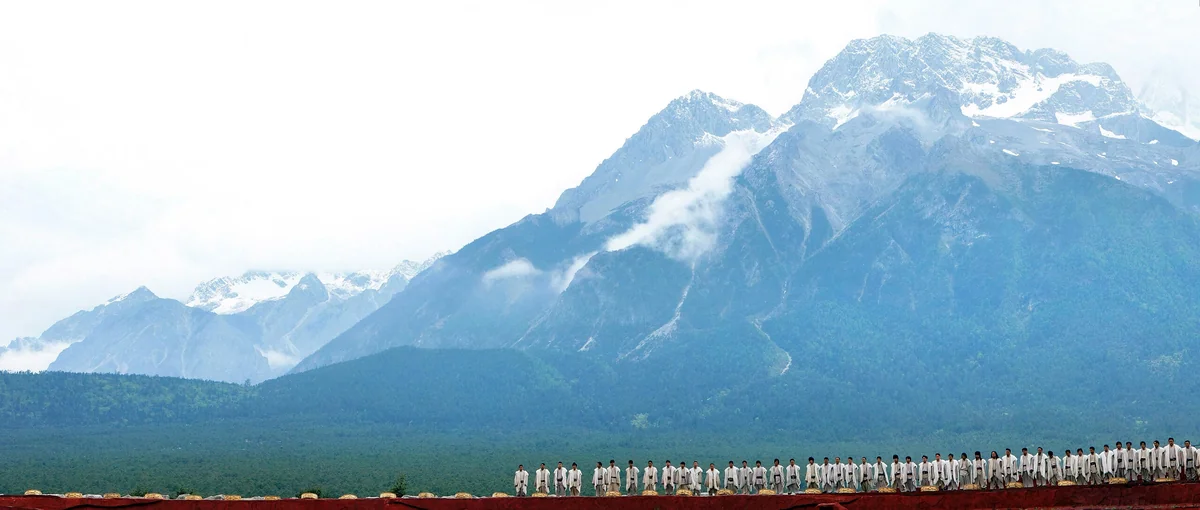
Geographically, Shuhe Ancient Town is situated at approximately 26 degrees North latitude and 100 degrees East longitude, lying a few kilometers northwest of downtown Lijiang. The ancient town occupies a strategic position directly at the foot of Jade Dragon Snow Mountain, the sacred peak capped with snow year-round. The local terrain features a classic highland valley profile sheltered by low surrounding hills, producing a temperate yet wonderfully fresh microclimate. Underground springs from the Jade Dragon peak, filtered through limestone strata, gush to the surface at Shuhe to form a dense hydrological network of hundreds of tiny streams flowing alongside alleys, supplying abundant fresh water for daily life and agriculture while imbuing every ancient courtyard with cooling vitality.

Serene atmosphere featuring centuries-old five-flower stone-paved lanes in Shuhe Ancient Town
The history of Shuhe is closely tied to the rise of the legendary Ancient Tea Horse Road, a transnational trade route connecting the Qinghai-Tibet Plateau with inland China and extending deep into South Asia. In the native Naxi language, Shuhe is called “Sha Village,” meaning the village at the foot of the high mountain. Since the era of the Mu clan chieftains who ruled Lijiang, Shuhe early on developed into an important handicraft center renowned above all for bronze craftsmanship and leather tanning. Naxi, Tibetan, and Han merchants once bustled through these quarters, turning narrow alleys into a busy commercial artery and leaving behind a rich multicultural heritage that retains its original ethnic identity.
The architectural foundation of Shuhe stands as an exemplary testament to Naxi traditional feng shui philosophy and building techniques, delicately blending Han Chinese style with Tibetan cultural influences. The entire ancient town is laid out in an open grid pattern oriented toward the central square known as Sifangjie, echoing the bustling commercial spaces of its golden era. Residences here are typically constructed as three-sided or four-sided courtyard dwellings, utilizing native pine timber, raw brick, and blue granite flagstones smoothed by time. The standout feature of Shuhe architecture is its intricately carved wooden beams adorned with symbolic motifs such as drifting clouds, birds, and floral patterns, reflecting an indigenous worldview deeply attuned to nature.

Crystal-clear canals originating from the Jiuding Longtan underground spring winding through the ancient town
The historical imprint of Shuhe Ancient Town is further etched into every polished five-flower paving stone where caravans of Naxi, Tibetan, and Han merchants once rested before crossing the treacherous snow-covered mountain passes of the Hengduan Mountains. The unique “Three-Eye Well” (three interconnected wells) water management system in Shuhe is a brilliant hydraulic engineering innovation of the ancients: the uppermost well is reserved for drinking water, the second for washing vegetables and daily chores, and the third dedicated entirely to laundry and cleaning. Harmonious village planning that relies upon the snow mountain’s water source, combined with the nature-revering philosophy of the indigenous Dongba religion, has allowed Shuhe to preserve the authentic soul of the oldest trading post along the Tea Horse Road, offering travelers a tranquil haven completely detached from modern noise.
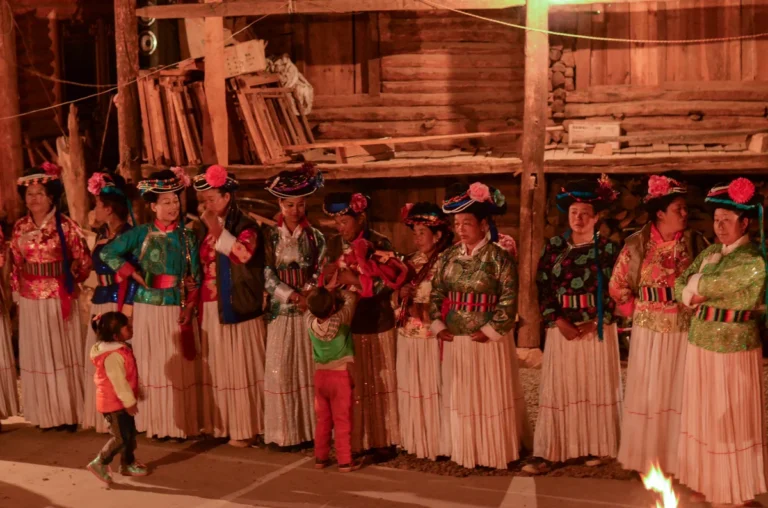
The spiritual life of Shuhe residents represents a rich fusion of Esoteric Buddhism, Taoism, and the indigenous Dongba religion of the Naxi people. Ancient temples such as Jiuding Longmen and Longquan Temple stand beneath centuries-old shade trees where locals come to offer incense and pray for favorable weather and family peace. In particular, the system of canals flowing before every doorstep serves not only practical daily needs, but also holds deep spiritual significance as a symbol of circulating vital energy. The Naxi people here continue to preserve their native language, traditional attire, and ancient musical melodies performed on homemade instruments, offering visitors a rare opportunity to touch a culture unspoiled by modernization.
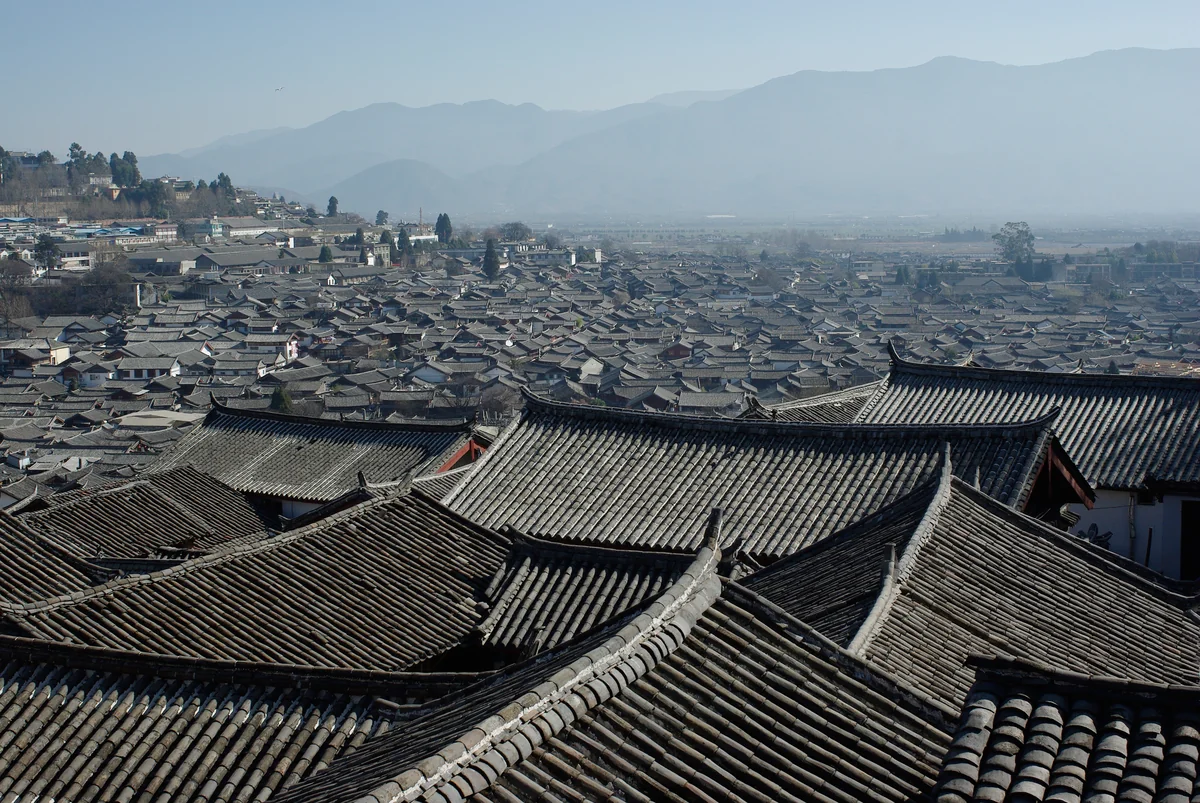
Traditional three-bay timber architecture with a single screen wall belonging to the Naxi people along the Tea Horse Road
To fully appreciate the beauty of Shuhe, timing your visit is essential. Spring from March to May brings fresh, crisp air as wildflowers bloom across hillside slopes while Jade Dragon peak retains traces of pristine white snow, creating a picturesque scene reminiscent of a painting. Autumn from September to November welcomes travelers with warm golden sunlight, brilliant blue skies, and highly comfortable temperatures ideal for strolling through every corner of the ancient town. Although winter brings highland cold, visitors are rewarded with breathtaking views of snow-draped mossy tile roofs, offering a quiet, deeply magical experience.
Exploring Shuhe calls for a leisurely pace and comfortable footwear to stroll across flagstones polished by time. Every journey begins at Jiulong Bridge, an ancient stone bridge spanning the murmuring Qinglong River, where visitors can take in panoramic views of cool streams flowing past weeping willows. Deeper inside narrow alleys, travelers discover traditional artisan workshops where masters hammer copper sheets or craft leather goods using time-honored methods. Rustic cafes tucked behind vibrant flowering vines provide the perfect spot to sip rich Pu’er tea, read a book, or watch clouds drift lazily over the majestic Jade Dragon Snow Mountain.
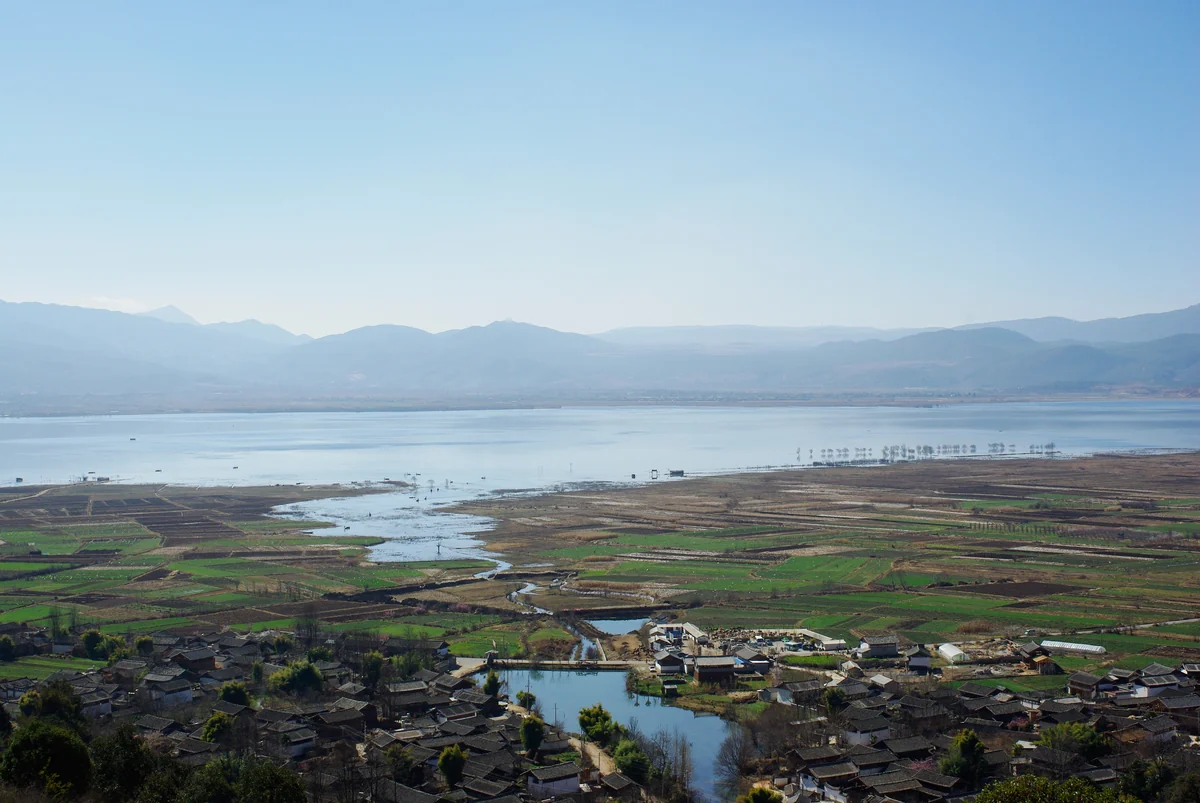
Ancient Qinglong stone bridge spanning a crystal-clear stream lined with weeping willows
Shuhe’s gastronomy is a delicate fusion of Yunnan mountain flavors and Naxi culinary traditions. Iconic dishes not to be missed include Yak beef hotpot or black chicken soup simmered with rare wild mushrooms harvested directly from the slopes of Jade Dragon Mountain, offering natural sweetness and nourishment. Rose pastries fragrant with butter and fresh flower petals, or crispy fried stinky tofu served with spicy local dipping sauce, add delightful highlights to the culinary tapestry. Additionally, Tibetan butter tea and handmade glutinous rice wine are traditional beverages that warm the body against highland chills, leaving an unforgettable aftertaste for any discerning foodie.
Traveling to a world cultural heritage site like Shuhe demands sensitivity and deep respect for local traditions. Visitors should dress modestly and respectfully when entering sacred spaces or ancient temples. Maintaining public cleanliness and refraining from littering in the canal network—which serves as drinking water for residents—is an absolute rule to be strictly observed. When photographing local residents, especially elders in traditional attire, asking permission with a friendly smile shows basic courtesy. Finally, prepare for the high altitude of the Yunnan Plateau by moving slowly, staying hydrated, and keeping an open mind to welcome the delightful surprises Shuhe has to offer.
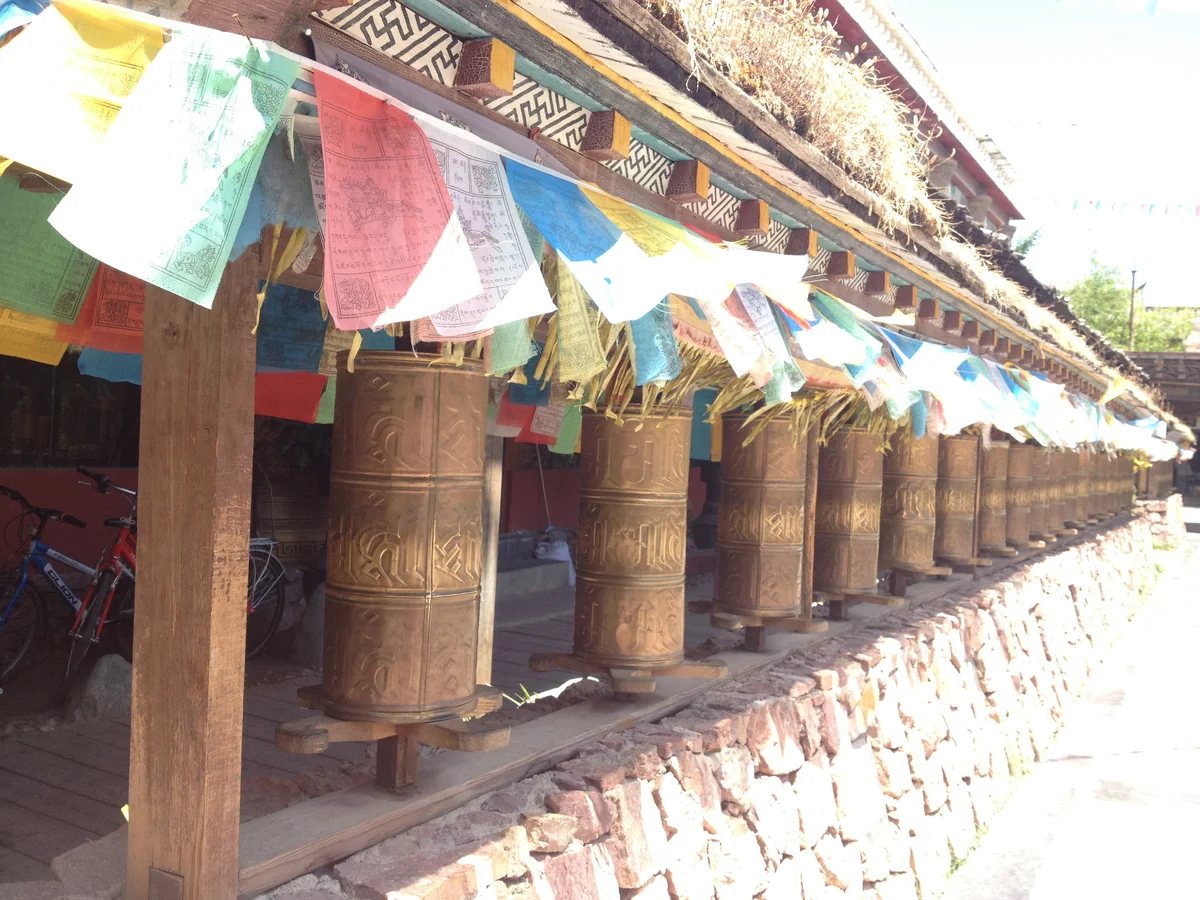
Peaceful lifestyle and rustic tea house ambiance along the stream in Shuhe Ancient Town
Beneath the soaring Jade Dragon Snow Mountain, daily life in Shuhe Ancient Town flows as peacefully as it did centuries ago, when the sound of caravan bells along the Tea Horse Road mingled with the murmurs of Jiuding Longtan. Every alley shaded by weeping willows and every rustic tea house beside Qinglong Bridge offers travelers a rare sense of tranquility.
Explore the full understated beauty of Shuhe and the rhythm of the Yunnan Plateau through the journey Yunnan Tour: Kunming – Lijiang – Shangri-La or discover more travel guides on the specialized page Yunnan Travel Experience.