





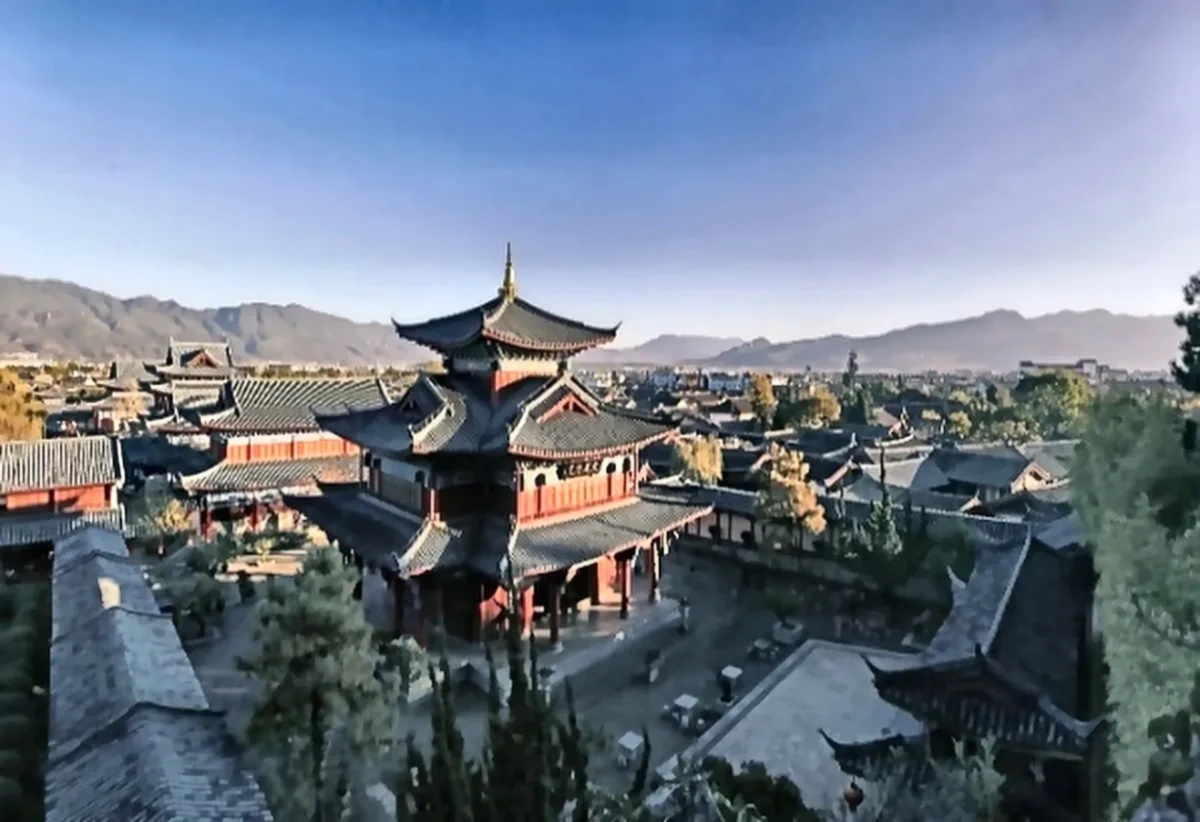
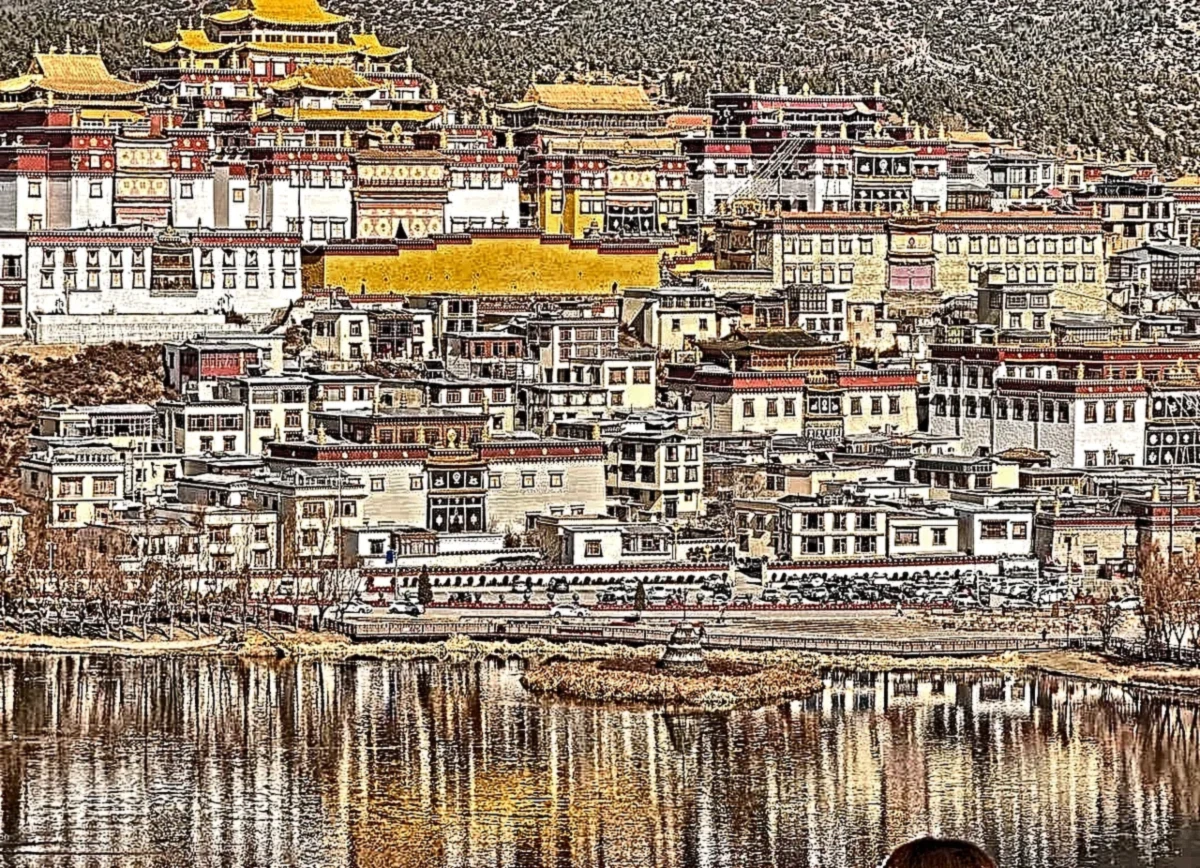


Journeying back in time to Dali’s golden chronicles, we cannot fail to mention the Nanzhao Kingdom (南诏国) in the 7th century. This was a powerful state uniting ethnic minority tribes in Yunnan, establishing an independent empire standing firm against Tang Dynasty expansion. Nanzhao’s capital, though not entirely present-day Dali Ancient Town, laid the foundation for the urban and cultural development of this land. Architecture, art, and Buddhism flourished under the Nanzhao Dynasty, deeply influenced by Han, Tibetan, and Indian cultures. Following Nanzhao’s decline, the Dali Kingdom (大理国) arose in 937, inheriting and promoting the previous dynasty’s quintessence. The Dali Kingdom lasted nearly 300 years, ranking among the most devout Buddhist nations in Asian history, with many monarchs even abdicating to enter monastic life. During this very era, Dali reached its peak in architecture, sculpture, and especially pagoda-building art, with the magnificent Three Pagodas of Chongsheng Temple as its enduring testament. The fall of Dali in 1253 beneath the Mongol hooves of Kublai Khan closed a glorious chapter, yet the cultural and architectural heritage left behind lives on, shaping the unique identity of this land. Even though Dali subsequently became part of Chinese feudal dynasties, local identity—especially the culture of the Bai people—was strongly preserved and promoted, creating a rare cultural diversity.
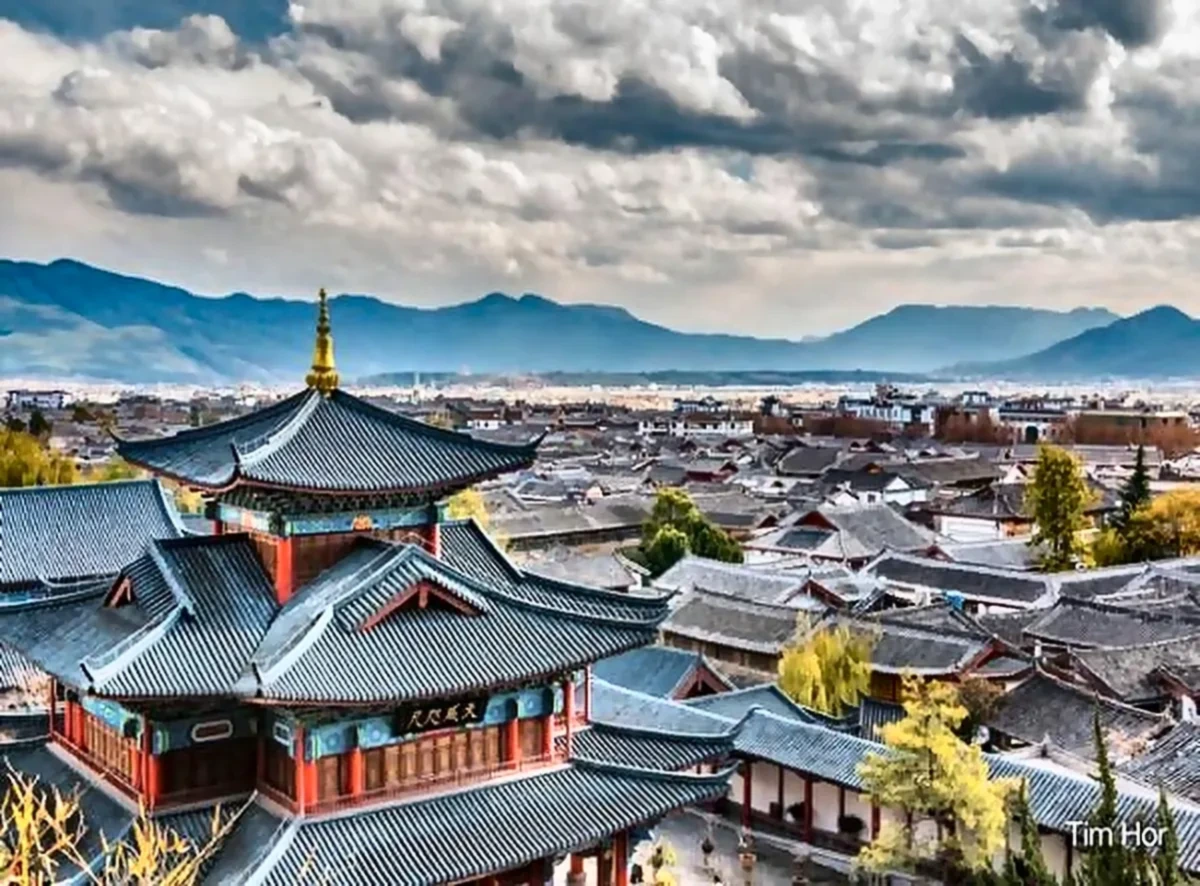
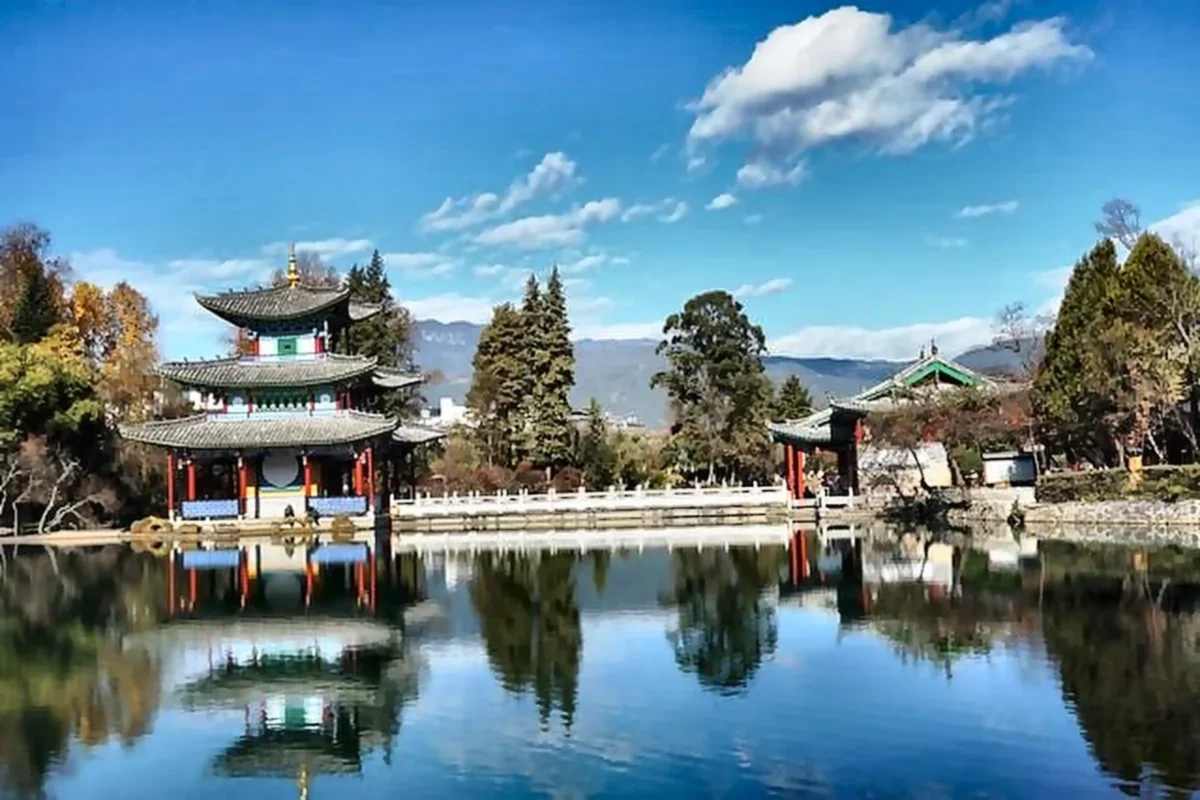
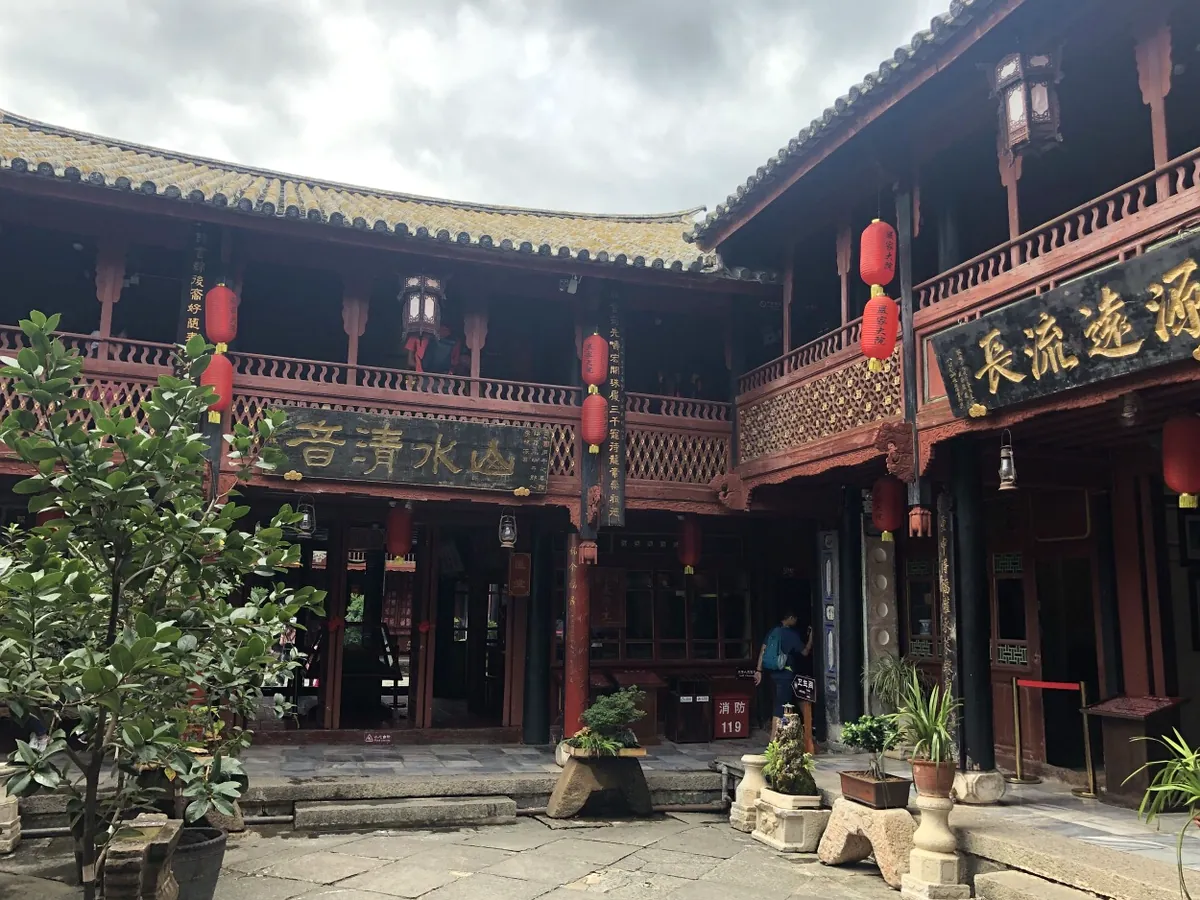
Stepping across the threshold of space and time, Dali’s ancient town/urban landscape emerges as a living museum where every brick and tile tells a story. Dali Ancient Town, originally named “Zicheng” (紫城), was built during the Ming Dynasty and restored and expanded under the Qing, carrying the distinctive architectural style of the Bai people. Homes feature upturned tile eaves and whitewashed blue-stone walls decorated with exquisite wood carvings and brightly colored murals, reflecting rich cultural exchange. The rectangular ancient town layout features four main gates facing four directions, symbolizing balance and harmony with the universe. Within the town, winding cobblestone streets, ancient teahouses, and bustling handicraft shops all evoke a peaceful, nostalgic atmosphere. Though not recognized as a UNESCO World Heritage Site like Fenghuang Ancient Town or Lijiang Ancient Town, Dali Ancient Town possesses equally vital historical and cultural value, standing as a living testament to the evolution of a traditional ancient city in Yunnan. It is a colossal intangible cultural heritage preserved through the lifestyle, customs, and practices of indigenous residents.
Dali’s indigenous customs form a colorful tapestry of Bai culture. The Bai people are renowned for hospitality and rich traditional rituals. Their attire is brilliantly colorful, featuring exquisitely embroidered jackets and elaborate headwear reflecting aesthetic taste and craftsmanship. The most important Bai festival is the Sanyuejie Festival (三月街), taking place annually in the third lunar month, serving as a large-scale traditional multi-day market where people from everywhere gather to socialize, trade, and participate in cultural and sports activities. This is a wonderful opportunity for travelers to immerse themselves in the vibrant festive atmosphere, admire traditional dances, listen to folk love songs, and savor unique dishes. Another equally fascinating custom is the ritual of drinking Three-Course Tea (三道茶 – San Dao Cha), a tea ceremony comprising three flavors: bitter, sweet, and lingering aftertaste. These three tea flavors symbolize life (bitter beginning, sweet middle, deep lingering finish) while serving as a way for the Bai people to express hospitality and philosophy. Each cup of tea is a story, an invitation to explore the cultural depth of a proud ethnic group.
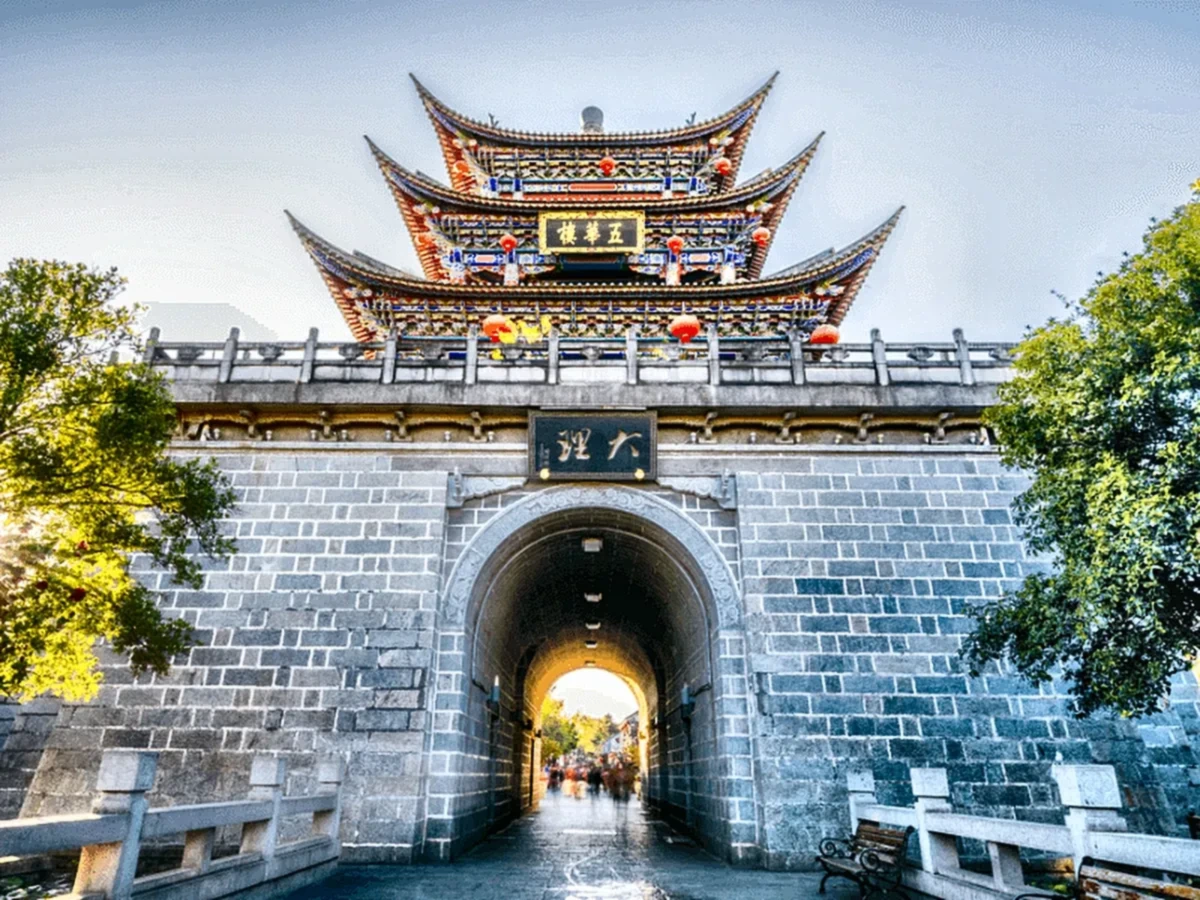
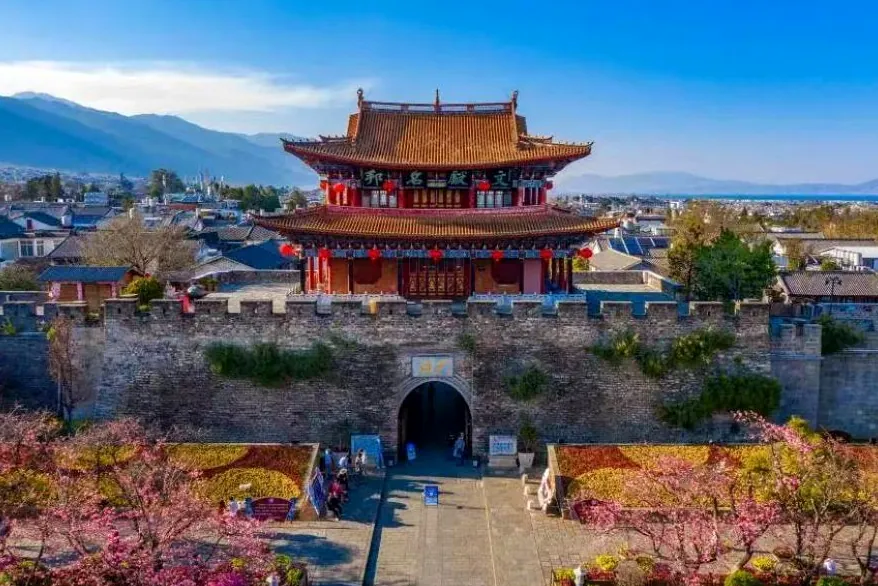
Dali’s peerless scenic wonders form the soul of this land, attracting countless footsteps of travelers from around the world. Let us review the exquisite marvels and timeless heritage that Dali proudly possesses. Dali Ancient Town is not merely a historical fortress but a vibrant cultural center. The moment you step through the majestic South Gate (Nam Môn), you feel the synthesis of ancient character and modern breath. Paved streets, curved-roof homes featuring characteristic Bai architecture, artistic cafes, and shops selling exquisite handicrafts all create a space that is simultaneously solemn and lively. In particular, bustling Fuxing Road (Phục Hưng Lộ) brims with appealing street food and unique souvenir shops. Strolling across Wuhualou Square, visitors can admire traditional artistic performances and experience the unhurried yet meaningful daily rhythm of locals.
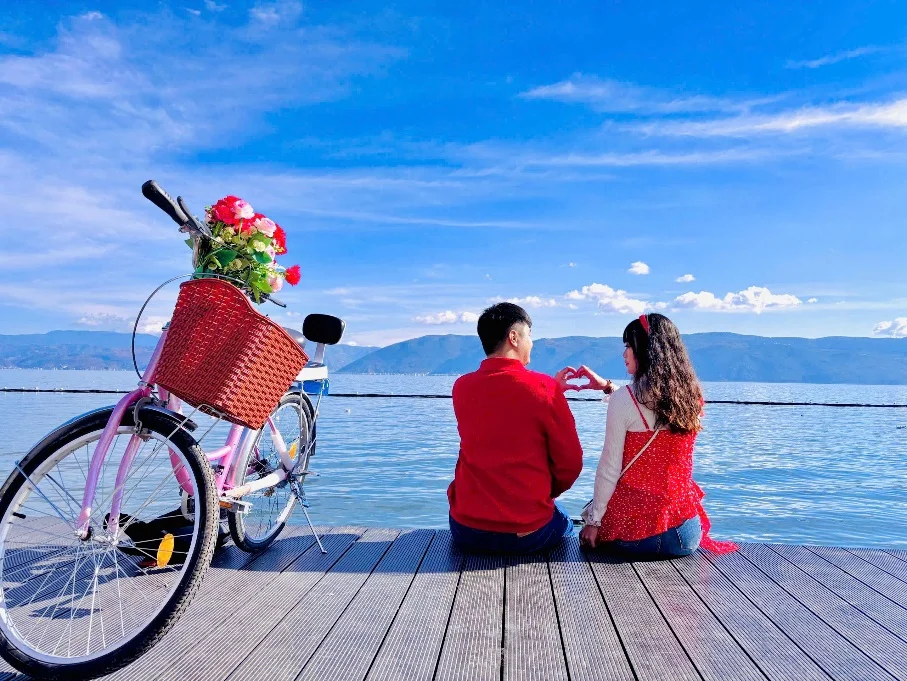
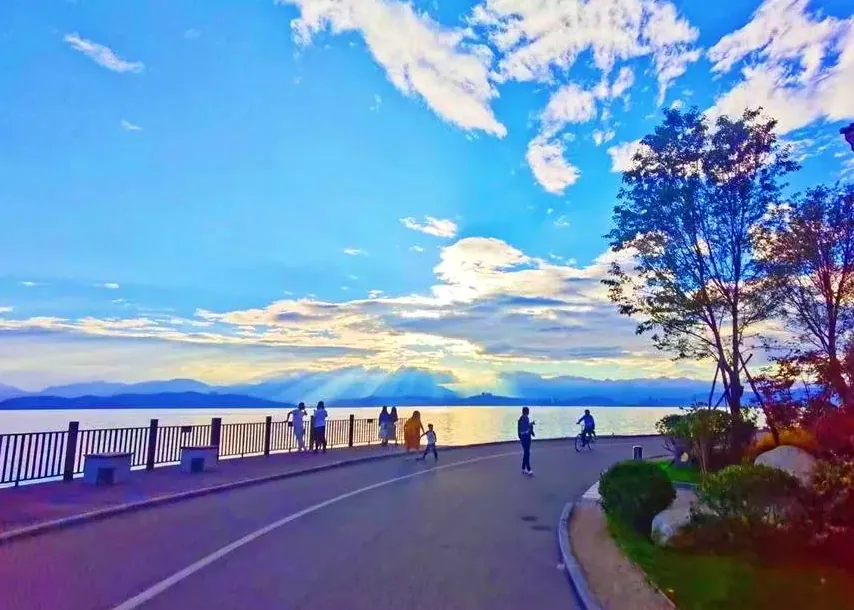
Continuing the ancient town’s beauty is the dreamy Erhai Lake Ecological Corridor. Erhai Lake is likened to a jade gem of the Yunnan Plateau, featuring crystal-blue waters reflecting the sky and majestic Cangshan peaks. The lakeside ecological corridor spans roughly 130 km, a masterpiece of harmony between nature and humanity. Travelers can rent bicycles, electric carts, or motorbikes to meander along this path, enjoying fresh air, lush green rice fields, peaceful small villages, and poetic pebble beaches. Every bend and viewing angle reveals a novel, stunning panorama, especially at sunrise or sunset when sunlight dyes the lake red, creating an enchanting, unforgettable tableau. Cruising on the lake is also an exceptional choice, allowing visitors to admire the panoramic lake views, visit small islands and lakeside fishing villages, and discover the simple lives of Bai fishermen.
An architectural and spiritual icon not to be missed is the Three Pagodas of Chongsheng Temple (崇圣寺三塔). Built in the 9th and 10th centuries during the Nanzhao and Dali Kingdoms, these three pagodas are a Buddhist architectural feat featuring a unique style combining Chinese architecture with Indian influences. The main Qianxun Pagoda stands 69.6 meters tall with 16 square tiers rising into the blue sky, flanked by two smaller pagodas creating a harmonious, solemn composition. The Three Pagodas are not only ancient architectural structures but symbols of resilience, surviving countless natural disasters and earthquakes over millennia while witnessing historical vicissitudes. Behind the Three Pagodas lies Chongsheng Temple, a massive Buddhist architectural complex housing many shrines, Buddha statues, and auxiliary structures preserving precious scriptures and relics. Here, visitors not only admire architectural beauty but feel the quiet, peaceful serenity of a spiritual sanctuary for meditation and self-discovery.
Alongside artificial creations, Dali’s nature also forges majestic wonders, most prominently Cangshan Mountain. With 19 towering peaks capped in snow year-round, Cangshan serves as an important freshwater source and a natural wall protecting Dali. Modern cable cars lift visitors high, opening a breathtaking panoramic view down toward Erhai Lake and the entire city. On the mountain, numerous hiking trails wind through pine and rhododendron forests alongside crystal streams, offering a challenging yet relaxing nature-exploration experience. From the top of Cangshan, visitors feel the majestic scale of earth and sky, breathe fresh air, and listen to birdsong amid vast wilderness. It is an ideal spot for hiking and trekking enthusiasts seeking peace in nature.
To understand Bai culture more deeply, we cannot overlook Xizhou Ancient Town (喜洲), located about 18km north of Dali Ancient Town on the western shore of Erhai Lake. Xizhou is among the best-preserved ancient towns in Dali, where visitors admire characteristic Bai courtyard homes featuring the “Three Courtyards and One Screen Wall” architecture (three opposing houses facing a wind-shield wall), with pristine white walls decorated with exquisite landscapes. Xizhou was a bustling trade center under the Ming and Qing dynasties, producing many wealthy and influential merchants. In Xizhou, visitors learn Bai customs through traditional art performances, handicraft classes, and particularly tasting delicious traditional pastries. Cycling through green rice fields surrounding Xizhou, breathing earthy scents, and enjoying rural peace is a truly worthwhile experience returning us to core life values.
An emerging destination breathing modern spirit while harmonizing with Dali’s natural landscape is Dali Santorini Town. Inspired by Greece’s famous Santorini island, this town is built with pristine white houses and blue domes sloping down hillslopes facing Erhai Lake. Though a novel artificial creation, Dali Santorini has quickly become a “photo sanctuary” with stunning photo angles, evoking a romantic Mediterranean escape. From here, visitors overlook vast Erhai Lake, especially at sunset when late-day sunbeams spill across the water, creating a breathtaking, intensely romantic scene. This is an exciting highlight combining Dali’s ancient beauty with unique modern architecture to satisfy diverse visitor preferences.
The exploration of Dali remains incomplete without experiencing unique culinary culture, regional flavor quintessence, tea ceremonies, and banquets here. Dali cuisine blends Bai flavors with Yunnan culinary influences and hints from other ethnic minorities. The foundation of Dali cuisine is the freshness of local ingredients, from Cangshan mountain vegetables to Erhai fish and shrimp. Among the most famous dishes is Erhai Lake Sour and Sweet Fish (乳扇 – Erhai Lake Sour and Sweet Fish), featuring the clean sourness of rice vinegar, gentle sweetness of sugar, and tender, firm fresh fish carrying distinct lake flavors. Erkuai (饵块) is a rice-cake dish made from glutinous rice, grilled, fried, or stir-fried with vegetables and meat, serving as an appealing, filling street food. Additionally, Crossing-the-Bridge Rice Noodles (过桥米线 – Guoqiao Mixian), though originating in Kunming, is popular and beloved in Dali with unique local twists.
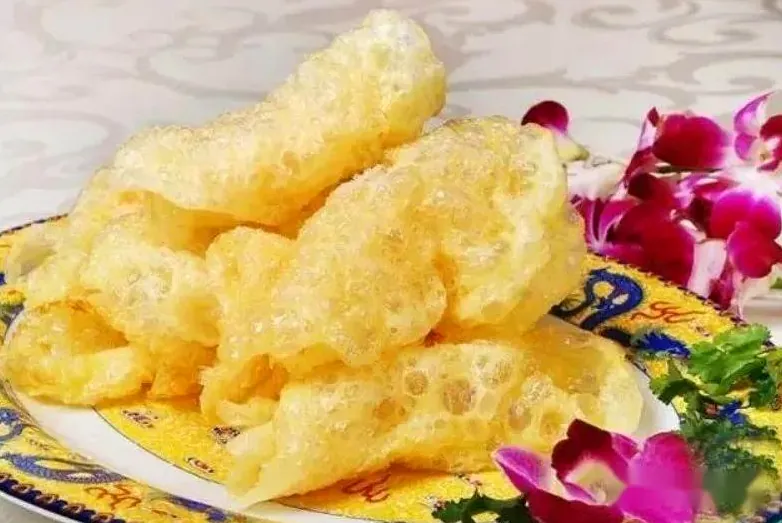
Another unique Bai dish is Milky Fan Cheese (乳扇 – Rǔshàn), a dairy cheese shaped like a fan, enjoyed raw, grilled, fried, or in soup. Its rich, chewy profile offers an unforgettable culinary experience. Yunnan Wild Mushroom Hot Pot is also unmissable, especially during the rainy season when fresh wild mushrooms are foraged from Cangshan Mountain. The rich hot pot broth flavor combined with diverse rare mushrooms satisfies even discerning diners. Furthermore, fresh tropical fruits like strawberries, peaches, plums, and crisp autumn persimmons form an integral part of Dali’s culinary experience.
Regarding tea ceremonies and banquets, as noted, Bai Three-Course Tea is a philosophical tea ritual. The first cup tastes bitter, symbolizing life’s hardships. The second cup tastes sweet, symbolizing achievements gained after adversity. The final cup carries a lingering aftertaste, symbolizing reflection and contemplation on life. Three-Course Tea is not merely a beverage but a living art, a way for the Bai people to convey cultural values and philosophy. During grand banquets, especially festivals or weddings, the Bai organize lavish feasts with dozens of traditional dishes, aromatic rice wine, and lively songs and dances. This is a wonderful chance for travelers to immerse in the vibrant atmosphere, savor delicious food, and understand local community culture.
Modern Dali preserves antiquity while strongly developing modern transport infrastructure, making access and exploration easier than ever. Dali Fenghua Airport (DLU) serves as the primary aviation gateway, connecting Dali with major Chinese cities including Kunming, Chengdu, Chongqing, Beijing, Shanghai, and Guangzhou. With convenient domestic flights, travelers easily reach Dali within hours. Furthermore, the advent of CRH high-speed trains has opened a new era for Dali tourism. The Kunming–Dali high-speed railway shortened travel time between the two cities to roughly 2 hours, down from 4–5 hours by car. High-speed rail is swift and comfortable while offering opportunities to view Yunnan’s stunning scenery through window frames. It is ideal for travelers wanting a comfortable, time-efficient journey. Interprovincial bus routes are also well-developed, linking Dali with neighboring destinations like Lijiang, Kunming, and Shangri-La.
Regarding the golden time to visit Dali, every season offers unique beauty and experiences, though generally Dali can be visited year-round.
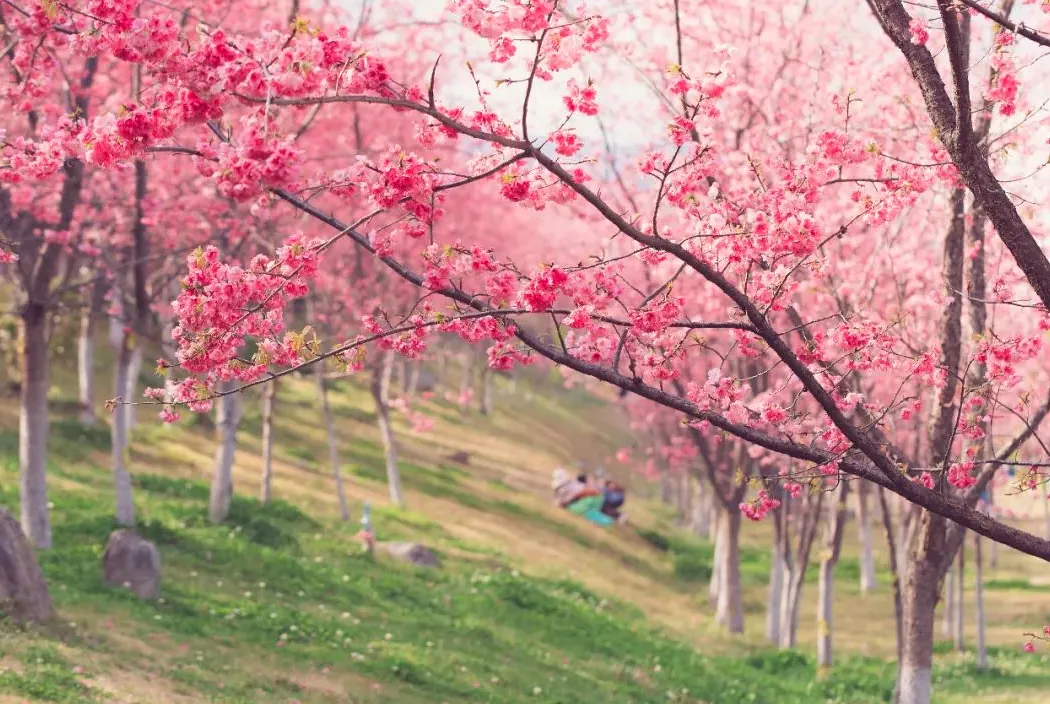
Spring (March – May) is ideal, featuring mild weather, warm sunshine, and blooming cherry blossoms, rapeseed flowers, and wildflowers everywhere, especially along Erhai Lake and Cangshan Mountain. This is also the season of the vibrant Bai Sanyuejie Festival.
Summer (June – August) features much cooler climates than other Chinese regions due to high altitude, making it an excellent summer escape. Landscapes are lush and green with abundant wild mushrooms, though occasional sudden showers bring mystical mist to scenery.
Autumn (September – November) brings crystal-clear blue skies, gentle golden sunshine, fresh air, and landscapes transforming with golden-red autumn foliage. This is also harvest season for specialty fruits like crisp persimmons, offering unique culinary experiences.
Winter (December – February) in Dali is not overly cold, often featuring bright sunshine. Notably, highest Cangshan peaks may see snowfall, creating an enchanting white wonderland. Erhai Lake in winter is calmer, dotted with migratory birds, offering tranquil, peaceful beauty. In summary, Dali offers pleasant climate year-round, allowing travelers to choose times suiting personal preferences.
For Vietnamese travelers, journeying to Dali brings convenience alongside a few pocket field tips for a smooth, memorable trip.
First, regarding visas: Vietnamese citizens require a China tourist visa. Visa applications can be processed at the Chinese Embassy or Consulates in Vietnam. VDS Travel can assist clients with documentation preparation and visa application filing to ensure smooth procedures.
Regarding currency: the official currency is the Chinese Yuan (CNY). However, China is a cashless payment pioneer. Apps like Alipay and WeChat Pay serve as primary exclusive payment methods everywhere from major stores to small street stalls. Vietnamese travelers should install and register Alipay or WeChat Pay accounts, linking international bank cards (if supported) or topping up via reputable money-exchange services. Carrying minor cash is necessary for emergencies or places rejecting electronic payment, but virtually all transactions run through e-wallets.
Regarding internet connectivity: maintaining communication and using translation and mapping apps makes an eSIM or China travel SIM essential. Note that Western apps like Google, Facebook, Instagram, and WhatsApp are blocked in China, requiring a VPN (Virtual Private Network) for access. VDS Travel recommends installing a VPN before departure and choosing eSIM/SIM plans supporting VPN to ensure uninterrupted connection.
Regarding attire: Dali has mild climate but temperatures fluctuate significantly between day and night, especially ascending Cangshan Mountain. In spring and autumn, pack light jackets and long-sleeve shirts. In summer, airy, breathable clothing is optimal, though a jacket for cool evenings is recommended. In winter, warm coats, thick jackets, and scarves keep you warm. Comfortable, walkable footwear is optimal, particularly exploring the ancient town, stone alleys, or walking lakeside. Don’t forget hats, sunglasses, and sunscreen, as Dali’s altitude causes strong UV rays. More importantly, for a profound heritage journey, an open mind ready to learn and immerse in local culture is your most precious luggage.
Across every journey exploring Dali, VDS Travel proudly stands as your reliable companion. With leading cultural, historical, and geographical tourism experts, we provide meticulously designed tour packages taking you to premier scenic spots while crafting unique, profound heritage experiences. VDS Travel deeply understands every historical corner and Bai custom, sharing scholarly insights so you not only see but feel and understand the soul of Dali. From administrative procedures, destination advice, optimal transport selection, to fine culinary experiences and detailed field guides, VDS Travel is committed to delivering comfortable, safe journeys intertwined with meaningful cultural adventures etched forever in your mind. Let VDS Travel give wings to your dream of exploring Dali, turning every moment in this magnificent city into an unforgettable memory—a heritage travel memoir etched forever in your heart.
