Rising majestically along the western shore of Erhai Lake, the Cangshan Mountain Range (苍山)—known in classical texts as Diancang Mountain (点苍山)—has been revered since antiquity as the stone backbone of the entire Dali Plain. Crowned by nineteen snow-dusted peaks perched along the edge of the Yunnan-Guizhou Plateau and laced with eighteen mountain streams cascading year-round, this imposing granite massif is far more than a geological marvel; it is a silent chronicler of rising and falling dynasties, historic upheavals, and some of the richest cultural heritage in Southwest China.
The earliest military and political imprints carved into the flanks of Diancang Mountain date back to the Nanzhao Kingdom (738–902 AD). Under the rule of Bai and Yi monarchs, Cangshan served as an impregnable natural rampart shielding the royal capital of Taihe City nestled at its foothills. Sheer vertical cliffs paired with the sheltered lakeside basin turned the range into a formidable strategic bastion, enabling Nanzhao to withstand invasions from powerful neighboring empires and flourish as a brilliant center of power on the southwestern frontier.
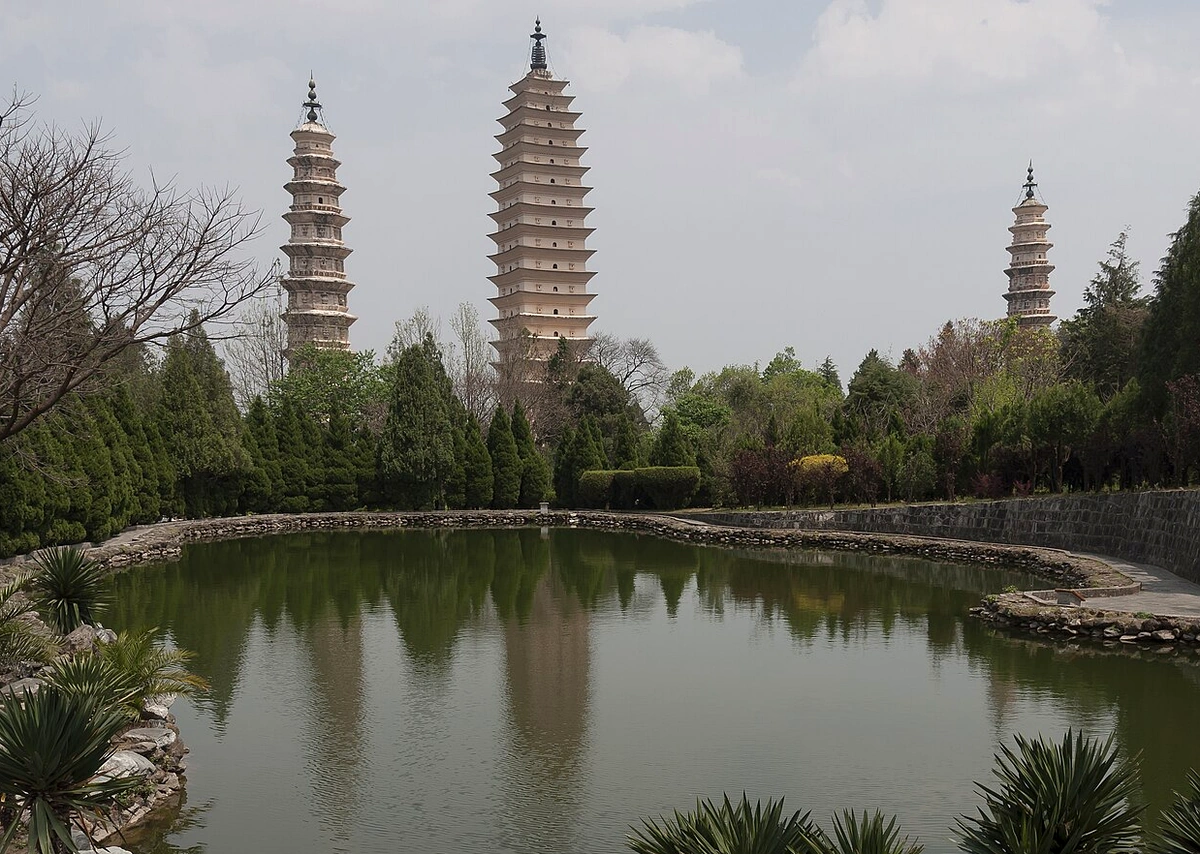
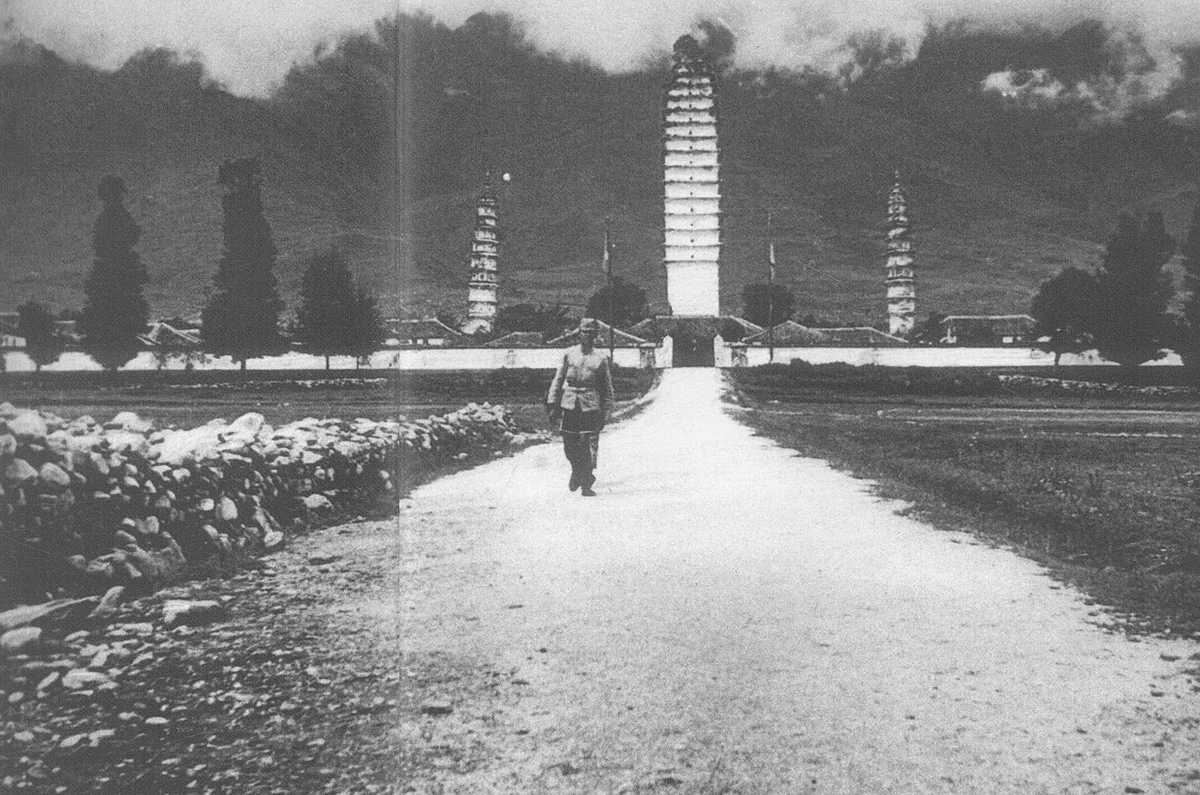
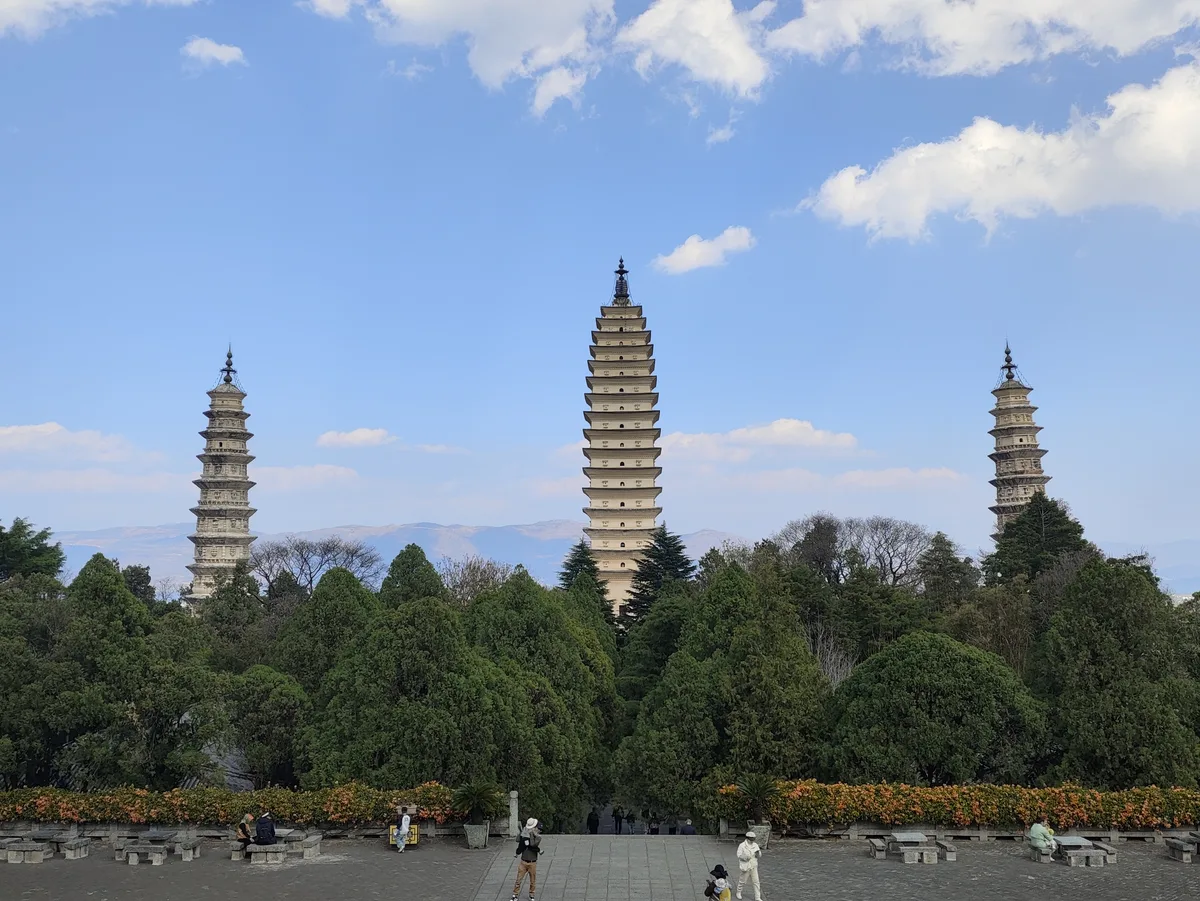
Entering the Dali Kingdom era (937–1253 AD), Cangshan’s character shifted dramatically from military stronghold to mystical spiritual sanctuary under the Duan royal clan, beginning with founding monarch Duan Siping. Deeply influenced by Esoteric Buddhism from Tibet and Yunnan, Duan Siping and his successors venerated Cangshan as sacred ground, bestowing upon it the imperial title “First Mountain of Yunnan.” At the foot of its towering granite cliffs rose magnificent Chongsheng Temple, whose iconic Three Pagodas pierced the sky as the supreme royal monastery—where several Dali emperors shed their imperial robes to spend their final years amid serene temple bells and drifting mountain clouds.
After Mongol cavalry swept across Dali and gave way to the Ming and Qing dynasties, Cangshan entered a new chapter defined by practical resourcefulness and overland commerce. Its vast upland forests became an imperial treasure trove supplying the distant court in Beijing with prized timber, rare medicinal herbs thriving above three thousand meters, and above all its world-famous marble—luminous white stone streaked with cloud-like ink veins forever known as “Dali Stone.” During the Ming Dynasty, famed geographer Xu Xiake left his footprints across Cangshan’s cliffs and gorges; his meticulous field journals celebrated the ethereal beauty of all nineteen peaks and turned the range into an enduring pilgrimage destination for scholars and poets across the realm.
In the modern era, Cangshan’s stately, timeless beauty transcended geographic borders to enter classic literature through the pen of martial arts master Jin Yong. In his celebrated wuxia epic *”Demi-Gods and Semi-Devils,”* the refined Kingdom of Dali and mist-shrouded Cangshan were immortalized in the hearts of millions of readers. The visual harmony between snow-crowned peaks and the vast sapphire expanse of Erhai Lake forged an enduring legend where worldly rivalries dissolve into the eternal stillness of sacred mountains.
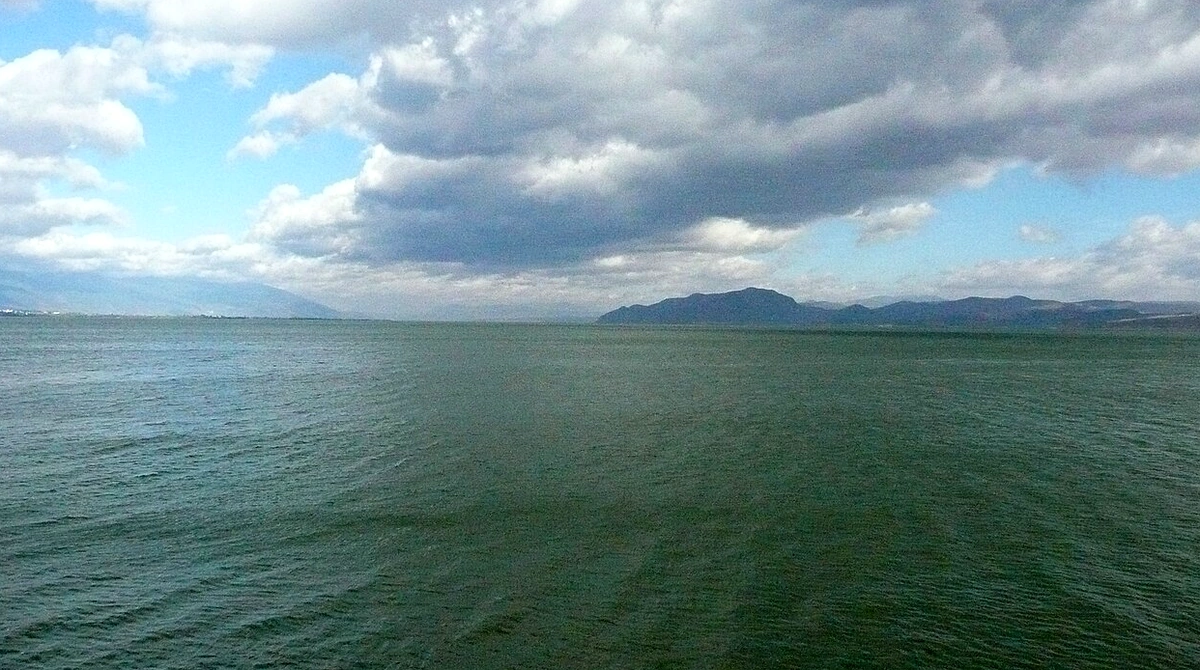
Standing sentinel across the Dali Bai Autonomous Prefecture in Yunnan Province, the Cangshan Range has been celebrated for millennia as the grandest protective screen in Southwest China. In traditional local geomancy, its terrain embodies the ideal “mountain-backed, water-facing” configuration—resting against the nineteen cloud-wrapped peaks of Diancang Mountain while gazing across the mirror-like waters of Erhai Lake. Like giant outstretched arms cradling a fertile basin, this natural topography turned the ancient capital of the Nanzhao and Dali kingdoms into a sheltered sanctuary shielded from plateau snowstorms and historical tempests.
Geologically, Cangshan stretches continuously along a north-south axis with a chain of nineteen dramatic peaks thrusting skyward like granite blades. Beginning at Yunlong Peak in the north, the ridge sweeps past Foding, Shengying, and Zhonghe peaks before culminating at Malong Peak at 4,122 meters above sea level. Alternating between these nineteen sky-piercing summits are eighteen crystal-clear mountain streams flowing year-round, carrying pure glacial meltwater through deep gorges—including Qingbi, Tao, and Mei streams—straight into Erhai Lake. This rhythmic alternation of towering peaks and water-gathering canyons forms a self-sustaining hydrological network that irrigates fertile Bai farmlands while moderating Dali Valley’s famously mild, spring-like microclimate.
Ascending into Cangshan’s highest ecological zones, the landscape transforms dramatically into an ancient Quaternary glacial realm. Resting at nearly 3,900 meters along the flank of Yuju and Malong peaks, Ximatan (Horse-Washing Pool) gleams like a hidden sapphire in a celestial sanctuary. Local legend recounts that Kublai Khan’s Mongol army paused here to rest and bathe their warhorses after crossing snowy passes during the campaign against Dali. Glassy and deep, this alpine glacial lake mirrors whispering ancient fir trees and wild rhododendron forests blazing red, gold, and white each spring—a realm of pure stillness far removed from the valley below.
To let travelers experience this geological masterpiece without disturbing its sacred terrain, generations of Dali residents carved the Jade Belt Cloud Trail (Yudai Yunyou Road), winding gracefully along the eastern slope at roughly 2,600 meters elevation. Stretching approximately 18 kilometers like a jade sash draped across mid-mountain cliffs, this flagstone footpath links storied temples and scenic gorges from Gantong Temple and Qingbi Gorge to Zhonghe Temple. Walking this cloud-kissed path, travelers hear rushing torrents echoing from deep ravines, breathe in crisp cypress fragrance carried on mountain mist, and gaze down over the neat grid of Dali Ancient City nestled beside turquoise Erhai Lake.
Through the lens of indigenous culture, Cangshan’s towering wall did more than shelter Dali Valley—it directly shaped the distinctive residential architecture of the Bai people. Over centuries of adapting to mountain winds and intense highland sunlight, Bai builders perfected their classic courtyard layout known as “Three Wings and One Screen Wall” (三坊一照壁). This harmonious arrangement places a dignified main hall flanked by two side wings around a serene skywell courtyard, anchored opposite the main hall by a gleaming whitewashed screen wall (“Zhaobi”). Beyond deflecting negative energy in feng shui, the white screen wall acts as a giant optical reflector—catching morning sunlight bouncing off Erhai Lake and diffusing warm illumination deep indoors while shielding the courtyard from brisk downdrafts sweeping out of Cangshan’s canyons.
This deep bond between Cangshan’s natural environment and human craftsmanship also shines through the use of local stone, with prized white marble quarried deep within the mountain serving as the soul of traditional architecture. Featuring natural ink-wash veining resembling classical landscape paintings, Dali marble was hand-dressed by local masons for column plinths, threshold steps, gate panels, and structural pillars. Strolling past century-old residences in historic villages such as Xizhou or lakeside Shuanglang, visitors see Cangshan marble gracing grand facades—its ivory sheen paired with intricate woodcarving and classical ink murals to create homes that are at once airy, scholarly, and resilient against earthquakes across the centuries.
Alongside heritage preservation, modern infrastructure on Cangshan demonstrates impressive engineering designed to carry visitors safely across distinct altitude ecosystems. Anchoring this network are three major cableways tailored to the mountain’s steep vertical tiers. Most dramatic is the Ximatan Cableway—among the longest and highest in Southwest China—ascending from the foothills above dense forests to 3,900 meters at the glacial alpine pool amid snowfields and drifting clouds. Meanwhile, the Gantong Cableway glides directly over the sheer granite chasm of Qingbi Stream, while the Zhonghe Temple Cableway whisks visitors up to tranquil monasteries clinging to forested slopes.
Uniting these high-altitude stations is the Jade Belt Pedestrian Trail, a masterfully paved stone walkway contoured along the mountainside at an average elevation of 2,600 meters. Winding for over a dozen kilometers through endless pine woods, this level stone path crosses nineteen ridges and eighteen deep stream gorges, hugging Cangshan’s waist like a ribbon of jade in the clouds. By keeping foot traffic on a defined stone corridor, the trail safeguards delicate alpine flora beneath the canopy while offering an uninterrupted panoramic balcony overlooking Erhai Lake and Dali Ancient City below.
As the setting sun slips behind Malong Peak above the 4,000-meter mark, Cangshan enters a magical twilight choreography matched by few places on earth. Across a dusk sky shifting from turquoise to deep violet, the famed meteorological phenomenon known as the “Jade Belt Cloud” materializes horizontally across the mid-slopes of all nineteen peaks. Smooth and luminous as a white silk sash, this hovering cloud band divides the quiet mortal valley below from the radiant plateau sky above. In that fleeting hour, low-angled sunset rays pierce humid mountain mist and strike the whitewashed “Zhaobi” screen walls of traditional Bai “Three Wings and One Screen Wall” courtyards—reflecting warm amber light across bluestone patios just before nightfall.
In stark contrast to bustling urban nightlife, evenings along Cangshan’s slopes radiate contemplative, hermit-like stillness. Cool night mist descends from old-growth forests carrying the crisp resinous scent of fir trees, wild rhododendrons, and the ceaseless murmur of eighteen pure streams. This unhurried rhythm has nurtured a signature wellness retreat culture where guests restore balance through sunset meditation or moonlit yoga suspended above the valley. At eco-retreats tucked discreetly into cliffside terrain, savoring the traditional Bai Three-Course Tea ceremony becomes a deeply reflective ritual—sipping slowly through “first bitter, second sweet, third lingering aftertaste” while watching the Milky Way shimmer across mirror-calm Erhai Lake.
Cangshan’s serene nightscape also provides an evocative canvas for contemporary visual art blending cutting-edge technology with a millennium of history. At cultural venues along the foothills, augmented and virtual reality installations awaken memories of the flourishing 8th-century Nanzhao Kingdom and the illustrious Dali Kingdom of the Duan dynasty. Under expert artistic direction, naturally veined slabs of Cangshan marble become monumental screens for 3D projection mapping—conjuring silver-armored cavalry, stately monarchs, and Esoteric Acarya monks emerging through drifting mist. Rather than intruding upon Cangshan’s primeval silence, thoughtful illumination honors the mountain’s spirit, bridging a glorious past with the living present on an enchanting highland night.
Cradled between the cloud-wrapped cliffs of Cangshan’s nineteen peaks and the ancient waters of Erhai Lake, Bai gastronomy weaves together highland forest bounty and abundant freshwater harvests. Leading Dali’s culinary map is steaming Erhai Lake Fish Hotpot (Erhai Yutangguo). For generations, lakeside fishermen at the foot of Cangshan have simmered freshly caught fish with sun-dried wild sour papaya, fiery Sichuan chilies, and velvety blocks of soft tofu. The bright, gentle acidity of wild papaya slowly infuses the broth, eliminating any trace of earthiness while elevating the natural sweetness of snow-white fish fillets into a vibrant crimson-amber soup that warms travelers on misty mountain evenings.
Leaving the calm lakeshore to climb into Cangshan’s dense old-growth woods, diners discover a second culinary treasure hailed as nature’s gift after summer rains: Cangshan Wild Mushroom Chicken Stew. From June through September, forest floors beneath ancient pines and firs awaken with dozens of prized wild mushrooms—foremost among them golden porcini prized for earthy richness and termite mushrooms (Jizong) prized for a crisp, sweet texture rivaling tender young chicken. Slow-simmered in unglazed clay pots over gentle heat, pure mushroom aroma melds with golden chicken broth to capture the wholesome essence of untamed mountains.
Wandering along bluestone lanes in ancient towns at the foot of Cangshan, the rich, milky aroma of Rushan (milk fan) grilling over glowing charcoal exerts an irresistible pull. Celebrated as Southwest China’s most distinctive artisanal cheese, Rushan is crafted by Bai women who heat rich plateau goat’s milk, curdle it with fermented sour whey, and skillfully stretch the curds into thin fan-shaped ribbons dried on bamboo frames. Grilled until blistered and golden-brown, then brushed with wild Cangshan forest honey or imperial rose jam, each bite shatters crisp on the outside while remaining delightfully chewy and creamy within.
No exploration of regional culinary history is complete without Nuodeng Ham, the renowned dry-cured ham hailing from ancient Nuodeng Village tucked in a valley northwest of Cangshan. The secret behind its ruby-red, jade-like marbling lies in mineral salt drawn from a thousand-year-old Tang-Song brine well—pure and completely free of bitterness. Rubbed thoroughly with ancient well salt, hams from free-range mountain black pigs hang from wooden rafters, cured naturally by crisp, dry winds blowing down from Cangshan’s snowy peaks across multiple winters and springs. After three years of patient aging, the meat becomes tender, nutty, and richly aromatic with hints of highland herbs.
Concluding Cangshan’s sensory journey is the Bai Three-Course Tea ceremony—a pinnacle of tea culture reflecting profound Bai philosophy on human life. The first cup delivers the bold bitterness of Pu’er tea leaves roasted in an earthen pot over glowing embers, symbolizing the trials and struggles of youth. The second cup shifts to gentle sweetness brewed with rock sugar, Rushan milk fan, and fresh ginger, celebrating hard-earned rewards and joy. The third cup leaves a complex, lingering aftertaste blended with honey, Sichuan peppercorns, and crushed walnuts—inviting mature reflection on life’s deeper meaning. Three cups and three emotional stages—bitter, sweet, and reflective—distill an enduring philosophy of calm resilience amid Cangshan’s clouds and snow.
To experience the full majesty of Cangshan’s nineteen peaks and eighteen streams, timing your visit with Yunnan’s seasons makes all the difference. Spring, spanning February through April, brings peak color as crimson rhododendrons and ancient Dali camellias awaken from winter chill—coinciding with the famed Bai Third Month Fair (Sanyuejie) at the mountain’s base, where lively horse trading and herbal markets unfold beneath snow-dusted peaks. In autumn, from September through November, Cangshan takes on serene clarity under crisp blue skies, as white Jade Belt clouds wrap gracefully around mid-mountain passes and reflect undisturbed in Erhai Lake without summer rains.
Yunnan’s modern transport infrastructure makes reaching this majestic range remarkably effortless. High-speed bullet trains connect central Kunming to Dali Station in roughly 1 hour and 52 minutes to 2 hours through scenic mountain tunnels, while Dali Airport on the eastern shore of Erhai Lake welcomes direct flights from major Chinese cities. From Dali Ancient City, a 15- to 20-minute drive reaches all three main Cangshan cableway stations: Gantong Cableway leading to deep gorges and historic temples, Zhonghe Cableway ascending directly to the Jade Belt Cloud Trail, and the sweeping Ximatan Cableway climbing through multiple ecological zones to the alpine glacial lake. Cableways generally operate from 8:30 AM to 5:00 PM daily, though schedules may adjust abruptly during high mountain winds or severe weather.
Venturing up to the Ximatan summit zone at nearly 3,900 meters above sea level requires careful physical and medical preparation. Because the summit sits nearly two thousand meters higher than the ancient city below, temperatures routinely run 10 to 15°C colder with brisk, biting winds year-round. Mild altitude symptoms such as dizziness or shortness of breath can occur in thinner air; carry a compact portable oxygen canister, an insulated windproof and waterproof jacket, a warm scarf, and high-traction trekking shoes to prevent slips on damp, moss-covered wooden steps. Moving at a steady, unhurried pace and sipping warm water helps your body acclimatize comfortably to the high plateau.
Regarding cultural etiquette and practical service tips, travelers should stay mindful of low-cost tour packages around Dali that steer visitors toward overpriced marble workshops or fake silverware outlets. Discerning travelers prefer transparent “pure-play” (Chunwan) itineraries free from forced shopping stops, preserving maximum time for tranquil mountain scenery. When clearing Chinese international checkpoints, ensure your visa remains valid, keep your passport and arrival card accessible for cableway security screening, and set up widely accepted mobile payment apps in advance for smooth daily expenses.
To turn your journey into Southwest China’s highlands into a seamless, worry-free adventure, traveling with experienced specialists via a well-crafted all-inclusive China tour package takes care of local permits, cableway logistics, and transportation—leaving you free to savor every mist-draped moment across celestial Cangshan.