



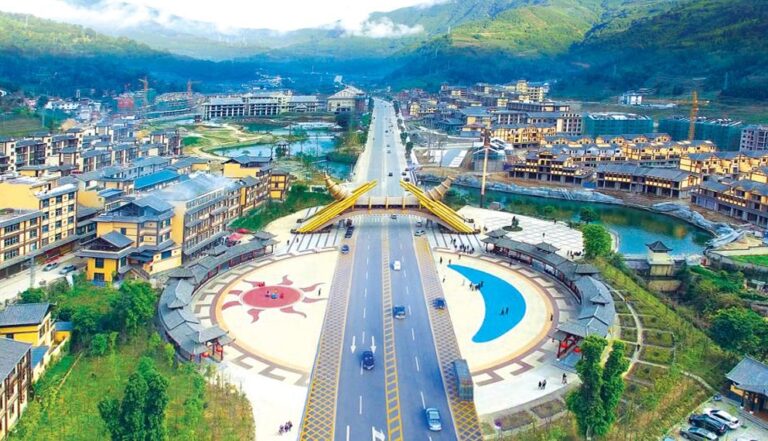
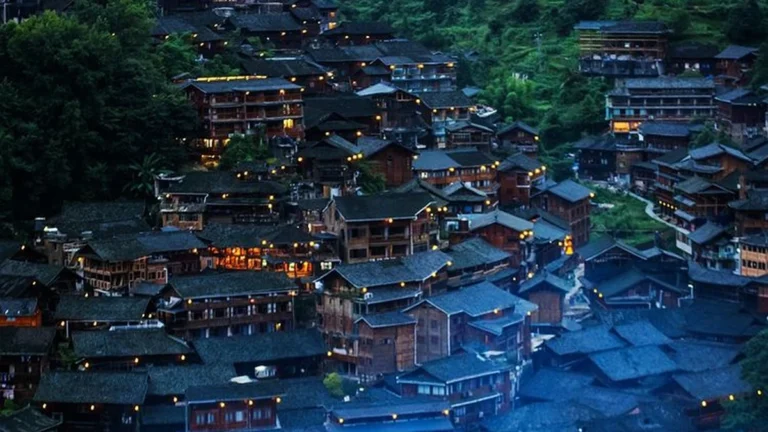



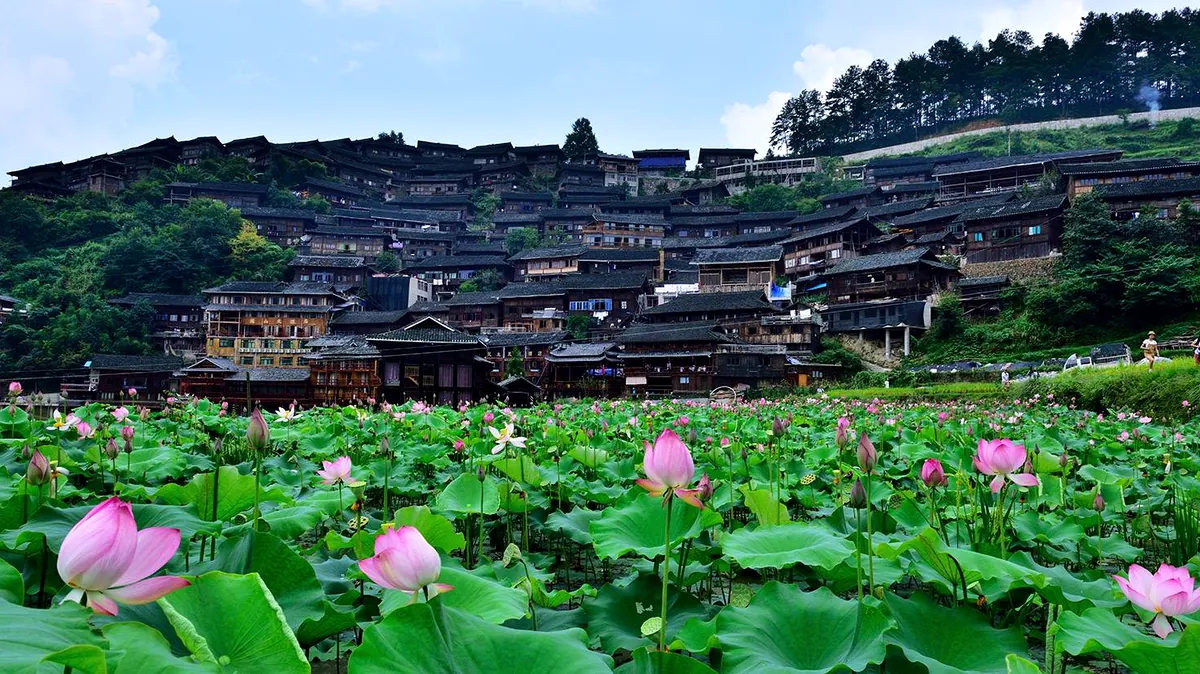
Upon setting foot in Xijiang Qianhu Miao Village, visitors not only admire majestic natural scenery but step into a unique ancient architectural space, where Diaojiaolou stilted wooden houses tier above one another, embracing the hillside like stairways ascending to heaven. These are not merely ordinary architectural works but artworks symbolizing the absolute harmony between humanity and nature. Each Diaojiaolou house is constructed entirely from pine and fir timber without a single iron nail, joined solely through intricate mortise-and-tenon joints and wooden pegs, demonstrating the masterful engineering of Miao carpenters. A hallmark of Diaojiaolou architecture is its multi-story design, typically featuring two or three levels. The ground floor remains generally open or serves for livestock rearing and tool storage; the middle level functions as the primary living space, comprising the reception room, kitchen, and bedrooms; the uppermost level usually serves as a granary or storage for rarely used items. The cantilevered porch creates relaxation space while protecting walls from driving rain. This deliberate layout maximizes steep terrain utility while ensuring effective moisture resistance and ventilation, adapting perfectly to the humid climate of Guizhou’s mountains. Xijiang Qianhu Miao Village, with over a thousand stilted homes preserved almost intact, deserves UNESCO World Heritage status, though currently undergoing nomination processes and drawing keen attention from international heritage conservation organizations. It stands as a resounding testament to the resilience of a traditional lifestyle. Indigenous customs form the beating heart of this village. Traditional festivals such as the Guzang Festival—commemorating ancestors and reenacting the migration history of the Miao ethnic group, celebrated every few years—or the Lusheng Festival featuring vibrant dances and enchanting music, serve as occasions for the community to gather, preserve, and transmit culture to future generations. The Miao are likewise renowned for unique marriage customs, lifecycle rituals, and notably ancestor and nature worship beliefs, reflecting deep attachment to their living environment and origins. Local hospitality and friendliness also constitute a characteristic cultural trait; every visiting guest is welcomed with fragrant bowls of rice wine and sincere songs, creating a travel experience that transcends mere sightseeing into profound cultural exchange.
The spatial expanse of Xijiang Qianhu Miao Village is shaped not only by unique architecture but by premier scenic wonders, crafting a multi-dimensional panorama of natural and cultural beauty. The focus of every gaze naturally rests upon over a thousand Diaojiaolou stilted wooden houses tiered along the hillside. From the hilltop viewpoint, the entire village unfolds like a shimmering golden silk ribbon stretching from the foot of the hill to its peak, interweaving with lush green terraced paddies and winding stone paths. Every early morning when mist lingers, the village appears and fades within fairyland realms, carrying an ethereal, pristine beauty. As dusk descends, late-day sunlight gilds mossy tile roofs, creating a cozy, nostalgic atmosphere leaving any visitor spellbound before timeless beauty. The houses serve not only as dwellings but as symbols of resilience and integration with nature; every wooden pillar and paved stone slab is imbued with the soul of the Miao people across generations.
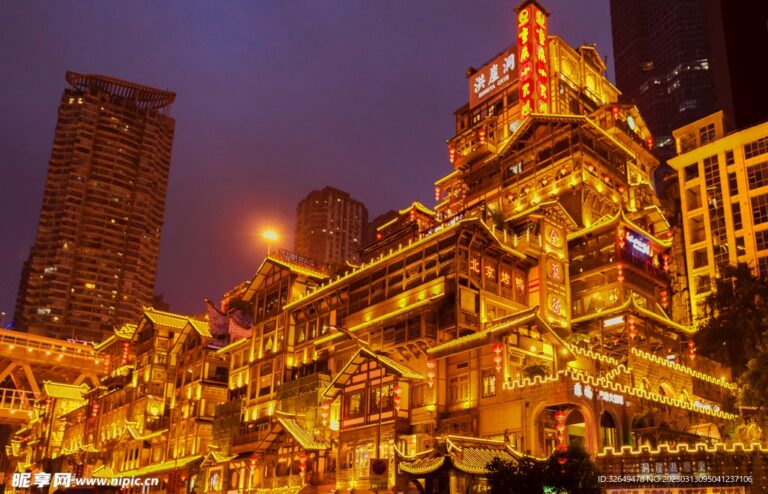
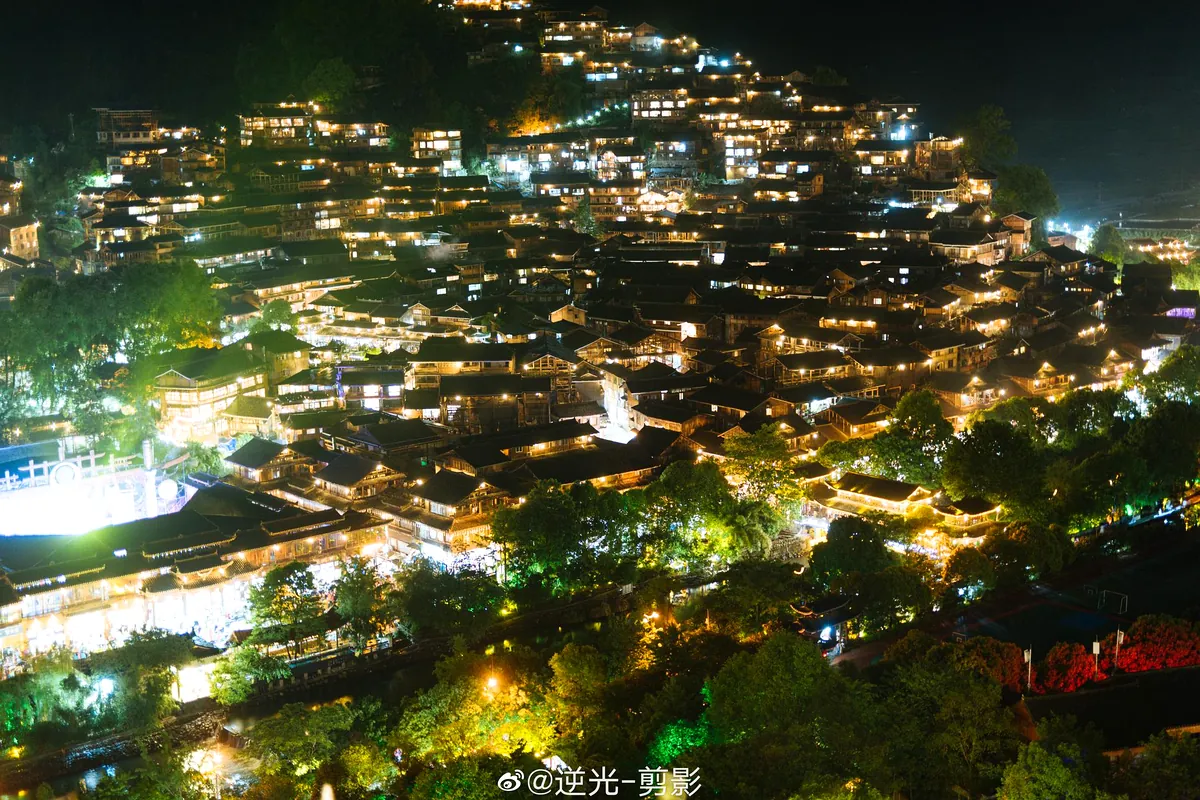
As night falls, Xijiang Qianhu Miao Village undergoes a spectacular metamorphosis, transforming into a glittering Milky Way upon the earth. Ten thousand glowing lanterns resembling a Milky Way at night is not merely a poetic comparison but a genuine, soul-stirring spectacle. Thousands of red lanterns suspended along pathways, outside each stilted home, alongside electric illumination inside houses, generate a warm, vibrant sea of light. Viewed from afar, the village turns into a sparkling stellar ribbon stretching across the hillside, mirroring upon the calm Baishui River to weave an enchanting, profoundly poetic panorama. This spectacle carries aesthetic value while symbolizing vitality, community gathering, and hope for a bright future—like guiding stars for traveling souls. Sitting along the riverbank, listening to flowing water and admiring the lantern glow, travelers feel transported into a fairy tale where time loses meaning, leaving only pure beauty and spreading serenity.
The Baishui River, the lifeline of the village, brings sustenance while hosting other unique architectural works—namely, Wind-Rain Bridges spanning the river. These bridges serve transport purposes while standing as architectural masterpieces of the Dong people (though adapted and widely adopted by the Miao), demonstrating regional cultural exchange. Featuring curved tiled roofs, exquisite carvings, and long benches along both sides, Wind-Rain Bridges function as walkways alongside dating spots, gathering places for locals, and shelters from sun and rain for travelers. Built entirely from wood without iron nails, utilizing complex mortise-and-tenon techniques defying gravity and time, they stand as living testaments to Miao wisdom and creativity in building sustainable public works harmonious with nature. Strolling across the bridges, listening to rushing water below and admiring peaceful rural scenery, is an unmissable experience.
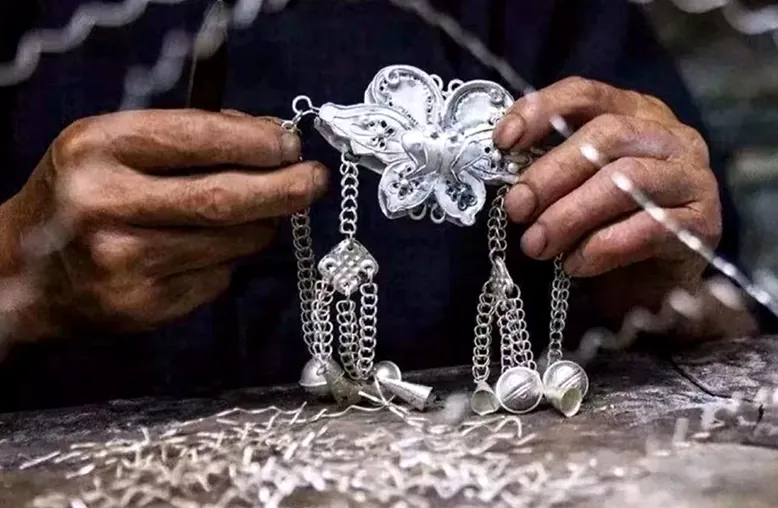
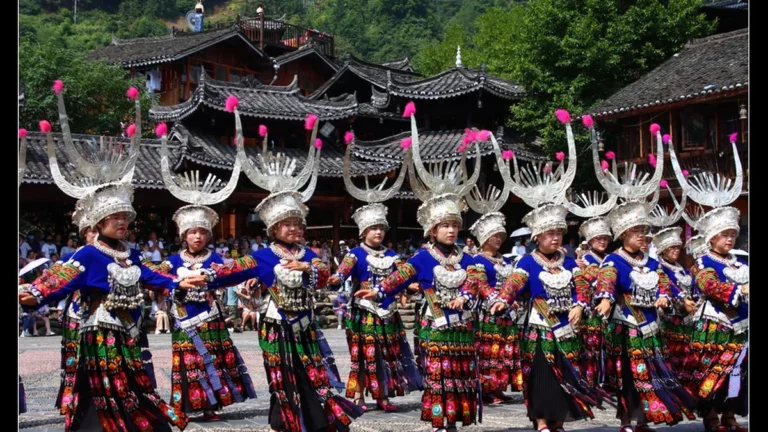
Yet perhaps the most brilliant highlight, clearly displaying Miao identity, is glorious silver attire and the Miao Lusheng dance. Traditional Miao clothing is a mobile art treasury, especially ornate silver jewelry. From bullhorn-shaped, lotus-shaped, or phoenix-shaped headwear crafted exquisitely to sparkling necklaces, bracelets, chains, and earrings—all crafted from pure silver through the talented hands of Miao artisans. Silver jewelry demonstrates wealth and status while carrying profound spiritual meaning: believed to ward off evil spirits, protect wearers from illness, and bring good fortune. Each jewelry piece holds a unique story and significance, symbolizing Miao history, culture, and beliefs. During festivals, when Miao youths don brilliant costumes sparkling with silver light, they become graceful, powerful dancers in the Lusheng dance. The lusheng, a wind instrument made from bamboo and alloy with resonant tones—now brisk, now majestic—forms the soul of every Miao festival. Lusheng dances are not merely entertainment but storytelling forms, reenacting myths, migration history, farming customs, and romance. Graceful, decisive movements of Miao maidens blending with bustling lusheng music and young men’s vigor create a vibrant, colorful, and joyful festive atmosphere. Witnessing this scene, travelers feel the abundant vital energy and strong community spirit of the Miao.
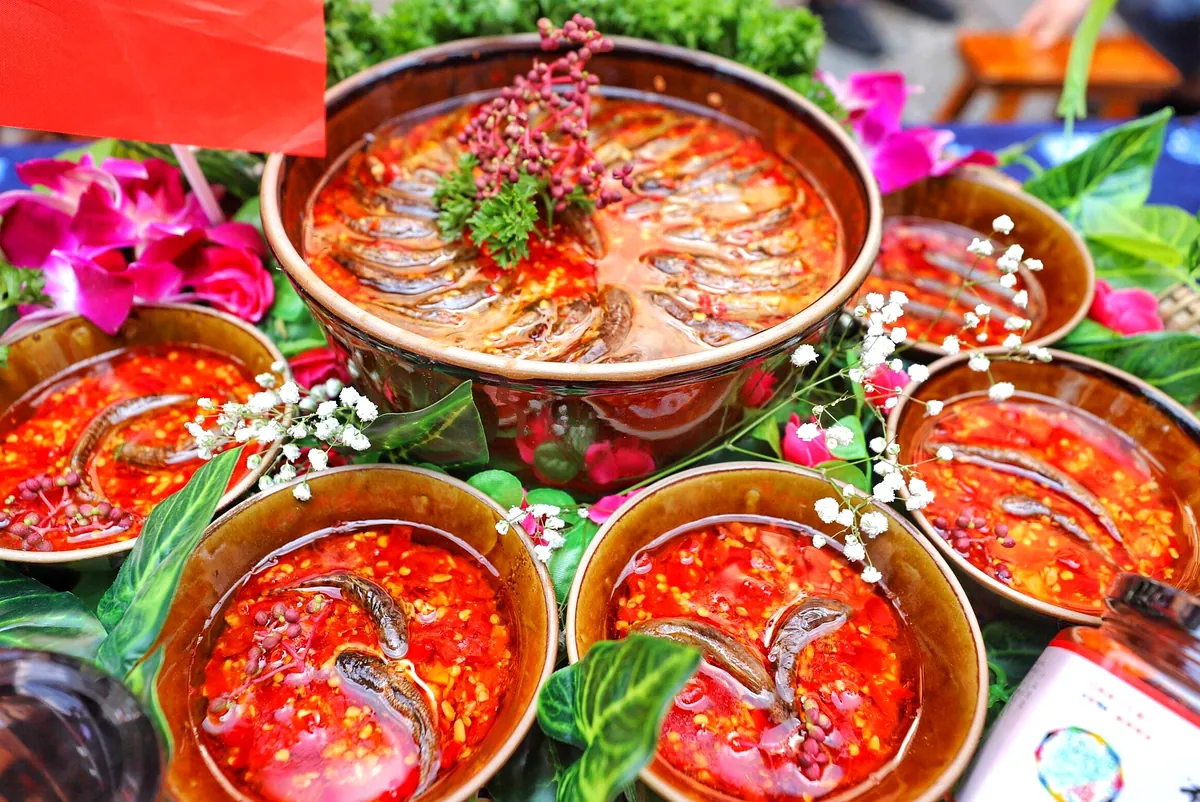
The cultural exploration journey through Xijiang Qianhu Miao Village remains incomplete without tasting its unique culinary arts. The uniquely authentic culinary culture of the Miao in Guizhou blends fresh mountain and river ingredients with traditional processing methods, forging an unforgettable flavor profile. The most prominent dish, virtually a symbol of Miao cuisine, is Suan Tang Yu (Sour Fish Soup). The characteristic flavor of this soup stems from naturally fermented tomatoes, spicy chilis, local herbs, and secret spices. The broth features a seductive reddish-orange hue, clean sourness, and harmonious pungent spice that stimulates the palate and warms the diner’s heart. Fish used is typically fresh river fish with firm, sweet flesh infused with rich broth flavors. Beyond sour fish soup, numerous other exceptional dishes include Cao Lao Ji (Herbal Stewed Chicken) with nutritious, fragrant flavors; Miao-style Smoked Pork (La Rou), smoked over traditional wood fires with a characteristic mountain forest flavor; alongside fresh stir-fried forest greens and salads. Five-Color Sticky Rice (Wu Se Fan) is also an essential traditional dish, delicious while carrying auspicious meaning, frequently served during festivals and to esteemed guests. The Miao maintain a tradition of home-brewing hand-crafted rice wine (Miao Jiu) with a fragrant, mildly sweet flavor, commonly offered to guests at banquets or weddings. Grand Miao banquets provide opportunities for travelers to experience peak culinary culture. During festivals, the Miao organize Long Table Feasts where hundreds gather along long wooden tables to enjoy traditional dishes and raise bowls of rice wine. This is not merely a meal but a cultural event where everyone sings, chats, and bonds as a community. Tea appreciation customs are not as widespread as in other Chinese cultural regions, yet the Miao routinely drink local tea to quench thirst and warm up, typically mountain green teas foraged from surrounding forests. Dining experiences at Xijiang Qianhu Miao Village transcend food tasting into discovering part of the Miao soul—a profound connection to land, people, and traditional cultural values preserved across millennia.
To reach Xijiang Qianhu Miao Village, a hidden gem within Guizhou, China’s modern transport infrastructure has opened convenient gateways for international and Vietnamese travelers. The primary gateway to access Guizhou is its capital, Guiyang, home to Guiyang Longdongbao International Airport (KWE). From here, travelers can choose multiple transport methods to reach Xijiang Qianhu Miao Village. CRH high-speed rail (China Railway High-speed) is the optimal choice for time and convenience. From Guiyang, visitors can take a high-speed train to Kaili City, the major city closest to Xijiang Qianhu Miao Village. The train journey takes only about 30–40 minutes, offering fast, comfortable transit. Upon arriving in Kaili, travelers easily catch direct buses or taxis to Xijiang Qianhu Miao Village, taking an additional 45 minutes to 1 hour. Additionally, the interprovincial expressway network is highly developed, enabling travel by car or tour bus from Guiyang or neighboring cities, offering magnificent roadside scenery. Improved transport infrastructure has transformed Xijiang Qianhu Miao Village from an isolated spot into an accessible destination while retaining its pristine, ancient character.
Selecting the golden travel timing across the four seasons is crucial for a complete trip. Each season in Xijiang Qianhu Miao Village bears a distinct beauty and unique experiences:
Spring (March–May): This is among the ideal times. The climate is warm and pleasant, vegetation sprouts fresh foliage, creating a vibrant, green scenery full of vitality. This is also the season for major traditional Miao festivals, particularly the Lusheng Festival and the Sister’s Meal Festival, offering wonderful chances for travelers to immerse in lively cultural atmospheres.
Summer (June–August): Though Guizhou can be warm and humid in summer, mountain landscapes then are exceptionally lush and brilliant. Terraced paddies during flooding season or growing phases create stunning paintings. However, note that summer marks domestic peak tourism season, so the village can be more crowded.
Autumn (September–November): Autumn brings cool, pleasant weather, clear blue skies, and minimal rain. Mountain landscapes transform with yellow and red leaf hues, creating romantic beauty. This is also harvest season, allowing travelers to witness local daily life. Nighttime panoramas with ten thousand lanterns glowing beneath autumn starry skies are even more magical.
Winter (December–February): Winter in Xijiang Qianhu Miao Village is quite cold, potentially bringing snowfall that paints a poetic white wonderland. The village grows quieter and calmer, carrying solemn, ancient beauty. Nonetheless, certain outdoor activities may face weather restrictions.
Overall, spring and autumn are the two most highly recommended times to avoid summer’s scorching heat and winter’s biting cold while fully enjoying Xijiang Qianhu Miao Village’s natural and cultural beauty.
For Vietnamese travelers, preparing a thorough pocket field guide will make the trip to Xijiang Qianhu Miao Village smoother and more memorable than ever. The first and most vital element is a Chinese visa. Vietnamese citizens must apply for a visa prior to entering China. This process may require preparing documents such as a passport valid for at least 6 months, ID photos, invitation letters (if any), flight and hotel booking confirmations, and a detailed itinerary. Preparing documents and applying early avoids unexpected issues. Regarding currency, China pioneers cashless payments. Alipay and WeChat Pay dominate virtually all transactions, from shopping at large stores to street food stalls or remote villages like Xijiang Qianhu Miao Village. Vietnamese travelers can install these apps and link them to international credit/debit cards (Visa/MasterCard) or top up electronic wallets. Additionally, carrying a small amount of Chinese Yuan (CNY) cash remains necessary for emergencies or small shops rejecting electronic payment. Currency exchange is available in Vietnam or at major Chinese banks and airports. Maintaining internet connectivity is extremely crucial. A local eSIM or physical SIM helps travelers maintain mobile network contact, map lookup, translation, and payment apps. Purchase eSIMs or SIMs at airports, major convenience stores, or pre-order from Vietnam to ensure connectivity immediately upon arrival. Regarding attire, Xijiang Qianhu Miao Village features steep mountainous terrain requiring considerable walking. Consequently, top priority goes to comfortable, high-traction footwear. Clothing should be airy and comfortable for movement activities. Guizhou’s climate shifts rapidly, especially in spring and autumn, making layered jackets or warm clothes necessary. In winter, thick coats, scarves, woolen hats, and gloves are indispensable. When visiting cultural sites or meeting locals, polite, modest attire demonstrates respect.
And to turn the journey exploring Xijiang Qianhu Miao Village into a truly memorable experience, VDS Travel’s companionship is key. As a leading heritage research expert, VDS Travel provides not only meticulously designed tour packages taking travelers to the most exceptional destinations, but also guarantees a seamless, worry-free journey. We understand that heritage tourism is not merely sightseeing, but feeling and immersing oneself in every story and custom. VDS Travel’s tour guide team is not only language-proficient but deeply knowledgeable in Miao culture, history, and customs, ready to share scholarly insights and fascinating stories helping travelers understand the true value of Xijiang Qianhu Miao Village. From arranging visas, flights, and comfortable accommodation in traditional village guesthouses to organizing cultural experience activities such as wearing Miao costumes, learning silver jewelry crafting, attending local cooking classes, or joining traditional festivals, VDS Travel commits to delivering trips that transcend tourism into profound soul-searching exploration. We believe that with meticulous preparation and professional companionship, every Vietnamese traveler will touch the heart of Miao heritage, bringing home not only stunning photographs but priceless memories of a unique, brilliant culture in the heart of China.
