


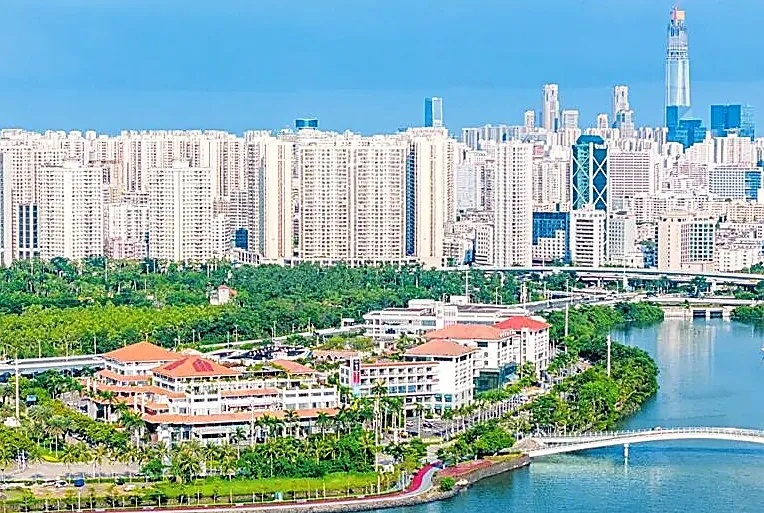
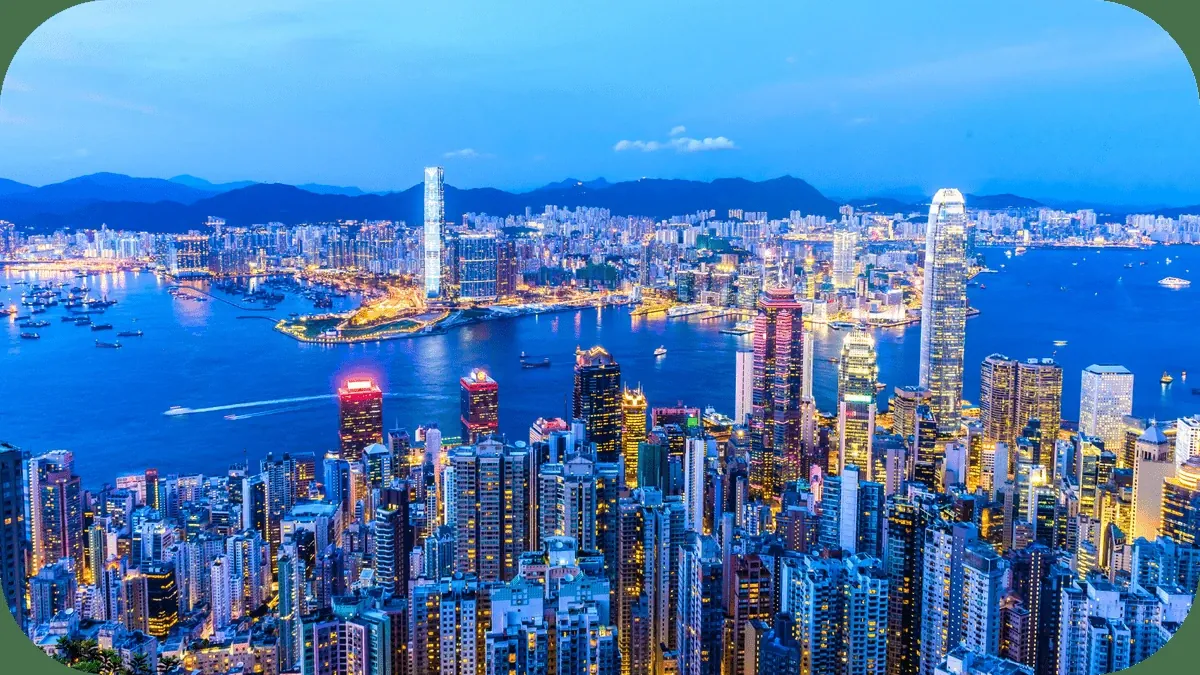


Shenzhen’s architectural landscape is a vibrant symphony in which the historic charm of old quarters blends seamlessly with the sleek, soaring modernity of skyscrapers piercing the clouds. Despite its youth as a modern metropolis, Shenzhen preserves precious cultural strata, most notably within historic enclaves such as Nantou Ancient Town. Here, visitors encounter curved clay-tiled roofs, weathered stone-paved alleys, and traditional temples exemplifying Lingnan architecture—a signature regional style of Guangdong and neighboring provinces prized for harmony with nature, blue-gray roof tiles, and intricate wood and stone carvings. Historic Hakka villages featuring fortified circular or square walled compounds (*Weiwu*)—which once served as defensive strongholds for migrating Hakka communities—still stand across suburban districts, quietly recounting stories of self-reliance and enduring communal solidarity. Shenzhen’s intangible cultural heritage flows within the broader current of Cantonese culture, alive in traditional lion and dragon dances, folk legends, and local festivals passed down across generations. While Mandarin serves as the lingua franca, Cantonese and Hakka remain widely spoken, especially among elders and in traditional neighborhoods. Everyday life in Shenzhen offers a captivating blend of brisk industrial momentum and cherished customs, as residents continue to honor ancestral rites and gather for family reunion banquets during major festivals—reflecting deep respect for roots and kinship. This seamless interplay of heritage and continuous reinvention has forged Shenzhen’s unmistakable cultural identity: a city perpetually racing toward tomorrow while never forgetting the past that shaped it.
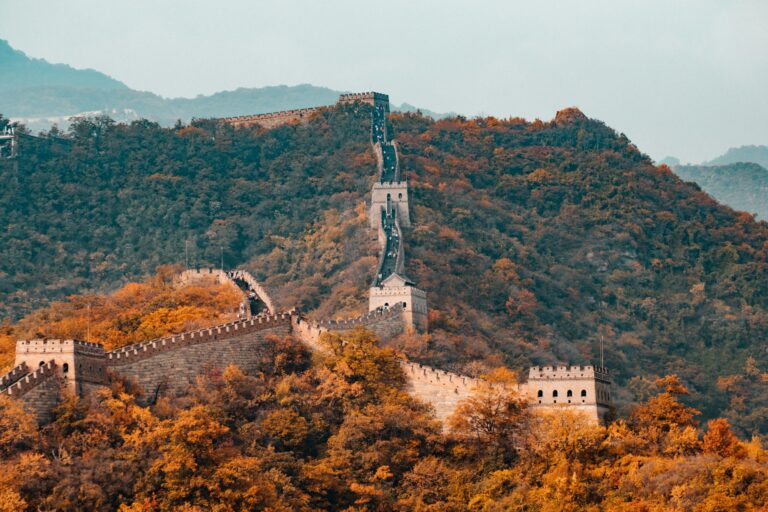
Shenzhen’s attractions form a rich kaleidoscope where modern architectural marvels intersect with unique cultural spaces, promising unforgettable experiences. Foremost among them is Window of the World, a triumph of imagination and craftsmanship where iconic landmarks from across the globe are recreated in miniature across expansive grounds. Stepping inside feels like circumnavigating all five continents in a single day: from the glittering Eiffel Tower of Paris and Egypt’s enigmatic Pyramids of Giza to America’s majestic Statue of Liberty, China’s mighty Great Wall, and even Vietnam’s graceful One Pillar Pagoda—all reproduced with remarkable precision down to the finest detail. Each replica is more than an architectural model; it tells a story of national culture and history brought to life through theatrical performances, folk festivals, and specialty food stalls. Window of the World functions not merely as an entertainment park, but as a living museum celebrating human diversity, sparking curiosity, and embodying Shenzhen’s outward-looking global vision.
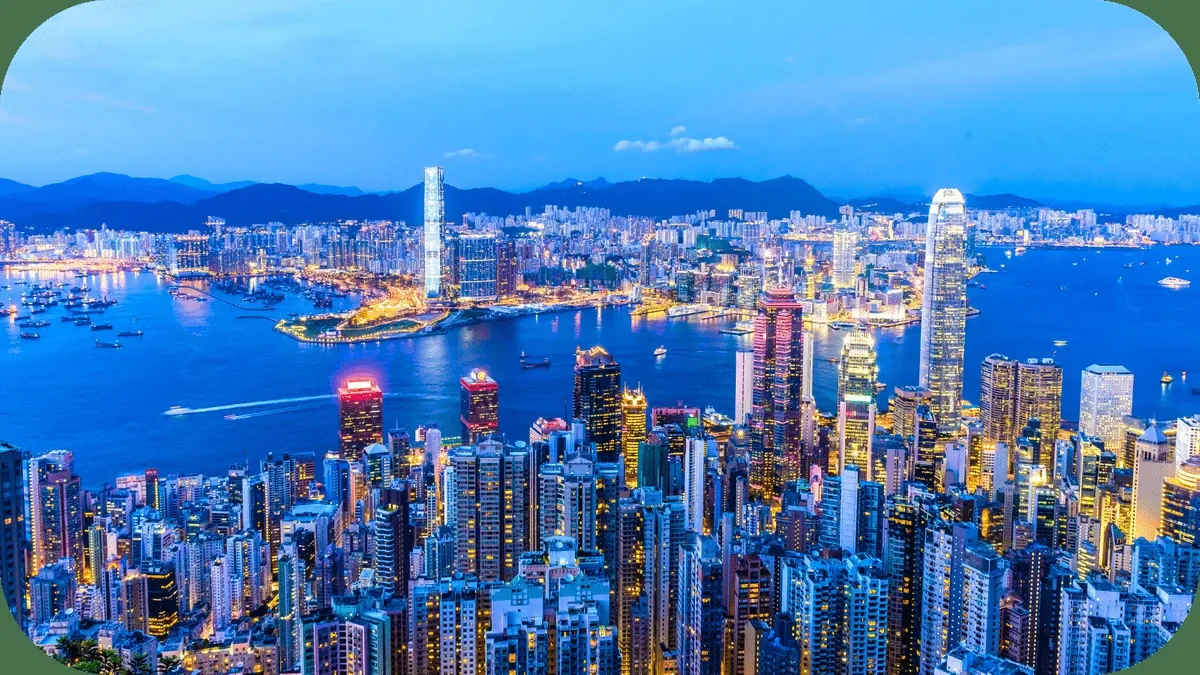
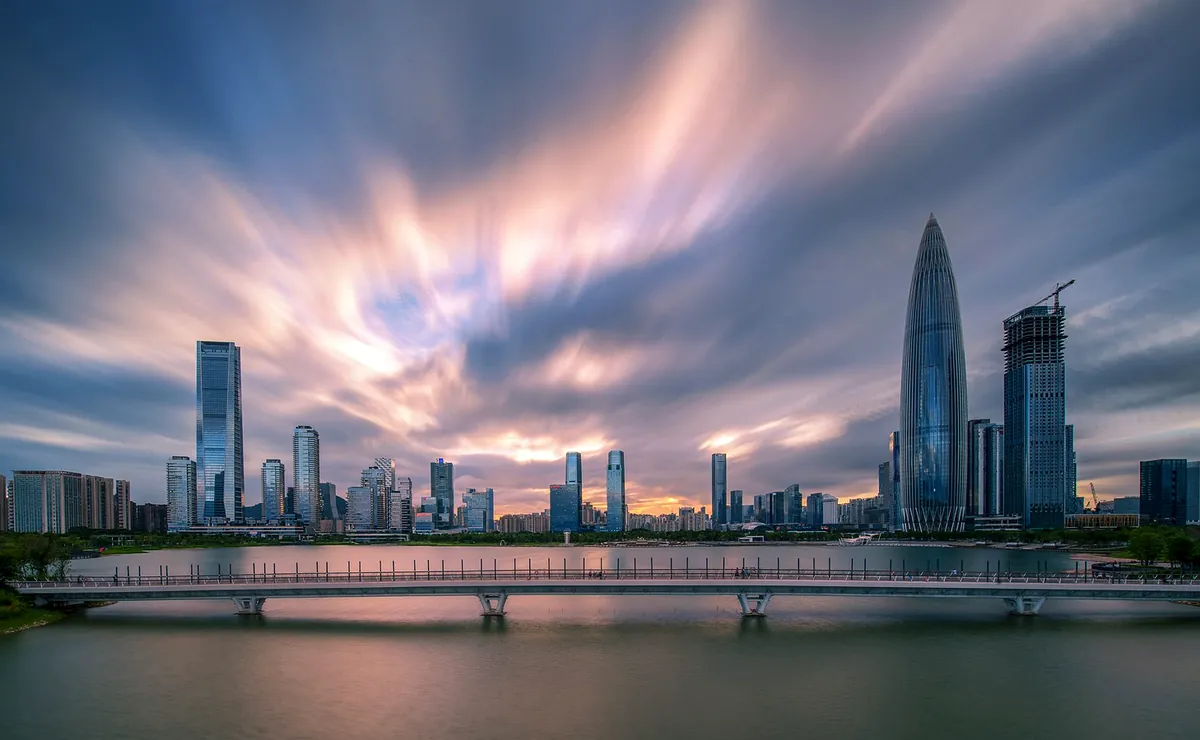
Continuing the journey, Shenzhen Talent Park along Shenzhen Bay offers an inspiring green waterfront sanctuary designed to honor and attract creative minds to the city. As China’s first talent-themed public park, it showcases Shenzhen’s strategic commitment to cultivating an ecosystem of innovation. With sweeping lawns, winding coastal promenades, and striking contemporary art installations, the park provides an ideal setting to unwind, breathe fresh sea air, and admire Shenzhen’s dramatic skyline. Sculptures and architectural pavilions throughout the grounds symbolize intellect, creativity, and aspiration. From the park’s waterfront terraces, visitors gaze across expansive Shenzhen Bay toward shimmering skyscrapers—especially breathtaking at dusk and after dark when city lights illuminate the sky in a harmonious dialogue between nature and urban progress.
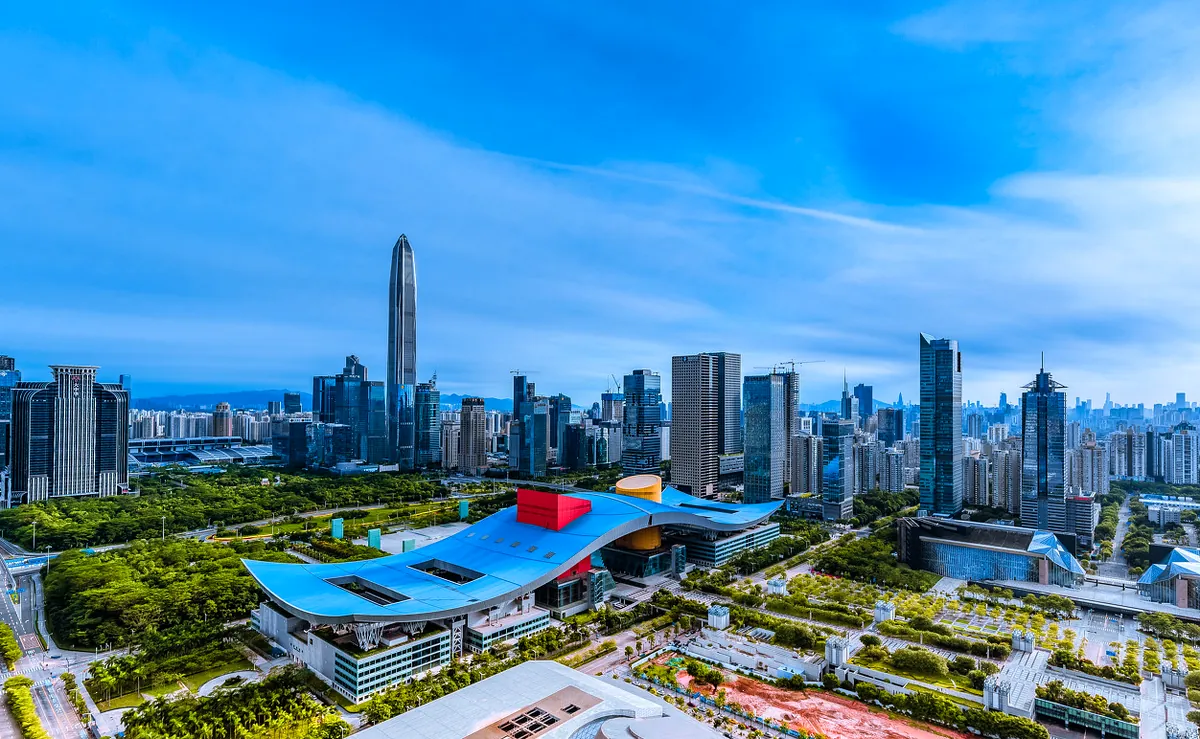
Among Shenzhen’s monumental architectural icons, the Ping An International Finance Centre (Ping An IFC) pierces the clouds like a colossal arrow, ranking as the fifth-tallest building in the world and the second-tallest in China. Soaring to an impressive 599 meters across 115 floors, Ping An IFC is far more than a breathtaking skyscraper—it stands as a bold testament to Shenzhen’s economic and financial clout on the global stage. Its design balances sleek power with refined elegance, clad in a gleaming stainless-steel facade that reflects shifting daylight and sky tones throughout the day. Serving as headquarters for Ping An Insurance, the tower also houses commercial offices, a luxury hotel, and a public observation deck near its summit offering sweeping 360-degree views stretching from bustling urban districts across emerald bays all the way to distant Hong Kong. Standing atop Ping An IFC’s sky deck lets you feel the living pulse of a megacity constantly reaching higher.
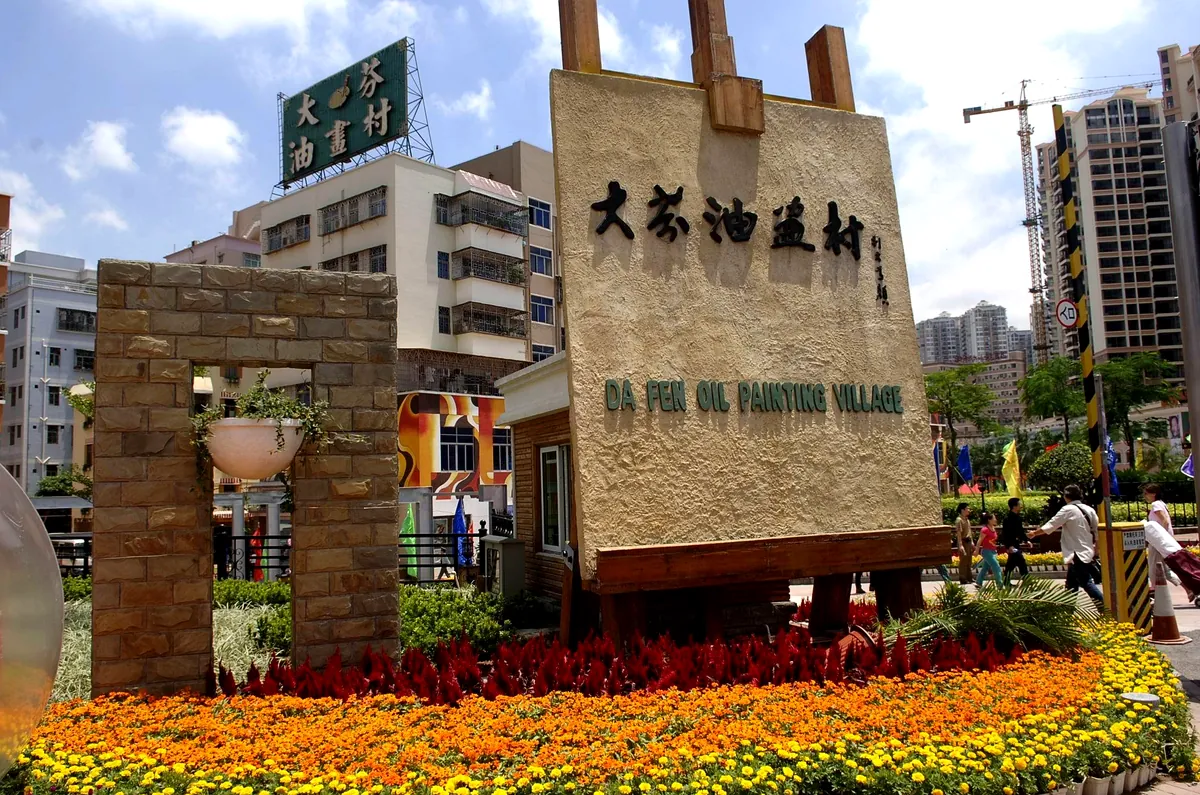
In striking contrast to gleaming financial towers, Dafen Oil Painting Village reveals another fascinating facet of Shenzhen—an extraordinary creative hub that reshaped the global art market. Transforming from a quiet rural hamlet in the 1980s into a sprawling open-air studio, Dafen is home to thousands of painters crafting masterly reproductions of Van Gogh, Monet, Leonardo da Vinci, and Picasso alongside countless original contemporary works. Dafen’s rise began in the early 1990s when Hong Kong artist Huang Jiang recognized the potential for large-scale export painting production, sparking rapid growth that earned the village acclaim as the “world’s largest oil painting factory.” Visiting Dafen immerses travelers in a lively creative atmosphere where you can watch artists mixing pigments, sketching canvases, and refining brushstrokes firsthand inside tightly packed galleries brimming with classical landscapes, portraits, and modern abstractions—an inspiring cultural experience celebrating diligence, artistry, and creativity in a globalized world.
Finally, Nantou Ancient Town stands as Shenzhen’s historical heart, a living heritage enclave set right inside the modern metropolis where past and present converge harmoniously. With a history spanning more than 1,700 years, Nantou served as the administrative seat of historic Bao’an County throughout imperial eras, housing local magistrates and standing as a vital coastal garrison guarding China’s southern gateway. Today, Nantou is far more than a static relic—it has been thoughtfully revitalized into a vibrant cultural and creative quarter. Visitors stroll along historic stone-paved lanes past weathered city wall remnants and centuries-old temples seamlessly integrated with indie art cafés, artisan craft boutiques, and contemporary exhibition spaces. Nantou exemplifies how Shenzhen honors and preserves its roots while continually reimagining historic spaces for locals and international travelers alike.
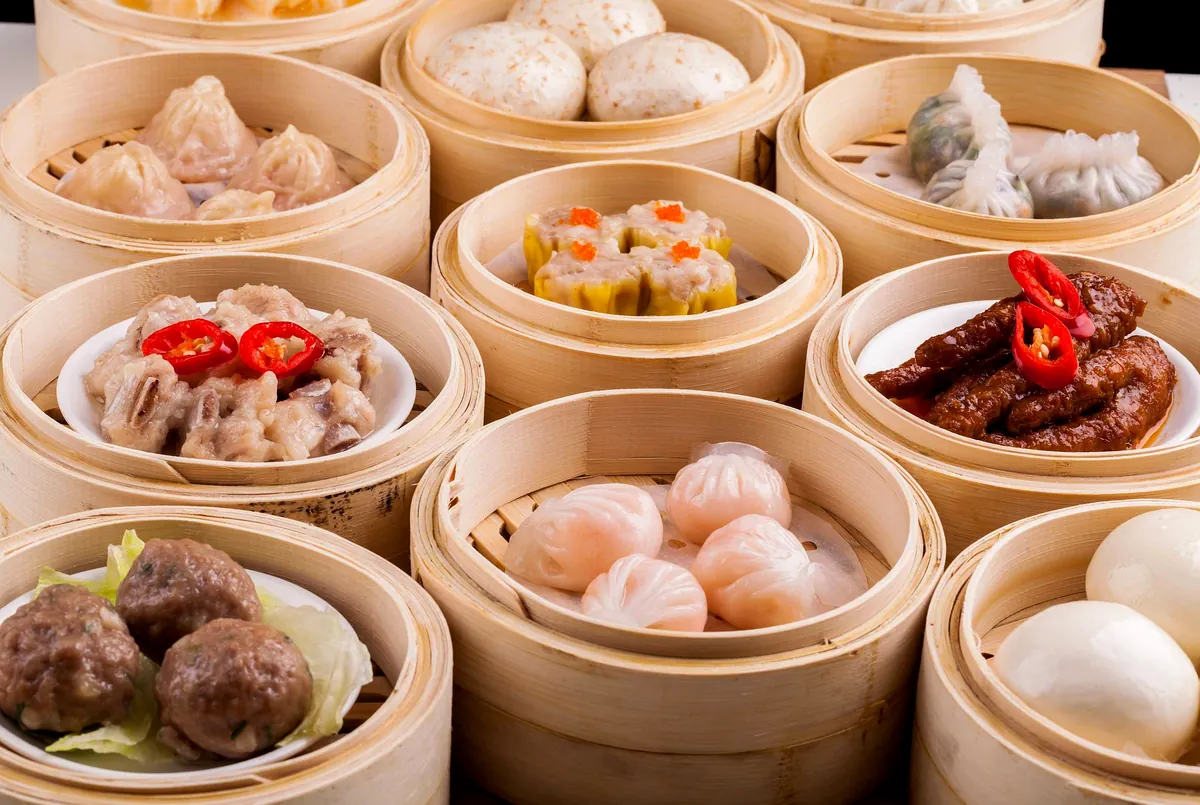
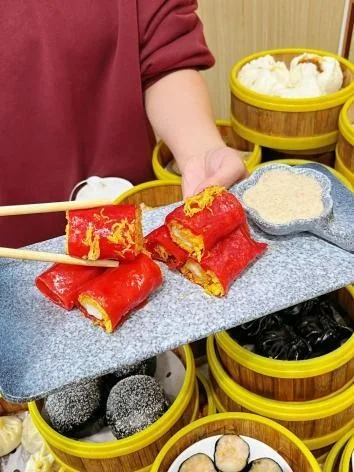
Shenzhen’s culinary culture is a vibrant melting pot reflecting both regional heritage and the diverse migrant communities that built the city. Though young as a modern metropolis, Shenzhen inherits the rich traditions of Cantonese cuisine—one of China’s four great culinary schools, celebrated for refined technique and highlighting the natural freshness of ingredients. Dim sum is an indispensable part of the Shenzhen dining experience, offering an irresistible array of bite-sized delicacies such as crystal shrimp dumplings (*Har Gow*), crab-roe-topped pork dumplings (*Siu Mai*), fluffy barbecue pork buns (*Char Siu Bao*), and silky rice noodle rolls (*Cheung Fun*), traditionally enjoyed over pots of hot tea in the morning or at midday. Thanks to its coastal setting, fresh seafood is equally legendary: from upscale waterfront dining rooms to lively night markets, dishes like garlic-steamed prawns, ginger-and-scallion stir-fried crab, and Hong Kong-style steamed whole fish showcase the pure sweetness of the sea. Alongside Cantonese classics, Shenzhen brings together regional flavors from across China and around the globe—most notably comforting Hakka home-style specialties such as Hakka Salt-Baked Chicken, Meat-Stuffed Tofu (*Niang Doufu*), and braised pork belly with preserved mustard greens. Tea culture here revolves around *Yum Cha*—the cherished social ritual of drinking tea and sharing dim sum with family and friends—while grand celebratory banquets feature auspicious multi-course dishes crafted with artistry to delight every sense.
Shenzhen’s cutting-edge transportation infrastructure is a cornerstone of its rapid ascent, linking the city seamlessly with both domestic regions and international hubs. Shenzhen Bao’an International Airport (SZX) ranks among China’s largest and most modern aviation gateways, connecting the city to hundreds of destinations worldwide with striking architectural design and efficient passenger services. By rail, Shenzhen serves as a major node on the China Railway High-speed (CRH) network through hubs like Shenzhen North Station and Futian Station—one of Asia’s largest underground high-speed rail terminals—connecting effortlessly with Guangzhou, Hong Kong, and major cities nationwide. Complementing one of the world’s busiest container ports and an expansive urban metro network, Shenzhen’s strategic border crossings with Hong Kong—including Luohu, Futian, and Shenzhen Bay Port—make cross-border travel remarkably smooth. The golden seasons to visit Shenzhen are spring (March to May) and autumn (September to November), when mild, pleasant weather and low rainfall create ideal conditions for outdoor sightseeing. Summer (June to August) brings heat, humidity, and occasional typhoons, whereas winter (December to February) remains mild and crisp, offering a great alternative for travelers seeking smaller crowds.
To ensure a smooth, rewarding trip to Shenzhen, Vietnamese travelers should keep a few practical field tips in mind. First and foremost, arrange your Chinese visa well in advance of departure, as processing times vary depending on whether you apply for an individual or group tourist visa. Second, prepare for China’s virtually cashless economy: mobile QR payments via Alipay and WeChat Pay dominate nearly every transaction from luxury shopping centers to metro fares and street-food stalls, so download and link your international credit card to these apps before flying. Picking up a local travel SIM or activating an international eSIM from major carriers like China Mobile, China Unicom, or China Telecom ensures uninterrupted internet access for navigation and translation apps. Pack breathable, lightweight clothing and sun protection for Shenzhen’s humid subtropical climate, add a light jacket for mild winter evenings, and wear comfortable walking shoes built for logging miles across expansive parks and avenues—alongside a portable power bank and universal plug adapter. Finally, navigating a dynamic destination rich in history and modern complexity becomes effortless with a trusted, experienced travel partner like VDS Travel. As specialists in China travel culture, history, and geography, VDS Travel crafts in-depth itineraries rooted in authentic local insight—guiding you from bustling markets and tranquil museums to soaring skyscrapers and ancient alleys so every journey becomes a genuine, unforgettable discovery.
