Across the millennia-old tapestry of Chinese culinary heritage, few street foods spark as much initial skepticism yet captivate the palate so deeply as Changsha stinky tofu (长沙臭豆腐). Tracing its origins back to the reign of the Kangxi Emperor of the Qing Dynasty (1662–1722), this iconic delicacy first emerged from an accidental discovery by an impoverished scholar from Anhui named Wang Zhihe (王致和). During his arduous days studying for the imperial examinations in the capital of Yanjing, reluctant to throw away unsold tofu after failing his exams, Wang Zhihe cut the curds into small pieces, salted them, and sealed them deep inside an earthenware jar. Unexpectedly, the passage of time and the northern climate transformed the mild white blocks into an unusual grayish-green hue, emitting a pungent aroma that, upon tasting, burst with an unprecedented richness and savory depth. This one-of-a-kind fermented tofu gradually spread across the empire, yet it was only when it journeyed south along the Xiang River—uniting with the fertile terroir and the bold, passionate spirit of the ancient Chu region—that the soul of stinky tofu underwent a miraculous transformation to forge its unmistakable identity in Changsha.
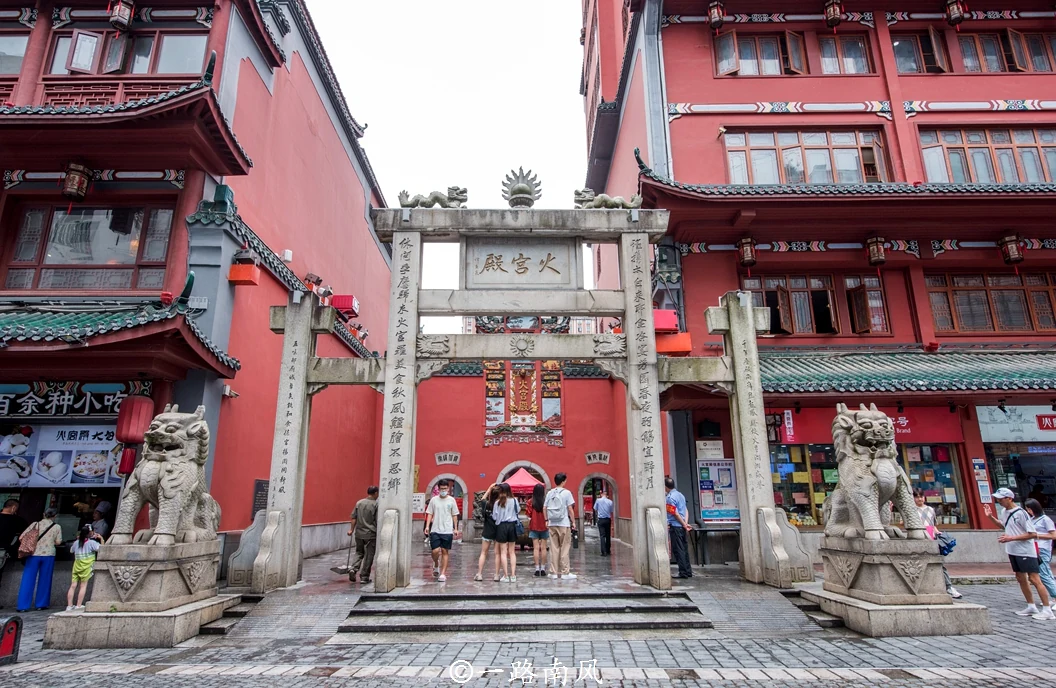
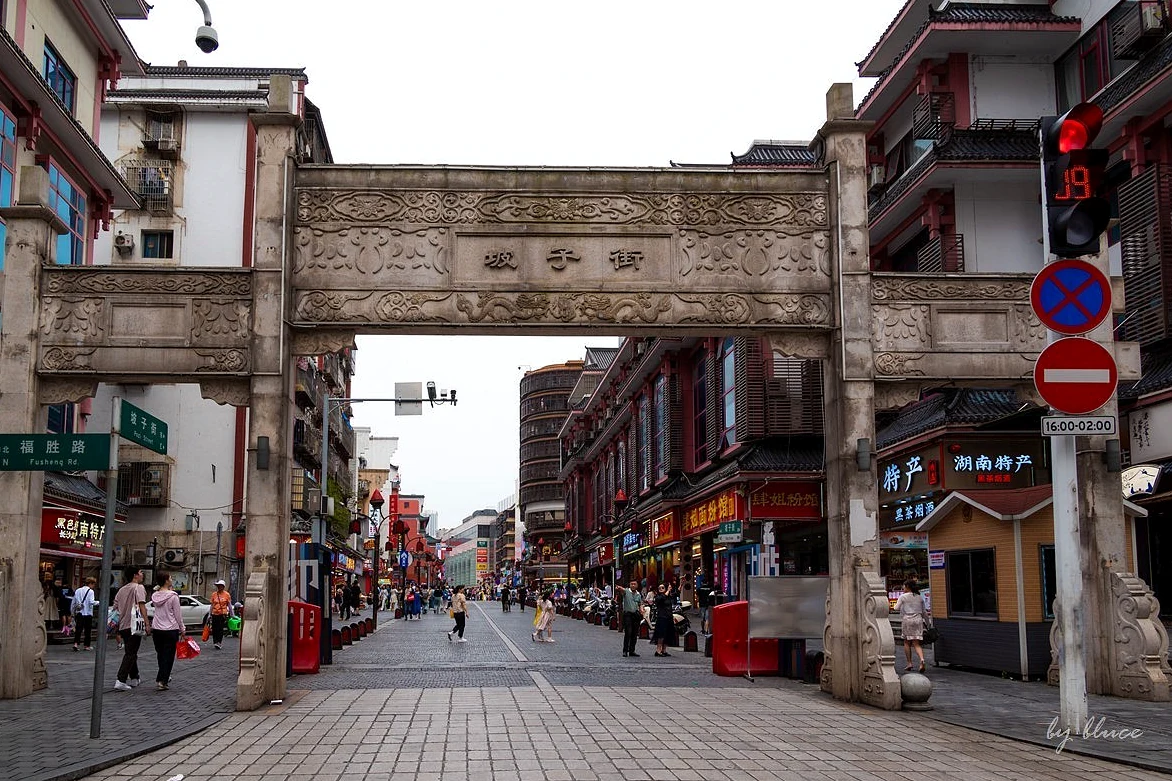
The quintessential setting for this dish’s local evolution is the sacred cultural landmark of Fire Palace (Huogongdian), situated along the historic Pozi Street. Looking back through the chronicles, in the 12th year of the Qianlong Emperor’s reign (1747), a magnificent ancient temple was erected here to worship Zhurong—the God of Fire who governs the sacred flame of life in Southern Chu beliefs. Thick clouds of incense from temple rituals mingled with bustling crowds of merchants, turning the temple forecourt into a vibrant hub of civic life where street vendors, folk performances, and rustic delicacies converged. Amid this thriving urban crossroads, Changsha stinky tofu ceased to be merely a humble staple for the working class; it absorbed the fiery vigor of the Fire Temple’s sacred flames to become an indispensable cornerstone of ancient Changsha life.
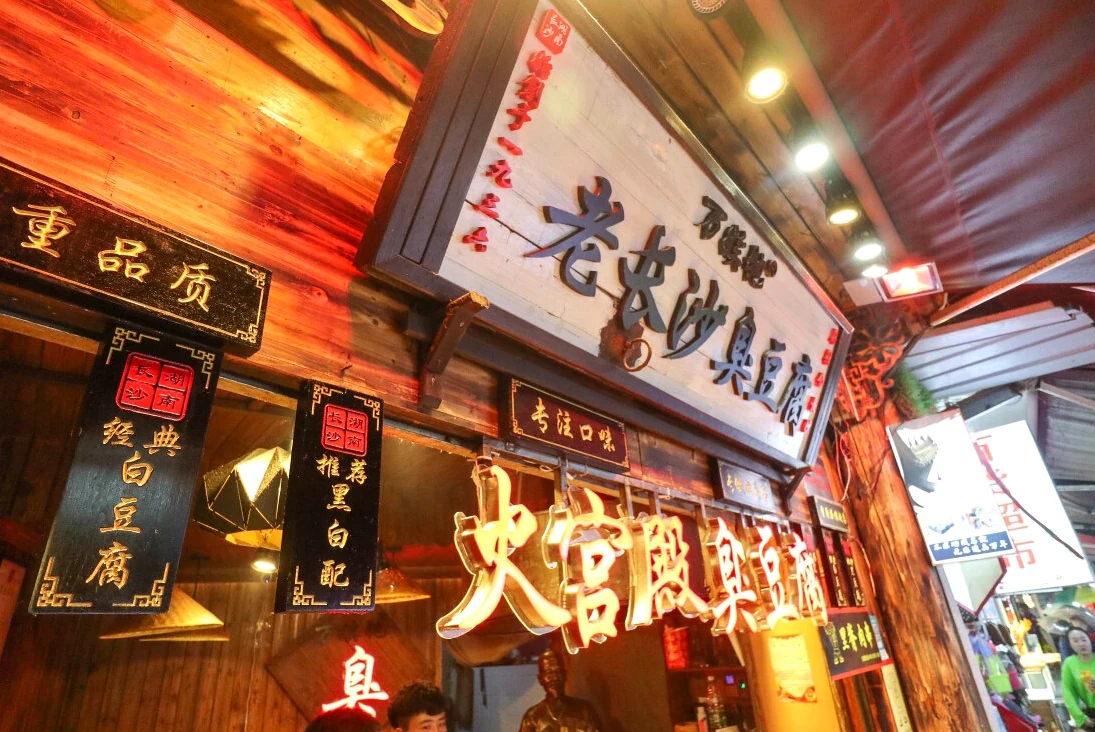
In the early 20th century, amidst turbulent historical shifts and social modernization, Fire Palace stinky tofu entered its golden era through the masterful hands of artisan Jiang Dayang (respectfully remembered by posterity as Master Jiang – 姜太爷). Inheriting and elevating traditional techniques, Master Jiang painstakingly crafted a legendary fermenting brine (lu shui) brewed from winter bamboo shoots, shiitake mushrooms, naturally fermented soybean dregs, and sorghum glutinous rice wine. When snowy-white tofu squares were submerged in this secret family brine for days on end, they absorbed the essence of earth and sky, taking on a deep, solemn ebony hue like Chinese ink. Plunged into a cauldron of bubbling tea oil in broad daylight, the exterior puffed up into a shattering crisp crust while the interior remained as silky and tender as jade, soaking up fiery sauces and complex aromas—making Master Jiang’s stall a culinary legend celebrated across the entire Lianghu region. The most illustrious milestone cementing the prestige of Changsha stinky tofu occurred on October 28, 1958, when Chairman Mao Zedong, during a homecoming visit to Hunan Province, personally stopped by Fire Palace on Pozi Street. Seated in that rustic setting steeped in hometown nostalgia, savoring the crispy, aromatic stinky tofu of his youth, the leader uttered his immortal praise: “Fire Palace stinky tofu—smells stinky, yet tastes extraordinarily delicious.” That unpretentious accolade instantly became a celebrated cultural anecdote, elevating the dish beyond street food into the collective memory of an entire era. Carrying this resilient heritage forward through the storms of history, in 2008, the traditional preparation technique of Fire Palace stinky tofu was officially inscribed on China’s National Intangible Cultural Heritage List—a testament to the enduring vitality of a flavor that has weathered nearly three centuries.
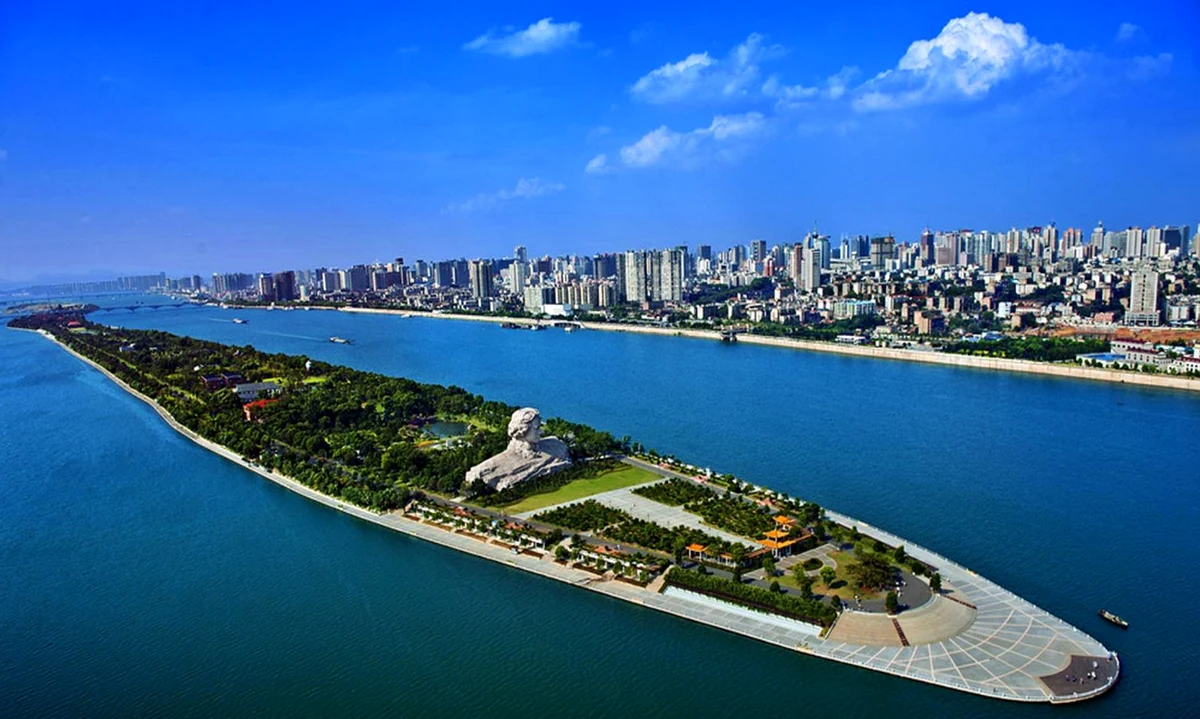
Positioned at the heart of the middle reaches of the Yangtze River basin, Changsha enjoys an expansive feng shui layout of “mountains embracing water,” anchored by the majestic Yuelu Mountain range to the west and the rolling Xiang River flowing like a ribbon of vitality to the east. Right in the middle of this historic waterway, the lush alluvial expanse of Orange Isle (Juzizhou) stretches out like a colossal warship cleaving the currents in two, shaping a serene scenic axis that gathers water and shelters the wind. This remarkable natural geography becomes even more strategic when paired with state-of-the-art infrastructure: Changsha Huanghua International Airport and Changsha South Railway Station serve as the vital crossroads of the Beijing–Guangzhou and Shanghai–Kunming high-speed rail arteries, seamlessly linking major economic hubs across Beijing, Guangzhou, Shanghai, and Kunming. Thanks to this pivotal gateway position, the city stands as the irreplaceable starting point of “Hunan’s Golden Tourism Triangle,” creating a seamless circuit that carries travelers from the cosmopolitan pulse along the Xiang River to the dramatic peaks of Zhangjiajie and the thousand-year-old tranquility of Fenghuang Ancient Town.
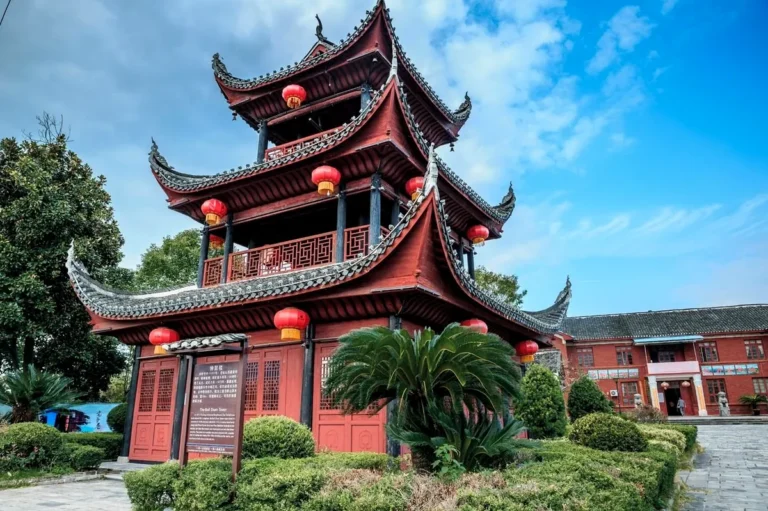
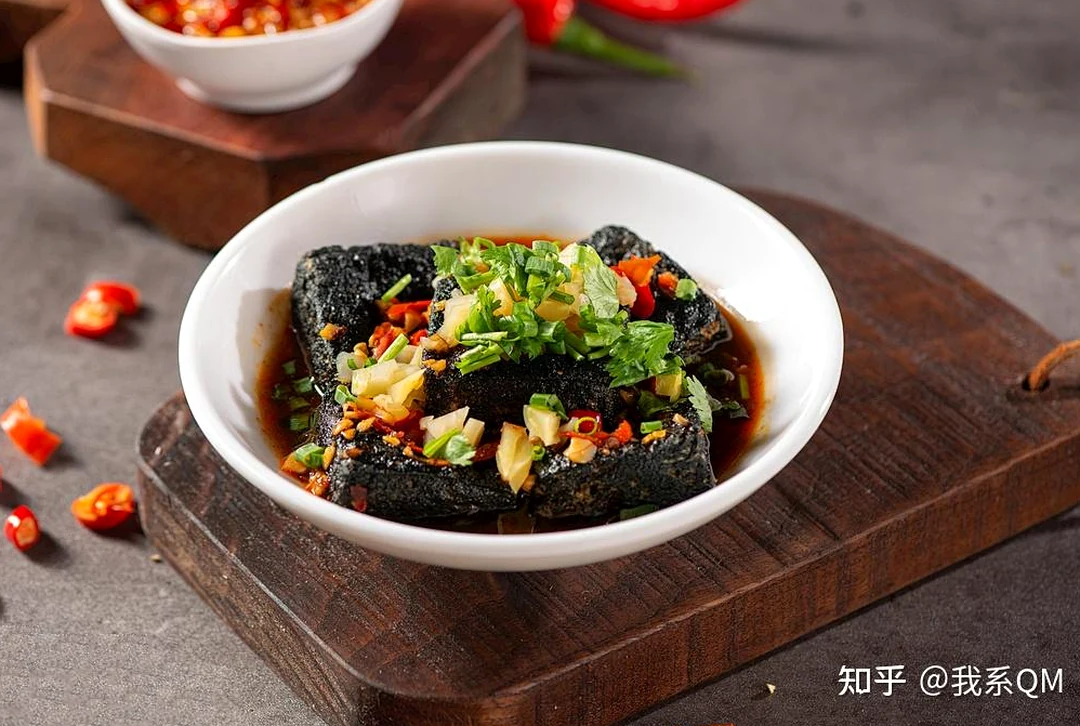
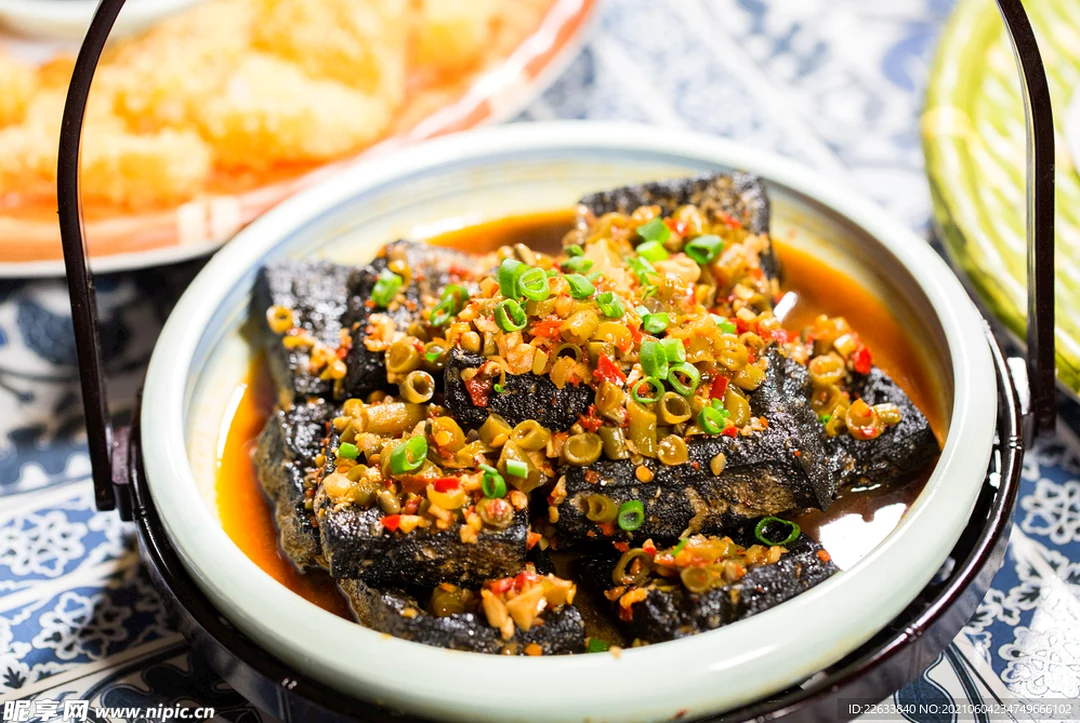
From the rolling natural scenery along the banks of the Xiang River, the urban flow leads straight into the bustling commercial heart of Huangxing Road Pedestrian Street and the historic alley of Pozi Street (Pozi Jie). Standing impressively at the center of this millennium-old culinary thoroughfare is the Fire Palace (Huogongdian) heritage complex, an architectural landmark bearing the distinct hallmarks of Taoist temple design from the Qianlong era of the Manchu Qing Dynasty. The spatial layout of Fire Palace adheres to strict principles of symmetry, featuring a bluestone-paved courtyard, sweeping upturned ceremonial archways, and the towering Fire God Temple wreathed in curling incense smoke. The low-lying topography of the old city wards inadvertently creates a wind-sheltered microclimate, allowing the rich aromas of frying oil, kitchen smoke, and traditional fermentation brine to linger deeply in every alleyway rather than dispersing—forging a cultural landscape at once sacred and vibrantly alive with everyday humanity. Inside this lantern-lit sanctuary, the pinnacle of Xiang culinary craftsmanship culminates in the making of Changsha stinky tofu—a marvel of natural fermentation demanding exacting precision in timing and humidity. Plump, glossy local soybeans are soaked in sweet well water, finely ground, and strained into soy milk before being curdled into tender, delicate tofu blocks. The soul of the entire craft lies in the heirloom jar of “black mother brine” (known as Lu Shui – 卤水), a magical fermenting liquid meticulously blended from dried shiitake mushrooms, winter bamboo shoots (dong sun), fragrant fermented black beans, herbal straw ash, and Hunan sorghum glutinous rice wine. This mixture undergoes a continuous fermentation cycle lasting from several months to an entire year in sealed earthenware vats, fostering a thriving ecosystem of native microorganisms. When snowy-white tofu squares are steeped in this brine for hours, natural biochemical reactions transform the proteins, dyeing every fiber of the curd a lustrous jet-black like India ink without a single drop of artificial coloring.
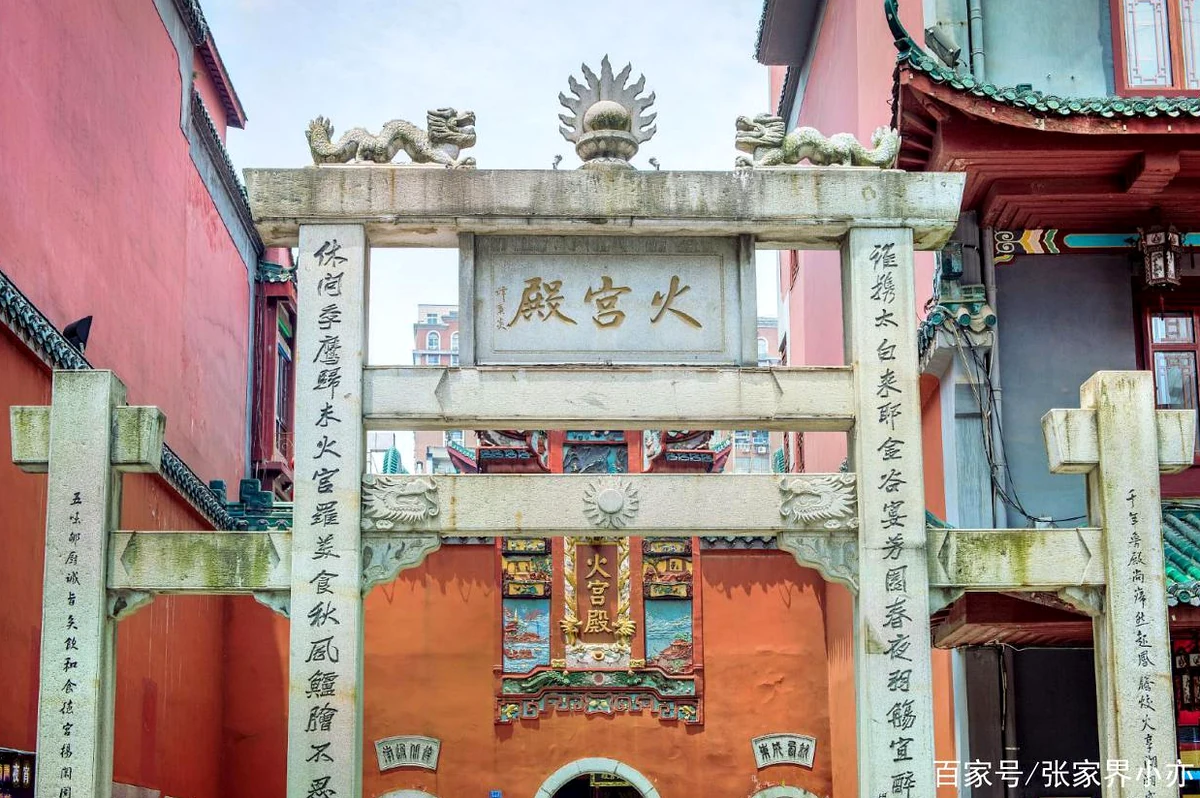
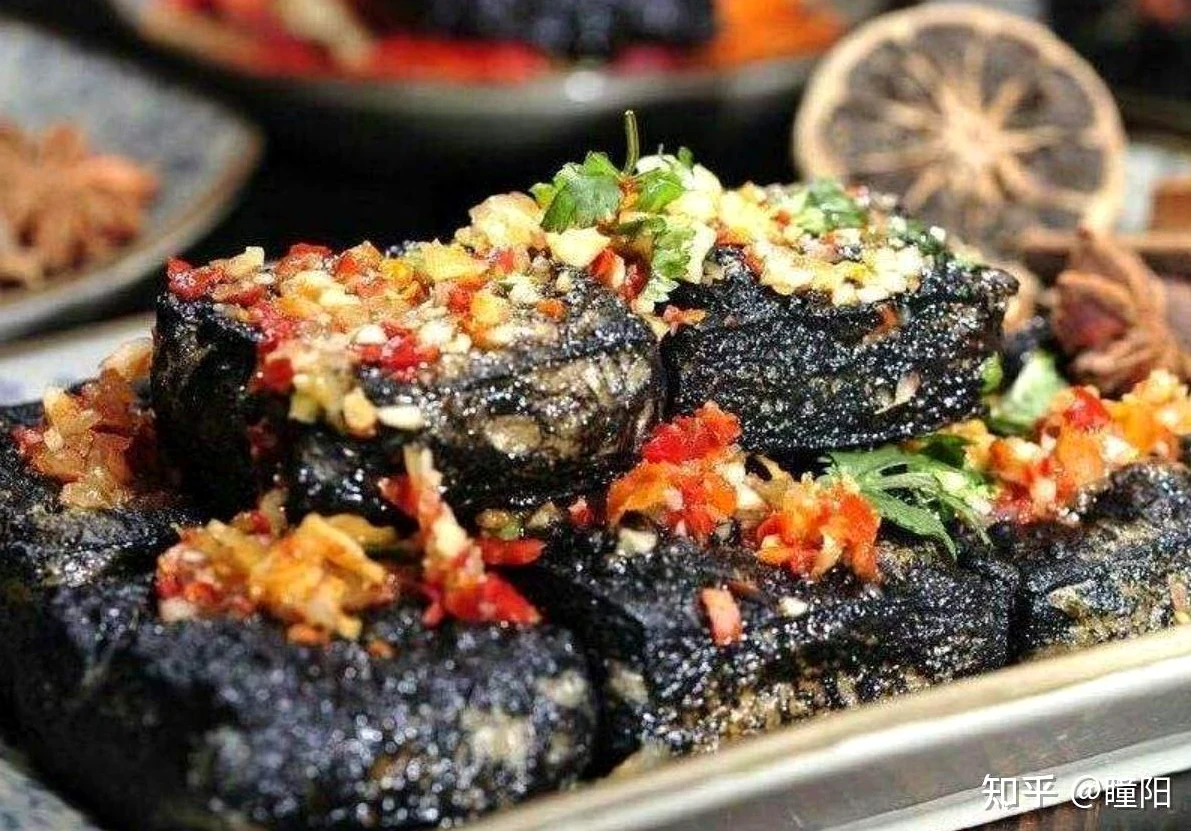
The art of savoring this dish reaches its crescendo through masterful heat control over cauldrons of boiling rapeseed oil sending wisps of smoke into the twilight air. Dropped into the seething oil, each black tofu square immediately puffs up with a blistered, shattering-crisp shell and hollow pockets, while the core turns as creamy and velvety as fresh tofu pudding. Using a pointed bamboo chopstick, the vendor pierces a small hole right into the center of the tofu and ladles a spoonful of secret sauce directly inside: a renowned fiery blend of stir-fried minced Hunan red chilies, crushed fresh garlic, vibrant green scallions, cilantro, and rich bone broth. Biting into a piping-hot, crispy piece of stinky tofu amidst the resonant melodies of Xiang opera echoing from Fire Palace’s ancient stage, travelers do far more than sample a street snack—they touch the very soul of a culinary civilization tempered by fire and time.
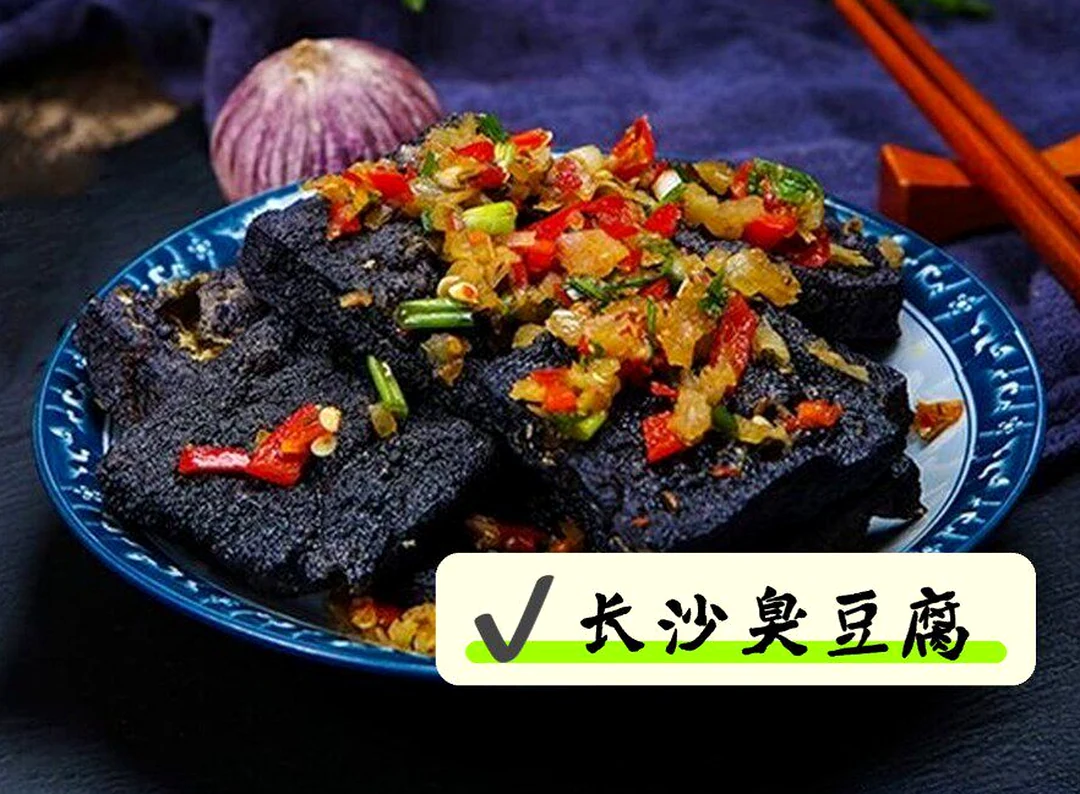
Tucked peacefully in the heart of historic Changsha along bustling thousand-year-old Pozi Street, the Huogongdian complex unfolds like a living revival film, capturing the finest architectural craftsmanship of southern China from the Qing dynasty through the Republican era. Built along a strict symmetrical axis, this grand structure showcases the graceful curves of layered yin-yang roof tiles sweeping upward against a clear blue sky. Rows of towering solid ironwood columns support intricately carved beams depicting birds, flowers, qilin, and phoenixes, coated in gold leaf and lacquer weathered by the passage of time and historical change. Throughout the winding covered corridors, hundreds of crimson silk lanterns hang in balanced rows; at dusk, they glow together with an enchanting light that reflects off cool granite flagstones, evoking the heyday of one of Hunan’s most vibrant centers of faith and river-port commerce. At the heart of this heritage complex lies a multi-level spatial layout full of striking yet harmonious contrasts. Right on the ground level, a spacious open-air temple courtyard is laid out as a lively folk food market where dozens of live cooking stalls operate nonstop from early morning until late at night. The air here is veiled in curling white steam carrying an unmistakable aroma, mingling with the lively sizzle of hot oil and the rhythmic clatter of cleavers like an endless street symphony. Visitors from afar gather around huge glossy black cast-iron woks, watching culinary artisans in traditional attire deftly flip each piece of tofu with long bamboo chopsticks, turning everyday cooking into a captivating visual performance.
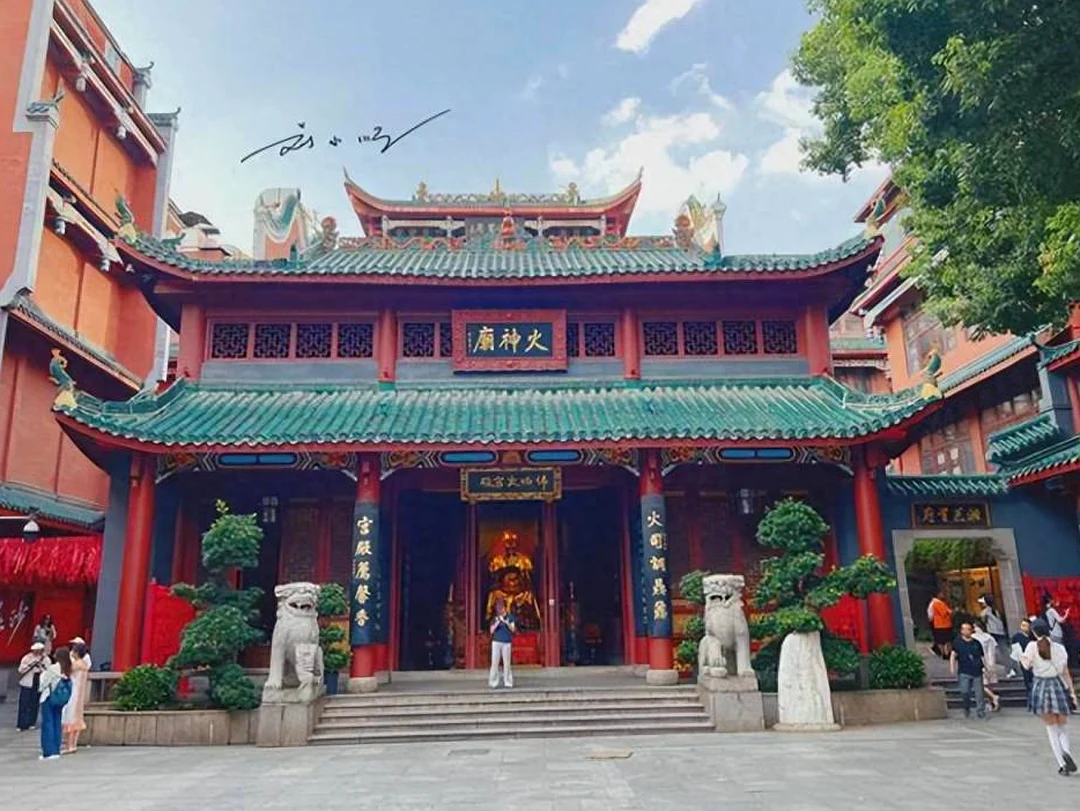
The craft of making stinky tofu at Huogongdian is celebrated as an apex of intangible cultural heritage, demanding strict standards from ingredient selection to heat control. The soul of this signature dish lies in a secret fermentation brine steeped from winter bamboo shoots, dried shiitake mushrooms, top-grade soybeans, sea salt, and glutinous rice wine, aged patiently over months and years so natural microorganisms transform the food’s texture. When tender white tofu blocks soak thoroughly in this liquid, they gradually turn a deep, glossy ink-black while absorbing a rich, deeply layered aroma and flavor. Dropped into a wok of camellia oil bubbling at the exact right temperature, the outer crust puffs up and turns crisp like fresh charcoal while keeping a soft, juicy, butter-cream texture inside. Artisans then poke a small hole right in the center of each piece with a bamboo pick and carefully spoon in a fiery, tangy sauce of pickled chopped chili, crushed garlic, sesame oil, and fresh cilantro, creating layers of flavor that thrill every sense.
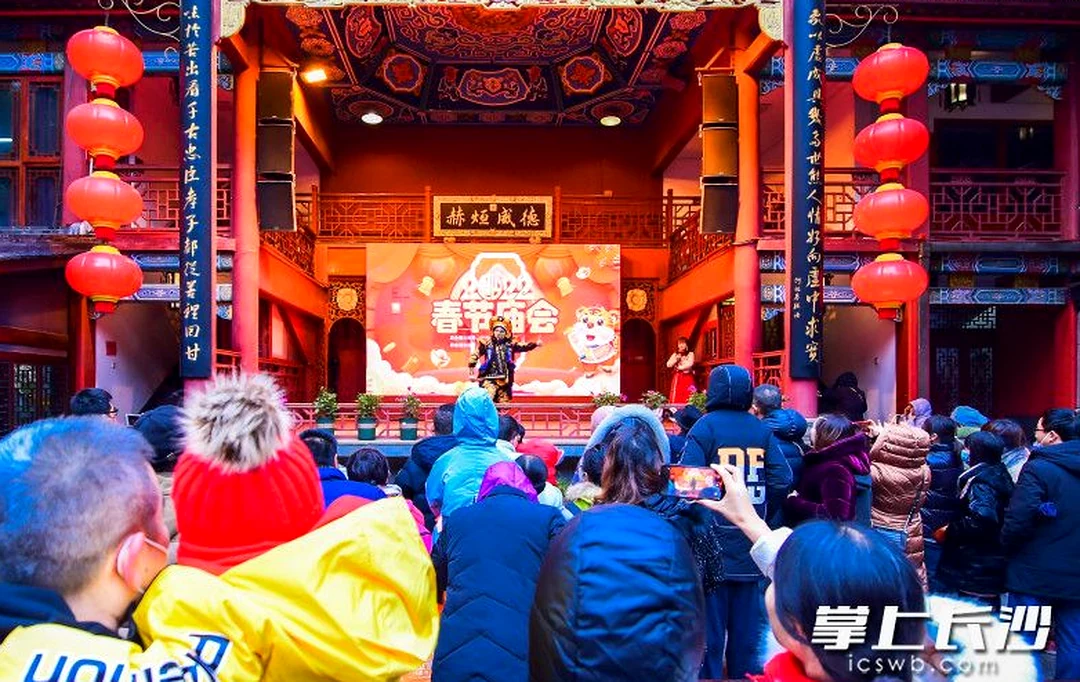
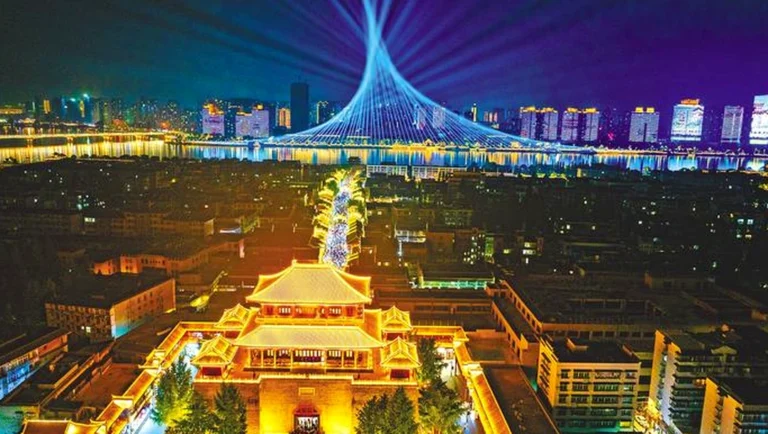
Stepping away from the bustle of the ground floor and climbing the winding wooden stairs opens into a complete contrast: a refined, imperial-style heritage banquet world. Up here lie classical banquet rooms furnished with rosewood round tables, floral silk curtains, and finely carved openwork screens, dedicated to high-end Xiang cuisine feasts served in traditional scholar-official style. Woven into this aristocratic dining setting is a classical theater stage, where guests slowly savor the deep flavors of fine delicacies while immersing themselves in stirring Xiang opera melodies sung in clear, elegant tones. In particular, lightning-fast face-changing (Bian Lian) performances—with masks shifting in the blink of an eye—seamlessly link traditional stage artistry with top-tier dining, turning a visit to Huogongdian into an unforgettable multi-sensory cultural encounter. As twilight settles over the calm Xiang River, Changsha city undergoes a dramatic shift driven by its night-time economy, transforming a thousand-year heritage space into a sleepless cultural theater. The centerpiece of this dazzling nightscape is none other than Huogongdian standing along historic Pozi Street, recorded in historical chronicles since the Song dynasty as one of the busiest commercial river ports in the Hu-Xiang region. Following a major renovation during the twelfth year of the Qianlong reign in the Qing dynasty, this Fire God temple complex today not only preserves its classical temple architecture but also serves as a day-and-night culinary hub where contemporary lighting art blends seamlessly with bold, earthy flavors.
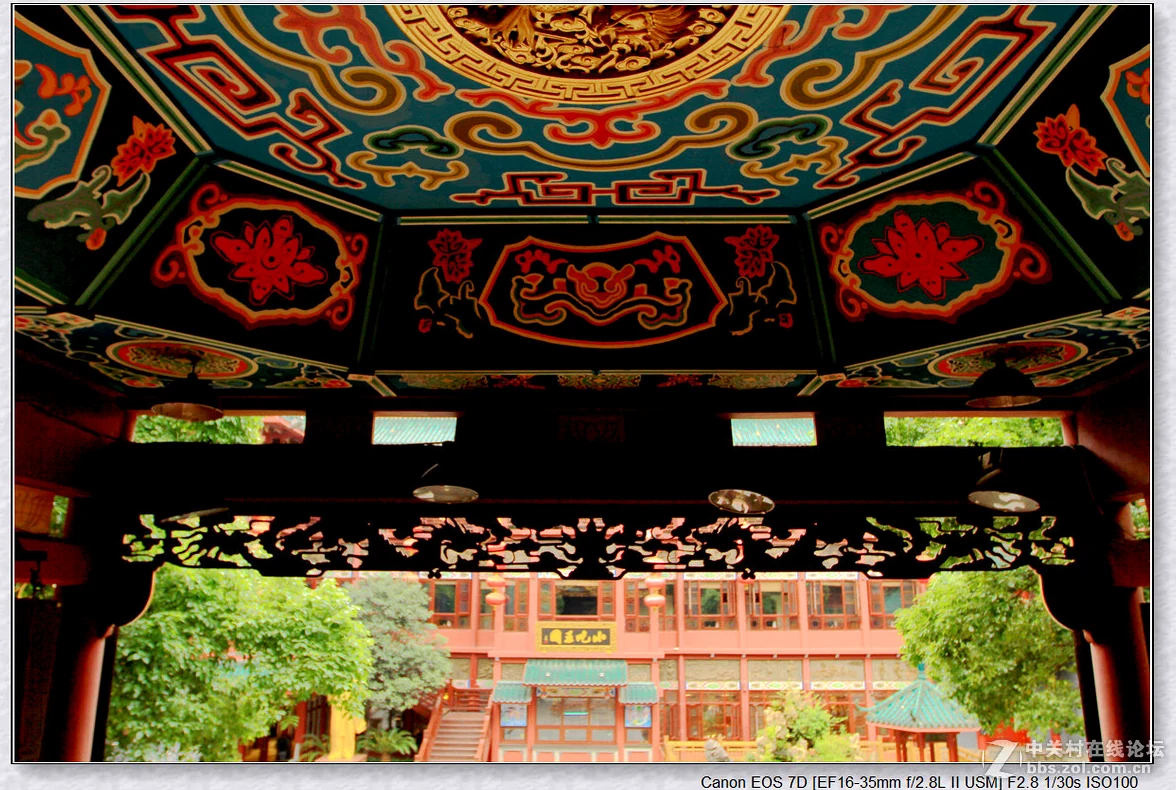
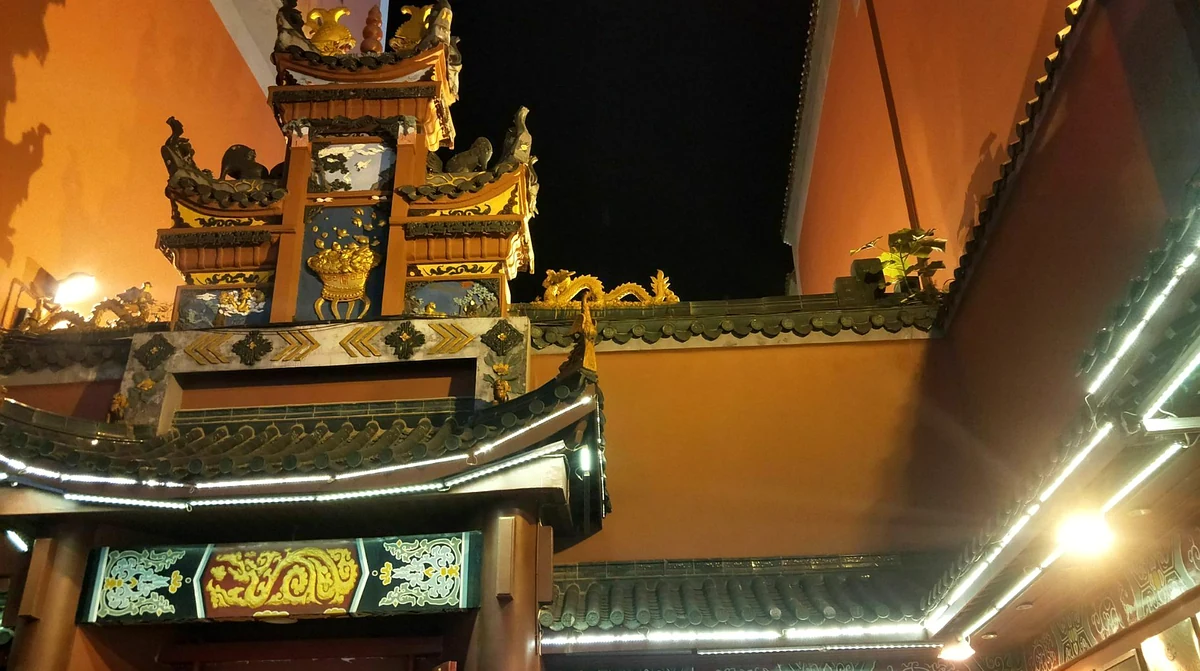
Thousands of large red lanterns hung high along Huogongdian’s sweeping eaves light up all at once, washing a corner of the Changsha night sky in vibrant red. The traditional glow from bubbling oil woks mingles with artistic LED strips, casting an enchanting hue across moss-kissed walls as if carrying travelers back through time to the bustling urban grandeur of centuries past. Across the center of the courtyard spanning thousands of square meters, white steam carrying the signature pungency of family-recipe stinky tofu curls upward and drifts past dark gray glazed roof ridges. The crisp sizzle from large cast-iron woks boiling continuously builds a lively chorus, awakening the senses of tens of thousands of people crowding in to experience life after dark.
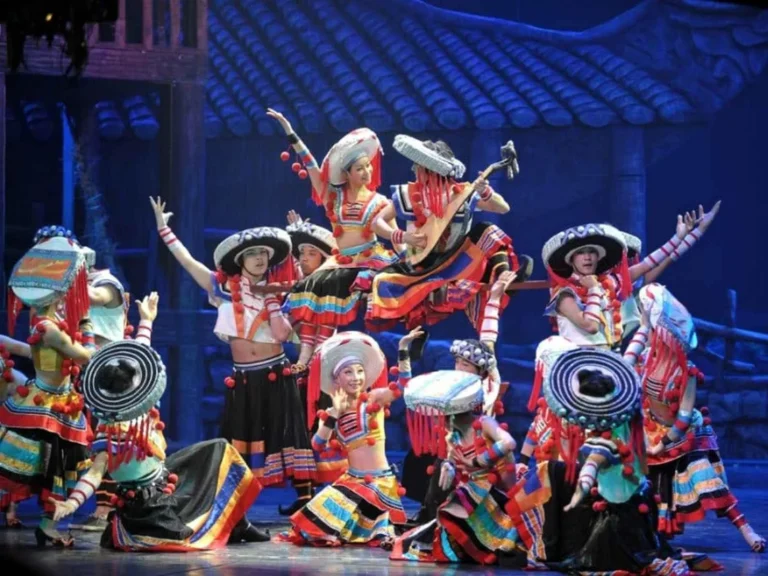
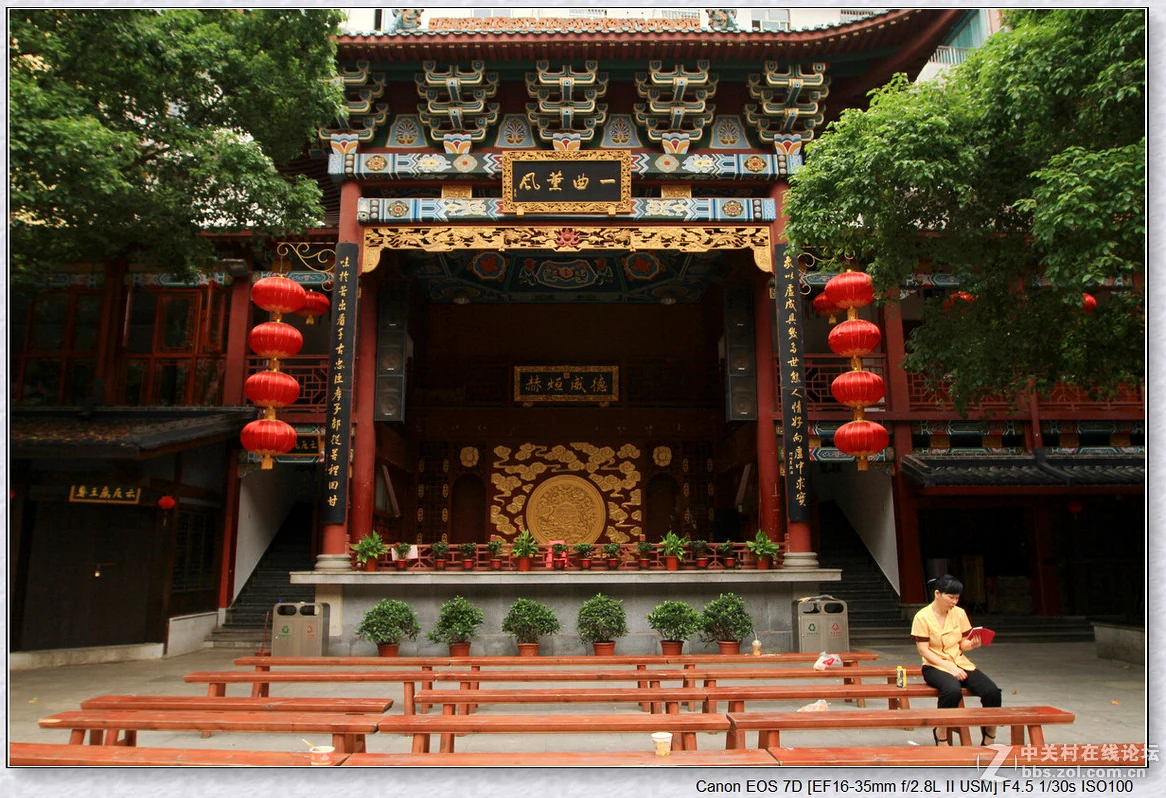
The crowning highlight of nights at Huogongdian is the open-air live stage in the ancient courtyard, where folk Xiang opera and traditional plays come vividly to life. Sitting around rustic wooden tables and chairs, spectators nibble on crisp black tofu blocks soaked in tongue-numbing Chaotian chili sauce while watching every graceful step, astonishing face-change move, and dramatic fire-breathing act by the stage performers. The leaping stage flames gleam in the diners’ eyes, echoing strangely with the fire glowing beneath the tofu-frying woks and calling to mind Huogongdian’s ancient origin as a sacred fire-praying altar protecting locals from disasters and conflagrations.
Late at night, as cool mist settles into the alleys of Pozi Street, the culinary rhythm here seems to grow even more spirited. Trays of stinky tofu—deep black from fermented black bean extract, tea buds, and shiitake and wood-ear mushrooms—keep coming off glowing charcoal stoves, heaped with vibrant green scallions, cilantro, crushed garlic, and tangy-spicy pickled radish. Visitors pouring in from everywhere stand and sit shoulder to shoulder around street carts and long rows of courtyard tables, chatting lively conversations amid rising wisps of steam. The contrast between shimmering light installations and the down-to-earth simplicity of street food erases social boundaries, shaping a one-of-a-kind Changsha night experience where the soul of traditional food culture pulses vividly inside a thriving modern city. The culinary art of the Xiao-Xiang land goes beyond tongue-searing heat to the intricate craft of microbial transformation, peaking in the famed jet-black Changsha stinky tofu. To create a signature flavor etched in diners’ memories for hundreds of years, heritage workshops at Huogongdian start by choosing plump, round soybeans, soaking them in clear spring water, grinding them fine, and pressing them into smooth, tender curds. The soul that elevates the dish is the secret fermentation brine, also known as “lu shui.” This mysterious pitch-black liquid brings together the cooking liquor of fresh bamboo shoots, prime shiitake mushrooms, dew-cured mung beans, and dozens of Hunan mountain herbs, naturally fermented in stoneware jars for several months up to half a year. When snowy white tofu blocks are submerged in this fermented brine, microbial enzymes gradually penetrate, transforming proteins and coating the surface in a glossy, dark hue like black jade while locking in a deeply savory, unmistakable aroma.
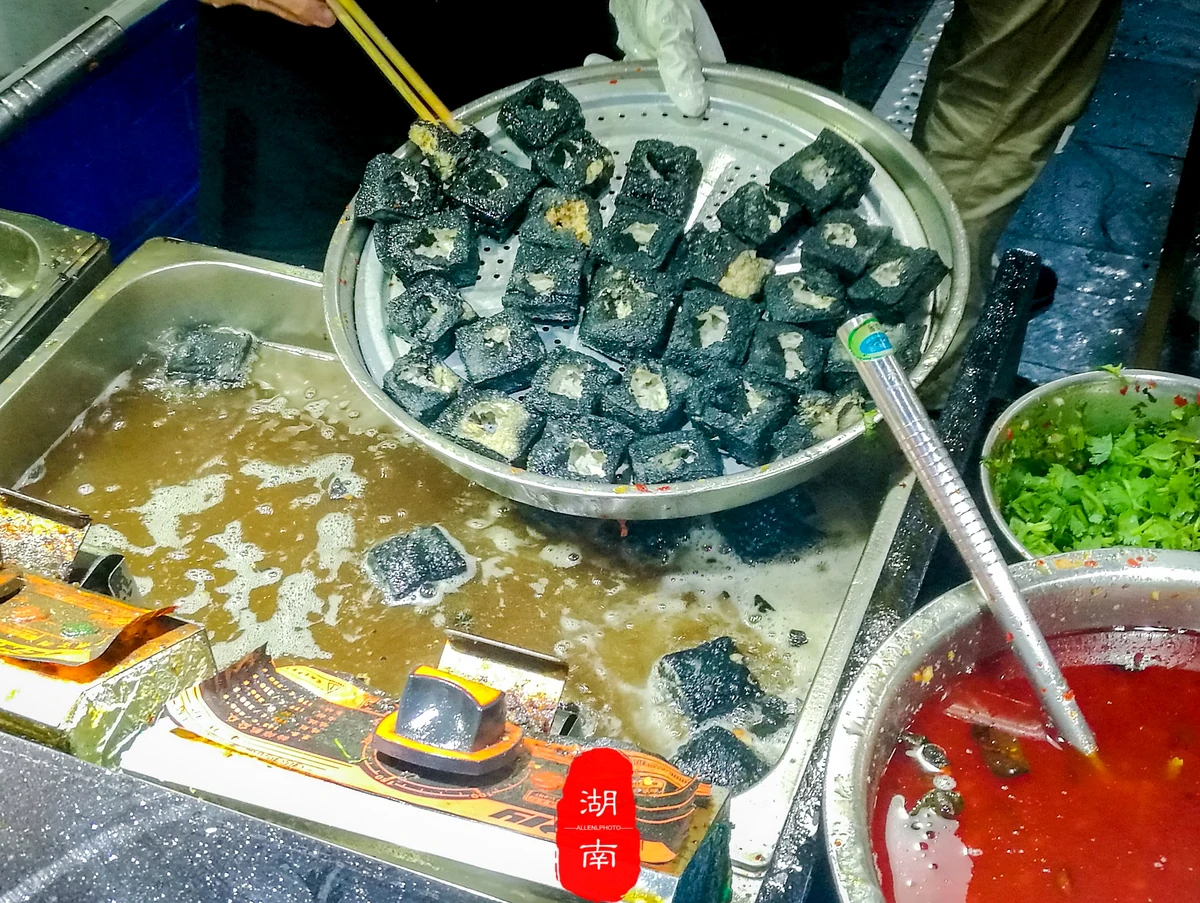
The exact moment the tofu meets the blazing cauldron of roaring hot oil is when the magic of heat begins to unfold. Beneath the flickering flames, the jet-black exterior quickly blisters, puffs up, and turns shattering crisp, while the interior preserves an airy, tender softness akin to delicate milk skin. The instant it is lifted from the sizzling oil, the artisan deftly pierces a small hole right in the center of the curd with a bamboo chopstick and ladles a spoonful of piping-hot sauce straight into its core. That hollow pocket immediately drinks in the rich, savory broth infused with tongue-numbing chili oil, fragrant sautéed fresh minced garlic, finely chopped scallions, and a touch of crisp fresh cilantro. Sink your teeth into a scalding piece of stinky tofu, and the crunchy crust shatters to release a burst of fiery sauce mingling with the creamy richness of fermented soybeans—transforming the initially pungent aroma into a deeply sweet, warming, and lingering finish on the palate.
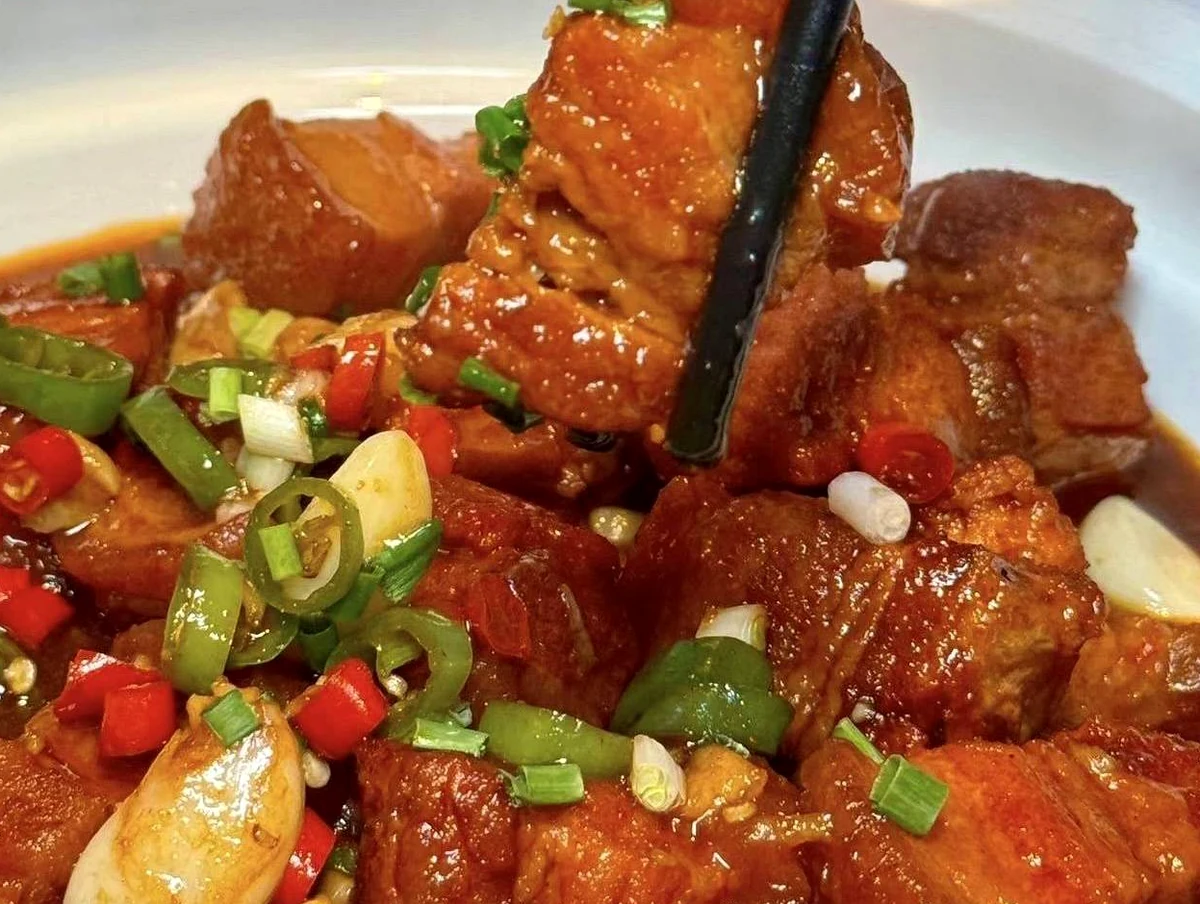
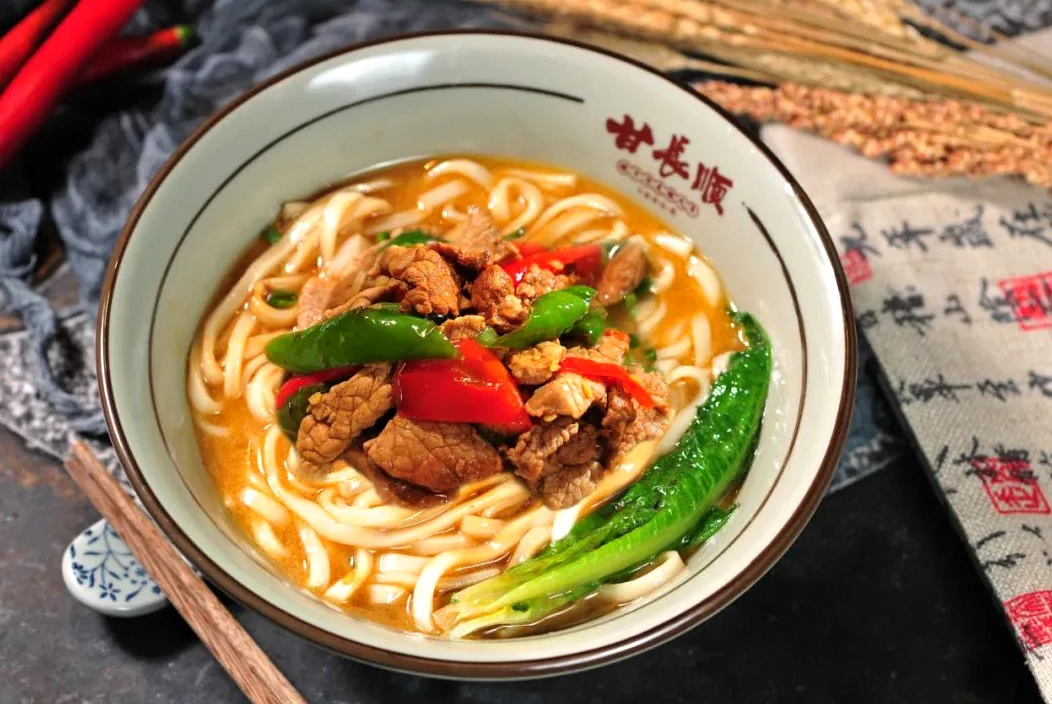
A journey into traditional Hunan flavors would be incomplete without a feast featuring iconic companion dishes steeped in historical significance. Standing out above all is Mao’s Braised Pork, a dish closely tied to the culinary habits of the leader born in Xiangtan. Entirely distinct from coastal styles of braised pork, Mao’s Braised Pork uses not a single drop of dark soy sauce; instead, its mesmerizing amber-red hue and translucent layers of fat are achieved solely through the painstaking caramelization of rock sugar blended with Shaoxing wine, black cardamom, and fiery dried chilies, yielding a melt-in-your-mouth texture that never feels greasy. Alongside it, Steamed Fish Head with Diced Hot Red Peppers delivers a dazzling symphony for both the eyes and the palate, as a fresh bighead carp head is blanketed in fermented pickled red chilies, steaming fragrantly on a porcelain platter and distilling the delicate sweetness of the fish in a numbing, tangy, and spicy broth. As night falls over the ancient alleys surrounding Fire Palace, the local culinary pulse continues with steaming bowls of Changsha rice noodles. Soft, flat fresh rice noodles bathed in a broth simmered for half a day from pork marrow bones and mature hens are customized by diners with heirloom toppings (“mazi”) such as spicy stir-fried minced pork, pickled chili bamboo shoots, or soy-braised beef tripe. Savoring crispy stinky tofu alongside a piping-hot bowl of rice noodles—amid the crackle of boiling oil and waves of spicy smoke—is how travelers truly connect with the vibrant, humble, yet fiercely proud heartbeat of Xiangjiang’s millennium-old culinary heritage.
Hunan’s climate is famously intense, nestled within a wind-catching valley known as one of the blazing “furnaces” of the middle Yangtze River basin. Consequently, the most ideal window to embark on a culinary pilgrimage to this region is during the cool, crisp autumn stretching from September to November, or the refreshing spring months from March to May. Autumn in Changsha exudes a serene beauty as thousands of fiery red maple leaves atop Yuelu Mountain cast their reflection upon the tranquil Xiang River, completely dispelling the oppressive summer heat that routinely climbs past 38°C. The brisk chill of early winter nights or late-autumn breezes acts as the ultimate catalyst to awaken a traveler’s senses before the billowing, aromatic smoke rising from bubbling oil cauldrons in this ancient culinary capital.
The grand headquarters of stinky tofu culture rises proudly beside Fire Palace on the bustling ancient thoroughfare of Pozi Street, located in the thriving Tianxin District. Visitors can effortlessly reach this heritage landmark via the city’s metro network by taking Line 1 or Line 2 to Wuyi Square Station or Huangxing Square Station, followed by a five- to seven-minute stroll through lantern-lit streets. The area surrounding the Changsha IFS Mall international financial complex offers an abundance of convenient accommodations. Staying here not only allows travelers to take in the city’s contemporary pulse with ease, but also makes late-night walks over to Fire Palace effortless. The Fire Palace heritage compound typically welcomes diners daily from 07:00 AM until 11:00 PM, encompassing both the sacred Fire God Temple and the sprawling culinary complex. Dining on heritage cuisine here is remarkably affordable and accessible to every traveler. A traditional serving of Fire Palace stinky tofu—consisting of six to eight signature jet-black squares—costs between 10 and 25 RMB depending on portion size. Alongside the iconic dish that defines the soul of the old town, visitors can also indulge in other famous imperial-style street snacks such as crispy-yet-chewy sugar-oil rice cakes, fragrant spicy Xiangjiang shrimp, or a comforting bowl of sweet-broth rice noodles, with each filling feast costing just a few dozen yuan.
The art of enjoying Changsha stinky tofu demands strict attention to timing in order to achieve complete sensory harmony. Once the glossy black tofu squares—aged in a secret herbal brine—are dropped into roaring hot oil, they puff up with a shattering-crisp outer skin while keeping an interior as silky smooth as milk pudding. Discerning diners never let the dish cool down; instead, they eat it the very moment it emerges from the deep-frying cauldron, using the tip of a chopstick to poke a small hole in the top before ladling in a rich broth brewed from shiitake mushrooms and premium soy sauce tightly bound with fragrant sautéed fresh minced chilies. The interplay between the searing heat of Hunan bird’s eye chilies, the bold initial aroma, and the creamy, savory finish lingering at the back of the throat swiftly dissolves any initial hesitation a traveler might have.
To ensure an expedition exploring the culinary treasures of Xiangjiang remains undisturbed by commercial hassles, choosing a standardized no-shopping travel model is key to dedicating your full attention to local culture and history. Rather than getting caught in a maze of low-quality tourist traps, a curated itinerary featuring upscale accommodations in the city center and the guidance of experts well-versed in classical heritage opens the door to the true depth of this gastronomic legacy; enthusiasts eager to explore the East can easily browse and book through an all-inclusive tour package to enjoy a seamless, worry-free journey brimming with authentic emotion.