





Hangzhou’s architectural streetscape weaves an enchanting tapestry in which curved ancient tiled roofs nestle gracefully beside sleek modern skyscrapers. The city has carefully safeguarded both tangible and intangible cultural treasures—crowned by the West Lake Cultural Landscape, inscribed as a UNESCO World Heritage Site in 2011 in recognition of over a millennium of poetic landscape artistry. Historic quarters survive through bluestone-paved lanes, intricately carved stone canal bridges, and timber-framed houses leaning over tranquil waterways. Strolling down historic Hefang Street immerses visitors in the living atmosphere of old Hangzhou, where traditional shops display fine silk textiles, folding paper fans, oiled-paper umbrellas, and regional handicrafts. Beyond commerce, Hangzhou’s residents uphold refined Jiangnan traditions centered on tea culture, poetry, and seasonal harmony—celebrating the Lantern Festival, Dragon Boat races, and Mid-Autumn moon-viewing over West Lake alongside classical performances of Hangzhou Opera (Hangju) and Yue Opera (Yueju) and the unhurried ritual of brewing Longjing tea.
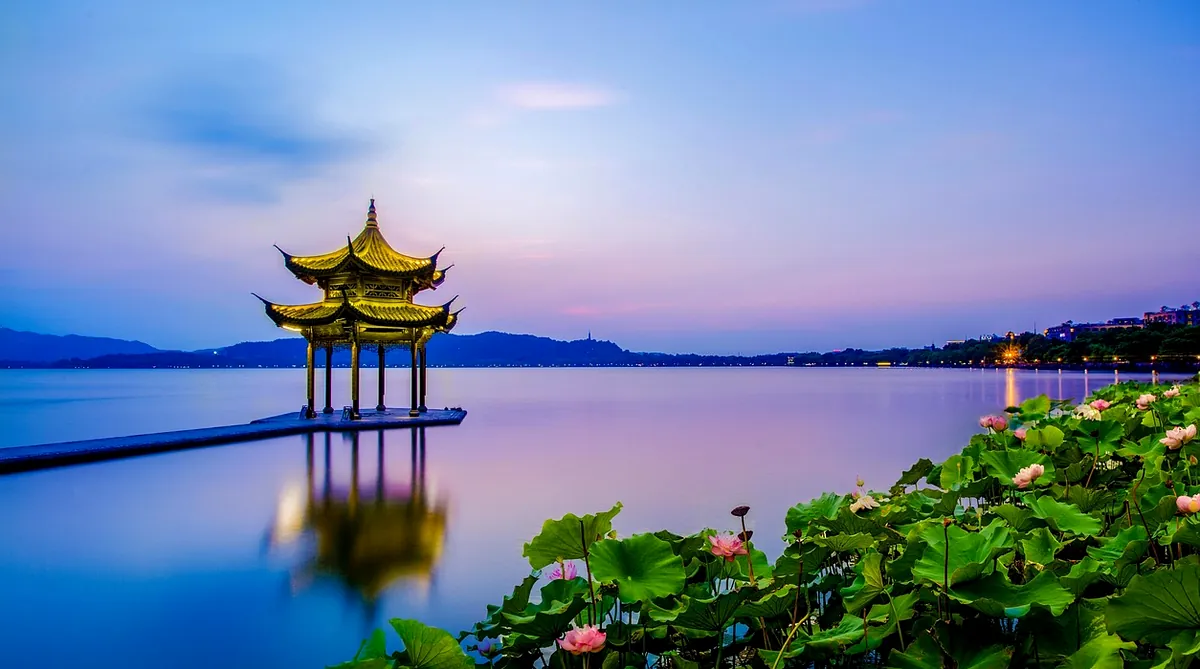
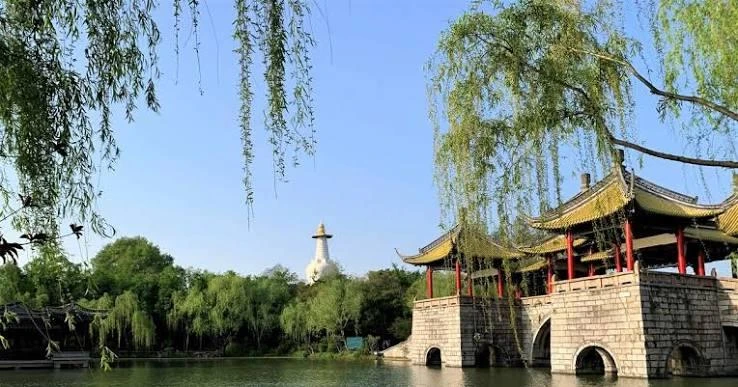
Often praised alongside Suzhou in the classic proverb “Above there is Heaven; below there are Suzhou and Hangzhou,” the city centers around West Lake (Xi Hu), both a natural freshwater gem and a supreme triumph of Chinese landscape architecture sculpted over centuries. Framed on three sides by emerald hills and adorned with arched stone bridges, lakeside pavilions, and four-season gardens, West Lake is steeped in romantic legends including The Butterfly Lovers (Liang Shanbo and Zhu Yingtai) and The Legend of the White Snake. Since the Southern Song dynasty, connoisseurs have celebrated the “Ten Scenes of West Lake”—ten poetic vistas immortalized in imperial calligraphy and painting. Three iconic scenes best encapsulate West Lake’s timeless magic: Three Ponds Mirroring the Moon (Sandan Yinyue), Spring Dawn at Su Causeway (Sudi Chunxiao), and Lingering Snow on Broken Bridge (Duanqiao Canxue).
Three Ponds Mirroring the Moon stands among West Lake’s most famous emblems in the southern sector of the lake. Rising from the water are three small gourd-shaped stone pagodas, each pierced with five round apertures. On full-moon nights, candles lit inside the hollow stone towers shine through the circular openings, casting shimmering moon-like reflections across the water alongside the real full moon overhead and its reflection—creating the poetic illusion of dozens of moons dancing across the lake. Gliding across the water by wooden rowboat under moonlight offers a serene experience straight out of a classical painting.
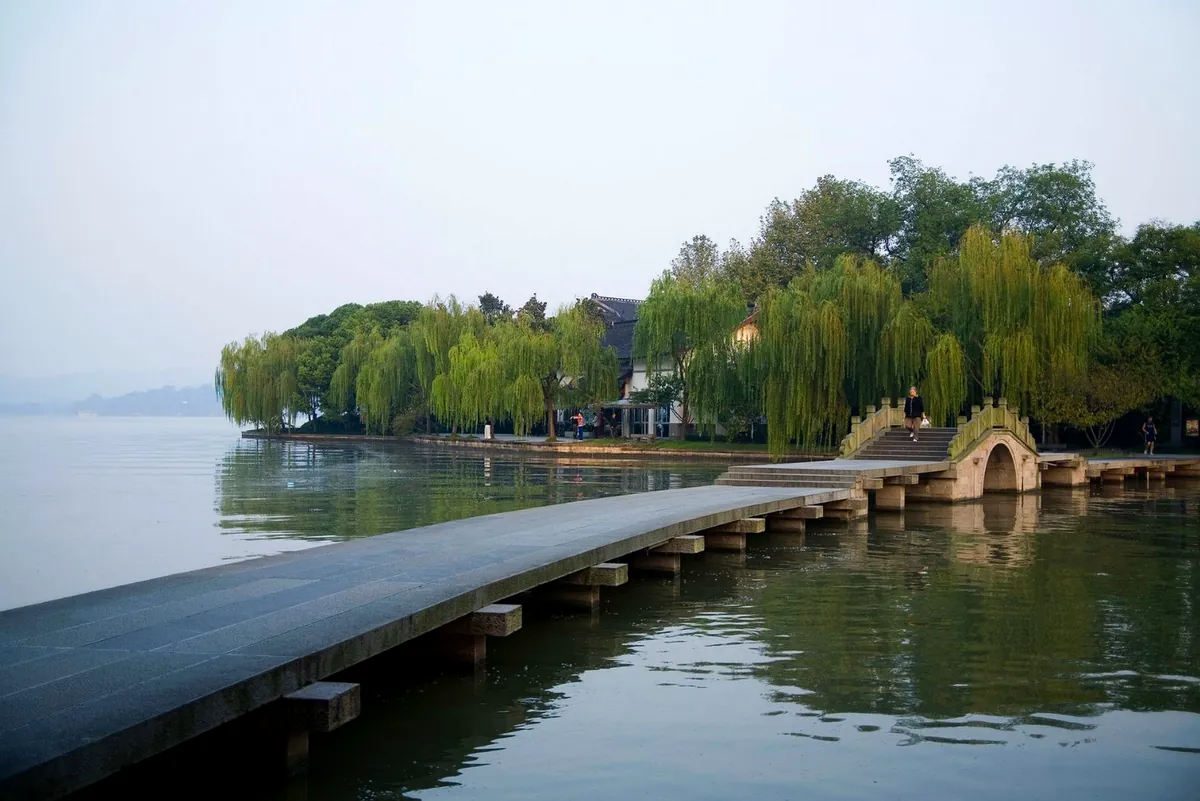
Spring Dawn at Su Causeway celebrates the 2.8-kilometer landscaped embankment constructed in the eleventh century by famed poet-statesman Su Shi during his tenure as Governor of Hangzhou. Linking the northern and southern shores, the causeway is planted alternately with weeping willows and peach trees. At dawn in spring, as soft golden sunlight filters through morning mist onto tender green willow fronds and crimson peach blossoms mirrored in calm lake water, strolling along Su Causeway reveals nature awakening in pure lyrical beauty.
Lingering Snow on Broken Bridge, located along the northeastern shore of West Lake, is forever linked to the poignant romance of Xu Xian and Lady White Snake. In winter after a snowfall, sunlight melts snow first along the sun-warmed stone crown of the arched bridge while snow lingers on its shaded flanks—creating the poetic optical illusion from afar that the bridge is “broken” in the middle, an image celebrated across centuries of Chinese ink painting and poetry.
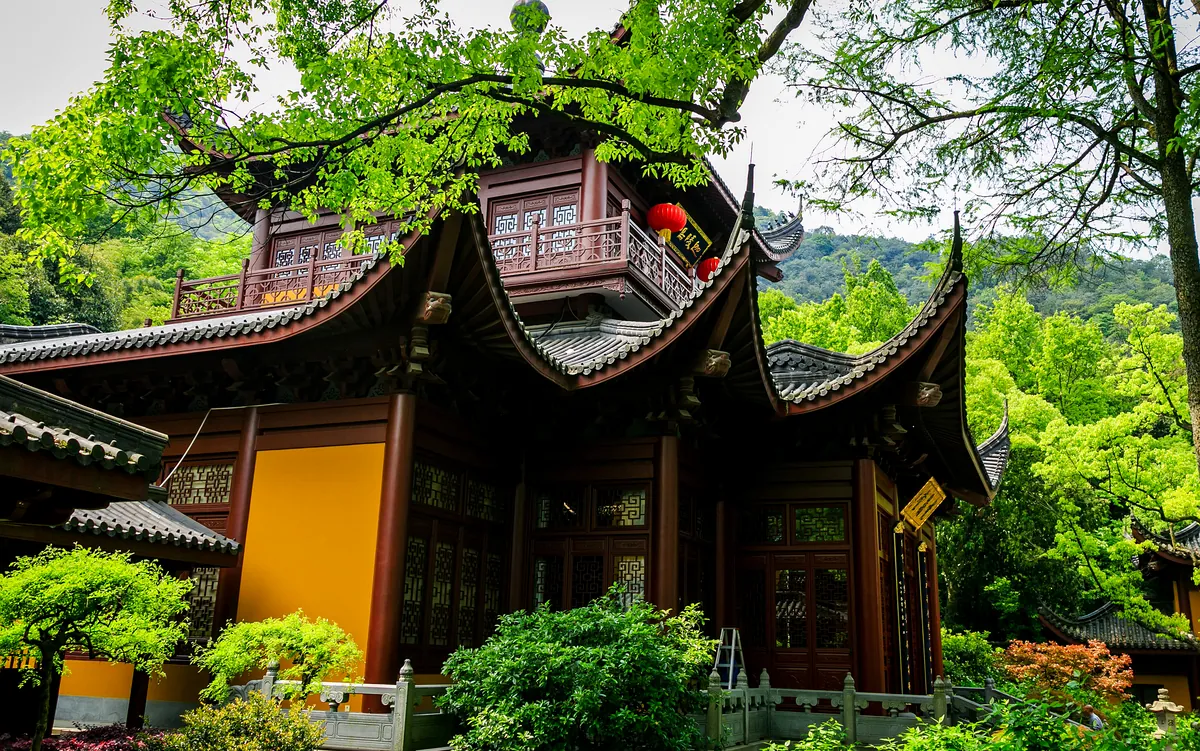
Stepping away from the lakeside brings travelers to a monumental spiritual sanctuary: Lingyin Temple (Temple of the Soul’s Retreat – 靈隱寺), one of China’s ten most celebrated ancient Buddhist monasteries with over 1,700 years of history. Nestled amid forested hills at the foot of Feilai Feng (“Peak Flown From Afar”), Lingyin Temple was founded in 326 CE by the Indian monk Hui Li, who marveled at the craggy limestone peak as though it had flown straight from India. Rebuilt and expanded across dynasties, its grand halls culminate in the Mahavira Hall enshrining a magnificent nearly 20-meter-tall camphor-wood statue of Shakyamuni Buddha—one of China’s largest wooden Buddha sculptures. Directly opposite the temple, the limestone cliffs and grottoes of Feilai Peak preserve more than 300 exquisite Buddhist stone carvings dating from the tenth to fourteenth centuries, offering a serene sanctuary of contemplation amid ancient trees.
Hangzhou is equally celebrated as the birthplace of China’s most prestigious green tea—Longjing Tea (Dragon Well Tea). Visiting Meijiawu Tea Village southwest of West Lake offers an unforgettable immersion into tea culture amid rolling emerald tea terraces framed by misty hills. With over 1,200 years of heritage, Longjing tea is prized for its “Four Wonders”: vibrant jade-green color, rich orchid-like aroma, mellow sweet flavor, and flat, spear-shaped leaves. At Meijiawu, visitors walk through manicured tea gardens, watch skilled pickers harvest tender spring buds, observe traditional hand-pan-firing techniques in heated iron woks, and savor freshly brewed Dragon Well tea in tranquil village teahouses.
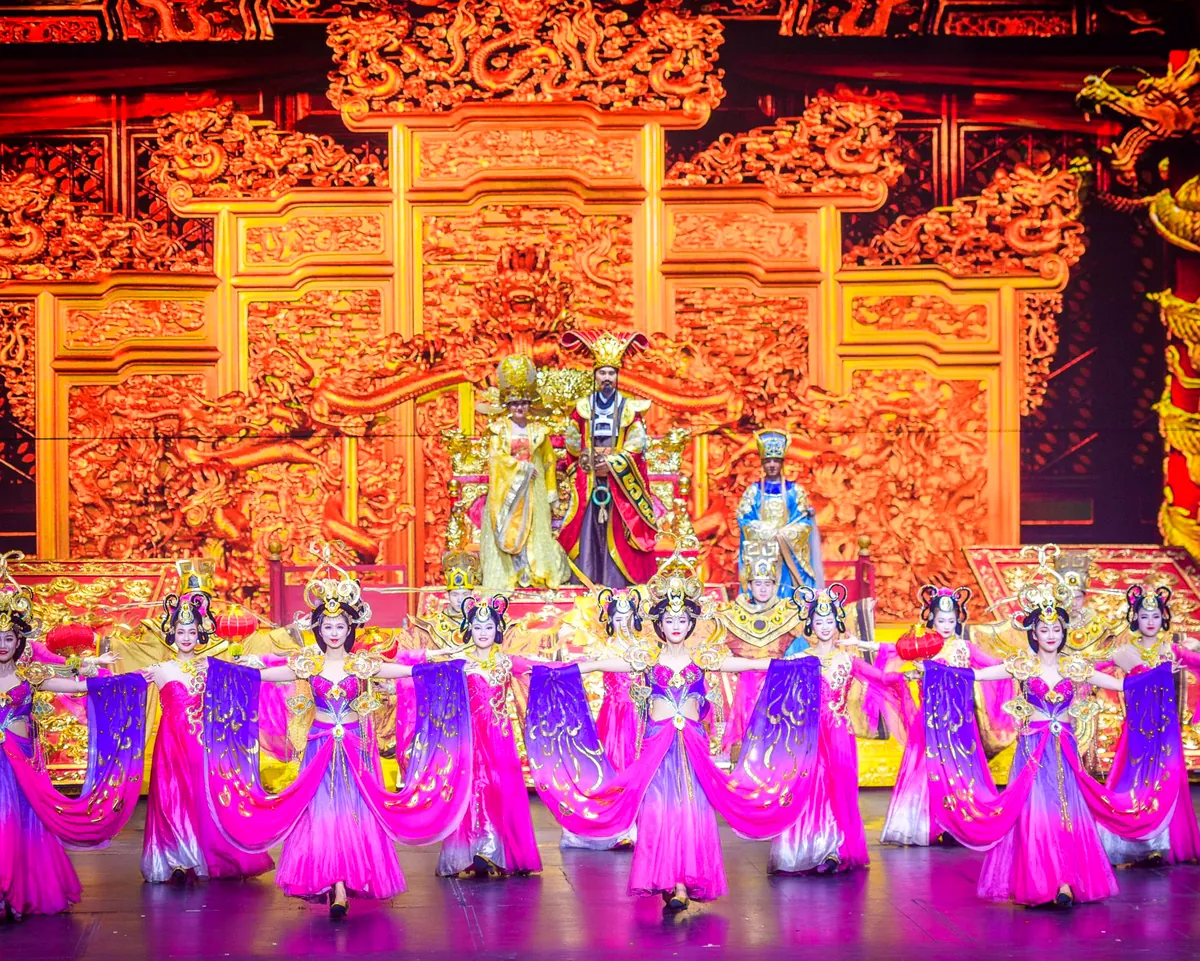
To cap off a day of heritage discovery, an evening at The Romance of the Song Dynasty Show delivers an unforgettable theatrical spectacle. Ranked among China’s top live stage productions, this grand historical drama transports audiences back to the golden age of Southern Song Lin’an—chronicling Hangzhou’s story from Neolithic Liangzhu origins and Wuyue prosperity to the legends of the Butterfly Lovers, the White Snake, and national hero General Yue Fei. Powered by 3D projection mapping, hydraulic stagecraft, and hundreds of performers in opulent period costumes, the show brings Hangzhou’s proud heritage vividly to life.
Hangzhou’s culinary heritage stands as a refined pillar of Zhejiang Cuisine (Zhe Cai), prized for light, clean flavors, seasonal freshness, and delicate execution honoring natural ingredients. Foremost among iconic specialties is West Lake Fish in Vinegar Gravy (Xihu Cuyu), prepared with fresh grass carp poached gently and glazed in a glossy sweet-and-sour sauce of aged vinegar, sugar, and julienned ginger. Equally legendary is Dongpo Pork (Dongpo Rou), named after poet Su Dongpo—square cuts of marbled pork belly braised slowly in Shaoxing rice wine, soy sauce, and rock sugar until meltingly tender and deeply aromatic without heaviness. Shrimp with Longjing Tea (Longjing Xiaren) pairs plump freshwater river shrimp flash-wok-seared with tender spring Dragon Well tea leaves for a clean, fragrant delicacy, while Sister Song’s Fish Broth (Songsao Yugeng)—famously praised by Southern Song Emperor Lizong—delivers a velvety, comforting soup of minced fish, shredded chicken, bamboo shoots, and shiitake mushrooms. Paired with unhurried afternoon tea salons serving delicate pastries, Hangzhou dining elevates everyday meals into refined cultural art.
As one of China’s most dynamic modern cities, Hangzhou boasts world-class transportation infrastructure. Hangzhou Xiaoshan International Airport (HGH) connects the city directly with major Asian and international hubs, linked smoothly to downtown by metro, airport express bus, and taxi. China’s CRH high-speed rail network connects Hangzhou with Shanghai in roughly one hour as well as Nanjing, Suzhou, and Beijing in comfort, while an extensive urban metro network, public buses, and Didi ride-hailing make getting around effortless. Hangzhou shines year-round across four distinct seasons: Spring (March–May) brings mild breezes and blooming peach and cherry trees along Su Causeway; Summer (June–August) blankets West Lake in fragrant lotus blossoms; Autumn (September–November) fills the air with sweet golden osmanthus fragrance under crisp, clear skies ideal for cycling around the lake; and Winter (December–February) unveils serene, poetic scenes of snow dusting Broken Bridge.

For Vietnamese travelers, thoughtful preparation ensures a completely smooth journey to Hangzhou. First, secure your Chinese tourist visa well ahead of departure (processing typically takes 5 to 7 business days). Second, regarding payments, China operates largely on cashless mobile wallets: link an international Visa or Mastercard to Alipay and WeChat Pay before traveling while carrying a small reserve of RMB cash for occasional use. Third, for connectivity, purchase a travel eSIM or airport SIM card upon arrival, and install a reliable VPN beforehand if you need access to restricted international platforms such as Google, Facebook, Instagram, or WhatsApp. Pack seasonal layers—light jackets for spring and autumn, breathable sun protection for summer, and warm coats and gloves for winter—alongside comfortable walking shoes for lakeside strolls. Above all, VDS Travel is proud to be your trusted companion: drawing on deep expertise in Chinese heritage and culture, our specialists handle visas, curated itineraries, and seamless on-the-ground support so you can experience the timeless magic of Hangzhou with total peace of mind.
