





Entering the turbulent modern era, Mengzi transformed powerfully from a remote border fortress into a vanguard of international commerce. Following the smoke and fire of the Sino-French War in 1887, the Manchu imperial court was forced to sign supplementary commercial treaties, turning Mengzi into an open trading port welcoming Western commercial waves to Yunnan Province for the first time. The Mengzi Customs House was established shortly thereafter, elevating this land into a premier waterway and land trade gateway and the cradle of Dian’s modern industry. Steamship whistles pierced valley mists as the nation’s first private railway named Ge-Bi-Shi alongside the Yunnan-Vietnam railway trunk spanning the Red River basin took shape, distributing silk, minerals, and renowned culinary culture across the mainland.
The town’s heroic spirit was forged not merely from bricks and stones or bustling commercial ports, but tempered through revolutionary smoke and peak academic depth. In the remote village of Zhuaniwei, the First Delegates Congress of the Yunnan Provincial Party Committee secretly convened in 1928, igniting an indomitable struggle. Exactly a decade later, amid national crisis during the 1938 War of Resistance, the legendary National Southwestern Associated University relocated a branch of its Arts and Law School right along South Lake’s shores. Great academic figures like Zhu Ziqing, Wen Yiduo, and Feng Youlan spent mornings and evenings leaning against lake railings, toiling over lesson plans amid border-town night rain. The presence of these master scholars merged with local bold characters and the poetic flavor of crossing-the-bridge rice noodles, crystallizing a Mengzi heritage realm that is simultaneously solemn and ancient, imbued with immortal scholarly character.
Situated within the fertile core of southeastern Yunnan Province, Mengzi city—capital of the Honghe Hani and Yi Autonomous Prefecture—was endowed by nature since primordial times with an exceptionally advantageous geomantic structure. This ancient land rests entirely within a broad plateau basin, gently transitioning between rolling low hills and fertile alluvial valleys. Viewed from above, Mengzi’s natural landscape strictly obeys traditional geomantic rules featuring “high north, low south,” forging a warm basin plain shielding against northern cold winds while opening wide to welcome warm vital energy from the Red River valley to the south. This terrain combines the rugged fortification of a southern border stronghold with the rich fertility of boundless corn and rice fields.
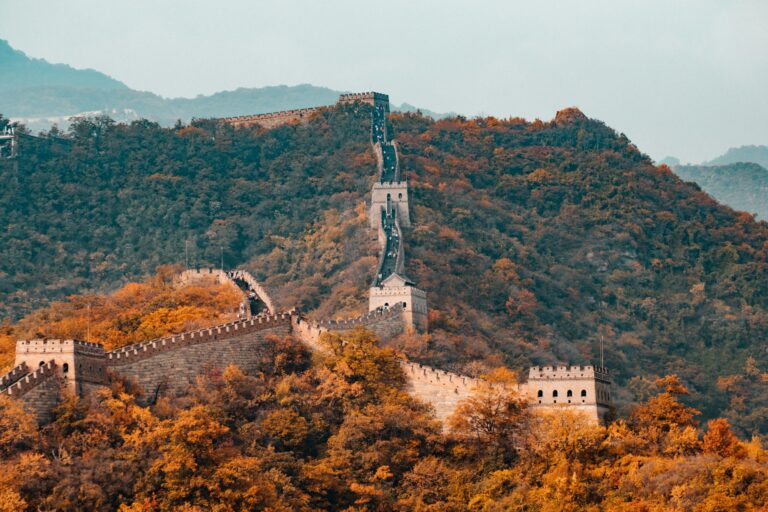
The ancient town’s sturdiest geomantic anchor is the majestic Mutze Mountain range, poetically called Lianhua Mountain by locals, standing guard in the north like a giant jade screen. Mutze is shrouded in mists year-round with lush green forests, serving as the main dragon vein gathering vital energy and absorbing Diannan heaven and earth essence to channel down to the plains. In ancient gazetteers, Mengzi residents proudly summarized their homeland’s terrain through eight golden phrases: “Mutze tủng thúy, Nanhu hán bích,” meaning Mutze Mountain soars in jade-green splendor while South Lake embraces boundless azure hues. The flawless correspondence between towering mountain backing behind and open flat waters ahead forged a rare yin-yang balanced ecological space upon the southwestern plateau.
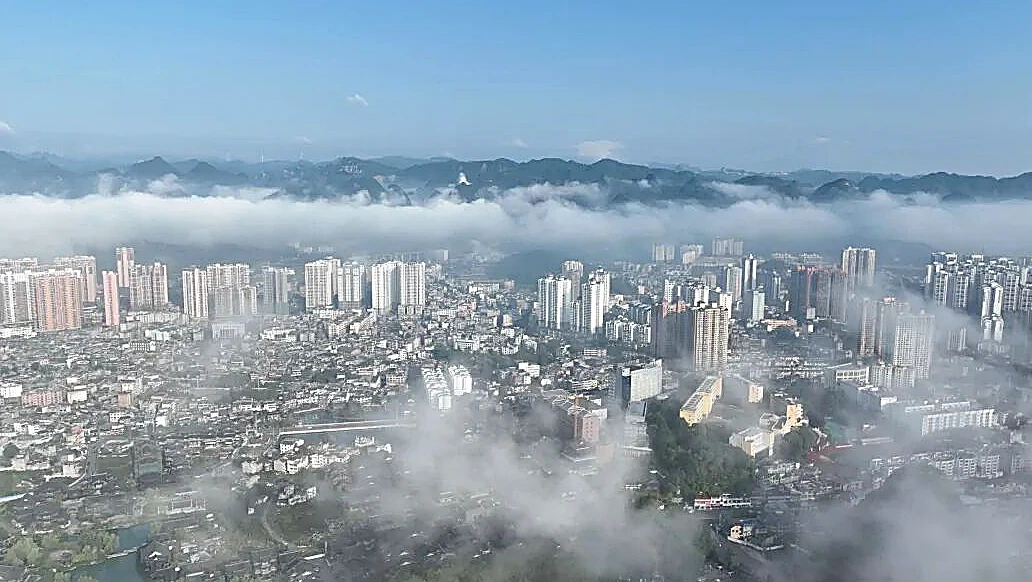
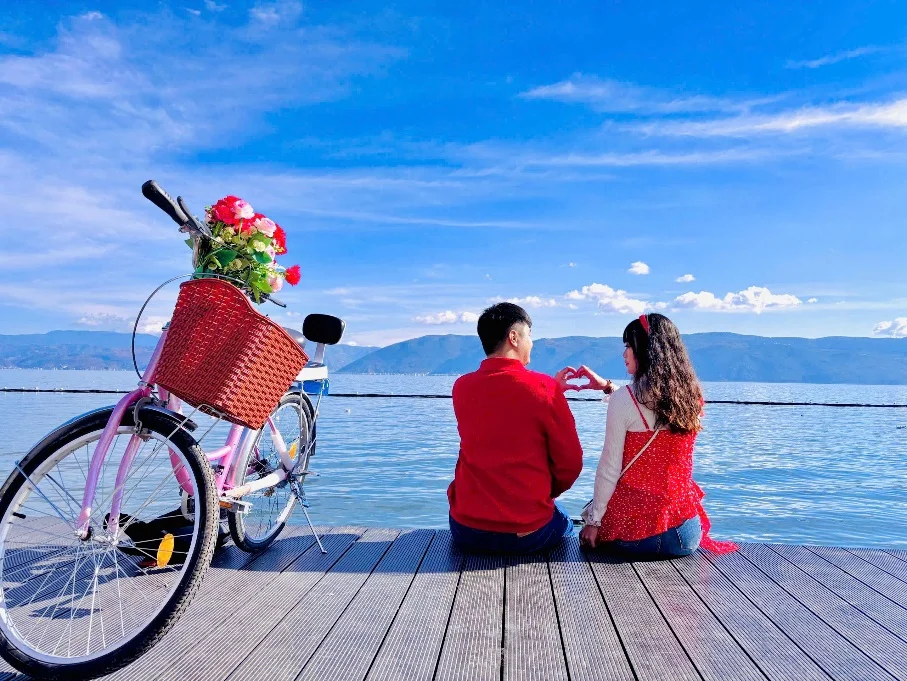
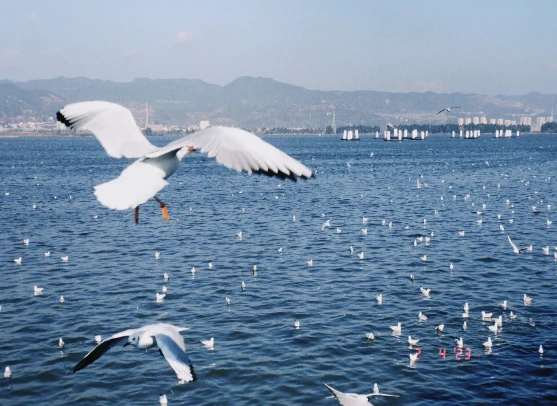
If Mutze Mountain is considered the sturdy skeletal frame, South Lake is the lively jade eye regulating the ancient town’s entire lifeblood. Originally, South Lake was a natural low-lying wetland gathering rainwater from mountain slopes across tens of millennia of geological formation. Entering the Ming Dynasty, with refined planning vision from local officials and scholars, this flooded depression underwent massive dredging and embankment construction, transforming into a vast artificial lake with immense surface area mirroring Yunnan’s azure skies.
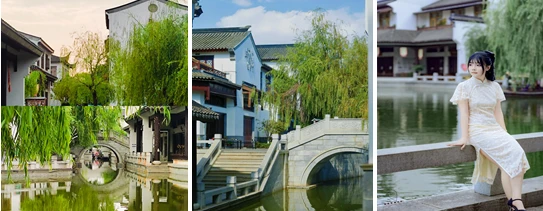
The exquisite touch in South Lake’s topographic planning lay in mimicking traditional Eastern fairy-tale cosmological concepts. Amidst the crystal-clear lake, ancestors painstakingly built three artificial islands named Yingzhou, Penglai, and Fangzhang, symbolizing three fairy mountains in misty realms. These hillocks are linked to each other and the lake shore via long winding dikes shaded by weeping willows and graceful arched stone bridges. In summer, the lake bursts into bloom with thousands of fragrant pink lotus blossoms, where misty waves blend with willow greens to create incomparable natural scenery.
The exquisite synthesis of Mutze Mountain ranges and South Lake waters forged the renowned geomantic configuration “city within the lake, lake mirroring mountain bones”—meaning the entire ancient city seems embraced by lake waters while lake beds reflect rugged mountain silhouettes. This landscape space fuses delicate, soft, and fluid characteristics of classical Jiangnan water towns with expansive, crystal-clear, and sun-drenched highland plateau atmospheres.
Mengzi Ancient Town’s urban space originates from solid planning lines shaped by magistrate Chen Bo during the Ming Chenghua era, laying foundations for a residential network blending Central Plains urban order with indigenous ethnic customs of Han, Yi, and Hani communities. Street layouts stretch along large polished bluestone-paved axes, operating symmetrically along central axes yet remaining flexible through organic adaptation to highland natural water sources. Along antique alleys, ancient homes form multi-layered spaces preserving border settlement imprints while reflecting the durable prosperity of a terrestrial trading port.
A prized highlight within Mengzi’s traditional residential structure is large courtyard mansions featuring characteristic Diannan “four courtyards and five skywells” styles, combining traditional post-and-beam framing with delicate eaves brought from the interior. Rooms arranged around open-air skywells act as natural light funnels and air circulators, perfectly moderating microclimates across plateau day-night temperature swings. Every detail from hardwood purlin carvings to blue stone column bases exhibits fine craftsmanship of ancient artisans, forging stately, enclosed family spaces imbued with human philosophy harmonious with nature.
Alongside Eastern architectural cores, the ancient town’s spatial appearance displays an epochal turning point from late Qing, when Mengzi officially opened to Western trade. The convergence of colonial diplomatic and financial institutions forged a belt of romantic yet solemn French eclectic structures interlaced with Gothic styles. Prominent among them are the Mengzi Customs relic complex, the Ka-lu-shih trading post, and French-style gardens, where warm red fired tiles harmonize with thick green brick walls. Elegant wooden louvered window shutters and graceful semicircular arches rising amidst the old town forge a striking visual contrast, turning this location into a living museum of modern architecture in Yunnan.
Construction techniques in Mengzi demonstrate exceptional climate-adaptive capacities of ancestral architects. To withstand intense solar radiation combined with seasonal rainfall in high-mountain basins, structures were elevated upon sturdy solid bluestone foundation platforms, accompanied by protruding eaves shielding against slanting sun and torrential rain. Mixing natural local materials like blue stone and aged forest wood with early industrial materials like red fired bricks, forged steel, and stained glass created a distinct planning entity. It is where indigenous Han, Yi, and Hani residential traditions and modern Western industrial breaths coexist and endure across alleys.
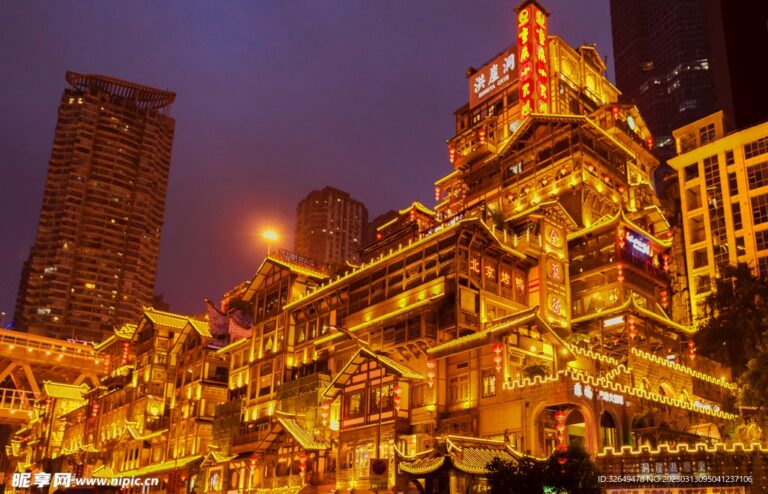
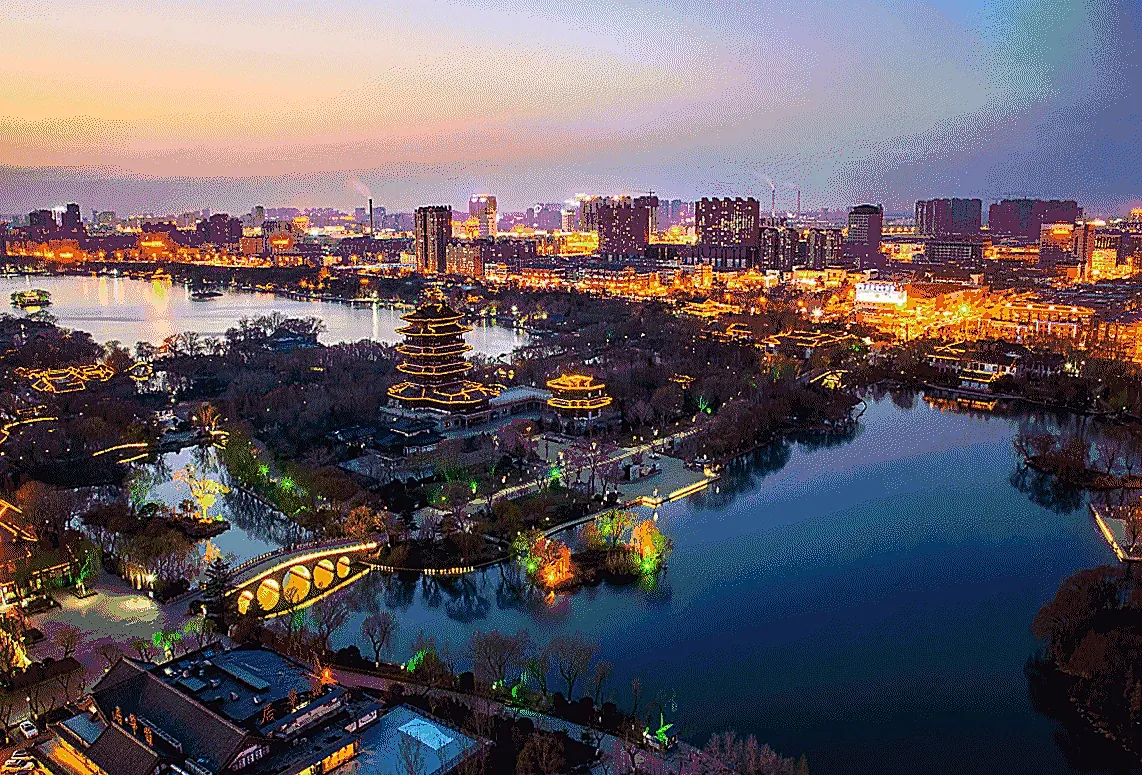
As sunset fades over the Diannan plateau, Mengzi Crossing-the-Bridge Rice Noodles Ancient Town sheds daytime tranquility to don a gorgeous cloak woven from contemporary lighting arts. In the heart of the ancient city, calm South Lake waters act as a gigantic mirror reflecting time’s magical shifts. All waterside double-eaved pavilion architectures, soaring curved eaves, and soft lakeside willow ribbons are outlined by warm golden landscape lighting strips. Artistic lighting avoids glare, sinking deep into blue waters alongside evening mists rising at nightfall, perfectly recreating the celebrated natural scenery known as “South Lake Night Moon”—one of Yunnan’s most poetic sights. Stone bridges and mossy antique bricks glow brightly at night, pulling travelers into a half-real, half-dreamy nostalgic space along the border.
Leaving the tranquil lake behind, the ancient town’s heartbeat bursts with bustle along the Rice Noodle Cultural Food Street and South Lake Night Market. Thousands of traditional red silk lanterns strung tier upon tier across yin-yang tiled eaves cast reflections onto polished bluestone pathways. Night spaces brim with pure human warmth, where olfactory and visual senses awaken to rich chicken broth and bone marrow simmered in polished brass pots. Travelers gather around long wooden tables, admiring live culinary shows featuring boiling broth topped with shimmering oil, paper-thin pork and chicken slices, quail eggs, and fresh chrysanthemum petals dropped into blue-and-white porcelain bowls. Joyful laughter and clinking chopsticks forge cozy civic rhythms, banishing highland night chills.
Deepest and most poignant within Mengzi’s nights are interactive intangible cultural heritage real-scene performances along ancient alleys. Unlike large mechanized stages, open artistic spaces immerse audiences directly in historical flows. In an elegant pavilion corner, classic Dongjing ancient music resonates from traditional string and percussion instruments, guiding listeners back to millennial Confucian and Daoist ritual origins in Diannan. Nearby, rhythmic bronze drums open graceful ethnic circle dances by Yi and Miao maidens wearing silver-adorned embroidered costumes glittering beneath lantern light.
Amidst glittering scenery, real-scene performances reenacting Mengzi’s historical memory evoke deepest emotions. Layered lighting art lets audiences witness two parallel timelines: one side features literary scholars from Southwestern Associated University’s Arts and Law Schools reading books by oil lamps during wartime evacuation; the other features rugged horse caravan riders resting around campfires after navigating the Tea Horse Road. Mengzi’s nights offer visual and gustatory feasts while serving as living epics awakening century-old urban heritage souls.
Hailed as the cradle of one of China’s most celebrated culinary heritages, Mengzi proudly bears the title “homeland of crossing-the-bridge rice noodles.” The legend behind this celebrated dish dates to the Qing Dynasty, tied to devoted spouses on an isolated island in South Lake. A scholar studied diligently on the quiet island; daily lunch delivery required his faithful wife to cross a long wooden bridge, yet chilly winds always turned soup cold. With wisdom and devotion, she simmered fat chickens, ducks, and marrow in large earthenware pots, sealing surfaces with golden chicken fat layers keeping broth simmering for hours. Thinly sliced fresh meats and rice noodles were packed separately, added only upon reaching her husband to cook instantly while retaining pure fresh flavors.
Preserved across centuries, savoring crossing-the-bridge rice noodles in Mengzi has elevated into a solemn, refined culinary ritual obeying strict rules: “xian xun, hou su, zai xia fen”—first dipping raw meats, followed by savory greens, and finally noodles. As steaming porcelain basins arrive, diners drop thin pork, fresh snakehead fillets, and scored pork kidneys into vortexes of boiling soup. Within seconds, aromatic steam rises. Chrysanthemum petals, tender pea shoots, and Caoyaxian—crispy sweet shoots from Mengzi wetlands—are added. Finally, naturally fermented rice noodles are added to absorb rich broths, forging a peerless flavor symphony.
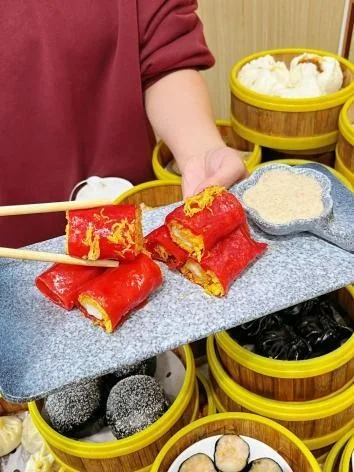
Beyond steaming noodle bowls, Mengzi’s culinary map introduces rustic street flavors. Along antique alleys, aromas of Jianshui and Mengzi grilled tofu rise from glowing charcoal, with crispy golden crusts encasing creamy interiors. Nearby roasted potato wedges dusted with spicy chili powder, delicate rice rolls dipped in vinegar-chili sauce, and refreshing herbal shoot salads preserve raw alluvial soil sweetness. Sweet tooths enjoy Jianshui nianbao pastries made from honey and glutinous rice, warming pea flour congee, or wild mushroom stir-fries during rainy seasons.
Alongside crossing-the-bridge rice noodles, Mengzi is honored nationwide as the “homeland of sweet pomegranates,” featuring vast orchards under mountain feet. Sweet, red pomegranate juices offer perfect refreshment. Culinary depth finishes via “zhan shui”—secret dipping sauces blended from grilled crushed chili, highland mountain pepper, herbs, and fermented vinegar, awakening wild, romantic flavor profiles.
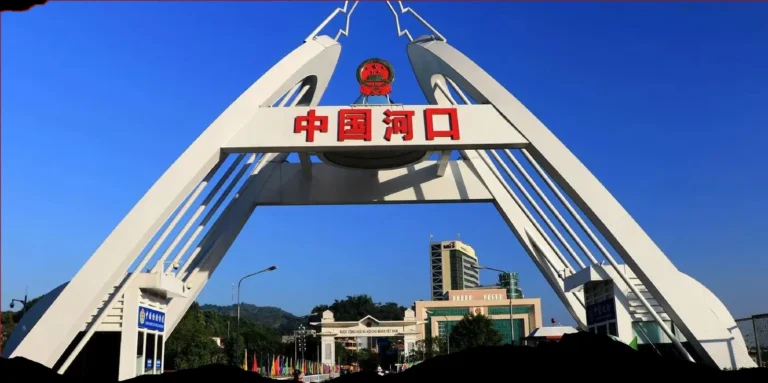
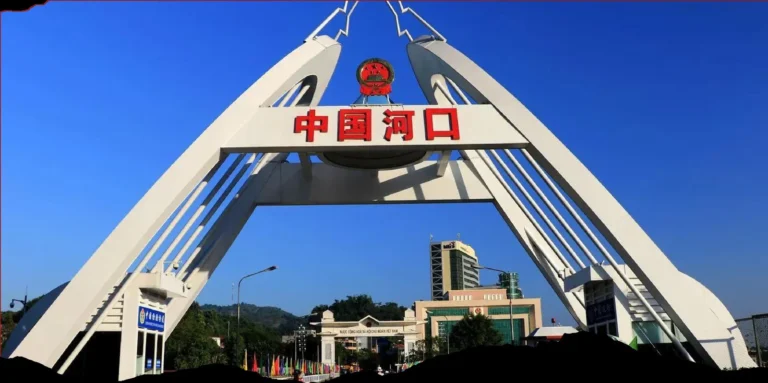
Accessing Mengzi’s cultural center today is remarkably convenient via modern transport networks across Diannan. Departing from the Lao Cai International Border Gate through Hekou, travelers catch modern high-speed trains at North Hekou Railway Station or high-speed trains from Kunming taking barely two hours. Ideal stops are Mengzi Station or Honghe Transfer Station; local city buses and regular taxis run to South Lake historical cores within 15 to 20 minutes.
Vietnamese travelers require valid passports with Chinese tourist visas or border travel permits. South Lake gardens and old streets open freely 24/7, though heritage sites like Mengzi Customs or Southwestern Associated University branches operate from 9:00 AM to 5:00 PM (closed Mondays). Original passports are required at security checkpoints.
Savoring authentic noodle flavors requires visiting legacy shops rather than hawkers near transit hubs. Genuine Mengzi bowls require thick ceramic pots retaining heat with chicken broth layers; follow strict addition sequences. Observe menu pricing and verify billing units (local 500g “jin”) when dining.
Highland UV radiation is extreme by day while temperatures plummet at dusk. Pack sunglasses, sunscreen, wide hats, and windbreakers. Respect ethnic minority customs. For seamless travel, explore the Honghe Prefecture Tour Package.
