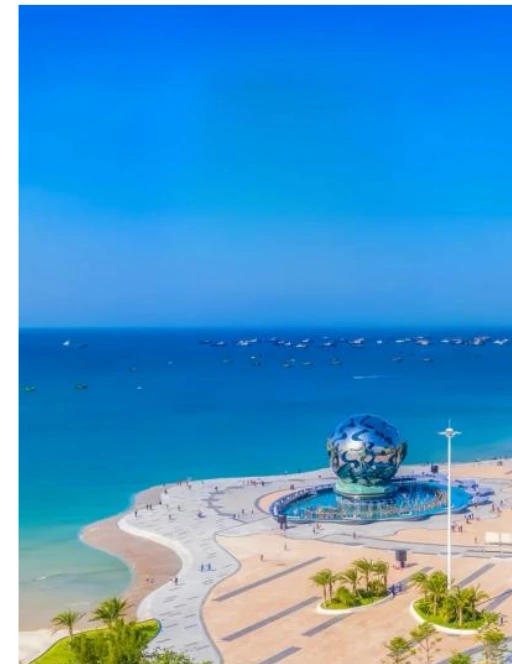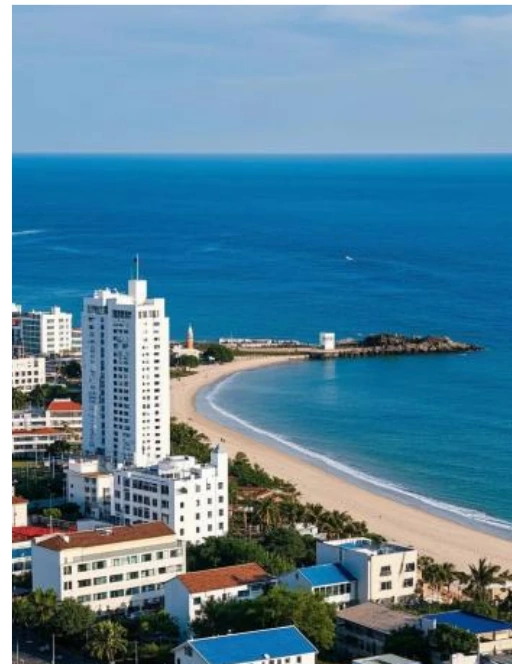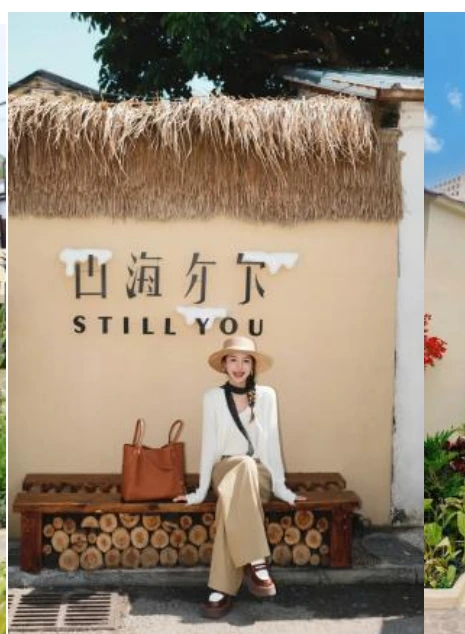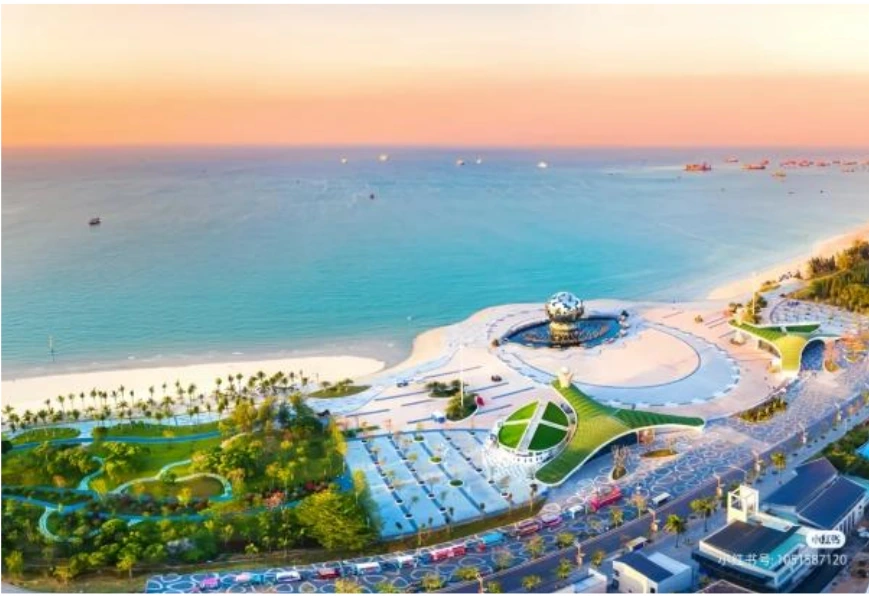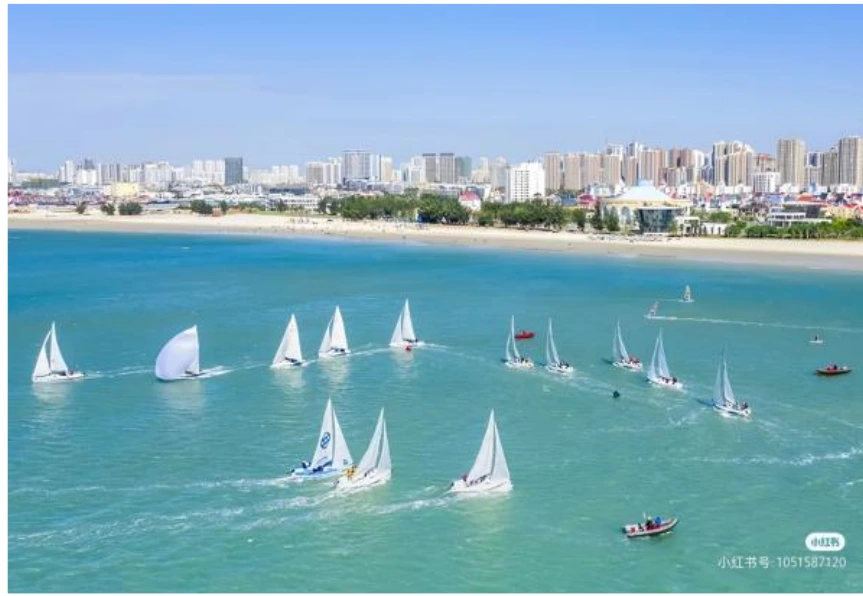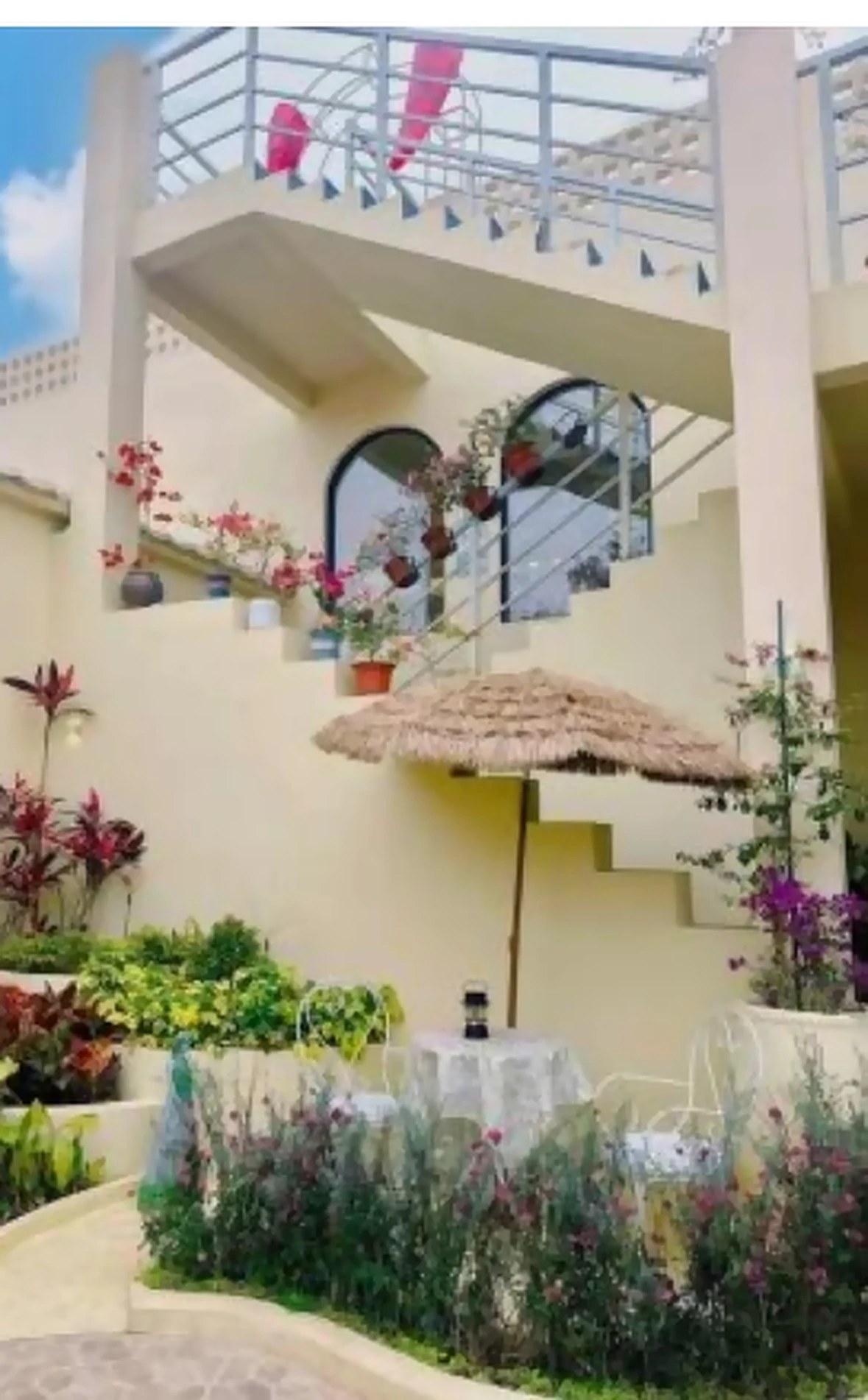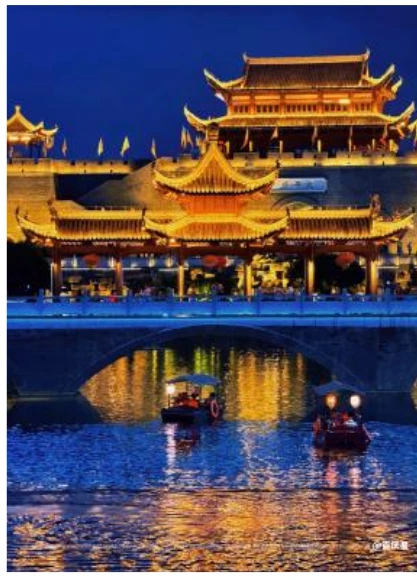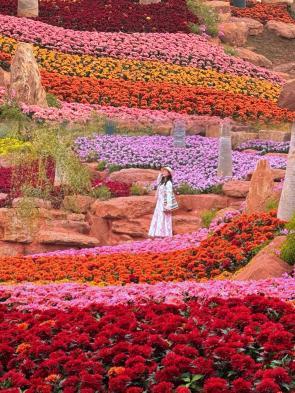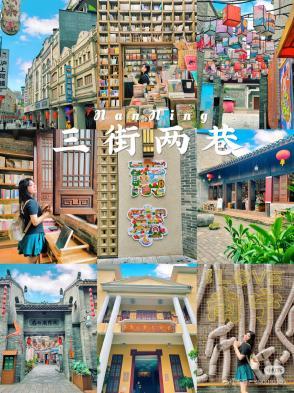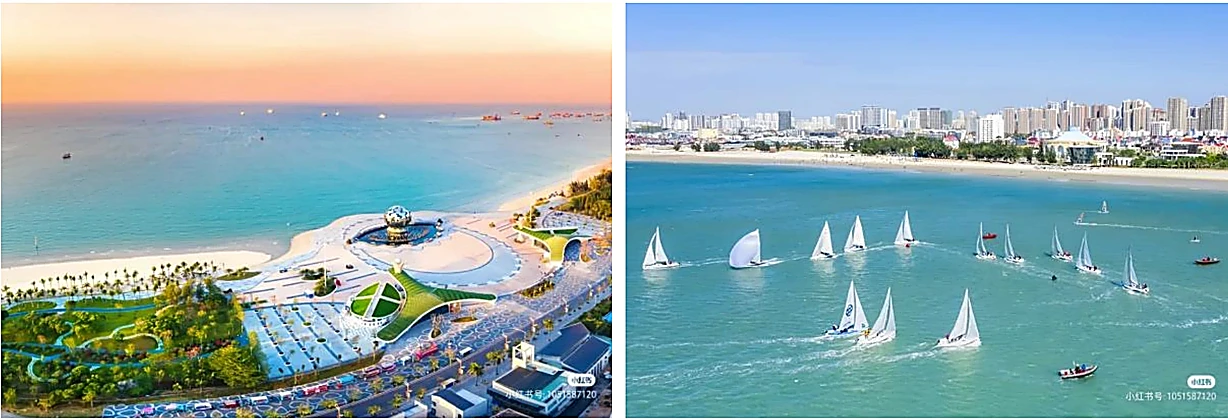
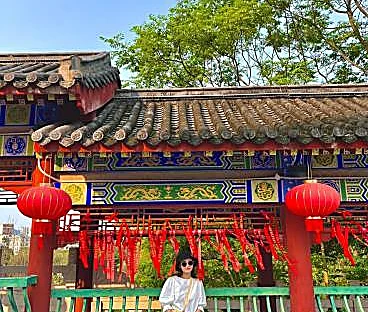
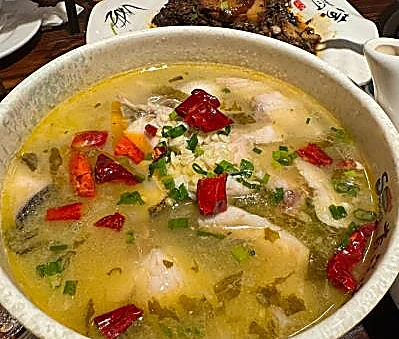

The cultural allure of the Dongxing border region is further enriched by the unique presence of the Jing ethnic community in China, concentrated primarily in the San Dao area of Jiangping and Wanwei, not far away. Having settled on the sandy shores of the Gulf of Tonkin for over five hundred years, these descendants of Vietnamese origin have preserved their language, traditional ‘hat dum’ singing, the resonant sounds of the monochord (dan bau), and traditional communal house festivals, while deeply integrating into local social life. The interweaving of the age-old island identity of the Jing people with the modern urban lifestyle has created a multi-layered cultural backdrop, making the appearance of Neoclassical Western-style streets in Dongxing feel not at all out of place, but rather a rich addition to the panoramic picture of a cultural convergence center on the Guangxi coast.
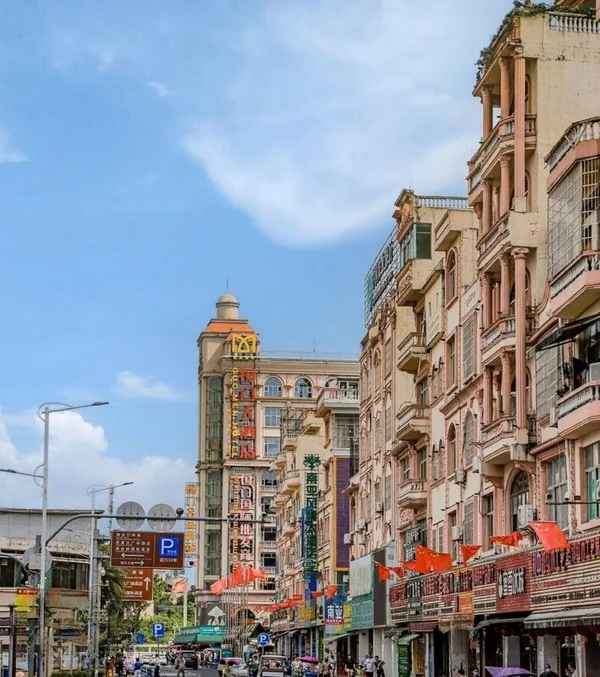
From an architectural morphology perspective, the Dong Hung Western Quarter is a large-scale planned development that clearly reflects the 19th-century European Neoclassical aesthetic, blended with Baroque and Renaissance inspirations. The entire street blocks are built contiguously with a uniform height of four to five stories, creating perfect visual symmetry. The standout features include robust Corinthian columns supporting graceful arches, and intricate wrought-iron balconies painted in jet black that stand out against walls of cream yellow, pale beige, or classic pastel pink. The blue-gray slate Mansard roofs and meticulously sculpted reliefs on the pediments lend the street a noble appearance, directly reminiscent of the famous boulevards reconstructed by Baron Haussmann in the French capital.
The spatial structure of the quarter is organized along wide pedestrian axes, where the streets are paved with textured slate that is slip-resistant and enhances the serene beauty of the surrounding structures. Along the arched, covered corridors, visitors can stroll leisurely without worrying about the sudden showers typical of the subtropical coastal region. At the center of the square are exquisitely crafted fountains, surrounded by antique-style cast-iron street lamps that glow with soft, warm yellow light. The careful calculation of every building setback and every molding curve demonstrates a vision to transform this place into a high-class public space, serving both commercial business needs and acting as an open stage for outdoor art and entertainment activities.
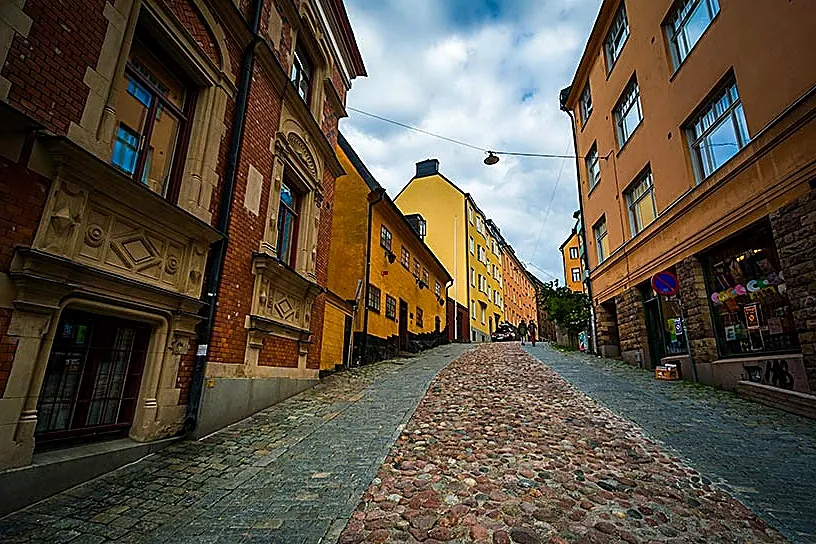
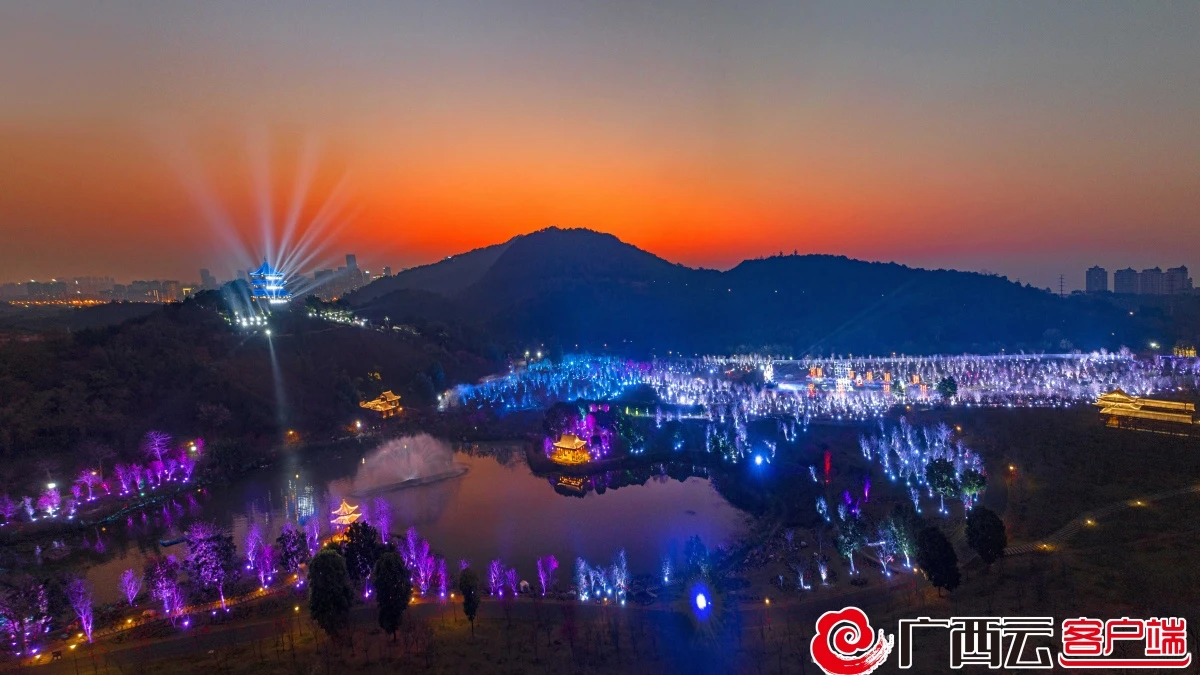
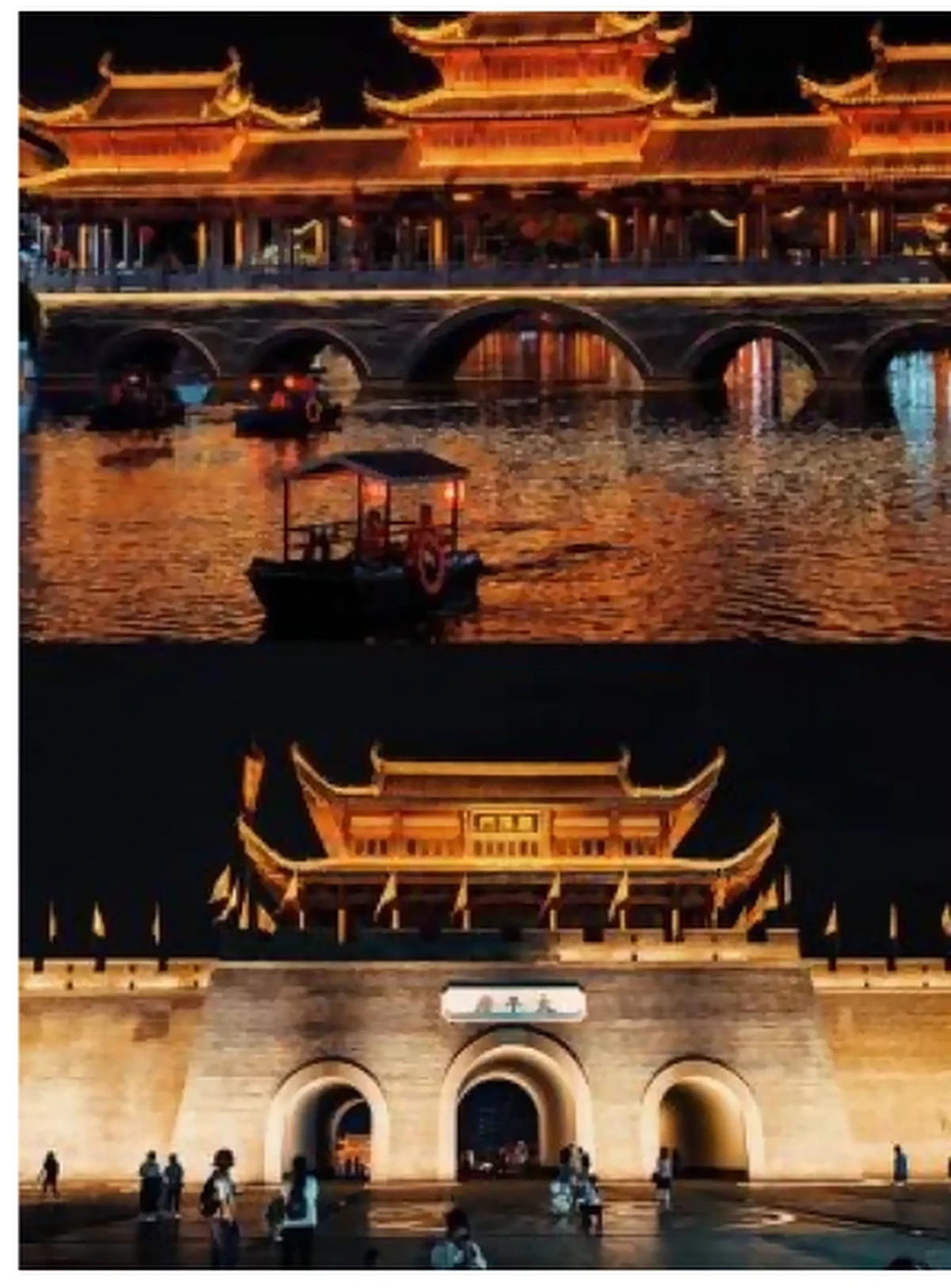
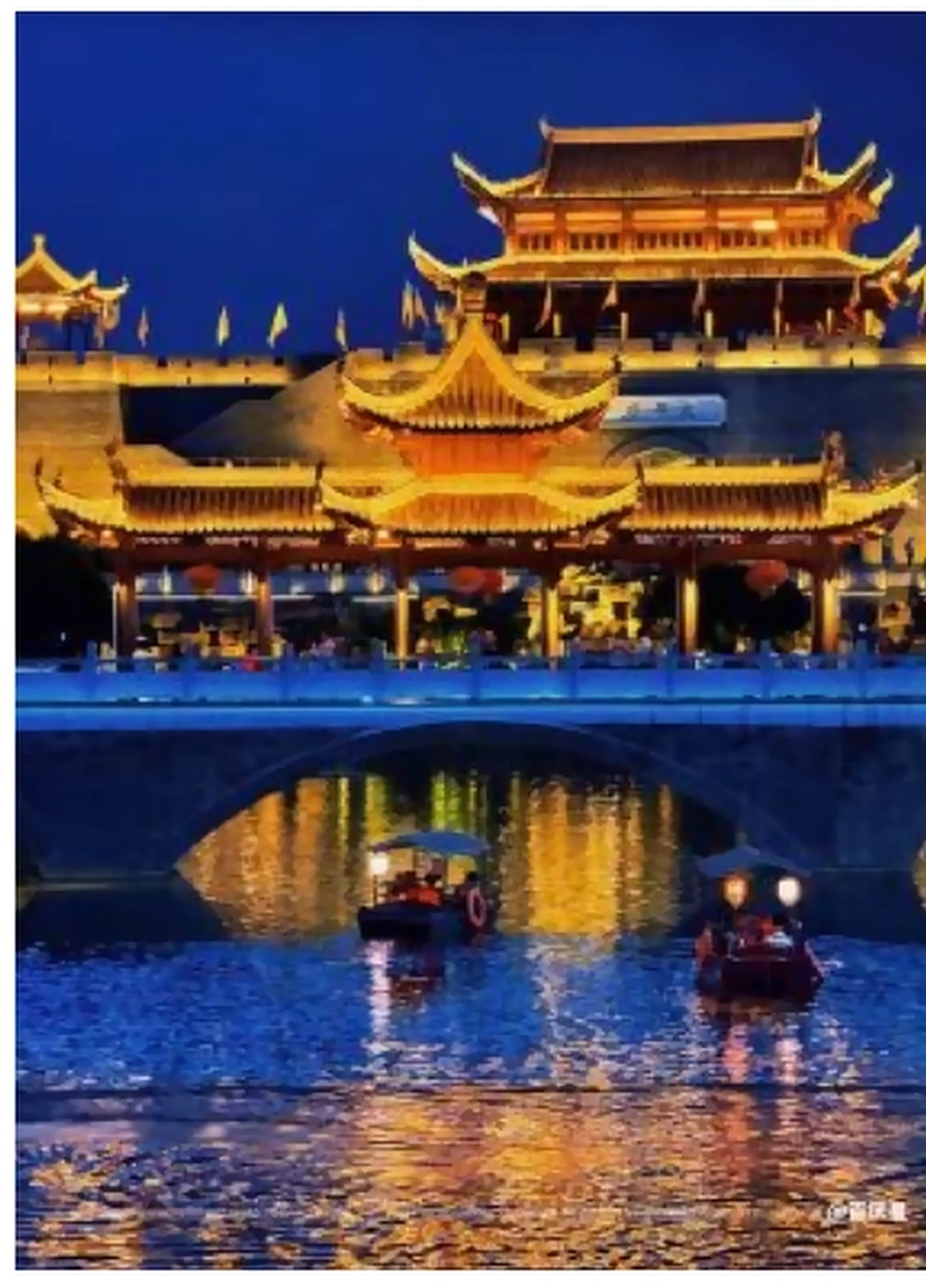
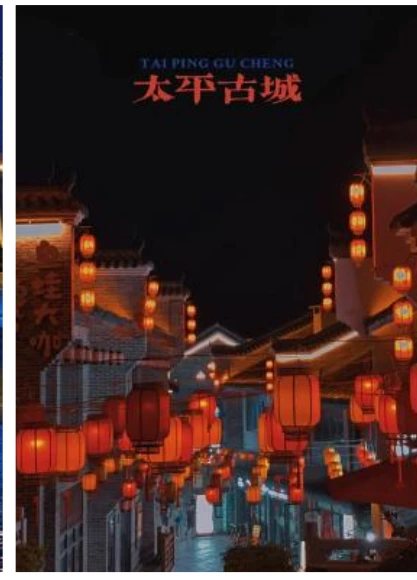
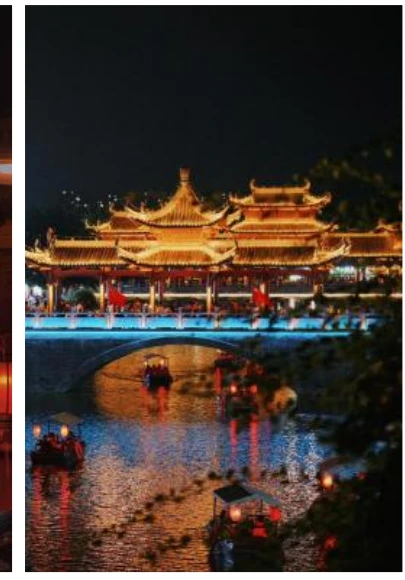
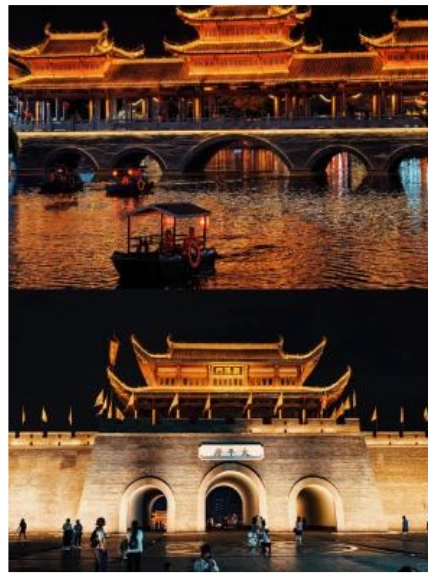
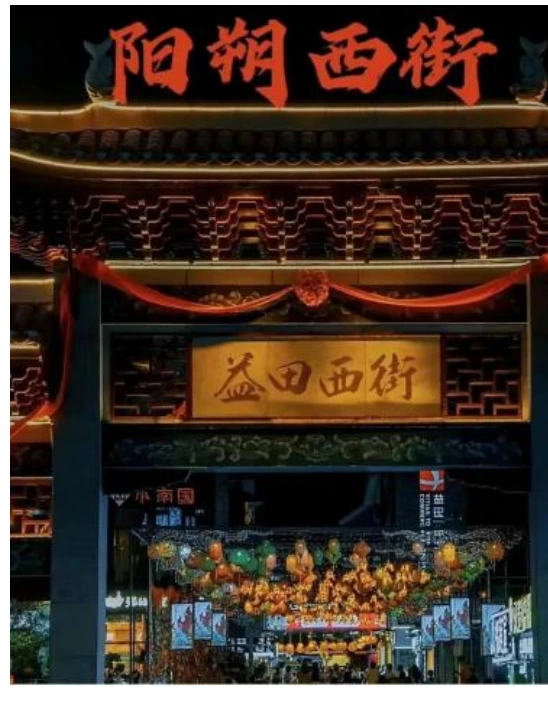
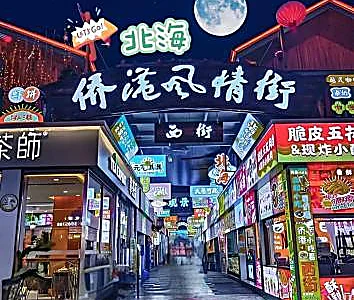
As twilight descends upon the Bac Luan River and the evening glow gives way to the border night, Dong Hung Western Street undergoes a spectacular visual transformation. An artistic lighting system is activated simultaneously, tracing every molding and cornice, illuminating the arches and spires that soar proudly against the dark sky. Bathed in a shimmering golden glow, the entire street seems to don a magnificent evening gown, reflecting its silhouette onto the polished stone pavement. During traditional festivals, this cultural fusion becomes even more pronounced, as the Western architectural backdrop contrasts with the vibrant red of traditional lanterns, the lively chatter in both Mandarin and Vietnamese from the bustling crowds, and brilliant fireworks that light up the entire border region.
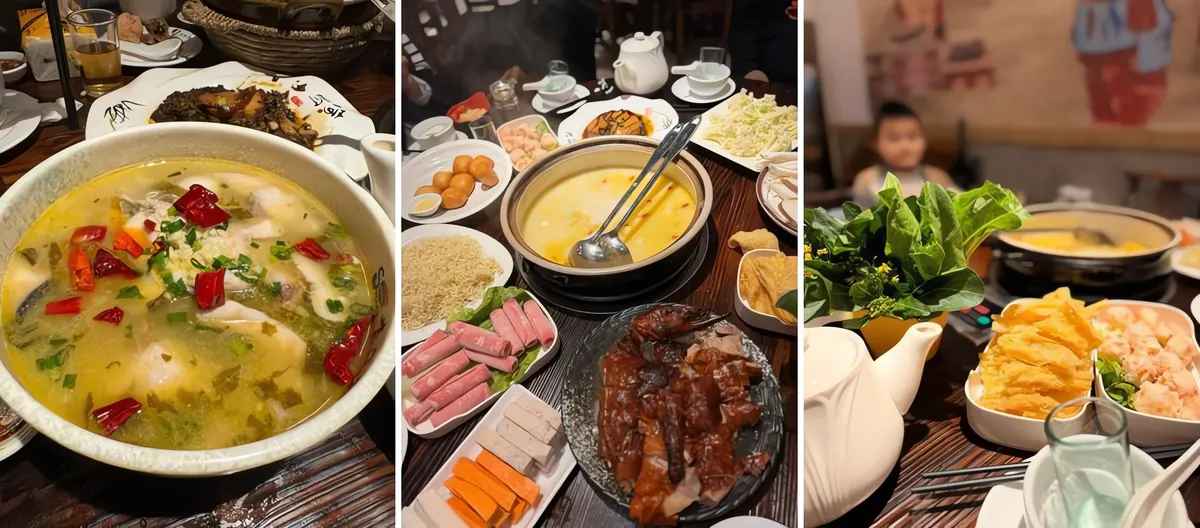
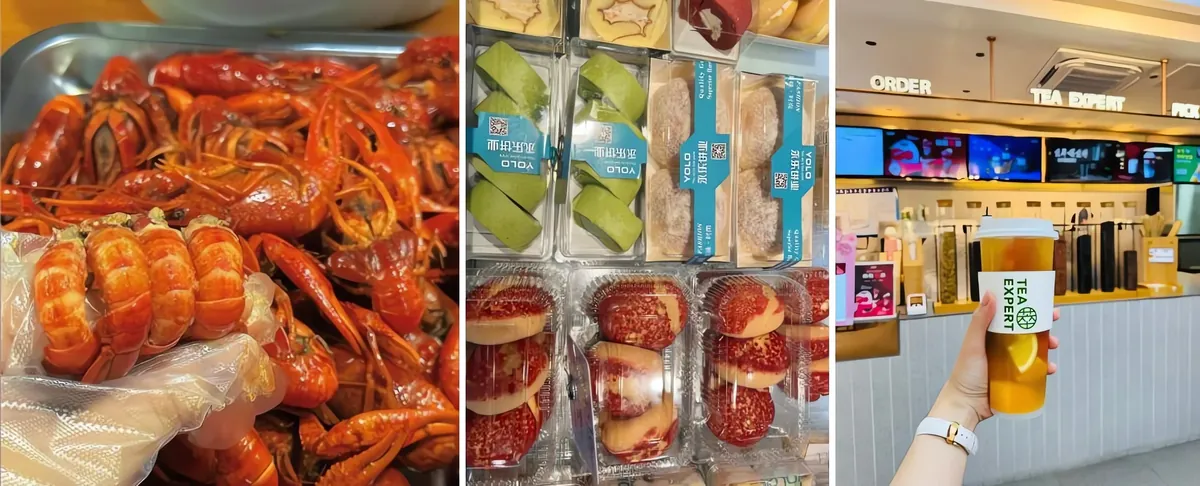
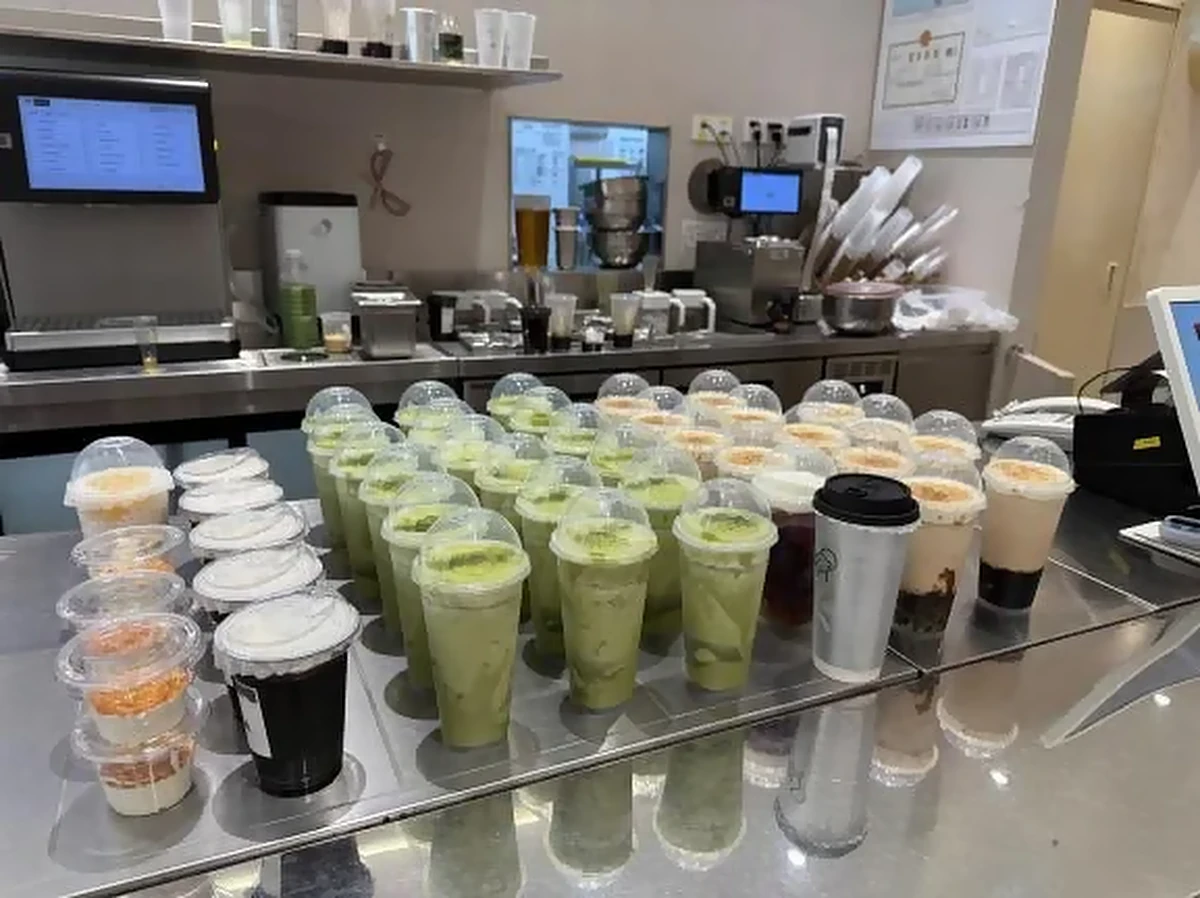
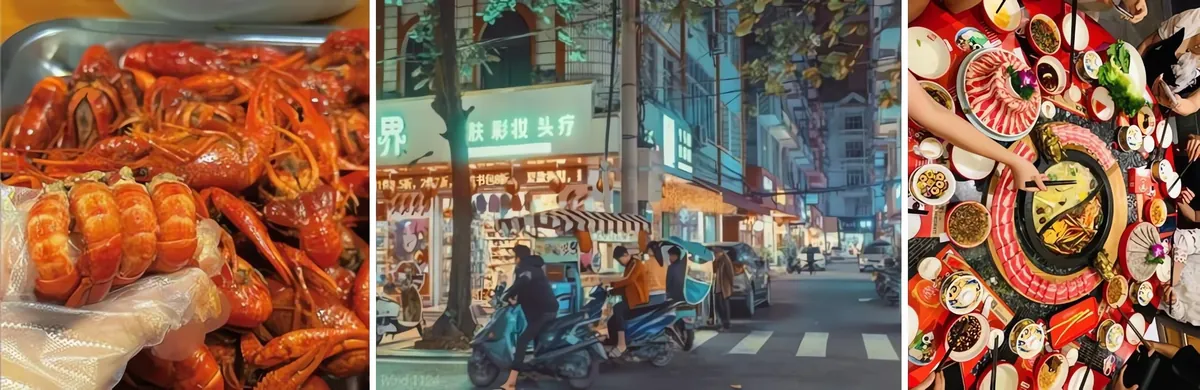
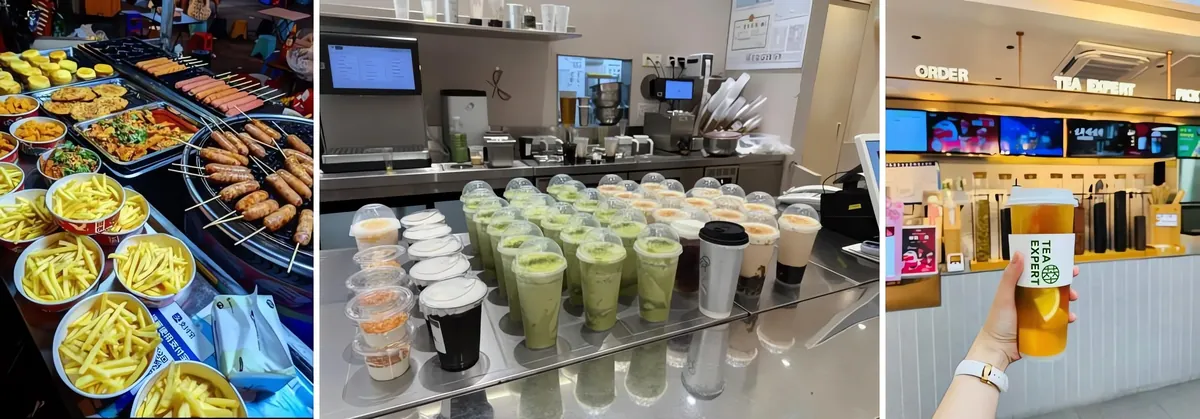
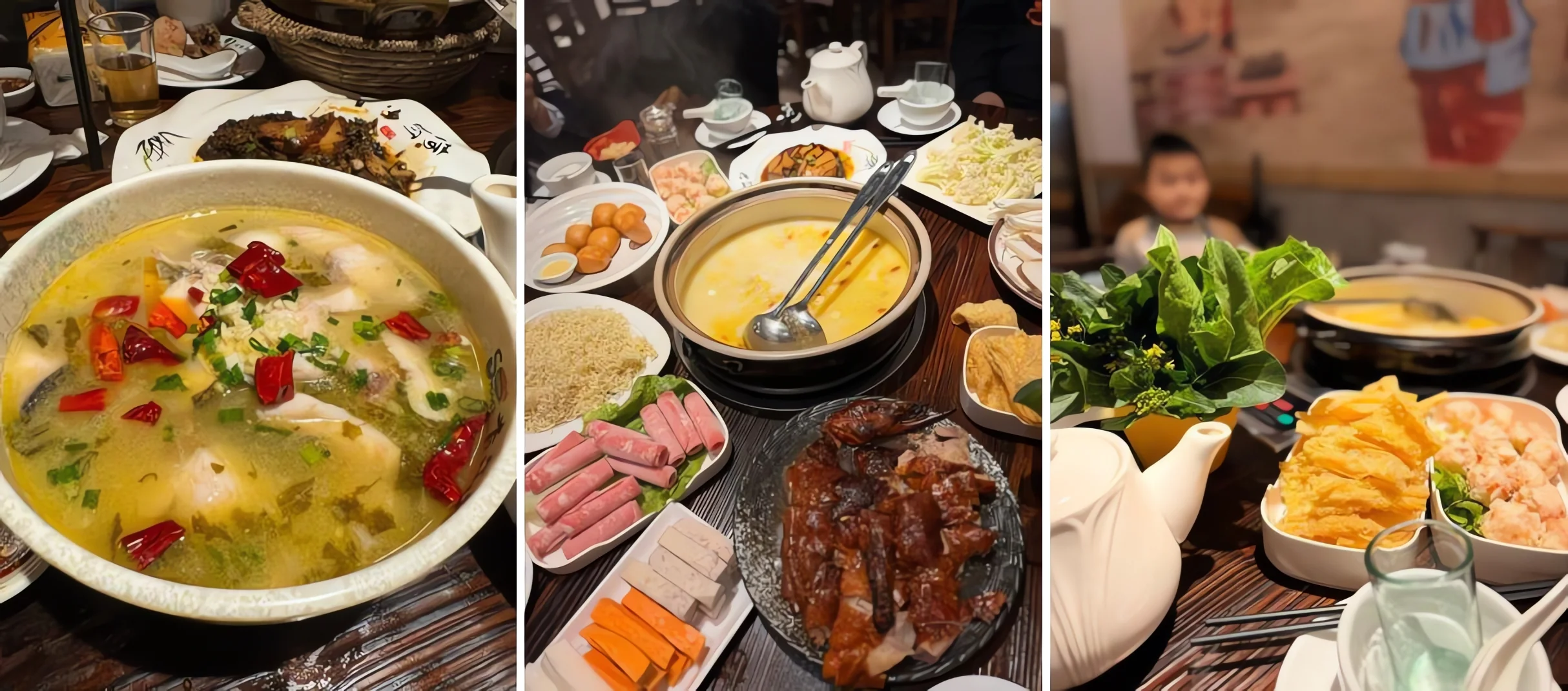
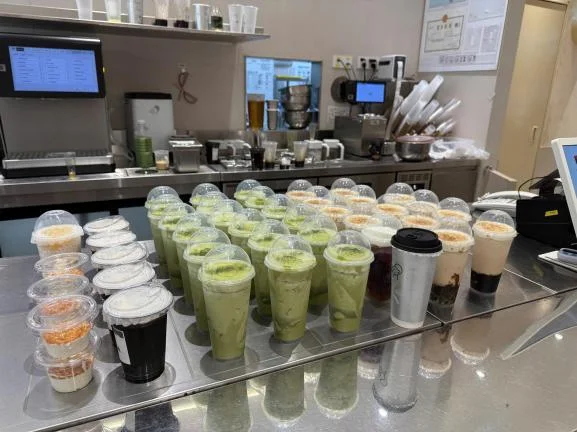
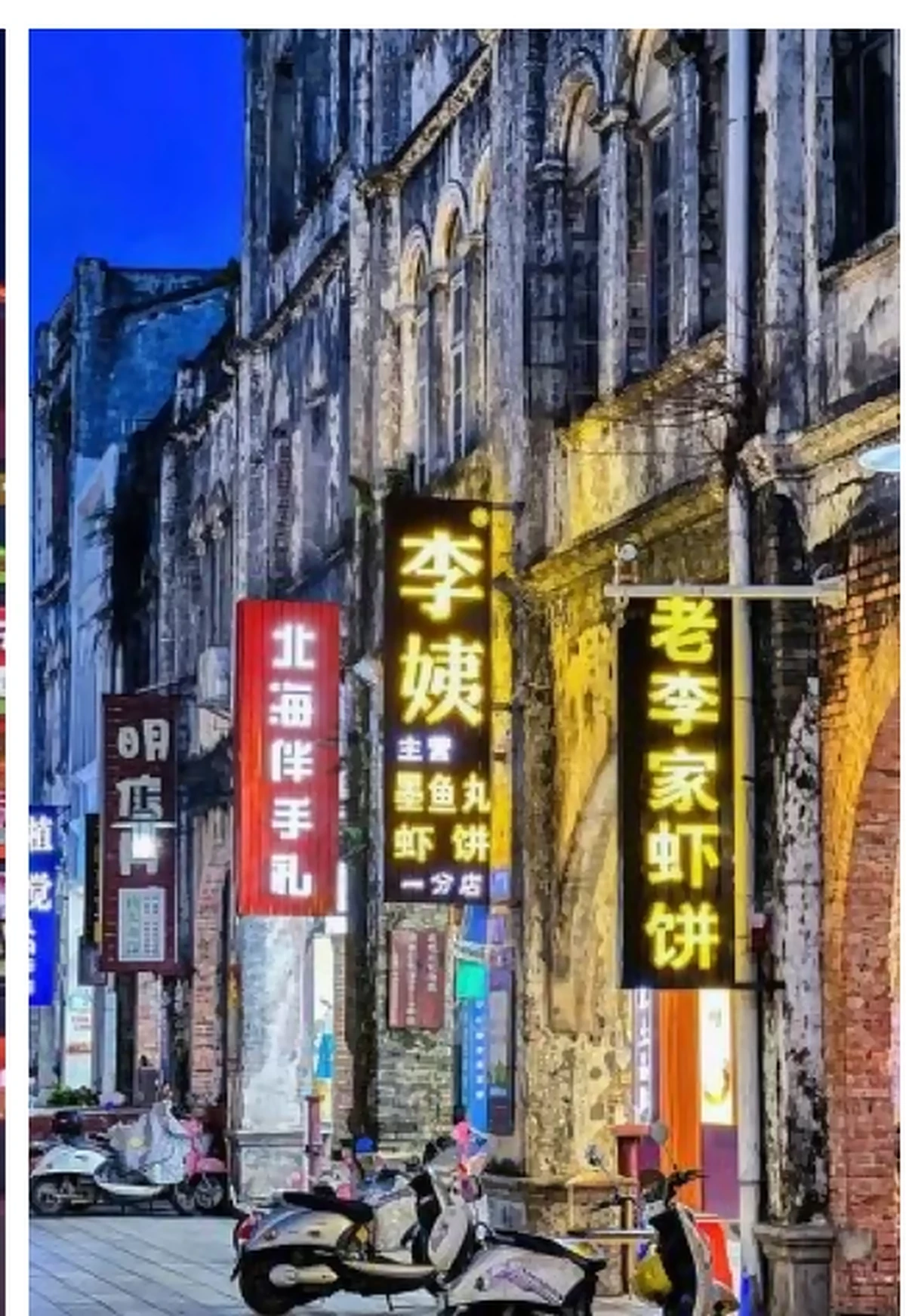
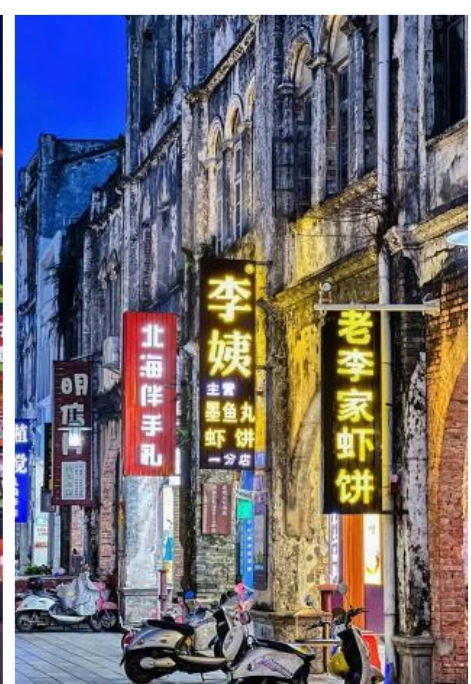
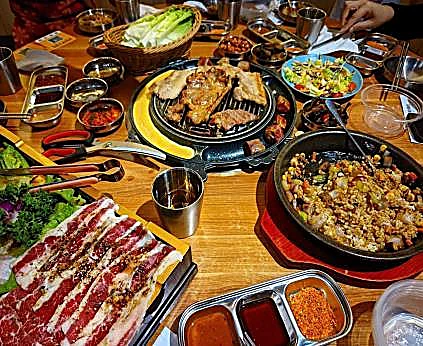
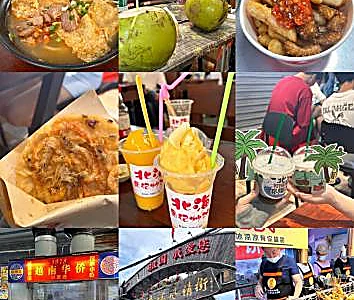
Immersing yourself in this nocturnal rhythm, your exploration of the Western Street would not be complete without experiencing the street food and tea culture characteristic of the Liangguang region. Shops along the street welcome visitors with a myriad of enticing flavors, from steaming pots of milk hotpot and skewers of meat seasoned with tongue-numbing Sichuan peppercorns, to bamboo steamers filled with dim sum fragrant with asparagus and fresh shrimp. Visitors can also drop by artisanal milk tea shops to sip on a refreshing cup of oolong milk tea while watching the leisurely crowds, or try famous snacks like crispy fried stinky tofu drizzled with a rich, spicy sauce. This is the unique harmony where a purely Western space serves as a vessel for the rich, rustic, and profound culinary soul of Southern life.
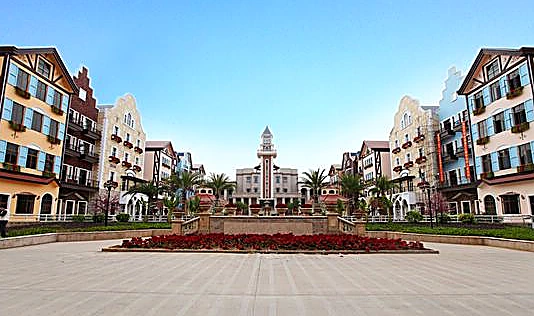
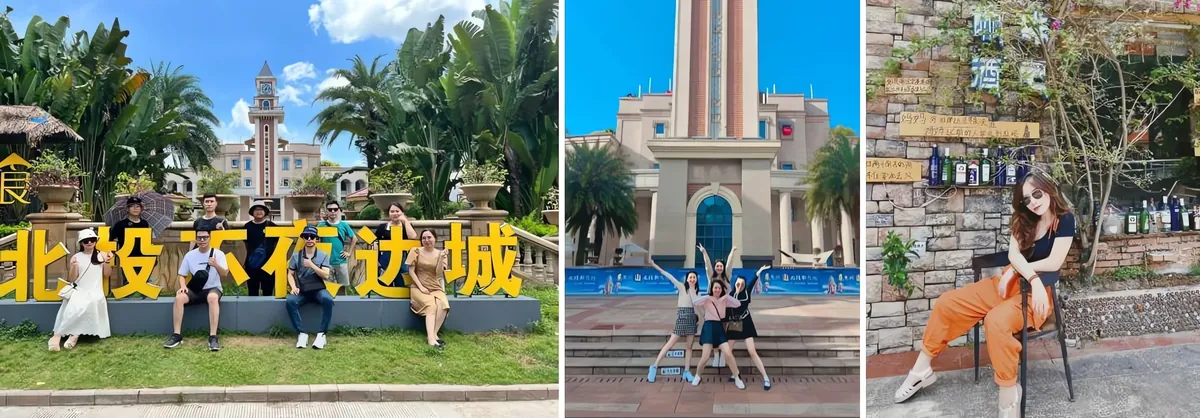
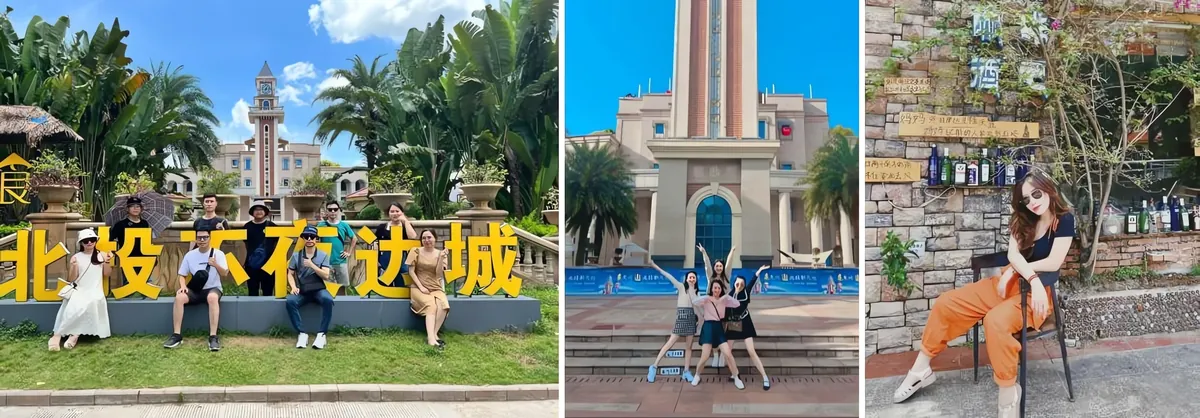
For photography enthusiasts and visual artists, the Western-style street offers endless angles with impressive spatial depth. To capture the magnificent beauty of the architecture, the quiet moments of dawn or the twilight hour when the sky turns a deep blue are the most ideal golden times. By utilizing the symmetrical rows of columns to lead the viewer’s eye, or standing at open intersections to capture the soaring domes, photographers can easily record frames that embody the haughty spirit of the Old Continent. The contrast between the modern attire of tourists and the classic look of the relief-carved walls creates a unique artistic resonance, making every small corner—from attic windows to granite steps—a perfect backdrop.
The journey to this attractive destination has become incredibly convenient today thanks to the unique geographical location of Dongxing city, situated just about a hundred meters from Mong Cai city across the Bac Luan friendship bridge. Travelers do not necessarily need a complex long-term visa; they can easily use a border travel permit to complete immigration procedures for a day trip or short-term stay in accordance with border gate management regulations. Preparing the travel permit requires an original, valid citizen identification card and portrait photos with a white background taken according to international customs standards. After completing border security checks at the Mong Cai international border gate and crossing the border demarcation line on the Bac Luan bridge, visitors will immediately immerse themselves in the vibrant atmosphere of the neighboring country after just a few minutes of travel by electric car or local taxi.
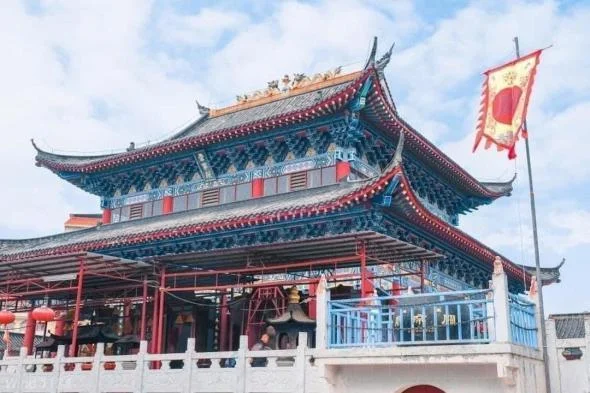
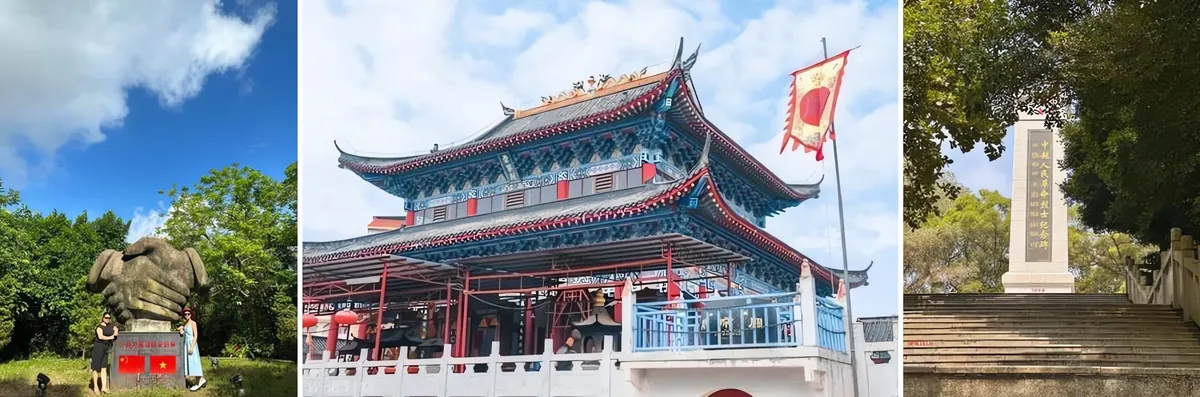
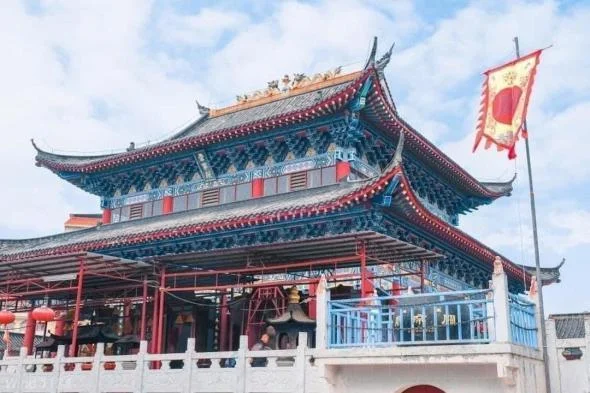
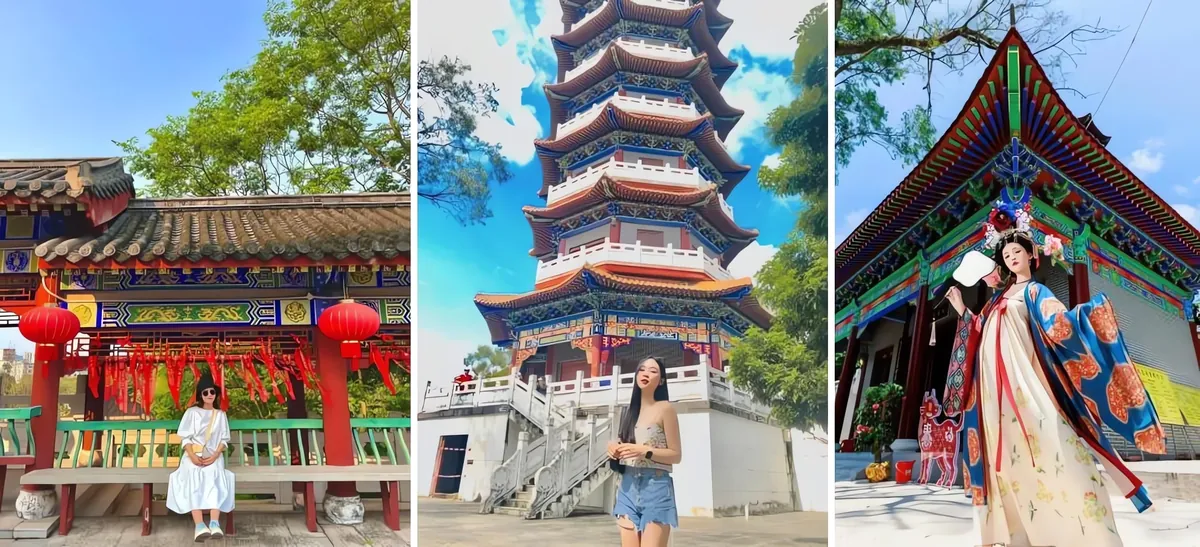
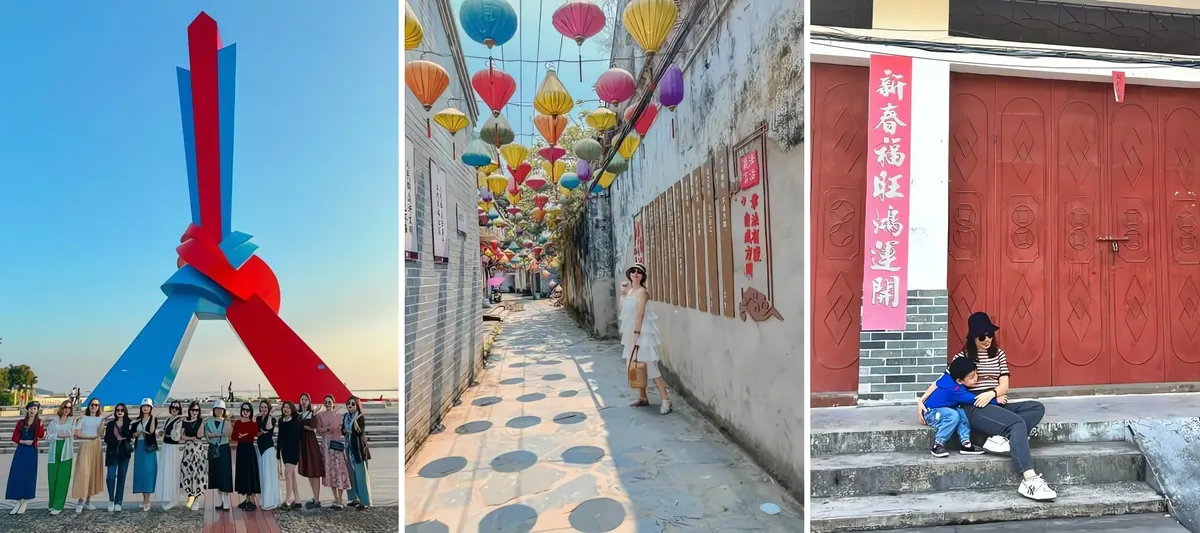
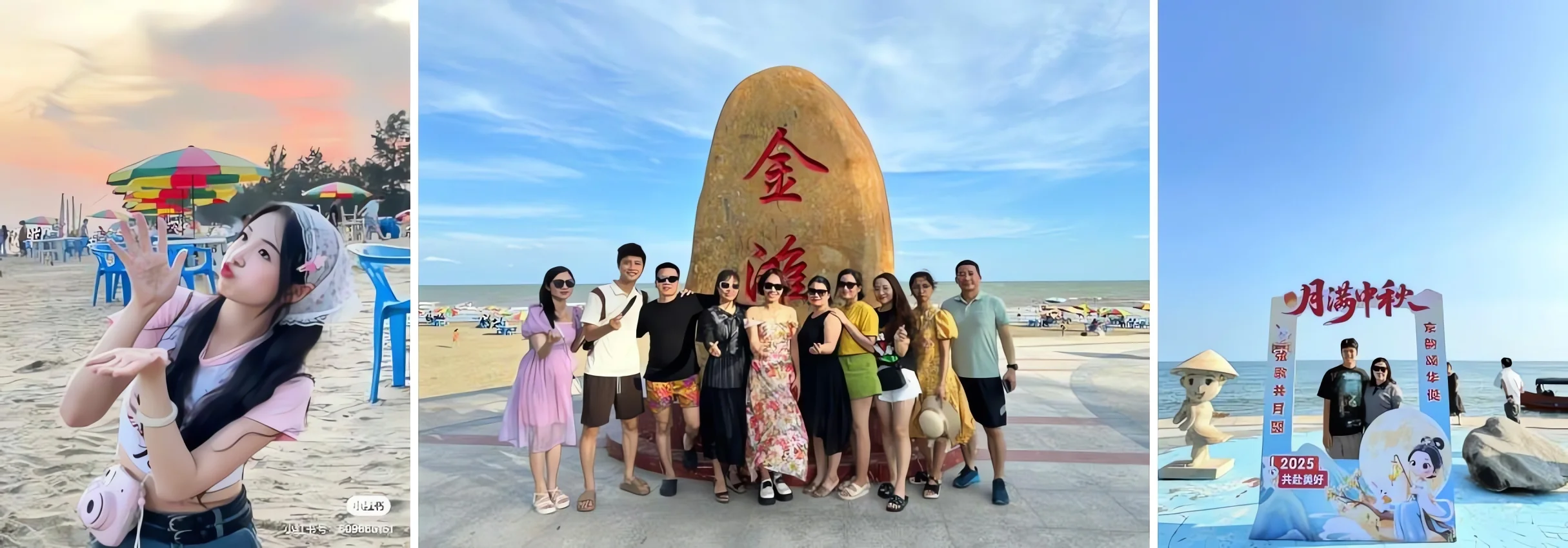
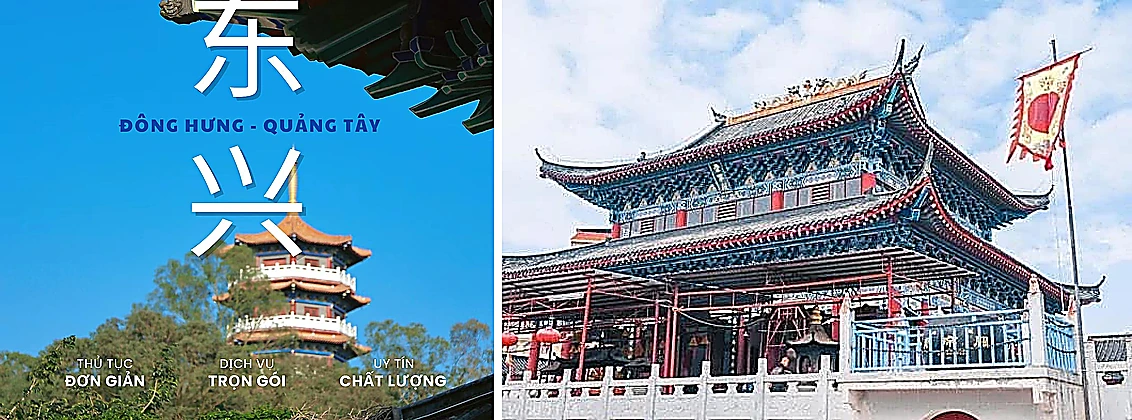
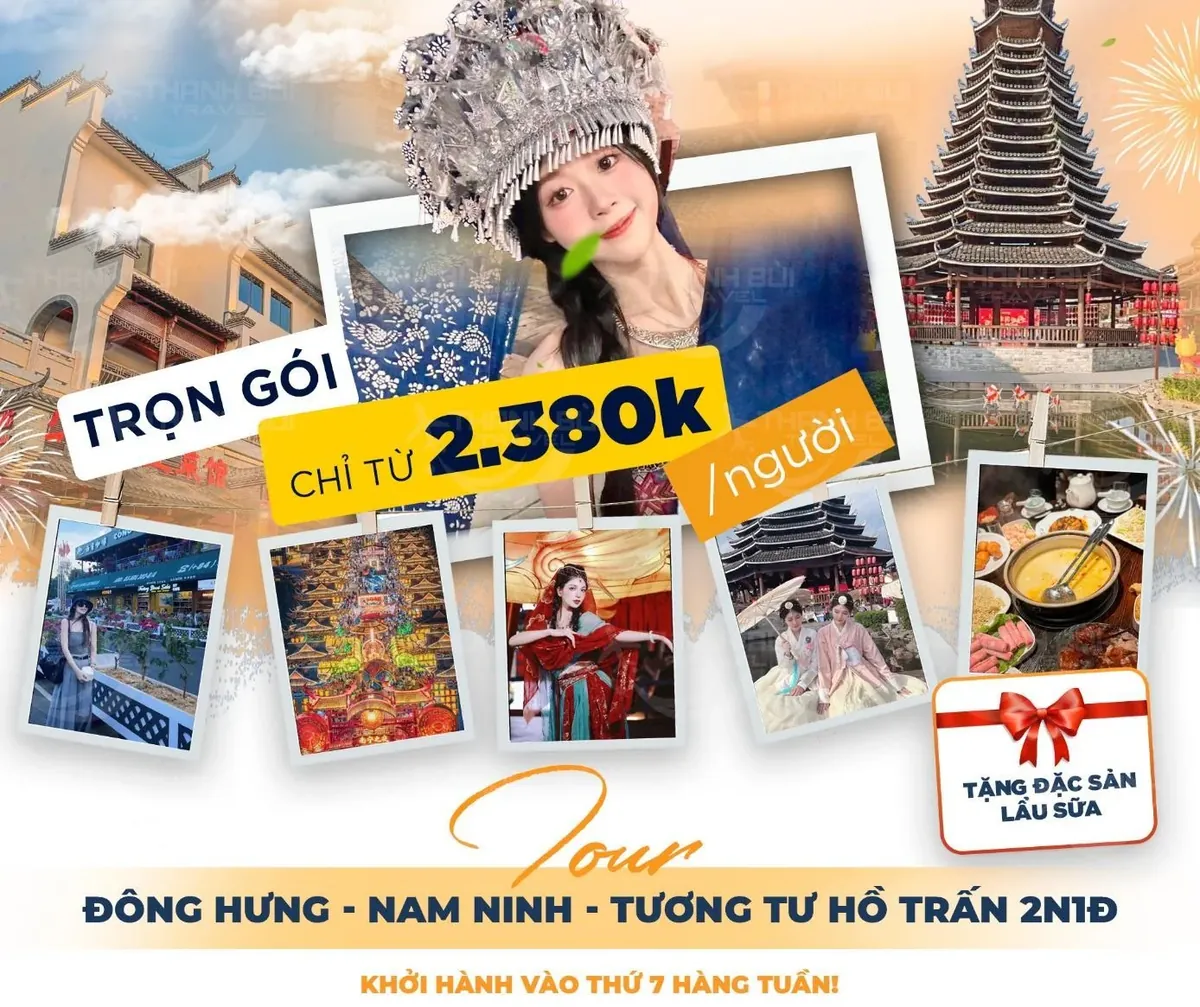
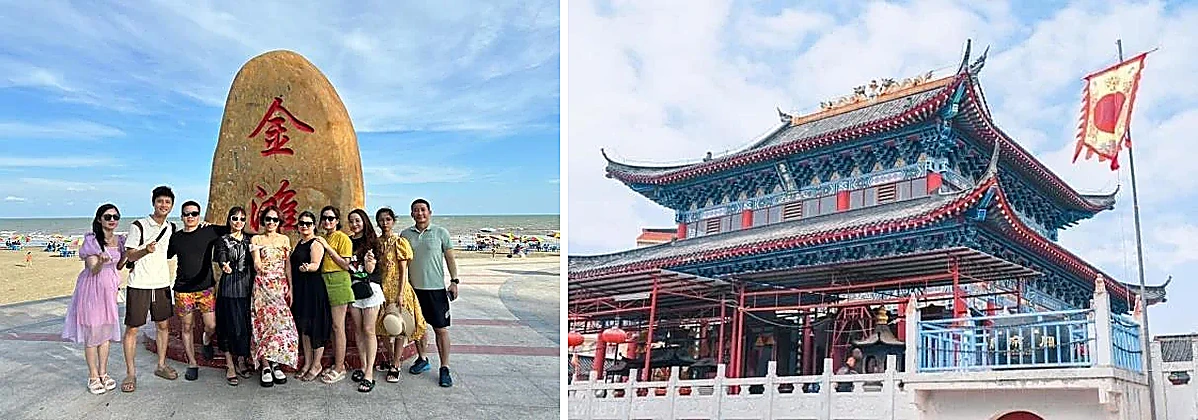
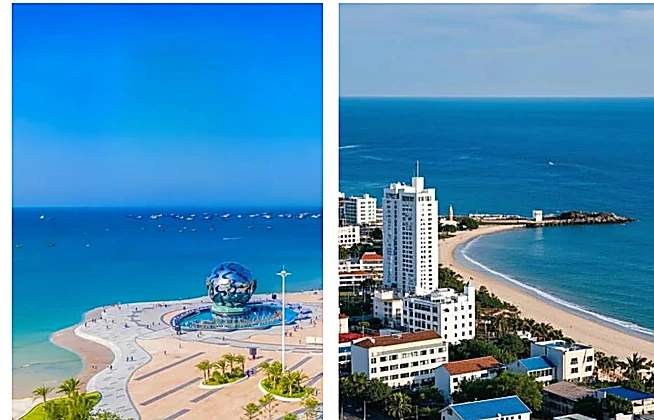
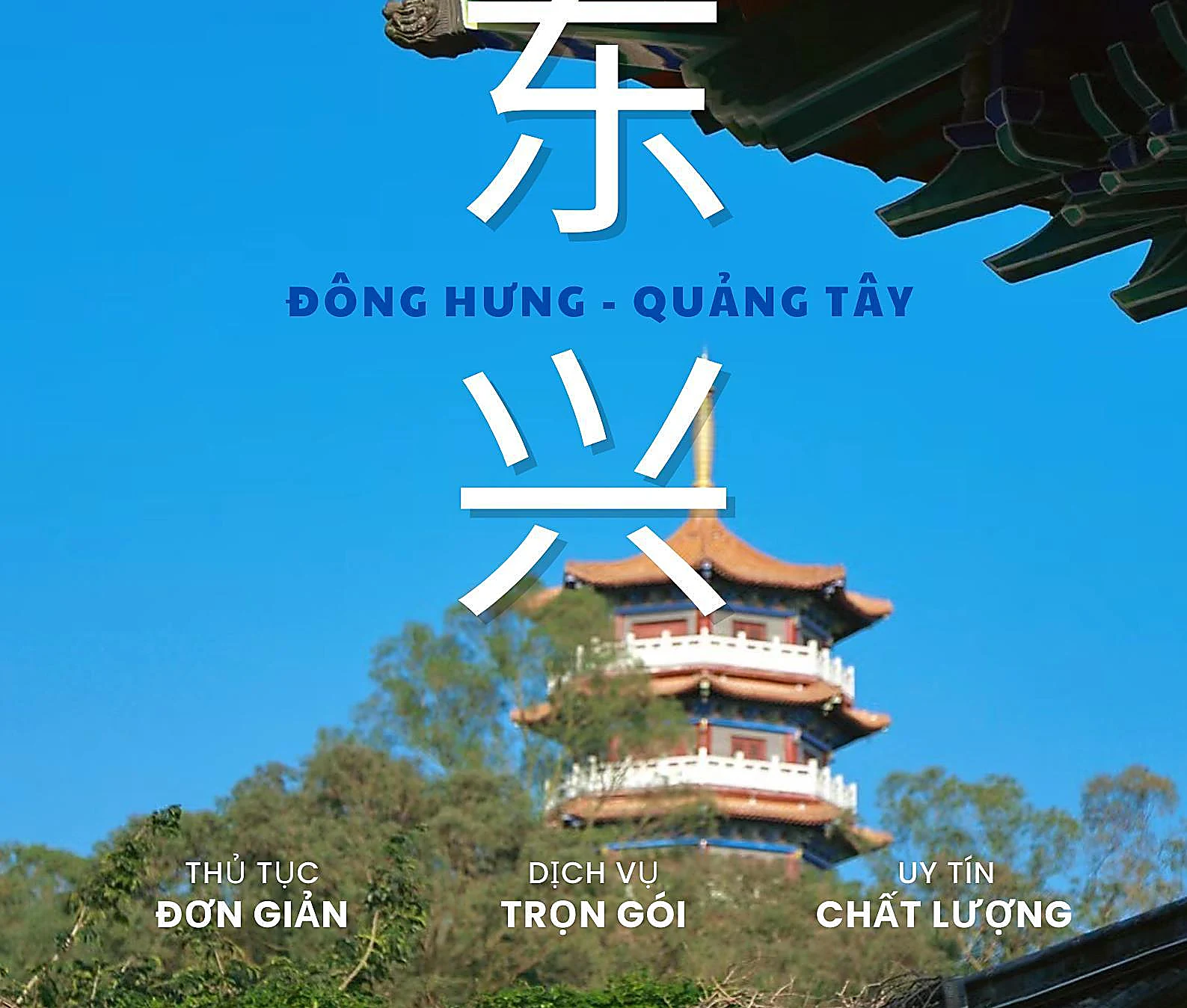
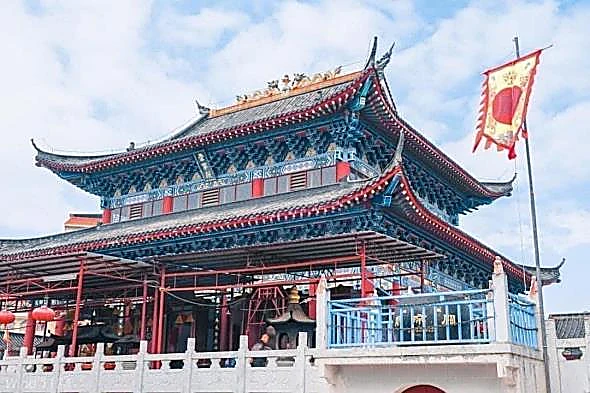
To optimize your travel experience, we recommend combining your visit to Western Street with a comprehensive cultural itinerary, flexibly linking it to other famous landmarks in the city. Your morning could begin with a visit to the Van Chung Temple, admiring the majestic Guan Di Temple, or strolling around the ancient Van Xuong Tower overlooking the tranquil river. Afterward, visiting the bustling Van Chung Market right by the riverbank or shopping along the Guizhou pedestrian street will provide an authentic glimpse into the vibrant flow of border trade. If you choose an all-inclusive Dongxing tour package, you will also enjoy convenient transportation to the pristine Van Vi beach and the Jing Ethnic Museum, broadening your perspective on the history of coastal residents before spending a relaxing evening immersed in the magnificent atmosphere of Western Street.
When embarking on this journey, a few important notes regarding culture and travel logistics will help ensure your trip is smooth and fulfilling. Regarding payments, although many border merchants still flexibly accept cash in Vietnamese Dong or Chinese Yuan, most shops on Western Street have shifted significantly toward popular e-wallet platforms; therefore, preparing a reserve of cash or setting up an international QR code scanning app is highly recommended. Additionally, China’s time zone is exactly one hour ahead of Vietnam—a small detail that requires careful attention to manage your time for returning to complete immigration procedures before the border gate closes. Furthermore, choosing a professional immigration tour service will assist in handling all travel documentation quickly, ensuring security and providing absolute peace of mind throughout your stay in the neighboring country.
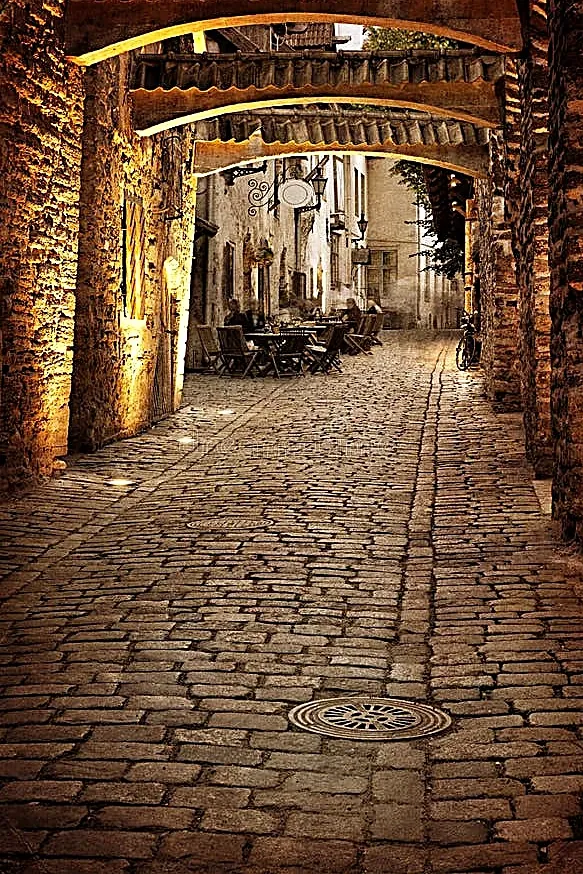
Viewed through the lens of culture and urban planning, Dongxing Western Street is not merely a restoration project or a simple imitation of foreign architecture; it has become an organic part of the spiritual life of this dynamic border city. It serves as an invisible bridge between the nostalgic values of the golden age of the Maritime Silk Road and the modern aspirations of an open port city. Strolling along the stone-paved streets, gazing at Baroque arches reflected under the border moon, and listening to wind chimes gently ringing on flower-adorned balconies, travelers will fully experience the harmonious intersection of land, sky, history, and the warm hospitality of a borderland always ready to welcome you in every season.