Nestled silently at the foot of the majestic Duxiu Peak, East-West Alley (Chinese: 东西巷) resembles a brick-and-stone chronicle, vividly portraying the flourishing lifeline and vicissitudes of the ancient city of Guilin for nearly 1,400 years. Since Guilin’s fortress began its foundational construction during the Wude era of the Tang Dynasty (618 – 626), this land beside the serene Li River has witnessed countless changes across dynasties. Amidst the fierce transformations of modern urbanization, East-West Alley stands resiliently as the sole surviving ancient residential quarter from the Ming and Qing dynasties within central Guilin, preserving the most pristine cultural sediment of the renowned Lingnan region.
In the past, East-West Alley’s space formed a densely intertwined complex of ancient alleys comprising the axes of Zhengyang Road East Alley, Jiangnan Alley, and Lanting Alley. During the Ming and Qing dynasties, this location held a pivotal trade gateway status, serving as a vital commercial arterial route connecting the bustling Zhengyang Avenue with bustling boat wharves along the Li River. Thanks to its prime “river-adjacent and market-connected” position, merchant fleets carrying silks, ceramics, and herbs from coastal regions and the Central Plains navigated upstream and downstream to dock, transforming this small alley system into a colossal cargo transshipment station where hauling chants blended with the lively clatter of packhorses day and night.
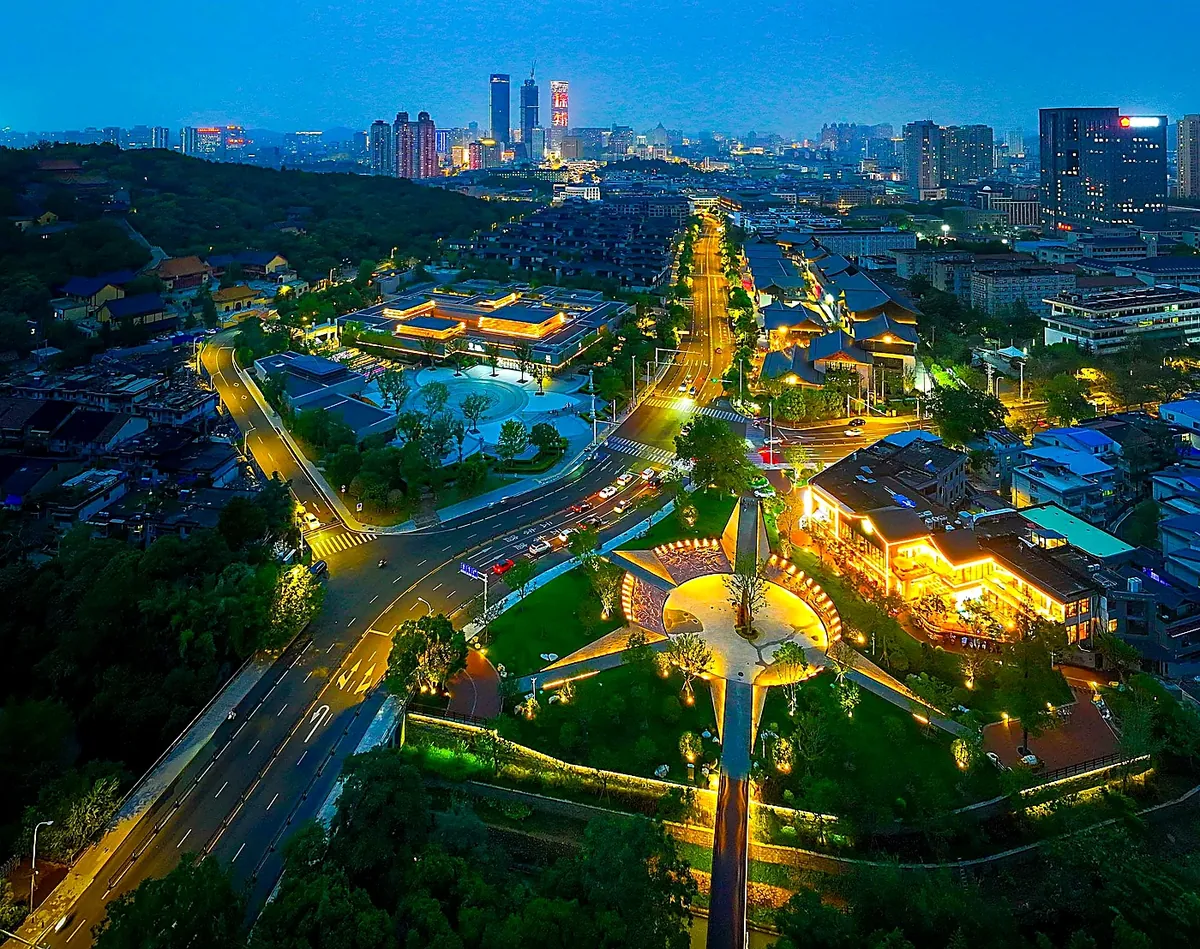
Entering the late Ming, early Qing, and extending through the Republican era, East-West Alley’s appearance reached the pinnacle of prosperity. Far from merely serving as a bustling commercial area, it became the headquarters for numerous merchant guilds hailing from provinces such as Guangdong, Jiangxi, and Hunan. Accompanying this flourishing financial current was the dense emergence of century-old family-tradition trading houses (lao zihao), alongside stately ancient mansions belonging to elite aristocratic families and contemporary scholars. Austere grey-brick firewalls, gently curving yin-yang tile roofs, and rain-polished blue stone slabs cradled the silhouettes of countless historical figures who once shaped the political and cultural profiles of an expansive Southwestern region.
The deepest and most tragic humanistic imprint of this miniature ancient town connects with the fate of the “Long Family Grand Courtyard” (the Long clan’s mansion)—a quintessential elite architectural symbol in East Alley. Stepping into the fiery years of the War of Resistance Against Japanese Aggression, Guilin transformed into a “resistance cultural city,” converging artists, scholars, and patriotic figures fleeing from various war zones to take refuge and operate. By 1941, faced with the harsh destruction of artillery fire and the turbulent waves of the era, descendants of the Long clan were forced to shed tears while selling their ancestral home of a century so each could wander to distant horizons. That poignant historical event was not merely an individual tragedy of an elite family, but became a profound scar recording the pain of the times, testifying to the indomitable vitality and silent sacrifice of people bound heart and soul to every mossy inch of soil at East-West Alley.
Examining traditional East Asian geomancy and classical urban planning, rare commercial residential complexes possessed such an exquisite coordinate as Guilin’s East-West Alley. Ancients summarized this area’s peerless status via the axiom “Wangcheng root, Li River side, urban center”—meaning rooting firmly right beneath the walls of the princely palace, snuggling closely beside the gentle green silk ribbon of the Li River, and reigning right in the beating heart of Guilin’s bustling metropolitan life for centuries of history. Stretching across the left and right sides before the Zhengyang Gate—the revered southern portal of the Jingjiang Prince’s Palace—the street served not merely as a bustling trade corridor but as a living screen, intimately bound to the nuclear geomantic layout of the entire Ming Dynasty princely city.
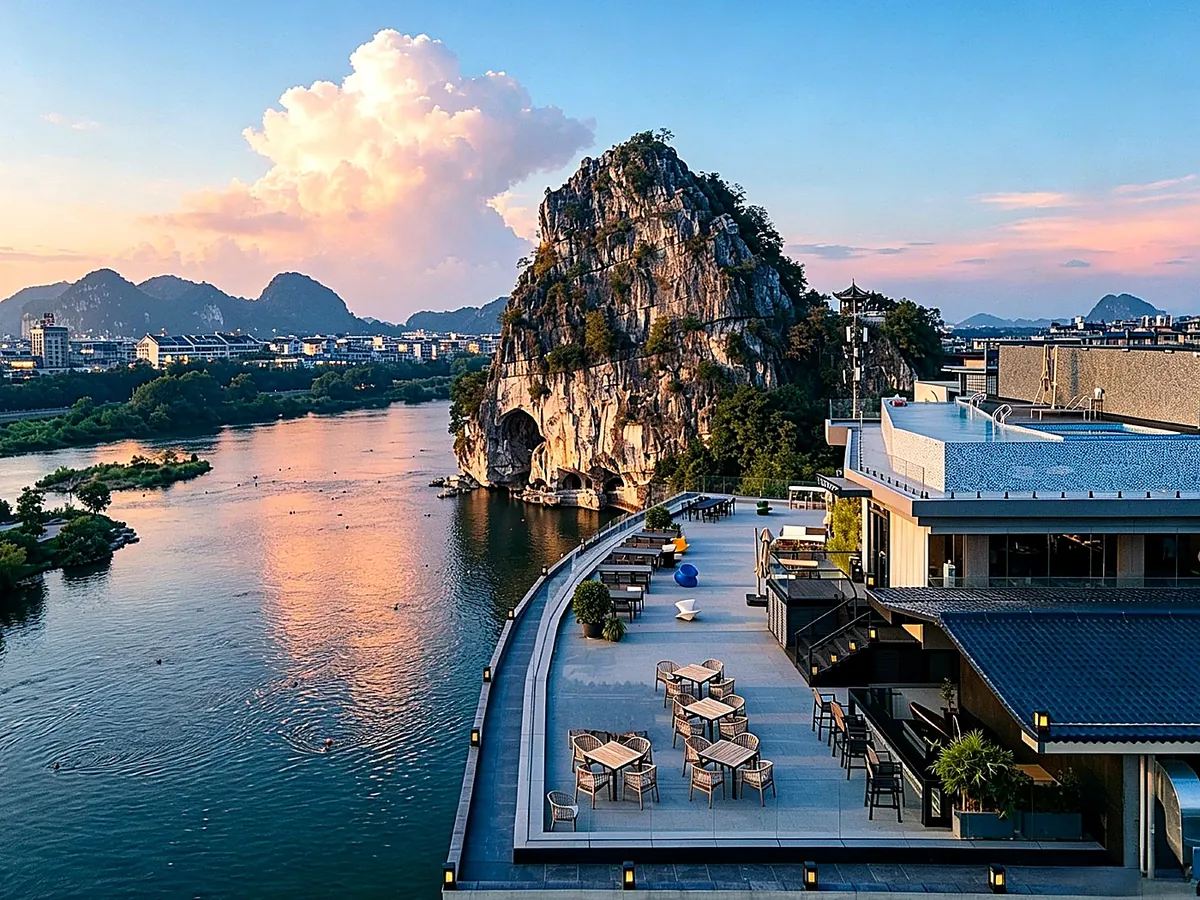
Viewed from the overall spatial scope of the Lingnan region, the terrain here represents the ultimate manifestation of the “encircling mountains and embracing waters for gathering wealth” standard—mountains protecting and waters embracing to accumulate prosperity. East-West Alley inherits the complete regal energy current by backing sturdily against Duxiu Peak, the ancient mountain hailed as the “Single Pillar in the Southern Sky” soaring amidst the heavens. The ancient karst limestone of Duxiu Peak rises like a heavenly pillar blocking northern cold winds, forging a majestic, steadfast Xuanwu backing for adjacent palace architectures and residential clusters. The grand, soaring momentum of this solitary yet magnificent mountain has since ancient times been recognized by imperial geomantic masters as the convergence point of imperial energy, bestowing blessings and longevity upon the capital region of Guangxi.
Beyond possessing sacred mountain backings, East-West Alley’s planning strictly followed the renowned Left Azure Dragon – Right White Tiger paradigm in imperial geomantic art. Looking out from the Zhengyang Gate portal, the roadway divides into neatly extending East Alley and West Alley branches, resembling spreading wings sheltering the princely palace’s forecourt. The eastern wing directly receives refreshing vital energy from the misty, rolling Li River flowing merely steps away. The azure current winding leisurely in the east not only symbolizes abundant wealth management and smooth transport of silks and tea via ancient wharves, but also acts as an ideal microclimate regulator, keeping the entire ancient quarter cool in summer and warm amidst piercing winter days.
The harmony between nature-made and human-made elements at East-West Alley reflects the timeless architectural vision of Ming and Qing planners. The herringbone-intertwining alley network was meticulously calculated according to natural slopes gently descending toward the riverbank, draining rainwater thoroughly without ever flooding the princely palace foundations. Smoothly paved blue marble slabs combined with grey-brick decorative walls simultaneously prevent fire spreading and evenly distribute river breeze currents deep into every siheyuan courtyard. Strolling and admiring the ingenious geographical structure here, visitors easily perceive the leisurely breath of nature intertwined tightly within every ancient brick grain, creating a rare sense of peaceful, tranquil qi right amidst a supremely bustling metropolis.
Crossing the threshold of East-West Alley, travelers instantly experience a spatial rhythm shift as external clamor recedes, yielding to the contemplative mood of traditional Northern Guangxi residential architecture from the Ming and Qing dynasties. Alleys are paved entirely with polished monolithic blue stone slabs bearing marks of time, reflecting dim light across moss patches clinging to stone cracks. Along both main axes and intersecting alley branches, thick dark-grey brick walls combined with undulating yin-yang tile roofs forge a uniform antique color palette. The most precious visual highlight commanding passersby’s sight is horse-head firewall peaks soaring into deep blue skies, serving both geomantic purposes of blocking fire propagation across crowded ancient settlements and vividly recreating undulating wave-like modeling languages within the ancient capital’s heart.
Delving deep into each homestead, the spatial structural quintessence of this complex reveals a masterful fusion between strict Central Plains courtyard norms and flexible adaptation philosophies toward Lingnan’s monsoon tropical climate. Load-bearing frameworks predominantly utilize traditional timber framing with columns, tie-beams, and horizontal beams jointed precisely without using a single iron nail, combining fluidly with characteristic load-bearing brick walls. To overcome humid, muggy weather typical of Guilin’s limestone valley, forebears arranged airy sky wells deep within multi-tiered interior structures. Sky wells not only act as natural light collectors dispelling gloominess across deep halls, but function as natural ventilation engines, drawing cool airflow from underground while pulling hot air upward through roofs, safeguarding dry, pristine living environments across all four seasons.
The planning and restoration scale of the ancient quarter is further verified through well-preserved stately private mansions, most notably the Long Family Grand Courtyard’s structure. This antique mansion preserves complete three-bay two-courtyard architectural formats, where every swing door and timber latticework frame is painstakingly carved by artisan hands with auspicious motifs such as cranes and pine trees, peonies, or stylized clouds. Every intricate openwork and carving detail on load-bearing beams and brackets showcases not only the luxury of elite aristocratic clans once residing here, but demonstrates traditional carpentry skills reaching supreme heights under Emperor Qianlong and Jiaqing.
Wharves with boats above and below along the Li River of yore are now revived with exemplary urban planning ratios, where densely clustered houses resembling fish scales and winding alleys create serene, profound ambiances without feeling confined. Strolling and admiring curving eaves beneath ancient trees or pausing to enjoy tea tasting beside ancient brick courtyards offers unforgettable contemplative experiences, delivering complete fusions between natural scenic wonder appreciation and access to millennial architectural heritage treasures across southwestern China.
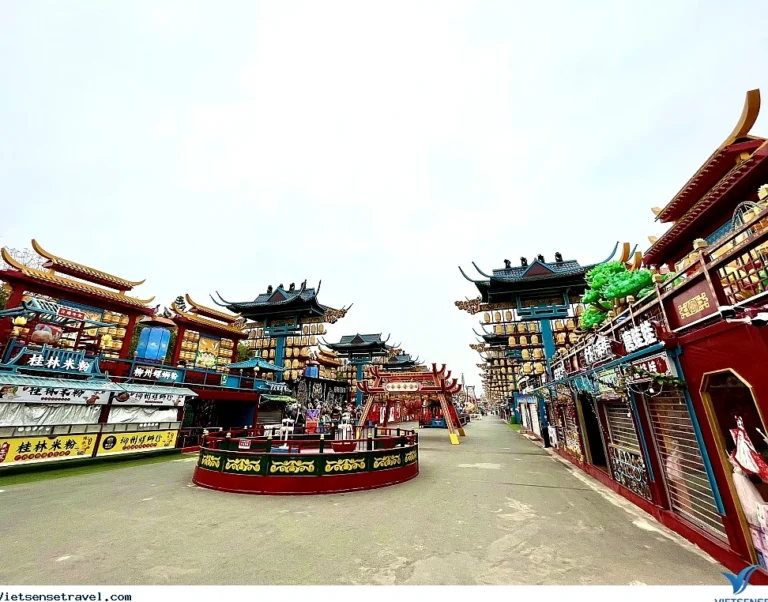
As teal twilight gradually descends upon Guilin’s rolling karst mountains and the water surface of the Li River shifts toward deep violet, East-West Alley truly enters its most splendid moment of the day. Resembling an exquisite natural landscape infused with vitality via modern lighting colors, the entire ancient quarter illuminates within an enchanting architectural light show. Under subtle optical staging arts, darkness never obscures historical depth; instead, it highlights every exquisite carved detail. Dark grey yin-yang tile eaves and proudly curving flying-eave corners reaching into night skies are outlined by warm amber light strips, creating multi-dimensional spatial layering astonishingly magical.
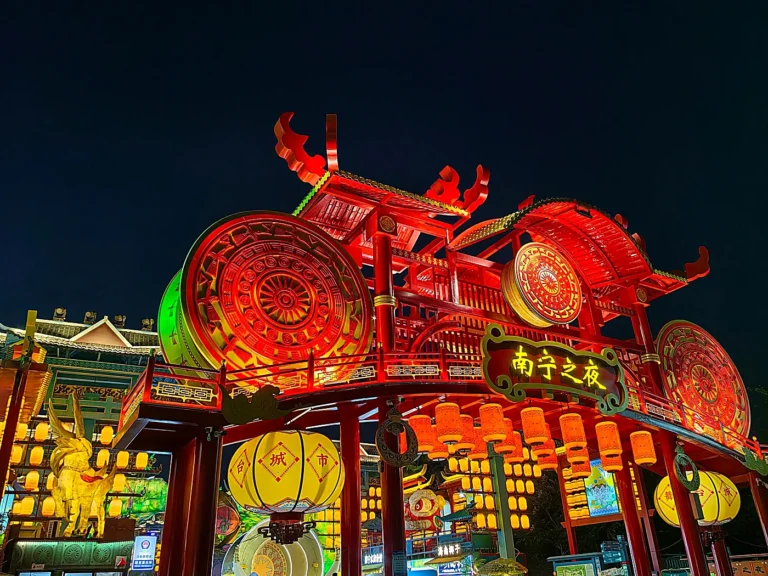
Visual contrast peaks when East-West Alley’s brilliant illumination shines directly upon the sturdy mossy stone blocks of the Jingjiang Prince’s Palace city wall. Dating from the Ming Dynasty, that rampart stands silently as a contemplative witness of over six centuries of vicissitudes, directly dialoguing with contemporary metropolitan prosperity below. Hundreds of traditional red lanterns illuminate along Republican-style timber eaves, casting crimson reflections upon blue flagstone paving stones polished smooth by centuries of footsteps. Light refraction effects between traditional lanterns, embedded floor LEDs, and silvery moonlight transform small alleys like Zhengyang East Alley and Gangbang Alley into endless corridors of time, guiding travelers into dream realms of former princely capitals.
Local poets frequently praise the nocturnal lifestyle here via the idiom “smoke and fire depths evoke deepest sentiments”—meaning where mundane hearth smoke runs deepest, human affection burns hottest. Nights at East-West Alley lack chaotic tumult, carrying instead the elegant vibrancy of Lingnan civic culture. Amidst strolling crowds, strumming acoustic guitars from street buskers blend harmoniously with clacking sounds from intangible cultural heritage workshops. Inside open stalls, local artisans patiently demonstrate embroidery, Guilin round fan painting, or jade stone carving, vividly recreating craft village lifestyles that nurtured generations of ancient town residents.
Alongside modern melodies, nocturnal culinary souls of heirloom brands continue fueling nostalgic flavors. Intoxicating osmanthus aromas linger within night breezes, tightly intertwining with foaming Gongcheng butter tea aromas, sweet newly-baked osmanthus pastries, and rich flavors of famed Guilin horse meat noodles. Strolling leisurely amidst brilliant seas of festive lanterns and immersing fully into magical nocturnal realms, visitors easily rediscover relaxing moments to savor indigenous cultural flavors without getting swept up in daily haste.
As nights deepen, spaces settle into eerie tranquility as red-and-gold painted timber signs of century-old herbal pharmacies and renowned teahouses emit profound radiances. Strolling past ancient wall corners, listening to wind sweeping weeping willows and gazing at sparkling reflections from the nearby Li River, travelers truly grasp why East-West Alley is dubbed the pearl of this scenic city. It represents far more than a commercial entertainment center; it serves as a living scene where royal pasts and urban heartbeats merge into endless light symphonies.
Situated centrally within traditional living networks, East-West Alley functions not merely as a Ming-Qing architectural relic but as a vital meridian preserving authentic culinary flavors of Northern Guilin across centuries of changes. Together with adjacent Zhengyang pedestrian street and Shangshui food street, this entire complex forms a famed culinary triangle, uniting heirloom workshops of former elite clans alongside steaming rustic eateries nestled beside blue stone walls. Every nook of ancient alleys is saturated with star anise, cardamom, fermented vinegar aromas, and fragrant osmanthus scents, vividly recreating urban riverbank lifestyles across generations.
The reigning soul across every dining table in the ancient alley is legendary Guilin rice noodles, a culinary icon achieving rare refinement in appreciation. Connoisseurs entering East-West Alley skip mass-produced broth noodles, insisting instead on ordering authentic “luoshi fen” (dry-mixed rice noodles). Round, chewy rice noodle strands are blanched then mixed directly with secret-recipe braised gravy simmered from dozens of traditional herbs over hours. Garnishing bowls are crispy fried pork belly slices with golden, bubbly skin, accompanied by sour crunchy pickled beans, nutty roasted peanuts, and spicy bamboo shoots. Diners finishing flavorful dry noodles ladle piping-hot bone marrow broth to rinse bowls, drinking to the last drop to experience lingering sweet aftertastes.
Venturing deep into antique wine pavilions nestled beneath yin-yang tile roofs, visitors encounter “thố huyết áp” (stewed duck blood in vinegar), a uniquely distinctive intangible cultural heritage culinary legacy of Guangxi. This dish demands rigorous heat and spice management, combining fresh duck meat stir-fried with duck blood blended in gentle rice vinegar, added chili peppers, perilla leaves, and tender bitter melons. The refreshing tartness of vinegar completely counteracts blood’s cooling nature, blending with pungency and richness to forge unforgettable layered flavors once served to honored guests during ancient Guilin aristocratic ancestral rituals.
Besides savory dishes, East-West Alley preserves Gongcheng butter tea rituals alongside elegant pastries. Bowls of dark green butter tea are pounded by hand on the spot from aged tea leaves, fresh ginger, and garlic bulbs in small iron woks, boiled then strained, carrying astringent-sweet flavors intertwined with warming spicy notes. Locals typically enjoy tea alongside soft, wild-herb-scented mugwort cakes, golden water chestnut cakes stuffed with brown sugar and peanuts, crispy radish cakes, and signature osmanthus cake. Osmanthus cakes made via traditional methods resembling jadeite jelly, steeped in fragrant osmanthus syrup, render strolls through ancient quarters like journeys awakening all senses.
As twilight descends, casting turquoise hues over curving eaves and centuries-old eateries illuminate red lanterns, a vibrant culinary space unfolds. Hearing sizzling iron woks, watching artisans knead dough, and tasting rustic snacks yields authentic emotions in this picturesque landscape. Those antique flavors satisfy visitors while bridging modern humanity with Guilin’s century-old culinary culture.
As an open heritage complex nestled entirely within the city’s civic rhythm, Guilin’s East-West Alley welcomes visitors completely free of charge 24/7. However, the golden hour capturing its true soul starts from 6:00 PM until 10:30 PM. When twilight fades behind limestone mountains and darkness blankets Jingjiang Prince’s Palace ramparts, the entire street illuminates beneath thousands of red lanterns, highlighting relief carvings across blue-grey tiles and tro bricks. This timeframe allows visitors to admire Ming-Qing residences by day while immersing in bustling night market splendor akin to stepping into Lingnan ancient town festivals.
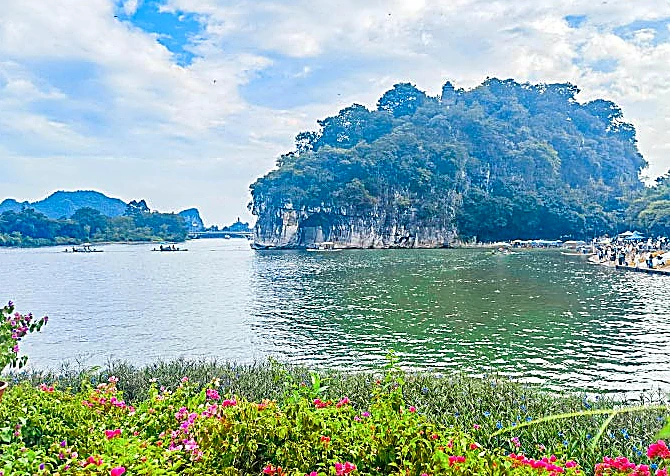
Situated centrally in Xiufong District, east of Zhengyang pedestrian street, East-West Alley acts as a cultural nexus connecting Guilin’s iconic landmarks. From here, visitors stroll steps to reach Jingjiang Prince’s Palace portal with soaring Duxiu Peak—preserving immortal praises of Guilin scenery. Walking further along Li River breezes leads to Elephant Trunk Hill or cruising Two Rivers and Four Lakes. Public transit is convenient with nearby bus stops, yet walking or riding traditional ricktores remains wonderful.
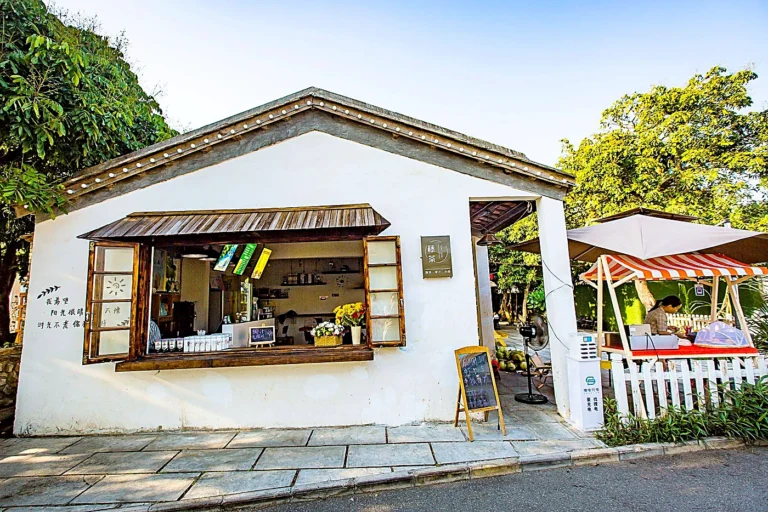
Nevertheless, to experience journeys deeply and avoid modern commercial traps, discerning travelers need pocket tips. Along East and West Alley main axes, dense souvenir stalls and trendy milk tea shops carry inflated prices. To savor traditional cuisine, separate from crowds into side alleys like Lanting or Jiangnan. Hidden beneath ancient eaves are rustic family-run eateries where genuine Guilin noodles cost mere RMB. Similarly, famed vinegar-duck blood dishes reveal true rustic character in family kitchens with listed prices.
For international visitors, preparing Chinese immigration procedures and cashless payment apps ensures smooth journeys. Choosing the Nanning – Yangshuo – Guilin 4D3N Tour provides absolute leisure, optimizing transit, language support, and standards.