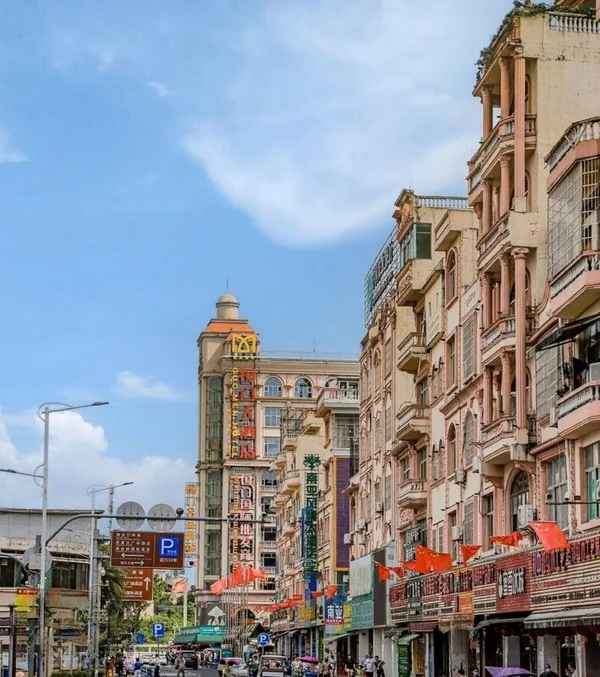
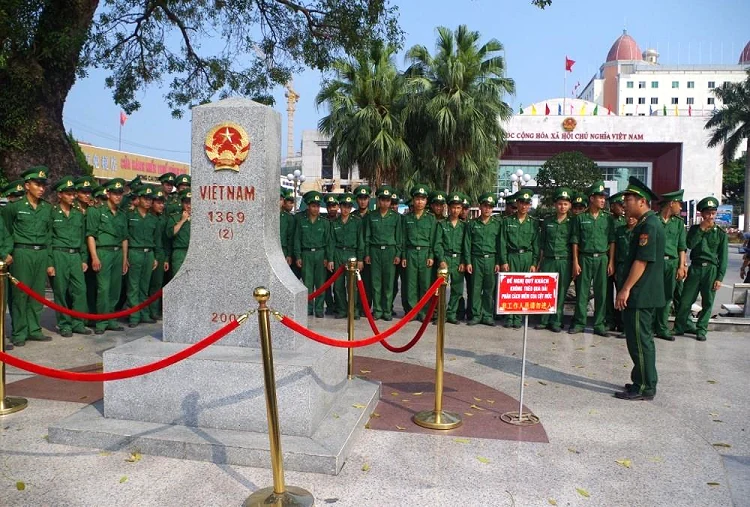
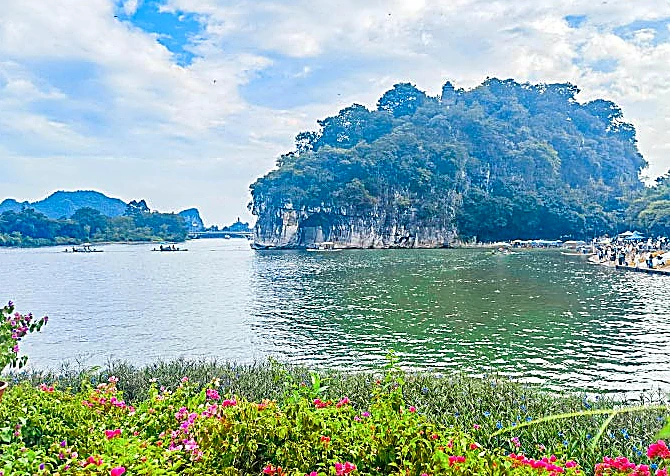
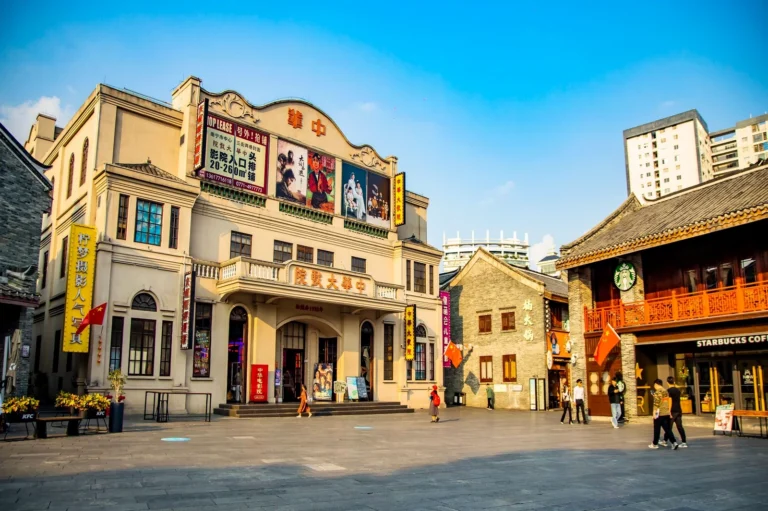
Nestled beside the gentle Beilun River, which serves as a natural boundary dividing the two border banks, the city of Dongxing within the Guangxi Zhuang Autonomous Region has long become a vivid symbol of the commercial and cultural pulse of the South. This place features not only bustling border trade markets and lively commercial avenues, but also preserves precious historical sediments through diplomatic monuments. Among the landmarks leaving a deep impression in the hearts of distant travelers, the Dongxing Sino-Vietnamese Friendship Park stands as an enduring witness to traditional friendship—an expansive green space preserving heroic historical pages alongside the characteristic elegant architecture of ancient Lingnan.
Officially breaking ground in 1958, the project carries the sacred mission of engraving the faithful, mutual spirit of solidarity between the peoples of Vietnam and China during the arduous national liberation resistance period. Going back in time to the fervent years of the last century, this borderland region served as a convergence point for countless shipments of aid, secret liaison lifelines, and the affectionate shelter of borderland compatriots. Surviving over six decades of historical ups and downs, the park has been continuously cared for, restored, and expanded, evolving into a vast open-air museum where every ancient tree canopy and granite slab is steeped in the memories of an unforgettable heroic era.
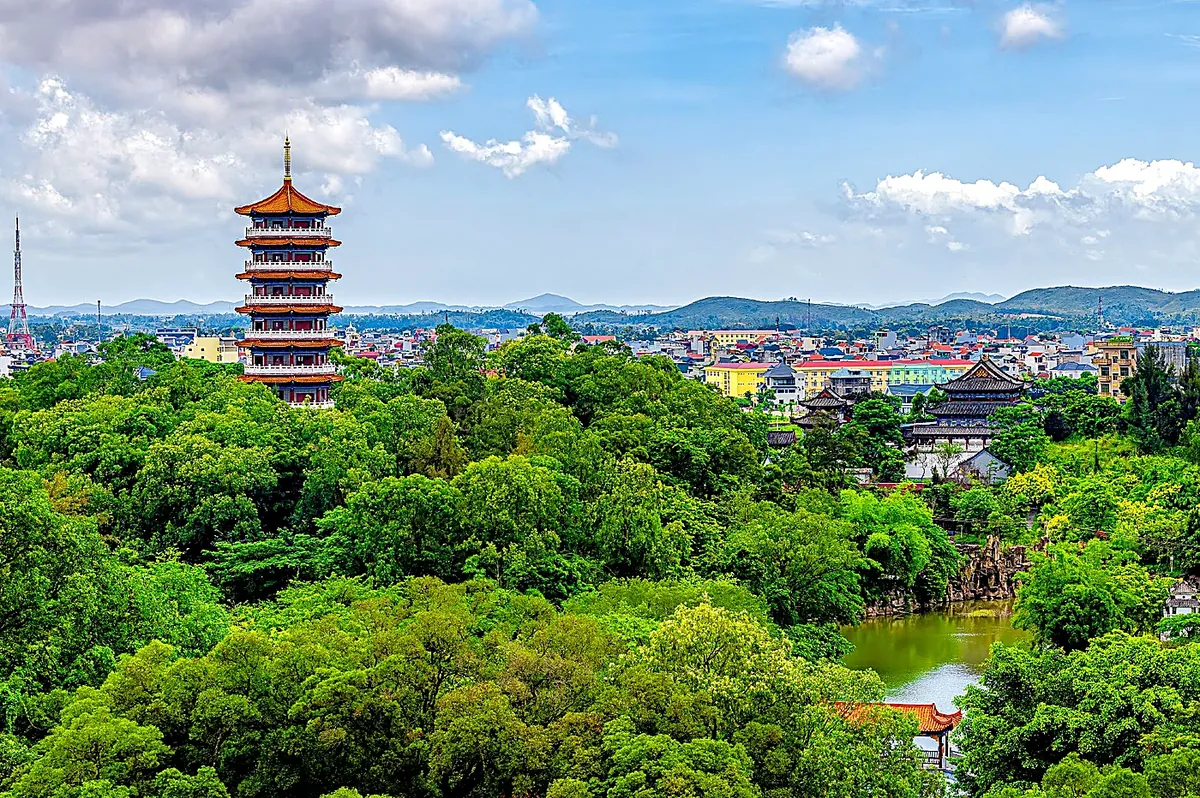
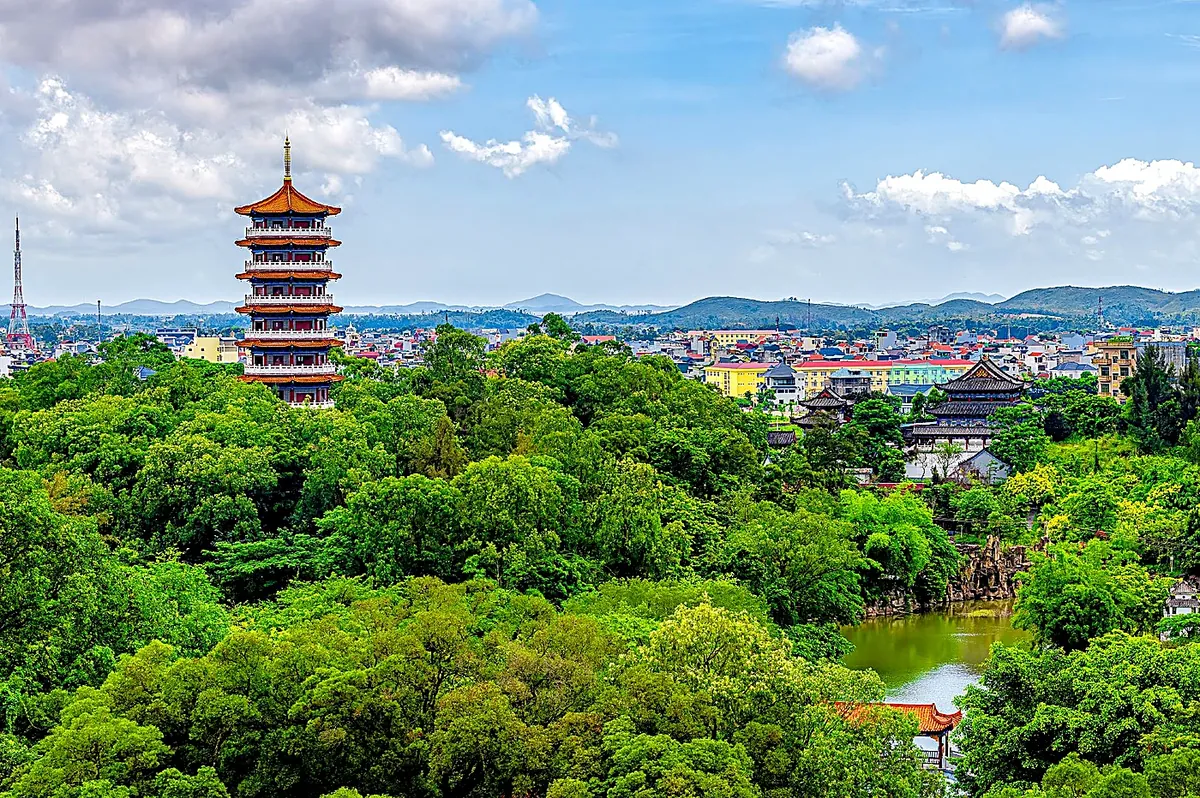
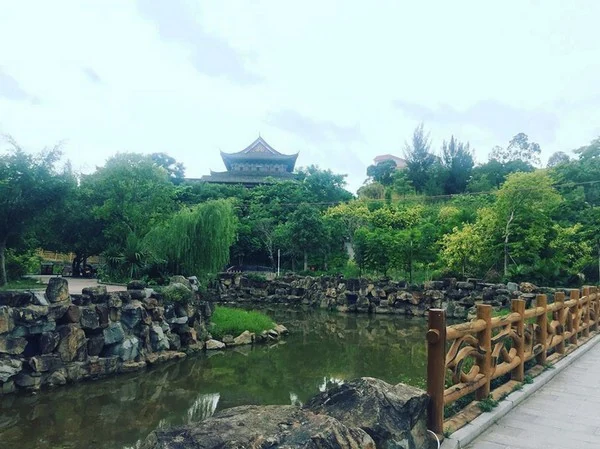
Situated in the southwest of Dongxing town, the park boasts a vast scale spanning up to approximately 30 hectares, planned symmetrically and harmoniously with the natural riverine ecosystem. Its geomantic terrain is exceptionally auspicious, situated right beside the bustling urban center while offering expansive views toward Vietnamese territory across clear blue waters. The entire campus is covered by rich tropical and subtropical vegetation, featuring proud pine and cypress trees, soft weeping willows along the water’s surface, and thousands of meticulously pruned ornamental flowers and plants. The ingenious combination of traditional gardening art and the solemn geometric layout of memorial structures creates an ensemble that is simultaneously dignified, solemn, peaceful, and breathtakingly poetic.
The most sacred cultural and spiritual focal point within the campus is the Chinese-Vietnamese People’s Martyrs Monument, a magnificent architectural work soaring proudly against the deep blue sky. The monument is crafted from natural stones quarried from renowned mountain regions, with surfaces sharply carved with memorial inscriptions in both Chinese and Vietnamese. Tiered stone steps leading up to the monument exude solemn dignity, surrounded by realistic relief sculptures vividly recreating moments when soldiers and civilians from both banks stood shoulder to shoulder transporting rations, caring for wounded soldiers, and fighting side by side for independence and freedom. Standing before the majestic monument amidst border winds blowing from the river, anyone can deeply feel the value of today’s peace, which was exchanged with blood, sweat, and the steadfast ideals of anonymous predecessors.
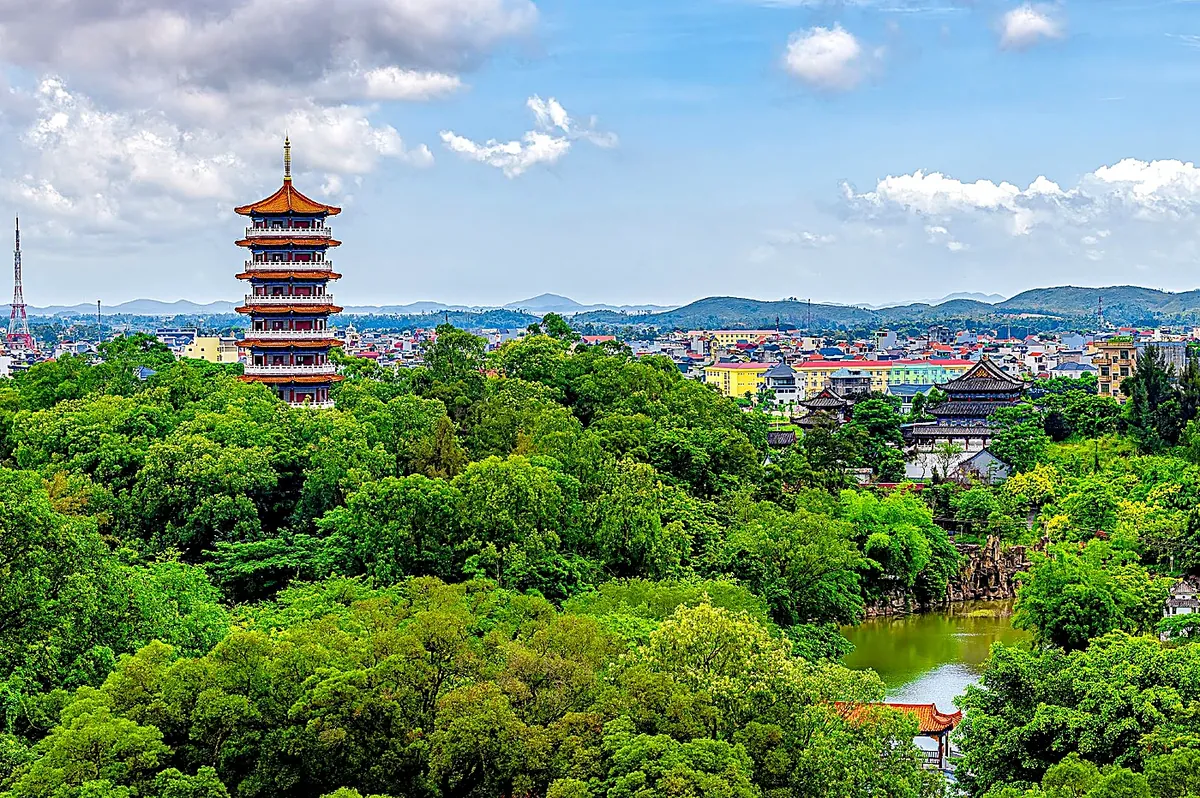
Alongside revolutionary historical elements, the park also contains unique folk cultural dimensions featuring a system of pavilions and scenic watchtowers in oriental imperial styles. Curved glazed tile roofs shaped like swallow tails, red-lacquered gold-gilded pillars, and intricate dragon-and-cloud floral motifs transport visitors into an ancient space straight out of classical episodic novels. Notably, the Guan Yunchang temple area nearby serves as an impressive stopover carrying profound spiritual significance for the border community. In the folk beliefs of merchants from both nations, Guan Gong is the embodiment of loyalty, courage, and commercial prestige; therefore, devoutly burning a stick of incense at the ancient temple is not merely a spiritual worship act but also a prayer for smoothness and peace in daily livelihood pursuits.
Exploring this historical space is exceptionally convenient thanks to increasingly simplified border clearance procedures at the Mong Cai – Dongxing international border gate pair. Vietnamese visitors simply need to prepare citizen ID cards and standard white-background portrait photos to apply for border laissez-passers at immigration management offices without complex consular visa procedures. After completing exit procedures across the historic Beilun Friendship Bridge, visitors take only about ten minutes by electric cart or taxi through central streets to reach the park’s lush green spaces. To ensure smooth sightseeing, saving time from waiting lines and enjoying deep, expert guided commentary from history-savvy tour guides, numerous travelers prioritize choosing the all-inclusive 1-day Dongxing tour program with a well-organized itinerary.
One of the most flourishing and captivating cultural activities among youth recently is the experience of transforming into historical characters in traditional Chinese costumes right within the park. Right beside the entrance gate and side paths, professional costume rental services provide complete packages from selecting exquisite Tang, Song, and Ming dynasty attire to hairstyling, headscarf tying, and sharp makeup. Donning flowing silk robes, strolling through intricate blue-stone paved corridors, leaning against stone bridge railings to admire blooming lotus flowers, visitors feel as though they are wandering through the setting of a classic historical film. The contemplative scenery of mossy brick walls combined with lush green foliage turns every tiny corner here into a priceless photographic backdrop without requiring any elaborate digital effects.
Strolling deeper into pathways shaded by ancient pine and cypress trees, travelers sense the rustic and authentic daily breathing of Dongxing’s border city residents. Early in the morning, when river mists linger over tree crowns, groups of elderly locals gather on spacious lawns to practice qigong, tai chi, or softly sing melodious folk songs. Birds chirp resonating from bamboo cages hung among peony branches, blending with the lively rhythm of conversations in both familiar neighboring languages. There is no sense of distance from geographical borders here; instead, natural bonds tie cultures sharing common origins in wet-rice civilization and harmonious living philosophies with nature.
Following hours of relaxing strolls under tree canopies and immersing in historical nostalgia, visitors easily extend excursions with unique street food exploration right nearby. The dazzling King Street at night or Dongxing central market lies just minutes away from the park, welcoming food lovers with alluring flavors such as crispy fried stinky tofu drizzled with rich sauce, creamy roasted milk tea from Yi He Kao Nai, or steaming spicy noodles characteristic of Guangxi cuisine. To secure a scientifically combined itinerary between monument sightseeing, landscape appreciation, and local culinary discovery, participating in Dongxing entry-exit tour packages remains the optimal solution helping travelers peaceably relish every single moment.
The ideal time of day to visit the park is early morning or when dusk falls over the Beilun Riverbank. Golden-orange sunset rays stretch across pipal leaves, dyeing granite blocks of the monument and shimmering across tranquil lake surfaces, creating an emotionally reflective visual field. When visiting sacred memorial sites, travelers should maintain respectful attitudes, proper attire, avoiding loud talking or climbing onto monument stone pedestals. This reflects not only compliance with public civilized conduct rules but also deep respect for the spiritual heritage of both nations.
Geopolitically and culturally, the park functions not merely as an urban green patch for Dongxing county-level city, but acts as a soft bridge linking annual people-to-people diplomatic activities. It is frequently chosen to host iconic cultural events such as tea ceremony cultural exchange festivals, border red journeys for youth from both countries, or cross-border tourism cooperation conferences. Through practical activities, the invisible bond uniting communities on both riverbanks grows tighter, proving the resilient vitality of friendly neighborliness originating from the past and continuously reaching toward a prosperous future.
Concluding visits to the Dongxing Sino-Vietnamese Friendship Park, travelers carry away not only stunning souvenir photos or impressions of a spacious garden project, but more deeply, an empathy for the proud historical flow between brotherly nations. Amidst bustling modern border life, the park stands as a peaceful oasis preserving the soul of a heroic era while opening meaningful cultural dialogue bridges. Whenever visiting the Mong Cai border gate, booking a daily departing Dongxing tour guarantees exciting cross-border experiences, broadening horizons regarding a neighboring borderland rich in unique cultural colors.