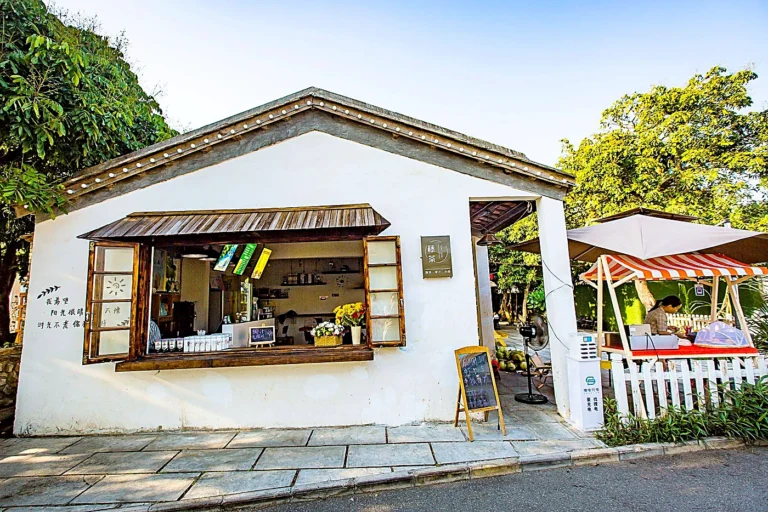
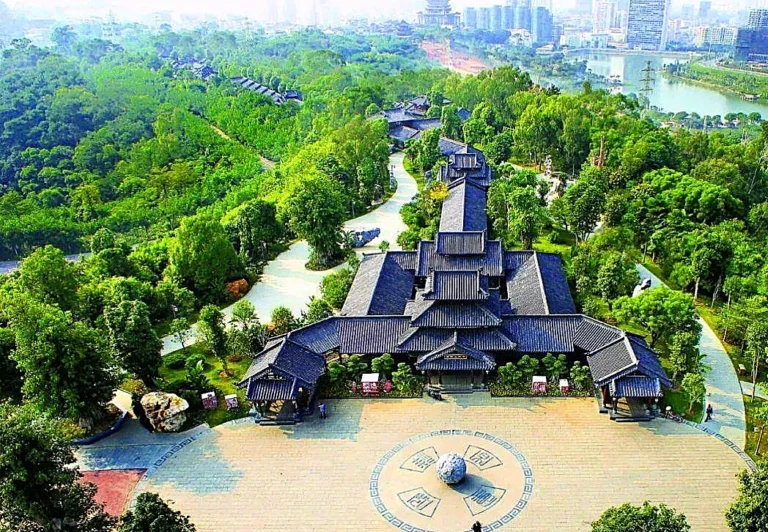
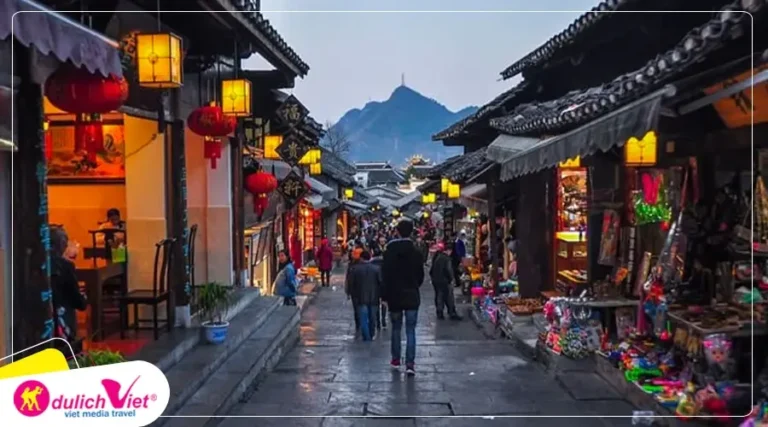
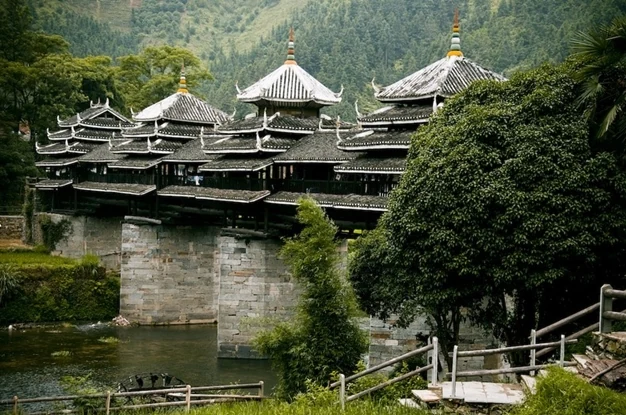
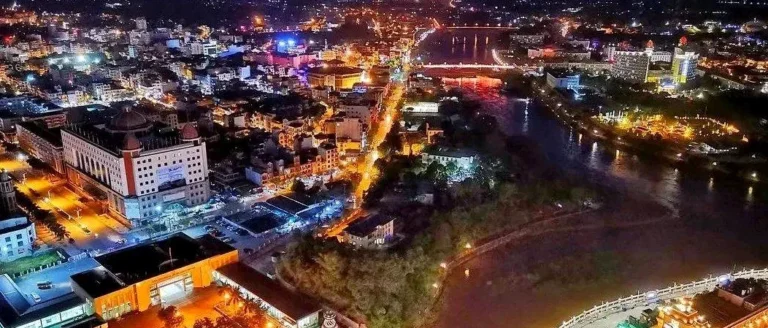
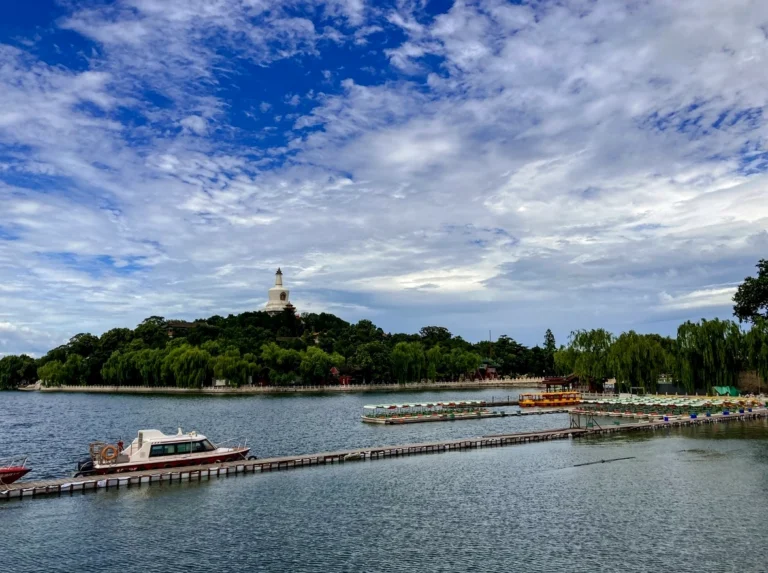
In the heart of Nanning, the bustling capital of Guangxi, China, there exists a tranquil expanse of time where millennial historical footprints still retain their ancient breath. That is the Three Streets and Two Lanes Ancient Quarter, also known as Sanjie Liangxiang (三街两巷), a living cultural heritage and a “window” opening into the glorious past of ancient Yongzhou city. As the senior international tourism chief editor for VDS Travel, I am delighted to guide you on a profound exploratory journey—not merely a sightseeing tour, but a dialogue with time and with stories told through stone and brick, mossy tile roofs, and the soul of a city.
Three Streets and Two Lanes is not simply a geographical landmark, but a cultural concept and a symbol of the fusion between tradition and modernity. Initiated during the Song Dynasty, this ancient quarter once served as Yongzhou’s prosperous commercial cradle, converging merchants and nobility. Across various historical phases, especially during the late 19th and early 20th centuries, it evolved into a bustling commercial center and a residential hub for mandarins and Nanning’s elites. Today, following a large-scale restoration and conservation effort starting in 2013, Three Streets and Two Lanes officially opened to visitors in December 2018, was swiftly recognized as a Guangxi Autonomous Region-Level Historical and Cultural Historic Block in January 2019, and proudly became one of the first national-level nighttime culture blocks in November 2021. This is not merely a destination, but an “urban living room” (城市客厅) where travelers can fully experience the rhythm of life and soul of Nanning.
1. Ancient Architecture: The Footprint of Time on Every Brick
Three Streets and Two Lanes is an inseparable part of the “Yongzhou Ancient City” (邕州古城)—a national AAAA-level scenic area encompassing three major historical and cultural blocks: Three Streets and Two Lanes, Zhongshan Road (中山路), and Shui Street (水街). The total area of this complex reaches approximately 265 acres, painting a panoramic picture of Nanning’s history and culture.
• The Three Streets: Xingning, Minsheng, and Jiefang – Historic Thoroughfares
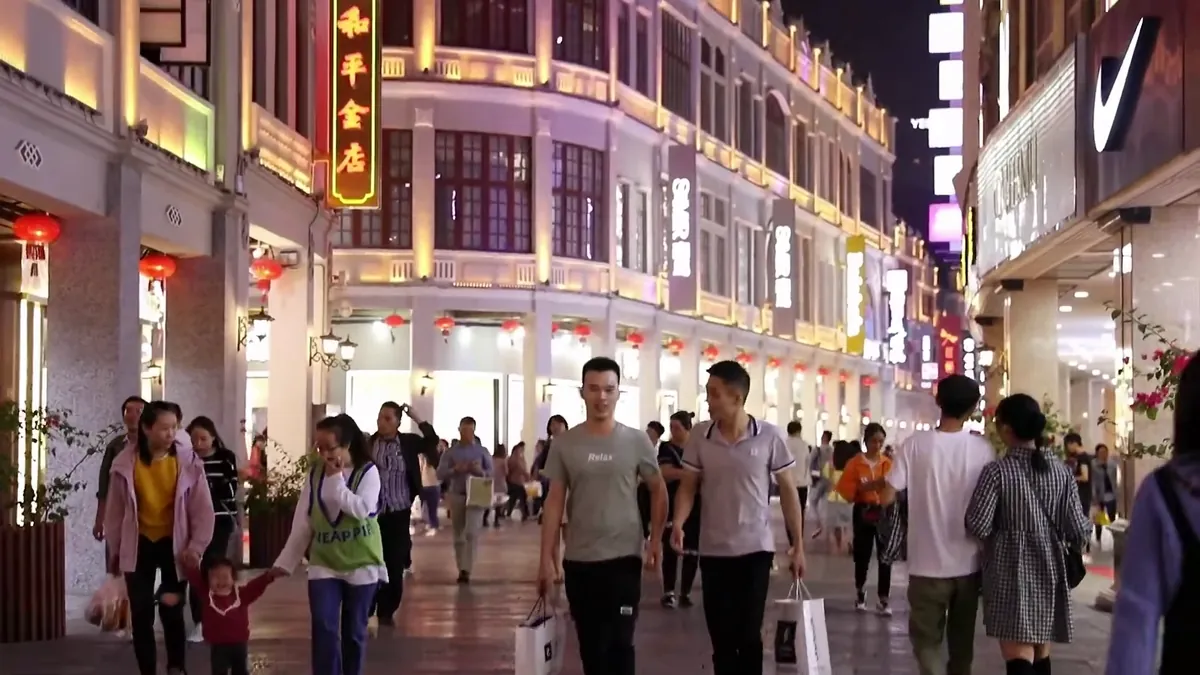
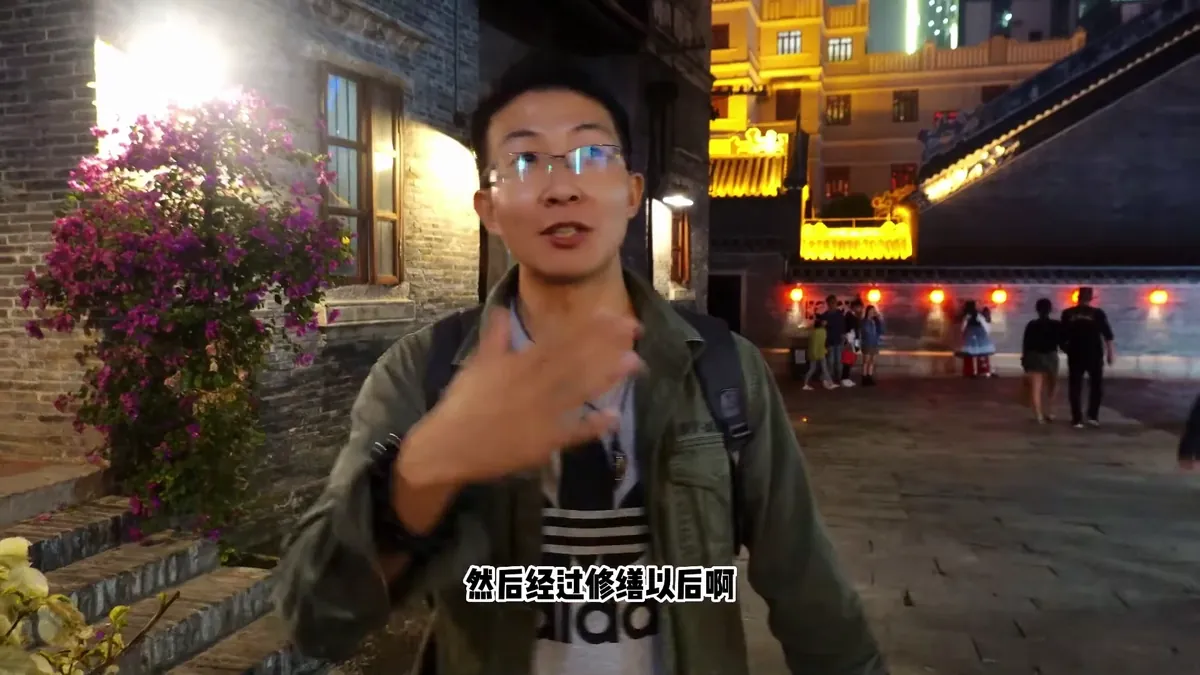
The “Three Streets” (三街) in the name Sanjie Liangxiang refer to three ancient streets: Xingning Road (兴宁路), Minsheng Road (民生路), and Jiefang Road (解放路). Each street carries its own distinct story, contributing to the diverse tapestry of old Nanning. Xingning Road and Minsheng Road once formed the center of the Nanning Pedestrian Street, the city’s busiest century-old commercial avenue. Here, characteristic Qilou (骑楼) arcade architecture, imported from Guangzhou to Nanning in the early 20th century, still stands proudly. Qilou architecture, featuring spacious verandas and overhanging overhangs sheltering the street below, not only provided shade and rain cover but also served as an ideal space for commercial and trading activities. They stand as living proof of Nanning’s cultural exchange and urban development during the modern era. Along these streets, visitors encounter ancient yin-yang grey tile roofs and towering fire walls (风火墙), which not only serve fire-prevention purposes but also lend a solemn, contemplative beauty to the overall architectural ensemble.
• The Two Lanes: Jinshi and Yinshi – Where Time Stands Still
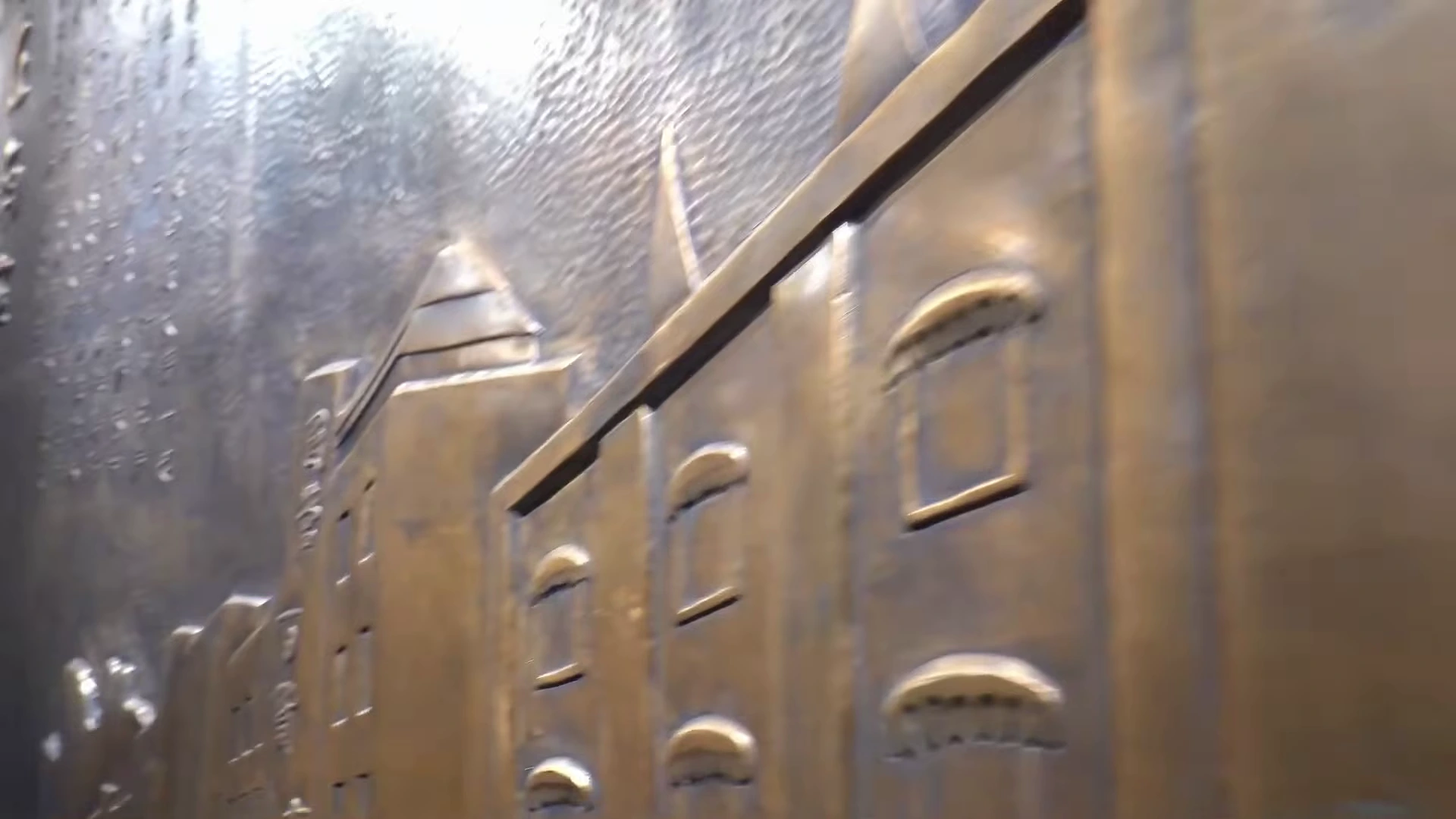
The “Two Lanes” (两巷) are Jinshi Lane (金狮巷) and Yinshi Lane (银狮巷), two ancient lanes dating back to the Ming and Qing dynasties. Stepping into Jinshi Lane feels like wandering into a labyrinth of time, where ancient grey-walled, mossy tile-roofed houses stand clustered closely together, forming a unique traditional residential cluster—the Jinshi Lane Residential Cluster (金狮巷民居群). This is where traditional Yongzhou residential architectural features are preserved, featuring airy courtyards (天井) and exquisite wood and stone carvings. Every paving brick and every bluestone door threshold whispers tales of Nanning residents’ lives across generations. Yinshi Lane, though less frequently mentioned, carries an equally contemplative and quiet beauty, making it an ideal spot to stroll and experience rare tranquility in the urban center.
• Nanning Qilou Culture Museum: Where Architecture Meets History
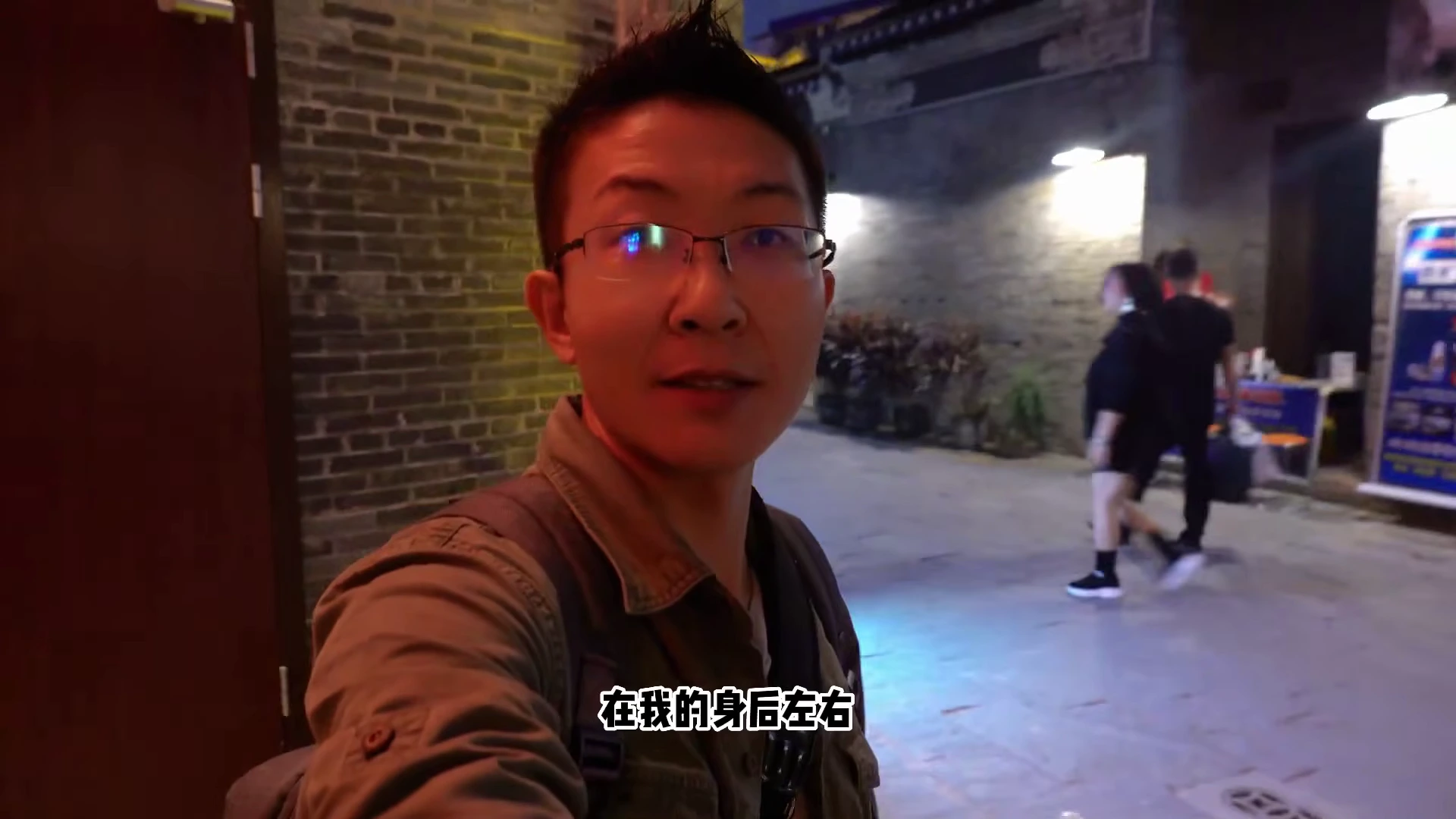
Located on Jiefang Road in the heart of the ancient quarter, the Nanning Qilou Culture Museum (南宁骑楼文化陈列馆) is an unmissable destination. Scheduled for free public opening on May 1, 2025, this museum showcases and systematically introduces the formation history, development, and cultural significance of Qilou architecture in Nanning. Visitors have the opportunity to delve deeper into construction techniques, traditional materials, and the influence of this architectural style on urban life.
2. Unique Historical and Cultural Relics
Three Streets and Two Lanes is not merely a visually pleasing architectural complex, but a convergence of over 20 national and local historical and cultural architectural relics, each carrying a distinct value that enriches Nanning’s historical canvas.
• Nanning City God Temple: The Guardian Soul of the City
The City God Temple (城隍庙) stands as one of the most vital spiritual structures in Three Streets and Two Lanes. This temple was constructed to worship the City God—the guardian deity protecting the citadel and its people. The restoration and reconstruction of the City God Temple not only revives an architectural work but also continues the spirit of “Old Nanning” (老南宁), expressing gratitude and reverence toward the deity who silently shielded this city across centuries. Legend holds that the City God Temple is a sacred site witnessing numerous momentous events in Yongzhou, where locals entrust their faith and hopes.
• Deng Yingchao Memorial House: Birthplace of a Great Figure
Located not far from the City God Temple, the Deng Yingchao Memorial House (邓颖超纪念馆) is a unique three-bay, two-courtyard traditional residential building (三进两天井合院式建筑). This is the birthplace of Deng Yingchao, a great revolutionary, wife of Premier Zhou Enlai, and affectionately known as the “Daughter of Nanning” (南宁女儿). She was born in 1904 at the mansion of the Nanning Zhentai, directly opposite the memorial house’s current location. Today, this site serves as a Guangxi Autonomous Region-Level Patriotism Education Base. Exhibition rooms are divided into six sections: Yongcheng Memories (邕城记忆), Revolutionary Journey (革命征程), Women Pioneers (妇女先驱), Married Life Bonds (伉俪情深), Public Servant Qualities (公仆本色), and Ties to Guangxi (情系广西). Through artifacts, images, and stories, visitors gain deep insight into her life, revolutionary career, profound love with Zhou Enlai, and massive contributions to the nation. In particular, the recreation of her childhood surroundings here offers a nostalgic and authentic feel.
• Other Relics: Historical Pieces of the Puzzle
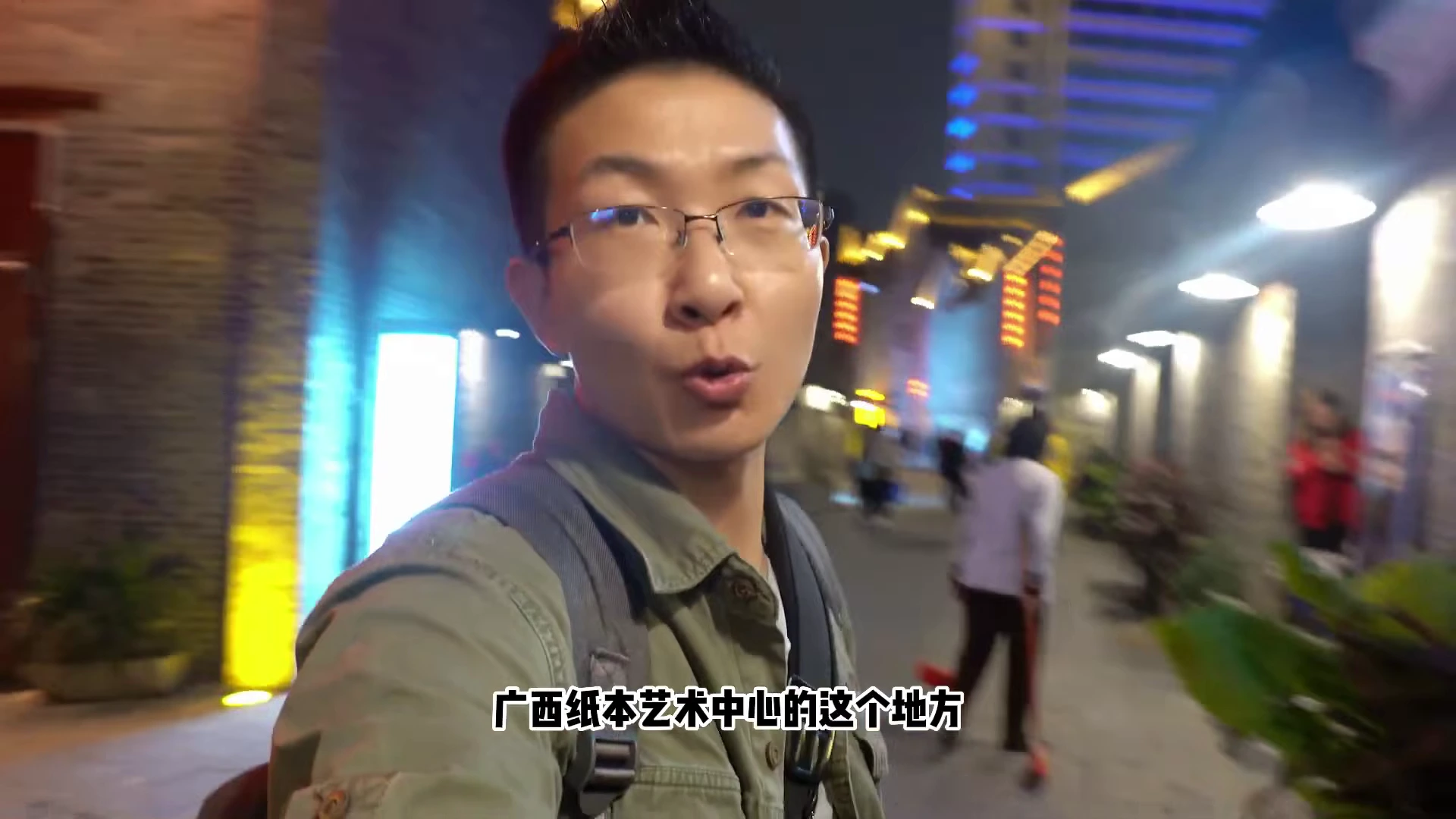
Additionally, the ancient quarter features several other crucial relics, such as the Martyrdom Site of Yongzhou Prefect Su Jian (邕州知州苏缄殉难遗址)—commemorating the upright official who sacrificed his life for Yongzhou citadel, the Old Guangxi High Court Site (广西高等法院旧址), the Nanning Establishment Museum (南宁建制博物馆), and the Three Streets and Two Lanes Culture and Art Center (三街两巷文化艺术中心). Each structure serves as an essential piece, helping visitors visualize Nanning’s history, culture, and life across various eras.
3. Diverse Cultural and Culinary Experiences
Three Streets and Two Lanes is not simply a living museum, but a vibrant cultural and entertainment hub, especially when night falls.
• Day and Night Strolls: Sensing the City’s Breath
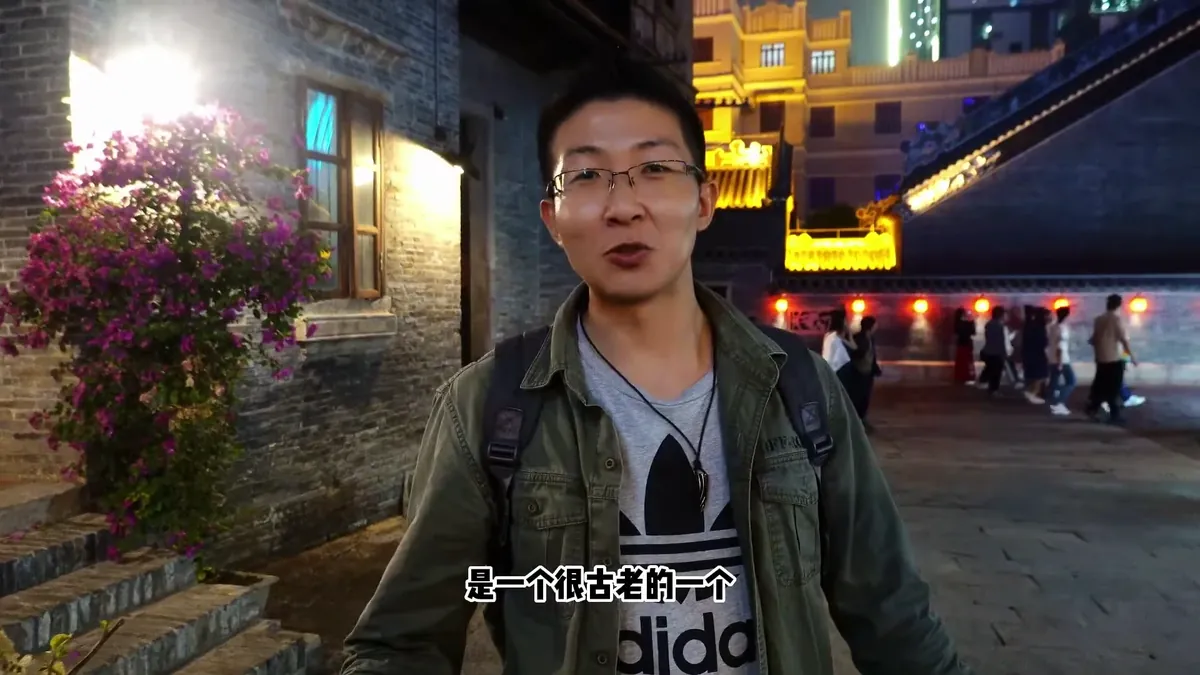
By day, the ancient quarter carries a contemplative, antique beauty, ideal for those seeking to explore history, architecture, and culture. Visitors can leisurely stroll along blue brick-paved paths, admire ancient houses, and visit museums and relics. The quiet, ancient atmosphere transports you back to Yongzhou hundreds of years ago. At night, Three Streets and Two Lanes dons a new garment, shimmering and magical under classical yellow lighting. The illuminated Qilou arcades create a romantic and vibrant scene. This is the ideal time to experience the title of “national nighttime culture block” bestowed upon the area. Cafes, handicraft shops, themed restaurants, and art bookstores stand clustered together, forming an alluring “urban living room” space where locals and travelers alike immerse themselves in Nanning’s nightlife.
• Yongzhou Culinary Paradise
A visit to Three Streets and Two Lanes is incomplete without tasting local cuisine. The small lanes harbor countless delicious eateries, ranging from street snacks to traditional specialties. One unmissable dish is “Laoyou Fen” (老友粉)—a characteristic Nanning rice noodle dish featuring harmonious sour, spicy, salty, and sweet flavors, prepared from bone-broth soup, beef or pork, pickled bamboo shoots, and fresh herbs. Starting a new day with a bowl of piping hot Laoyou Fen is the finest way to experience authentic local flavor. Furthermore, visitors can discover various other snacks such as rice cakes, dumplings, grilled skewers, and traditional drinks imbued with distinct Lingnan flavor.
• Shopping and Handicraft Arts
Three Streets and Two Lanes also serves as an exceptional destination for shopping enthusiasts and craft lovers. Charming small shops display diverse unique products, ranging from ceramics, paintings, and handmade jewelry to traditional Zhuang ethnic textiles. This presents an opportunity to seek meaningful souvenirs carrying distinct Nanning cultural imprints. Many stores organize handicraft art demonstrations, allowing visitors to witness firsthand the creation of exquisite artworks.
4. Suggested Exploration Itineraries and Nearby Attractions
To ensure a complete experience at Three Streets and Two Lanes and Yongzhou Ancient City, VDS Travel suggests several itineraries and nearby destinations:
• Comprehensive Nanning Citywalk Itinerary
Three Streets and Two Lanes is an indispensable part of any Nanning exploration journey. Visitors can combine touring the ancient quarter with other attractions within “Yongzhou Ancient City,” such as Shui Street (水街) and Zhongshan Road (中山路). Shui Street, also an important part of the “Yongzhou Ancient City” historical and cultural block, reopened in February following conservation and upgrading, sporting an entirely new look. Here, you can further discover culinary culture and riverside life along the Yong River. Zhongshan Road is famous for street food and its bustling atmosphere.
Additionally, a Nanning Citywalk can include: exploring Three Streets and Two Lanes and its museums in the morning, visiting Qingxiu Mountain (青秀山)—the city’s “green lung”—in the afternoon, and experiencing a night cruise on the Yong River (邕江夜游) in the evening to admire Nanning’s shimmering nocturnal beauty. Do not forget to visit Minsheng Square (民生广场) on weekend evenings (Friday through Sunday) to witness the “Shuiyang Market” (水漾市集) and intangible cultural art performances such as “Da Tiehua” (打铁花)—the magnificent molten iron fireworks art.
• Changyou Pavilion (畅游阁) – Riverside Landmark
Located near the Yong River bridge and Minsheng Square, Changyou Pavilion (畅游阁) is an ancient architectural work built to commemorate Chairman Mao Zedong’s visit and swimming expedition in the Yong River. This is a stunning architectural highlight, especially at night when the pavilion is illuminated, creating a romantic riverside scene. From here, visitors enjoy panoramic views of the Yong River and part of Yongzhou Ancient City.
5. Advice From VDS Travel
Three Streets and Two Lanes offers free admission to visitors, making it an ideal destination for all ages. To secure the best experience, you should allocate at least half a day to explore the ancient quarter, from small lanes to historical relics. Evening is the ultimate time to sense the vibrant and shimmering atmosphere of the block. If you are planning an all-inclusive Dongxing tour package or a Dongxing – Nanning 3-day 2-night tour, do not miss the chance to visit Three Streets and Two Lanes to explore an ancient and enchanting Nanning.
Nanning’s Three Streets and Two Lanes Ancient Quarter is not simply a tourist destination, but a historical book opening before visitors’ eyes, telling tales of an indomitable ancient Yongzhou citadel and a modern, dynamic Nanning that still cherishes millennial values. Let VDS Travel accompany you on your journey to discover this unique beauty, where every step is an adventure into the past, and every night light is an invitation to the future.