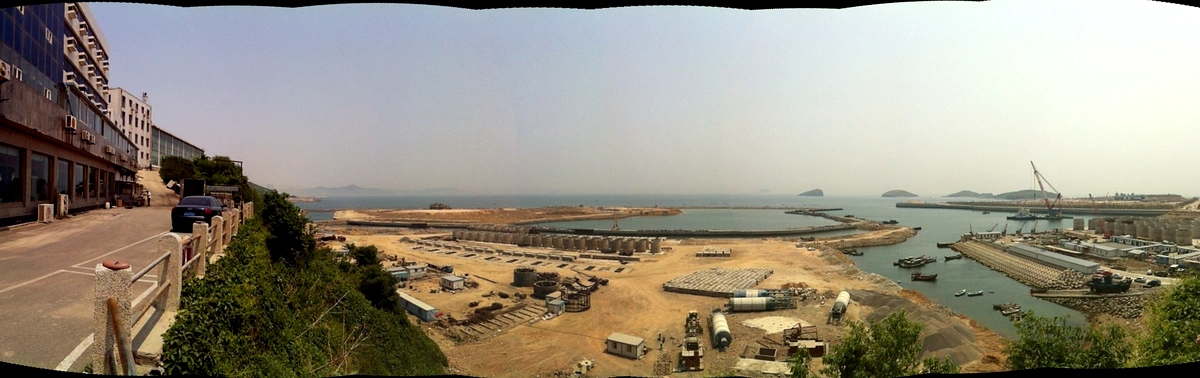
Tracing time back to the final years of the Joseon Dynasty and onward into the Japanese colonial period of the early 20th century, the historical chronicle of the port city of Busan not only records the turbulent shifts of the era, but also distills from the depths of the open sea a living legend known as Jagalchi Fish Market, or in Chinese characters, 釜山札嘎其海鲜市场. The pioneering genesis of this market is tied to a uniquely distinctive natural topography where the southern coastal strip of the city was once abundant with pristine sandy beaches and cobblestones. In Korean, the word “jagal” (자갈) refers to gravel and cobblestones, which, combined with the local suffix “chi” (치), formed the rustic yet vivid moniker “Jagalchi”—the land of gravel shores. In the 19th century and the opening decades of the 20th century, this area bore no presence of reinforced concrete breakwaters or modern engineered piers; rather, it was an open, uninhibited expanse along the ocean shore. It served as a gathering ground for sea-faring fishermen and notably the courageous class of female divers (haenyeo) who migrated from the southern coastal regions and the windswept island of Jeju, carrying fishing nets, goggles, and the salty breath of the ocean to sell their freshly caught seafood directly upon the rough gravel outcrops.
Entering the period of Japanese colonial rule lasting from 1910 to 1945, the spatial landscape and social structure of Jagalchi began to feel the heavy impact of colonial control policies. The colonial government at the time carried out large-scale land reclamation projects at the boundary intersecting Chungmu-dong and Nampo-dong to establish a fish market infrastructure system subordinate to the “Busan Fisheries Association.” The ultimate purpose of this institution was to tighten control over marine resources, enforce strict quarantine standards, and collect commercial taxes. However, despite efforts to impose authority from the colonial rulers, the autonomous spirit and indomitable vitality of the local fishing community remained unvanquished. They persevered in maintaining free trading activities, preserving the pristine soul of the gravel-shore market amidst stringent control boundaries.
Yet the most tragic and monumental turning point that shaped the entire identity and soul of Jagalchi lay in the ferocious years of the Korean War, which erupted from 1950 to 1953. When Busan became the wartime provisional capital under desperate circumstances, millions of people from across the peninsula flooded here seeking survival amidst the crossfire. Amidst the destitution and profound bitterness of makeshift coastal refugee camps, widowed women who had lost husbands and children to warfare were forced to step forward and shoulder the burden of their families. They were the legendary “Jagalchi Ajumma” (아줌마)—gutsy, resilient Busan women who took the devastated coastline as their livelihood, building up businesses basket of fish by basket of shrimp to sustain generations to come. With calloused hands and gentle smiles masking iron wills, these mothers and sisters etched into Jagalchi’s history a noble humanistic quality, transforming the place into a realm presided over by women, where neighborly solidarity and patriotic compassion blended with the salty tang of the sea.
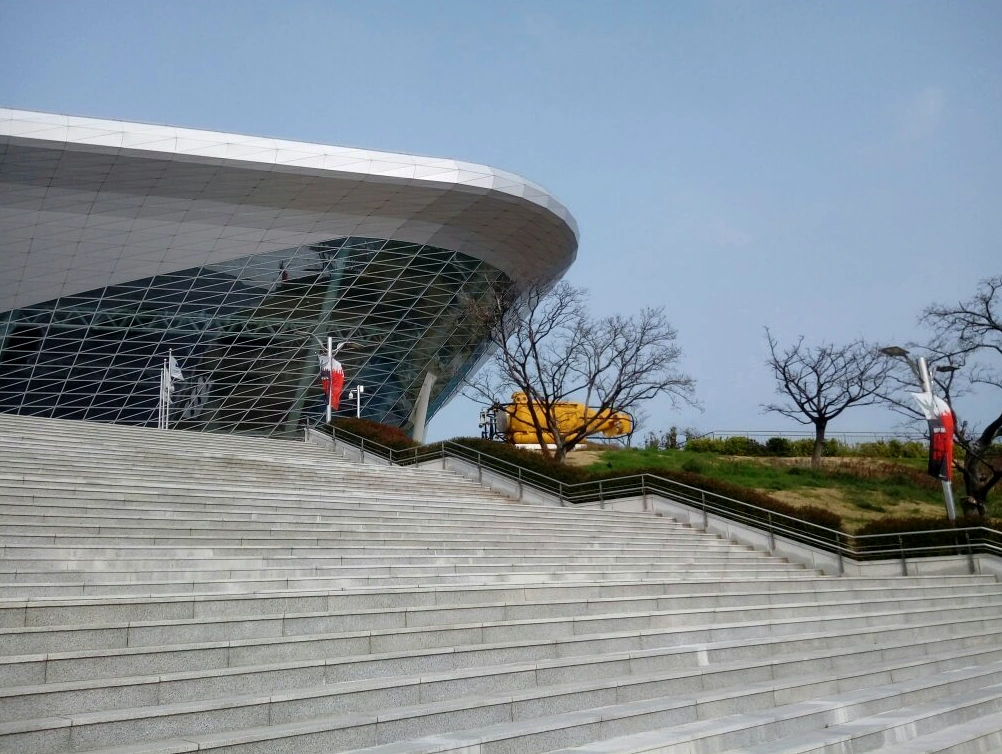
Through the shifting tides of time, in 1969 the Busan municipal government finally and officially recognized Jagalchi as a public municipal market, marking its transition from a spontaneous shoreline bazaar into a key economic and cultural center. Throughout the 1970s and 1980s, the market space was progressively upgraded through generations of modest yet bustling tin-roofed sheds, preserving the pure working-class breath of the port people. To honor its historical depth and profound cultural value in a fitting manner, in November 2006 the modern Jagalchi building—featuring an iconic architectural form inspired by rolling waves and seagulls soaring toward the open sea—was officially inaugurated. This towering structure not only serves as a premier culinary and seafood haven, but also stands as an eternal monument to a heroic historical period, where an origin rooted in impoverished coastal pebbles rose to become an immortal symbol of survival instinct and maritime culture in the Land of the Morning Calm.
Viewed through the lens of traditional East Asian feng shui combined with modern urban topographical planning, Jagalchi Fish Market (釜山札嘎其海鲜市场) emerges as a masterpiece created by nature and humanity, nestled entirely within the classic geomantic setup of “backing against mountains and facing water, sheltering wind and gathering energy.” Observing from Busan’s urban coordinate axis, the northern side of the market rests securely against the city’s rolling hills, represented notably by Mount Yongdusan and Mount Bosusan. This majestic mountain formation acts as a sturdy Black Tortoise screen, both blocking the freezing northern winds blowing down from the mainland in winter and shaping a deep, safe, and sustainable urban planning landscape. Opposing and perfectly complementing this northern mountain backdrop is an open southern orientation, where Jagalchi’s entire facade opens directly toward a vital natural waterway, sandwiched between bustling Busan Port and the historic Yeongdo Bridge. The body of water before the market entrance possesses ideal depth, shielded discreetly by the barrier of Yeongdo Island ahead, naturally forming a secure anchorage where generations of fishing vessels can moor safely through the harshest gale seasons of the South Korean sea.
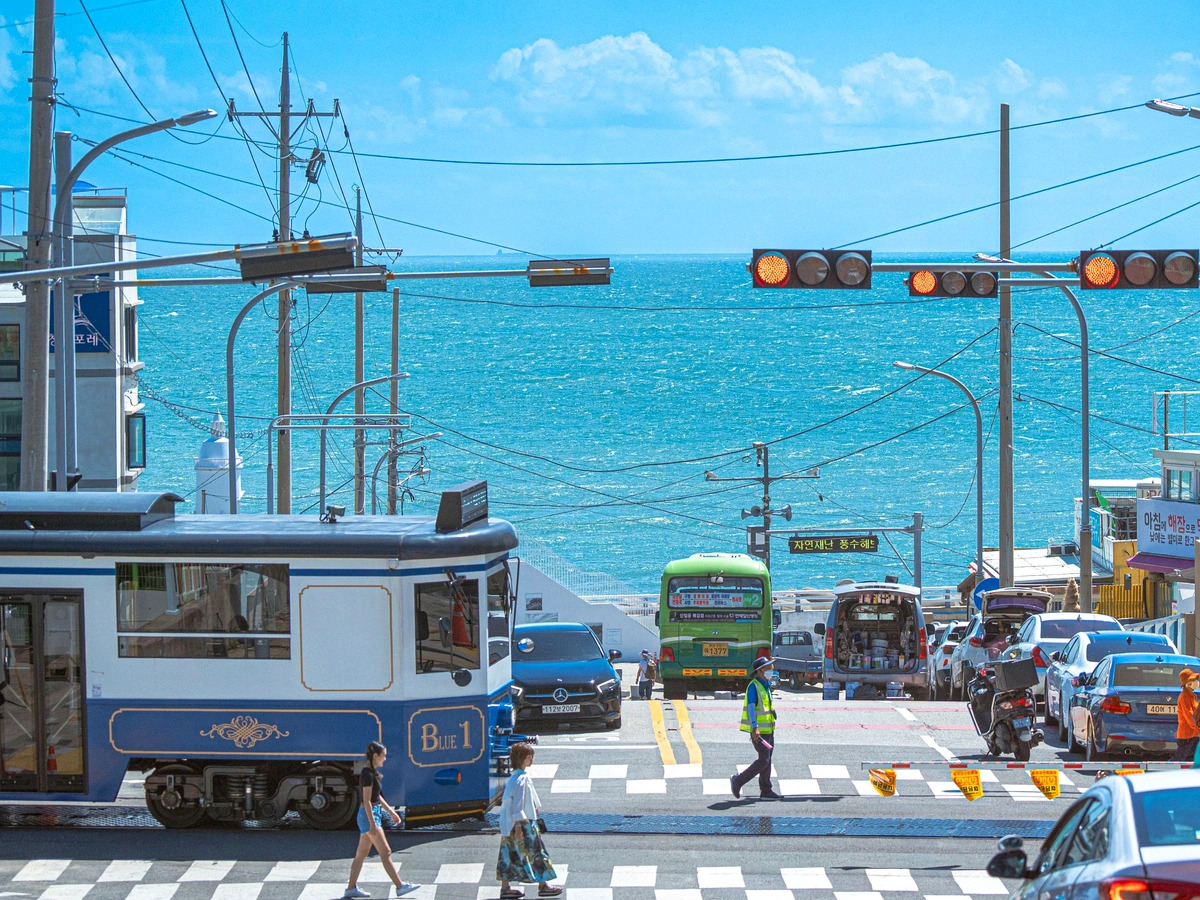
Discussing geographical geomancy, Jagalchi’s prime location is also a clear testament to the ancient art of selecting land to gather wealth, as the natural ocean currents embrace the seawall to establish the highly prosperous “Bright Hall Gathering Water” (Ming Tang Ju Shui) structure. In Eastern spatial philosophy, water symbolizes wealth and the continuous flow of vital energy; the convergence of waters from the Korea Strait and Tsushima Strait day and night at the harbor before the market brings an inexhaustible wealth of marine resources, transforming this once-desolate coastal gravel bed into the largest maritime economic hub in South Korea. Ecologically and topographically, the area is strongly governed by a semi-diurnal tidal regime, creating distinct daily ebb and flow amplitudes. The virgin geology of this land consisted of gravel beds possessing exceptional natural drainage properties. This precious geomorphological trait provided absolute convenience for early generations of fishermen to easily process and prepare seafood as soon as the tide receded, while safely berthing boats during high tide—laying the fundamental foundation for the area’s complex modern reclaimed-land drainage infrastructure.
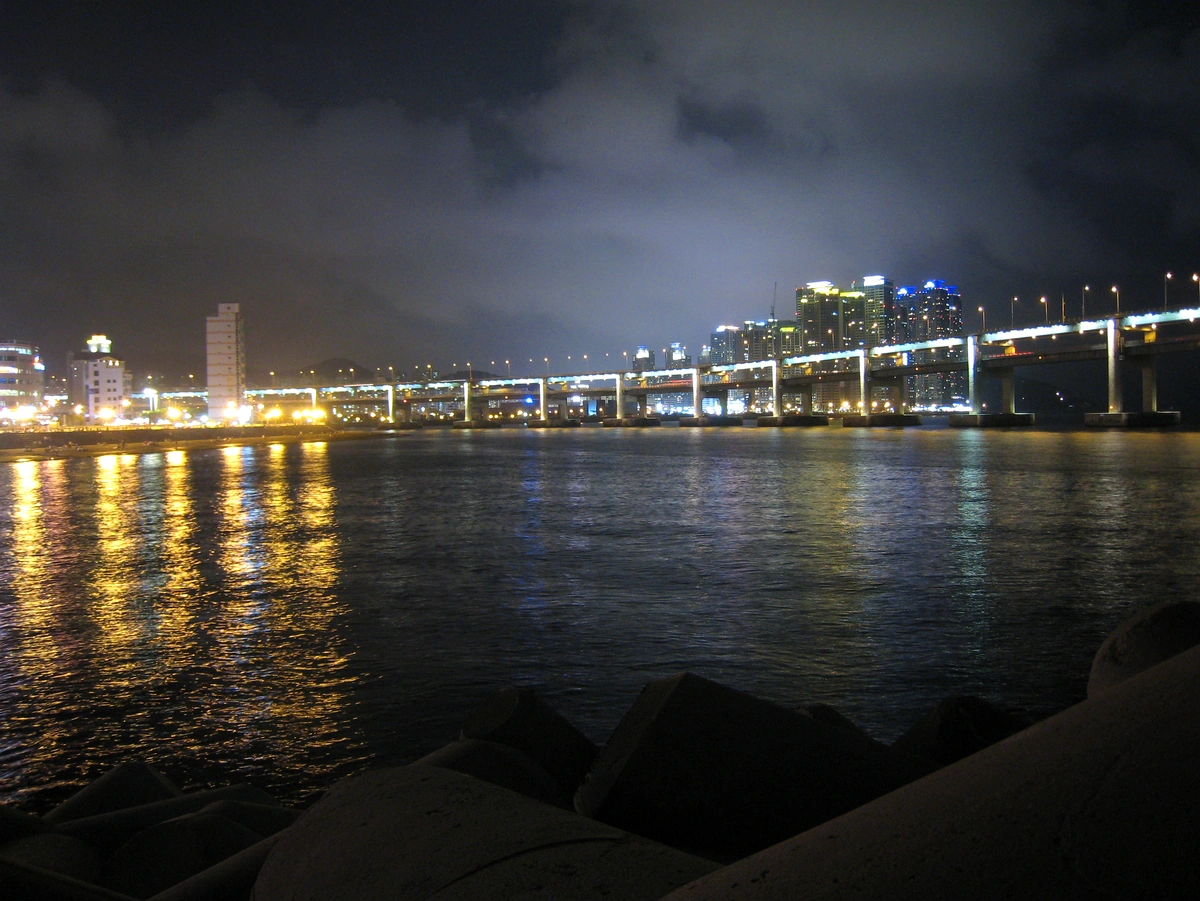
Through relentless urbanization and spatial transformation across historical eras, Jagalchi’s landscape planning has smoothly evolved from wartime gravel-shore tents into a complex architectural compound holding the stature of a globally iconic seafood trading center. However, despite the intervention of reinforced concrete and modern technology, Jagalchi’s characteristic spatial structure fully preserves the DNA of its pristine topography. The sea-facing frontage zone maintains a system of long piers and supply docks where fishing boats dock and unload tons of fresh seafood harvested from distant fishing grounds. The network of canals and underground drainage culverts serving saltwater discharge, floor washing, and seafood waste processing is engineered closely following the natural slope of the old gravel geology, enabling the vast market to maintain necessary dryness and cleanliness even though daily water consumption reaches tens of thousands of cubic meters. The seamless blending of traditional geomantic topography, intelligent tidal engineering, and the characteristic landscape of a coastal seafood market has transformed Jagalchi into a living museum of survival art and urban development by the ocean.
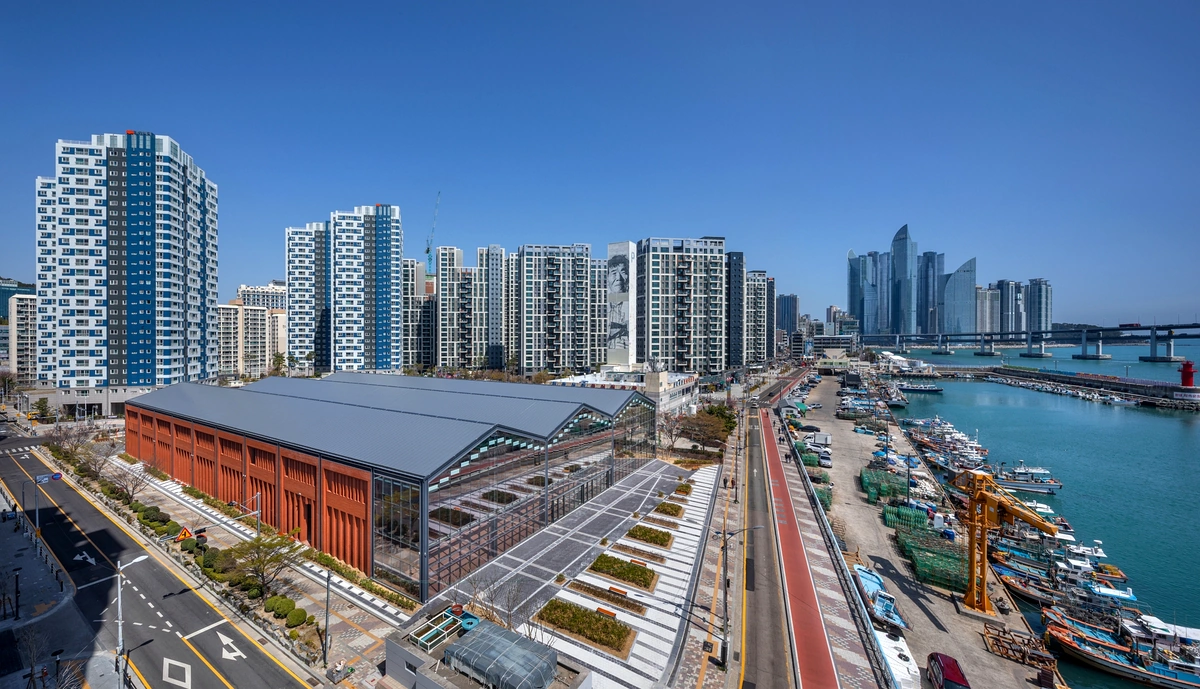
Stepping into the contemporary space of Jagalchi Fish Market (釜山札嘎其海鲜市场), travelers are struck by an architectural masterpiece carrying both advanced technical flair and rich regional symbolism. The main market building, inaugurated in November 2006, is the intellectual product of renowned South Korean architects who achieved a balance between modern construction concepts and the maritime soul of South Korea. Externally, the building applies breakthrough bio-mimetic design language featuring giant curved glass curtain walls combined with premium metallic aluminum panels. The gentle yet powerful undulating curves of the facade simulate the aerodynamic movement of a seagull’s wings soaring over ocean waves—a consummate figurative symbol for Busan, the “City of Seagulls.” Beneath this artistic shell lies a sturdy structural frame employing high-strength reinforced concrete interwoven with specialized shear-wall framing, helping the building withstand harsh lateral loads from potential earthquakes or ferocious sea storms sweeping across the Korean Strait.
Exploring the scale and spatial zoning through modern architectural principles, the complex spans a total floor area of tens of thousands of square meters, scientifically planned with 7 above-ground stories and 2 underground levels serving operational, commercial, and experiential needs. The underground complex from floors B1 to B2 is smartly designed as a spacious parking garage, central machinery room, and high-standard cold storage facility integrating state-of-the-art seawater recirculation filtration systems to ensure pure saltwater is continuously pumped upward to upper levels. Ascending to the 1st floor, the space opens as a vibrant maze of wholesale and retail fresh seafood markets, where floors are paved with specialized acid-resistant, anti-slip epoxy resin integrated neatly with underground drainage channels running along stall rows. An astonishing feat of infrastructure engineering here is that every stall is designed with direct seawater piping and underground oxygen supply networks originating from the basement, keeping hundreds of marine species alive and fresh throughout commercial transactions.
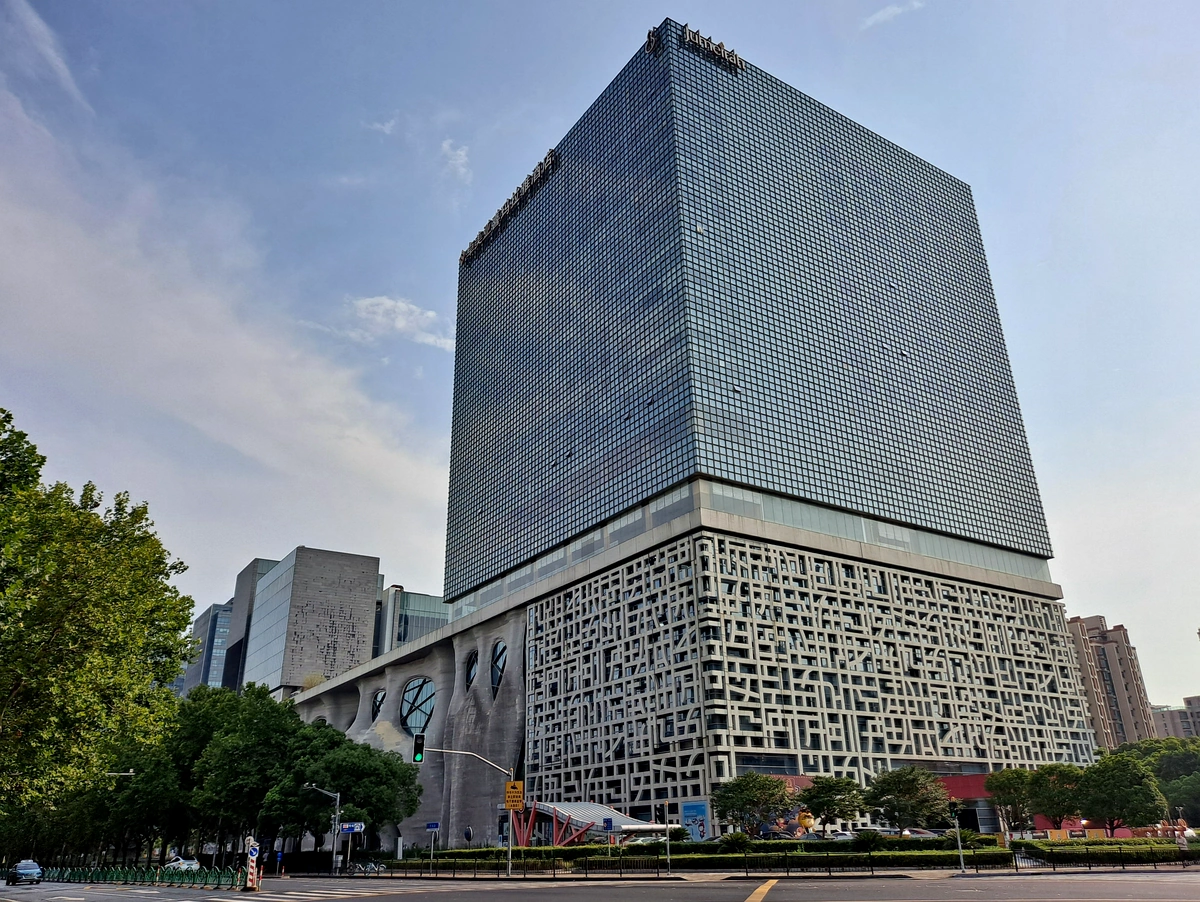
Leaving the bustling ground floor, visitors ascend to the 2nd floor to reach specialized sashimi dining restaurants where traditional culinary culture converges with the sophistication of open-air dining. Here, diners who handpick the freshest products downstairs can bring them upstairs for local chefs to prepare iconic dishes like flatfish sashimi, live octopus (sannakji), or the renowned spicy seafood hotpot (maeuntang). Moving up to floors 3 through 5, commercial rhythms give way to administrative offices and specialized research, housing the headquarters of the Busan Fisheries Cooperative, multi-purpose halls for industry seminars, and a seafood culinary academy dedicated to passing down and developing the refined seafood preparation techniques of South Korea’s southern seas. The pinnacle of this spatial structure is found on floors 6 and 7, featuring impressive upscale banquet halls, a panoramic observatory, and a peaceful rooftop sky garden. From this elevated height, diners and travelers can take in the breathtaking panorama of bustling Busan Port with boats plying the waters alongside the historic Yeongdo Bridge, completing the encyclopedic picture of an iconic architectural work living eternally through time.
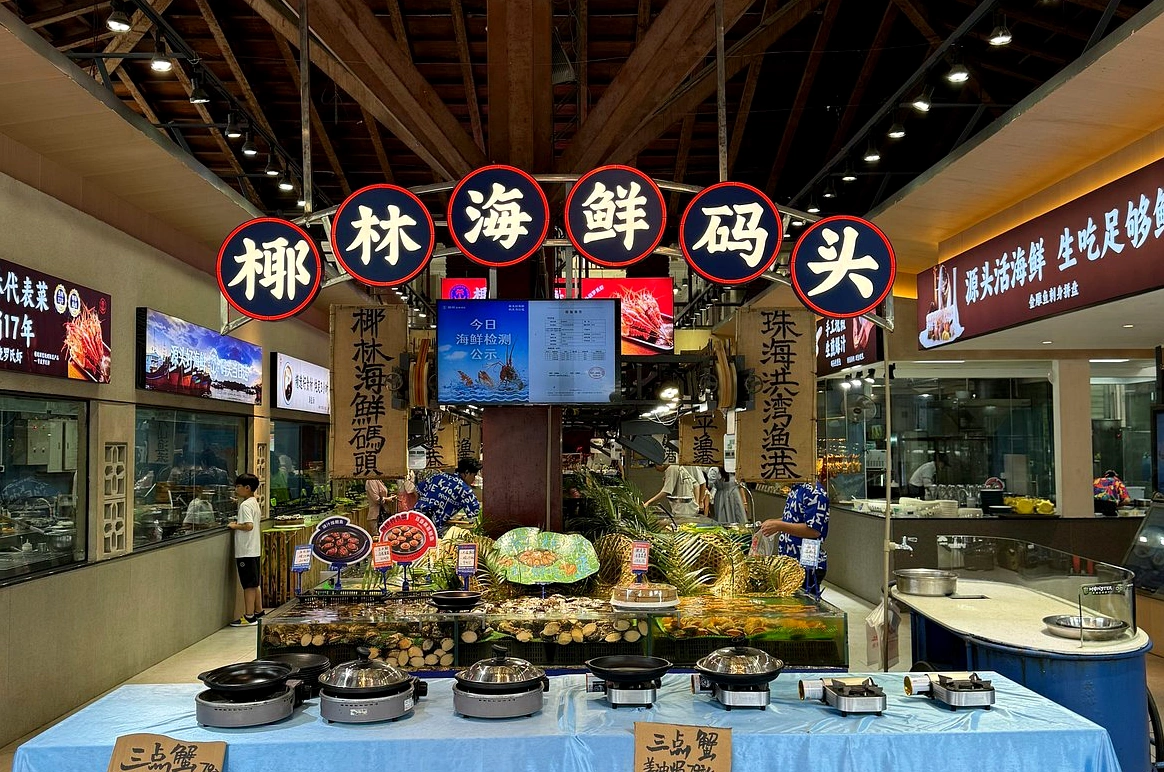
When night falls, the space surrounding Jagalchi Fish Market (釜山札嘎其海鲜市场) does not quiet down; instead, it undergoes a spectacular transformation, glowing brightly thanks to contemporary urban lighting artistry and the vibrant pulse of the nocturnal festival economy. Architectural lighting here is heavily invested, integrating modern wall-washer LED strips and sophisticated programmable lighting systems right inside the giant glass curtain walls facing the sea. Light shining through these glass frames simulates the sparkling, rolling rhythm of South Busan Port waves, turning the entire market building into a luminous lighthouse in the heart of the port city. This artificial light spectacle does not stand alone, but combines harmoniously with the nighttime lighting display of the historic opening Yeongdo Bridge, while blending with the twinkling lights of the neighboring Gwangbok-ro cultural fashion street. Together, they form a core belt of light defining the nocturnal urban landscape and strongly boosting the nighttime economy across Busan’s coastal district.
Stepping deeper into folklore and festival spaces, the “Jagalchi Cultural Tourism Festival,” held annually in October, stands as the premier national intangible cultural event where maritime spirit is fully elevated. The soul of this event series lies in the sacred “Manseonje” (滿船祭) ritual—a traditional sea deity worship rite praying for safety on deep-sea voyages and abundant catches of fish and shrimp. The festival atmosphere becomes even more bustling and vibrant through masterful artistic sashimi-cutting performances by master chefs, alongside traditional folk games and rustic folk songs and choral performances by local mothers—women who carried their families through ups and downs beside the breaking waves, affectionately called Ajumma.
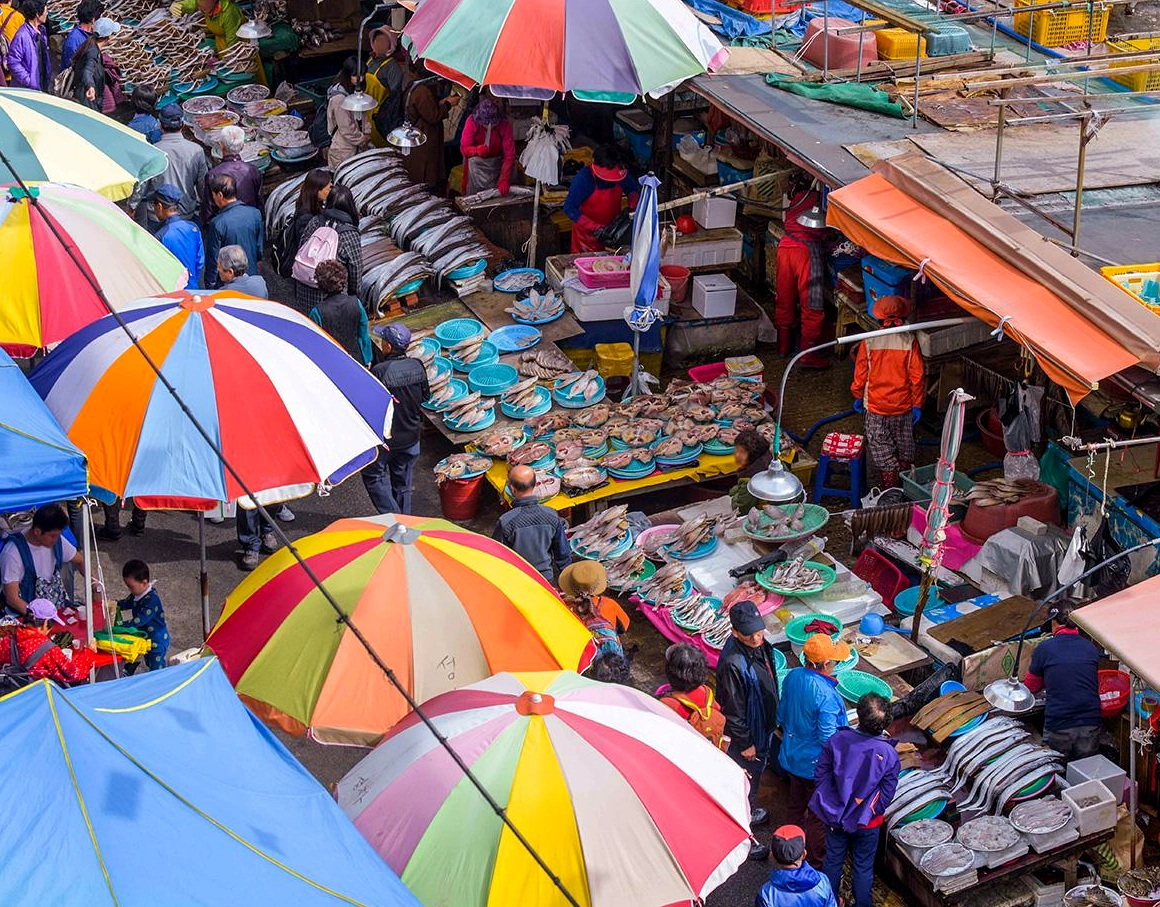
Beyond national-scale events, the real-world daily rhythm at Jagalchi is authentically and dramatically recreated from the earliest hours of the day through the morning auction session, known as Kyongmae. This is not merely an economic trading activity, but essentially an uninhibited “real-world stage” where professional auctioneers use the characteristic, resonant, and decisive Busan dialect, combined with refined hand signals and sharp glances, to close high-value commodity transactions in a split second. This natural commercial stage showcases the fierce vitality, diligence, and enduring labor spirit of the working class, creating a unique, unmistakable identity of traditional South Korean fish market culture.
Stepping past thousands of weathered pushcarts and makeshift stainless-steel tables surrounding the market, Jagalchi’s native culinary map opens like a living encyclopedia of Yeongdo maritime culture, where renowned flavors are shaped not only by fresh ingredients scooped straight from boat holds, but also crystallized from heirloom preparation skills passed down across generations. At the pinnacle of this culinary symbolism is fresh raw seafood sashimi, known locally by the familiar name Hoe, carrying a culinary philosophy distinct from traditional Japanese aging styles. While the Land of the Rising Sun honors time’s maturity in the art of aging, Jagalchi honors the ocean’s pristine pulse through swift neural processing techniques passed down through generations, slicing fish on the spot to retain absolute freshness and crunchiness. Familiar names in glass tanks such as flounder, rockfish, or sea bream and red snapper, under the magical hands of skilled ajumnas, transform into plates of translucent, paper-thin sashimi slices with absolute crunchiness, completely bled out to remove fishy aftertastes and deliver the natural rich sweetness of fish meat.
Experiencing this renowned Hoe requires sophistication in balancing flavor layers, as diners pick up a translucent fish slice, dip it fully into a bowl of chili-garlic vinegar sesame paste, add fresh garlic and sliced green chili, and wrap it all inside a fresh green perilla or lettuce leaf along with a dab of savory Ssamjang soybean paste. The explosion of taste instantly spreads, awakening every sense before yielding to warmth radiating from a boiling pot of Maeuntang spicy fish soup on the stove. Utilizing the head, bones, and innards of fish just filleted for sashimi, this soup is simmered in a traditional earthenware pot with pure red chili powder, minced garlic, aromatic leeks, sweet white radish, water celery, and soft young tofu, creating a deep, spicy broth redolent of the open sea with exceptional hangover-relieving and cold-remedy properties.
Leaving bubbling soup pots behind, the liveliest corner of Jagalchi belongs to the charcoal grill zone, where Gomjangeo (hagfish) reigns as a rustic culinary feature carrying the wild breath of the port city. Plump hagfish are prepared right on glowing red charcoal grills in two classic styles: simple salt-grilled to savor pure chewiness and natural sweet flavor, or spicy stir-fried smothered in chili paste and sliced onions, delivering abundant energy and rich collagen. The aroma of charcoal smoke mingling with the richness of fish fat across the space, combined with the sizzling sound on the grill grate, creates a distinct culinary soundscape found nowhere else. Furthermore, fresh sliced sea urchin served with a shot of spicy Soju brings a salty iodine tang and pristine ocean sweetness lingering deep in the throat, closing an unforgettable flavor blend in the heart of Busan’s seafood capital.
Concluding the journey to explore South Korea’s largest seafood paradise, the practical field guide below will serve as a master key helping travelers confidently step into the bustling space of Jagalchi Fish Market (釜山札嘎其海鲜市场) without bewilderment. To have a complete field trip, grasping operating hours and market rhythms is a primary prerequisite. Basically, the main market opens to welcome visitors from 05:00 AM and extends until 22:00 PM; however, scheduled closing days typically fall on the first and third Tuesday of the month depending on specific stalls. If you love the pristine hustle of the fishing life, the golden window from 06:00 to 08:00 AM is the most valuable moment to witness incoming fishing boats and bustling wholesale auctions firsthand. Conversely, if you wish to enjoy a second-floor seafood feast amidst brilliant sunset and the glittering night lighting of the sea port, the 18:00 to 21:00 PM time frame will be an unbeatably perfect choice.
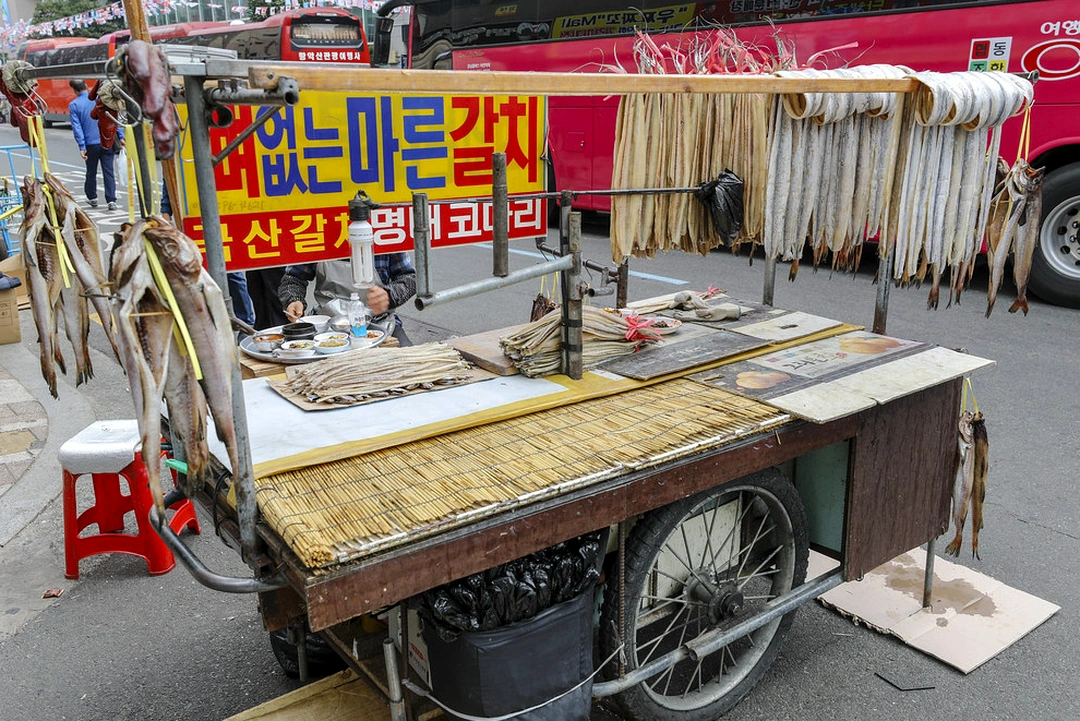
Regarding transit connectivity, the modern urban infrastructure of the port city offers maximum convenience for travelers. You simply take Busan Metro Line 1, alight at Jagalchi Station (자갈치역), head to Exit 10, and take a leisurely three-minute walk toward the coastal avenue to step into the world of marine life. To avoid missing any cultural angle, a scientific visiting itinerary should start from the outdoor dry seafood market along the coastal road, where you can observe the meticulous process of drying fish and traditional seaweed by local hands. Next, head into the main building on the first floor to inspect closely packed stalls, learn metric weighing systems, listen to publicly posted prices, and try gentle, polite bargaining with the ajumnas (longtime female merchants). Once you have selected your favorite ingredients, the journey continues to the second floor for on-site restaurant preparation, where you only pay a processing fee called yangnyeombi calculated per person or by fish weight. The final stop closing your culinary journey is the rooftop observatory of the building, from which the panoramic open bay of Busan Port unfolds before your eyes, opening a pathway connecting directly to Nampo-dong International Market and the culturally vibrant BIFF Square.
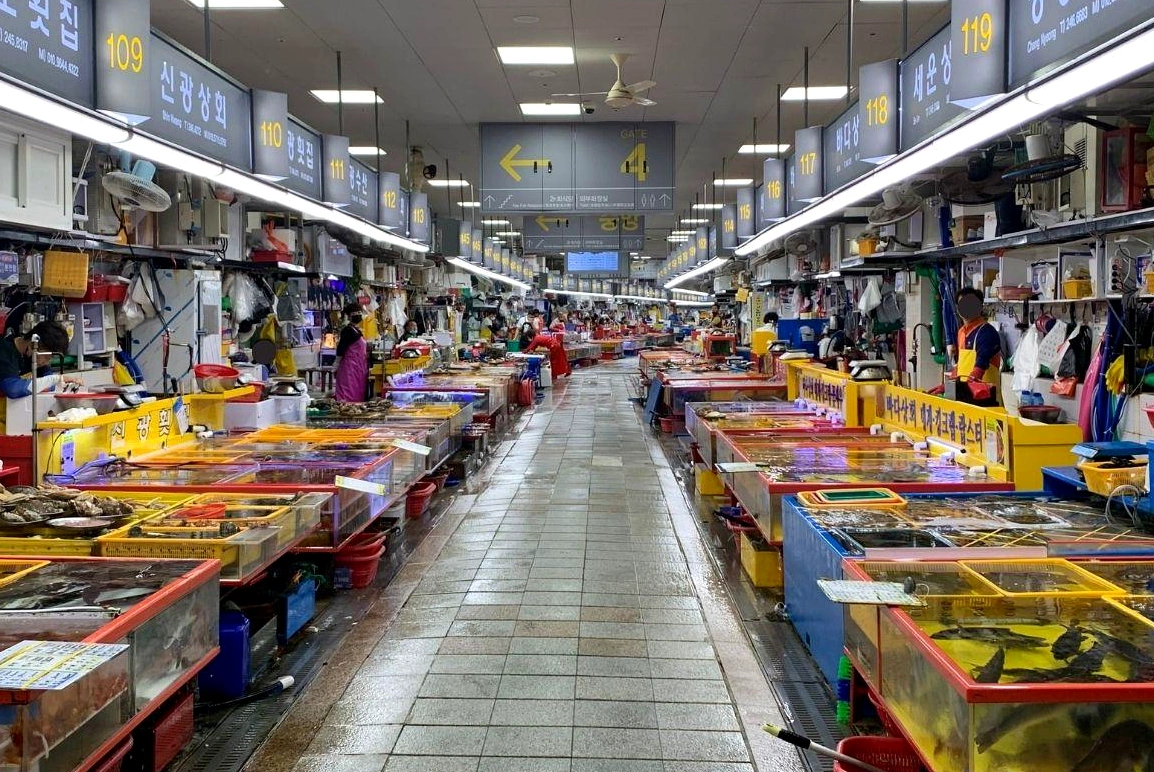
Beyond itineraries and transit coordinates, practical notes on attire and behavioral etiquette will make your trip much more civilized and rewarding. Because floors on the first level are frequently damp from seawater splashes and continuous merchant hosing, equipping yourself with anti-slip, water-resistant walking shoes is mandatory, and you should strictly avoid high heels or long skirts that absorb moisture easily. Additionally, because the characteristic seafood aroma is quite concentrated, visitors with sensitive respiratory tracts should proactively prepare personal face masks. Regarding payment, although large stalls integrate international credit card machines, traditional markets still prioritize South Korean Won (KRW) cash or local payment cards like Dongbaekjeon regional cards, so preparing some cash in your wallet is very helpful when you want to sample appealing street snacks like hot fish cakes or grilled hagfish skewers. Particularly, respect for small vendors—especially elderly working-class women—is a supreme rule to remember; always ask permission before taking their photos and never squeeze live seafood bodies firmly without intent to purchase. To prepare for a thoughtfully planned, safe, and emotionally fulfilling culinary culture exploration trip in South Korea, you can explore the all-inclusive tour packages designed specifically for travel enthusiasts.