Nestled in the fertile Chubu region and serving as the vibrant heart of Aichi Prefecture, Nagoya has long risen as a symbol of majesty, preserving some of the most heroic chapters of Japanese history. Mentioning this land immediately evokes the illustrious legacy of the Owari Tokugawa clan—the preeminent branch of the “Tokugawa Gosanke,” the three direct collateral houses that held supreme authority under the shogunate. Few realize that the modern name Nagoya actually derives from the ancient designation “Nagoya” (written in kanji as 那古野), which first appeared in historical chronicles during the peaceful, poetic Heian period. It is a pivotal crossroads where cultural currents and military strategies converged over millennia to witness the sweeping tides of history.
This sacred land of Owari is also the cradle that gave birth to monumental figures who decisively shaped the destiny of all Japan. During the turbulent years of the Sengoku period, it was right here that Oda Nobunaga took his first proud strides, using this region as his strategic springboard to unite the realm. Likewise, in Owari no Kuni (Owari Province), Toyotomi Hideyoshi—the man who would later bring the entire nation under a single banner—drew his first breath in the humble yet spirited district of Nakamura. Those historical imprints live on not merely in the pages of books, but permeate every inch of soil, every river, and the daily rhythm of Nagoya’s people today, forging a character that is resilient, astute, and deeply chivalrous.
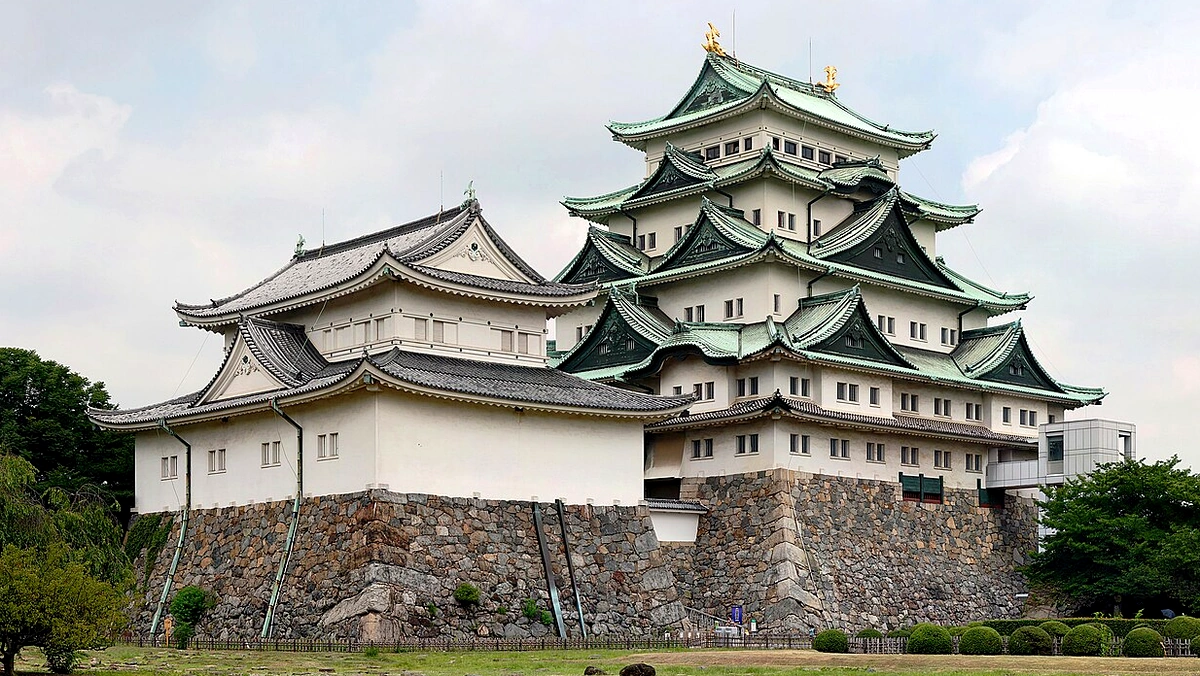
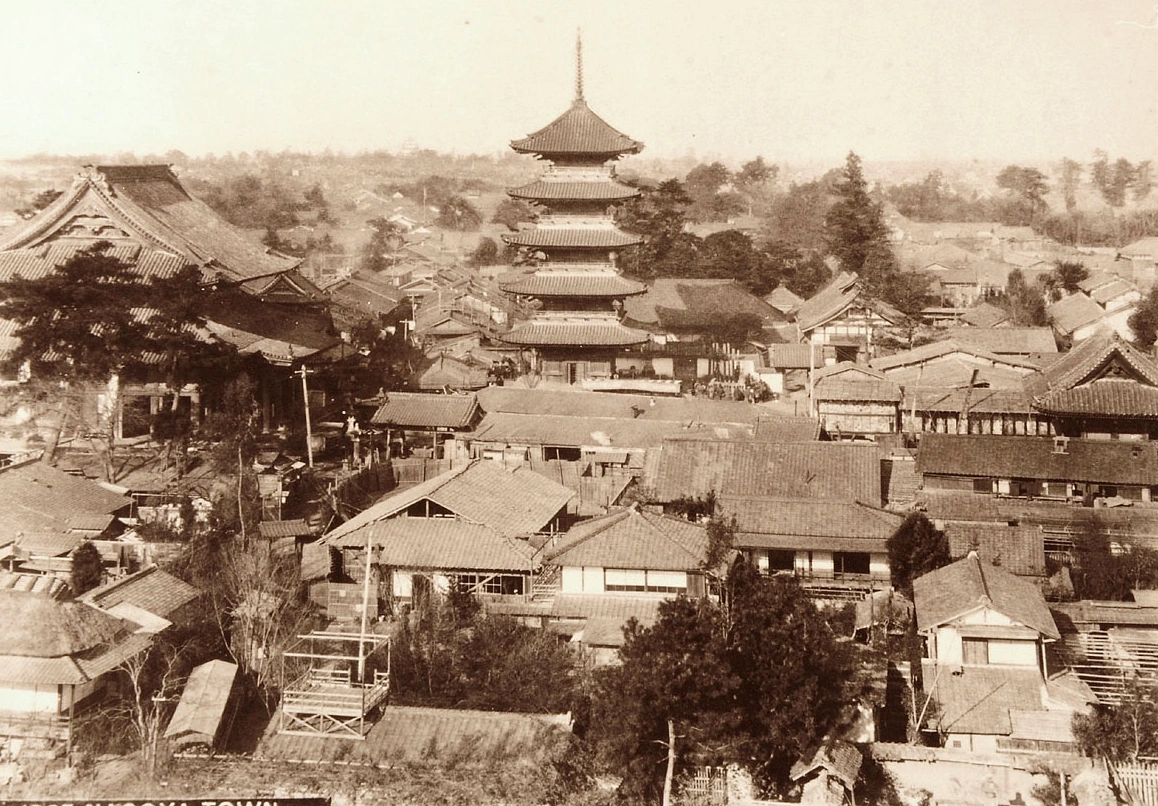
The turning point that defined Nagoya’s early modern urban landscape took place in the 14th year of Keicho (1609), when Tokugawa Ieyasu, the founding shogun of the Edo period, issued a historic decree ordering the construction of Nagoya Castle on a grand scale with state-of-the-art defensive architecture. This edifice served not only as an impregnable military fortress, but also as a testament to the absolute power of the House of Tokugawa, laying a rock-solid foundation for the prosperity of the entire Chubu region. Through centuries of upheaval—from feudal rule into the modern era following the abolition of the han system in the 4th year of Meiji (1871)—Nagoya stood tall like a steadfast pine enduring the gales of time, until facing its gravest trial in the mid-20th century.

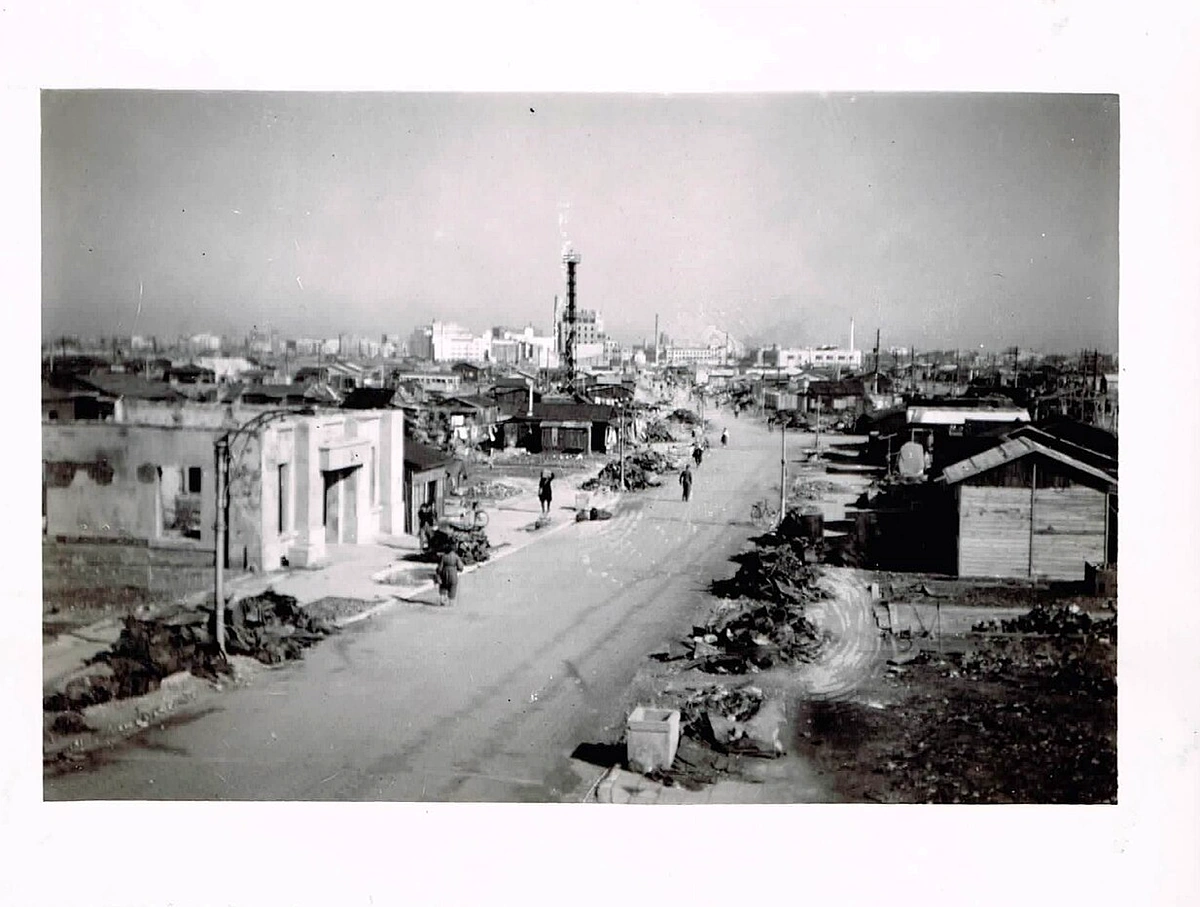
The height of wartime devastation struck in May of the 20th year of Showa (1945), when the catastrophic air raids known as the Nagoya Daikushu reduced much of the city to ashes, completely burning down the historic Tenshukaku main keep and the Honmaru Goten Palace. Yet the indomitable spirit of Owari never died out. In 1959, driven by the resilience of local citizens and a commitment to cultural preservation, the castle’s exterior was reconstructed in steel-reinforced concrete. The pinnacle of restoration artistry was achieved in 2018, when a painstaking decade-long project to recreate the Honmaru Goten Palace was officially completed and opened to the public. Relying entirely on original Edo-period blueprints, rich archival records, and traditional joinery craftsmanship using prized Hinoki (Japanese cypress) wood, this landmark not only reclaimed the opulent splendor of the Edo era, but has also been acclaimed by international scholars as a gold standard and benchmark masterpiece in historical architectural reconstruction worldwide.

Viewed across the sweeping expanse of the fertile Chubu region, Nagoya emerges as a marvel of urban planning shaped by both the hand of nature and the supreme strategic intellect of feudal Japan. Stretching across the southern edge of the vast Nobi Plain, the city’s topography was naturally endowed with an enviable position for both defense and commerce. To the west, the city is flanked by the alluvial lower reaches of three major rivers—the Kiso, Nagara, and Ibi—forming an intricate hydrological barrier. Meanwhile, to the east, the rolling Higashiyama hills act as a sturdy natural screen. Backed by mountains, facing the sea, and commanding vital land and water arteries, Nagoya has possessed the stature of an unconquerable military headquarters since ancient times.
The zenith of landscape engineering and urban infrastructure development here was marked in the 15th year of Keicho (1610), when excavation began on the artificial Horikawa Canal. Running from north to south, this waterway linked the castle’s moat system directly to Ise Bay, allowing large merchant vessels from Atsuta Port to sail straight into the heart of the city. Once a stretch of marshes and riverside valleys, the Horikawa quickly transformed into an economic lifeline nourishing the prosperity of the castle town below. Nagoya’s site selection and spatial design were guided not only by military pragmatism, but also strictly aligned with ancient East Asian geomancy. Planners of the era deftly combined principles from the Ming-dynasty Chinese treatise Yangzhai Shishu (Ten Books on Dwellings) with Japan’s traditional Onmyodo cosmology to establish an auspicious layout: hills to the north shielded the city from biting winter winds, while an open southern flank welcomed warm, humid breezes blowing in from Ise Bay—creating a vital, prosperity-generating setting known in feng shui as “embracing yang with yin at the back.”
Beneath this profound geomantic framework lies an urban grid calculated down to the finest detail. The castle town (jokamachi) was laid out in a checkerboard street pattern known as Gobanme. This grid not only optimized movement and military patrols, but also mirrored the strict feudal hierarchy of the Edo period. Urban space was clearly divided into distinct functional zones: residences of high-ranking samurai encircled the castle, neighborhoods of merchants and artisans clustered around bustling commercial quarters, and temples and shrines were grouped together to form a protective spiritual perimeter. Rather than breeding isolation, this clear division bound the entire city together into a smoothly running organism where political authority, military might, and commercial vitality merged as one—laying an enduring foundation for Nagoya’s brilliance across the centuries.
Stepping inside the inner precincts of Nagoya, where time seems to stand still beside layers of architectural heritage dating back to the dawn of the Edo period, one cannot help but marvel at a masterpiece of Japanese Renaissance engineering. The ultimate emblem of that artistry is the Honmaru Goten Palace complex and the Sumiyagura (corner turrets) of Nagoya Castle—structures representing the pinnacle of Shoin-zukuri architecture, the signature style symbolizing the supreme authority of feudal daimyo lords. Every spatial detail here was calculated and executed with uncompromising precision, uniting military strategy with the most opulent aesthetic sensibilities of the age.
Delving deeper into its spatial structure and actual construction techniques, the Honmaru Goten Palace and Nagoya Castle’s defensive system reveal an astonishing school of craftsmanship. Master builders employed nail-free timber joinery with densely interlocked beam-and-bracket frameworks capable of absorbing and dissipating seismic shockwaves from major earthquakes. Supporting the entire architectural complex are colossal Uchikomi-hagi stone walls, crafted from massive granite boulders roughly dressed and dry-fitted tightly together without mortar, creating an unyielding foundation built to withstand both time and natural disasters. In sheer scale, Nagoya Castle spans an immense area of roughly 250,000 square meters, with the Honmaru Goten Palace alone occupying over 3,100 square meters of floor space—cementing its status as one of the grandest castle-palace complexes in early modern Japanese architectural history.
Beyond its imposing exterior, the interior of Honmaru Goten is a living museum of decorative arts and painting from the Land of the Rising Sun. Passing beyond the sliding fusuma doors and engawa verandas, visitors step into a gilded world brought to life by partition paintings (shoheki-ga) executed by masters of the celebrated Kano school. Set against richly gilded gold-leaf backgrounds, these murals reflect soft natural light filtered through deep eaves and traditional shutters, producing an ethereal optical glow that is simultaneously regal, majestic, and infused with the quiet depth of Zen philosophy. The seamless union of fine woodcarving, profound painterly artistry, and hierarchical spatial arrangement rooted in samurai society elevates this interior to an unmatched zenith of East Asian architectural art.
And when speaking of supreme power and artisanal mastery here, one cannot overlook the iconic pair of golden tiger-carp (Kinshachi) perched regally atop the two ends of the main keep’s roof ridge. Crafted around intricately sculpted wooden cores and clad entirely in plates of pure gold, the original Kinshachi consumed roughly one thousand ryo of gold, becoming the ultimate emblem of the Tokugawa clan’s wealth, authority, and prestige. From both a military-strategic and cultural standpoint, these golden guardians served not only as spiritual talismans invoked to summon rain, ward off fire, and protect the palace from evil, but also as an emergency economic reserve that could be melted down and mobilized in times of war. Their enduring presence encapsulates the essence of traditional culture, illuminating the golden age of architecture and urbanism in the Land of the Rising Sun.
When night falls and drapes the land of Owari in a velvet veil, Nagoya undergoes a dramatic metamorphosis—shedding the sober, industrious demeanor of a manufacturing powerhouse to enter a realm of visual artistry and Warring States nostalgia. Far from leaving its monuments dormant in history books, the city brings past glories back to life through contemporary technology, transforming ancient castle walls and urban plazas into an immense open-air stage. Here, the boundary between present reality and history, between artificial illumination and feudal soul, dissolves—offering travelers a sensory and emotional journey that transcends time and space.
The most spectacular highlight of Nagoya’s nocturnal canvas is its premier light show, the “Nagoya Castle Kinshachi Light & Shadow Show,” developed using cutting-edge projection technology. Heritage managers skillfully combine three-dimensional spatial projection mapping with dynamic multi-spectrum LED lighting to cloak the entire historic citadel in an extraordinary new persona. As layers of warm amber light intertwine with icy blues sweeping across weathered stone ramparts, spectators seem to witness the smoke and fire of a turbulent era when rival warlords vied for supremacy. The towering main keep becomes a living storyteller, chronicling the saga of the mighty Tokugawa clan through continuously shifting geometric lightscapes that leave onlookers moved by the tragic grandeur of history.
Leaving the contemplative stillness of the castle grounds behind, Nagoya’s nightlife pulses with youthful energy in the bustling commercial and entertainment district of Sakae, home to the futuristic architectural landmark “Oasis 21.” This iconic structure is renowned for its “Spaceship-Aqua”—an elliptical, transparent glass roof filled with water, suspended fourteen meters above the ground. As twilight gives way to darkness, the entire ring-shaped basin radiates an enchanting, otherworldly glow, resembling a colossal crystal vessel drifting through an urban galaxy. Standing upon the breezy glass skywalk and gazing outward, visitors take in the dazzling sight of the Nagoya TV Tower piercing the night sky—creating a seamless dialogue between modern steel architectural heritage and visionary public space.
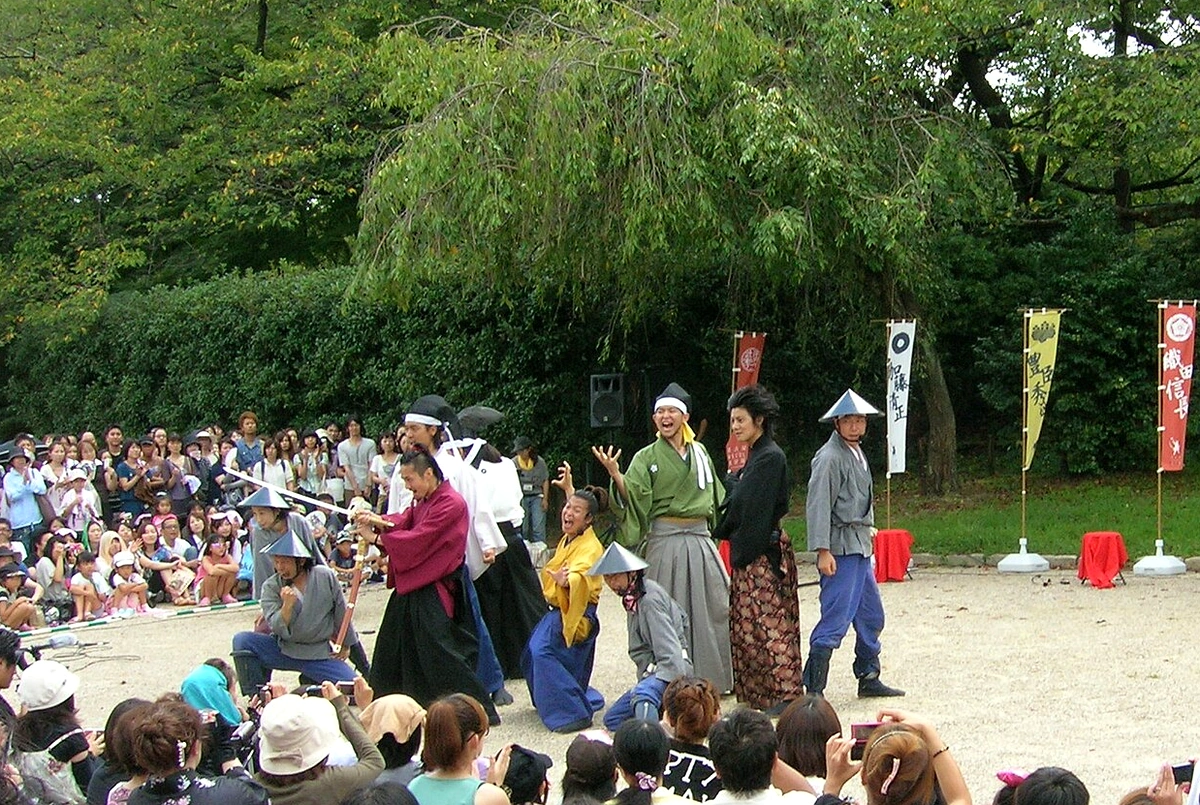
Beyond lighting effects and futuristic architecture, Nagoya’s performing arts culture is anchored by a one-of-a-kind attraction found nowhere else in Japan: the “Nagoya OMOTENASHI Busho-tai,” Japan’s first historical reenactment performance troupe. Appearing daily within the castle grounds, performers clad in intricately crafted Sengoku armor not only stage powerful, spirited martial dances, but also converse, interact, and banter directly with visitors in both Japanese and English. This lively approach to sharing history turns dry textbook pages into an immersive, interactive encounter where past and present converge, leaving travelers with lasting memories of a city that treasures and elevates its heritage.
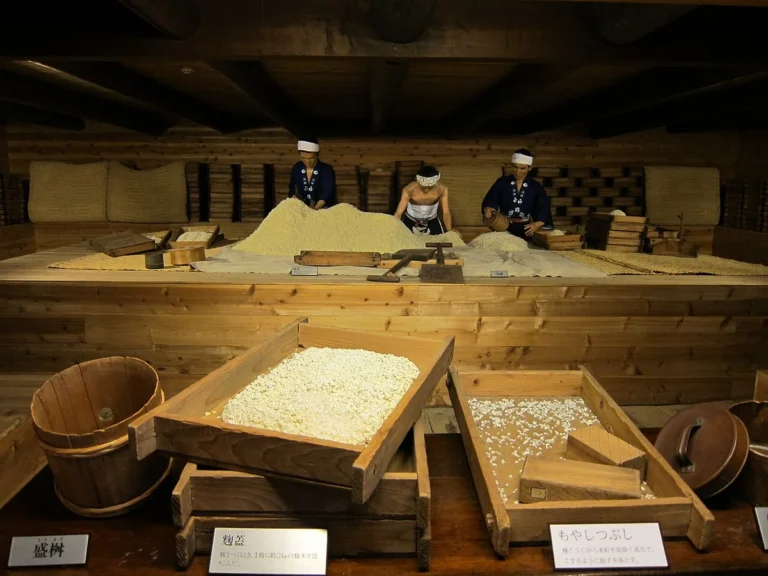
When thinking of the ancestral stronghold of the Tokugawa clan, discerning travelers remember not only its stately castles and world-class industrial museums, but are equally captivated by a bold, distinctive, and fiercely independent culinary tradition known as “Nagoya-meshi.” In contrast to the delicate subtlety of Kyoto cuisine or the refined minimalism of Tokyo, Nagoya’s local food culture mirrors the spirit of ancient Owari warriors: rich, robust, generous, and honed over centuries. At the heart of Nagoya-meshi lies its signature seasoning—aka miso (red miso), a long-fermented soybean paste boasting a deep mahogany hue, profound umami sweetness, and an unmistakable aroma. Over the centuries, local gastronomy has evolved far beyond mere sustenance into a cherished family heritage passed down from generation to generation.
The crowning jewel of Golden Route gastronomy is Hitsumabushi—Japan’s most elaborate three-way grilled freshwater eel over rice. Carefully selected fresh eels are butterflied along the back in the regional style and grilled over Binchotan—prized white oak charcoal that radiates pure, even heat to crisp the skin while keeping the tender flesh succulent and melt-in-your-mouth soft. The soul of the dish lies in its heirloom tare glaze, sometimes aged and replenished over decades, simmered from soy sauce, mirin, and rich eel essence. Dining at a traditional restaurant, guests are guided through a three-part culinary ritual: first, scoop a portion into a small bowl to savor the pure, smoky aroma of charcoal-grilled eel and sweet glaze; second, mix the rice with aromatic condiments such as sliced scallions, wasabi, and shredded nori seaweed to awaken the palate; and finally, pour piping-hot dashi broth or green tea over the remaining portion to enjoy an uplifting, fragrant ochazuke finale.
Stepping out of historic eel houses, diners are effortlessly drawn to the rustic, soul-warming comfort of Miso Nikomi Udon. Unlike standard udon noodles that are pre-boiled before being placed in broth, Miso Nikomi Udon uses fresh noodles made solely from wheat flour and salted water—never pre-cooked—simmered directly in a savory katsuobushi bonito broth enriched with famous red hatcho miso inside a traditional earthenware pot. Gentle simmering allows starch from the noodles to naturally thicken the broth, coating thick, characteristically firm, al dente strands that retain a chewy bite at the center. Brought to the table bubbling hot and fragrant with aged miso, topped with local chicken, a soft-poached egg, and kamaboko fish cake, this dish acts as a comforting elixir against the chill of Owari winter nights.
If the dishes above embody culinary refinement, then Tebasaki—crispy fried chicken wings—is the ultimate symbol of Nagoya’s lively street-food and izakaya tavern culture. Crafted from firm, flavorful local Mikawa chicken, each wing is double-fried at high temperatures to render out excess fat, resulting in cracker-crisp skin encasing juicy, tender meat. The moment they emerge from the fryer, the wings are tossed in a secret sweet-and-savory glaze and dusted generously with freshly ground black pepper and toasted sesame seeds. Holding a wing in hand and taking a bite—hearing the satisfying crunch, followed by the sharp aromatic tingle of pepper and rich caramelized glaze—quickly explains why this humble bar snack inspires such fierce devotion.
Nagoya’s culinary tapestry is further brightened by an intriguing cross-cultural creation known as Taiwan Ramen—a dish born of fusion yet invented and raised right here in Nagoya. Originating in a Chinese restaurant in the city’s dining district, this specialty creatively adapts spicy Sichuan noodles with Taiwanese culinary flair. A steaming bowl features a clear, savory chicken-bone broth crowned with a generous mound of minced pork stir-fried with fiery bird’s-eye chilies, fresh garlic chives, and crushed garlic. The tongue-tingling heat paired with springy golden noodles creates an exhilarating challenge for spice lovers. Experiencing the full spectrum of flavors—from refined eel rice and hearty miso udon to crispy peppered wings and fiery ramen—offers the deepest window into the soul, history, and daily vitality of the people along Japan’s famed Golden Route.
Having practical details on opening hours, transportation, and cultural etiquette at your fingertips is essential when exploring this key metropolis on Japan’s Golden Route. According to on-the-ground travel notes, visitors planning to admire the city’s proudest landmark should keep in mind that Nagoya Castle is open daily from 09:00 to 16:30, with last admission to the Honmaru Goten Palace strictly at 16:00 to support ongoing conservation of its delicate woodwork. General adult admission to the castle grounds is an affordable 500 yen—a modest sum compared to the priceless architectural heritage and shoheki-ga screen paintings housed inside. Meanwhile, the sacred grounds of Atsuta Jingu Shrine remain open to worshippers and travelers 24 hours a day, while its Treasure Hall (Homotsukan) welcomes visitors from 09:00 to 16:30 and closes on Wednesdays for royal artifact curation.
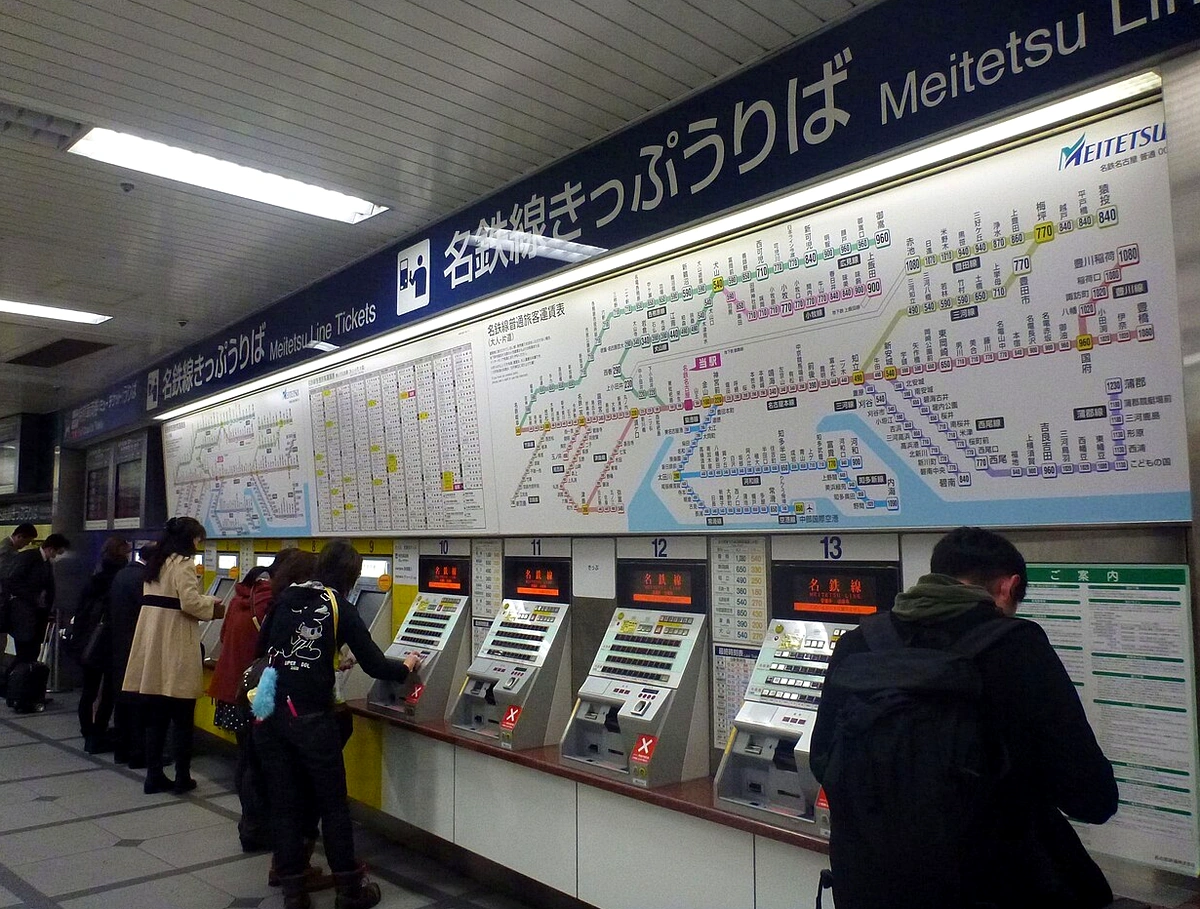
Nagoya’s public transit network is seamlessly integrated, modern, and exceptionally welcoming to international travelers. To reach the historic citadel, visitors can ride the Meijo Subway Line directly to “Nagoya Castle” Station, or hop aboard the retro-styled “Me~guru” sightseeing loop bus—a dedicated route linking the city’s premier cultural and historical landmarks. Combining the subway with the sightseeing bus maximizes travel efficiency and eliminates confusion at major transit hubs. For a well-paced itinerary, cultural specialists recommend dedicating the morning to exploring Nagoya Castle and the dazzling Honmaru Goten Palace; spending the afternoon immersed in heritage at the Tokugawa Art Museum and the Hosa Bunko Library; taking a serene late-afternoon stroll through Atsuta Jingu Shrine at dusk; and heading into the futuristic Oasis 21 complex and vibrant Sakae district after dark to soak up the modern pulse of the Chubu region.
Alongside logistics and timing, understanding traditional etiquette is key to blending in respectfully and honoring Japan’s cultural heritage. Upon entering the interior of the Honmaru Goten Palace, all visitors are required to remove their shoes and wear clean socks to protect the pristine Hinoki cypress floorboards, while flash photography is strictly prohibited to prevent artificial light from damaging the natural mineral pigments and gold leaf of the historic wall paintings. At Atsuta Jingu Shrine—revered repository of the legendary sacred sword Kusanagi no Tsurugi—visitors should observe the traditional shrine worship etiquette of “two bows, two claps, and one final bow” before the sanctuary. Mindful attention to every step and gesture not only preserves the physical treasures of the past, but also rewards you with a profound spiritual connection to the heroic legacy of Owari’s feudal lords. If you are looking for a trusted travel companion to bring these refined cultural experiences to life, explore our 6D5N Tokyo – Mt. Fuji – Nagoya – Kyoto – Osaka Tour for a thoughtfully curated, safe, and unforgettable Golden Route journey.