Nami Island, a distinctive semi-circular geological formation situated along the flow of the North Han River system, is located within the territory of Chuncheon City, Gangwon Province, South Korea, approximately sixty-three kilometers southeast of the capital Seoul. Geographically, this island is not entirely a primordial natural entity; rather, it bears the marks of geomorphological transformation combined with a monumental man-made project. The island was formed after the construction of the Cheongpyeong Dam in the 1940s—specifically completed in 1944—when rising waters isolated this low-lying land from the mainland. With a total surface area of roughly 460,000 square meters and a shoreline circumference of about five kilometers, the local terrain is relatively flat, sloping gently toward the center, creating a closed ecological basin with an extremely rich flora and fauna. The average elevation of the island’s surface above sea level fluctuates negligibly, being directly governed by the hydrological regime from the upper reaches of the North Han River and water discharge amounts from the neighboring hydroelectric reservoir.
The modern and contemporary history of Nami Island is closely tied to the turbulent ups and downs of the Korean Peninsula across periods of war, reconstruction, and socio-economic development. The island’s name originates from General Nami, an illustrious historical figure who lived during the Joseon Dynasty in the fifteenth century, who achieved numerous glorious feats in suppressing rebellions and protecting the royal court under King Sejo. According to ancient texts and folklore preserved in the region, General Nami’s tomb was located here, although many modern historians still debate the authenticity of this grave due to the political frame-ups he suffered before being deposed and executed. For centuries, this island remained a desolate tract of land, occasionally used as livestock grazing grounds or small-scale agricultural plots by impoverished riverbank communities. It was not until the post-Korean War period, when the country entered an era of infrastructure restoration, that the island’s geographical potential began to gain attention from the perspectives of urban planning and regional economic development.
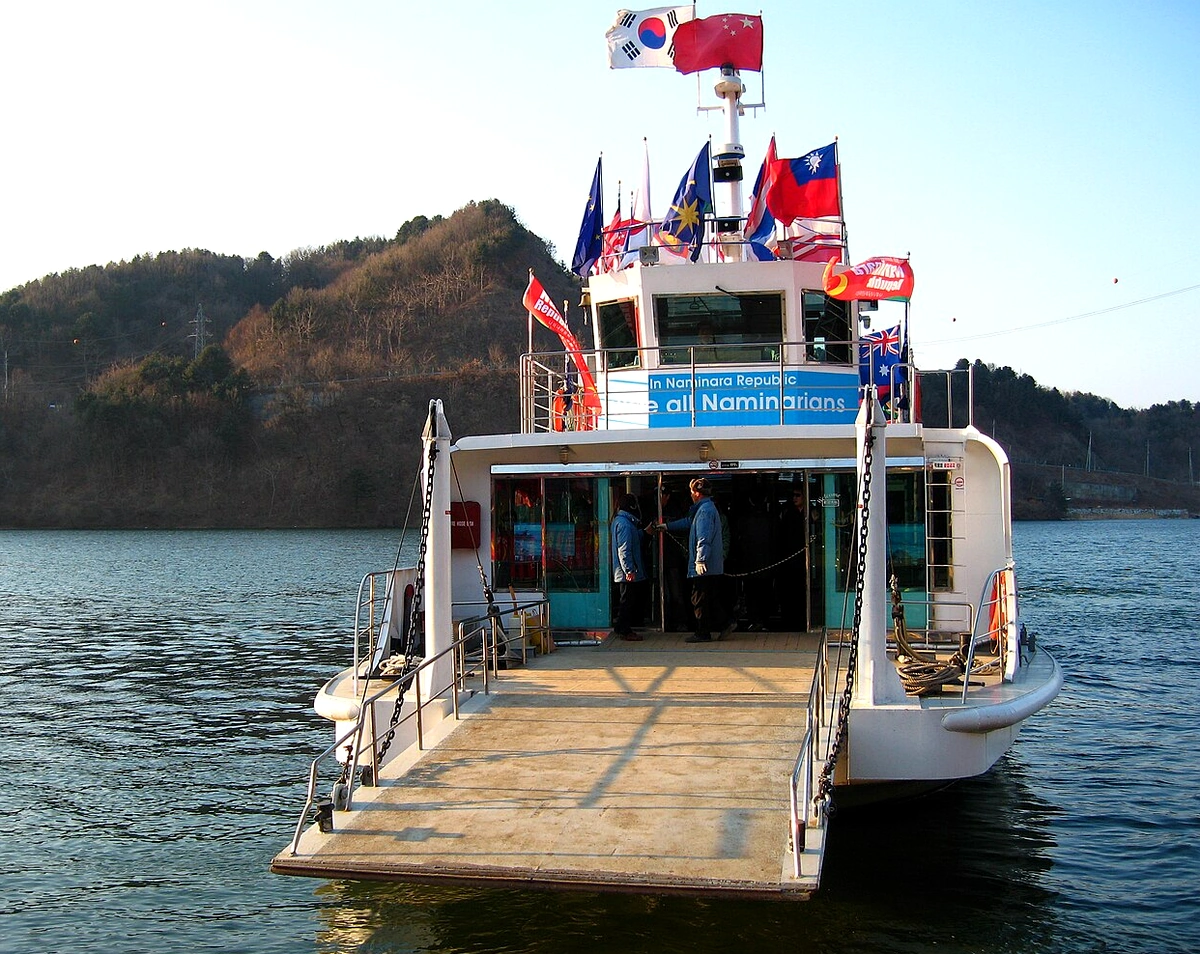
The historic turning point shaping the contemporary appearance of Nami Island took place in 1965, when businessman and educator Min Byeong-do purchased the entire area with a vision to transform it into a cultural recreation space and nature conservation site. Under his management and that of subsequent generations, an unprecedented large-scale environmental restoration campaign was implemented, highlighted crucially by the mass planting of large tree species such as ginkgo trees, metasequoia trees, birch trees, and red pines. These rows of trees were originally planted to prevent soil erosion and rehabilitate the landscape after years of devastation by war and indiscriminate logging, but they later became invaluable botanical assets defining the island’s aesthetic identity. In 2006, the island underwent another crucial administrative and management-philosophical overhaul, transitioning from an ordinary amusement park into an independent cultural republic named the Naminara Republic—an artistic autonomous model emphasizing peace, environmental protection, and cultural diversity.
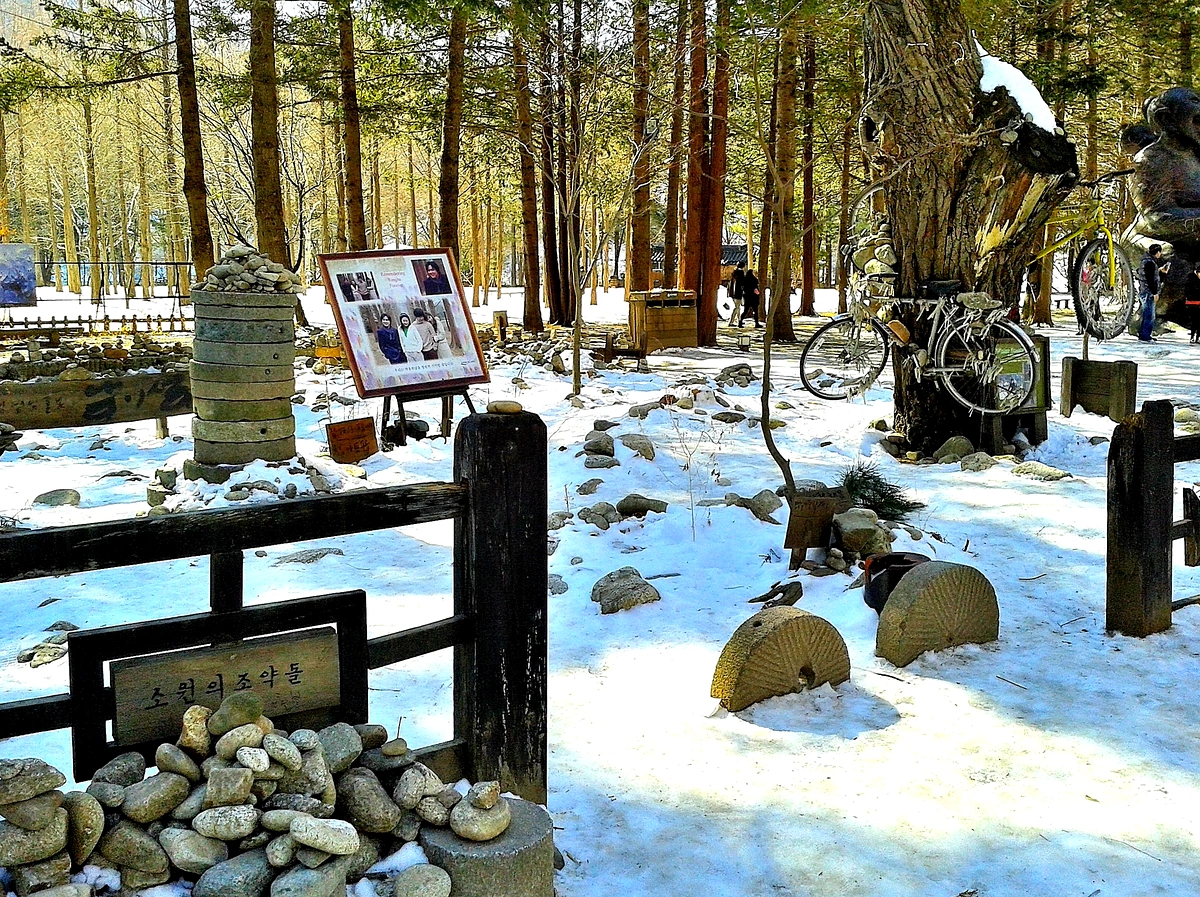
The transformation from forgotten agricultural land into a national cultural tourism symbol peaked in the early 2000s, when Nami Island was chosen as the main backdrop for the classic television drama Winter Sonata. This artistic work not only triggered a media seismic wave across Asia, but also served as a milestone for the Korean Wave movement, commonly known as Hallyu, on an international scale. The image of ginkgo tree rows bathed in brilliant golden hues in autumn, and the snow-covered trail in winter where the main characters walked, became deeply etched in the minds of millions of global viewers, turning the island into an irreplaceable cultural pilgrimage site. The symbolic value of Nami Island thus transcended the boundaries of an ordinary scenic landscape to become a representative ambassador for South Korea’s cultural soft power in the era of globalization, demonstrating the harmonious combination of indigenous ecological landscapes and contemporary storytelling art.
Alongside its cinematic imprint, Nami Island’s symbolic standing is firmly reinforced through its unique operating philosophy centered around ecological and humanistic values. The island is among the few tourism spaces in East Asia to strictly implement a car-free policy, where all private motorized vehicles are banned from circulation to protect clean air and minimize noise pollution. Instead, visitors and staff commute via bicycles, solar-powered electric carts, or walking along paved stone and rammed-earth trails, thereby reaffirming a strong commitment to natural environmental conservation. High-voltage power poles that once marred the landscape aesthetics were entirely buried underground decades ago—a bold decision requiring heavy investment capital but yielding long-term sustainable value for the visual space of the entire island.
Furthermore, Nami Island has positioned itself as an international cultural exchange center by regularly hosting annual art events, international children’s book fairs, and outdoor sculpture exhibitions gathering artists from around the world. The Naminara Republic model issues its own currency, designs symbolic entry passports, and establishes fictional diplomatic agencies not for political secession, but to create an imaginative environment where visitors can temporarily step away from the anxieties of modern life and immerse themselves in a world of art, imagination, and compassion. Upcycled architectural structures utilizing waste materials such as glass bottles, scrap paper, and old metals are distributed across the island, testifying to sustainable development and circular economy mindsets applied long before these concepts became global mainstream trends.
Viewed through the lens of historical and cultural research, the formation and development of Nami Island serve as a textbook example of spatial transformation from a forgotten tract of land into a continental-scale cultural tourism destination. Located along the North Han River with historical roots stretching from the Joseon Dynasty to modern industrialization, the island has transcended the limits of a purely geographical entity to become a national cultural symbol where nature, history, and art blend seamlessly. The straight ginkgo avenues, riverside trails, and slow-living philosophy maintained over decades have generated enduring heritage value, affirming Nami Island’s unique position on the global map of tourism and cultural heritage.
Nami Island, a unique geological formation located on the lower basin of the North Han River (Bukhan River) within Chuncheon City, Gangwon Province, South Korea, possesses an enclosed land area of about 460,000 square meters with a perimeter roughly equivalent to five kilometers. Geologically, this is not a primordial island formed through continental plate tectonics or volcanic eruptions; rather, it is a semi-circular landmass whose structure was shaped by centuries of alluvial sediment accumulation, largely severed from the shore in 1944 when a major hydroelectric project on the North Han River—the Cheongpyeong Dam—was completed and raised the regional water level. This hydrological transformation inadvertently isolated the low-lying strip of land, turning it into an island shaped somewhat like a maple leaf or a miniature peninsula jutting out amidst cool river waters. The geological foundation of Nami Island is primarily composed of layers of fine sand, river gravel, and fertile alluvial soil mixed with sandy loam, generating soil conditions that retain moisture well while offering high drainage, perfectly suited for the growth of temperate plant species with deep root systems and broad canopies. Through decades of exposure to natural currents and seasonal floods, the island’s shoreline has been continuously reinforced with solid granite seawall systems to prevent riverbank erosion, preserving its natural acreage and interior ecological space intact against the hydraulic shifts of the river.
The spatial planning and architectural landscape of Nami Island underwent a radical metamorphosis from a post-Korean War wasteland into a model artistic-cultural and ecological sanctuary beginning in the 1960s under the vision of Min Byeong-do and subsequently through the creative stewardship of its cultural management board. The island’s zoning layout does not adhere to the rigid rectilinear grid principles typically seen in modern cities; instead, it features an organic structure mimicking the natural contours of water flows and flora growth. The island’s main transport axis consists of natural stone-paved walking trails, handmade terracotta brick paths, and rammed earth, winding softly beneath mature trees such as red maples, metasequoias, dawn redwoods, and ginkgos. These tree-lined avenues do not merely serve shade and seasonal landscape roles; they also act as natural spatial partitions, dividing the island into thematic gardens, open plazas, outdoor art exhibition areas, and accommodation zones subtly concealed behind dense foliage. The height of architectural structures across the island is strictly controlled at low levels—mainly one to two stories—to maximally preserve expansive views of the water and retain the pure feeling of immersion in nature, completely eliminating tall reinforced-concrete blocks or jarring visual intrusions.
The architectural design philosophy and building materials at Nami Island are imbued with the ideals of ecological preservation, recycling, and celebration of indigenous culture combined with international contemporary art. Most residential structures, restaurants, exhibition halls, and administrative buildings on the island are constructed from rustic materials such as reclaimed pine wood, hand-fired red bricks, natural slate, large-format tempered glass, and notably industrial scrap, waste glass bottles, and discarded aluminum cans upcycled into murals, fences, and outdoor sculptures. A distinctive construction technique is evident in how architects and artists treat interior and exterior spaces using modular assembly methods, minimizing deep concrete foundations that could damage the island’s root systems and topsoil layer. Roofs are typically tiled with traditional Korean tiles or covered with a thick layer of soil planted with living grass (green roofs), helping naturally regulate indoor temperatures and reducing energy consumption for air conditioning and heating systems. The island’s public lighting system is also entirely undergrounded, utilizing solar power or low-wattage LEDs hidden beneath tree canopies or along walkways, keeping the island’s night sky clear and free of light pollution so wildlife ecosystems such as birds, squirrels, and wild rabbits can thrive naturally without disturbance.
The functional zoning system on Nami Island is organized with great care to serve a large tourist volume reaching millions of visitors annually while maintaining a tranquil atmosphere and landscape authenticity. The main reception area is located in the southern part of the island, concentrating the main ferry pier, ticket control stations, tourist information center, and administrative buildings constructed in a rustic style with exposed brick walls and climbing vines. Moving deeper into the central zone is Songpa Central Plaza, a vast open space formed by lush green lawns that hosts international cultural festivals, children’s book illustration exhibitions, and outdoor music events. The northern and western parts of the island are specialized ecological zones including the legendary Metasequoia Lane whose soaring, straight trunks form a giant green vault, the golden Ginkgo Tree Lane in autumn, and artificial wetlands designed to filter rainwater and create habitats for aquatic species. Service facilities such as restaurants serving traditional Korean cuisine, art cafes, and Hotel Jeonggwanru accommodations for international cultural exchange activities are distributed along the riverbank, allowing visitors to dine while gazing out over the tranquil waters of the North Han River.
The visitor scale and operational infrastructure capacity of Nami Island are designed based on rigorous environmental management standards to balance tourism benefits with the ecological carrying capacity of the island. During peak tourism seasons—particularly autumn when maple and ginkgo leaves turn vivid shades or winter when snow blankets the island—Nami can welcome tens of thousands of visitors daily. To accommodate this massive volume of travelers without increasing the island’s carbon footprint, all conventional internal-combustion vehicles are completely banned, except for essential emergency, sanitation, and battery-powered maintenance carts. Visitors arriving on the island via dedicated ferry routes or the river-crossing zipline explore on foot, rent bicycles, or ride battery-powered mini-trains such as the UNICEF Charity Train running along the scenic lakeside track. This autonomous planning model has transformed Nami Island from a forgotten sandbar into a self-proclaimed cultural republic—the Naminara Republic—issuing its own currency, symbolic passports, and independent environmental management standards, setting a high benchmark in creating sustainable tourism spaces, respecting geological history, and preserving natural heritage for future generations.
Nami Island, a unique semi-circular geological formation situated amid the currents of the North Han River in Gangwon Province, South Korea, carries a rich historical chronicle tied to early Joseon-era political turmoil before being reborn into a unique artistic and cultural sanctuary. This land is associated with the final resting place of General Nami, an outstanding military commander during the Joseon Dynasty who assisted King Sejo in quelling Yi Si-ae’s rebellion before falling victim to court political intrigue and facing execution at the age of twenty-eight. His ancient memorial mound, restored across various eras, continues to serve as a core historical milestone shaping local heritage awareness, lending a deep layer of memory and legend rooted into every inch of the island. The transition from a barren alluvial silt bank, frequently flooded during rainy seasons, into an iconic cultural island began in the latter half of the twentieth century through a visionary initiative to convert this place into an ecological reserve combined with public art installations imbued with environmental philosophy.
Architectural art on Nami Island does not follow conventional urban planning principles or strict royal court styles commonly seen in Seoul; instead, it represents a school of ecological recycling and installation architecture carrying profound philosophical depth. Architects and artists participating in shaping the space here have thoroughly applied the principle of material reuse, turning industrial scrap, reclaimed wood, discarded glass bottles, and broken bricks into outdoor sculptures, fences, and building structures with high expressive value. This approach reflects Buddhist philosophy regarding impermanence and rebirth while demonstrating environmental stewardship in the modern era. Small wooden studios serving artistic creation are erected using traditional Korean wooden joinery techniques without iron nails, allowing structures to harmonize flexibly with surrounding nature and adapt naturally to seasonal climate variations. Traditional Korean tiled roofs are combined with large-format glass frames, generating continuous dialogue between enclosed interior spaces and surrounding woodland landscapes.
Detailed surveys of the zoning structure indicate that spatial division on the island is executed through the language of trees and pathways rather than solid fortress walls or artificial separation fences. The iconic Metasequoia Lane, featuring straight rows of dawn redwoods planted in the 1970s, acts as a landscape architectural vertical axis guiding the observer’s rhythm of movement along the island. Aesthetically, arranging these tree rows creates a striking visual corridor where sunlight filtering through foliage casts dynamic light streaks shifting continuously across hours of the day and seasons of the year. Parallel to this is the Ginkgo Tree Lane, where brilliant autumn gold not only possesses pure visual beauty, but also echoes Eastern philosophy concerning cosmic energy transformation, as fallen leaves blanket the ground to form a biological mulch nourishing the trees’ own roots, demonstrating nature’s closed cycle of renewal.
The system of artifacts and cultural works displayed here reflects a global spirit of harmony, transcending national borders to advance cross-cultural dialogue via the visual arts. Prominent among them is the exhibition area showcasing terracotta and ceramic sculptures executed by international artists within the framework of artistic residencies held periodically on the island. These works typically take the forms of mythological figures, animals symbolizing peace such as birds and deer, or abstract geometric forms representing the five basic elements in Eastern philosophy: metal, wood, water, fire, and earth. Decorative patterns on raw brick walls and large ceramic jars scattered across the island draw inspiration from traditional folk art illustrated on Hanji paper, featuring minimalist lines evoking clouds, water ripples, and the agrarian rhythms of pre-industrial Korean communities.
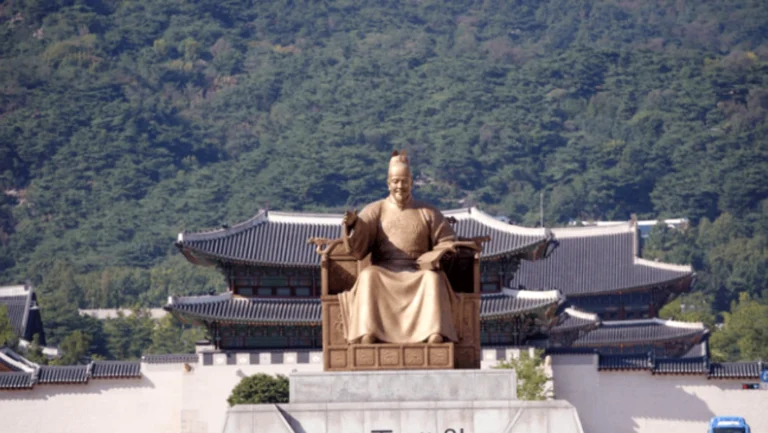
The cultural heritage depth of Nami Island is further preserved through the celebration of Korea’s writing system, particularly the Hangul alphabet created by King Sejong the Great in the fifteenth century. Letter sculptures, stone pillars carved with classic poems, and contemporary calligraphy works are harmoniously arranged among lawns and tree groves, turning the island into a living outdoor linguistics museum. Utilizing Hangul in public artworks does not merely carry decorative value; it also affirms strong national cultural identity, recalling the intellectual revolution that brought literacy to commoners in Korean history. Artists have skillfully combined traditional calligraphy brushwork with metal and natural stone materials, creating an engaging contrast between the fluidity of human brushwork and the enduring solidity of stone.
Alongside architectural works and historical landmarks, the children’s cultural zone and international picture book art on Nami Island play a crucial role in shaping the humanistic spirit of this space by honoring imagination and childhood wonder. The Nami Island International Picture Book Library and specialized galleries preserve tens of thousands of manuscripts, original illustrations, and children’s books from over one hundred countries worldwide, housed within architectural structures shaped like natural caves or giant bird nests. This design embodies bio-architectural thinking where humans step gently within ecosystems rather than standing apart to dominate nature. Exhibits displayed here avoid dry academic weight, encouraging intuitive interaction and hands-on discovery—transmitting messages of empathy, peace, and the importance of preserving cultural heritage for future generations amidst rapid globalization.
Nami Island, a distinctive geological formation shaped by alluvial flows of the North Han River embracing a semi-circular landmass in Gangwon Province, South Korea, possesses a daily living rhythm deeply stamped by the harmony of pure nature and thoughtful cultural planning. This space has long surpassed the limits of an ordinary sightseeing stop to become a living cultural ecosystem where the passage of each day is vividly portrayed through shifts in light, sound, and the unhurried pace of both staff and travelers. Observing daily rhythms here reveals how this cultural island-nation operates from quiet dawn moments until nightfall shrouds ancient tree canopies in a tranquil glow.
Dawn on Nami Island begins as thin morning mists lingering over the waters of the North Han River slowly lift and drift through the crowns of mature dawn redwoods and ginkgos. At this early hour, before the first ferries arrive carrying the lively chatter of day-trippers, the island belongs to quiet stillness and staff dedicated to ecological care. Soft footsteps on leaf-strewn paths, forest birds waking in dense foliage, and the cool damp scent of earth compose a pristine, peaceful morning symphony. Groundskeepers begin sweeping trails and tending gardens, maintaining a delicate balance between human care and natural wilderness. Early morning sunlight pierces through tree branches, casting warm golden streaks across the ground and illuminating ceramic and metal sculptures scattered through the pine woods, awakening a fresh day across the island.
As the sun climbs higher, life on the island transforms dynamically with the arrival of exploring visitors, turning the grounds into an open-air stage for cultural and artistic activities. Trails shaded by lush summer canopies or vibrant autumn foliage fill with cheerful conversation, bicycle wheels rolling along rustic paths, and travelers pausing at iconic photo spots. In the central plaza, street musicians perform acoustic sets blending guitar melodies with traditional bamboo flute notes, creating a soothing soundscape far removed from city noise. Handicraft workshops open their doors, inviting guests to try traditional pottery making, glassblowing, or Hanji paper crafting guided by seasoned local artisans. Meanwhile, traditional restaurants begin serving sizzling Chuncheon Dakgalbi (spicy stir-fried chicken) and grilled rice cakes, filling the crisp air with enticing aromas for hungry walkers.
Late afternoon brings a deeper emotional shift as twilight descends, bathing the waters of the North Han River in the warm amber tones of a Korean sunset. This is the golden hour for photographers and travelers seeking panoramic views across the water. The eastern riverside promenade, where towering dawn redwoods form a natural colonnade, becomes an ideal sunset vantage point as slanted sunlight filters through branches and shimmers across gentle ripples. Another rewarding viewpoint lies across the central lawns, framing the island’s blend of upcycled architecture and lush woodland. Artistic lanterns crafted from recycled glass and metal flicker to life, marking the transition from bustling daytime to peaceful dusk as most day visitors depart on the evening ferries, leaving the island serene for overnight guests.
After nightfall, Nami Island takes on an enchanted atmosphere where artificial lighting is kept understated and poetic to honor natural beauty rather than overpower it. Main pathways are softly lit by low-level LEDs tucked beneath tree bases and paper lanterns hung overhead, creating gentle contrasts of light and shadow. The night fills with the chirp of crickets and the soft lapping of river water against stone embankments. At traditional hanok-style cottages nestled among pine groves, overnight guests can enjoy quiet moonlit tea moments or stargaze beneath clear skies free of urban glare, bringing the daily cycle to a restorative close.
A memorable visit to Nami Island therefore goes far beyond snapping photos at famous drama filming locations. It invites travelers to immerse themselves in the island’s deeper cultural ethos—appreciating the decades-long commitment to environmental conservation and upcycling while slowing down to match the island’s unhurried rhythm. Nami’s enduring appeal lies in its ability to continually renew its cultural spirit, turning every hour of the day into a living chapter in the harmony between humanity and nature.
Nami Island, a semi-circular geological formation embraced by the North Han River in Gangwon Province, South Korea, offers not only scenic beauty but also a distinctive regional culinary heritage. Situated near the border between Gyeonggi and Gangwon provinces, the area blends mountain and river-valley culinary traditions rooted in time-honored preservation methods, fermentation craft, and local ingredients such as buckwheat, ginseng, pine nuts, and wild mountain greens.
When exploring signature flavors around Nami Island, the foremost dish to experience is Chuncheon Dakgalbi (spicy stir-fried chicken). Originating in nearby Chuncheon City—a major poultry farming center—in the 1960s, locals marinated diced chicken in gochujang chili paste, minced garlic, chili flakes, ginger, and soy sauce before grilling or stir-frying it on large cast-iron griddles alongside sliced cabbage, sweet potatoes, chewy garaetteok rice cakes, and fragrant perilla leaves. Over the decades, this hearty preparation became synonymous with the Chuncheon lake district and restaurants surrounding the Nami ferry pier, creating a lively communal dining ritual where guests gather around tabletop iron pans and wrap tender, spicy chicken in crisp perilla leaves.
Alongside spicy stir-fried chicken, Gangwon Province is celebrated for Makguksu buckwheat noodles, a culinary staple rooted in the region’s rugged mountain terrain. Hardy buckwheat thrives in rocky highland soils, yielding nutrient-rich grain with a subtle nutty earthiness. Traditionally ground on stone mills and kneaded with cold water, buckwheat dough is pressed into chewy, rustic noodles served chilled in tangy dongchimi (radish water kimchi) broth accented with pure sesame oil, toasted sesame seeds, and spicy chili paste. Enjoying a refreshing bowl of Makguksu after a long walk beneath towering redwoods provides the ideal cool counterbalance to savory Dakgalbi.
Local gastronomy also highlights prized pine nuts harvested from the forested slopes surrounding Cheongpyeong Lake. Gapyeong pine nuts are renowned across Korea for their rich oil content and delicate buttery aroma. Traditional eateries incorporate them into nourishing dishes such as Jatjuk—silky rice porridge simmered with finely ground pine nuts—as well as classic Korean confections. Savoring warm pine nut porridge on a crisp morning beside the North Han River embodies the traditional Korean philosophy of yaksikdongwon (food and medicine share the same root).
Traditional Korean tea culture and herbal infusions also play an integral role in the island’s leisurely atmosphere. Teas brewed from wild ginseng, chrysanthemum blossoms, jujube dates, or honeyed ginger are served in handcrafted ceramicware reflecting Korean pottery traditions. Rustic teahouses tucked along forested paths offer travelers a serene pause to warm up and soak in the changing seasons.
Eateries clustered around the ferry terminal and island walkways also serve beloved Korean comfort snacks such as Pajeon (crispy seafood and scallion pancakes) and Gamjajeon (pan-fried grated Gangwon potato pancakes), prized for their naturally chewy texture without added flour. Served piping hot straight from the griddle with soy-vinegar dipping sauce and a bowl of mildly sweet, effervescent Makgeolli rice wine, these rustic dishes capture the authentic warmth of Korean countryside hospitality.
Nami Island, formed when the Cheongpyeong Dam raised water levels along the North Han River in Gangwon Province, South Korea, rewards thoughtful trip planning to make the most of its seasonal beauty and smooth transit links. Departing from Seoul, travelers can easily reach the island via South Korea’s punctual public rail network—most conveniently by taking the ITX-Cheongchun high-speed train from Yongsan or Cheongnyangni Station directly to Gapyeong Station in under an hour. The seamless integration of South Korea’s transit network makes navigating effortless for international visitors thanks to clear bilingual Korean-English signage and user-friendly navigation apps.
From Gapyeong Station, visitors can reach the Nami Island Ferry Terminal in just a few minutes by local bus, taxi, or the Gapyeong City Tour Bus, which connects major nearby attractions on a regular schedule. Boarding the ferry across the calm blue waters of the North Han River—or soaring across via the thrilling Skyline ZipWire—marks a memorable transition from the mainland into the tranquil sanctuary of Naminara Republic. Standard admission tickets include round-trip ferry passage, so be sure to keep your ticket stub handy for the return journey.
South Korea’s four distinct seasons transform Nami Island’s scenery dramatically throughout the year, making it a rewarding destination in every season. Spring (March through May) brings mild temperatures, fresh breezes, and delicate cherry blossoms lining the island’s avenues—ideal for leisurely walks, with a light jacket recommended for cool mornings and evenings. Summer (June through August) clothes the island in lush emerald foliage, though warm temperatures and occasional monsoon showers call for breathable attire, sunscreen, and a compact umbrella.
Autumn (September through November) represents Nami Island’s most famous peak season, when maples and thousands of ginkgo trees ignite in brilliant shades of crimson, amber, and gold, blanketing the pathways in a carpet of fallen leaves. Because autumn draws heavy crowds, arriving early and booking tickets in advance is strongly recommended. Winter (December through February) transforms the island into a serene snow-covered wonderland straight out of Winter Sonata; sub-zero temperatures call for warm insulated coats, thermal layers, non-slip winter boots, hats, gloves, and scarves.
The best time of day to visit Nami Island is right when the first morning ferries depart around 7:30 or 8:00 AM (depending on the season). Arriving early lets you stroll down the iconic tree-lined avenues in peaceful solitude, bathed in soft morning light and river mist before midday tour groups arrive. Wear comfortable sneakers or cushioned walking shoes rather than high heels, as exploring the 460,000-square-meter island involves plenty of walking over gravel, brick, and soil paths.
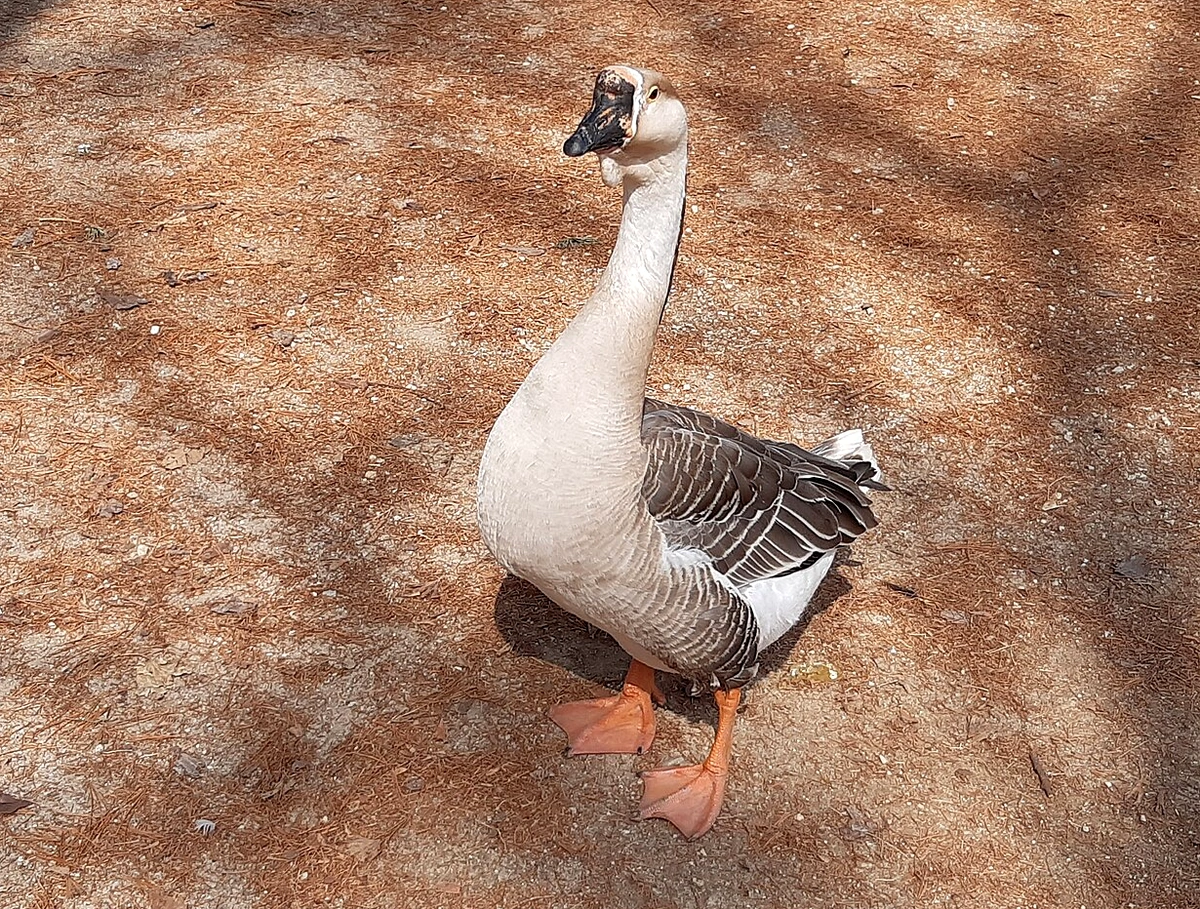
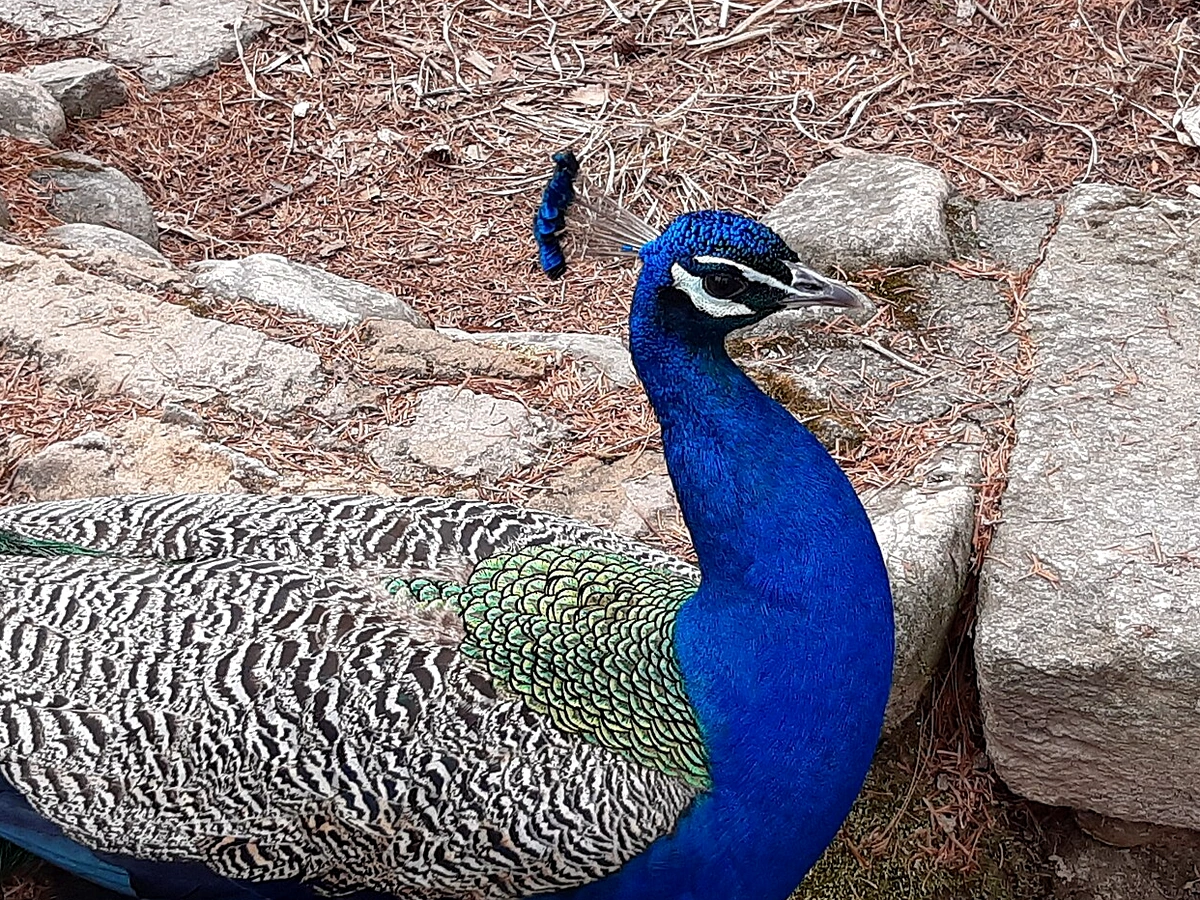
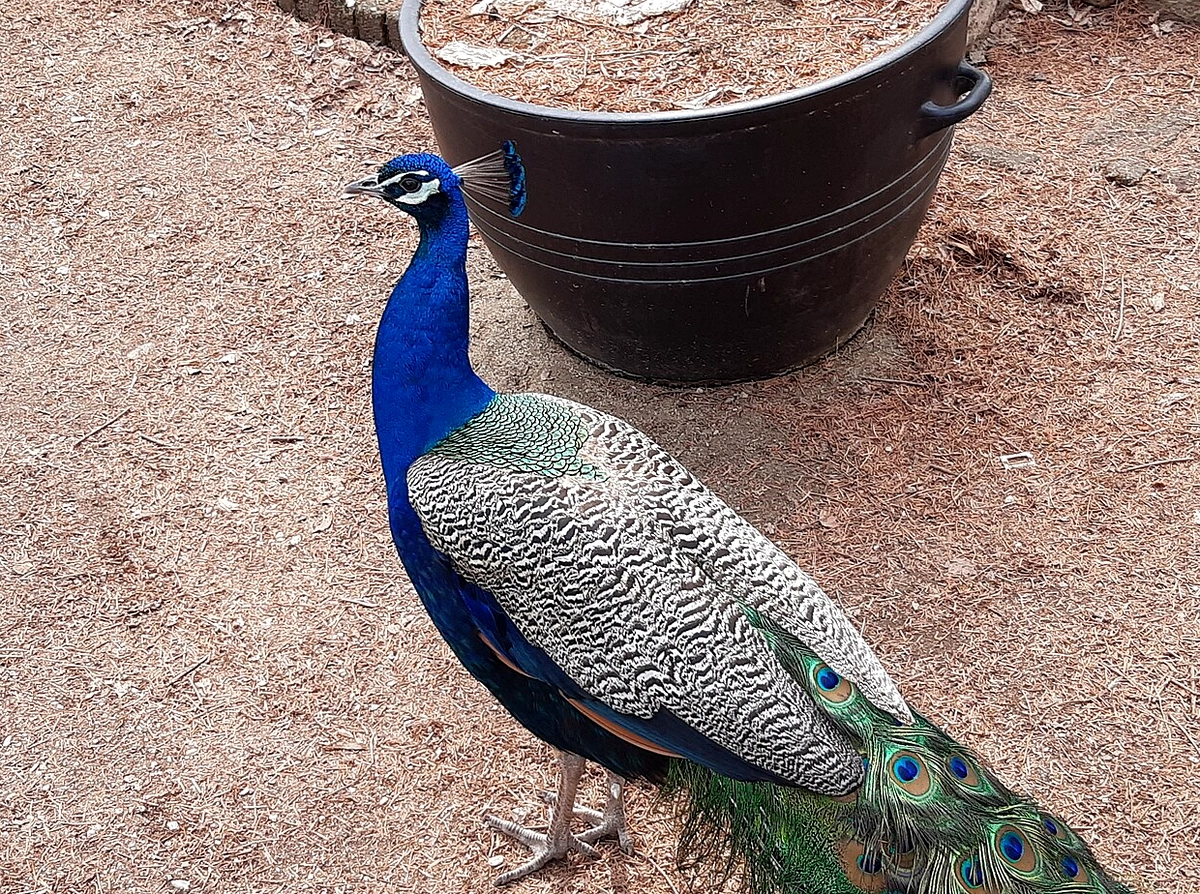
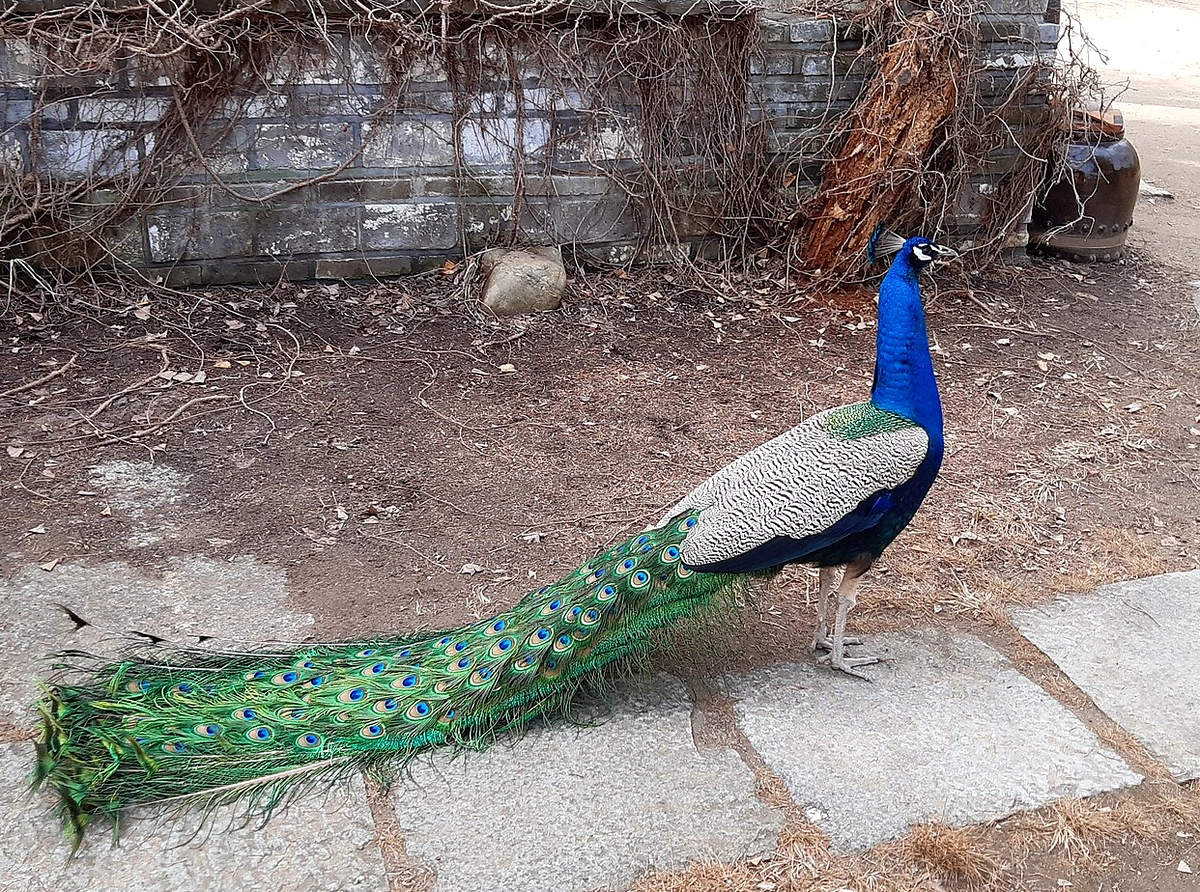
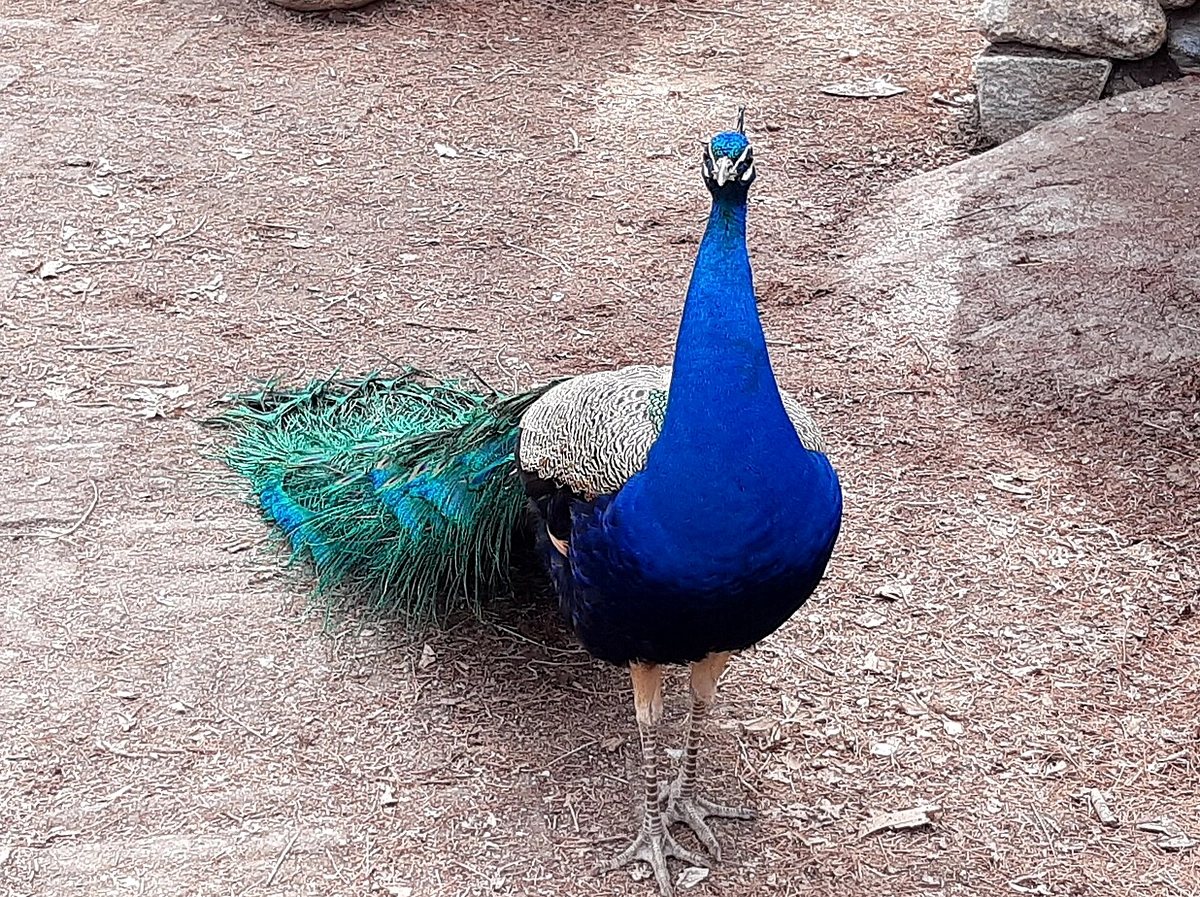
Respecting local etiquette and environmental guidelines helps preserve Nami Island’s serene charm for everyone. Keep noise levels considerate, never litter, and refrain from chasing or feeding the free-roaming wildlife such as peacocks, ostriches, squirrels, and rabbits. Smoking is permitted strictly inside designated smoking booths, and orderly queuing at ferry piers and restaurants is standard local courtesy.

Planning tickets and on-island activities ahead of time ensures a smooth visit. Standard admission rates vary for adults, youths, and children, with discounted rates often available for international visitors presenting a passport or booking online in advance to skip ticket queues during peak seasons. Note that general admission covers island entry and round-trip ferry transport, while optional activities such as bicycle rentals, electric tour cars, motorboat rides, and the zipline carry separate fees payable by card or cash. With thoughtful preparation, your visit to Nami Island will offer an unforgettable blend of natural beauty, artistic spirit, and Korean cultural heritage.
To experience this journey seamlessly with a knowledgeable local guide, explore our Busan – Gyeongju – Seoul – Nami 6D5N Tour featuring a thoughtfully curated itinerary.