In the chronicles of urban development in Seoul, the Republic of Korea, Ihwa Mural Village emerges not merely as a distinctive community art space, but also as a living testament to a philosophy of urban regeneration viewed through a cultural lens. Situated in a prominent geographic setting yet marked by the ruggedness of hilly terrain, the village has experienced profound historical vicissitudes that mirror the nation’s trajectory from a war-ravaged economy into a global cultural powerhouse. From the perspective of historical inquiry and urban anthropology, Ihwa-dong is more than a coordinate on a travel map; it is a complex narrative space where the arduous past of the urban working class converges with the transformative power of contemporary art, forming a symbol of community resilience and recovery amid the pressures of industrialization and capitalist modernization.
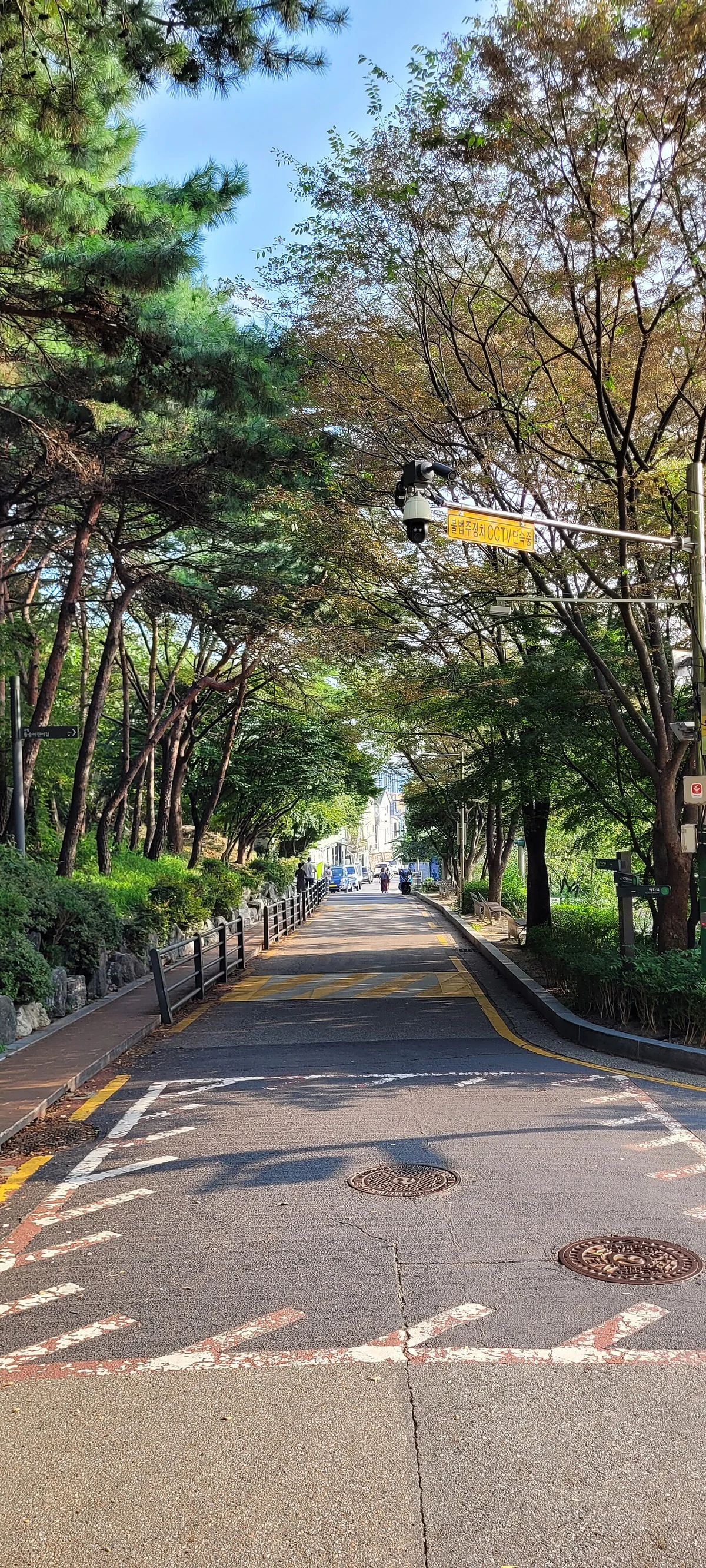
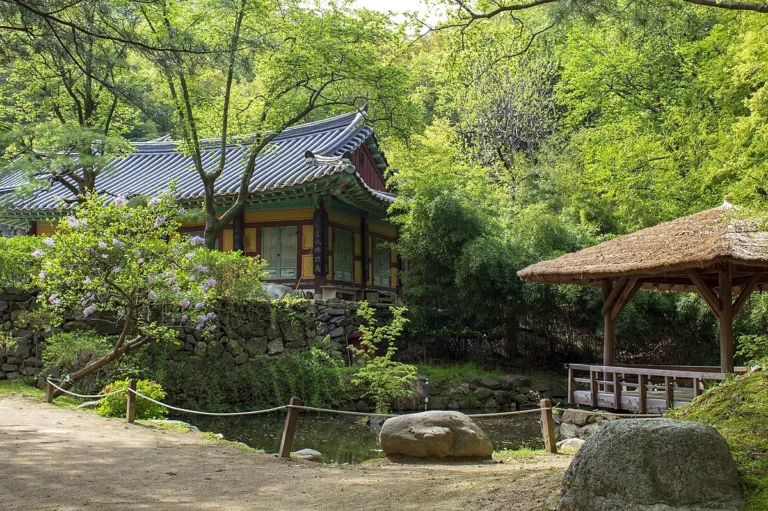
Historic atmosphere and signature appearance at Ihwa Mural Village in Seoul.
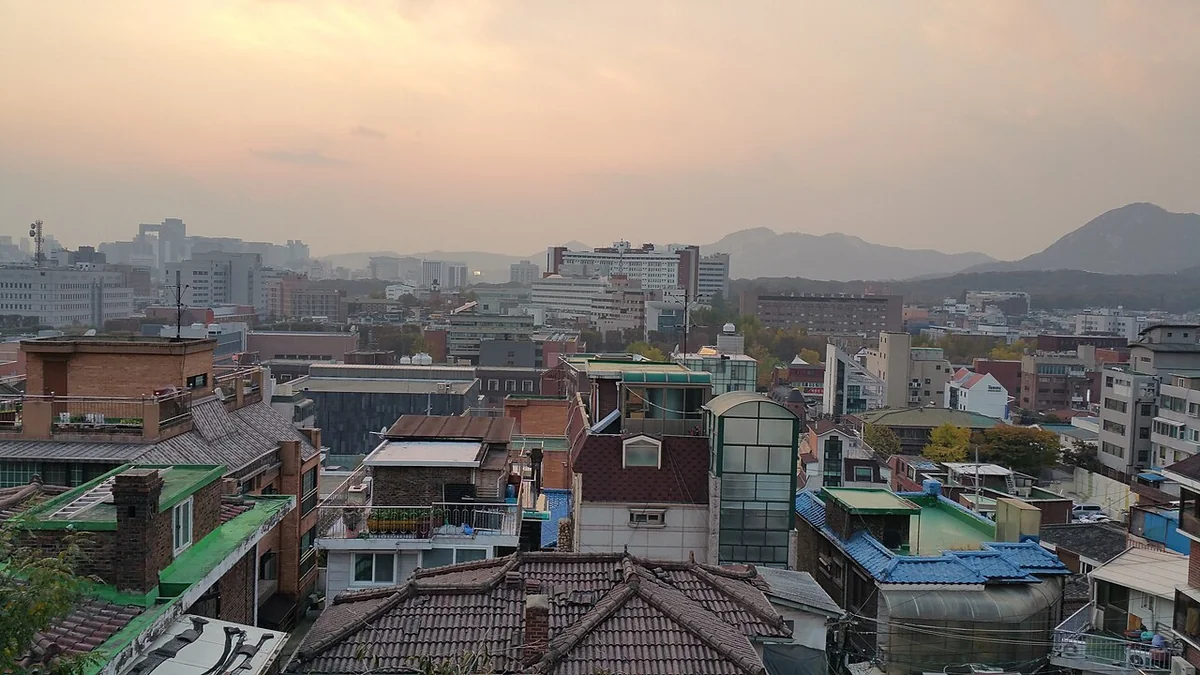
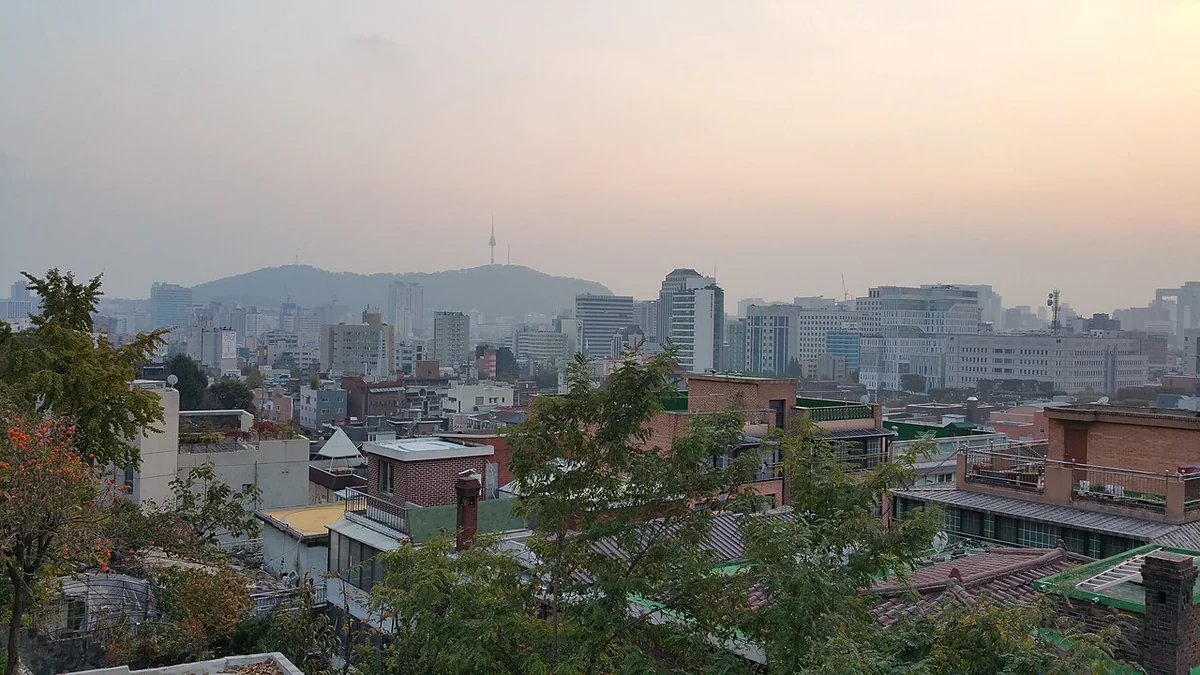
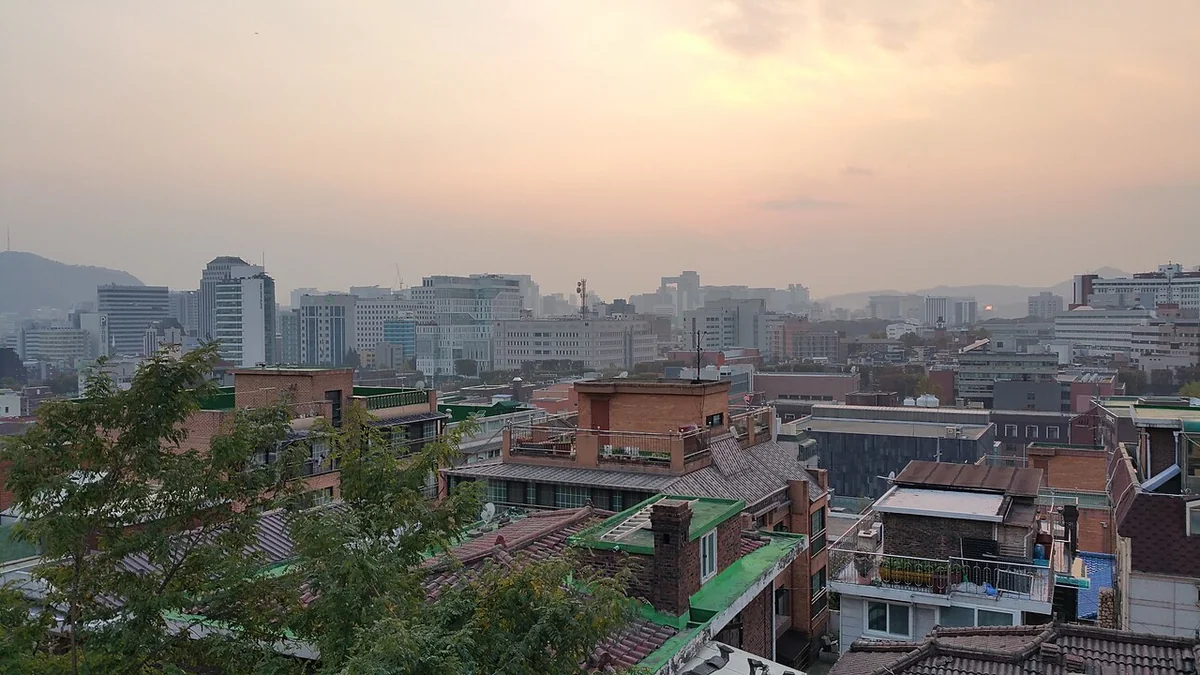
In terms of geographic coordinates and terrain morphology, Ihwa Mural Village sits in Jongno-gu right along the slopes of Naksan Mountain—one of the four historic guardian mountains encircling central Seoul in traditional Korean geomancy (pungsu), alongside Bukaksan, Inwangsan, and Namsan. With an average elevation rising noticeably above the general floor of the Han River basin, Ihwa-dong’s topography is characterized by steep inclines, winding alleys, sharp stone stairways, and narrow passages barely wide enough for pedestrians. This location once served as a natural bulwark and part of the historic Seoul city fortress wall built during the Joseon dynasty in the late fourteenth century. Perched at that elevation, the village enjoys sweeping panoramic views across the city, yet it also faced severe challenges in transport, infrastructure, and living conditions for decades, turning it into a socioeconomic pocket within a rapidly surging metropolis.
The origins and historical turns of Ihwa Village are closely tied to the turbulent chapters of the Korean Peninsula from the mid-twentieth century onward. After the Korean War ended in 1953, Seoul confronted an acute housing crisis driven by waves of rural migrants flocking to the capital for livelihoods alongside large numbers of war refugees. Naksan’s slopes, with their barren terrain and inexpensive land, quickly became an informal refuge for impoverished residents, manual laborers, and struggling families. During this period, makeshift dwellings and small-scale settlements sprang up closely along the hillsides, forming a tight-knit community bearing the distinct imprint of postwar survival. Across the 1960s, 1970s, and 1980s, as South Korea entered rapid industrialization famed as the Miracle on the Han River, Ihwa-dong remained largely behind in the shadow of national prosperity, weighed down by poverty, severely aging facilities, and elevated vulnerability to crime due to a lack of systematic urban planning.
The historical turning point that shaped Ihwa Mural Village’s contemporary identity arrived in 2006, when the Ministry of Culture, Sports and Tourism of South Korea partnered with the Seoul Foundation for Arts and Culture to launch the Naksan Village Art Project. This landmark initiative aimed to ease the blind spots of urbanization and improve living conditions for elderly residents remaining in the area through the power of visual aesthetics. More than sixty visual artists, painters, and sculptors gathered here, transforming peeling gray cement walls, mossy steps, and modest street corners into vibrant outdoor murals and sculptures. Familiar imagery—such as schools of fish swimming up stone stairs, flowers blooming beside eaves, or swallows gliding across lime-washed walls—breathed fresh vitality into a once-overlooked neighborhood, turning it into an open-air gallery without walls that drew domestic and international attention.
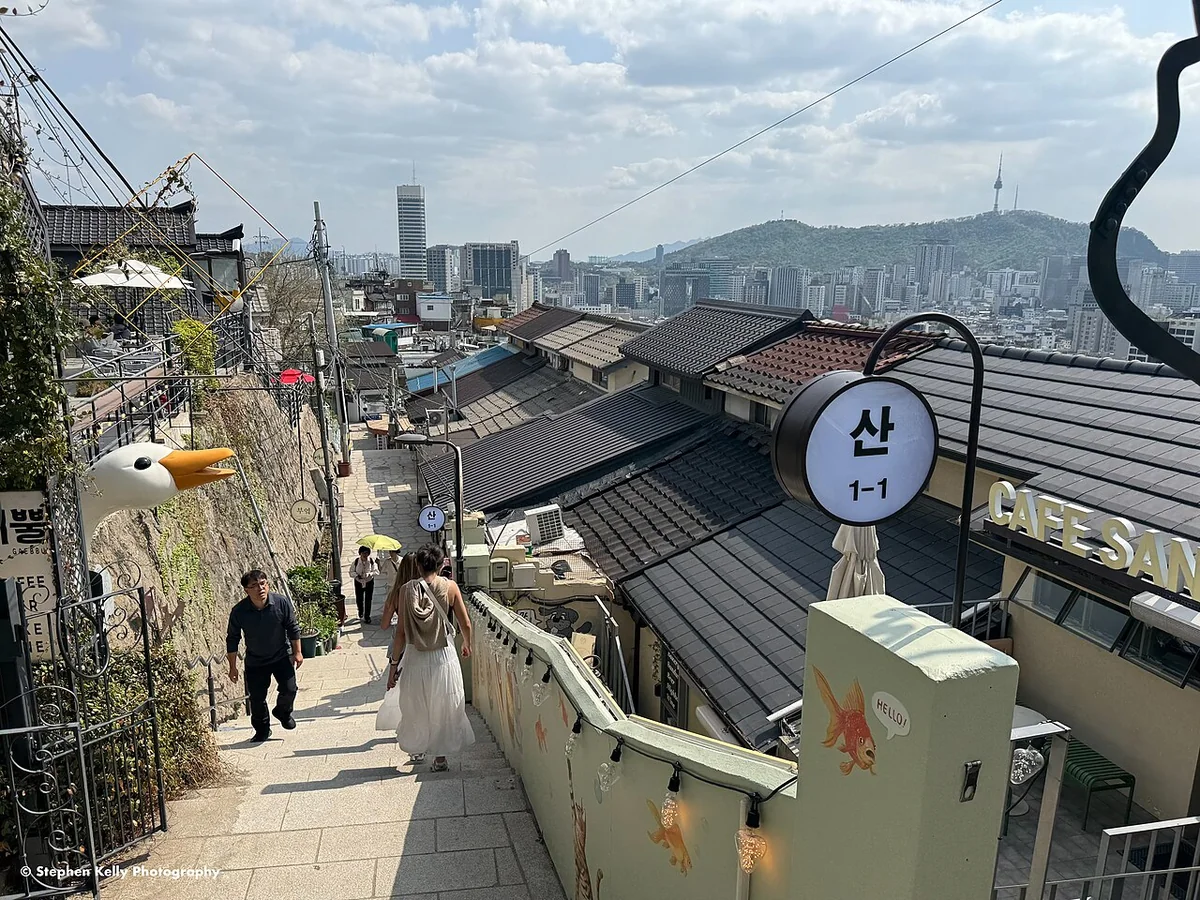
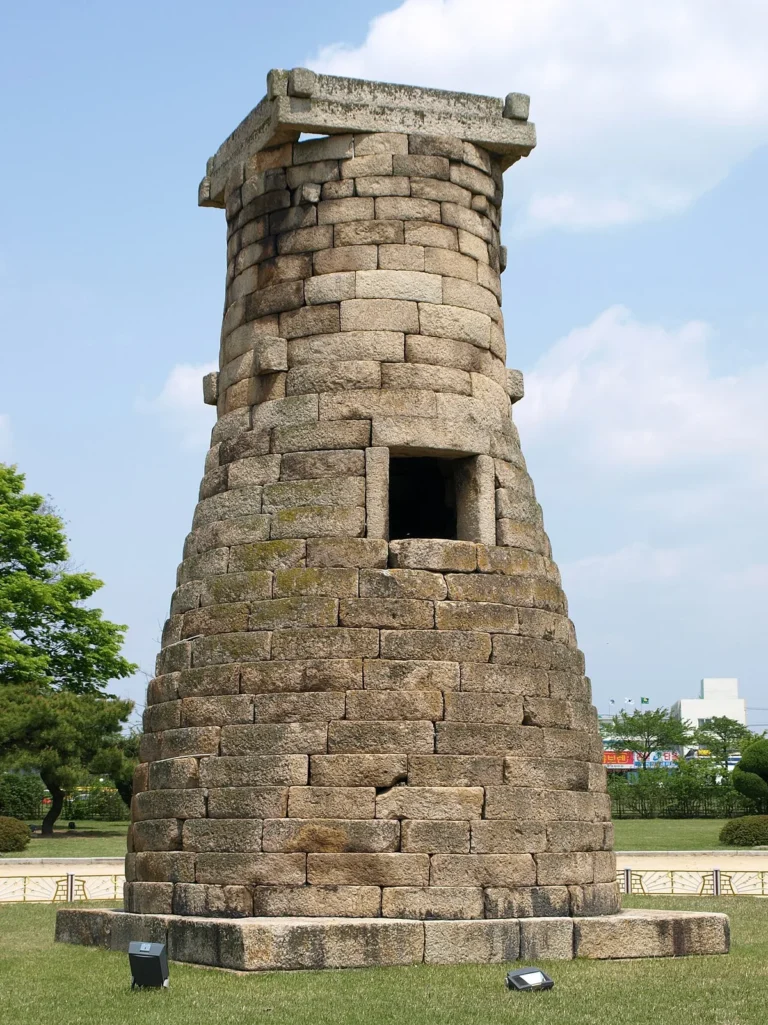
Harmonious spatial structure and layout lines of Ihwa Mural Village in Seoul.
Even so, Ihwa-dong’s historical path has not always been smooth, carrying costly lessons about gentrification and conflicting interests among art, mass tourism, and residents’ everyday lives. Surging fame after appearing in hit television dramas and variety shows in the early 2010s turned the village into a pilgrimage spot for millions of travelers worldwide. For a time, that heavy wave of tourism brought new income while disrupting the quiet rhythm of an aging neighborhood. Late-night noise, littering, and intrusions on privacy left many residents feeling like exhibits in their own homes, sparking a pushback in 2016 when some locals painted over or removed well-known murals to reclaim peace and quiet. That episode marked an important milestone in Seoul’s urban heritage management, prompting authorities and residents to seek a thoughtful balance between preserving cultural symbolism and safeguarding residents’ right to peaceful daily living.
In terms of national symbolic standing and global influence, Ihwa Mural Village has moved beyond an ordinary tourist site to become a classic international model for art-centered urban regeneration. It illustrates the argument that public space can help mend social fractures, turning neglected, struggling areas into creative hubs with deep human resonance. Urban culture scholars from around the world frequently examine Ihwa-dong as a prime case study of how local communities and public institutions can interact to reframe a place’s story through artistic expression. The village’s symbolic value lies in an ongoing dialogue between past and present, between rugged natural terrain and artistic sensitivity, and between echoes of wartime hardship and vibrant aspirations for life in the twenty-first century.
Closing this analytical layer, Ihwa Mural Village remains in collective memory as a poignant space of urban recollection and tireless creativity. From a hillside settlement clinging to Naksan through shifting times, it has risen as a quiet cultural ambassador for Seoul, sharing the story of a people’s endurance in turning steep challenges into expressions of lived art. Thus, this site stands not merely within Korean architectural history, but also leaves a lasting mark on contemporary global cultural heritage—where art reaches intimate corners of everyday life and permanently reshapes a living environment.
Set firmly along the slopes of storied Naksan Mountain in Seoul, the Republic of Korea, Ihwa Mural Village is not only a symbol of contemporary urban renewal, but also a vivid example of adaptive planning on challenging natural terrain. The area’s geological makeup is tied to the Korean Peninsula’s ancient granite belt, where millions of years of weathering and tectonic forces shaped a firm yet steep foundation with rugged natural terraces and a complex mix of bedrock and thin weathered soil. When the Joseon dynasty chose Hanyang—now Seoul—as its capital in the late fourteenth century, Naksan became part of a strategic defense line with a stone fortress wall running along the ridge, while the Ihwa area served as an outlying valley near the fortress gate, carrying geographic traits that were strategically useful yet demanding for large-scale settlement.
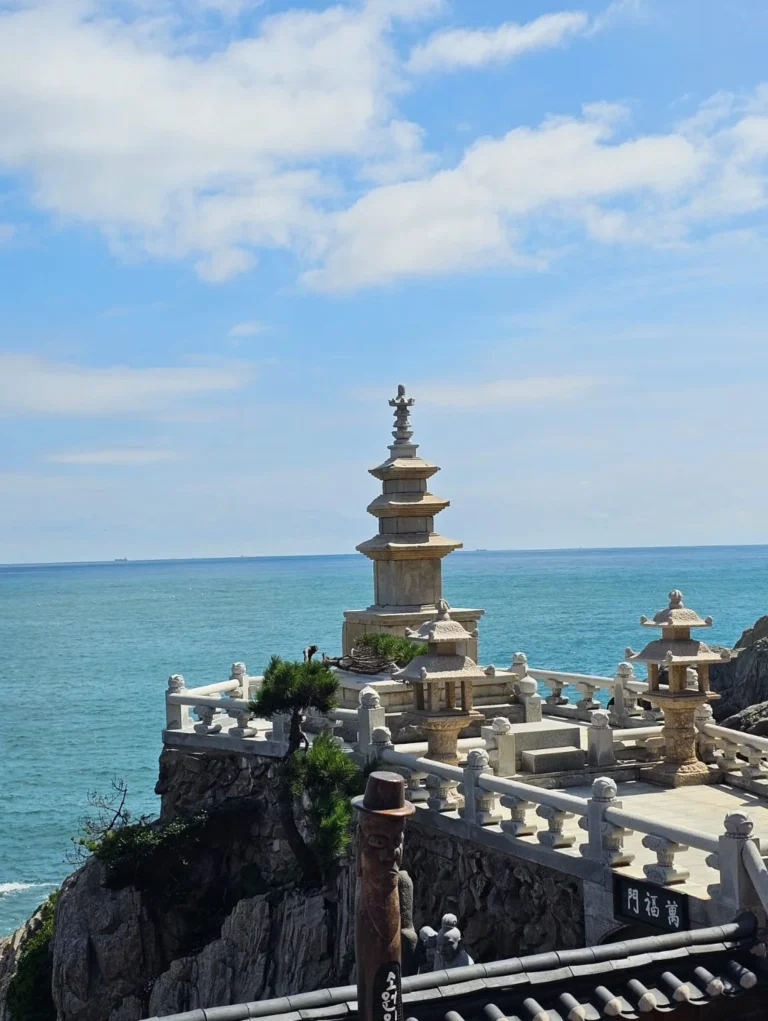
Sculptural artistic details and cultural depth at Ihwa Mural Village in Seoul.
Across the flow of history, architectural layout in Ihwa moved through stages—from a traditional settlement shaped by dynastic history to an informal urban neighborhood during twentieth-century industrialization, and finally into an internationally recognized public art space. During the 1950s and 1960s, under unprecedented urban population growth following the Korean War, the area saw rapid, informal building as low-income workers and displaced families put up modest homes along Naksan’s slopes. Construction during that era was largely uncoordinated rather than guided by a master grid, resulting in a dense network of narrow, winding alleys, steep stone steps, and compact structures tucked onto exposed granite outcrops.
Regarding construction methods and traditional as well as modern building materials at Ihwa Mural Village, structures here clearly reflect the resourcefulness of working-class urban residents adapting under tight economic constraints. Primary load-bearing materials in these homes included kiln-fired red bricks, basic reinforced concrete, fiber-cement roofing sheets, and occasionally Naksan’s own natural granite boulders used as footings or base walls to help guard against runoff and slope erosion during rainy and typhoon seasons. Where hillside gradients occasionally exceeded thirty degrees, deep pile foundations were impractical; instead, builders often relied on hand-terraced leveling, dry-stacked or mortared rubble retaining walls, and thin concrete slabs supporting the structure above.
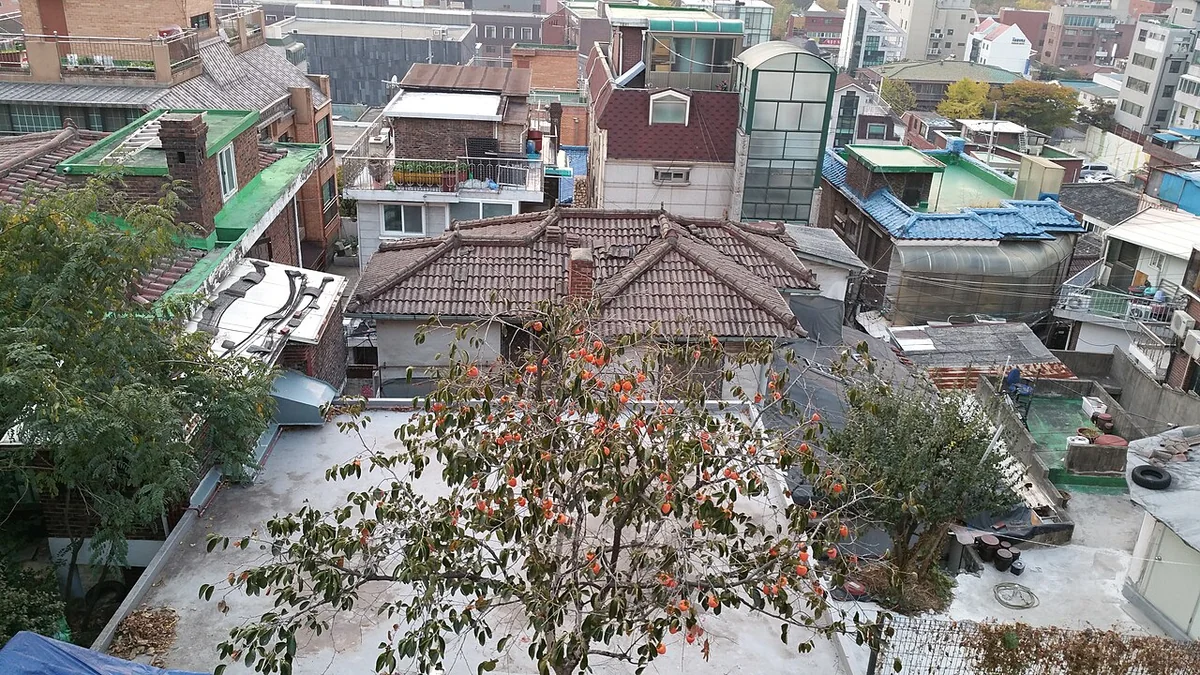
Spatial layouts of houses in Ihwa were typically modest—often averaging around thirty to fifty square meters per single unit or subdivided dwelling—with heights generally kept to one or two stories to preserve structural stability on sloping ground. Roofs were commonly flat waterproofed metal or modified pitched tile roofs with simple rainwater drainage that still needed careful routing so runoff would not undercut lower foundations. Elevation shifts between main roads and interior lanes can span tens of meters, creating a walk-only pedestrian network inaccessible to cars where stairways link levels and architecture blends into the mountain’s natural rock and slopes.
A major shift in spatial reorganization and aesthetic planning at Ihwa Mural Village came in 2006 through the urban art project initiated by South Korea’s Ministry of Culture, Sports and Tourism together with the Seoul Foundation for Arts and Culture. Rather than clearing the entire area under conventional redevelopment that would have dismantled a longstanding community, architects, urban planners, and more than seventy artists adopted an adaptive preservation approach—using visual art and murals as a thoughtful surface layer to refresh surroundings without altering the buildings’ original structural skeletons. Weathered red-brick walls, cracked concrete steps, and rusted utility pipes were treated with waterproof coatings and plaster patching before receiving murals, ceramic reliefs, and community-minded sculptural installations.
Close-up view of the heritage structural system at Ihwa Mural Village in Seoul.
Zone organization at Ihwa Mural Village follows pathways and stairways running from Naksan Park above down toward Hyehwa Station below, dividing the area into distinct sub-zones linked by pedestrian routes. Notable spots include the well-known sunflower staircase—where painted and textured steps create a lively visual motif—the carp staircase climbing against a steep incline, and small outdoor art corners nestled beside shared courtyards where residents live. Spanning roughly ten hectares, the neighborhood weaves hundreds of homes together with public art pieces, small studios, independent cafes, and shops adapted from existing residential buildings.
With respect to visitor volume and urban ecological carrying capacity, Ihwa Mural Village exemplifies the balance between welcoming travelers and protecting local residents’ daily lives. Because access relies on stepped alleys that cannot carry heavy motor vehicles and open public squares are limited, visitor flow is managed to prevent overcrowding, excessive noise, and wear on older structures. During peak travel periods, the area can see thousands of visitors a day—mostly walking in small groups—requiring clear signage, quiet-hours guidelines, and local oversight to protect the artwork while preserving peace and quiet for older residents who still call Ihwa home.
Taken together, Naksan Mountain’s steep geology, decades of organic hillside building, and contemporary artistic intervention have made Ihwa Mural Village one of Asia’s notable living spaces of urban art and architecture. Beyond preserving physical details of hillside construction and humble building materials, it offers a real-world example of using art to revitalize a neighborhood—affirming the enduring presence of local heritage inside a modern metropolis like Seoul.
Nestled gracefully along the slope of storied Naksan Mountain, where the brisk pulse of Seoul seems to soften against layers of time, Ihwa Mural Village stands as an open-air living gallery—a testament to the meeting of historic urban fabric and human-centered contemporary art. In terms of human geography, Ihwa-dong was once a modest residential quarter for post-Korean War migrants and workers, where corrugated roofs and steep concrete lanes climbed the mountainside. Yet through cultural documentation and the dedication of visual artists, the neighborhood was reimagined into a public art space where steps, brick walls, and doorways tell stories of memory, nostalgia, and everyday aspiration.
Cultural flow and daily rhythm around Ihwa Mural Village in Seoul.
Looking closely at its spatial layout, Ihwa Village is shaped by crisscrossing, steep lanes following Naksan’s natural contours, echoing the early Joseon defensive ridge nearby. That hilly seclusion once fostered a close-knit community spirit through the ups and downs of the twentieth century. When the community art project began in 2006 with South Korea’s Ministry of Culture, Sports and Tourism and local artists, the neighborhood was not swept away for generic redevelopment; instead, its original character was respected. Artists worked with weathered surfaces—mossy masonry, worn plaster, and aged wooden doors—as backdrops for murals and relief installations rooted in a distinct sense of place.
Sculptural and dimensional works in Ihwa go beyond flat wall paintings into tactile spatial art. Among the best-known is the carp staircase motif, depicting fish swimming upstream along the slope—evoking East Asian imagery of perseverance and transformation. Rather than serving solely as steps, the risers feature painted and textured accents that suggest flowing water and the spirit of overcoming hardship. Elsewhere, wall-mounted assemblages incorporating found or recycled elements—such as bottle caps, metal scraps, brick fragments, and mirror pieces—turn plain boundary walls into textured reliefs that invite reflection on modern life and surroundings.
One of the most recognizable visual landmarks here has long been the angel-wings mural on a steep wall, drawing visitors eager to take in the view and capture a memorable photo—though it is also part of the wider conversation around balancing photo spots with resident privacy.
Set along the gentle and steep slopes of Naksan Mountain, Ihwa Mural Village comes alive as an open-air art space where contemporary Seoul blends quietly with layers of urban history. To appreciate its character fully, travelers do best to slow down and experience the neighborhood through unhurried walking—taking in the shifting light from quiet morning hours to evening glow as daily life moves across the hillside.
As the first rays of morning sunlight pierce through the delicate mist lingering over Naksan Peak, Ihwa Mural Village awakens to the simple, unhurried sounds of everyday life. There is the gentle swish of bamboo brooms sweeping courtyards down steep alleyways, the morning breeze rustling across moss-covered stone steps, and the faint aroma of roasted barley tea drifting from residents’ modest homes. Early morning is the most magical window for cultural explorers and thoughtful travelers to feel the village’s quiet depth before bustling crowds ascend the hillside. Honey-gold sunlight illuminates the murals, bringing painted blossoms on weathered walls, swimming fish on concrete steps, and innocent faces from the 2006 public art project to life. At this hour, the atmosphere feels meditative, allowing travelers to commune directly with every brushstroke and palette and appreciate the artists’ hope of reviving an aging hillside neighborhood into one of Seoul’s beloved aesthetic landmarks.
Traditional cultural experience space connected with Ihwa Mural Village in Seoul.
Gradually, as the sun climbs higher and urban life at the foot of the hill surges into motion, Ihwa Mural Village puts on the lively attire of a multicultural crossroads. Visitors’ footsteps echo briskly along the staircases, mingling with cheerful chatter outside tiny art cafés tucked into winding corners. Sensory impressions grow richer and more vivid through enticing scents and flavors: the sweet aroma of chewy brown-sugar-filled pancakes (hotteok), creamy soft-serve ice cream, and freshly roasted coffee wafting from retro-styled shops awaken every sense. Street artists can be seen sketching portraits on porches, while groups of young travelers happily line up for classic photos beside the angel-wings mural or the floral staircase. Local life weaves harmoniously alongside international tourism, forming a community portrait that is both vibrant and true to the warm, unpretentious charm of residents who have called the slopes of Naksan home for decades.
As afternoon fades into sunset, Ihwa Mural Village enters one of the most breathtaking and poetic scenes on the Korean Peninsula. From prized panoramic vantage points along the ancient Naksan Fortress Trail, travelers can gaze across a vast expanse where the boundary between a storied past and a thriving present softens in the twilight glow. The sky shifts from fiery orange to magenta before deepening into a mysterious twilight violet. In the distance, N Seoul Tower rises proudly against the horizon while millions of rooftops across Seoul begin to sparkle with warm golden lights. The moment inspires awe paired with profound calm, as the spirit settles amid the harmony of nature, Joseon-dynasty fortress architecture, and contemporary mural art.
Once night falls completely, Ihwa does not slip into dull slumber; instead, it transforms into a glowing, enchanting open-air stage of light. Free from blinding neon signs or the clamor of downtown nightclubs, nighttime in Ihwa is a gentle symphony of soft lanterns glowing outside doorways, warm streetlights tracing stone slopes, and thousands of twinkling windows across the valley below. Under evening lights, the murals take on a quieter, deeper soul, hinting at untold stories of working-class families who lived here through decades of historical change. Spontaneous community performances and intimate acoustic sets on the patios of artisan teahouses unfold in a cozy spirit, where visitors and locals sit side by side sharing warm cups of tea and cool mountain breezes. At this hour, local life moves slowly, thoughtfully, and warmly, completing a full circle of discovery from dawn till late night at one of South Korea’s most distinctive cultural enclaves.
Perched on the steep slopes of Mount Naksan, Seoul’s Ihwa Mural Village is renowned not only for contemporary and nostalgic street art, but also as a unique culinary enclave preserving deep-rooted traditions of the Korean capital. Stepping into its labyrinth of winding alleys, visitors are captivated not only visually by colorful murals, but also by rich aromas drifting from small family-run kitchens tucked inside historic homes. The food scene around Ihwa carries a character shaped by steep hillside geography, where compact living quarters hold remarkable warmth, finesse, and generations-old Seoul hospitality.
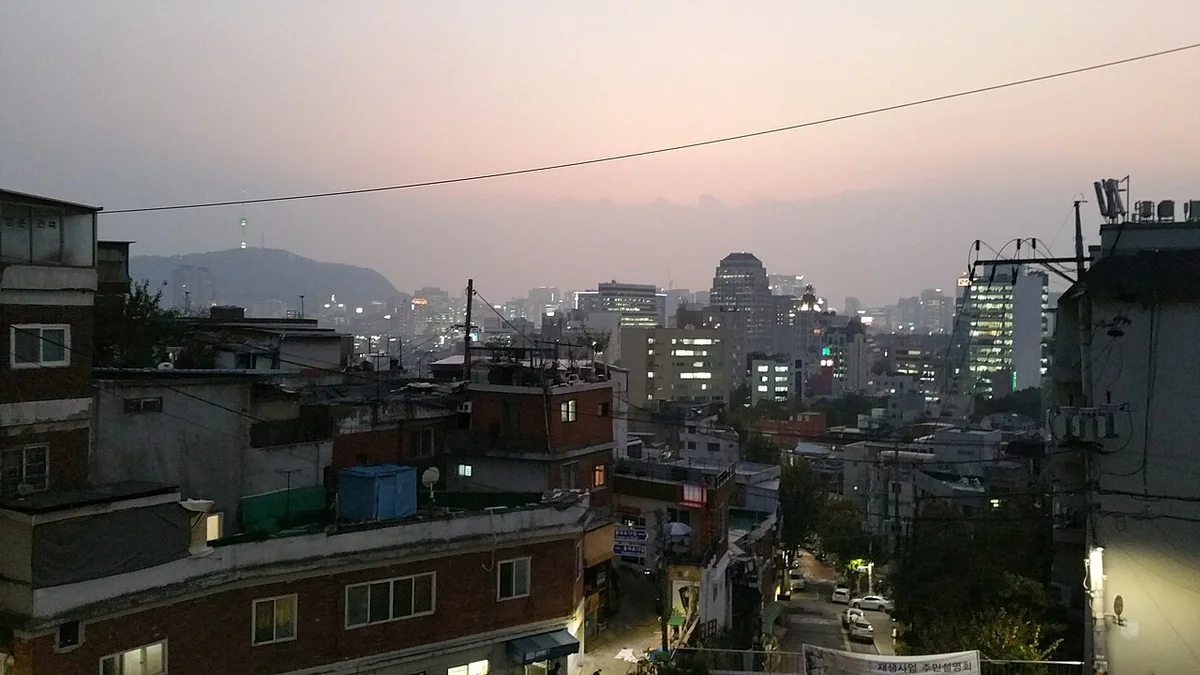
Sweeping panoramic view overlooking the heritage ensemble of Ihwa Mural Village in Seoul.
To truly appreciate the celebrated local flavors around Ihwa, one must look back to the difficult postwar decades, when resourcefulness in the kitchen became vital to sustaining family culture. Traditional dishes here are neither ostentatious nor ornate like royal court cuisine; instead, they are hearty, down-to-earth, and remarkably refined in ingredient preparation. Specialties such as dakhanmari—whole chicken simmered in a rich, clear broth—and sundae gukbap—savory blood sausage soup served with steaming rice—became symbols of community solidarity in the historic neighborhoods bordering Dongdaemun Market and Ihwa. Slow-simmered bone broths here adhere to time-honored seasoning ratios in which ginger, garlic, onions, and astragalus root are balanced to remove any gaminess while drawing out clean, natural sweetness from the marrow without artificial enhancers.
Around the foot of Naksan Hill and the neighborhoods bordering Ihwa Village, food streets pulse with unmistakable character. Heunginjimun Market Street and its adjacent alleys gather eateries specializing in sundae and spicy stir-fried pork offal, where veteran cooks work giant cast-iron griddles, tossing tender, snappy bites with cabbage, perilla leaves, and homemade family-recipe gochujang chili paste. Meanwhile, heading toward the Daehakro university district, the dining scene takes on a livelier, more youthful energy with cozy eateries serving kalguksu, traditional hand-cut knife noodles. Its broth is simmered for hours from dried anchovies and kombu kelp for deep umami richness, paired with hand-rolled, hand-sliced wheat noodles offering ideal chewiness alongside crisply fermented white radish kimchi.
Beyond hearty savory dishes, the custom of enjoying traditional teas and confections around Ihwa is a poetic art of slow living reflecting ancient Korean harmony with nature. Here, traditional teahouses housed inside thoughtfully restored hanok courtyards uphold graceful rituals of brewing and serving tea. Wild chrysanthemum blossoms gathered on Naksan slopes in autumn, balloon-flower root (doraji) tea, and jujube tea slow-simmered with pure honey are steeped in clay teapots
Situated on the steep slopes of Mount Naksan in Seoul, Ihwa Mural Village is far more than a visual sightseeing spot—it is a living museum reflecting South Korea’s modern urban transformation from an impoverished hillside neighborhood into a humane community art space. To make your exploration of this distinctive cultural enclave as rewarding and meaningful as possible, mastering practical insights on timing, transportation, etiquette, and local social norms is essential for every international visitor. The village was revitalized through the 2006 Public Art Project launched by South Korea’s Ministry of Culture, Sports and Tourism to soften the marks of time and improve living conditions for working-class residents. Because of this delicate weave of everyday residential history and contemporary art, experiencing Ihwa calls for sensitivity and genuine empathy from visitors.
In terms of climate and ideal seasons, Ihwa Mural Village displays shifting beauty across the Korean Peninsula’s four distinct seasons. Spring, from March to May, greets visitors with cherry blossoms blooming along steep walkways paired with mild, crisp weather ideal for unhurried walking tours. Autumn, from September to November, is a golden season when fiery orange and crimson maple leaves drape historic rooftops, creating nostalgic, photogenic scenes at every turn. Conversely, summer brings sweltering heat, high humidity, and sudden downpours, while winter delivers biting cold and heavy snow that can make Ihwa’s winding slopes slippery, requiring extra caution if visiting during those months. Within a single day, the prime window to visit Ihwa is in the morning between 9:00 AM and 11:00 AM—when soft morning light illuminates the murals before afternoon crowds arrive—or at sunset, when golden dusk bathes Seoul’s skyline seen from Naksan’s crest.
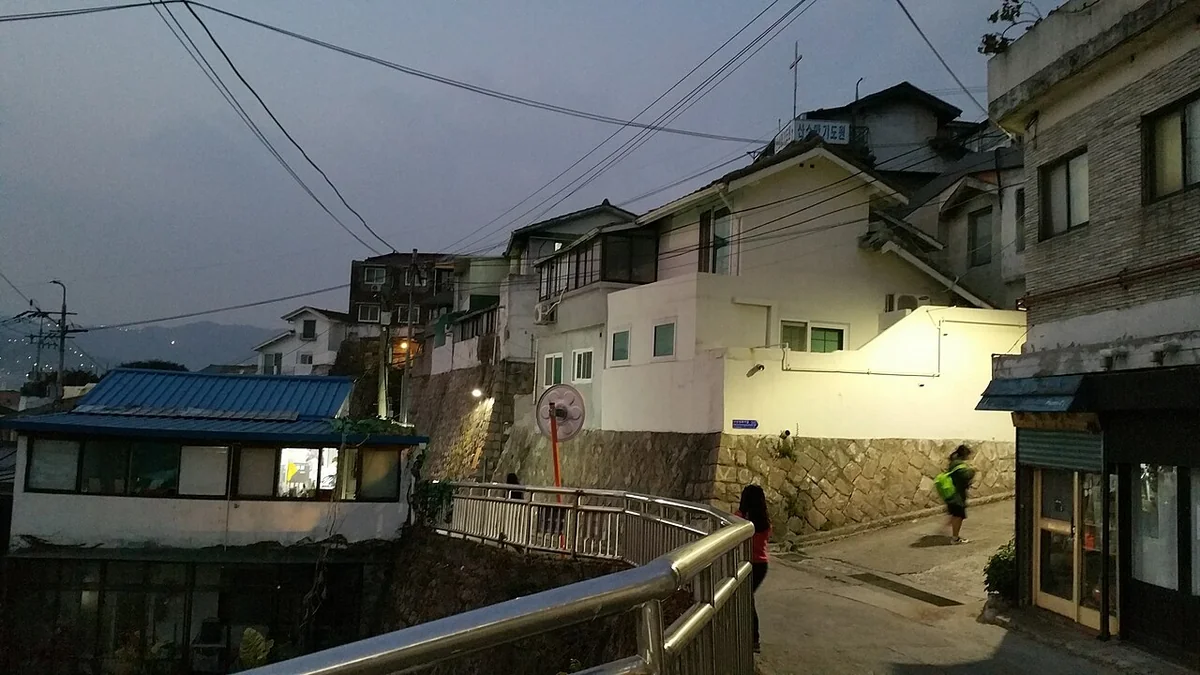
Actual on-site appearance and visitor infrastructure at Ihwa Mural Village in Seoul.
Seoul’s public transit network is renowned for precision and convenience, and Ihwa Mural Village connects seamlessly to it. The easiest and most recommended way to arrive is via the Seoul Subway combined with a short walk or local shuttle bus. Take Subway Line 4 (Blue Line) to Hyehwa Station and leave via Exit 2. From there, stroll through the lively Hyehwa university neighborhood, turn past Marronnier Park, and wind up the steep side alleys into Ihwa Village. The entire walk from the subway station to the heart of the village takes about 15 to 20 minutes and requires moderate stamina due to Naksan’s steep incline. For travelers with limited mobility or those visiting with older family members, hopping on the local Maeul village bus Jongno 03 near Hyehwa Station offers a convenient ride straight up near the main mural zone with minimal effort. Using a rechargeable T-money transit card is essential for seamless tap-and-go payment on both subways and buses without worrying about cash or paper tickets.
Regarding budget and admission fees, a heartening cultural detail for all travelers is that Ihwa Mural Village is completely open to the public with no entrance fee. There are no ticket gates or commercial turnstiles because it is a real, lived-in residential neighborhood rather than a closed theme park. However, this open access places an important moral responsibility on every visitor to respect public property and residents’ living spaces. In the past, several iconic murals—including the famous koi fish painted on stone steps and the sunflower staircase—were removed or painted over by frustrated residents overwhelmed by noisy, inconsiderate crowds. Paying no admission fee makes it all the more vital to pay a “cultural fee” through courteous manners, keeping pathways clean, and showing genuine consideration while exploring.
Cultural etiquette and local taboos at Ihwa Mural Village are essential lessons for anyone seeking to understand South Korean social values. Above all, remember that Ihwa is an active residential community home to many elderly citizens and multi-generational families, making peace and quiet the golden rule. Never shout, play loud music, or make excessive noise in narrow alleyways. When posing for photos beside murals or near front porches, loud chatter or blocking pedestrian walkways is considered deeply disrespectful. Furthermore, certain zones and artworks display “No Photography” signs to protect residents’ privacy; ignoring these notices violates basic courtesy and strains the delicate balance between local residents and tourism. Littering, smoking outside designated areas, or touching private house walls without permission are strictly taboo and may draw firm objections from locals.
Rounding out this comprehensive guide are a few practical tips to maximize your comfort on the hillside. First, appropriate footwear and clothing make all the difference over a full day of exploring. Because Ihwa consists largely of uneven stone stairs, steep inclines, and winding concrete lanes, supportive sneakers or walking shoes with good grip are mandatory—avoid high heels or slippery sandals. Dress in breathable layers that wick sweat in summer or retain warmth in winter, favoring neat, respectful attire suited to a traditional-meets-modern neighborhood. Pack a small daypack with drinking water and a compact umbrella or light rain jacket depending on the forecast, as convenience stores inside the village are sparse and keep limited hours. Finally, take time to step into small artisan workshops and independent cafés run by young local artists along the hillside, where you can sip warm tea, admire panoramic views of Seoul framed through the windows, and savor a rare, unhurried rhythm in the heart of a metropolis that never sleeps.