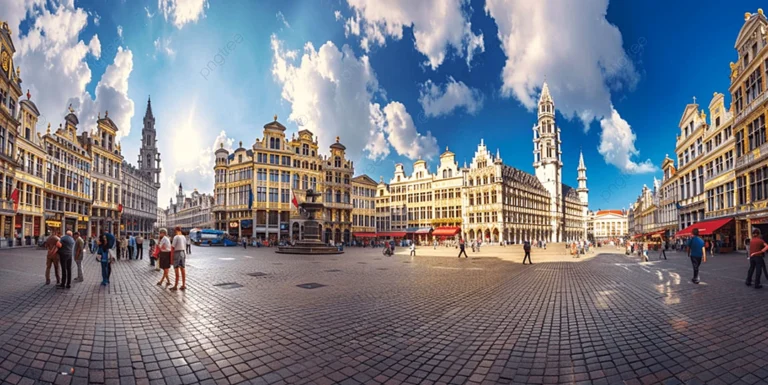
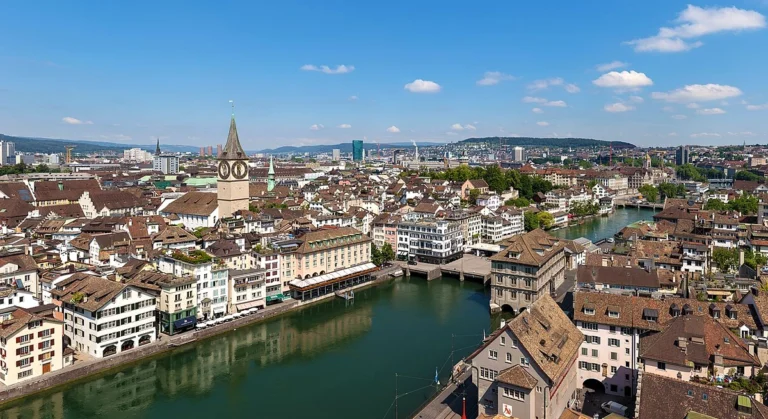
When speaking of Paris, the city of light and love, no symbol can rival the Champs-Élysées Avenue – the avenue of fame, a convergence of the pinnacle of French history, architecture, and culture. However, few know that before becoming the splendid boulevard we admire today, this land was once a wild, swampy area, a picture entirely different from its current magnificence. That miraculous journey of transformation is a long story, beginning with the grand ambitions of monarchs and the talented hands of illustrious architects.
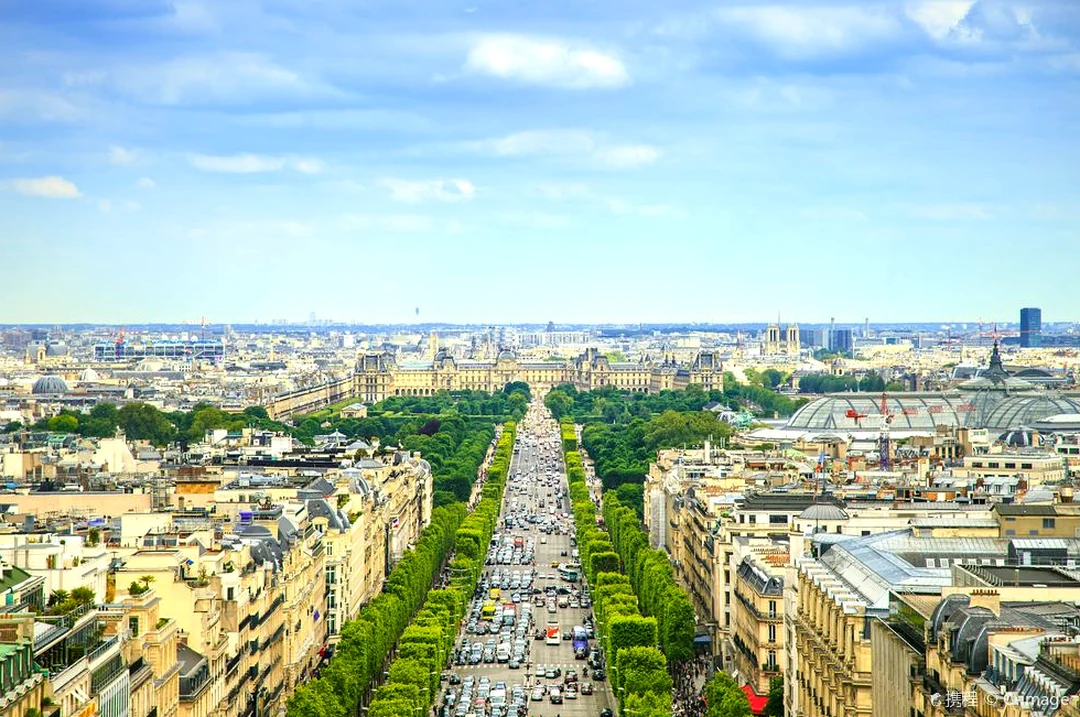
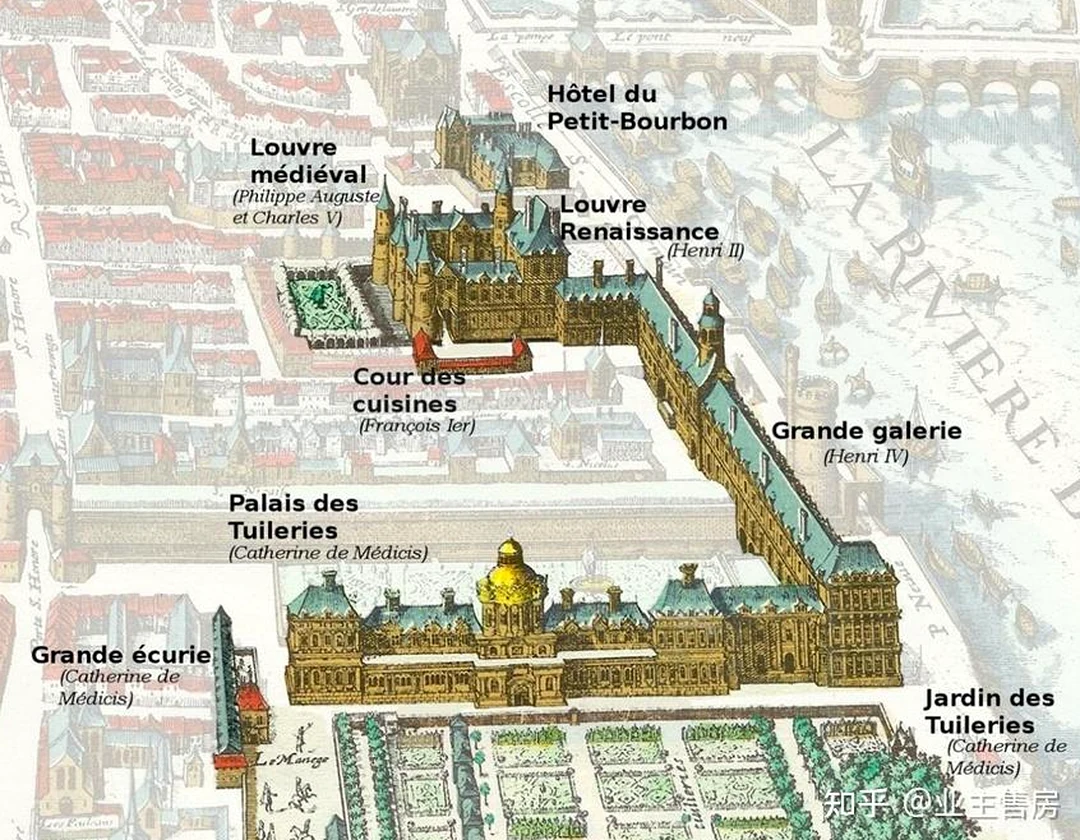
The origins of the Champs-Élysées trace deeply back to the 17th century, during the glorious reign of King Louis XIV, the “Sun King,” with his vision of creating a mighty empire and a capital worthy of it. In 1667, in an effort to expand the view from the Tuileries Palace westward, the renowned royal landscape designer André Le Nôtre – who created the legendary Versailles gardens – was commissioned to turn the swampy area and nurseries west of the Louvre into a straight promenade, a majestic landscape axis. This initial work was known as the Grand Cours, a vast pathway surrounded by greenery, opening a fresh public space for the Parisian aristocracy to stroll and display their wealth.
The symbolic name change took place in 1709, when the road was officially named the Champs-Élysées. This name was not merely a place name, but also a cultural manifesto, originating from the ancient Greek Elysian Fields. In Greek mythology, Elysium is the eternal resting place of heroes and noble souls, an earthly paradise brimming with light and beauty. This naming immediately elevated the avenue, endowing it with a transcendent meaning, turning it into a “paradise” in the heart of Paris where people could find peace and ideal beauty.
The 19th century witnessed profound transformations, shaping the appearance of the Champs-Élysées as we know it today. One of the greatest milestones is the decision of Emperor Napoleon Bonaparte. In 1806, to honor the French army after its resounding victory at Austerlitz, Napoleon ordered the construction of the towering Arc de Triomphe (Arc de Triomphe) at the western end of the avenue. This massive architectural work was not simply a symbol of victory but also a perfect architectural anchor, creating a straight, majestic axis extending from the Arc de Triomphe through the Champs-Élysées all the way to Place de Concorde and further to the Louvre, forming an unparalleled Axe historique (Historical Axis).
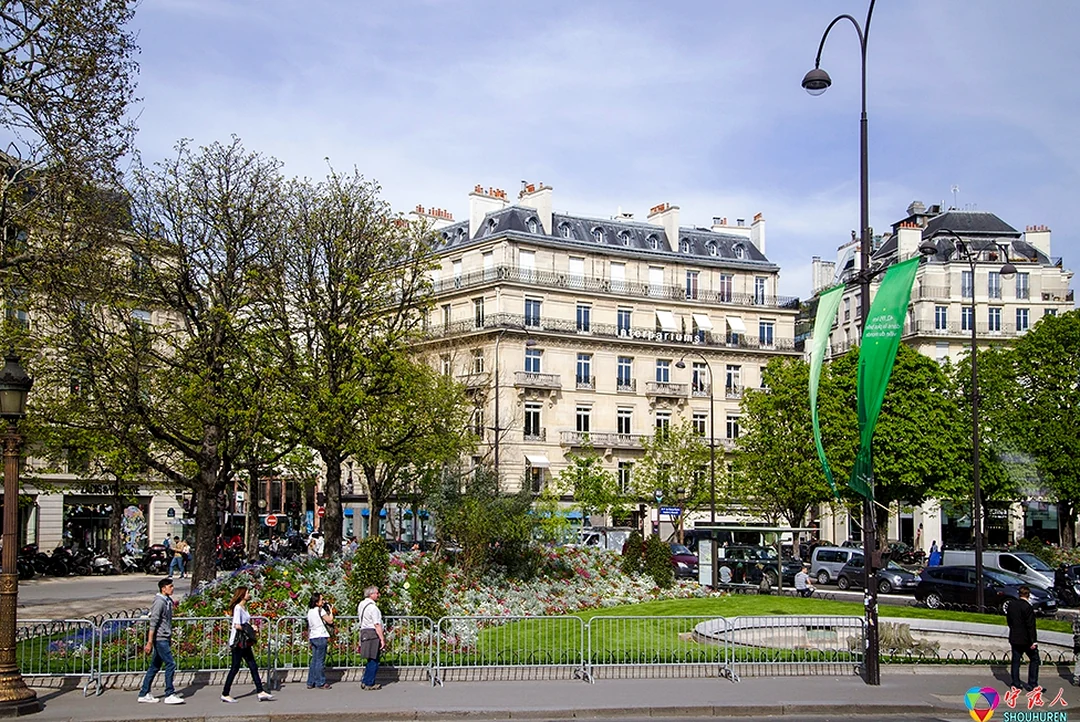
However, the person with the greatest credit in shaping the architecture and urban planning of the Champs-Élysées was Baron Haussmann, the chief architect of the great Parisian renovation under Napoleon III in the mid-19th century. It was Haussmann who transformed the Champs-Élysées into a vast boulevard with a length of 1,910 meters and an impressive width of 70 meters, clearly divided into two sections: the lower section near Place de Concorde is a lush green garden (Jardins des Champs-Élysées) with rows of maple and horse chestnut trees planted in strict alignment, while the upper section near the Arc de Triomphe concentrates luxury brands, cinemas, and restaurants. He imposed the French Neoclassical architectural style with a uniform facade system 5-6 stories high, intricate wrought iron balconies, and characteristic gray slate mansard roofs. The main construction material was Lutetian limestone, quarried from beneath Paris, bringing enduring and luxurious beauty, combined with granite-paved sidewalks, creating a harmonious and magnificent whole.
The Champs-Élysées is not merely an architectural work but also a valuable historical monument, having witnessed countless important events in France. From 1814-1815, this avenue witnessed Russian and European coalition troops parading after defeating Napoleon, a turbulent moment. By 1944, it once again became the stage for boundless joy when the French liberation army and General Charles de Gaulle marched to celebrate the liberation of Paris from Nazi German occupation, an image that has gone down in history as a symbol of freedom and independence. Today, the Champs-Élysées continues to be the center of national and international events, hosting the annual Bastille Day military parade (July 14) and serving as the dramatic final stage of the prestigious Tour de France bicycle race. From a wild, raw swamp, through the hands of geniuses and the vision of kings, the Champs-Élysées has risen to become a legendary boulevard, an eternal symbol of Paris’s greatness and indomitable spirit.
If the previous segment took us back to the memories of the birth of the Champs-Élysées Avenue, now let me, a traveler and cultural history expert, unveil the splendid picture of an architectural masterpiece, where every stone and every wrought iron balcony tells a story of supreme artistic value. This avenue is not merely a road, but a grand harmony of urban planning and design sophistication, a living testament to the timeless vision of French architects and planners.
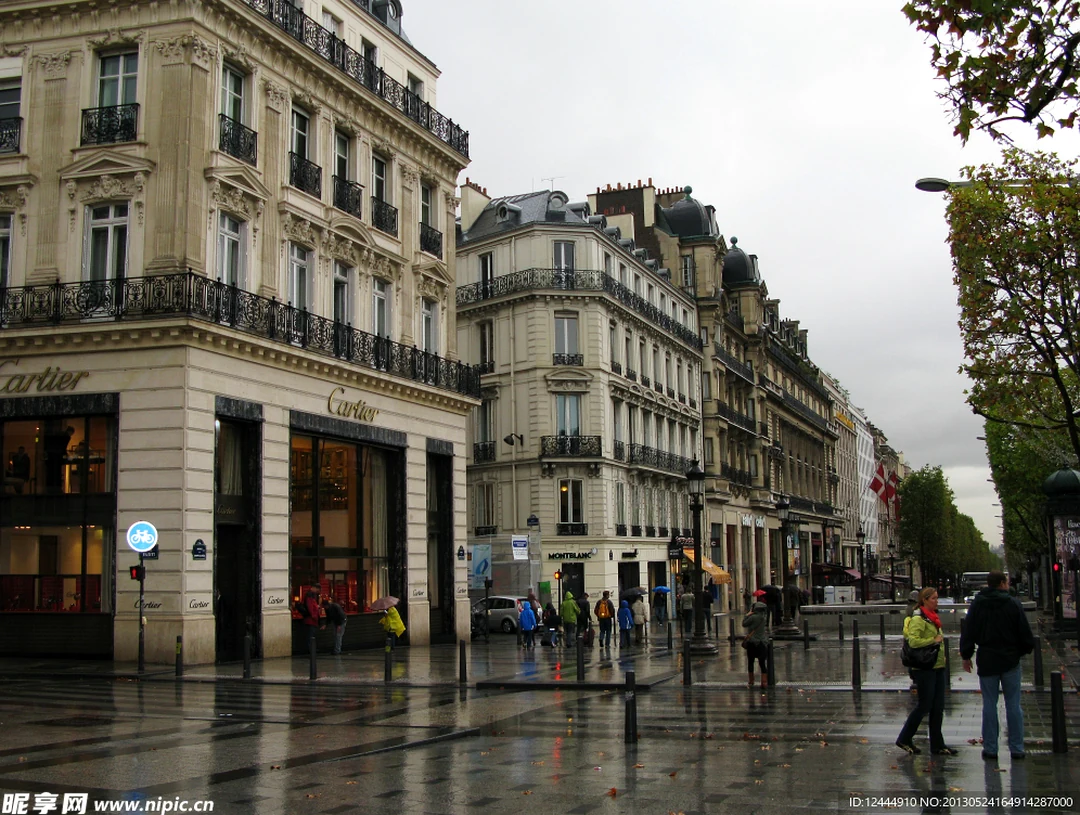
From the very first steps on the Champs-Élysées, one can feel a striking sense of majesty and harmony. This is no coincidence, but the result of a meticulous creation process that began with the vision of **André Le Nôtre** in 1667. As the royal landscape designer under King Louis XIV, he sketched the straight landscape axis, transforming a wild marshland into a royal promenade named *Grand Cours*. That vision shaped an open space, a grand stage for the architectural marvels that followed.
By the 19th century, under the talented hands of **Emperor Napoleon Bonaparte**, the avenue was adorned with an eternal symbol: the **Arc de Triomphe**. Construction began in 1806 to honor the French military, and this structure is not merely a triumphal arch, but an exquisite architectural highlight anchoring the western end of the avenue. It creates a majestic, straight axis stretching **1,910 meters** with a width of up to **70 meters**, pointing directly towards the Place de la Concorde. The presence of the Arc de Triomphe elevated the Champs-Élysées from a simple promenade into an avenue of profound historical significance and national symbolism.
However, the uniform and elegant neoclassical appearance we admire today is largely thanks to the grand urban renewal led by **Baron Haussmann** in the mid-19th century. As the chief architect, he standardized the facades of the buildings along the avenue, creating absolute harmony. A series of 5 to 6-story buildings featuring intricate wrought-iron balconies and signature gray slate mansard roofs transformed the Champs-Élysées into a living museum of **French Neoclassical** architecture. Every detail, from the decorative molding to the symmetrical windows, exudes a classic, luxurious, and enduring beauty.
Building materials also play a crucial role in creating the aesthetic value of the avenue. Most of Paris’s historic structures, including the Champs-Élysées, are built from **Lutetian limestone**—a stone quarried from beneath Paris. The characteristic light-yellow hue of this stone, combined with the natural light of the City of Light, creates a warm, ancient, and immensely charming ambiance. The wide sidewalks paved with durable **granite** not only ensure aesthetic appeal but also accommodate millions of visitors each year. Along both sides of the avenue, trees—primarily maples and horse chestnuts—are planted in strict rows, not only providing shade but also forming a lush green corridor that softens the grandeur of the architecture and brings a sense of relaxation.
The Champs-Élysées is divided into two distinct sections, each possessing its own beauty and function, reflecting intelligent and diverse urban planning. The lower section, near the Place de la Concorde, is a verdant garden known as the **Jardins des Champs-Élysées**. This is a peaceful space where visitors can stroll beneath ancient tree canopies, enjoy the fresh air, and admire artistic fountains. Conversely, the upper section, near the Arc de Triomphe, is a vibrant hub of luxury brands, cinemas, and renowned restaurants. This division not only balances nature and the city, but also establishes the Champs-Élysées as a multi-dimensional space where history, architecture, and modern lifestyle blend seamlessly. That is why, whenever I set foot here, I always feel as if I am stepping into a grand work of art, where every angle is a painting and every moment is an ultimate aesthetic experience.
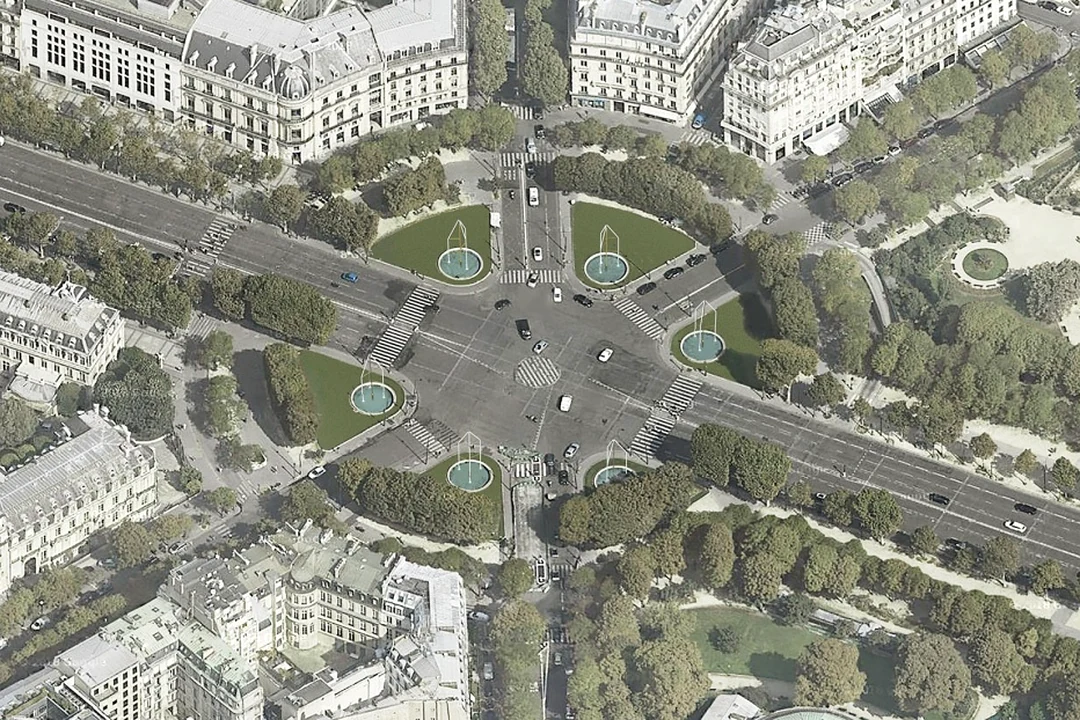
When stepping onto the Champs-Élysées, travelers are not merely walking down a street; they are immersing themselves in the flow of history, culture, and the luxurious Parisian lifestyle. This is not simply a vital thoroughfare, but a grand stage for the most “priceless” experiences, where every moment is crafted to become an unforgettable memory, a luxurious hallmark in the journey to discover the City of Light.
The first and irresistible highlight is the journey to conquer the summit of the Arc de Triomphe. From a height of 50 meters, after conquering about 284 challenging spiral stairs—an experience costing around 16 EUR (free for EU citizens under 26 and children under 18)—a million-dollar view opens up before your eyes. The entire Champs-Élysées avenue stretches proudly, like a golden silk ribbon leading toward Place de la Concorde, and further on to the Louvre Museum with the majestic Eiffel Tower looming in the distance. This is a one-of-a-kind vantage point where you can fully appreciate the grandeur of Parisian urban planning, a vibrant picture of ancient Haussmann architecture and the relentless flow of time.
Following the uplifting emotions from above, immerse yourself in the vibrant rhythm of life at the foot of the avenue. For iconic check-in photos, nothing compares to standing at the intersection with Avenue George V or the Rond-Point des Champs-Élysées. Here, you can frame the bustling traffic gliding past 5 to 6-story French neoclassical buildings with intricate wrought-iron balconies and characteristic gray slate mansard roofs. Every street corner exudes an elegant, luxurious beauty, serving as a testament to the enduring architectural style that shaped 19th-century Paris.
The “priceless” experience also lies in moments of savoring exquisite cuisine. One cannot miss sipping an afternoon coffee at legendary sidewalk cafes, most notably Fouquet’s. Operating since 1899, Fouquet’s is not merely a cafe but an icon, a place frequented by the elite and movie stars. Sitting here, enjoying an aristocratic Parisian breakfast with a flaky, fresh-butter croissant and a warm Café au Lait, you will feel the sophistication in every flavor and gesture of service, as if reliving the golden pages of Paris’s history. Or visit Macaron Ladurée at 75 Av. des Champs-Élysées, the sanctuary of French macarons. With an average price of 3-4 EUR per piece, each petite macaron is a work of art, an explosion of flavor. You must definitely try the ethereal Rose and the rich Pistachio to experience the perfect harmony between the crispy shell and the sweet, smooth cream filling.
Evenings on the Champs-Élysées take on a different, glamorous, and enchanting beauty. This avenue is the “Golden Entertainment Belt of Paris,” gathering historic theaters and cabaret venues. Whether watching an art performance at the magnificent Lido Theater or exploring independent art cinemas, you will be immersed in a world-class entertainment culture. Especially in winter, from November to January, the avenue is adorned with spectacular Christmas art lighting systems, turning every evening into a magical light show and transforming the Champs-Élysées into a wonderland in the heart of Paris.
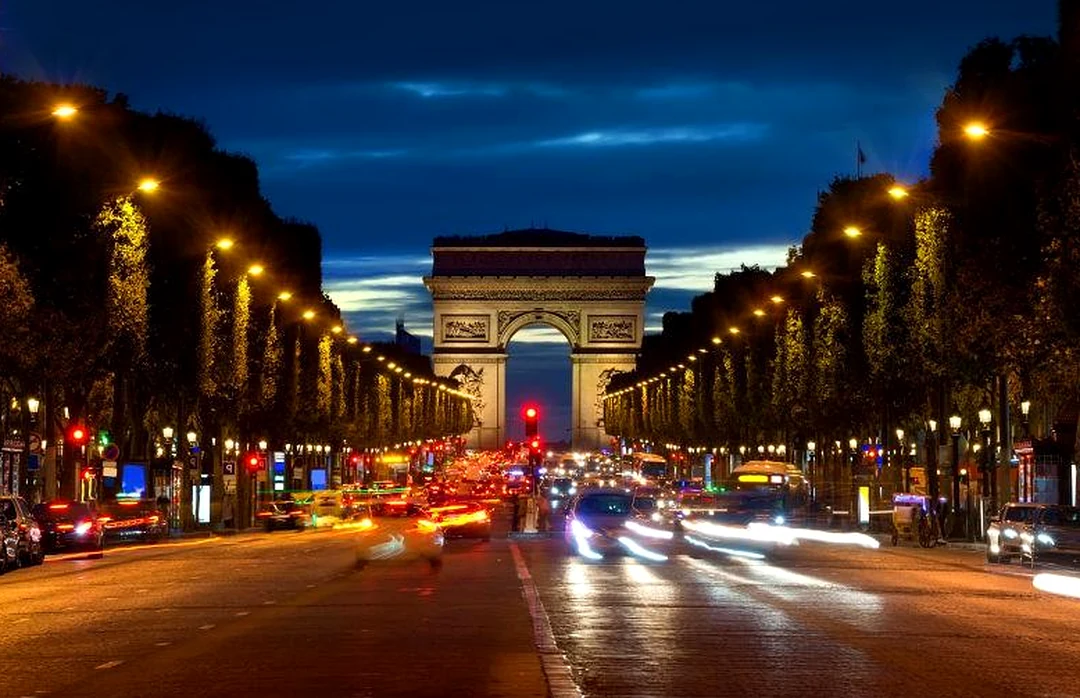
To complete these experiences, travelers are always recommended to prepare a Smart Casual fashion style. This not only helps you blend better into the luxurious atmosphere of the avenue but also ensures you receive more professional and attentive service when visiting high-end fashion stores or renowned restaurants. Whether strolling and sightseeing for free or paying for luxury privileges, the Champs-Élysées always knows how to pamper every sense, delivering timeless values that money can hardly measure.
When your footsteps are steeped in history and have fully admired the neoclassical architectural beauty along the Champs-Élysées Avenue, another journey—equally subtle and charming—awaits to awaken all senses: the journey to explore the local culinary map and unique dining culture here. The Champs-Élysées is not only a symbol of luxury and power, but also a vibrant culinary stage where traditional French flavors blend with the glamorous Parisian lifestyle, inviting travelers to immerse themselves in the art of fine dining.
Kicking off the gastronomic adventure, one cannot fail to mention Ladurée, the sanctuary of legendary macarons located at 75 Champs-Élysées Avenue. Stepping into Ladurée, you enter a fairytale world of gentle pastel colors, with the sweet scent of almonds and sugar lingering in the air. Each petite macaron, with its crisp shell and smooth cream filling, is a work of art. Visitors must try the ethereal Rose flavor, delicate like a freshly bloomed rose, or the rich, aromatic Pistachio flavor, delivering an unforgettable experience. With an average price of 3 to 4 EUR per piece, this is not merely a dessert, but a part of French culinary heritage, a symbol of elegance and sophistication that anyone would want to taste.
To experience an authentic, aristocratic Parisian breakfast, seek out Café Fouquet’s, a legendary sidewalk cafe operating since 1899 that has witnessed all the ups and downs of the avenue. Sitting at Fouquet’s, sipping a warm Café au Lait and enjoying a golden, flaky Croissant rich with the aroma of fresh butter, you will feel the slow, elegant pace of Parisian life. It is not just a meal, but a ritual, a quiet moment to observe the bustling crowd, passing cars, and feel the breath of one of the most prestigious avenues in the world. The flavor of fine French butter melts in your mouth, mingling with the mild bitterness of coffee, creating a perfect start to the day.
When night falls, the Champs-Élysées and nearby streets like Rue de La Boétie (crossing the avenue) transform into a haven of traditional French bistros. Here, you can find classic dishes rich in local flavors. Le Gabriel, or smaller, cozier bistros, will take you on a profound culinary exploration journey. Do not miss the famous Steak Frites, featuring tender, juicy beef cooked to perfection, served with crispy french fries and signature green peppercorn sauce. Alternatively, try Coq au Vin, a traditional stew with chicken simmered long in Burgundy red wine, mushrooms, and bacon, delivering a warm, robust flavor deeply imbued with the essence of French countryside cuisine.
And if you are a seafood lover, the Brasserie Champs-Élysées restaurants will be an ideal choice. This place is famous for its carefully selected fresh seafood, especially the rich Mediterranean oysters with a salty ocean flavor, usually served on a bed of crushed ice with fresh lemon and mignonette sauce. Besides, the authentic French onion soup with melted cheese (Soupe à l’oignon gratinée) is also an unmissable experience. The piping hot bowl of soup, fragrant with caramelized onions, topped with a golden, melted, slightly charred layer of Gruyère cheese, brings warmth and rich flavor, serving as the perfect appetizer for a romantic dinner in Paris.
The culinary culture at Champs-Élysées is not just about tasting the food, but also about immersing yourself in the ambiance, feeling every tiny detail from the table setting, flickering candlelight, to the gentle clinking of glasses and whispering stories. It is a harmonious combination of flavor, space, and emotion, creating a multi-dimensional, unforgettable dining experience. From delicate macarons, elegant breakfasts, to cozy dinners at a luxurious bistro or brasserie, every dish on the Champs-Élysées Avenue tells a story of Paris’s history, culture, and lifestyle, inviting visitors to explore and fully enjoy it.
After immersing ourselves in the glorious flow of history, admiring the magnificent neoclassical architecture, and tasting the exquisite culinary flavors along the Champs-Élysées Avenue, it is now time to equip ourselves with an essential pocket guide. Because for the journey of discovering the “most beautiful avenue in the world” to be truly complete and safe, thorough preparation is the golden key that any sophisticated traveler needs to hold.
So, when is the ideal time to immerse yourself in the rhythm of life on the Champs-Élysées? According to experience, this avenue has a distinct beauty in each season, but there are two most prominent periods. First is spring, from April to June. When the lingering drizzles of March give way to honey-colored sunshine, the Champs-Élysées awakens in the lush green of maple and horse chestnut trees, dotted with countless blooming flowers. The cool, fresh weather turns the avenue into a vibrant painting, inviting visitors to take a leisurely stroll and breathe in the romantic Parisian air. Conversely, if you yearn for a magical Paris, visit in winter, from November to January. The Champs-Élysées then dons a magnificent cloak of millions of Christmas lights, turning every step into a stroll through a fairy tale. The festive spirit spreads everywhere, from brilliantly decorated stores to cozy Christmas markets, bringing an unforgettable experience like no other.
Regarding sightseeing tickets and costs, the good news is that walking along the Champs-Élysées Avenue is completely free 24/7. You can freely explore, admire the shops, cafes, and enjoy the vibrant atmosphere at any time. However, to get a “million-dollar” view from above, especially the straight view of the avenue leading towards the Eiffel Tower and the Louvre Museum, you will need to buy a ticket to climb to the top of the Arc de Triomphe. The cost for this experience is around 16 EUR/person. A small note is that EU citizens under 26 and children under 18 get free admission, a wonderful perk for families and young travelers.
Although the Champs-Élysées is a symbol of luxury and civilization, like any other famous tourist destination in the world, visitors also need to equip themselves with safety notes to avoid unwanted risks. Unfortunately, this avenue is a hotspot for pickpocketing, fake charity donation scams, or the “dropped gold ring” trick. To protect your belongings and experience, always keep a high level of vigilance. Never wear expensive designer watches overtly, always wear your backpack or handbag in front of your chest, and especially, do not sign any documents or accept bracelets from approaching strangers. These small actions will help you stay away from unwanted troubles and fully enjoy your trip.
Regarding dress codes, the Champs-Élysées is a gathering place of style and elegance. Although there are no overly strict rules, choosing Smart Casual fashion will help you blend in better with the surrounding space and especially receive more professional service when visiting high-end fashion stores (flagship stores of Louis Vuitton, Dior…). Finally, keep in mind that the commercial opening hours of major stores are usually from 10:00 to 20:00. Most stores will close on Sundays according to French labor law, except for the restaurant area and some major brands with their own policies. Grasping this information will help you plan your shopping and dining effectively, avoiding wasted time and enjoying every precious moment on this legendary avenue.
After a wandering journey exploring every corner of history, architecture, and elite experiences that the Champs-Élysées Avenue brings, we have together immersed ourselves in the endless beauty of a Parisian icon. From its early days in 1667, when André Le Nôtre turned a swamp into the *Grand Cours* under the reign of King Louis XIV, to officially taking the name **Champs-Élysées** in 1709, and then being adorned with the majestic Arc de Triomphe by Emperor Napoleon Bonaparte, this avenue has witnessed and shaped countless historical events, from the victory parades of 1814-1815 to the liberation of Paris in 1944. Now, as the stories have settled, we invite you to step into a new chapter, where those heritage values are connected and elevated into a world-class travel experience.
}
At VDS Travel, we don’t just view the Champs-Élysées Avenue as a mere destination for sightseeing or shopping. With a unique product structuring strategy, this avenue is positioned as the **”Spine axis connecting French cultural heritage”**, a flowing stream through the heart of Paris, guiding travelers to the authentic French lifestyle – *Art de vivre*. VDS Travel understands that our clients are refined souls seeking high-end, luxurious experiences where every single moment is meticulously cared for. For this reason, the Champs-Élysées becomes an indispensable highlight in VDS Travel’s **High-end & Luxury Tours**, where elegance and class are expressed through the smallest details.
The integration of the Champs-Élysées into VDS Travel’s itineraries is a testament to our strategic vision. This avenue is not merely an independent stopover but a seamless link within a captivating European discovery chain. You can envision a journey starting from glamorous Paris—where the Champs-Élysées serves as the starting point for cultural explorations—continuing to the Loire Valley with its ancient castles, or further to the sun-drenched Southern coast. Alternatively, in our multi-country European tours, the Champs-Élysées acts as a gateway opening up a cross-border journey, connecting Paris with historic Brussels and romantic Amsterdam, creating a multi-colored experiential canvas rich in culture and history.
What sets VDS Travel apart are the **privileges** that VDS Travel reserves exclusively for our travelers. When journeying with VDS Travel, you will no longer have to worry about long waiting lines. VDS Travel provides **VIP Access** to the world’s leading luxury boutiques along the avenue, from Louis Vuitton to Dior, where you can leisurely shop without interruption. VDS Travel also takes pride in our ability to reserve the best seating locations with the finest views at historic restaurants like Fouquet’s, where you can enjoy an aristocratic Parisian breakfast featuring crispy croissants and Café au Lait, or sip afternoon coffee in a luxurious, antique ambiance. Every meal and every moment is arranged to become an unforgettable memory.
Furthermore, VDS Travel’s team of **Expert Tour Leaders** are true scholars with thorough knowledge of French architecture and urban history. They will not only guide the way but also act as storytellers and inspirations, helping you gain a deep understanding of every tiny detail on this 70-meter wide and 1,910-meter long avenue. From stories about Lutetian limestone used to build these structures to the significance of the plane and horse chestnut trees planted in strict rows, everything comes to life through an expert perspective. You will experience the sensation of standing from the observation deck at the top of the Arc de Triomphe, gazing at the panoramic view of the grand avenue toward the Eiffel Tower and the Louvre Museum, not just with your eyes but with your soul, guided by profound knowledge.
Imagine a romantic afternoon when the sunset casts its glow over the grey slate mansard roofs, as you savor Ladurée macarons in rose or pistachio flavors, priced at just 3-4 EUR each—a refined culinary experience carefully handpicked by VDS Travel. Or a cozy dinner at a traditional French bistro along Rue de La Boétie, enjoying authentic Steak Frites or Coq au Vin, all within your fingertips when choosing VDS Travel. VDS Travel also always puts travelers’ safety first, with detailed warnings about pickpocketing and Smart Casual dress codes so that you can enjoy your trip fully and with absolute peace of mind.
The Champs-Élysées Avenue, whether in the vibrant blooming spring or the magnificent winter adorned with Christmas lights, carries a distinct beauty and an irresistible charm. VDS Travel is committed to bringing you a journey that is not just tourism but a cultural adventure, a vibrant and memorable experience. Don’t miss the opportunity to discover the timeless beauty of Paris and Europe with us. Let VDS Travel turn your travel dreams into reality, with comfort, luxury, and privileges found nowhere else. We invite you to explore these heritage routes and experience the essence of Europe. Visit All-Inclusive Tour right now to book your spot and begin your memorable journey today. VDS Travel – Where every trip is a masterpiece.