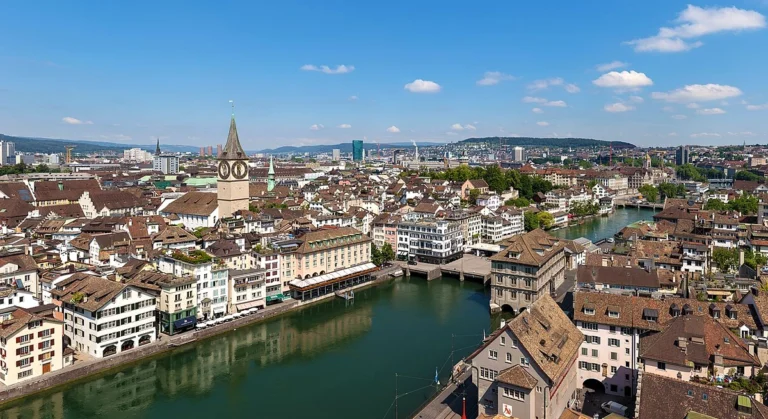
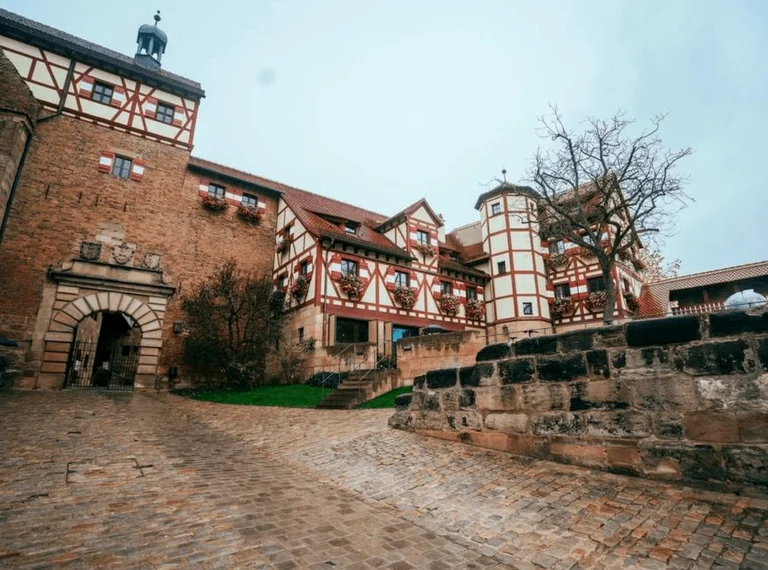
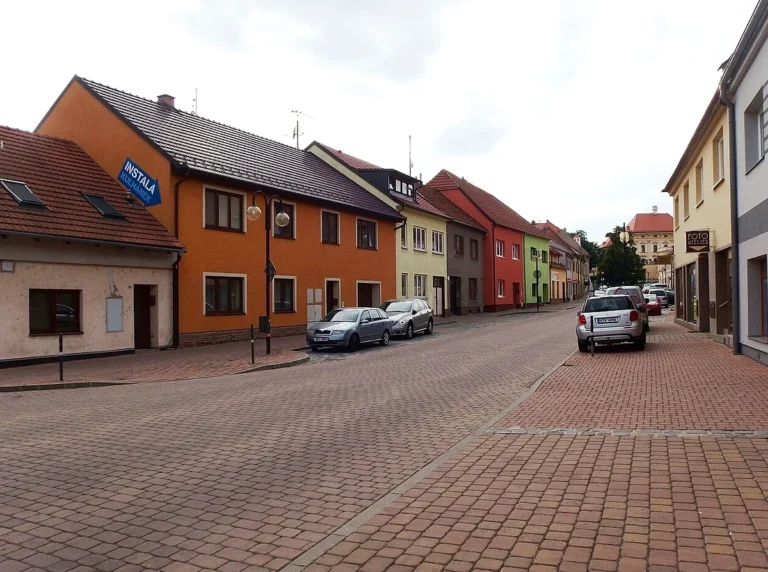
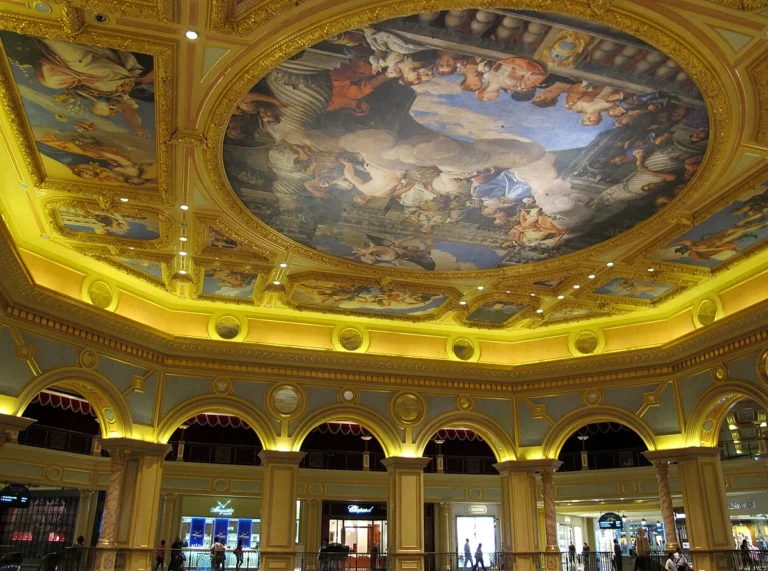
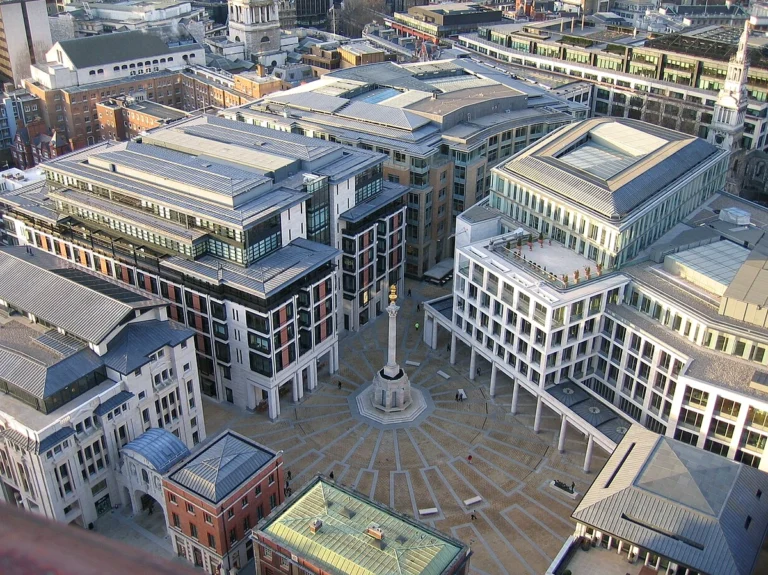
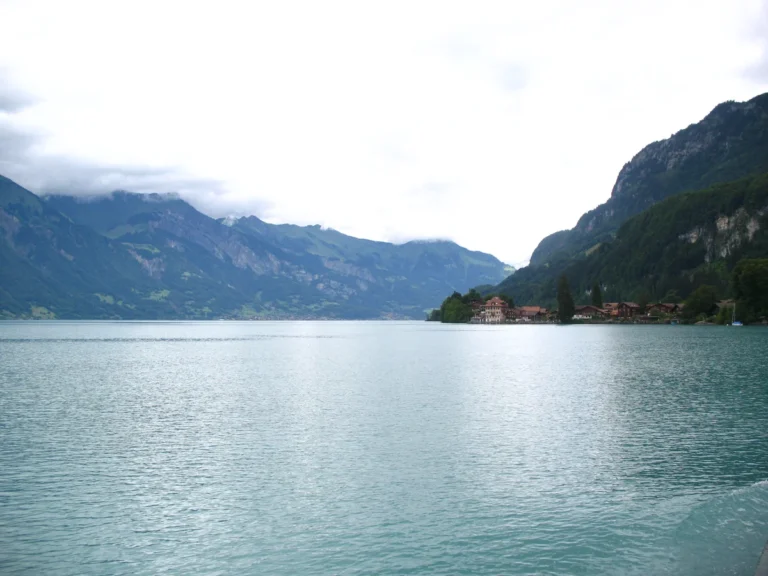
A journey back in time to the upper reaches of the legendary Danube reveals a contemplative landscape where nearly two millennia of history still linger beneath the ancient cobblestones of Linz. Originating in the 2nd century BCE, the area began as a modest Celtic settlement named “Lentos,” derived from the native tongue meaning “bend”—a precise reference to the majestic sweep of the Danube as it curves through the region. When the wheel of history turned to the 1st century CE, the ambitious Roman Empire pushed south of the Danube, conquering the territory and establishing a strategic outpost. A fortified frontier stronghold was erected under the Latin name “Lentia,” serving as a sturdy bulwark against fierce raids by Germanic tribes across the river. Over the shifting tides of time, as Roman civilization receded into memory, the names “Lints” and “Linze” emerged during the Middle High German period, marking the linguistic evolution of a steadily growing community.
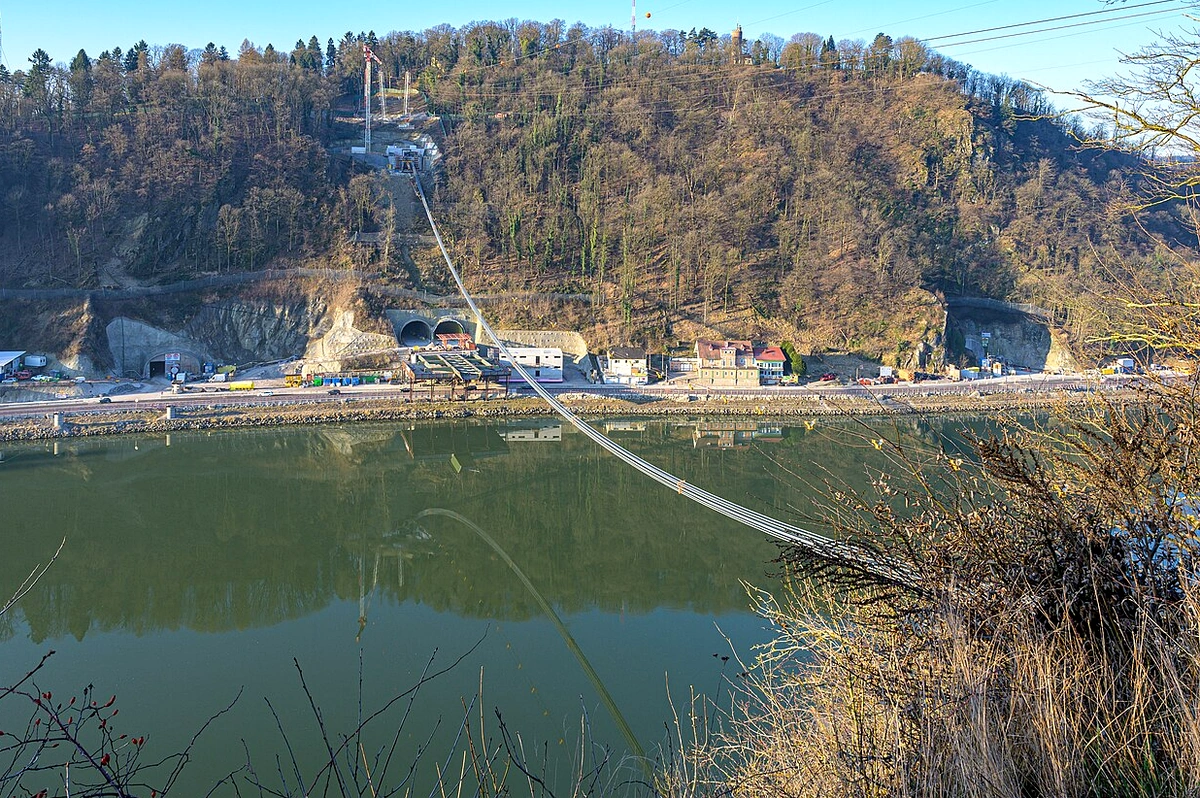
The earliest official written record documenting Linz on the administrative map of Europe dates to 799 CE, preserved in ancient Carolingian land charters under the name “Linehis.” From a sparsely populated outpost, Linz gradually rose to become one of Central Europe‘s most vital commercial and political hubs. The city’s golden turning point came under the Habsburg dynasty, when Holy Roman Emperor Frederick III chose Linz as the de facto imperial capital from 1489 to 1493. Overnight, it became the supreme seat of power, hosting court councils on momentous state policies as well as Imperial Diet assemblies, infusing this riverside city with the solemn grandeur of royal authority.
The passage of time in Linz was shaped not merely by swords and imperial decrees, but also illuminated by the brilliance of human knowledge. The city had the honor of welcoming and hosting the great astronomer Johannes Kepler, who served as provincial mathematician in Linz from 1612 to 1626. Within this tranquil riverside setting—amid the profound religious and social upheavals of the Counter-Reformation—Kepler worked tirelessly to complete his enduring astronomical masterpiece, “Harmonices Mundi” (The Harmony of the World). It was right here that his brilliant mind deduced the Third Law of Planetary Motion, bestowing upon humanity one of the greatest leaps in the history of science and transforming Linz into a quiet sanctuary of natural philosophy.
The 20th century saw Linz traverse the most tragic and turbulent chapters of modern history. During World War II, thanks to its abundant heavy industrial resources and prime river transport network, Linz was designated by Nazi Germany to become one of the “Führer Cities” (Führerstadt). The city suffered deep scars from wartime devastation and ideological distortion. Yet, much like the unstoppable vitality of the Danube itself, Linz resolutely shook off the ashes of the past to undergo a remarkable metamorphosis. From a war-scarred heavy industrial center, the city reborn itself into one of Austria’s premier hubs for cutting-edge technology and contemporary art, harmoniously blending a thousand-year imperial heritage with the innovative spirit of the digital age.
Viewed through the lens of human geography and spatial culture, locating Linz on the map of Central Europe is far more than reading its coordinates at 48°18′ N latitude and 14°17′ E longitude—it is admiring a supreme masterpiece of natural layout. The city sits at an extraordinary, strategic crossroads where the southern edge of the ancient Bohemian Massif meets the northern foothills of the majestic Alps, stretching across a fertile alluvial plain along the Danube Valley. Tectonic collisions millions of years ago sculpted a dual-character terrain where people since antiquity followed nature’s cues to establish a renowned commercial and cultural stronghold beside Europe’s mother river.
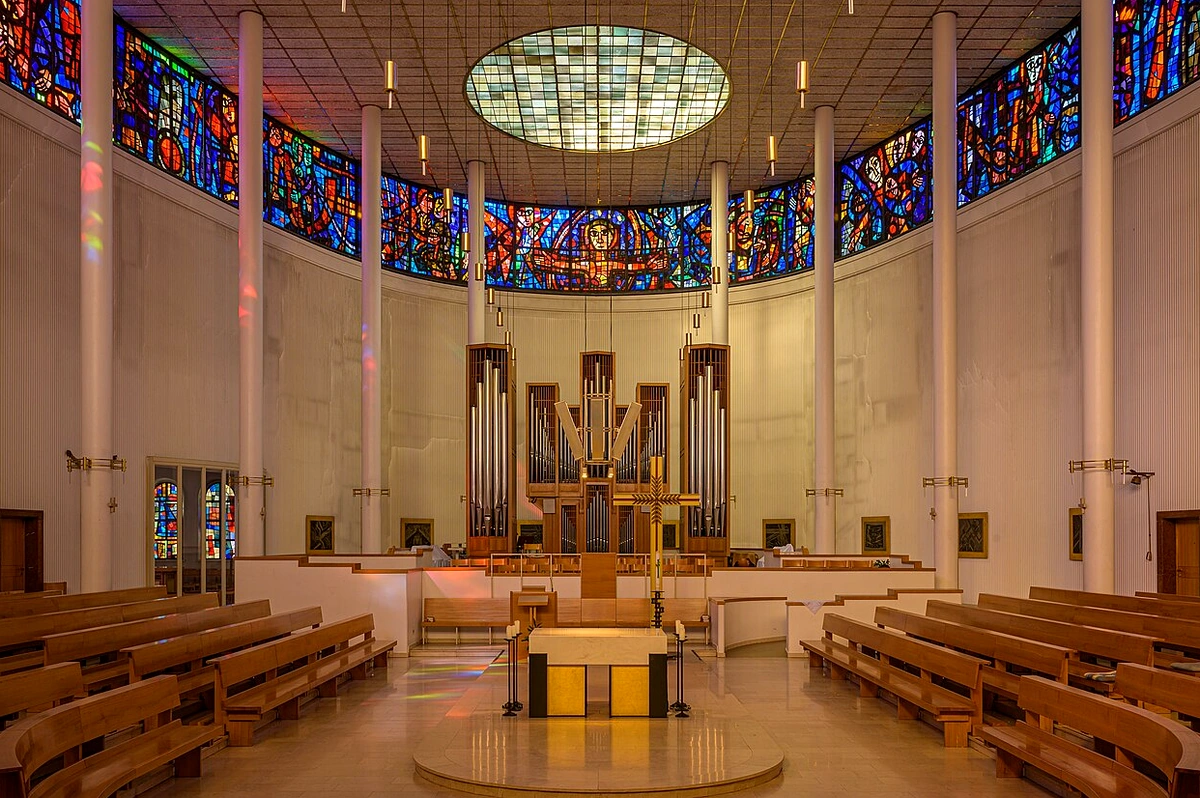
In terms of topography and urban spatial arrangement, Linz is both divided and united by the lifeblood of the Danube, forming two riverbanks with contrasting yet complementary identities. The left bank—known as Urfahr to the north—rises in terraced hills that connect directly to the vast primeval woodlands of the Bohemian Forest. It embodies the classic geomantic ideal praised by sages East and West alike: backed firmly by rugged mountains and facing squarely onto a sweeping river. Conversely, the right bank showcases the historic Old Town, spread across a broad, relatively flat alluvial plain. Here, the Danube curves like a silver ribbon, naturally forming a defensive moat while serving as an arterial trade route that nourished regional prosperity for centuries.
The macro-spatial philosophy of Linz’s pioneering planners is evident in their strategic embrace of mountain and river to capitalize on a commanding geographic position. This was a fateful crossroads of trade history, where the east-west current of the Danube intersected ancient overland trade routes running from Bohemia across mountain passes down into northern Italy. Merchant caravans and horse-drawn wagons laden with salt, iron, and textiles once bustled through here, making Linz an irreplaceable economic transit hub. Beyond commerce, the Danube also acts as a colossal natural climate regulator. The immense thermal capacity of its waters moderates the microclimate of the entire Linz basin—tempering biting winter chills and bringing refreshing summer breezes—creating a mild ecological zone ideal for human settlement from prehistory into the modern era.
The engineering mastery behind taming river currents and organizing urban infrastructure in Linz testifies to the timeless foresight of early engineers and rulers. To shield the Old Town from the Danube’s seasonal floods, sturdy stone embankments, levees, and auxiliary channels were ingeniously engineered in the Middle Ages and continually upgraded during the Renaissance and Baroque eras. Spatial planning never fought against the natural flow; instead, it sought dialogue with the water. Expansive squares, rows of buildings following the gentle curve of the riverbanks, and systematically engineered underground passages and drainage networks built from the 19th century onward have made Linz one of the most terrain-adaptive cities in the Danube basin, seamlessly balancing defense, commerce, and civic beauty.
Immersing oneself in the cultural and artistic fabric of Linz along the Danube feels like stepping into a living architectural museum, where medieval history, Renaissance vitality, and Baroque splendor interweave into an unrivaled urban symphony. Linz’s architectural landmarks are far more than inert stone; they preserve the pinnacle of Central European medieval defensive engineering alongside the elevated aesthetic sensibilities of royal dynasties. Strolling down each street reveals an impeccable spatial order in which every cornerstone monument carries stories that endure across the centuries, vividly reflecting the ambition and stature of a Danubian seat of power.
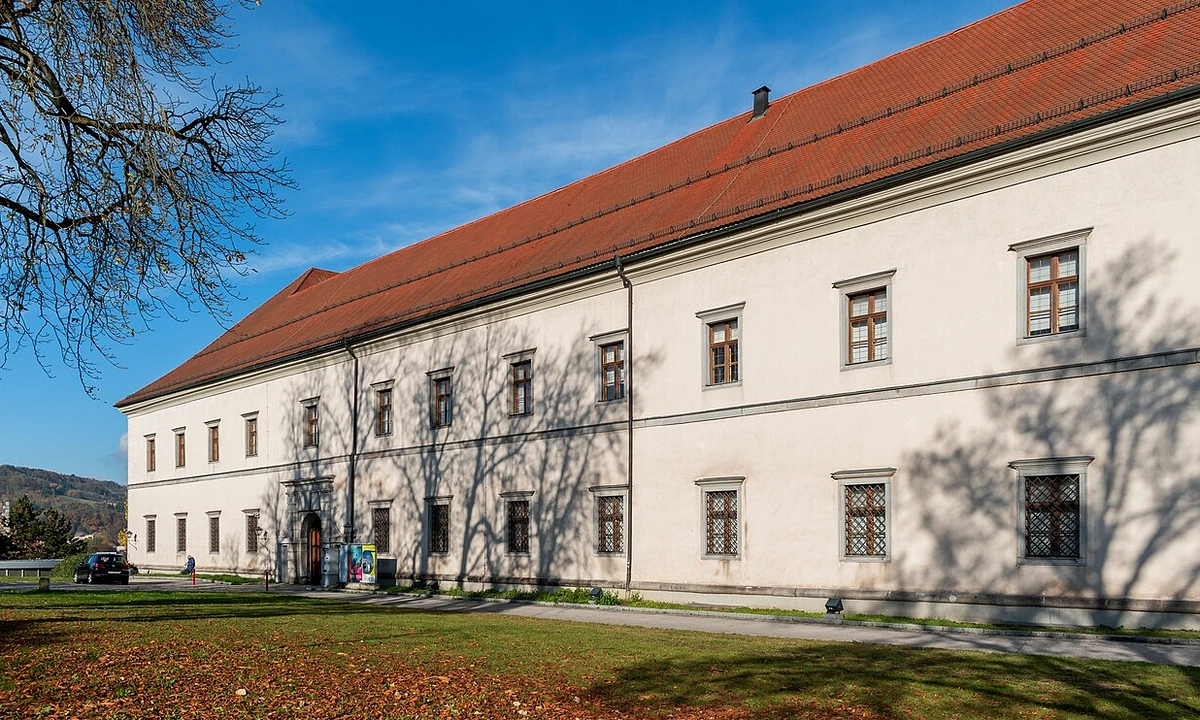
Deciphering Linz’s architectural heritage begins at Linz Castle, perched imperiously above the rushing river. Originally built as a formidable medieval fortress tasked with guarding the strategic gateway to Upper Austria, it underwent extensive reconstruction under Emperor Frederick III and his successors in the 16th century, transforming into an Italian Renaissance-style residence while retaining quintessential Germanic defensive pragmatism. The artistic centerpiece of enduring value is the Frederick Gate (Friedrichstor), a sculptural masterwork preserving intricate carvings set against red brick and sandstone. From afar, the castle’s imposing boxy massing blends harmoniously with the delicate stonework of its entrance gate, symbolizing a transition of power and culture across two transformative centuries.
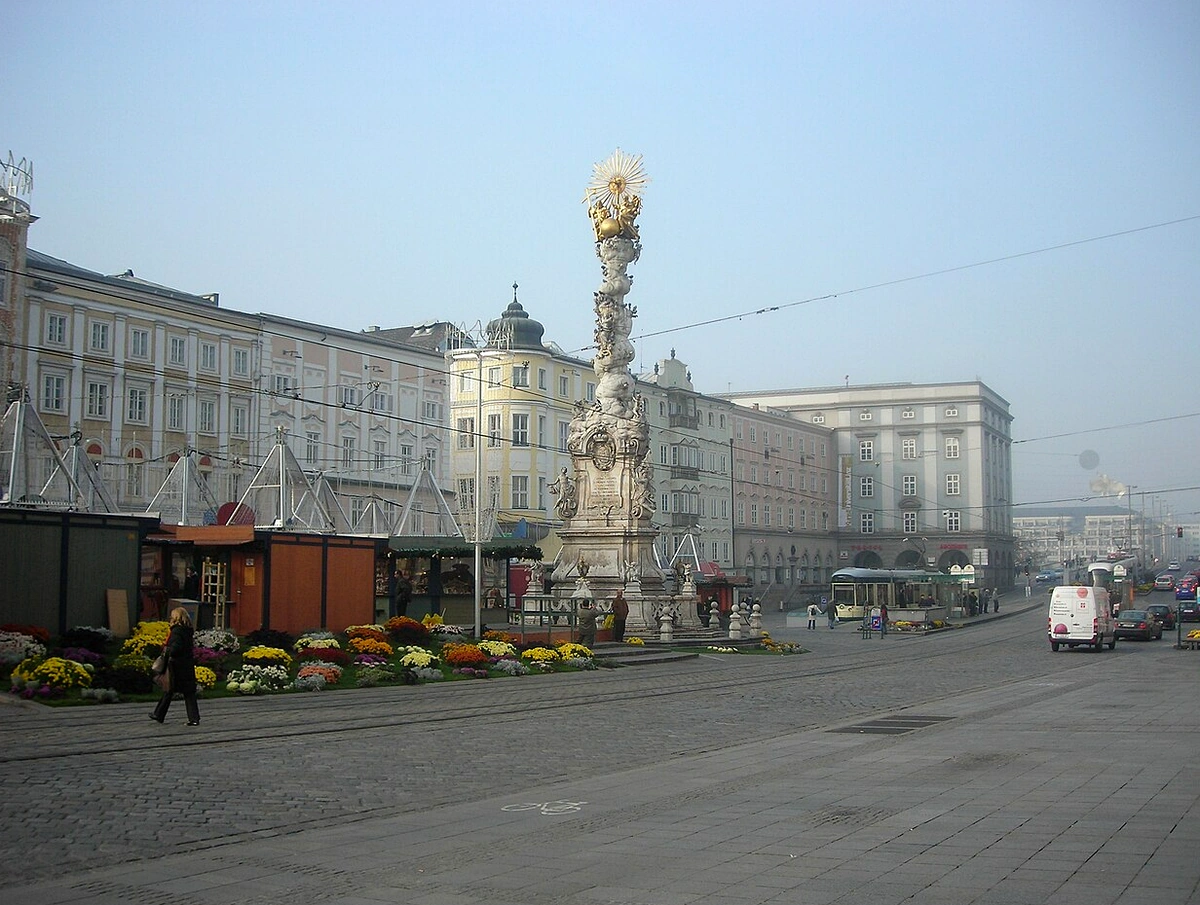
Descending from the hilltop fortress, the pulse of city life draws visitors into the grand civic expanse of the Main Square (Hauptplatz) and the Old Town Hall (Altes Rathaus). Covering roughly 13,200 square meters, Hauptplatz stands as one of Europe’s largest enclosed rectangular public squares, having witnessed centuries of commercial ebb and flow and civic life in Linz. Standing quietly yet proudly along the square is the Old Town Hall, begun in 1504. This landmark is a vivid testament to architectural synthesis, artfully pairing a sturdy Gothic-influenced core layout with an ornate Baroque facade added in the 17th century. Exquisitely molded stucco reliefs and airy arcaded courtyards make the Old Town Hall an exemplary showcase of early modern exterior and interior decorative artistry.
Completing Linz’s core heritage triangle is the Old Cathedral (Alter Dom), also known as the Church of St. Ignatius—a sacred masterpiece steeped in early Jesuit Baroque style. Erected by Jesuit priests between 1678 and 1683, the church makes an immediate impression with its bold rusticated stonework exterior, conveying monumental strength and permanence. Stepping through the heavy wooden doors into the interior, natural light filters through high windows onto dark marble columns native to Upper Austria, illuminating intricate stucco carvings across the ceiling. The interplay between somber stone tones and delicate floral plasterwork creates a hushed, awe-inspiring sanctuary, rounding out the portrait of a city rich in heritage, spatial depth, and master craftsmanship.
As dusk slowly settles, draping a tranquil veil over historic tiled roofs and the winding waters of the Danube, Linz never slips into the sleepy quiet of an ordinary provincial European town. Instead, it awakens in an entirely different guise—a premier audiovisual realm where futuristic technology merges with centuries-old cultural rhythm. Linz’s nighttime illumination scheme has long been celebrated by international urban planners as a textbook model of nocturnal landscape artistry. Lighting here does far more than illuminate pathways; elevated into an artistic language, it turns the entire cityscape into a borderless open-air museum of light.
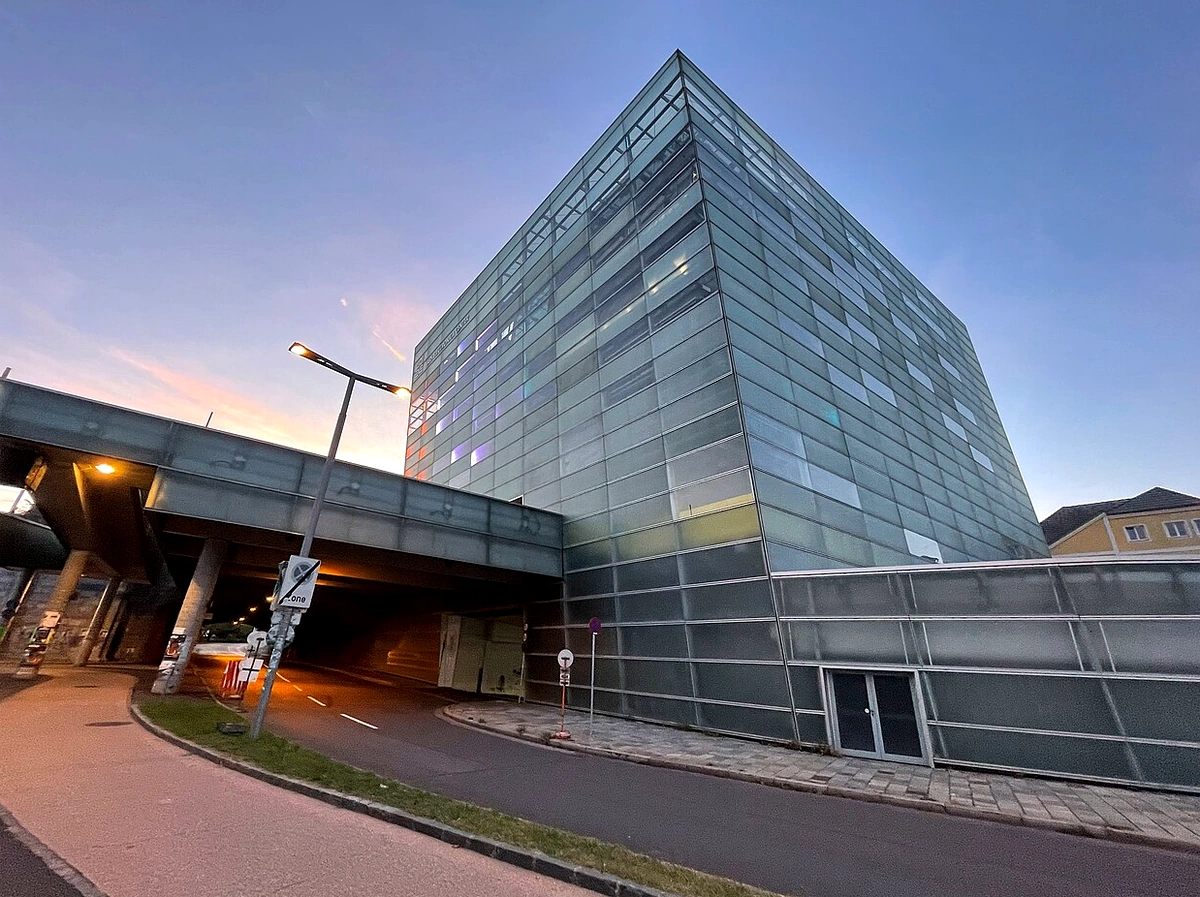
Standing serenely along the northern bank of the Danube, the dazzling centerpiece of Linz’s nocturnal panorama is the Ars Electronica Center—renowned internationally as the Museum of the Future. The building boasts a revolutionary architectural facade composed of thousands of smart glass panels embedded with individually addressable LED pixels. Once night falls, the structure transforms into a colossal living digital canvas where visual artists showcase kinetic light installations, non-Euclidean geometric patterns, and mesmerizing generative art. Better still, the entire luminous spectacle shimmers and doubles in magic across the mirror-calm waters of the Danube, creating an unforgettable immersive visual experience for anyone strolling along the riverfront.
Yet the supreme pinnacle of outdoor spectacle and nighttime culture in Linz belongs to the legendary cultural phenomenon known as Klangwolke, or the “Cloud of Sound.” Launched in 1979 and held every September, Klangwolke has transcended the boundaries of an ordinary music festival to become a monumental civic ritual along the Danube. The event harnesses the sweeping natural expanse of the river as its main stage, uniting thunderous live symphonic performances with colossal water-screen projections, cutting-edge drone light choreography, and brilliant fireworks bursting across the night sky. During Klangwolke night, downtown Linz becomes a gigantic open-air theater where the boundary between performer and audience dissolves, drawing hundreds of thousands of spectators into an emotionally charged multisensory celebration.
Alongside high-tech spectacles and large-scale festivals, Linz’s nightlife is equally nourished by timeless, refined Austrian hospitality. Along historic alleyways branching off Hauptplatz, warm golden light spills from centuries-old coffeehouses and traditional wine taverns, mingling with the aroma of local specialties to create a cozy atmosphere that welcomes visitors after dazzling digital light shows. Here, high technology and centuries-old heritage coexist without friction, shaping a nocturnal Linz that pulses with digital-age futurism while preserving its romantic, contemplative soul beside the legendary Danube.
Exploring the cultural depth of Linz along the historic Danube would remain incomplete without discovering its distinctive local culinary map, where Swabian and Bohemian gastronomic traditions subtly converge. Enriched over centuries, local cuisine here is far more than a combination of ingredients and spices—it is a living cultural space where every dish holds a story of heritage, cultural exchange, and artisanal craftsmanship passed down through generations.
When mentioning Linz, its greatest world-famous culinary icon is the celebrated Linzer Torte, officially recognized in culinary history as the oldest cake in the world with a documented written recipe. This milestone was recorded in the 1653 manuscript of the Witthof family of Verona, a treasured document preserved today in the Upper Austrian State Library. Crafting an authentic Linzer Torte demands meticulous care, from ingredient selection to hand-kneading technique. Its crumbly shortcrust base blends generous amounts of premium butter, refined sugar, and egg yolks with finely ground hazelnuts or almonds, yielding a signature tender crunch and rich nutty aroma from the very first bite. Tucked inside this crisp crust is a layer of tart-sweet redcurrant jam that brings bright balance to the palate. Its iconic visual signature lies in the delicate diamond lattice of thin dough strips laid carefully atop the filling before baking to a golden hue and finishing with a light dusting of powdered sugar like fresh snow. To experience the authentic flavor of this intangible culinary heritage, an unmissable stop is Café Jindrak, a venerable pastry shop founded in 1861 that faithfully safeguards the centuries-old recipe.
Alongside the global fame of its royal pastry, Linz’s savory culinary identity shines proudly through Linz beer-basted crispy roast pork, known in the local dialect as Linzer Bratl. This dish pays tribute to Upper Austria’s time-honored meat-roasting tradition. Local chefs carefully select prime pork belly, seasoning it generously with crushed garlic, aromatic herbs, and signature caraway seeds. The secret behind a memorable Linzer Bratl lies in continuously basting the pork with traditional dark Linz beer throughout slow roasting. This technique puffs the rind into a crackling, amber-brown crust while keeping the meat beneath succulent, tender, and infused with rich malty flavor. Enjoying Linzer Bratl the traditional way means pairing it with tangy sauerkraut and hand-shaped bread dumplings, composing a hearty yet refined symphony of flavors that reflects the warm, generous spirit of the people along the Danube.
Knowing the exact opening hours of Linz’s cultural institutions helps travelers make the most of their on-the-ground exploration. The Ars Electronica Center welcomes visitors Tuesday through Friday from 9:00 AM to 5:00 PM, and on weekends from 10:00 AM to 6:00 PM, remaining closed on Mondays. When planning a visit, travelers should consider booking timed tickets in advance on the official website for Deep Space 8K, an ultra-high-definition immersive projection theater showcasing cutting-edge visual technology. Meanwhile, the Linz Castle Museum opens Tuesday through Friday from 9:00 AM to 6:00 PM, adjusting to 10:00 AM to 5:00 PM on weekends.
In terms of transport connectivity, Linz boasts highly developed infrastructure that makes it a vital transit hub on the Central European travel map. Linz Hauptbahnhof sits on the Austrian Federal Railways (ÖBB) Western Line, allowing travelers to reach the city in roughly 1 hour and 15 minutes from Vienna and just 1 hour and 10 minutes from Mozart’s hometown of Salzburg. Once inside the city, historic public transit stands as a source of civic pride. Foremost among these is Europe’s steepest adhesion railway—the Pöstlingbergbahn, built in 1898 on a 1,000 mm gauge track, carrying passengers from Hauptplatz up to the 539-meter summit of Pöstlingberg hill. It is an iconic nostalgic ride every visitor to this Danubian city should experience at least once.
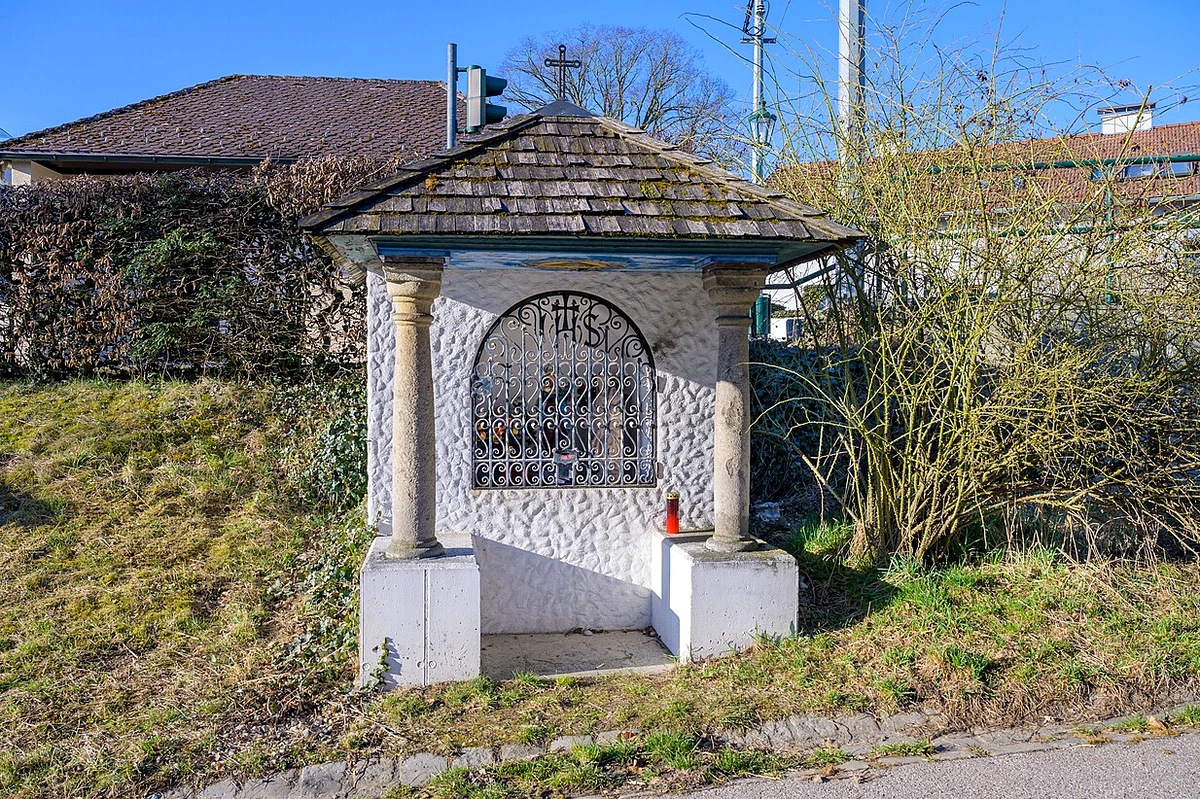
To savor the essence of the city in a single day, cultural researchers recommend a classic walking and transit itinerary. Begin the morning at Hauptplatz, admiring the Old Town Hall, stepping inside the solemn Old Cathedral (Alter Dom), and strolling through atmospheric historic lanes toward Spallerhof. Around midday, pause at the famed Café Jindrak to enjoy a slice of sweet Linzer Torte—the world’s oldest documented cake—paired with a rich Viennese Melange coffee. In the afternoon, ride the tram across the river to the north bank to explore the futuristic architecture of the Ars Electronica Center, followed by a leisurely riverside walk to the Lentos Art Museum (Lentos Kunstmuseum). The most magical way to cap off the day is at dusk, boarding the vintage Pöstlingbergbahn carriage up the mountain to take in sweeping panoramic views of the Danube bending beneath a glowing sunset.
Alongside itineraries and transit, a few practical tips on wardrobe and money will ensure a seamless journey. Weather in Linz can be quite changeable; during spring and autumn, diurnal temperature swings are pronounced and brisk winds frequently sweep off the Danube, making onion-style layering with easily removable jackets the smartest choice. When entering sacred spaces such as the Old Cathedral, modest attire is expected out of respect. For payments, cashless options via credit cards and mobile wallets are widely accepted across Austria, though carrying a small amount of Euro cash in smaller denominations remains handy at traditional coffeehouses and local markets. Additionally, restaurant tipping typically ranges from 5% to 10% of the total bill as a courteous gesture of appreciation for good service. To turn your plans for exploring this heritage-rich corner of Central Europe into a seamless, expertly curated journey, explore our 9-Day 8-Night Germany – Austria – Hungary – Czech Republic tour.