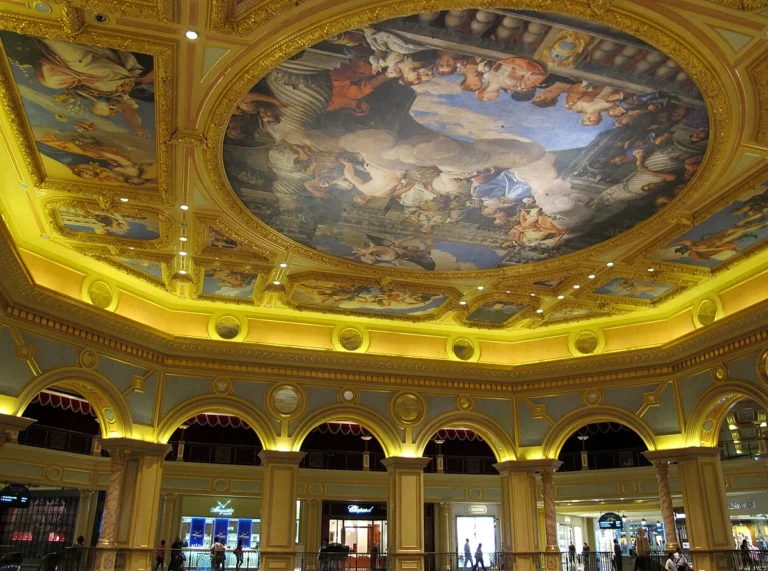
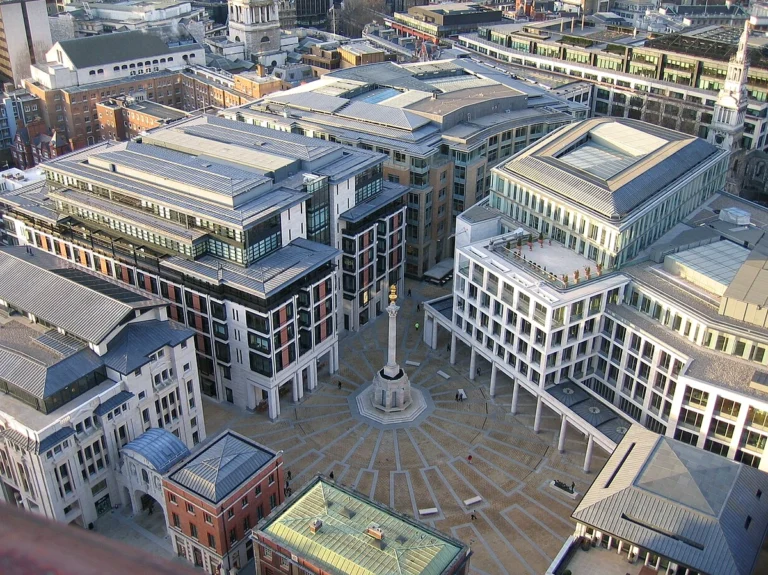
The history of French wine culture reads like a multi-layered epic, where every drop distills the tides of time, royal marriages, and the conquering ambitions of Europe’s most illustrious dynasties. Originating in the fertile Southwest, Bordeaux’s story began to flourish in the first century BC, when Roman legions under the command of General Julius Caesar completed their conquest of Gaul. Recognizing the rich alluvial silt along the banks of the Garonne River combined with a warm maritime climate, the Romans planted the first domesticated vines in the soil of Burdigala—the precursor to today’s magnificent city of Bordeaux. From those ancient green shoots, viticulture evolved from simple local agriculture into the commercial lifeblood radiating across the entire empire.
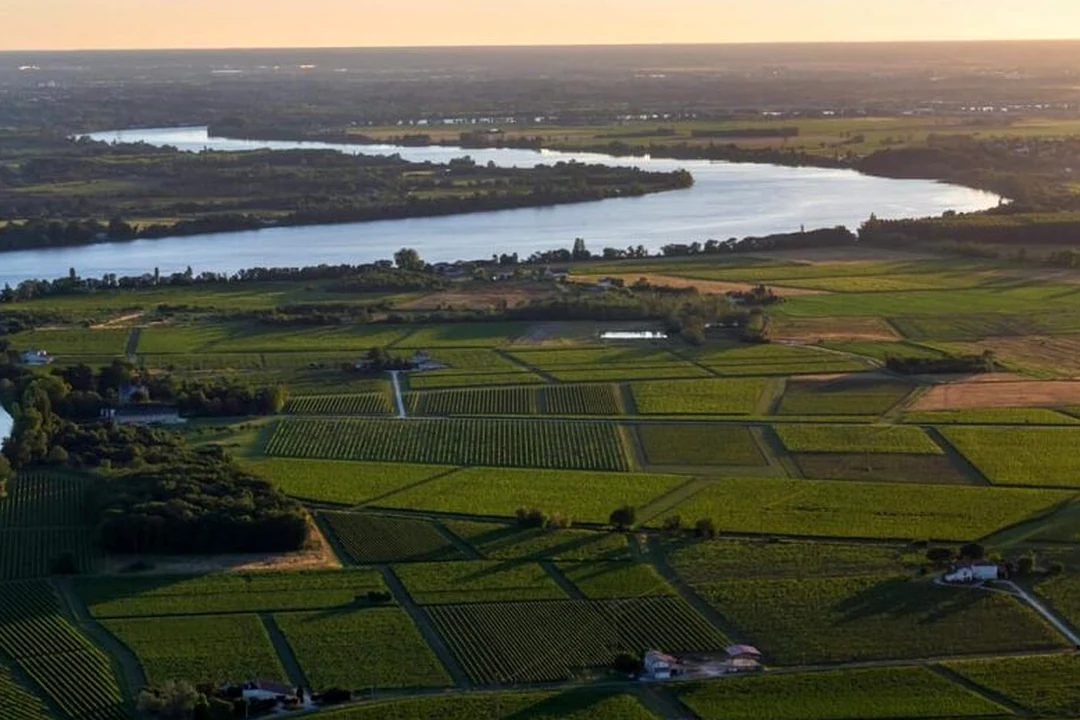
The geopolitical turning point that forever altered Bordeaux’s destiny occurred in 1152, through the historic marriage between Duchess Eleanor of Aquitaine and Prince Henry Plantagenet, who two years later ascended the English throne as King Henry II. This royal union annexed the vast duchy of Aquitaine into the powerful territories of the Plantagenet dynasty, ushering in three enduring centuries that transformed Bordeaux into the exclusive wine purveyor for the British Royal Family and aristocracy. Oak barrels brimming with a pale ruby-colored wine known as “Claret” continuously set sail across the turbulent waters of the Bay of Biscay and the English Channel toward the port of London. Through three hundred years alternating between warfare and prosperity, the reputation of Bordeaux wine took firm root in Western high society as a benchmark of power and opulence.
By the mid-19th century, during the Second Empire of Emperor Napoleon III, Bordeaux ascended to the pinnacle of global standardization. In preparation for the 1855 Exposition Universelle in Paris, the Emperor issued a decree commissioning the Bordeaux Chamber of Commerce and the Syndicate of Wine Brokers to establish a transparent, scientific classification system for the region’s most prestigious estates. From this emerged the legendary Official Wine Classification of 1855, dividing the estates (Châteaux) of Médoc and Graves into five illustrious tiers of Grand Cru Classé. This revolutionary document not only cemented the pedigree of iconic names but also established rigorous tasting standards, elevating the terroir philosophy of the Gironde estuary into an inviolable icon on the world’s gastronomic map.
Leaving Bordeaux and heading north upstream, the Loire Valley unfurls like a verdant silk ribbon, preserving the essence of France’s most dazzling dynasties during the transition from the Middle Ages to the Early Modern era. In the 15th and 16th centuries, as Paris was mired in military unrest, monarchs such as Charles VII, Louis XI, and especially François I chose the banks of the Loire as their seat of power and the beating heart of the French Renaissance. In 1516, with grand artistic patronage, François I personally invited the master painter and polymath Leonardo da Vinci to leave Italy and take up residence at the Château du Clos Lucé, situated right beside the royal castle of Amboise. Within this tranquil sanctuary framed by heavy-laden vineyards and placid waters, the universal genius spent the final three years of his life, leaving a profound intellectual imprint woven seamlessly into the refined lifestyle of the French nobility of the era.
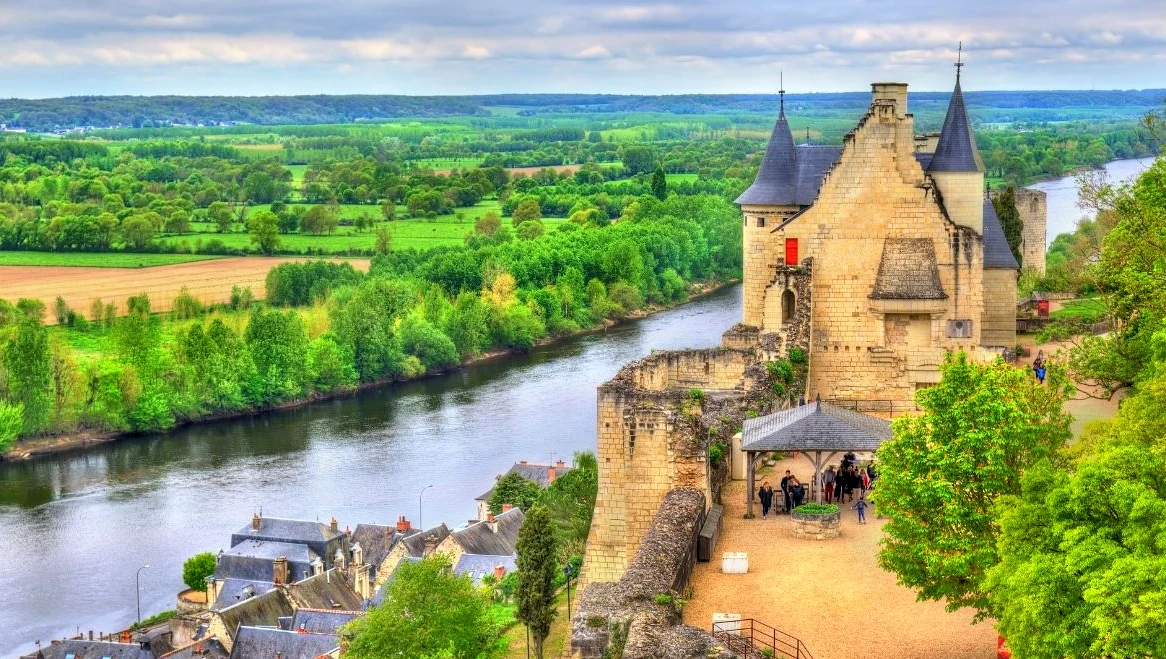
The wine-tasting culture of the Loire Valley is inextricably linked to lavish courtly life, where royal banquets perpetually demanded the purest, most elegant nectars. Vineyards clinging to slopes of chalky white tuffeau limestone served as the premier source of celebrated white wines poured for Queen Catherine de’ Medici—the formidable Florentine-born ruler who introduced exquisite culinary refinement to the French royal household. Upon lace-draped banquet tables inside the palaces of Chenonceau and Chambord, glasses of crisp, mineral-driven Sancerre, the unmistakable gunflint aroma of Pouilly-Fumé, and the lustrous golden hues and silken texture of Chenin Blanc from Vouvray became the soul of both high-stakes political negotiations and all-night masquerade balls. Across centuries of weathering the elements, every drop of wine from Bordeaux and the Loire today still resonates with the breath of heroic dynasties, intuitively connecting the connoisseur to the cultural depth of a brilliant civilization.
Sculpted by intricate hydrological networks and ancient geological fault lines, the topography of France’s two premier wine kingdoms resembles a masterwork of natural harmony, where flowing waters shelter and shape the character of every inch of vineyard soil. In the Aquitaine basin of the Southwest, Bordeaux draws its vitality from the confluence of the Garonne and Dordogne rivers, which merge into the vast, funnel-shaped Gironde estuary before meeting the Atlantic Ocean. These silt-laden waters divide the territory into two distinct geographical poles: the Left Bank (Rive Gauche) and the Right Bank (Rive Droite), creating one of the most complex terroir structures in the world of fine wine.
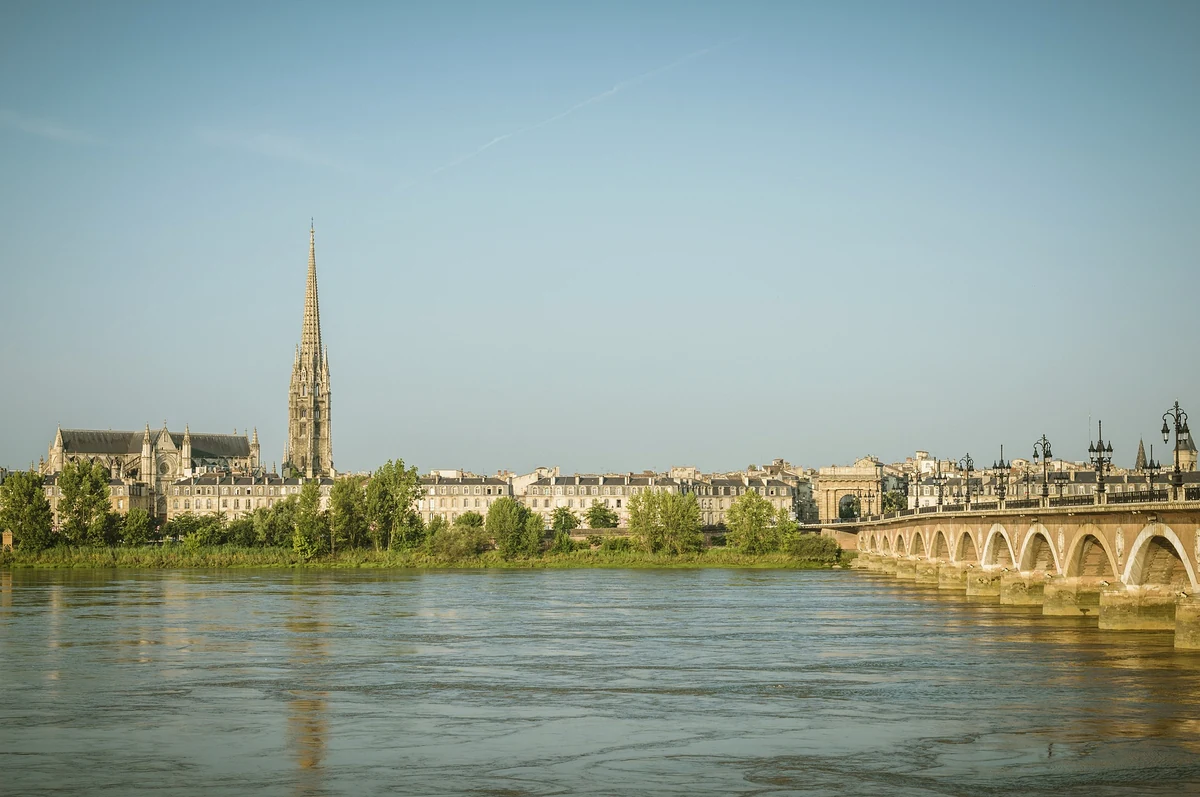
Along the Left Bank, stretching across the Médoc and Haut-Médoc along the legendary D2 heritage route—revered as the “Road of the Châteaux” (Route des Châteaux)—the spatial layout embodies classic grandeur, with aristocratic estates tucked behind centuries-old oak trees. The geology here consists predominantly of alluvial gravel mounds (graves) deposited during the Quaternary period by melting glaciers washed down from the Pyrenees. These smooth quartz pebbles not only provide superior drainage after drenching maritime rainstorms, but also act as natural solar reflectors and heat reservoirs, warming the roots of Cabernet Sauvignon vines well into the night. Conversely, crossing over to the Right Bank toward Saint-Émilion and Pomerol, the landscape shifts abruptly into undulating hills steeped in medieval heritage. Here, primeval Upper Cretaceous limestone strata (calcaire à astéries) mingle with veins of iron-rich blue clay (argile bleue), forming a cool, moisture-retentive cradle ideal for the Merlot grape to develop its seductive, velvety richness.
Further north, the Loire Valley unveils a monumental World Heritage landscape stretching hundreds of miles along one of Europe’s wildest and most poetic rivers. Beneath the shadow of radiant Renaissance monuments, the arterial D952 route hugs the riverbanks from Orléans through Tours all the way to Angers, forming an endless ode to the harmony between courtly architecture and artisanal viticulture. The defining geological feature of the Loire lies in its cliffs of fine-grained, porous white limestone known as tuffeau, a marine sediment formed tens of millions of years ago. Ancient stonemasons quarried deep into these cliff faces for material to construct grand châteaux, inadvertently carving out a subterranean labyrinth spanning hundreds of kilometers. Possessing an ideal natural humidity of 85% and a year-round ambient temperature of twelve degrees Celsius, these tuffeau caves serve as flawless natural aging sanctuaries requiring zero artificial climate control.
It is precisely this interplay between tuffeau limestone, flinty clay soils (silex), and a temperate semi-maritime climate that weaves the soul of two celebrated indigenous varietals: razor-sharp Sauvignon Blanc bursting with flinty minerality on the high hills of Sancerre, and endlessly versatile Chenin Blanc ranging from bone-dry to honeyed sweetness in Vouvray. Viticultural practices in both regions strictly adhere to traditional appellation decrees, from ultra-dense vine plantings of up to ten thousand vines per hectare—compelling roots to plunge dozens of meters deep in search of nutrients—to single or double Guyot pruning methods that rigorously regulate yields. Consequently, these vineyard estates are far more than agricultural fields; they appear as intricate geometric gardens where the boundary between human artistry and nature virtually dissolves beneath the golden sunset shimmering across the water.
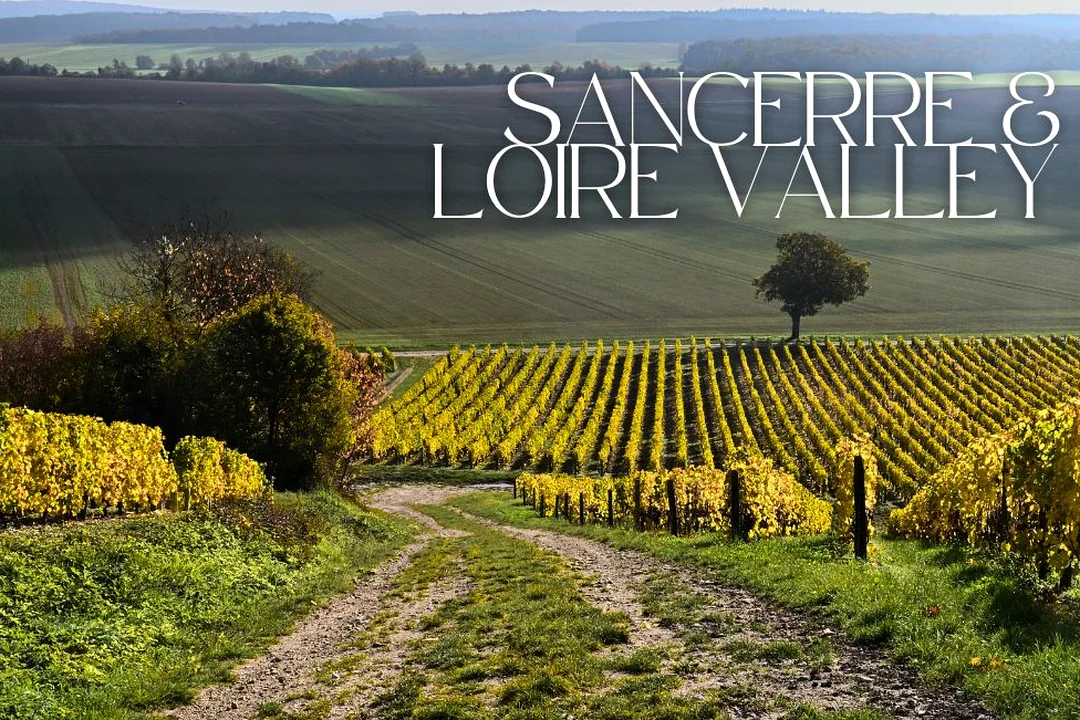
Exploring French wine culture never stops merely at the palate or the bouquet on the nose; first and foremost, it is a visual encounter with architectural masterpieces that have reigned for centuries. In Bordeaux, a cohesive and majestic 18th-century Neoclassical architectural heritage lines the gentle crescent bend of the Garonne River, affectionately known as the Port de la Lune—the Port of the Moon. Under the reign of King Louis XV, royal architect Ange-Jacques Gabriel designed the iconic Place de la Bourse, featuring monumental palaces built from lustrous, cream-gold shelly limestone quarried from nearby Saint-Émilion. The building’s flawless symmetrical facade casts a dreamlike reflection across the Miroir d’eau—a 3,400-square-meter landscape installation creating an extraordinary optical illusion: the boundaries between sky, water, and Corinthian colonnades seem to dissolve into a delicate mist, evoking the golden age of a prosperous port metropolis that once exported millions of barrels of wine across the Old Continent.
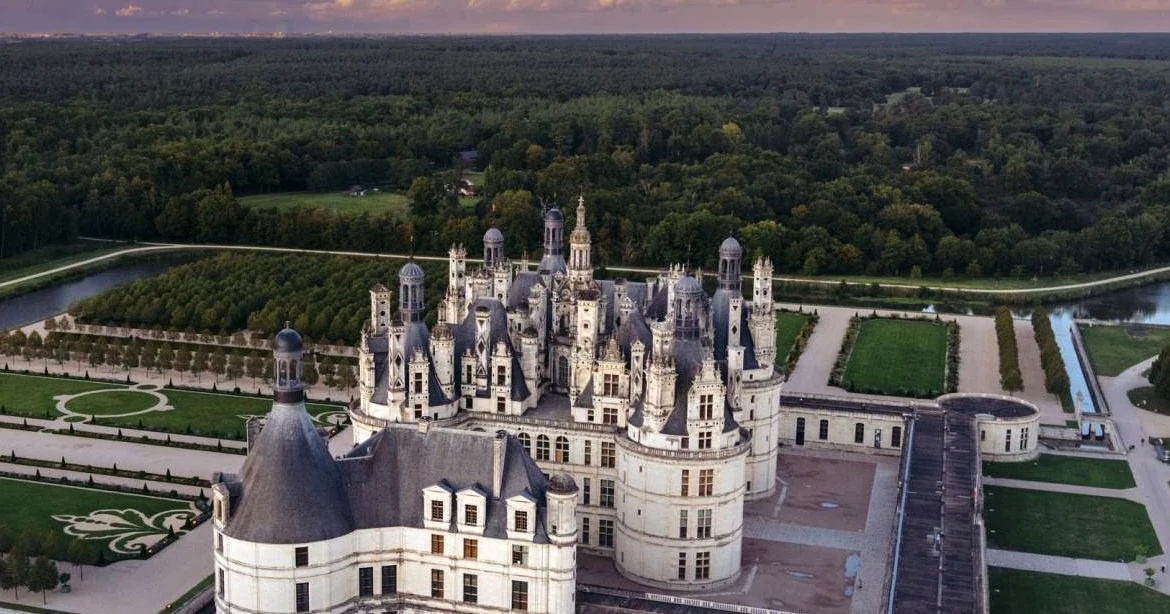
Tracing history northeastward into the Loire Valley, the natural scenery merges seamlessly with the French Renaissance movement, deeply infused with Italian humanist ideals. The centerpiece of this region is the Château de Chambord, a colossal hunting lodge commissioned by the art-obsessed monarch François I amidst a forested estate spanning over five thousand hectares. Chambord’s architectural genius culminates in the extraordinary double-helix staircase at the heart of its central hall, a geometric marvel inspired by the sketches of Leonardo da Vinci. This ingenious structure allows two people to ascend and descend simultaneously along two independent spirals winding around a delicately perforated hollow core without ever crossing paths. Atop the roof terrace, a dramatic “forest” of spires, sculpted chimneys, and steep dark-slate conical roofs mimics the skyline of a miniature Constantinople—standing as an absolute declaration of royal power in harmony with endless stretches of vineyards.
If Chambord carries the authoritative, rugged beauty of masculinity and royal hunting expeditions, Château de Chenonceau is the ultimate embodiment of elegance and boundless romance as it gracefully stretches across the serene waters of the Cher River. Built and restored by the hands of some of the most powerful women in French history, such as Diane de Poitiers and Queen Mother Catherine de Médicis, Chenonceau boasts a sixty-meter-long two-story gallery with alternating black and white checkered stone floors, and wide arched windows welcoming shimmering light reflected from the water below. This space was not only a magnificent medieval banquet hall but also preserves ancient vaulted stone wine cellars where master cellarmasters (maîtres de chai) once aged vintages of Chenin Blanc and Cabernet Franc under natural humid-cool microclimates regulated by the river’s vapor.
In particular, the intersection of heritage architectural art and contemporary upscale lifestyle is impeccably encapsulated in prestigious five-star Relais & Châteaux accommodations. In the renowned Pauillac appellation of Médoc, the 17th-century Château Cordeillan-Bages nestles among endless Cabernet Sauvignon vineyards, combining the rustic touch of bare stone walls with refined minimalist interior design, where guests can admire a contemporary art collection right next to the traditional winemaking cellar. Meanwhile, in Martillac within Pessac-Léognan, Les Sources de Caudalie resort is crafted from precious recycled materials such as oak staves from long-used wine barrels and antique tiles from old farmhouses. The open-space structure embraces mineral-rich underground thermal springs, harmoniously blending with deep underground cellar vaults where hundreds of French oak barrels from the Allier and Vosges forests rest quietly through the years, completing an ultimate experiential cycle from architectural art to wine tasting.
When the amber sunset gradually fades on both banks of the Garonne River and gives way to darkness blanketing the endless rows of grapevines, nighttime life in the Bordeaux and Loire Valley estates truly awakens with its inherent luxury and solemnity. Unlike the bustling noise of urban streets, the nighttime tasting atmosphere in France’s two wine sanctuaries is an enchanting variation blending ancient architectural heritage, magical lighting art, and scholarly culinary styles meeting Haute Cuisine standards. Under the quiet night, ancient castles are not merely places storing legendary vintages, but transform into vibrant stages for royal banquets, transporting diners back in time to the golden age of Western feudal nobility.
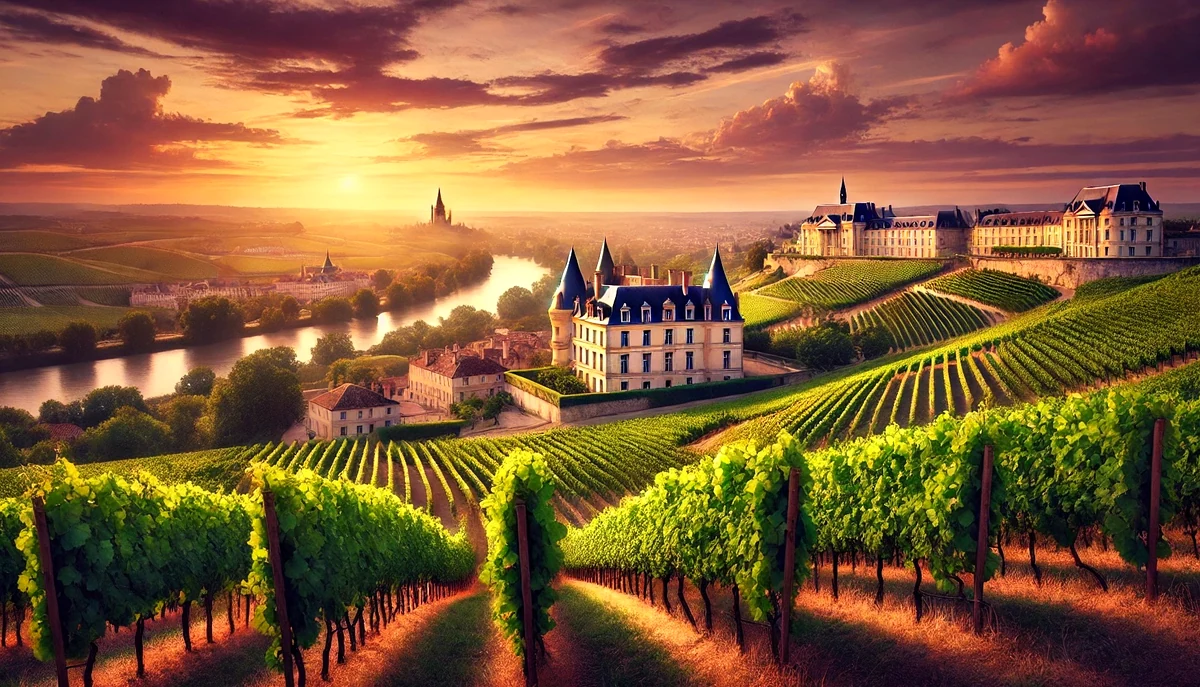
In Saint-Émilion, the nighttime wine-tasting experience opens up a magical subterranean dimension, concealing an original limestone quarry labyrinth system (carrières de calcaire) dating back to the 9th century. Spanning hundreds of kilometers at a depth of 10 to 20 meters beneath the cultivated soil layer, these medieval stone-mining cellars consistently maintain an ideal natural temperature between 12 and 14 degrees Celsius alongside a perfect humidity of approximately 85%. Amidst an atmosphere filled with flickering candlelight cast against moss-stained limestone vaults, the scent of French oak blends with the characteristic damp aroma of yeast aged for decades, creating a cathedral-like solemn ambiance. The luxurious evening banquet is set with hand-embroidered linen tablecloths, heirloom silver cutlery, and crystal-clear Baccarat glasses. Under the guidance of internationally certified sommeliers or directly by the owners of Premier Grand Cru Classé estates, each rare bottle of wine is opened through the traditional candle-lit decanting ritual. Every drop of rich Merlot or sharp Cabernet Franc is delicately paired with roasted squab with Périgord black truffles, or beef grilled over the glowing embers of aged grapevine cuttings (sarments de vigne), fully awakening the complex secondary flavor layers of leather, cigar, and dark ripe berries.
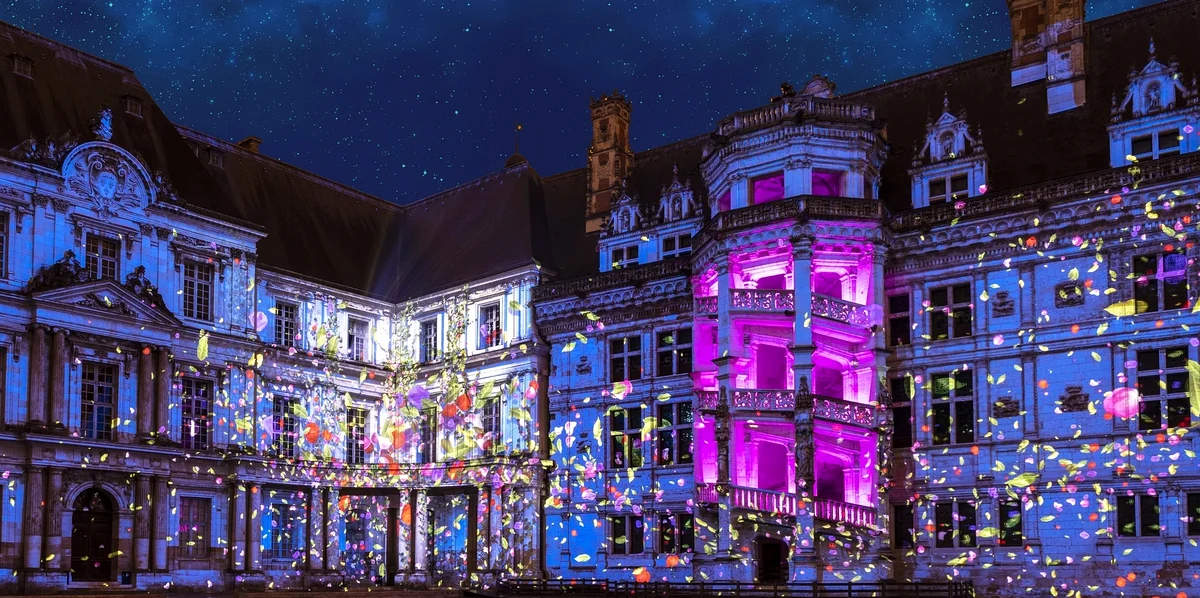
Heading north to the Loire Valley, the land of vibrant Renaissance dynasties, the nighttime banquet experience is tied to the renowned Son et Lumière sound and light show art, a live-action performance genre born right in this land. Under a starry sky reflecting the calm Loire River, the white tuffeau stone walls of majestic castles like Chambord, Chenonceau, or Amboise become giant velvet screens reenacting historical events from the eras of King François I and the Valois dynasty. Multi-colored laser streaks combined with classical orchestral melodies revive the festive atmosphere of past centuries, guiding visitors into magnificently restored banquets within granite-paved grand halls. Here, in the crackling firelight from fireplaces carved with intricate reliefs, diners sip noble Chenin Blanc white wines from the Vouvray region or floral-scented Chinon reds, paired with rich Sainte-Maure de Touraine goat cheese. Every story about terroir, traditional fermentation techniques, and the ups and downs of renowned winemaking families is recounted leisurely, turning each sip of wine into an endless journey deep into French culture and art de vivre.
In the civilization of French cuisine, the philosophy of pairing food with authentic beverages (accord mets-vins) is not merely a culinary rule, but has reached the realm of a generational cultural ritual. The whispered dialogue between the alluvial flow of the Gironde estuary in the southwest and the castle-studded rolling Loire Valley has shaped two distinctive flavor schools, where each traditional dish is conceived to honor the structure and soul of native wines.
In the land of Bordeaux, culinary flavors carry a rich, aristocratic imprint and are closely tied to long-standing agricultural practices. The most typical representative of this culinary style is the Entrecôte à la Bœuf Bordelaise (Bordeaux-style ribeye steak). Premium cuts of beef are seared over a crackling flame from dried grapevine trimmings (sarments de vigne) left over after harvest, absorbing a rich, aromatic herbal smoke. The highlight that makes up the soul of the dish is the glossy sauce simmered from reduced Bordeaux red wine with minced shallots, unsalted butter, peppercorns, and delicately blanched rich beef bone marrow. The dense, astringent tannin structure of Cabernet Sauvignon or Merlot-based blends, when encountering the soft fat of the bone marrow and the juicy red meat fibers, instantly transforms into a surprisingly smooth, sweet aftertaste. Equally heritage-rich is Lamproie à la Bordelaise, sturgeon slowly cooked in blood sauce and red wine with leeks. This is an elaborate recipe dating back to the Middle Ages requiring masterful precision to eliminate the fishy odor of brackish water seafood, turning firm fish textures into a rich stew brimming with river and weathered aging aromas.
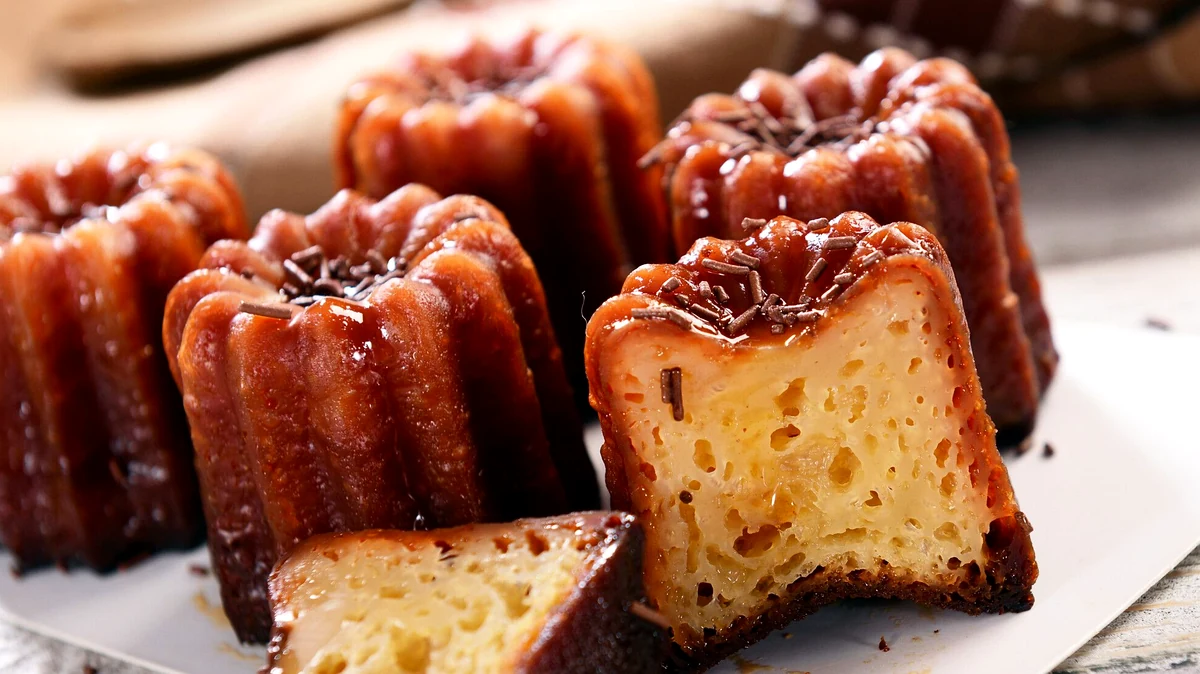
The journey of tasting Bordeaux flavors cannot be complete without the sweet crescendo of the small, fluted cylindrical Cannelés de Bordeaux cake. Originating from the nuns at the Couvent des Annonciades convent in the eighteenth century, this pastry was born from a unique winemaking practice: former estate owners used egg whites to settle and clarify wine (collage), leaving behind tens of thousands of surplus egg yolks. Talented home cooks combined those yolks with flour, fresh milk, Bourbon vanilla, and Antillean rum to bake them in beeswax-coated copper molds. The final product is a masterpiece with a crispy dark amber caramel shell on the outside while hiding a spongy, custard-like texture on the inside. When sipping a Cannelé alongside a glass of the famous Sauternes noble sweet wine—that golden nectar filtered from grapes infected by Botrytis cinerea fungus—the graceful sweetness of honey, dried orange peel, and acacia flowers blends with caramel butter aromas, creating a symphony that concludes the banquet in royal fashion.
Heading north to the Loire Valley, the ethereal culinary garden that once graced the dining tables of Renaissance kings and queens brings a more open, natural nuance. At the top of Touraine’s traditional specialty list is Rillettes de Tours, a unique shredded pork pâté recognized with a Protected Geographical Indication. Pork shoulder and butt cuts are cubed and simmered for many hours submerged in pork fat with a touch of sea salt, pepper, and white wine until the meat fibers become tender and naturally separate while retaining their natural juiciness. When spreading this rich, creamy rillettes layer onto crispy toasted bread, connoisseurs are required to raise a glass of dry white wine made from Chenin Blanc grapes from the Vouvray or Montlouis-sur-Loire sub-appellations. The sharp, razor-thin acidity and flavor layers of green pear, ripe apricot, and limestone from Chenin Blanc immediately cleanse the greasy sensation, awakening the entire palate.
The culinary fusion of the Loire concludes perfectly alongside famous artisanal goat cheese boards, where the river enriches lush green meadows for livestock. Two of the most stellar representatives are Crottin de Chavignol—small round cheeses with an elegant white mold rind, and Valençay—a truncated pyramid-shaped goat cheese covered in fine wood charcoal ash, tied to the legend of Napoleon Bonaparte’s regret after his defeat in Egypt. The nutty, earthy richness of aged goat cheese when meeting the crispy mineral taste, fresh as morning grass and blackcurrant of Sauvignon Blanc white wine from Sancerre, creates an ultimate sublime reaction. The traditional culinary experience here does not stop at filling the stomach, but is a profound appreciation of a slow lifestyle where people cherish every drop of wine and every piece of bread as sacred pieces of their homeland.
The history of French wine culture reads like a multi-layered epic in which every drop crystallizes shifting eras, royal marriages, and the ambitions of Europe’s most dazzling dynasties. Originating in the fertile southwest, Bordeaux’s story began to take shape in the first century BC, when Roman legions under Julius Caesar completed their conquest of Gaul. Recognizing the rich alluvial silt along the Garonne River paired with a mild maritime climate, the Romans planted the first domesticated vines in Burdigala—the precursor to today’s grand city of Bordeaux. From those ancient shoots, viticulture became far more than local farming, quickly emerging as a trade lifeblood reaching across the empire.
The geopolitical turning point that permanently altered Bordeaux’s destiny came in 1152 through the historic marriage of Eleanor of Aquitaine to Prince Henry Plantagenet, who two years later ascended the English throne as Henry II. This royal union brought the vast expanse of Aquitaine under the rule of the Plantagenet crown, ushering in three enduring centuries in which Bordeaux became the exclusive wine-supplying domain for England’s monarchs and aristocracy. Oak barrels filled with pale ruby wine known as “Claret” continually set sail across the swells of the Bay of Biscay and the English Channel toward the port of London. Through three hundred years of alternating warfare and prosperity, the fame of Bordeaux wine took firm root in Western high society as a measure of power and opulence.
By the mid-nineteenth century, during Emperor Napoleon III’s Second Empire, Bordeaux rose to the pinnacle of global standardization. Preparing for the 1855 Paris Exposition Universelle, the Emperor issued a decree calling on the Bordeaux Chamber of Commerce and the wine brokers’ syndicate to establish a transparent, systematic classification for its prestigious estates. The legendary Official Wine Classification of 1855 emerged from this effort, dividing the châteaux of the Médoc and Graves into five coveted tiers of Grand Cru Classé. This landmark document not only codified the prestige of celebrated names but also set rigorous tasting standards, elevating the terroir philosophy of the Gironde estuary into an enduring symbol on humanity’s gastronomic map.
Leaving Bordeaux and heading north upstream, the Loire Valley unfolds like a ribbon of emerald green preserving the refinements of France’s most brilliant dynasties across the transition from the Middle Ages to the early modern era. In the fifteenth and sixteenth centuries, when Paris was racked by military unrest, monarchs such as Charles VII, Louis XI, and especially François I chose the banks of the Loire as a seat of power and the heart of the French Renaissance. In 1516, with grand artistic patronage, François I personally invited painter and polymath Leonardo da Vinci to leave Italy and reside at the Château du Clos Lucé, right beside the royal château of Amboise. Within a tranquil setting ringed by fruit-laden vines and gentle waters, the world genius spent his final three years, leaving a deep intellectual mark woven into the refined daily life of the French nobility of the time.
Wine-drinking culture in the Loire Valley is closely intertwined with lavish court life, where royal banquets always called for the purest, most graceful vintages. Vineyards along the white chalky tuffeau limestone riverbanks supplied celebrated white wines for Queen Catherine de’ Medici—the powerful Florentine who brought a refined culinary sensibility to the royal court. Across lace-draped banquet tables at palaces such as Chenonceau or Chambord, crisp, mineral-driven whites from Sancerre, the unmistakable flinty character of Pouilly-Fumé, and the smooth golden hues of Vouvray’s Chenin Blanc became the lifeblood of political negotiations and all-night balls alike. Across centuries of trials and change, every glass from Bordeaux and the Loire today still echoes the spirit of storied dynasties, linking the taster’s senses with the cultural depth of a brilliant civilization.
Shaped by a dense network of waterways and ancient geological faults, the landscapes of France’s two wine realms read like a harmonious geomantic map in which flowing water shelters and defines every parcel of vine. In the Aquitaine basin of the southwest, Bordeaux draws vitality from the confluence of the Garonne and Dordogne rivers emptying into the broad funnel of the Gironde estuary before meeting the Atlantic Ocean. That silt-laden flow divides the region into two distinct geographic poles: the Left Bank (Rive Gauche) and the Right Bank (Rive Droite), creating one of the world’s most complex terroir structures for fine wine.
Along the Left Bank, stretching through the Médoc and Haut-Médoc along the fabled D2 heritage route—honored as the “Route des Châteaux”—spatial planning follows a classic rhythm of aristocratic estates tucked behind century-old oaks. The geology here consists largely of gravelly ridges (graves) deposited during the Quaternary period by glacial meltwater carried down from the Pyrenees. These smooth quartz pebbles not only offer superior drainage after prolonged coastal rainstorms, but also act as mirrors reflecting sunlight and as natural heat reservoirs, keeping Cabernet Sauvignon roots warm through the night. Conversely, crossing to the Right Bank toward Saint-Émilion and Pomerol, the scenery shifts abruptly into rolling hills marked by medieval heritage. Here, Upper Cretaceous asteriated limestone (calcaire à astéries) blends with iron-rich blue clay (argile bleue), forming a cool, moisture-retentive cradle ideal for Merlot to build plush, alluring texture.
Farther north, the Loire Valley opens onto a sweeping World Heritage landscape extending for hundreds of miles along one of Europe’s wildest and most poetic rivers. In the shadow of dazzling Renaissance landmarks, the main D952 route hugging the riverbank from Orléans through Tours down to Angers stands as a timeless ode to harmony between courtly architecture and refined viticulture. A defining geological feature of the Loire is its soft, white, fine-grained limestone called tuffeau, an oceanic sediment formed tens of millions of years ago. Builders in past eras quarried deep into these cliffs for stone to raise magnificent châteaux, inadvertently carving out hundreds of kilometers of underground caves and cellars. Those tuffeau caverns maintain an ideal 85% humidity and a steady year-round temperature of twelve degrees Celsius, serving as naturally effortless aging sanctuaries without artificial intervention.
The interplay of tuffeau soil, clay mixed with silex flint, and a temperate semi-maritime climate weaves the soul of two signature native grapes: crisp Sauvignon Blanc with piercing mineral notes on the high hills of Sancerre, and versatile Chenin Blanc ranging from razor-sharp dry to honeyed sweet in Vouvray. Cultivation across both regions strictly follows traditional appellation decrees, from dense vine spacing of up to ten thousand plants per hectare—encouraging roots to plunge dozens of meters in search of nutrients—to single or double Guyot pruning that tightly regulates yields. Estate grounds thus feel less like ordinary agricultural fields and more like intricate geometric parks, where the boundary between human handiwork and nature nearly dissolves as twilight turns the water gold.
Exploring French wine culture never stops at taste or aroma on the nose; it is first and foremost a visual encounter with architectural peaks that have stood for centuries. In Bordeaux, eighteenth-century Neoclassical heritage appears cohesive and grand along the gentle curve of the Garonne River, famously known as the Port de la Lune—the Port of the Moon. Under the reign of King Louis XV, royal architect Ange-Jacques Gabriel designed the iconic Place de la Bourse, lined with monumental facades built from luminous cream-colored shelly limestone quarried in nearby Saint-Émilion. The building’s symmetrical frontage reflects mysteriously in the Miroir d’eau—a landscape water feature spanning thirty-four hundred square meters—creating a singular optical illusion in which sky, water, and Corinthian columns seem to dissolve into a soft mist, evoking the golden age of a bustling port city that once shipped millions of casks across the continent.
Tracing history northeast into the Loire Valley, the natural landscape merges with the French Renaissance, deeply shaped by Italian humanist ideals. The centerpiece of this region is the Château de Chambord, a grand hunting retreat commissioned by art-loving King François I amid a forest estate covering more than five thousand hectares. Chambord’s crowning craftsmanship shines in the celebrated double-helix staircase at its central hall, a geometric masterpiece drawn from concepts by Leonardo da Vinci. Its ingenious design lets two people ascend and descend simultaneously along twin independent flights spiraling around a pierced central core without ever meeting. Across the roofline, a “forest” of spires, sculpted chimneys, and steep dark slate roofs echoes a miniature Constantinople skyline, projecting an unmistakable statement of royal authority blended with sweeping vineyards stretching to the horizon.