Greetings, fellow seekers of humanity’s timeless beauty! Speaking as an international travel writer and cultural historian, I am delighted to guide you on a deep, timeless journey to contemplate one of the greatest wonders ever created by humankind: Vatican City and St. Peter’s Basilica in the heart of Rome, Italy. This is far more than a destination; it is a living chronicle where every slab of stone and every architectural line tells a story of faith, power, and boundless human creativity. In this opening section, we will pull back the curtain on the past to explore the Historical Context & Origins of this tiny yet deeply influential sovereign state.
Our journey back through time begins in the early days of the Common Era, when the area we call the Vatican today was still an untamed expanse on the west bank of the Tiber River, outside the boundaries of ancient Rome. Here, under the reign of the tyrant Nero, once stood a vast circus (the Circus of Nero) and imperial gardens that witnessed brutal executions of early Christians. Right on this blood-soaked ground, around 64–67 AD, Saint Peter—chief of the Apostles of Jesus and spiritual foundation of the Roman Catholic Church—was martyred and modestly buried in a cemetery beside the circus. That tragic yet monumental event sowed the seeds of a grand legacy, transforming a rugged tract of land into a spiritual center for billions of people across the globe.
Entering the fourth century, a major historical turning point unfolded under the reign of Roman Emperor Constantine the Great. After issuing the Edict of Milan in 313, recognizing Christianity as a legal religion, Constantine launched an ambitious architectural project. From 324 to 349, directly over Saint Peter’s tomb, he had the first St. Peter’s Basilica built, often called “Old St. Peter’s Basilica.” It was a monumental structure in the classical Roman style, marking Christianity’s dramatic shift from a persecuted sect into a far-reaching force and laying a firm foundation for the Holy See’s growth over the millennia to come.
Over time, however, the passage of years and historical upheavals caused Constantine’s grand edifice to fall into disrepair. By the early sixteenth century, amid the brilliance of the Renaissance, a new vision began to take shape. In 1506, Pope Julius II, a powerful and far-sighted pontiff, made a bold decision: to tear down the old basilica and build a new, grander church befitting the stature of the Catholic Church. That decision opened a golden age of architecture and art, drawing the greatest minds of the era. From this moment on, legendary figures such as Donato Bramante, who laid the groundwork for the magnificent dome design; Michelangelo Buonarroti, who inherited and completed the iconic dome while creating immortal masterpieces; and later Gian Lorenzo Bernini, master of the Baroque style, shaped the splendid architectural and artistic face of the entire Vatican complex we admire today. Spanning more than 120 years, the project stands as a testament to perseverance, devotion, and the pursuit of supreme beauty.
Although St. Peter’s Basilica was completed in the seventeenth century, it was not until the twentieth century that the Holy See formally took shape as an independent state. After centuries of power and territorial disputes with Italian kingdoms and the Italian state, a historic agreement was reached. On February 11, 1929, the Lateran Treaty was officially signed between the Holy See and the Kingdom of Italy, marking the birth of the independent and sovereign Vatican City State under the supreme leadership of the Pope. Covering a mere 0.44 km² (equivalent to 44 hectares), the Vatican became the world’s smallest country by area, yet wields boundless spiritual and cultural influence as a symbol of faith and human heritage.
From an ancient cemetery, shaped by emperors and popes and brought to life by the genius of great architects and artists, the Vatican rose to become a center of spiritual authority and a priceless treasury of art. Every brick, every statue, and every architectural line here is a piece of history, recounting the turbulent yet glorious journey of a civilization. Understanding this historical context and origin is the key to opening the door into the wondrous world of the Vatican, allowing us to feel the full value and meaning of each masterpiece explored in the sections that follow.
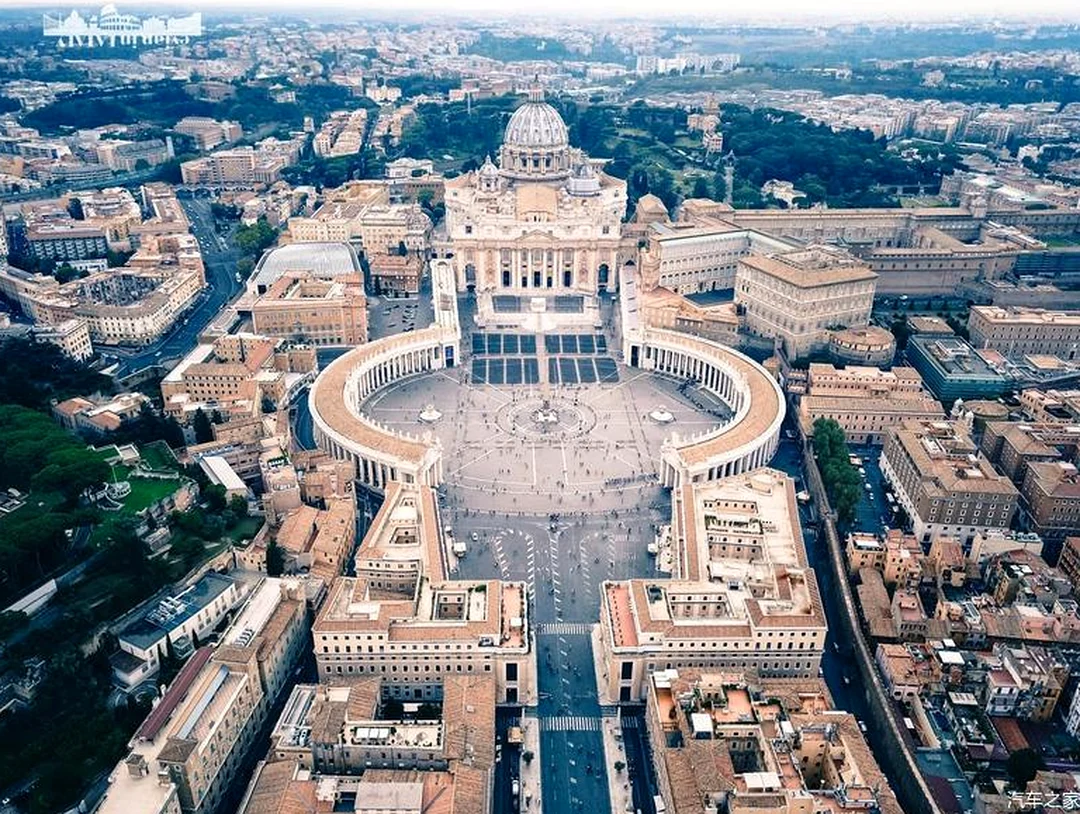
Stepping across the threshold of time into Vatican City, visitors feel as though they have entered a sacred realm where every stone slab and architectural line tells a story of the supreme meeting between majestic Renaissance elegance and grand Baroque splendor. The world’s smallest nation, spanning just 0.44 km², holds within its borders monumental masterpieces that testify to unmatched human talent and enduring faith.
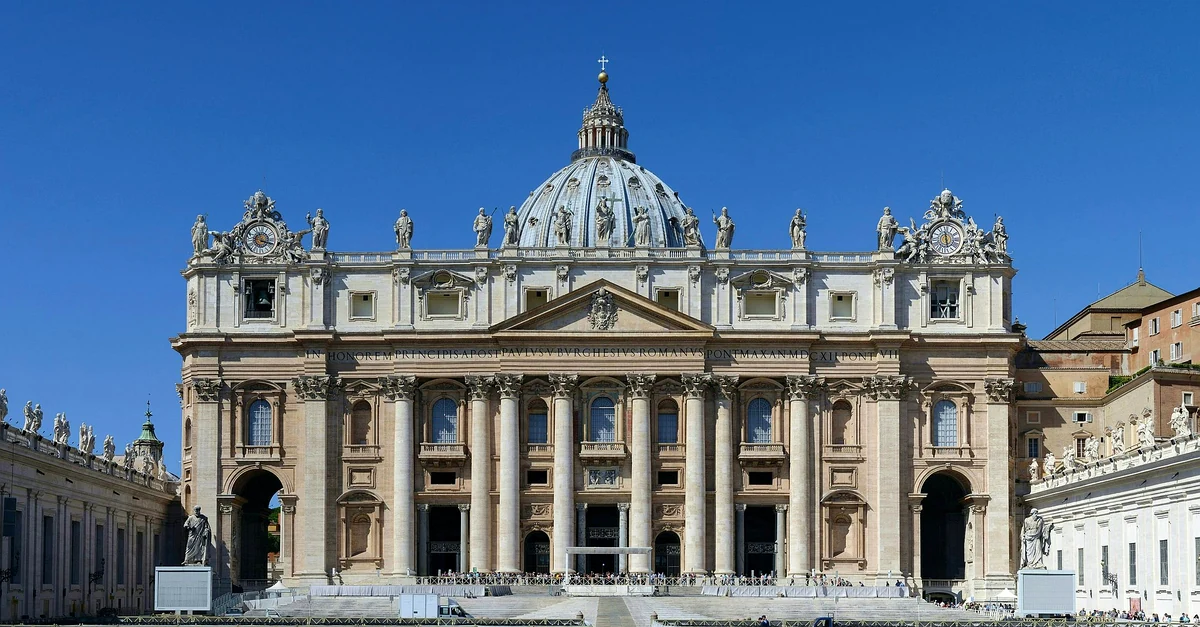
At the heart of this grand architectural complex stands St. Peter’s Basilica (Basilica di San Pietro), a massive structure measuring 219.5 meters long and 150 meters wide, capable of holding tens of thousands of worshipers. From the very first glance, visitors are awed by the scale and refinement of the facade, a splendid Baroque design by architect Carlo Maderno. Measuring 114.69 meters wide and 45.45 meters high, the facade is adorned with eight giant Corinthian columns rising proudly above the square. Above sits the legendary *Loggia dei Benedizioni* balcony, where a newly elected Pope is presented to the world with the classic proclamation *”Habemus Papam”*—”We have a Pope.”
Yet perhaps the most prominent architectural icon rising against the Roman sky is the famed Dome (Cupola). Initiated by the genius Michelangelo and completed by Giacomo della Porta, this dome is not merely a feat of engineering but a priceless work of art. Reaching a total height of 136.57 meters from the floor to the top of the cross, it is the tallest brick dome in the world, a powerful testament to the boldness and vision of Renaissance architects. Its interior diameter spans 41.5 meters, creating a vast, light-filled interior space of transcendent beauty. From the top of the dome, visitors can take in sweeping views over keyhole-shaped St. Peter’s Square, lush Vatican Gardens, and historic Rome—a truly “million-dollar” experience.
Thoughtful choices of materials also account for the Vatican’s enduring beauty. Pure white Carrara marble, sturdy Tivoli travertine stone, gleaming gilded bronze, and especially masterly mosaic work across the ceiling vaults all play their part. Remarkably, the paintings across the vaulted ceilings are crafted from millions of tiny mosaic tesserae rather than paint, preventing them from fading over time. It was a far-sighted choice that preserves the artworks’ original vibrancy across centuries, defying the wear of time.
Entering inside the Basilica, visitors are immediately drawn to extraordinary sculptures and paintings. Most notable, placed in the first chapel on the right just past the entrance, is Michelangelo’s Pieta (1498–1499). It is the only marble sculpture signed by the artist, depicting the Virgin Mary holding the crucified Jesus with a sorrowful yet serene grace. Every fold of drapery and every contour of the figures is carved with astonishing lifelike realism, conveying deep emotion and absolute artistic refinement.
Moving deeper into the Basilica, beneath the main dome and directly over Saint Peter’s Tomb, rises Gian Lorenzo Bernini’s majestic Baldacchino (Bronze Canopy). This 29-meter bronze work is a hallmark of Baroque art, featuring intricately sculpted solomonic columns twisting upward like grapevines to form a dramatic focal point linking the first apostle’s burial place with the grand dome above. Light streaming down from the dome illuminates the Baldacchino with a shimmering, ethereal glow that heightens the sacred majesty of the space.
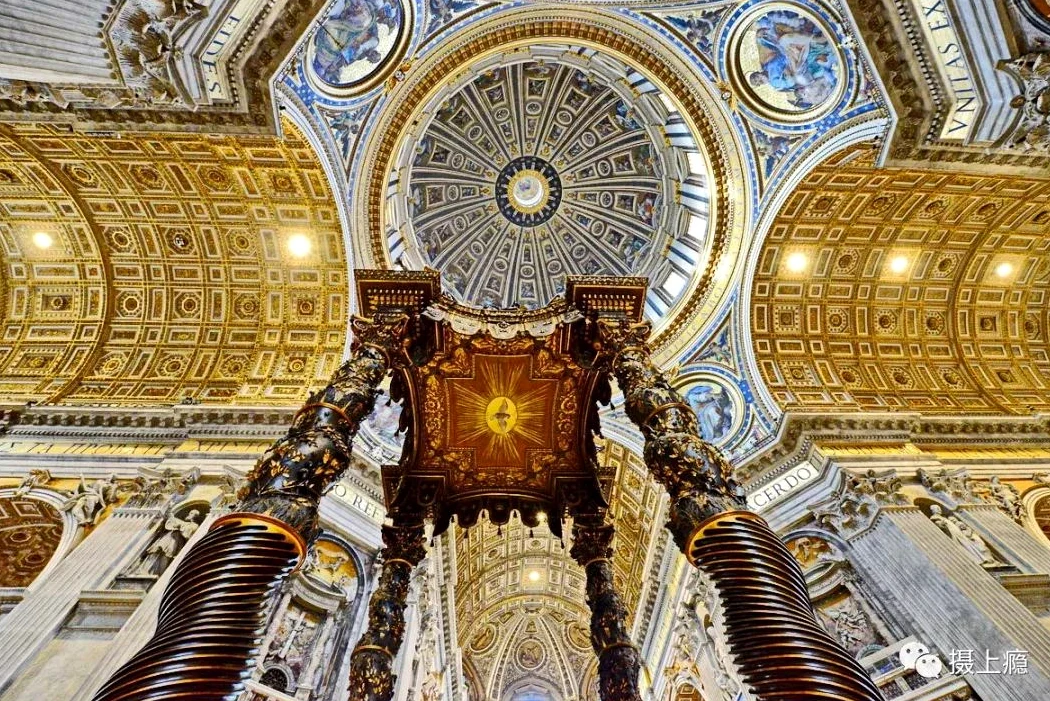
Every corner of the Vatican—from weathered stone walls to grand domes, from lifelike statues to sparkling mosaics—forms a living chapter in the history of art and architecture. It is far more than a religious site; it is a vast museum where the finest achievements of human civilization converge and shine, leaving a deep, lasting impression on every traveler.
Having admired the towering majesty of Renaissance and Baroque architecture and immersed yourself in millennia of history, you will naturally crave experiences that truly touch the heart—moments money cannot buy on its own and can only be felt fully within Vatican City. Speaking as a cultural historian, I will open the doors to the most rewarding experiences, where each step is not just exploration, but an elevation of spirit and senses.
The first journey—and a peak experience in the literal sense—is climbing to the top of St. Peter’s Dome (Cupola Climb). It is more than a physical challenge of 551 steps (or conserving energy with a partial elevator ride followed by the remaining 320 steps); it is a pilgrimage toward the heart of one of humanity’s greatest monuments. Once the final steps lie behind you, a breathtaking panorama opens up as a fitting reward for the effort. From 136.57 meters up—the height of the world’s tallest brick dome designed by Michelangelo and finished by Giacomo della Porta—visitors look out over all of keyhole-shaped St. Peter’s Square, a symbol of authority and connection. Lush Vatican Gardens stretch out alongside the historic rooftops of Rome in a living panoramic canvas where past and present blend. It is the “million-dollar view” every traveler dreams of, offering a quiet moment to reflect on human greatness and faith.
Continuing the rising wave of inspiration, exploring the Vatican Museums and the Sistine Chapel is a journey across time and artistic space. With thousands of works spanning centuries—from ancient Egyptian artifacts to Renaissance masterpieces—every gallery tells a story. However, the final stop and the crowning peak of every journey here is the Sistine Chapel. Stepping into this sacred space, visitors are overwhelmed by the transcendent beauty of the legendary fresco “The Last Judgment” and the Sistine Chapel ceiling, unmatched masterpieces by Michelangelo Buonarroti. Every brushstroke and expanse of color tells a story of creation, faith, and the human condition, leaving viewers breathless in contemplation. The stillness and solemnity inside the chapel, where papal conclaves elect the Pope, add even greater spiritual weight to the experience. Do not forget to admire the Bramante Staircase—a distinctive architectural work with an intricate double-helix design that offers iconic photo angles and showcases the brilliance of Renaissance architects.
For souls seeking a deeper connection with the Catholic faith, attending Mass or a Papal Audience is an invaluable experience. Held on Wednesday mornings in St. Peter’s Square or the Paul VI Audience Hall, the audience is a rare opportunity for visitors to listen to the Pope’s teachings and feel the solemn atmosphere and unity of thousands of faithful from around the world. Even if you are not Catholic, being present at an event of such global significance leaves a lasting impression of the power of faith and the influence of the Holy See. To secure a spot, booking tickets in advance through the Prefecture of the Papal Household is essential, showing thoughtful preparation for a historic and spiritual moment.
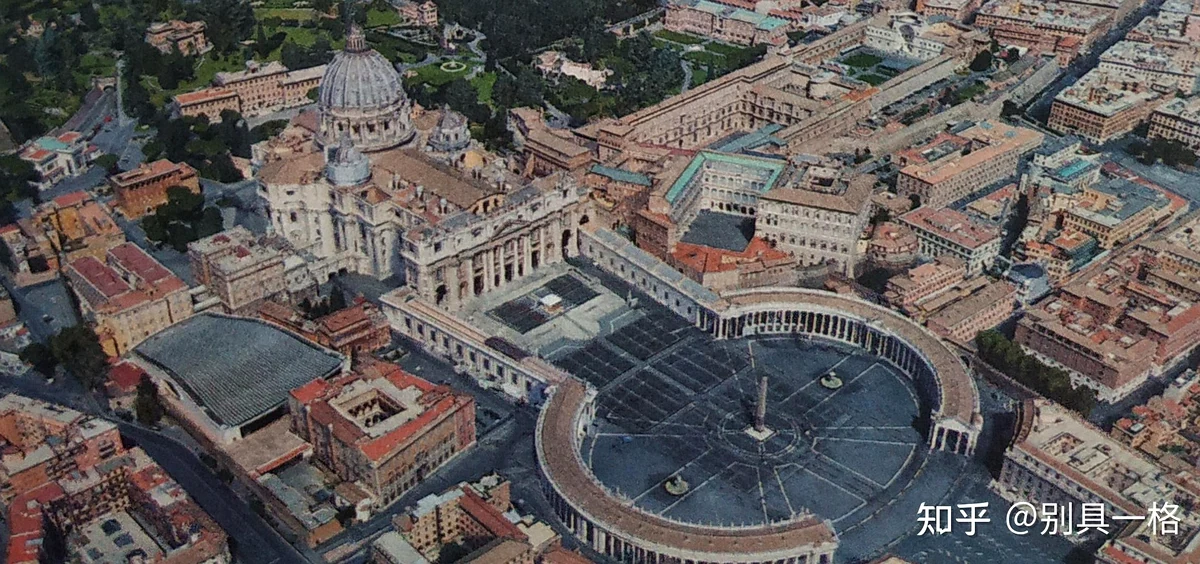
These experiences are more than just looking at monuments or artworks; they are a journey into the cultural, historical, and spiritual depth of the Vatican. Every moment here is an unforgettable mark, a “priceless” memory we always hope to bring our travelers, helping you not merely sightsee but truly live and feel every breath of this extraordinary destination.
Once your spirit has been refreshed by the sacredness and grand architectural scale of Vatican City, our exploration of Rome shifts to another dimension, no less profound and captivating: the local culinary world. Leaving behind the ancient city walls, your steps wander into the narrow streets of neighboring Prati or Borgo, where traditional Roman flavors have been preserved for generations, telling the story of a dining culture that is refined, rustic, and deeply enchanting. These are not just dishes, but heritage, the rhythm of everyday life, and the Roman way of expressing love for the land and for life—an alluring food map inviting international travelers to explore.
On Rome’s food map, it is impossible to overlook the legendary pasta duo that represents the capital’s culinary heritage: Cacio e Pepe and Carbonara. Cacio e Pepe, a masterpiece of minimalism, uses just three ingredients: fresh pasta cooked to proper *al dente*, finely grated Pecorino Romano cheese made from Lazio sheep’s milk, and coarsely ground black pepper. That seemingly simple combination creates a complex interplay of flavors—rich, savory, and gently spiced—that awakens every sense. Every strand is coated in a smooth, creamy sauce made without heavy cream, coming entirely from pasta starch and melted cheese, a testament to Roman culinary skill and the art of turning basic ingredients into peak flavor. Carbonara, a richer variation, adds diced crispy cured pork Guanciale and fresh egg yolks, creating an irresistibly silky, bold texture. This dish is more than a meal; it is a ritual and a tribute to honest, rustic flavor, reflecting the free-spirited yet poetic character of the people of Rome. To enjoy this essence to the fullest, we especially recommend Pastasciutta on Via d’Aprola, a small fresh-pasta spot with a big reputation right beside the Vatican walls. Here, you can watch handmade pasta being crafted and enjoy steaming plates rich with traditional flavor at remarkably down-to-earth prices without sacrificing quality compared to any upscale restaurant—an authentic and memorable dining experience.
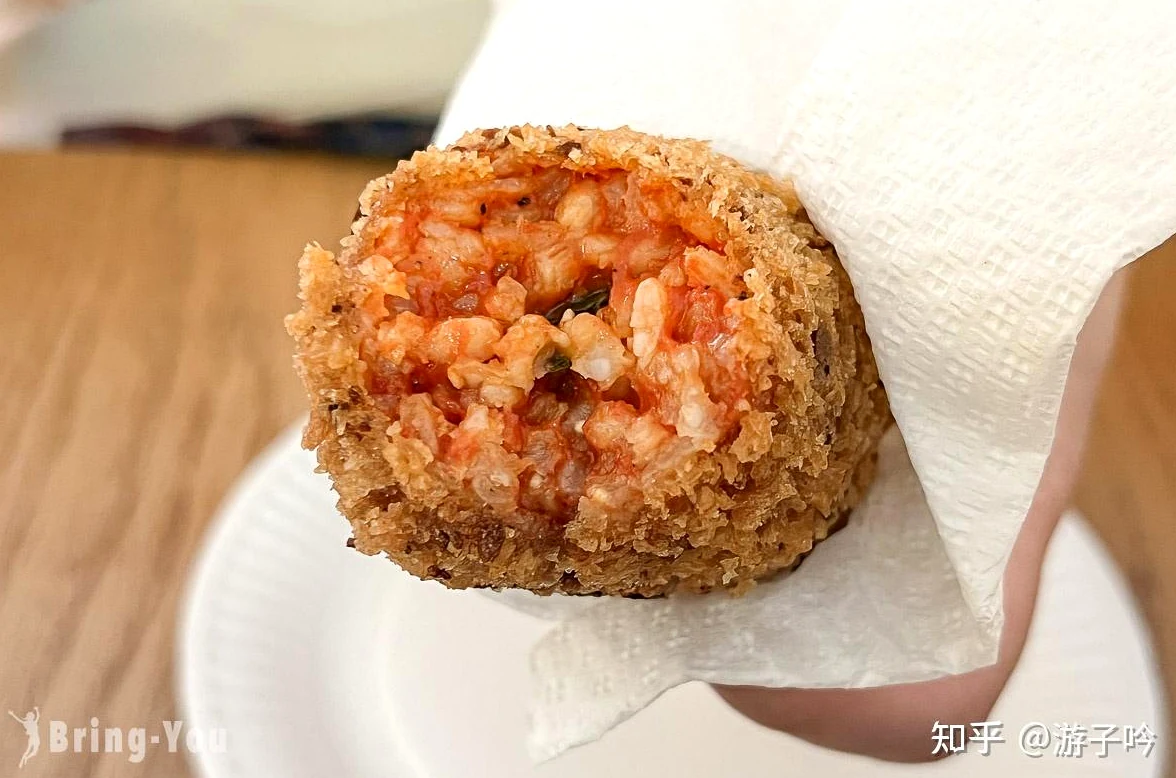
Continuing the flavor journey, do not miss Supplì—crispy fried rice croquettes nicknamed the “kiss of Rome.” Unlike Sicilian Arancini, Supplì has a charming character all its own in the capital, smaller and more delicate. The rice is mixed with rich tomato sauce around a core of fresh mozzarella, then coated in breadcrumbs and deep-fried until golden and crisp. The magic happens when you break a Supplì in half: melted mozzarella stretches out like a telephone wire, creating the famous “supplì al telefono” effect that delights both the eye and the palate. It is an ideal street snack—a quick bite packed with energy often found at pizzerias or small eateries, and an indispensable part of Roman street food culture. For some of the most authentic Supplì, visit Supplì Roma in the Prati neighborhood, where the dish is elevated into an art form with a family recipe passed down across generations.
And of course, it would be a major omission to leave Rome without enjoying authentic Italian gelato. Gelato is more than ice cream; it is a culinary philosophy and a symbol of refinement and *joie de vivre*. With lower fat content than regular ice cream, less air whipped in, and a warmer serving temperature, gelato delivers deeper flavor, a smoother texture, and a slow melt on the palate that sets it worlds apart from mass-produced ice cream. Every scoop is a journey through natural flavors—from the bright tang of Sicilian lemon and gentle sweetness of fresh strawberries to the nutty richness of renowned Pistachio or the subtle bitterness of pure dark chocolate, all made from the freshest seasonal ingredients. In Rome, Old Bridge Gelateria on Viale dei Bastioni di Michelangelo, right near the Vatican entrance, is a must-visit. Famous since 1978, this gelateria has become a legend for fresh batches made by hand every day using top-quality ingredients and traditional recipes. Try the signature Pistachio or any seasonal fruit flavor to feel the difference—a sweet finish to your Roman food adventure that leaves a lingering impression on the tongue.
The food culture around the Vatican is not just about delicious dishes; it is an inseparable part of the travel experience. It is where history, tradition, and an endless passion for life meet, where every dish tells a story and every flavor becomes an unforgettable memory. From plates of pasta brimming with traditional flavor to crispy fried rice bites and cool scoops of gelato, all of it enriches your exploration of Vatican City and St. Peter’s Basilica, turning your trip into a multi-sensory harmony of architectural beauty and the bold flavors of Italy that stays in every traveler’s memory.
After immersing yourself in the flow of grand history, admiring transcendent architecture, and savoring the best of Roman cuisine, exploring Vatican City and St. Peter’s Basilica would not be complete without a practical pocket guide. Thorough preparation is the key to unlocking an experience that is not only memorable but also safe and meaningful at the heart of global Catholicism. From the ideal time to arrive and non-negotiable dress rules to key security reminders and visiting hours, every detail is distilled here so you can step into this sacred, magnificent space with peace of mind.
To experience the full serene beauty and majesty of the Vatican without being overwhelmed by crowds or harsh Mediterranean summer heat, spring (April – May) and autumn (September – October) are the ideal seasons. The mild, pleasant weather of spring and the crisp breeze of autumn make walking and exploring far more comfortable. These are also periods when visitor numbers, though still busy, drop noticeably compared to peak summer, giving you more space and time to take in every detail of the grand architecture—from the quiet inside the Basilica to the commanding view of Michelangelo’s Dome.
One of the most important rules—mandatory and a mark of deep respect for the sacredness of the Holy See—is the dress code. Whether male or female, you must make sure your clothing covers your shoulders and knees. That means shorts, skirts above the knee, tank tops, backless tops, and sheer clothing are strictly not allowed. Many visitors have had to turn back in regret or rush to buy wraps at nearby shops because they overlooked this rule. Our honest tip is to keep a light scarf in your bag. It comes in handy to drape over your shoulders when needed and can also cover your head if you wish to show extra reverence in certain areas. Following this rule makes entry smooth and reflects cultural awareness and tact.
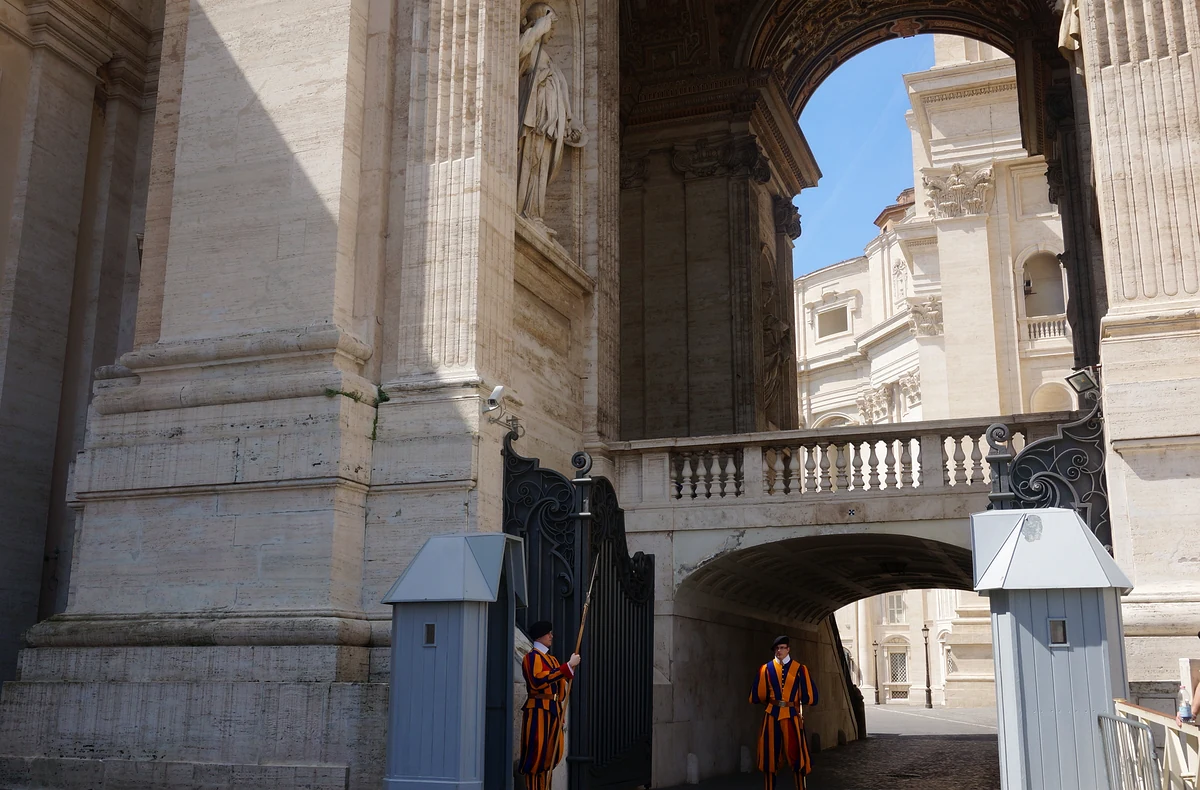
With millions of visitors arriving each year, the area around St. Peter’s Square and the Vatican Museums entrance—especially long queues—is a prime target for professional pickpockets. To protect your personal belongings and avoid unnecessary risks, stay extra alert. Always wear a backpack or small bag in front of your chest, and never keep wallets, mobile phones, or important IDs in back trouser pockets or easily accessible coat pockets. Avoid flashing expensive jewelry or large amounts of cash. When moving through crowds, keep a safe distance from strangers and keep your eye on your bags at all times. A little extra caution will help ensure a safe and seamless trip.
Knowing opening hours and visiting procedures in advance will help you make the most of your precious time. St. Peter’s Basilica opens daily from 07:00 to 19:00 from April through September, and closes slightly earlier at 18:30 from October through March. Although admission is free, queues can stretch anywhere from 30 minutes to as long as two hours, especially during peak season or major holidays. Arriving right when doors open or late in the afternoon can help you skip the longest lines. As for the Vatican Museums—home to priceless art treasures and the legendary Sistine Chapel—hours run from 08:00 to 19:00 Monday through Saturday, with last entry at 17:00. The museums are closed on Sundays except for the last Sunday of each month, when admission is free from 09:00 to 14:00. Keep in mind, though, that free Sundays tend to be extraordinarily crowded, which can affect the experience. To avoid wasting valuable time standing in line, researching carefully and booking tickets online ahead of time is well worth the effort.
In short, a journey to Vatican City is more than a standard sightseeing trip—it is a pilgrimage back to roots of culture, art, and spirituality. With these practical notes on ideal timing, strict dress codes, essential safety precautions, and exact opening hours, we hope you feel thoroughly prepared. Let every moment at the Vatican become a lasting memory marked by quiet reflection and inner peace, free from small worries. Thoughtful preparation is the golden key that opens the door to this remarkable heritage.
After tracing the layers of history, architecture, and matchless art across Vatican City and St. Peter’s Basilica, we can all feel more deeply the grandeur of a tiny state carrying immense cultural and spiritual weight. From its foundation over Saint Peter’s tomb in the first century, through the vision of master architects like Donato Bramante, Michelangelo Buonarroti, and Gian Lorenzo Bernini, to the Lateran Treaty of 1929 that established the independent Vatican City State, every stone and fresco tells an enduring story. Now, to turn that insight and wonder into a smooth, full, first-class experience in person, VDS Travel is delighted to invite you to write the final chapter of this adventure.
At VDS Travel, the Vatican is positioned not merely as a stop on an itinerary, but as a Key Highlight—a signature heritage centerpiece across our premium European tours. In iconic routes such as our All-Inclusive Tour Package across France, Switzerland, and Italy, as well as focused journeys through Rome, Florence, and Venice, the Vatican is thoughtfully scheduled so travelers can take in its historical, artistic, and spiritual meaning without rush. We know a visit to the Vatican is not just about looking—it is about connecting deeply with human heritage.
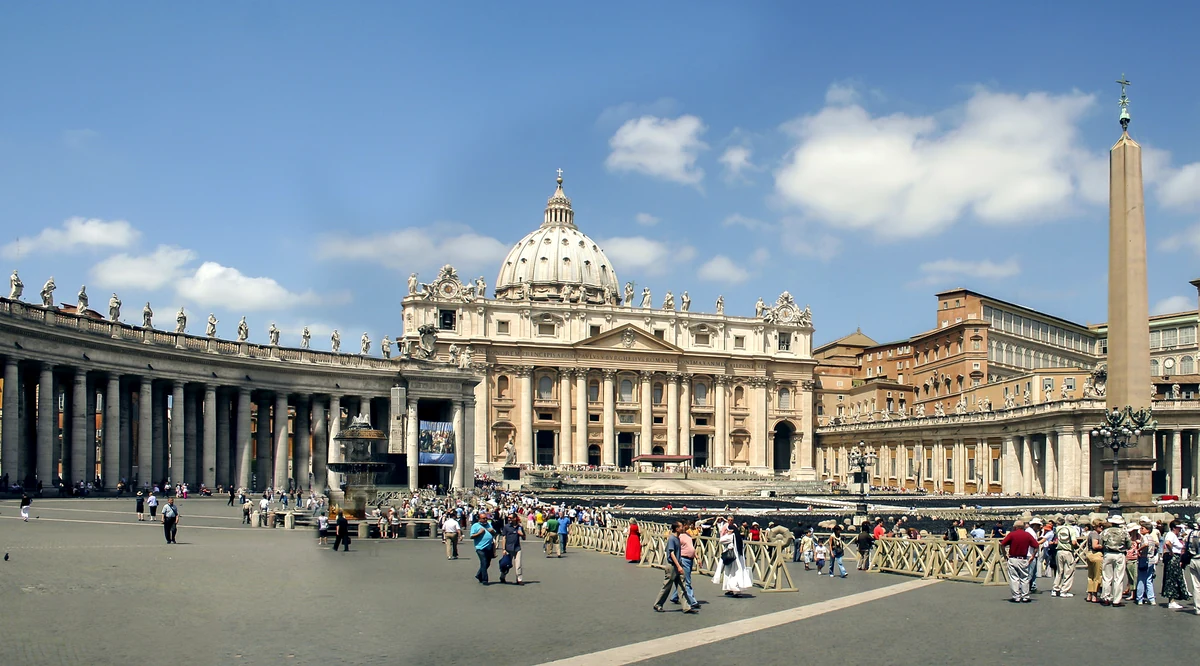
One of the service perks VDS Travel is proud to offer is a Fast-track Skip-the-line experience. Remember those queues that can take anywhere from 30 minutes to two hours just to enter the Basilica or the Vatican Museums? Through priority booking channels built with our strategic partners, guests can save two to three hours and avoid standing tired under sun or rain. Instead of waiting, you can take your time enjoying a rich Italian espresso, or simply pause to admire the sweeping keyhole sweep of St. Peter’s Square before stepping into a boundless world of art and history.
Even beyond saving time, VDS Travel adds depth to your visit with an Expert Tour Guide team. Rather than standard escorts, they are scholars well versed in Renaissance art, Church history, and the fine architectural details of the Vatican. Picture standing beneath Michelangelo’s 136.57-meter-high dome, before the moving Pietà, or looking up at the Sistine Chapel ceiling and the legendary Last Judgment, with each story and allusion brought vividly to life through quality wireless headsets. From the earliest basilica built under Emperor Constantine, to Pope Julius II’s bold vision, to Michelangelo’s brushwork overhead, every detail comes across clearly and emotionally so you do not just see each masterpiece—you feel its spirit.
Seamless flow across the day is another top priority for us. VDS Travel streamlines transit times and pairs the Vatican smoothly with nearby landmarks. After spending time in the sacred atmosphere of the Holy See, you can easily head on to explore Castel Sant’Angelo—a historic fortress closely tied to popes over the centuries—or stroll beside the scenic Tiber River right nearby. Every step is planned for an elevated, comfortable, and well-paced visit, from keeping modest dress requirements (covered shoulders and knees) stress-free to sharing practical tips on preventing pickpocketing in crowded areas. We look after the small details so you can relax and take it all in.
Exploring the Vatican with VDS Travel goes beyond admiring grand architecture and priceless artworks. It is also a chance to step into local Roman rhythm and savor classic dishes like authentic Cacio e Pepe or Carbonara pasta near the Vatican walls at Pastasciutta, or taste true Italian gelato at Old Bridge Gelateria. Each touchpoint comes together into a well-rounded picture spanning history, art, spirituality, and food—all woven into an unforgettable trip.
Let VDS Travel be your trusted guide to the heart of Roman Catholicism and one of humanity’s greatest cultural landmarks. We are committed to delivering more than ordinary sightseeing—a journey rich in discovery, feeling, and genuine connection. Don’t wait—visit the All-Inclusive Tour Package now to explore refined European tours and reserve your spot for the trip of a lifetime. A world of wonders is ready to unfold with us.