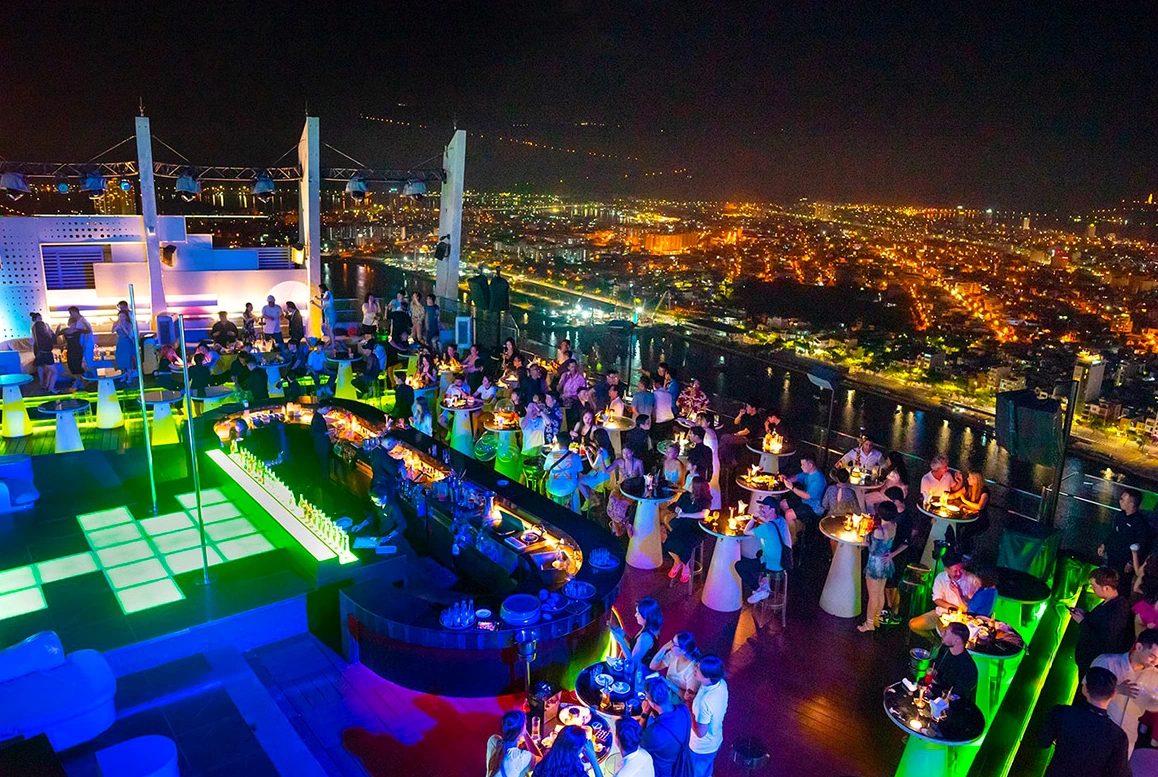
Sign In to Save
Sign in to see if you can save at least 10% at this property.

Standing proudly and majestically amidst the magnificent Truong Son mountain range, Ba Na Mountain emerges as a unique coordinate, a geomantic fortress safeguarding the land of Quang Nam and Da Nang for millennia. Boasting an average altitude of nearly 1,487 meters above sea level, this peak is not merely a geographical high point but also a historical witness, a convergence of the spiritual energies of the Quang region. From an overarching feng shui perspective, Ba Na is a natural grand focal point surrounded by mountains, with its back against the rolling Truong Son range and facing the vast East Sea. This rugged yet magnificent terrain has created a one-of-a-kind microclimate, where all four seasons converge in a single day, and misty clouds embrace the steep mountain slopes and murmuring streams year-round.
Regarding its name’s origin and historical progression, the name Ba Na has long been immersed in the dust of time through local legends and court chronicles. According to cultural researchers and folk memory, the name Ba Na may originate from the indigenous K’Ho people’s word for a high mountain, or from French explorers who, upon arriving, found the mountain abundant in wild bananas (called “bananier” in French) and thus named it Ba Na Mountain. From the perspective of official historical records, dating back to the era when the Nguyen Lords pioneered new settlements, this mountain was documented in ancient geographic records such as “Dai Nam Nhat Thong Chi” and “Phu Bien Tap Luc” by Le Quy Don as a wild, majestic, and mysterious remote region. Through the vicissitudes of time, the lands at the foot and slopes of Ba Na Mountain still preserve invaluable archaeological cultural layers, from ancient relics of the Sa Huynh culture to the religious ceremonial spaces of the ancient Champa kingdom, intimately linked with the tranquil Cham tower systems on both banks of the Thu Bon and Han rivers.
The historical journey of Ba Na becomes even more profound as it is intertwined with the footprints of accomplished high monks and the Buddhist spiritual system. Deep within the tranquil great forests, this place used to be the ancestral sanctuary of the Lam Te Chanh Tong sect, where Zen Master Thich Mat Khe and many other high monks chose to practice and seclude themselves to blend into the pure emptiness. Furthermore, this sacred mountain has been an endless source of inspiration for celebrities, scholars, and Nguyen dynasty officials during their inspections and governorships of the Quang region. They left behind numerous literary works praising the magnificent landscape, the majesty of the misty clouds, and the otherworldly, refined beauty of Ba Na’s fairyland.
At the dawn of the 20th century, under the strategic vision of Indochina Governor-General Paul Doumer, an expedition led by engineer Debay pulled back the misty curtain to plan Ba Na into a high-end European-style resort. Although the ancient villas, luxurious restaurants, and trails of that era were mostly devastated in the fires of war between 1945 and 1975 and the erosion of time, the heritage and geological values of Ba Na Hills today are still deeply cherished by management agencies and the press. It has grown into a unique heritage tourism symbol, where a glorious past and a prosperous present blend together, continuing to write the legendary story of a sacred mountain in the heart of Vietnam’s heritage.
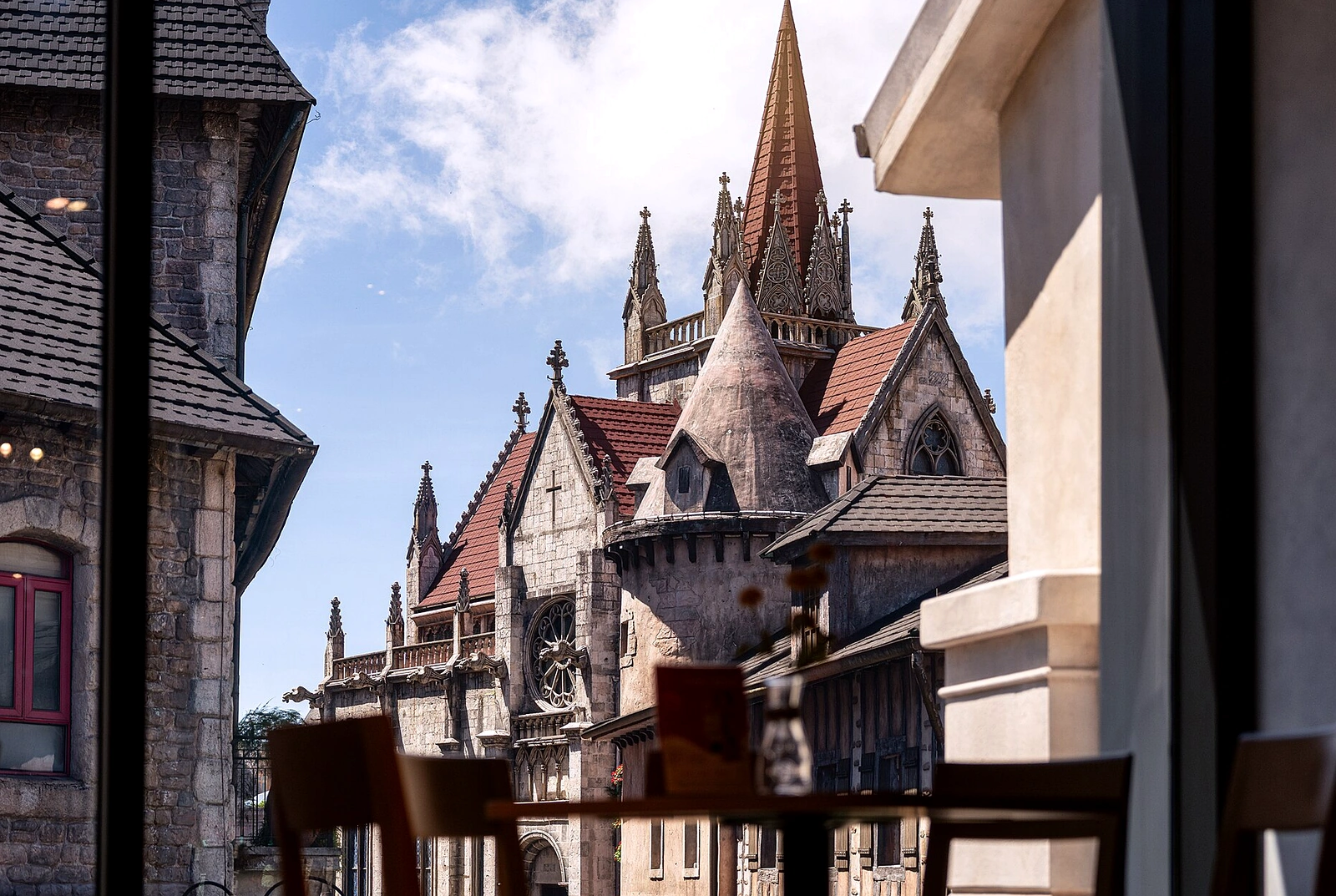
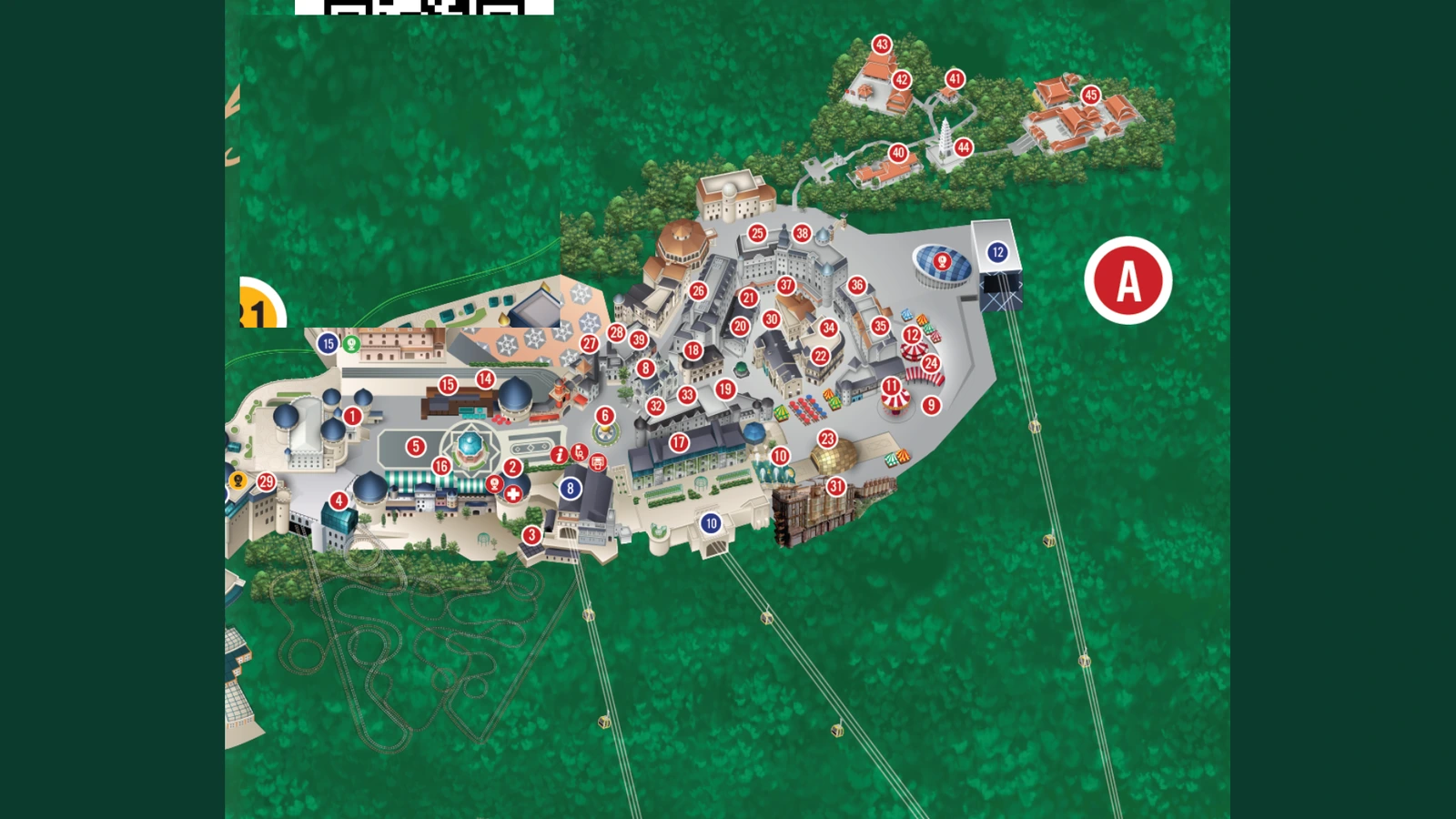
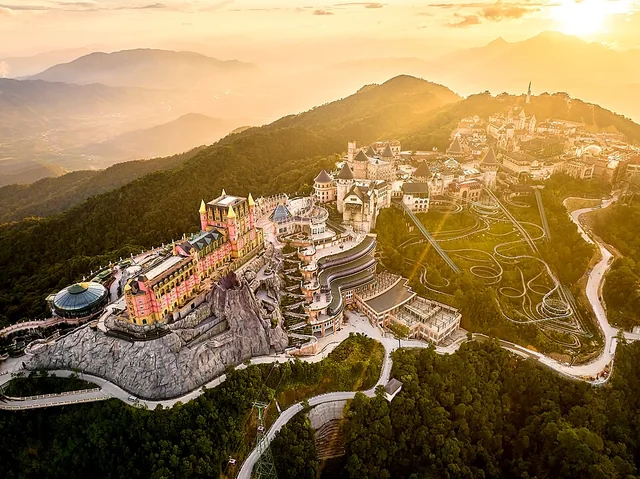
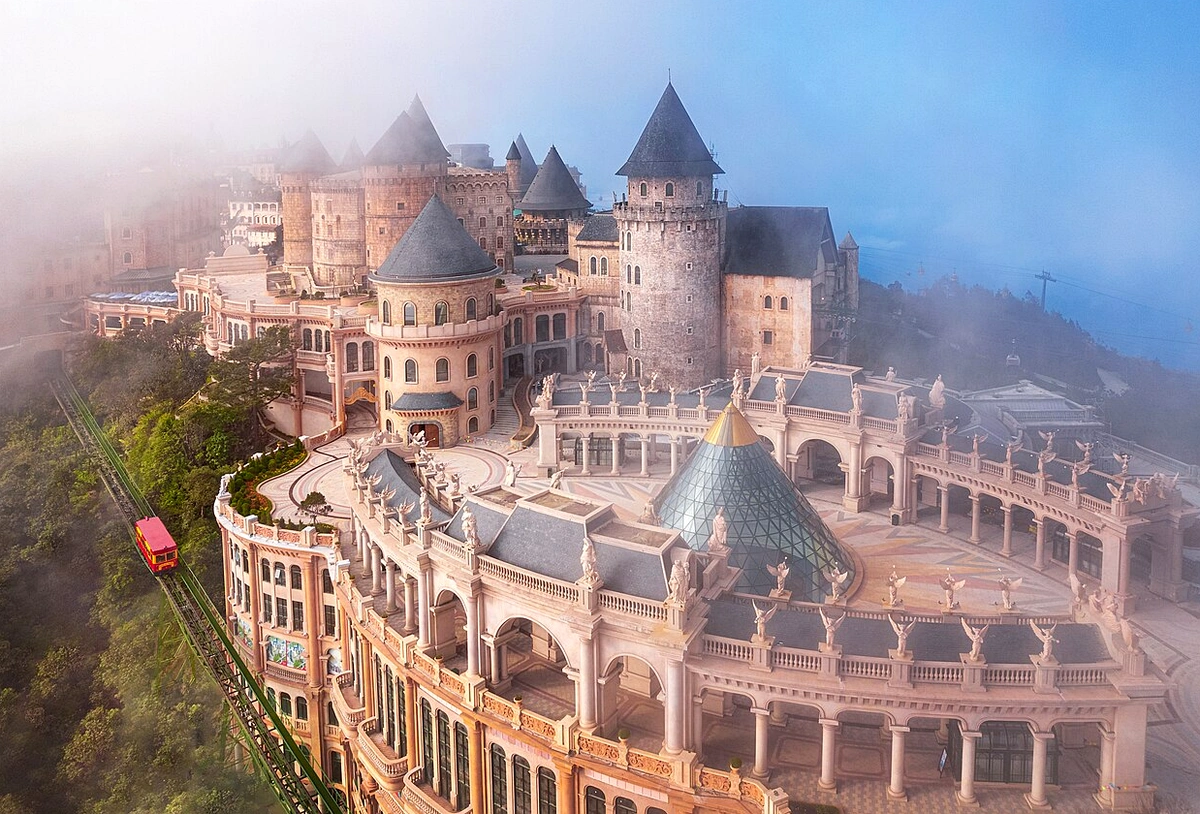
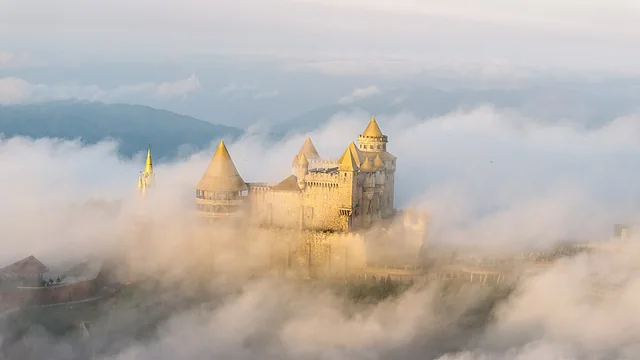
Setting foot on the summit of Ba Na, visitors feel as though they are wandering into a fairyland where the boundary between earth and sky seems to dissolve. Possessing a unique terrain rising nearly 1,487 meters above sea level, this place is graciously blessed by nature with a uniquely four-season-in-one-day climate, perfectly combined with human artistry to create a one-of-a-kind landscape masterpiece. Spanning across the mountain peak is an architectural complex imbued with classical European imprints, reminiscent of a tranquil yet magnificent 19th-century French village amidst deep green forests.
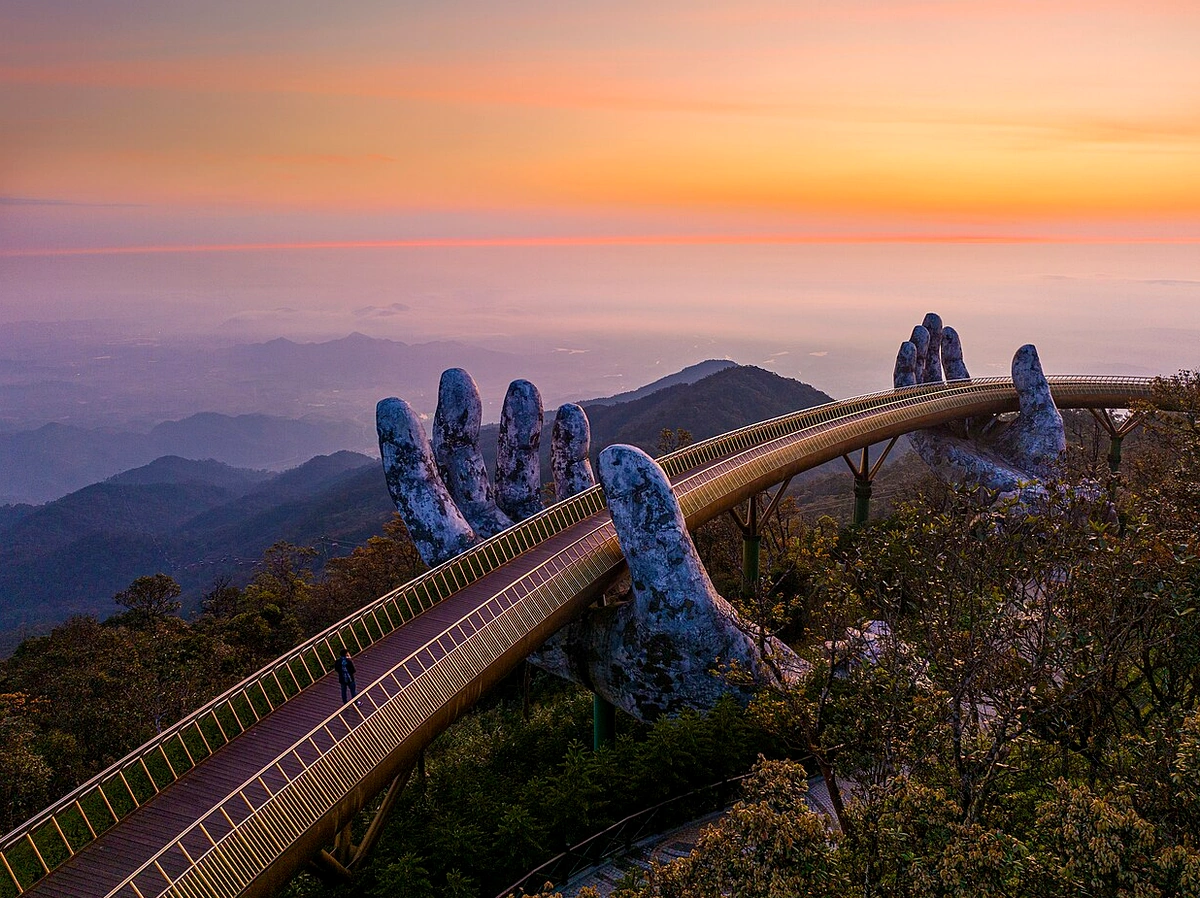
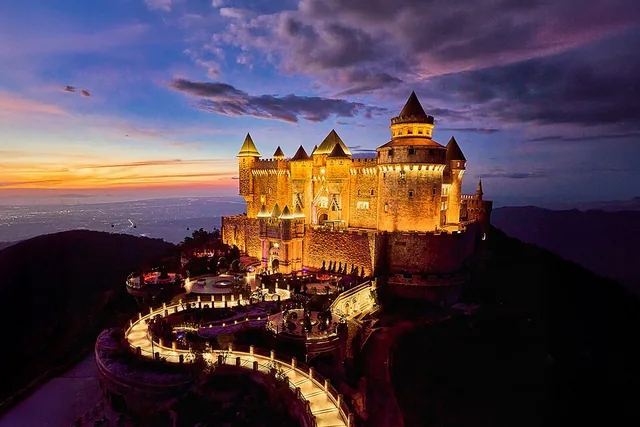
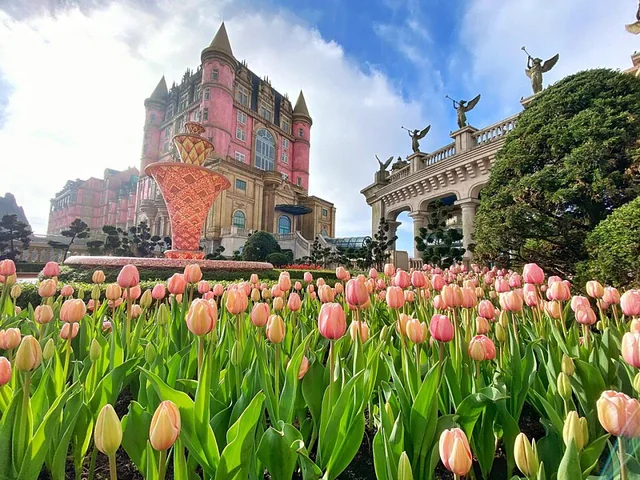
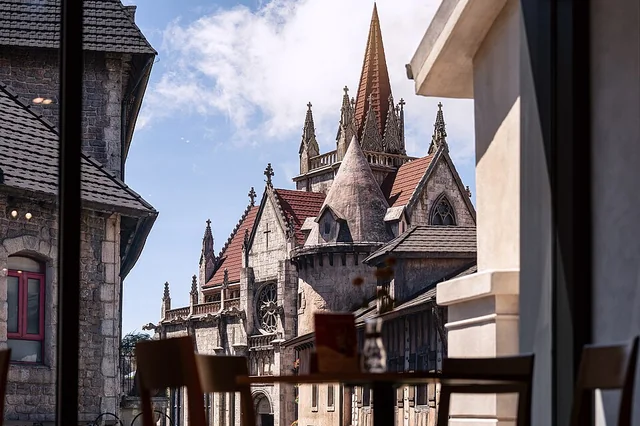
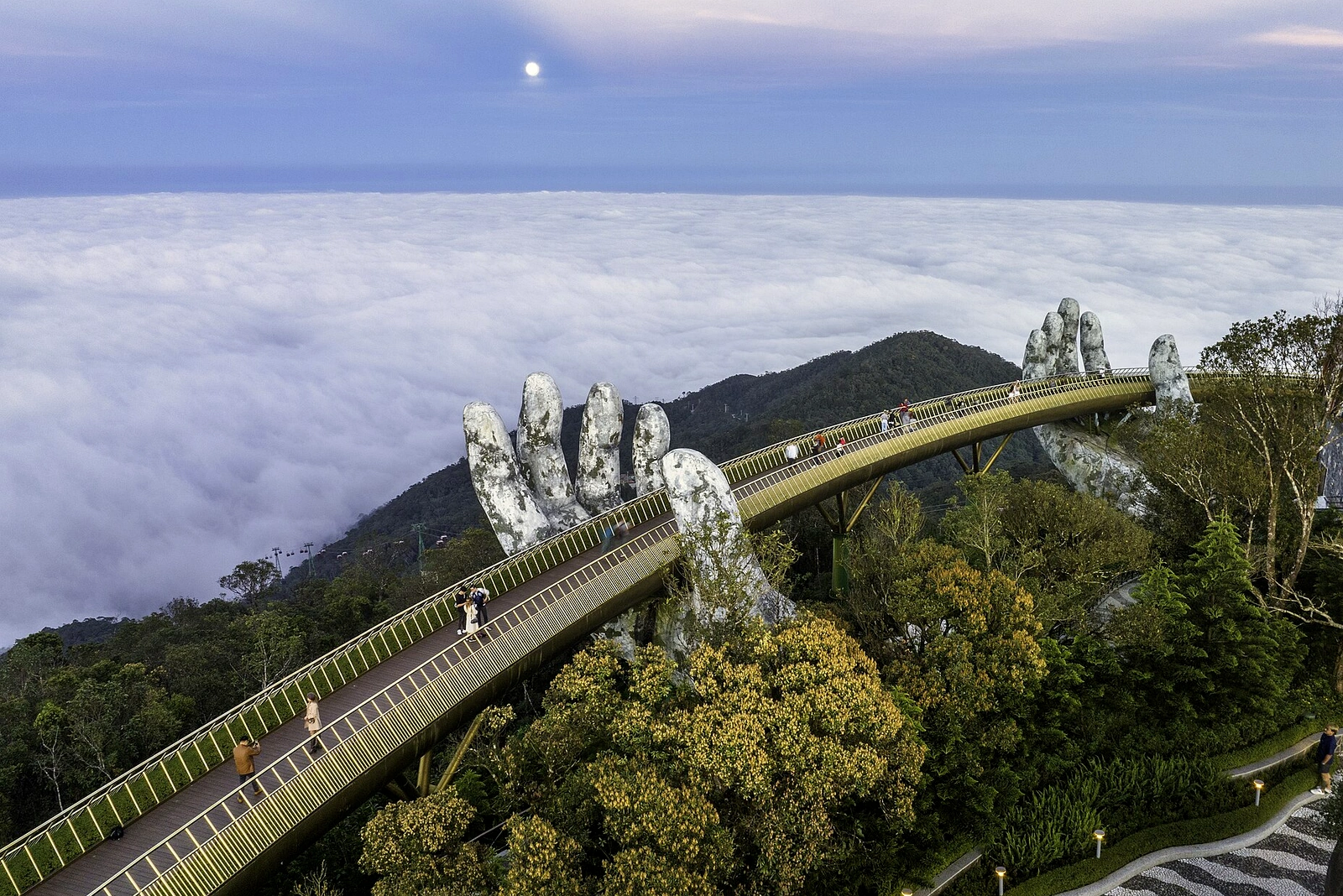
Every architectural detail here is a delicate symphony between sculpture and peak construction techniques. The system of ancient castles and churches with distinctive sloping tiled roofs, rustic stone walls meticulously carved with intricate details, and soft curved arched windows all exude timeless beauty. Interspersed among this Gothic architectural space are brilliantly colorful floral carpets tended with great care, creating a flawless crossover between European nostalgia and the wild, majestic beauty of the Quang mountain forests. Standing out in this space is the Golden Bridge with its globally iconic design, featuring two giant mossy hands emerging from the mountain bosom, cradling a vibrant golden silk strip winding through the floating clouds.
To fully capture the most breathtaking moments in this fairyland, professional photographers and international travel press usually prioritize shooting from two classic angles. First is the viewpoint at the Golden Bridge railing area facing the vast primordial valley; the ideal time is at dawn (from 6:00 to 7:30 AM) when the first rays of sunlight pierce through the thick fog, illuminating the giant hands to create a magical, mystical, and epic scene. The second photographic angle, dubbed the “million-view coordinate,” is located at the central square of the French Village, which gathers pointed spires stretching straight up into the deep blue sky.
The sunset moment (from 17:00 to 18:00 PM) at this angle brings an overwhelming feeling as the twilight dyes the ancient stone walls in vibrant gold, transforming the entire architectural complex into a vivid oil painting. The combination of mountain winds and clouds, magnificent architecture, and natural light turns every frame at Ba Na into a precious work of art, captivating any traveler passionate about travel and photography.
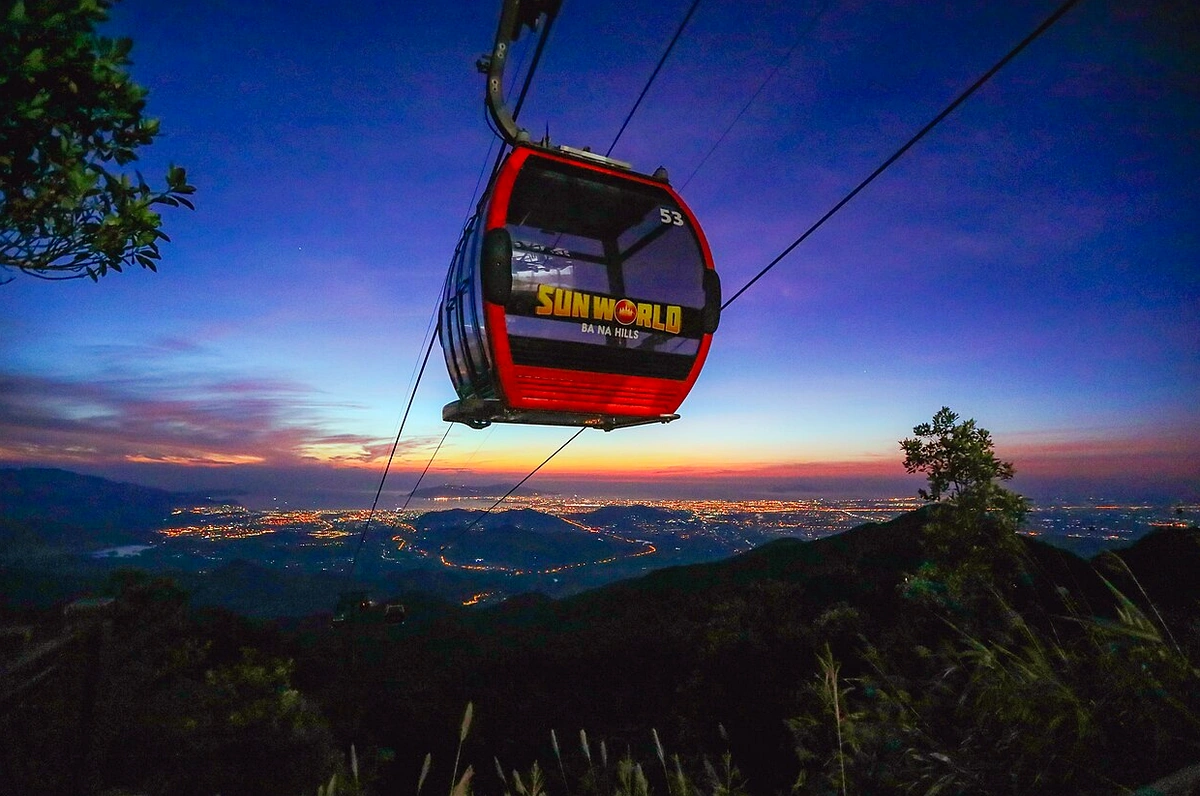
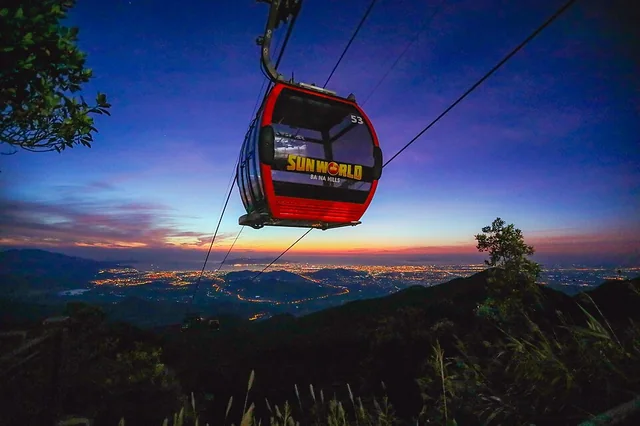
Setting foot in Ba Na Hills today, visitors not only touch the heroic historical pages of Quang land but also step into a breathtaking and vivid practical experience world. The journey to conquer the nearly 1,487-meter peak begins right from the cable car cabins suspended amidst the sea of clouds, taking travelers across white-headed waterfalls and the deep green primeval forests of the majestic Truong Son mountain range. Viewed from above, the entire city of Da Nang, the winding Han River like a soft silk ribbon, and the Central coastline stretching with white sand gradually shrink into view, bringing an indescribably free and open feeling.
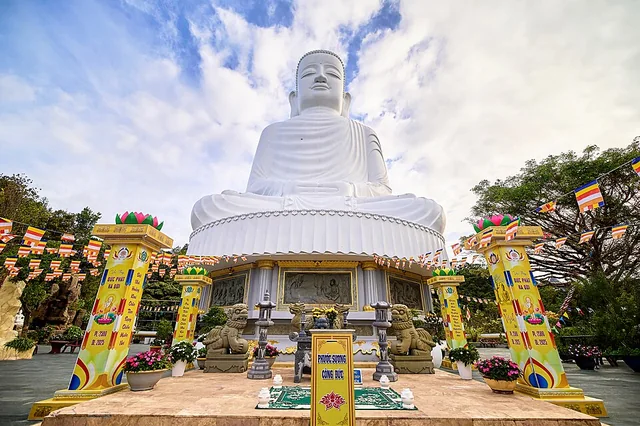
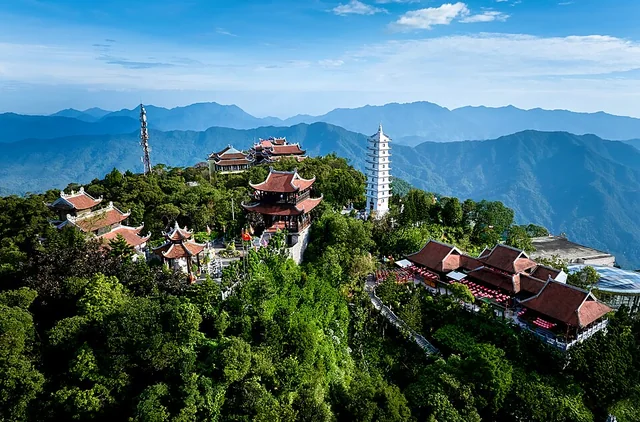
When stepping off at the stop station, the characteristic chilly air of the high plateau immediately awakens all senses, dispelling the sweltering heat of the lowland city. Amidst that hazy, misty space, the tranquil spiritual rhythm of life here emerges extremely vividly. Visitors can leisurely walk on mossy stone steps, seek out Linh Ung Pagoda with its majestic Shakyamuni Buddha statue facing the vast sea, or calm their minds in serene meditation spaces. The echoing temple bell blended with the whispering wind creates a soul-cleansing sound, making anyone who sets foot here feel a deep sense of peace, shedding all the daily hustle and bustle.
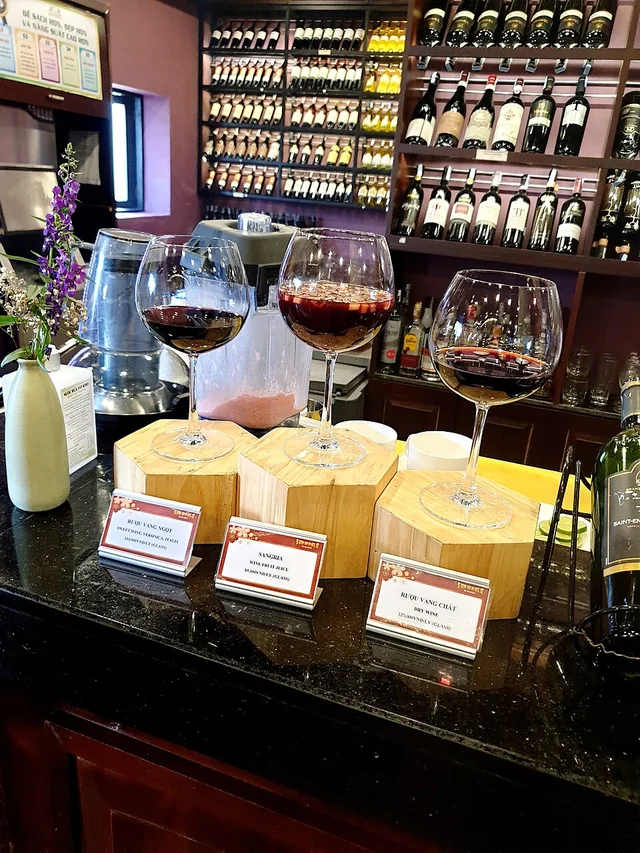
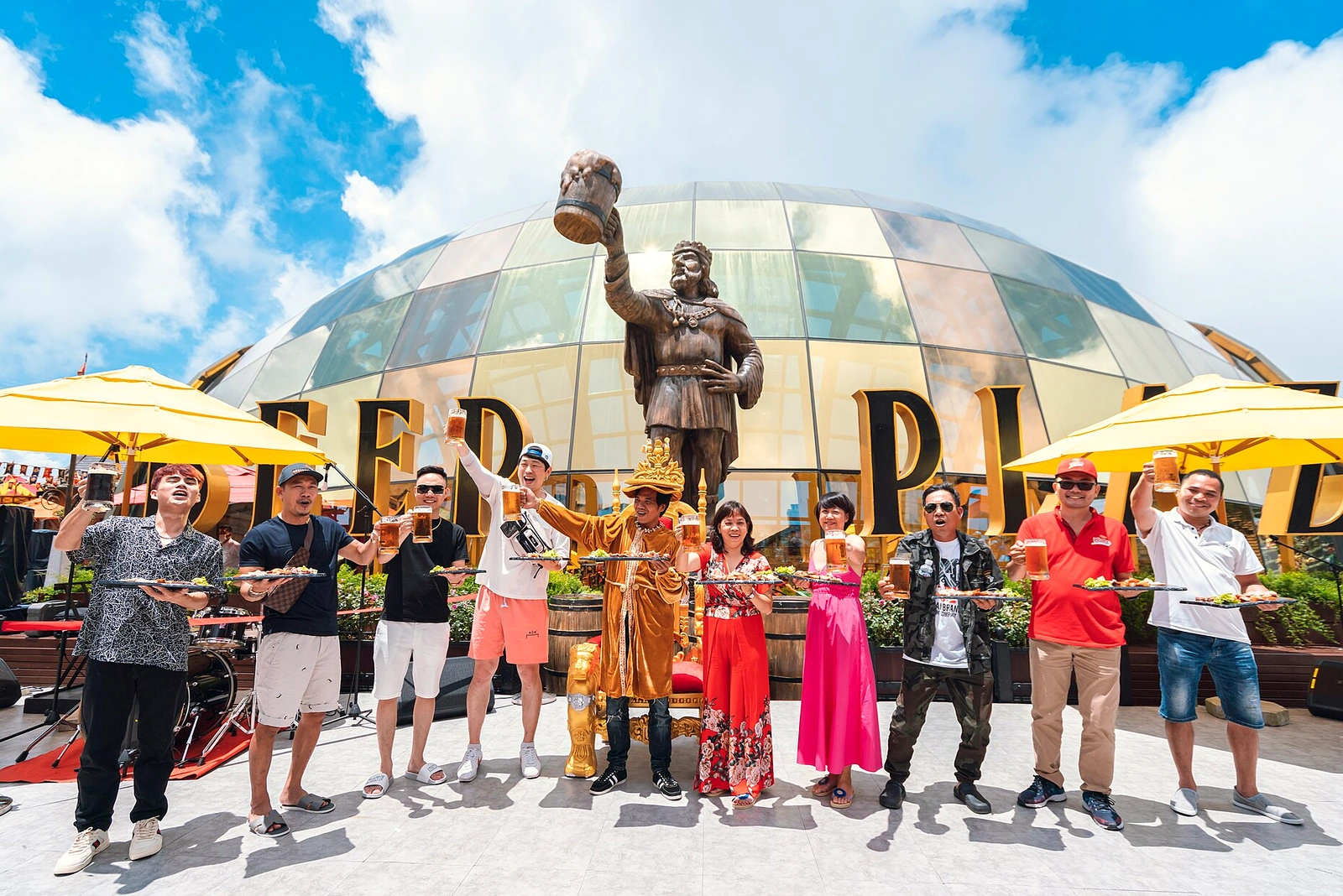
Alongside the spiritual depth and magnificent natural landscapes, Ba Na also captivates travelers with unique and sophisticated culinary experiences. Wandering through the ancient French village spaces with magnificent Gothic architecture, visitors feel like they are lost in a miniature Europe in the heart of heritage. The mouth-watering aroma from traditional food stalls radiates invitingly, where diners can enjoy famous specialties of the Quang Nam – Da Nang region such as Quang noodle rich with hometown flavors, refreshing two-ended pork roll rice paper, or sip a glass of warm wine in centuries-old wine cellars. The perfect blend of local culinary flavors rich with the soul of Quang land and refined Asian-European dining styles elevates all emotions of the tasters.
Leaving Ba Na Hills when the sunset begins to dye the western mountain ranges red, what lingers in every traveler is not just stunning check-in photos or bustling entertainment experiences, but an unforgettable, poignant emotion. It is the awe of natural wonders and human artistic craftsmanship, the emotion before a vibrant local cultural space that flows persistently through time. Ba Na is truly a precious destination, where the past and present blend, and where humans rediscover a sacred connection with nature and themselves.
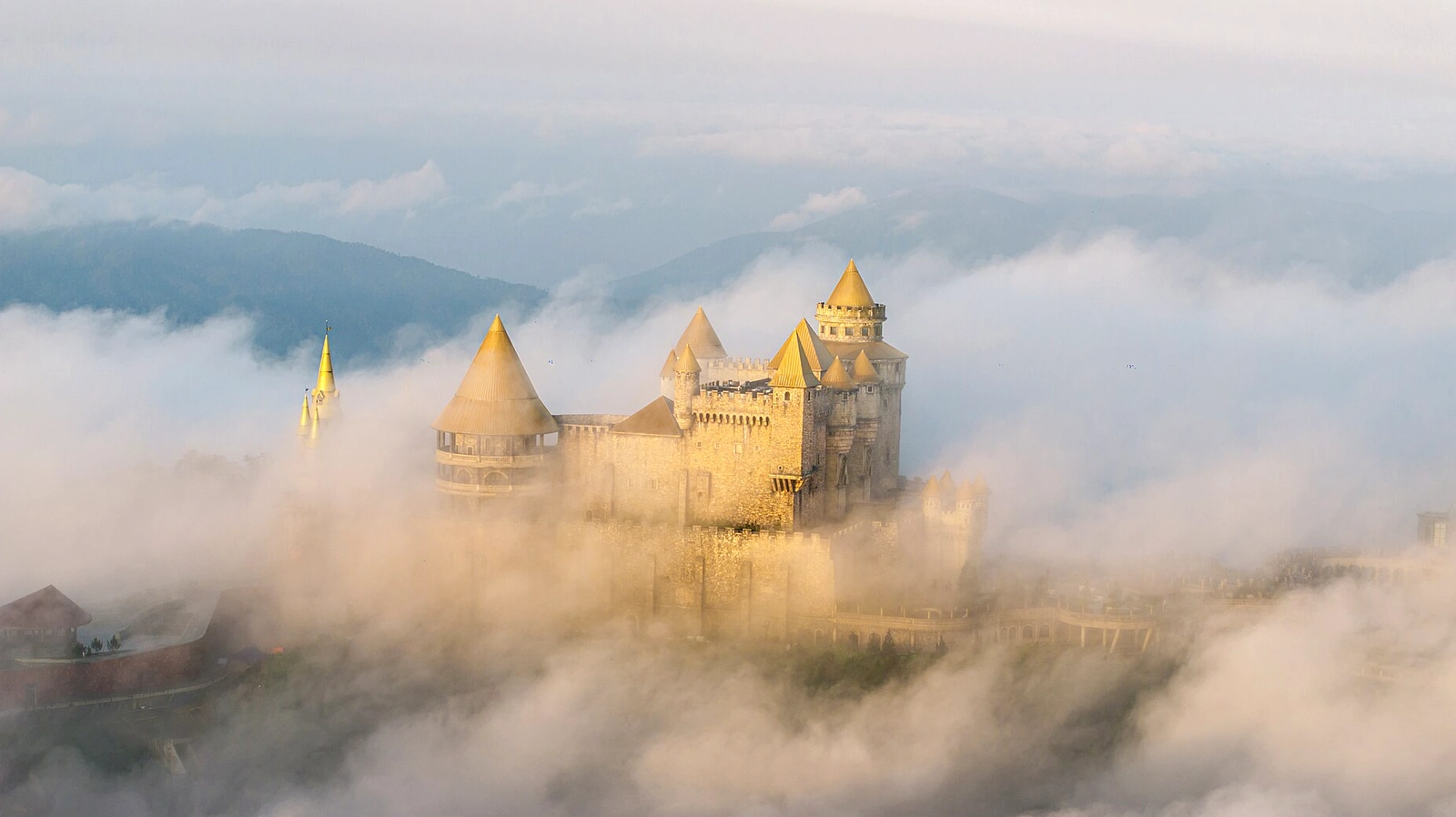
To ensure the exploration journey of the Ba Na Historical – Monument Complex goes smoothly and completely, visitors should equip themselves with practical experience regarding timing, transportation, and necessary regulations. Regarding the ideal time to visit during the year, the dry season from March to August annually is considered the most perfect period. At this time, the weather on the peak of Ba Na is extremely clear with brilliant sunshine, very favorable for admiring the panoramic majestic nature and participating in outdoor activities. Conversely, the rainy season from September to February of the following year brings a misty, magical atmosphere, suitable for those seeking tranquility and nostalgic spiritual space.
The tourist area opens to welcome visitors every day of the week, starting around 07:00 AM and ending cable car operations at 19:00 PM, allowing visitors to comfortably plan their sightseeing schedule. Regarding listed ticket prices, the pricing policy is clearly distinguished between out-of-province guests and locals (with special incentive policies for residents with permanent residence registration in Da Nang), including round-trip cable car tickets and access to most scenic and architectural attractions. Specifically, the spiritual area and mountain temples do not charge any entrance fees at all.
The most optimal travel route from Da Nang city center to the foot of Ba Na mountain is about 30km long, taking about 45 to 50 minutes of travel. Visitors can choose to follow the Hoang Van Thu – Nguyen Van Linh route, continue across the Hoa Cam overpass to merge into National Highway 1A, then turn onto the Ba Na – Suoi Mo route (DT602) to go straight to the tourist area gate. Popular and safe vehicles include personal cars, taxis, all-inclusive shuttle buses, or motorbikes for those who are passionate about backpacking on winding mountain-side routes.
Additionally, because Ba Na is a complex combining religious spaces, beliefs, and high mountainous terrain with many stone steps, visitors should note to choose polite, discreet, and modest attire when entering sacred spaces such as temples and meditation centers. Sports shoes or flat shoes with good grip are mandatory to protect feet, making the movement across steep mountain slopes safe, comfortable, and meaningful.
To enjoy a complete vacation and fully admire the beauty of Ba Na Hills without worrying about arranging transportation, booking sightseeing tickets, or travel itineraries, visitors can choose premium all-inclusive Da Nang tour packages from VDS Travel. Each tour is designed to optimize check-in times when the scenery is most vibrant, accompanied by a team of guides thoroughly knowledgeable about local culture and top-notch hotel and culinary service standards.
Sign in to see if you can save at least 10% at this property.
1. Sun World Ticket Height Regulations
| Ticket Category | Height Standard | Applicable Benefits |
|---|---|---|
| Children under 1m00 | Under 100 cm | 100% free cable car & buffet when accompanying parents |
| Children from 1m00 – 1m39 | From 100 cm to under 140 cm | Standard child ticket pricing applies |
| Adults & Children from 1m40 | 140 cm and above | Standard adult ticket pricing applies |
* Guest height will be measured directly at the control gate using the resort’s standard laser height measure.
2. E-Ticket (QR Code) Issuance & Usage Process
3. Operating Hours & Important Notes
Not at all. VDS Travel provides 100% QR Code E-Tickets. You simply open your phone and scan directly at the automatic control gates to board the cable car immediately, saving 30 - 45 minutes of queuing during peak season.
Starting in 2026, Sun World applies a flexible cable car ticket policy allowing unlimited entry and exit within 72 hours (3 days) from the first scan, which is very convenient for visitors staying overnight on Chua Mountain peak.
Yes. All children with a height from 100cm to 139cm are eligible for the child ticket rate. Children under 100cm (under 1m) enjoy 100% free admission for all services including cable car and buffet.
The basic cable car ticket includes over 100 free games at Fantasy Park such as the Drop Tower, 4D/5D Cinemas, Dinosaur Park, Bumper Cars, etc. Only the Wax Museum and coin-operated claw machine games charge a separate fee.