Tracing a geographic corridor winding from the coastal bay up into the mountainous Lingnan highlands, the route linking Dongxing, Nanning, and Guilin acts as a living timeline where millennia of cultural heritage intertwine seamlessly with the pulse of modern engineering. Turning back the clock northward, Guilin emerges as an ancient cradle of culture with roots reaching deep into antiquity. In 214 BCE, following his pacification of the Lingnan region, Emperor Qin Shi Huang ordered Inspector General Shi Lu to cut through mountains and construct the historic Lingqu Canal. This monumental hydraulic engineering feat connected the Xiang River of the Yangtze basin with the Li River of the Pearl River basin, throwing open a vital commercial and military artery between the fertile Central Plains and the Baiyue lands of the south. Across the Tang and Song dynasties, Guilin became a premier gathering place for China’s greatest literati. It welcomed the footsteps and sweeping calligraphy of Tang poet Han Yu and Northern Song polymath Su Shi (Su Dongpo), both of whom stood captivated before thousands of emerald peaks rising through drifting mist, penning verses that immortalized Guilin’s reputation as the finest landscape under heaven for generations to come.
Continuing this southward lineage, Nanning City stands proudly as a vital transit hub boasting over 1,700 years of history. Its urban foundations were laid during the Jin Dynasty—specifically in the Daxing era, when the imperial court established Jinxing Commandery and selected the fertile basin along the Yong River as its administrative seat. Through centuries of shifting northern dynasties, Nanning served a pivotal role as a fortified military springboard, an outpost safeguarding and coordinating troops and supplies advancing toward the coastal prefectures. This ancient city both buffered political upheavals and offered a safe haven welcoming waves of migrants, gradually forging a richly blended cultural identity that acts as a hinge connecting the inland plains with the southern coastal frontier.
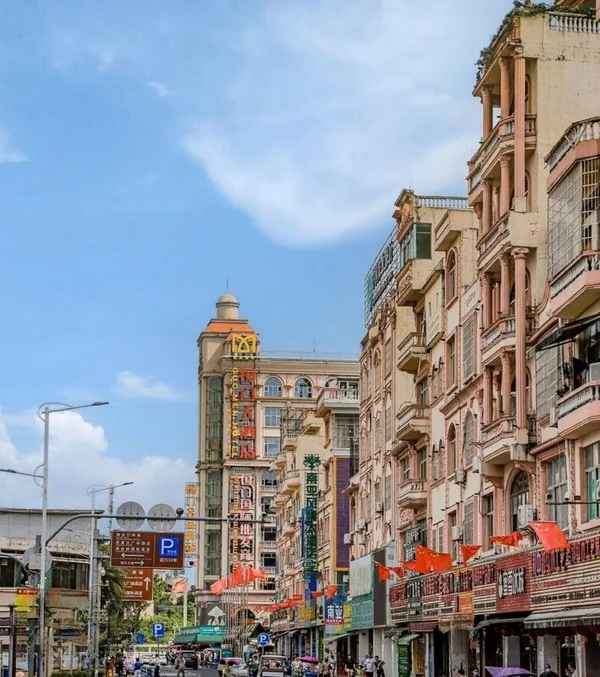
Right along the Vietnamese border, the frontier trading town of Dongxing carries a history shaped by sea waves and merchant junks. From the Ming Dynasty—and flourishing especially under the Qing Dynasty during the prosperous Kangxi and Qianlong reigns—Dongxing rose as a bustling estuarine port along the Beilun River. Naturally separated yet tightly linked to the port of Mong Cai in northern Vietnam across a narrow ribbon of water, historic Dongxing thrived with bustling wharves where silk, porcelain, pearls, and rare agricultural goods were briskly traded by merchants from both shores. Rows of heritage shophouses and incense-wreathed temples built by boatmen and traders endowed this borderland strip with an enduring prosperity, symbolizing centuries of shared livelihood and uninterrupted cross-border commerce through storms and strife.
As the era of wooden sailing junks and ancient pack-horse trails gave way to modern technology, the dream of linking this borderland with thousand-year-old heritage centers was realized through extraordinary railway feats. On December 26, 2013, the high-speed railway connecting Nanning and Guilin officially commenced operations, erasing the formidable barrier of rugged karst terrain and bringing legendary mountain-and-water landscapes within effortless reach. Exactly a decade later, on December 27, 2023, the 46.9-kilometer Fangchenggang–Dongxing high-speed rail section—designed for speeds of 200 km/h—was grandly inaugurated. This milestone marked the first high-speed railway in history to extend directly to an international land port bordering Vietnam. Today, steel tracks threading through emerald peaks and turquoise rivers represent far more than mechanical progress; they are the seamless continuation of history—from the first pickaxe strikes carving the Lingqu Canal under the Qin Dynasty to sleek bullet trains slicing through the wind, distilling a millennium of transformation across sacred Lingnan.
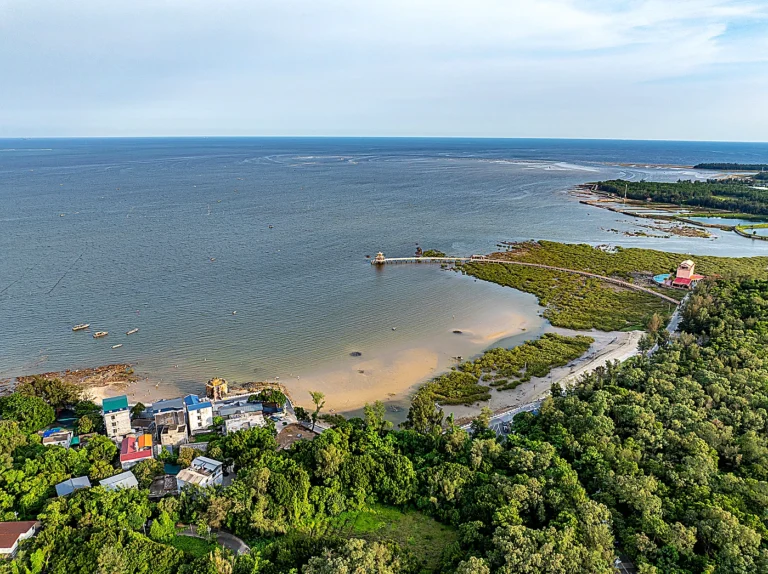
Viewed through the classical feng shui geomancy of the Lingnan belt, the high-speed rail corridor stretching from the Dongxing gateway through the regional capital of Nanning to the ethereal realm of Guilin resembles a silver dragon rising from the southern bay, piercing layered mountain ranges to converge upon a wellspring of poetic landscapes. Beginning along the coast at Dongxing Port—where the mainland meets the Gulf of Tonkin in an auspicious “backed by mountains, facing the sea” formation—the line skirts the foothills of the majestic Shiwan Dashan range, a natural screen guarding the southern frontier through millennia of turbulent history. Here, the terrain transitions swiftly from flat alluvial plains along Fangchenggang Bay into undulating hills before sloping gently into the Nanning Basin, where the Yong River curves around the city like a nurturing embrace gathering eternal vital energy.
The engineering prowess of the CRH high-speed network shines brightest once trains leave the Yong River basin and plunge deep into the world’s most spectacular karst topography across Guilin and Yangshuo. To hydrogeological engineers, this limestone mountain zone was once considered forbidden territory for high-speed rail due to complex subterranean karst formations, countless hollow solution caves, and deep-seated tectonic fault lines. To keep trains gliding smoothly at hundreds of kilometers per hour, builders deployed continuous multi-span viaducts bridging deep karst valleys alongside advanced low-vibration tunnel-boring techniques—eliminating subsidence risks while leaving natural underground waterways and local ecosystems completely undisturbed.
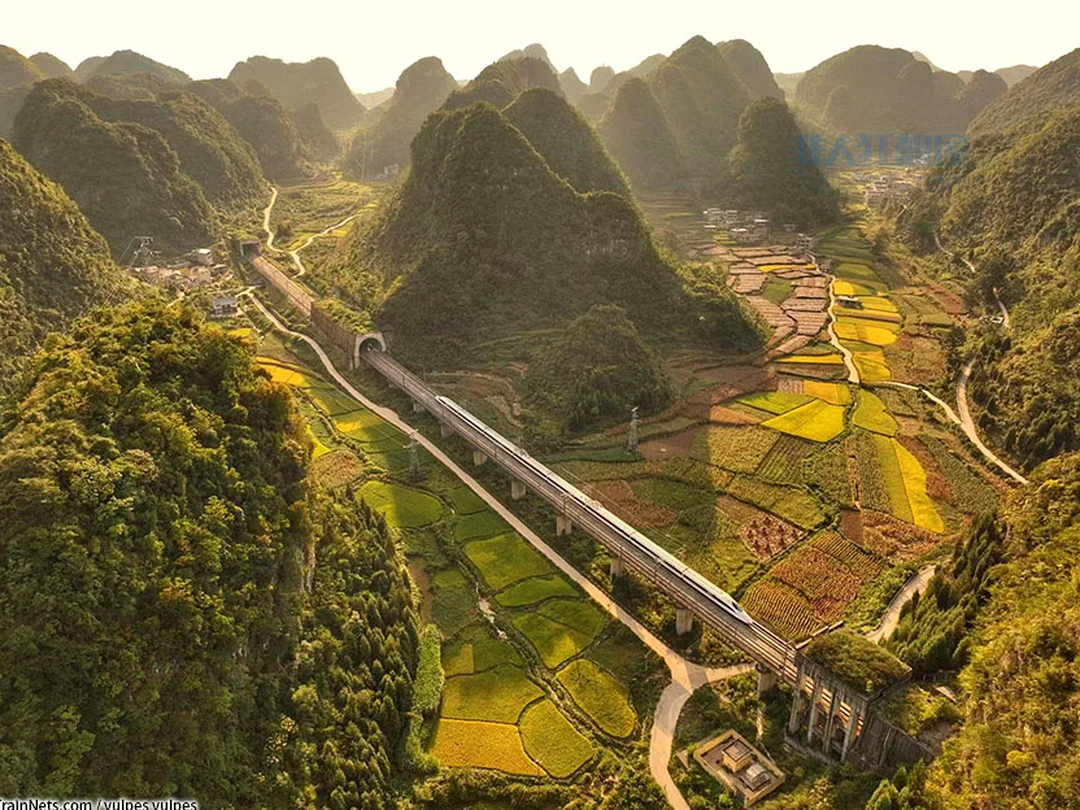
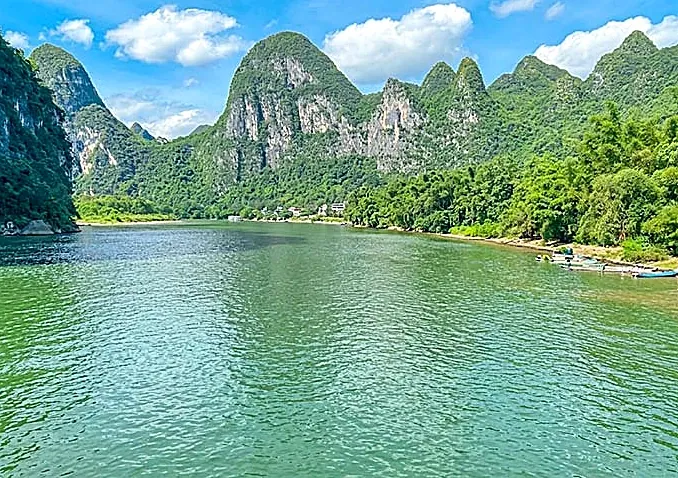
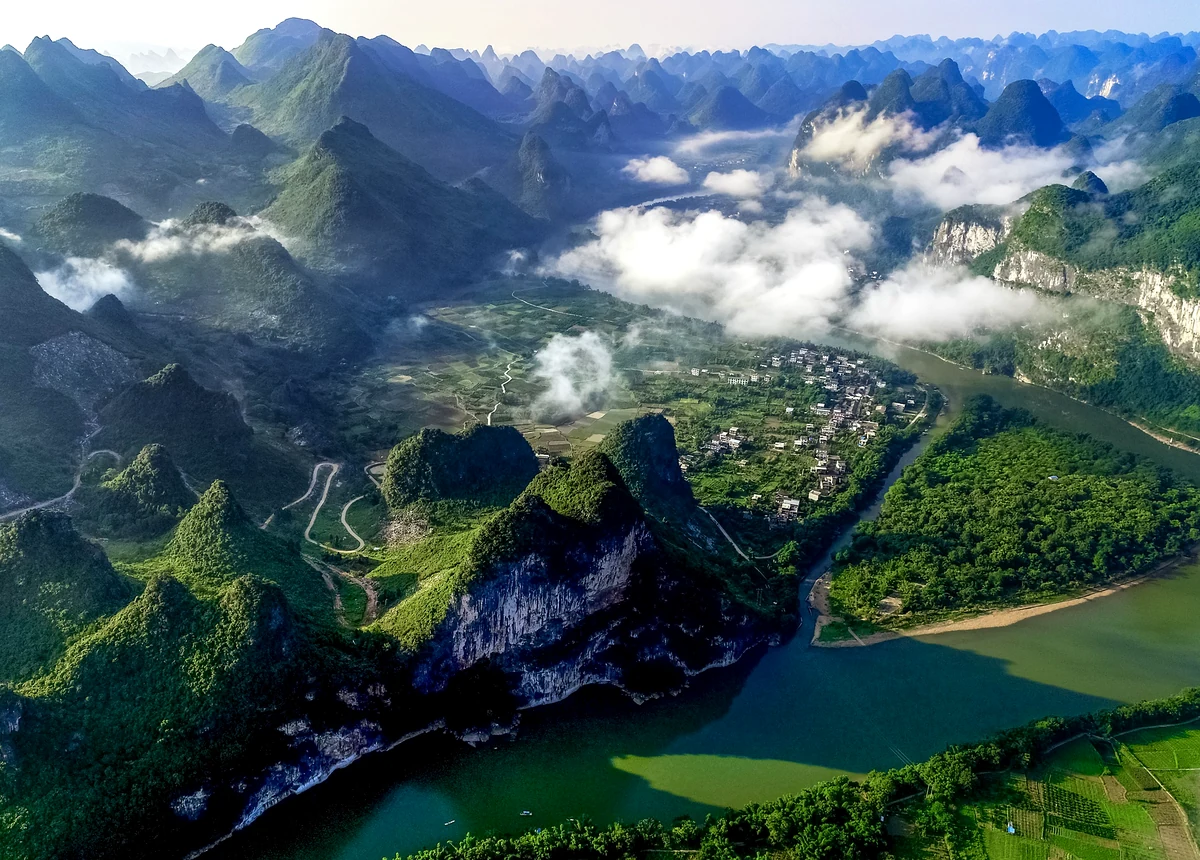
Traveling along these signature routes unveils dramatically shifting panoramas for curious wanderers. On the primary route running straight from Dongxing via Nanning to Guilin and downstream Yangshuo, the scenery transitions fluidly from bustling coastal commerce to the lush, banyan-shaded boulevards of Nanning, before suddenly falling into serene stillness upon entering Guilin. Here, thousands of limestone pinnacles thrust straight toward the azure sky like jade bamboo shoots reflected in the glassy Li River—creating a living ink-wash masterpiece hailed by Southern Song scholars as peerless under heaven. This sacred landscape captivates not only with its pristine natural beauty, but also with its harmonious feng shui balance between the yin of emerald waters and the yang of sheer thousand-year-old cliffs.
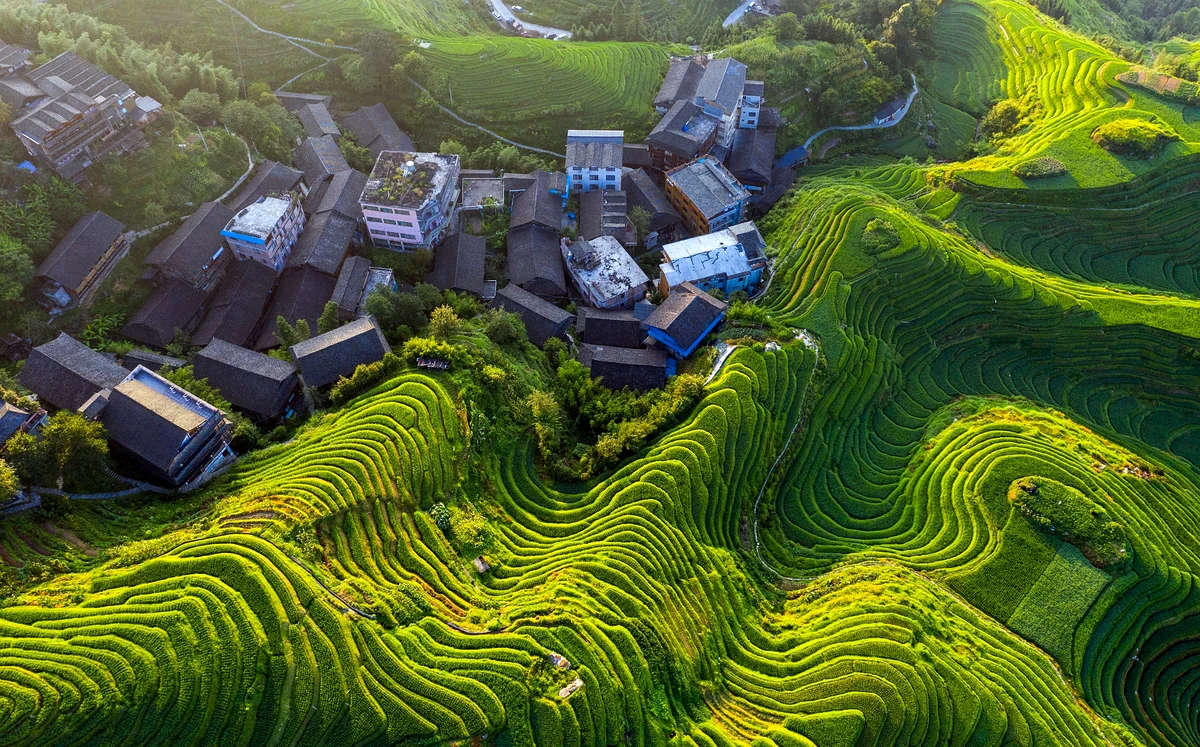
Better yet, choosing the secondary route branching via Fangchenggang and extending from Guilin up into the Longsheng highlands rewards travelers with breathtaking terraced topography. Leaving behind the tranquil riverbanks of Yangshuo, the journey climbs high into mist-shrouded mountain slopes crowned by the Longji Rice Terraces, which cascade tier upon tier from valley floors up into the clouds. These terraces stand as a thousand-year monument to the ingenuity of the Zhuang and Yao peoples, who sculpted steep, rugged slopes into masterful water-retaining steps that have sustained mountain villages through centuries of sun and rain. The union of cutting-edge rail infrastructure and fairyland mountain scenery transforms this entire corridor into a living open-air geological museum.
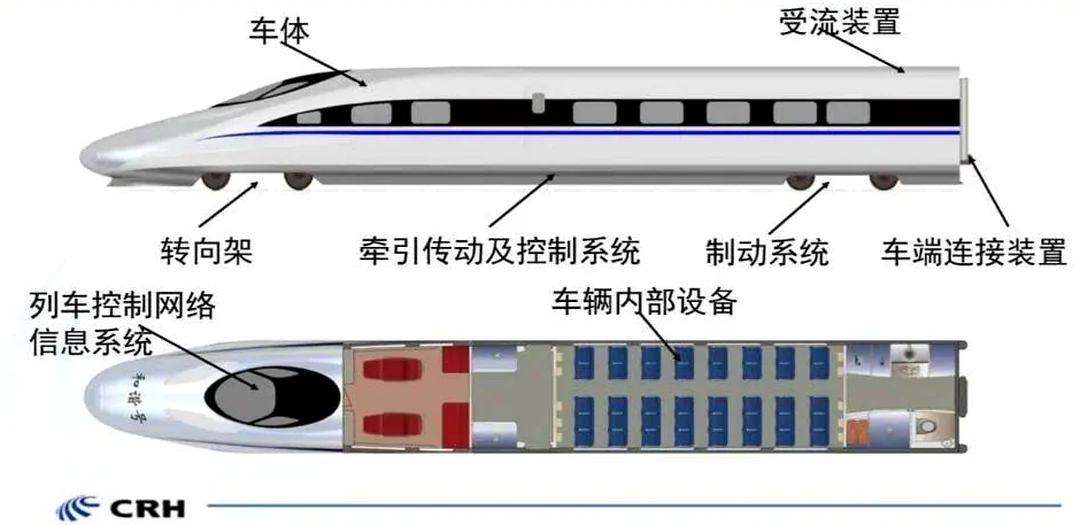
Stretching along the frontier corridor from the shores of the Gulf of Tonkin to the scenic peaks of Southwest China, the Dongxing–Nanning–Guilin high-speed railway stands as a triumph uniting cutting-edge aerodynamics with distinctive regional architecture. Along this overland journey spanning hundreds of kilometers, ultra-fast CRH and Fuxing bullet trains represent the pinnacle of modern transport engineering. At the core of this craftsmanship lies precision pneumatic suspension and multi-point electronic stabilization, keeping carriage vibration below an almost imperceptible 0.05g. Thanks to this astonishing stability, slender objects like coins or upright pens balanced on a windowsill remain completely steady even as the train slices through the air at operating speeds of 250 to 300 km/h—compressing total travel time across these three major economic and cultural hubs to under 3.5 hours.
Notably, the Fangchenggang–Dongxing segment—known as the Fang–Dong Line—features a design speed of 200 km/h and utilizes continuous welded seamless rails laid over precast concrete track slabs, ensuring a whisper-smooth ride free from the clatter of traditional rail joints. The train’s aerodynamic nose cone mimics the sleek profile of a diving falcon, minimizing air resistance as it plunges repeatedly through tunnels bored straight through rugged karst mountains. Inside, ergonomic cabin design integrates circulating microclimate airflow, eye-soothing full-spectrum lighting, and multi-layered acoustic insulation, turning every carriage into a tranquil observation lounge gliding through majestic wilderness.
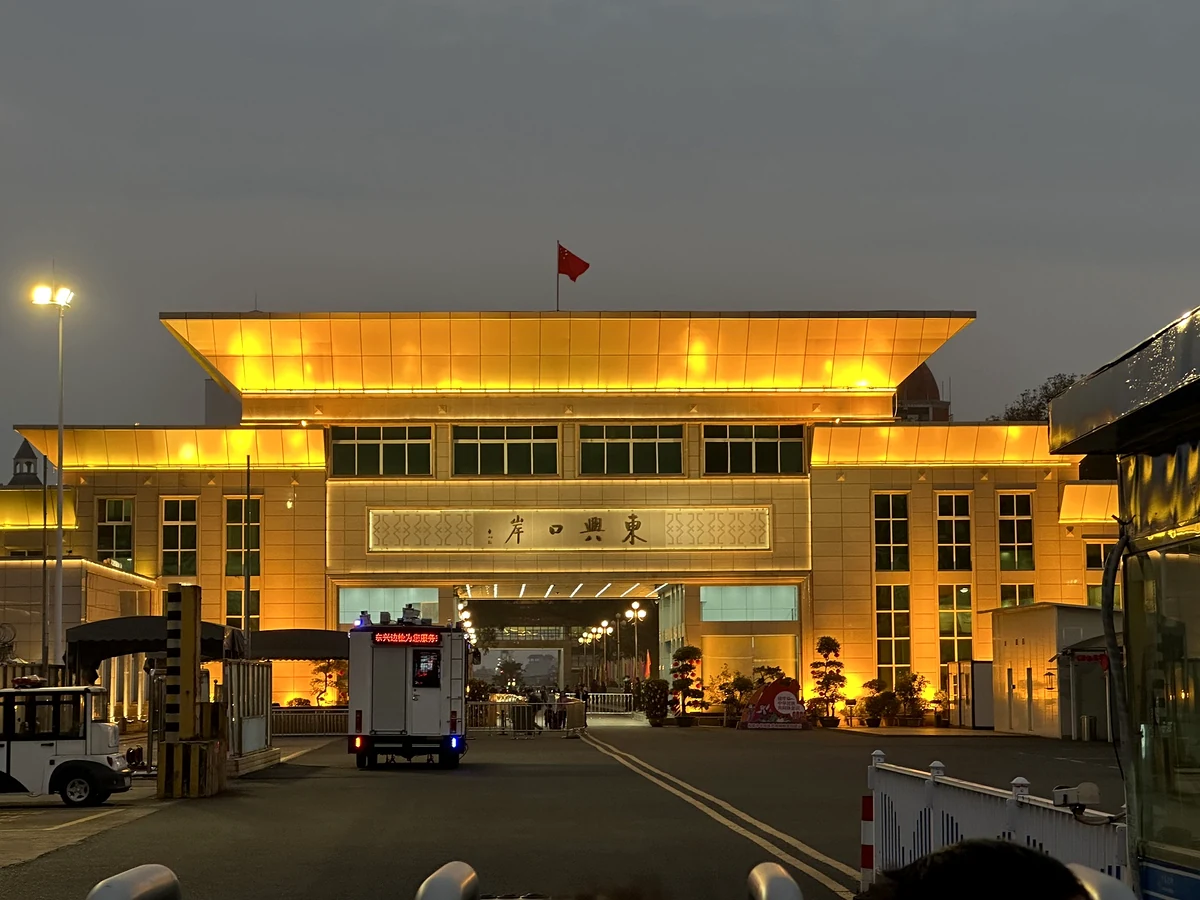
Beyond mechanical engineering, the soul of the entire line crystallizes at its starting point in the landmark Dongxing Railway Station. Built on a modern open-plan concourse model, the terminal utilizes wide-span steel trusses to maximize floor space and eliminate the claustrophobia often associated with closed border facilities. High-performance reflective glass curtain walls paired with expansive skylights flood the waiting halls with natural daylight while creating passive ventilation corridors that channel cool southern sea breezes. Lush pockets of native greenery turn the terminal into a soothing transit garden, offering a gentle transition between urban bustle and high-speed adventure.
The deeper the line penetrates into the Guilin karst plateau—and especially famed Yangshuo—the more its infrastructure enters a thoughtful dialogue with traditional Lingnan architectural heritage. Along thousand-year-old riverside lanes like West Street beside the Li River, travelers immediately recognize crisp whitewashed walls paired with weathered, dark gray yin-yang roof tiles. Graceful boat-curved eaves, intricate cloud-scroll stucco moldings, and celadon-glazed ceramic gable reliefs have inspired the design of auxiliary stations along the route. Blending prefabricated structural steel with classic Lingnan motifs preserves local spatial memory while creating a multi-layered visual tapestry—turning the railway into a sleek digital silk ribbon draped across Guangxi’s timeless natural wonders.
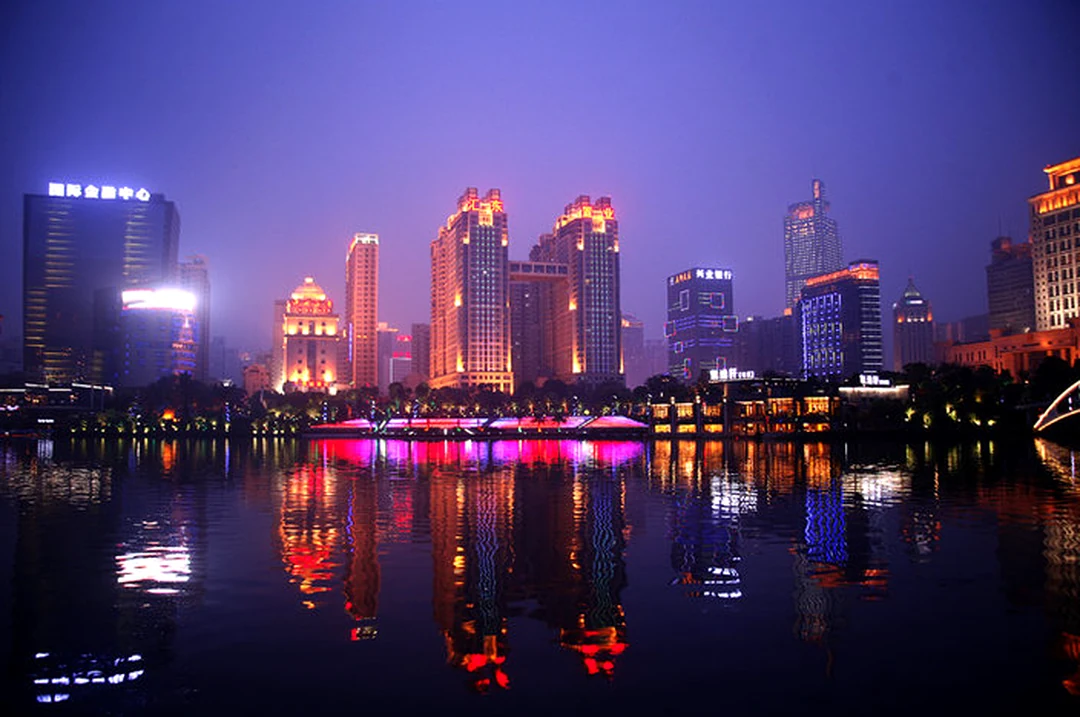
As daytime bullet-train journeys draw to a close across Guangxi’s picturesque hills and rivers, nightfall awakens each stop along the route into a dazzling dance of light art and vibrant nocturnal life. In Nanning—the largest and most cosmopolitan metropolis on the corridor—the fusion of Lingnan heritage and contemporary energy shines brightest at the Sanjie Liangxiang (Three Streets and Two Alleys) historic quarter and the iconic Zhongshan Night Market. Beneath meticulously restored Ming and Qing Dynasty tiled roofs, blue-brick walls, and intricate wood carvings, warm red lanterns glow down bluestone alleys in graceful contrast to dazzling LED displays on riverside skyscrapers reflected in the Yong River. Travelers are drawn irresistibly by tantalizing aromas wafting from street-food stalls, where blazing cast-iron woks toss famous Laoyou rice noodles—a classic medley of sour bamboo shoots, fermented black beans, bird’s-eye chilies, and thinly sliced beef—amid the sizzle of charcoal-grilled seafood and spicy Liuzhou river snails. Nanning after dark is far more than a culinary rendezvous; it is a lively tableau of community life where melodic local Cantonese dialects mingle with the unhurried footsteps of evening strollers.
Leaving the bustling metropolis behind and heading north to Yangshuo County in Guilin, the evening ascends into a breathtaking visual masterpiece with the live landscape extravaganza Impression Liu Sanjie. Conceived and directed by acclaimed filmmaker Zhang Yimou alongside Wang Chaoge and Fan Yue, this landmark production pioneered large-scale open-air landscape theater worldwide. Rather than being enclosed within four walls, the stage spans nearly two square kilometers of natural water along the Li River, framed permanently by twelve towering karst peaks. Once quiet darkness blankets the valley, hundreds of high-powered spectral spotlights transform million-year-old cliffs into ethereal backdrops and turn the drifting river into a mirror reflecting reality and dream.
The enduring vitality of the show draws deeply from the folk legend of Liu Sanjie—the Tang Dynasty Zhuang singing fairy renowned for her pure, enchanting voice. Across this magical aquatic stage, more than six hundred performers—mostly local fishermen and young women from riverside villages—bring to life the daily customs, labor, and traditions of the Zhuang, Miao, Yao, and Dong ethnic groups. Traditional bamboo rafts glide swiftly across the current, hundred-meter ribbons of crimson silk undulate over the water, and fiber-optic-lit ethnic costumes create spellbinding visual effects. Rustic mountain antiphonal singing blends with the splash of oars echoing off sheer karst cliffs, producing a natural three-dimensional acoustic amphitheater that no indoor concert hall could ever replicate.
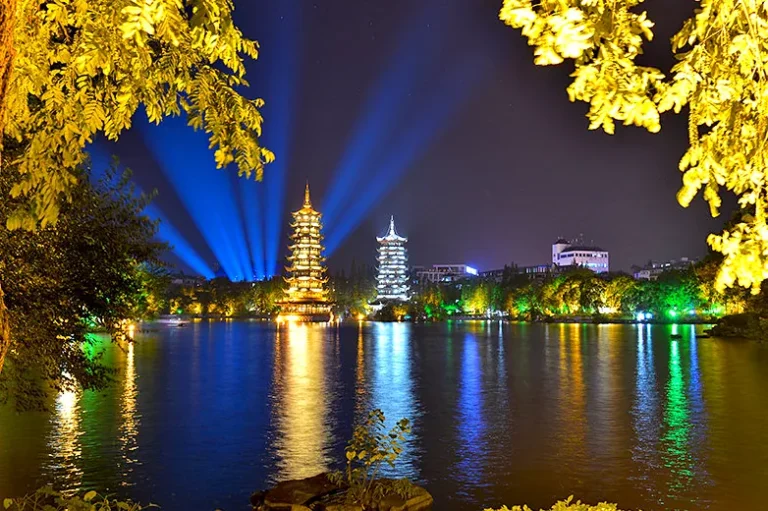
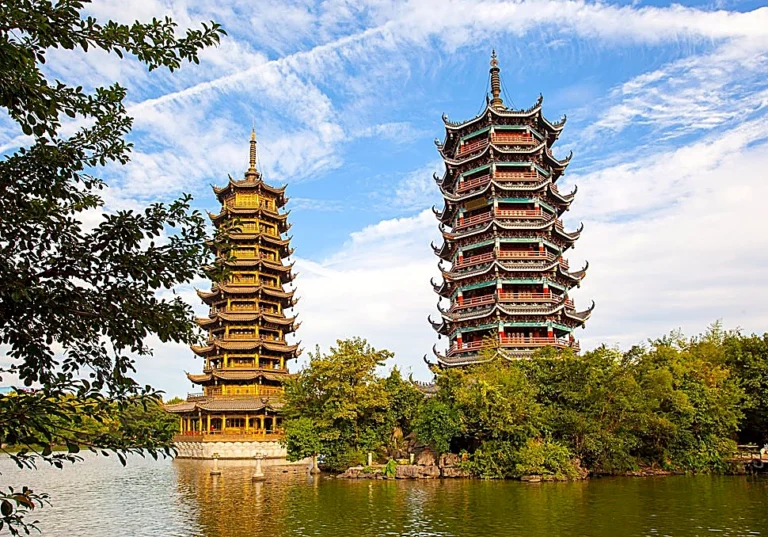
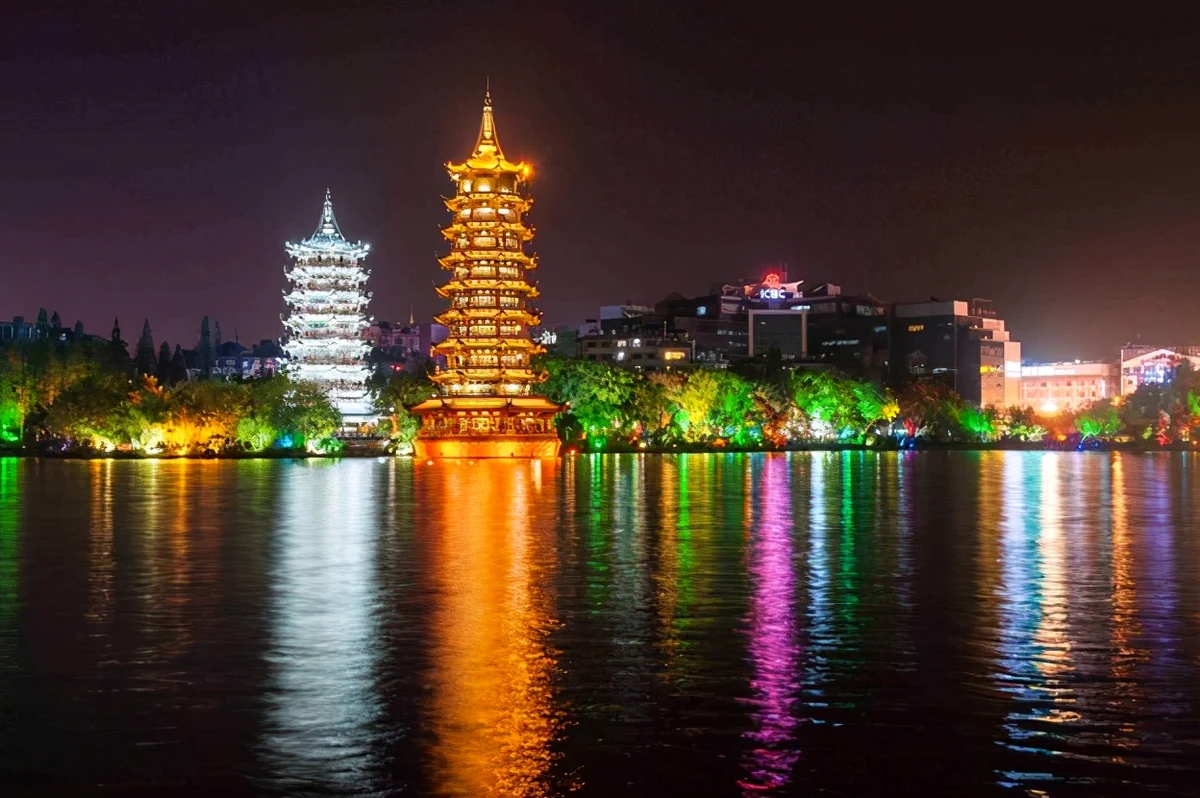
Back in central Guilin City, the night takes on a serene, refined elegance as cruise boats glide through the Two Rivers and Four Lakes scenic system. Illuminated by carefully calibrated lighting designed to accentuate natural contours, the iconic Sun and Moon Pagodas rise from Shan Lake as twin emblems in the heart of the city: a radiant golden bronze pagoda symbolizing the sun, paired with a pure white glazed-tile pagoda symbolizing the moon. A journey along the Dongxing–Nanning–Guilin high-speed railway is therefore far more than geographic transit—it is a multi-sensory odyssey guiding travelers from vibrant southern street life to majestic open-air artistry framed by natural wonders.
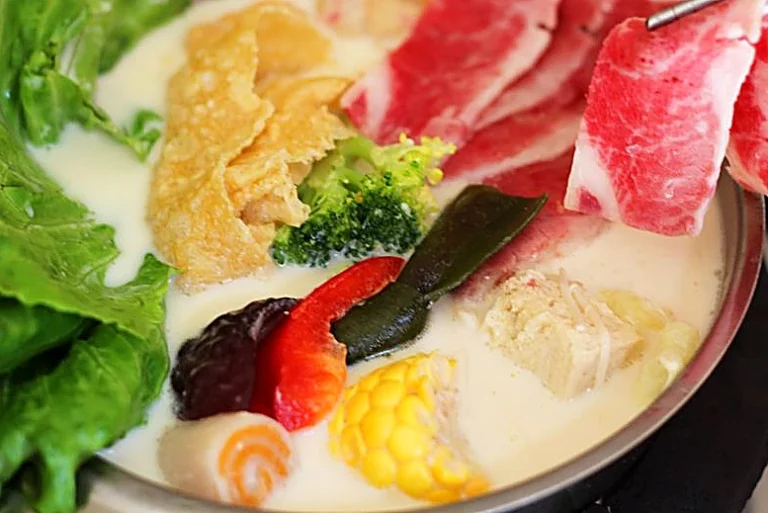
This steel artery cutting across Lingnan unveils not only awe-inspiring geological wonders, but also a richly varied culinary map stretching from the briny breezes of the Gulf of Tonkin to refined heirloom flavors along the Li River. Stepping off at the first stop in Dongxing, visitors immediately encounter the distinctive food culture of the Jing (Gin) ethnic community, who have inhabited the three islands of Wanwei, Shanxin, and Wutou for generations. Foremost among their coastal specialties is Jing-style blue crab seafood thick rice noodle soup (banh canh ghe), where chewy, velvety rice noodles mingle with sweet, freshly caught blue crab simmered in a crystal-clear stock enriched with prawns, stone crabs, and sea worms (sa sung). Beyond maritime delicacies, Dongxing charms travelers with local steamed chicken infused with kaffir lime leaves—boasting crisp golden skin and a delicate citrus aroma—alongside Beihai roast duck, whose honey-glazed skin and tender meat are infused with black cardamom and cassia bark inside traditional clay urn ovens.
As the CRH train glides smoothly into Nanning, ocean breezes give way to the bold, fiery symphony of local street cuisine anchored by Laoyou rice noodles (Laoyoufen), a culinary treasure with over a century of history. Legend traces its birth to an old teahouse chef who cooked up a restorative bowl to cure a close friend’s cold, masterfully uniting jar-fermented sour bamboo shoots, minced pork, plump river snails, fragrant sautéed garlic, glossy fermented black beans, and fiery fresh chilies. Simmered to a rolling boil, the tangy, spicy broth awakens the palate and brings a satisfying sweat that dispels the damp chill of the southern Pearl River basin. Strolling through Nanning’s lively night markets after dark, discerning food lovers also seek out bubbling clay-pot frog porridge drizzled with rich ginger-pepper reduction, or stir-fried duck with fermented red bean curd (chao), where firm country duck absorbs creamy, aromatic rice-wine richness.
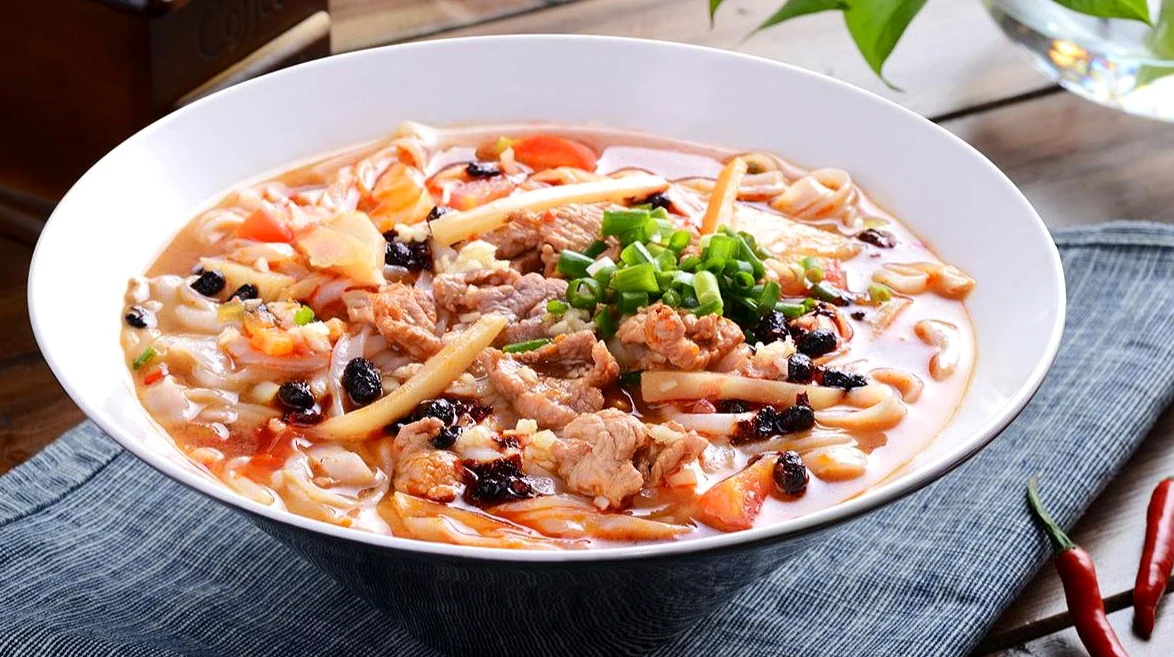
Continuing north to Guilin, the culinary journey reaches a level of refinement as timeless as a thousand-year-old ink painting mirrored in the Li River. Topping the list of local icons is Guilin rice noodles (Guilin Mifen), a staple woven into the daily memory of every local resident. Smooth, plump, snow-white strands made from lightly fermented rice are served not swimming in soup, but coated in a concentrated herbal brine slow-simmered overnight from beef marrow bones, pork bones, and dozens of traditional Chinese botanicals. A classic bowl comes crowned with crackly roast pork, paper-thin slices of poached beef, crunchy roasted peanuts, spicy pickled bamboo shoots, and crispy fried soybeans—delivering an unforgettable interplay of textures. Further downstream in Yangshuo, one-of-a-kind beer fish leaves a lasting impression on every visitor. Local fishermen catch live carp or grass carp straight from the pristine Li River, leaving the scales intact to lock in natural sweetness before braising the fish slowly in locally brewed beer without adding a single drop of water. Fragrant beer vapor mingles with ripe tomatoes, crisp bell peppers, and garlic to form a rich crimson sauce enveloping velvety-sweet fish infused with wild river character.
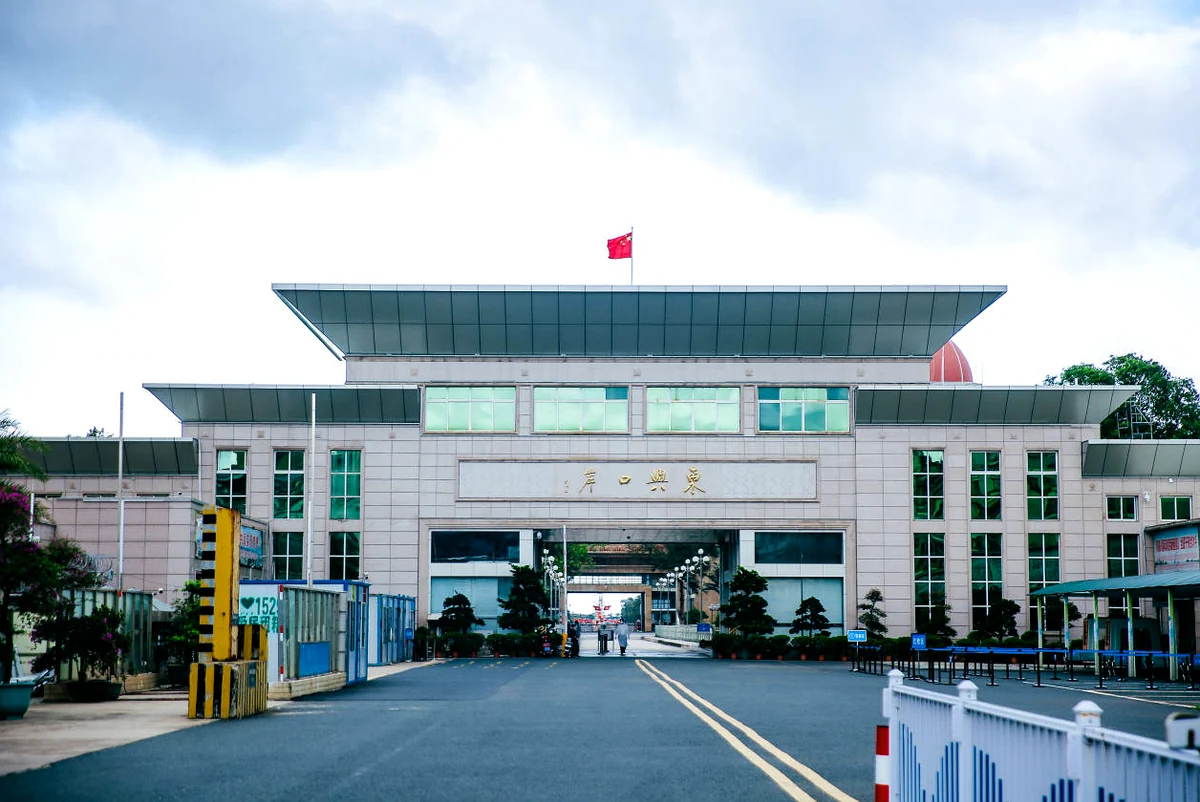
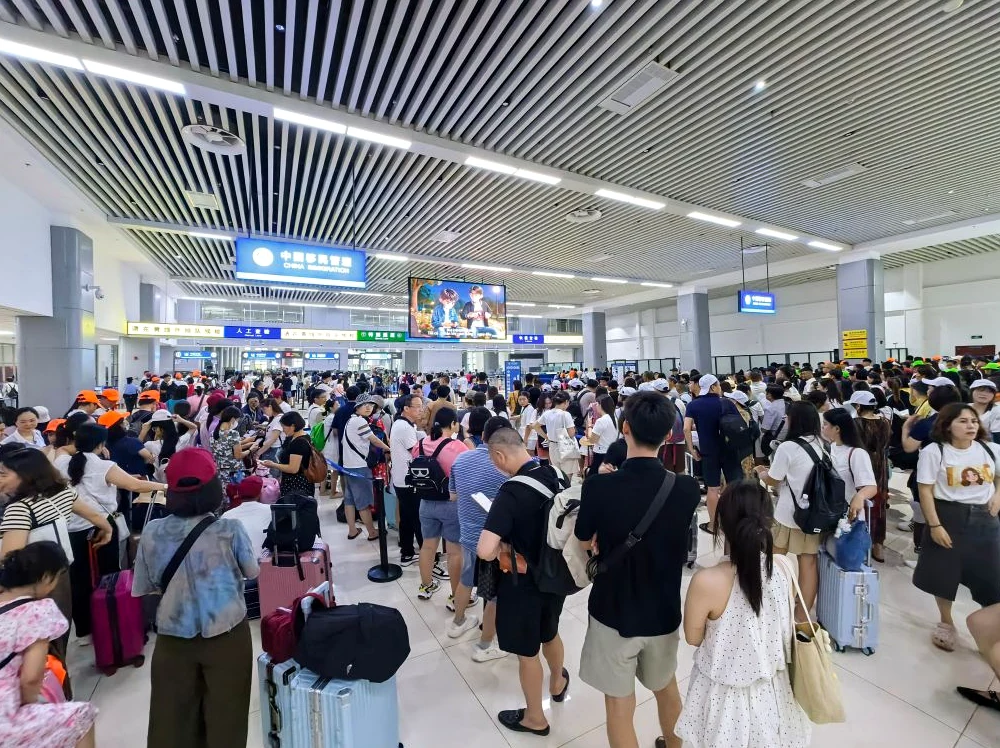
Traveling along the cultural axis linking Nanning and Guilin from the Mong Cai International Border Gate offers a remarkably smooth border-crossing experience thanks to flexible entry policies in the Guangxi Zhuang Autonomous Region. Travelers simply need a valid chip-based Vietnamese Citizen Identity Card or ordinary passport to apply through authorized agencies for a Border Tourism Exit-Entry Permit. Processing takes just one to two business days, streamlining travel by eliminating traditional embassy visa stickers. When crossing the demarcation line on the Beilun Bridge into Dongxing Port, be sure to keep your entry declaration slip and travel permit intact throughout your stay.
Immediately after clearing border control, travelers can hop into a taxi or city bus for the roughly five-kilometer ride to Dongxingshi Railway Station to board China’s modern high-speed rail network. CRH (China Railway High-speed) trains operate frequently from early morning until late evening, gliding effortlessly at design speeds of 200 to 250 km/h. The coastal leg from Dongxing across viaducts and tunnels along the Gulf of Tonkin to Nanning East Station takes just over an hour, followed by a two-and-a-half-hour ride along the main high-speed trunk line to Guilin North Station. Security screening inside railway concourses is thorough: lighters, flammable or explosive items, and large pressurized aerosol cans are strictly prohibited, and liquids should be packed in standard sealed containers to ensure smooth X-ray baggage inspection.
In terms of travel costs, second-class high-speed rail tickets are remarkably budget-friendly—ranging from just a few dozen to just over a hundred yuan per segment—offering far greater speed and comfort than overnight sleeper buses of the past. Upon arriving in each transit city, sampling local street cuisine is an unmissable highlight that remains easy on the wallet. Along the corners of Guilin’s Old Town, an authentic bowl of Guilin rice noodles—with chewy round strands bathed in fragrant cassia-and-cardamom bone reduction and topped with crispy-skinned roast pork—costs just 10 to 15 yuan. In Nanning, savvy foodies hunt down fiery river snail noodles or tangy lemon-chili stir-fried duck rich with Yong River character, rounding out an unforgettable gastronomic journey.
One vital tip for travelers embarking on this borderland route is to stay vigilant against “zero-dollar tours” or suspiciously cheap packages heavily promoted around border gates. Such cut-rate itineraries are subsidized by closed-door shopping venues where travelers are subjected to hours-long sales pitches pressuring them to buy jade, dark tea, herbal balms, or latex mattresses at vastly inflated prices. Falling into these low-quality traps not only drains your budget and compromises personal safety, but also steals precious time meant for sightseeing. The wisest choice is a pure, no-shopping itinerary that preserves every hour for exploring Ming-era Jingjiang Princes’ Palace—chronicling over six centuries of Zhu Shouqian’s royal lineage—or cruising peacefully amid the poetic waters and karst peaks of the legendary Li River.
To ensure a smooth journey, pack light with a four-wheeled spinner suitcase for effortless navigation up and down high-speed station platforms, and link an international payment card to popular Chinese mobile wallet apps in advance for quick, seamless payments at eateries and souvenir shops. Planning your itinerary early puts you in complete control of both time and discovery along every mile; if you prefer an effortless mountain-and-river getaway without worrying about border paperwork or rail transfers, consider exploring a thoughtfully curated all-inclusive tour package designed to maximize comfort and cultural immersion.